





مقارنة تقنيات الخلاطات المستحلبة: الاستقرار والاتساق
- مقارنة تقنيات الخلاطات المستحلبة: الاستقرار والاتساق
- مقدمة في تكنولوجيا الخلاطات المستحلبة و
- ما الذي يحدد استقرار وتماسك المستحلب؟
- نظرة عامة على تقنيات خلاطات الاستحلاب الشائعة، بما في ذلك التجارية
- خلاط استحلاب بالتفريغ: التصميم وفوائده لتحقيق الاستقرار
- كيف يُحسّن الفراغ جودة المستحلب
- الخلاطات عالية القص وأنظمة الدوار-الثابت: السرعة مقابل التحكم
- أجهزة التجنيس المدمجة وأجهزة الاستحلاب بالموجات فوق الصوتية: التجنيس الموجه
- جدول مقارنة: الاستقرار والاتساق عبر التقنيات
- معايير العملية التي تؤدي إلى استقرار الخلاط المستحلب
- توافق المواد، والتنظيف، والصيانة من أجل أداء موثوق
- اعتبارات التوسع والإنتاج عند شراء خلاط مستحلب
- المفاضلات الاقتصادية والتشغيلية
- أفضل الممارسات التشغيلية لتحقيق مستحلبات مستقرة ومتسقة باستخدام مستحلبات الفراغ
- نبذة عن العلامة التجارية وأسباب تميز خلاط الاستحلاب الفراغي من يوانيانغ
- أسئلة شائعة حول تقنيات خلاطات الاستحلاب وخلاطات الاستحلاب الفراغية المعروضة للبيع
- س: ما هي ميزة الخلاط المستحلب بالتفريغ مقارنةً بالخلاط عالي القص؟
- س: هل يمكن لخلاط الاستحلاب الفراغي أن يحقق حجم جسيمات يبلغ 2 ميكرون بشكل ثابت؟
- س: هل استخدام الفراغ ضروري لجميع مستحلبات التجميل؟
- س: ما هي الصيانة المطلوبة لخلاطات الاستحلاب الفراغية؟
- س: كيف يمكن اختيار الحجم والطراز المناسبين عند البحث عن خلاط استحلاب فراغي للبيع؟
- تواصل ودعوة للعمل
- مراجع موثوقة ومصادر قراءة إضافية
- مراجع
مقارنة تقنيات الخلاطات المستحلبة: الاستقرار والاتساق
مقدمة في تكنولوجيا الخلاطات المستحلبة و
يُعدّ اختيار الخلاط المستحلب المناسب أمرًا بالغ الأهمية للمصنّعين الذين يسعون إلى إنتاج كريمات ومنتجات للعناية بالبشرة ومراهم ومعاجين ومستحلبات ذات قوام متجانس وثابت. يشمل مصطلح "الخلاط المستحلب" مجموعة من التقنيات، صُممت كل منها لتوزيع القطرات والمواد الصلبة في وسط متجانس. بالنسبة للشركات التي تتطلع إلى شراء معدات إنتاج، تُعدّ كلمات مفتاحية مثل "خلاط مستحلب" و"خلاط مستحلب فراغي للبيع" من أكثر عبارات البحث شيوعًا، وفهم كيفية تأثير كل تقنية على الثبات والتجانس سيساعد في توجيه استثمارات المعدات بشكل أكثر ذكاءً.
بعد تقييم التكنولوجيا، قم بإتمام عملية الشراء معقائمة التحقق من عملية الشراء لخلاط الاستحلاب الفراغي المعروض للبيعلضمان عدم إغفال أي تفصيل.
ما الذي يحدد استقرار وتماسك المستحلب؟
تعتمد استقرارية وتجانس المستحلبات على توزيع حجم القطرات، والتحكم في حجم الجسيمات، ونمط القص أثناء الخلط، والتحكم في درجة الحرارة، وإزالة الهواء، وقابلية التكرار بين الدفعات. تقلل القطرات الأصغر حجمًا والموزعة بانتظام من التكتل والانفصال. كما يُحسّن التحكم في فقدان الأكسجين والمواد المتطايرة عن طريق التفريغ من مدة الصلاحية. يجب على المصنّعين تقييم الخلاطات من حيث قدرتها على إنتاج اللزوجة وحجم الجسيمات والتوزيع المستهدفين باستمرار في ظل ظروف الإنتاج.
نظرة عامة على تقنيات خلاطات الاستحلاب الشائعة، بما في ذلك التجارية
تشمل التقنيات الرئيسية المستخدمة في خلاطات الاستحلاب الصناعية خلاطات الاستحلاب الفراغية، وخلاطات القص العالي، وأنظمة الدوار-الثابت، والمجانسات المدمجة، والمستحلبات فوق الصوتية. ولكل منها مزاياها وعيوبها المتعلقة بالاستقرار والاتساق. بالنسبة للمشترين الباحثين عن خلاطات استحلاب فراغية للبيع، فإن فهم هذه الاختلافات يوضح سبب تفضيل مصنعي مستحضرات التجميل والمستحضرات الموضعية للأنظمة المجهزة بتقنية الفراغ.
خلاط استحلاب بالتفريغ: التصميم وفوائده لتحقيق الاستقرار
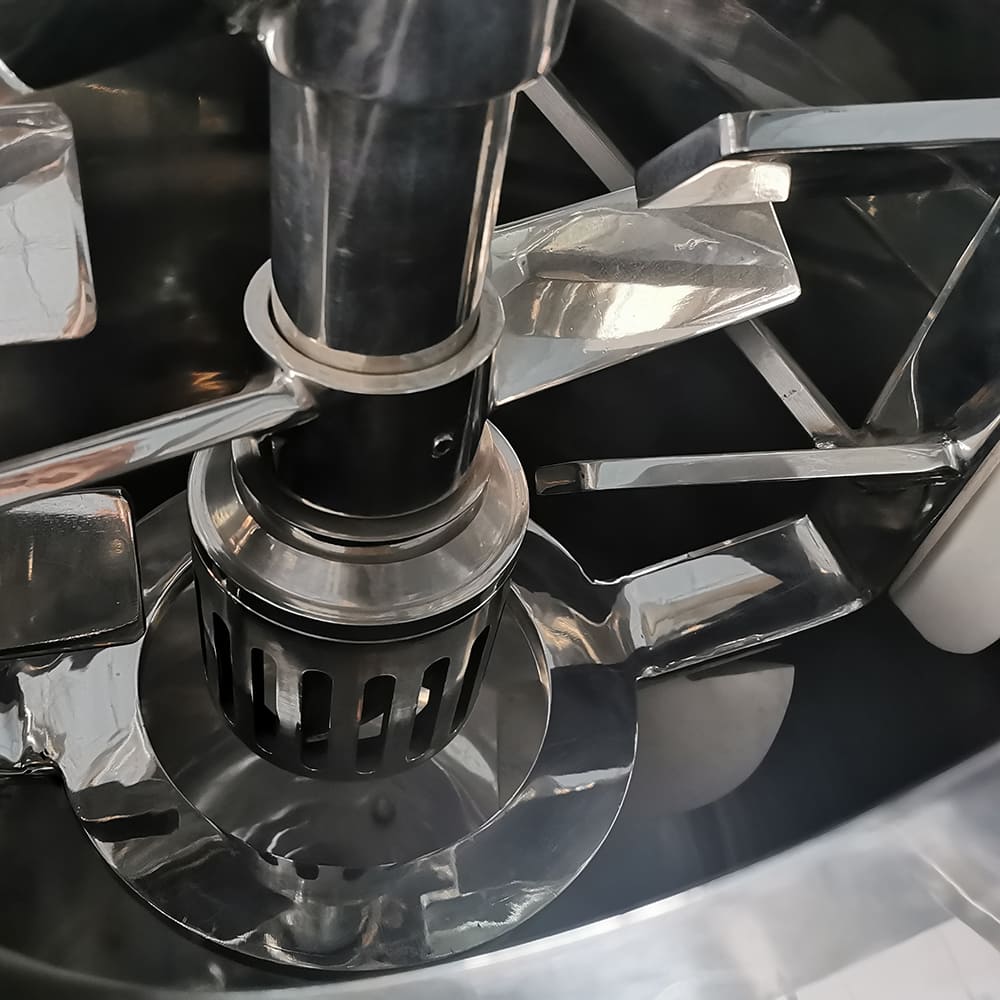
تجمع خلاطات الاستحلاب الفراغية بين القص المتحكم به والضغط المنخفض لإزالة الهواء، والتحكم في الغليان/الرغوة، وتحسين توزيع حجم الجسيمات. تتضمن هذه الوحدات عادةً وعاء استحلاب رئيسي، ووعاء ماء، ووعاء زيت؛ ونظام رفع هيدروليكي لتسهيل التعامل مع الخزانات؛ ونظام فراغ لإزالة الهواء من الدفعة؛ وتحكم كهربائي لضبط معايير العملية بدقة. بالنسبة للتركيبات ذات اللزوجة من 10000 إلى 50000 سنتي بواز، تُنتج مستحلبات الفراغ منتجات متجانسة ومستقرة ذات حجم جسيمات مثالي يصل إلى حوالي 2 ميكرون عند تهيئتها وتشغيلها بشكل صحيح.
مقدمة عن المنتج:
خلاطة المستحلب الفراغية Yuanyang هي نوع من آلات المستحلب، وهي معدات إنتاج مستحضرات التجميل الأكثر شعبية لصنع الكريم ومنتجات العناية بالبشرة والمراهم والمعجون والمستحلبات.
سمات:
⦁ يتكون من وعاء الاستحلاب الرئيسي ووعاء الماء ووعاء الزيت.
⦁ مع نظام الرفع الهيدروليكي، ونظام الفراغ، ونظام التحكم الكهربائي.
⦁ مناسب للمنتجات ذات اللزوجة 10,000~50,000 cps.
⦁ حجم الجسيمات المثالي 2 ميكرون وموزعة بالتساوي.
كيف يُحسّن الفراغ جودة المستحلب
يُقلل تشغيل عملية الاستحلاب تحت الفراغ من الهواء المحتبس وفقدان المواد المتطايرة. كما يُقلل انخفاض كمية الهواء من تكوّن الرغوة الدقيقة وخطر الأكسدة، مما يُحسّن بشكل مباشر من استقرار المنتج ومظهره التجميلي. بالإضافة إلى ذلك، يُخفض الفراغ درجة الغليان، مما يُتيح معالجة أكثر أمانًا للمواد الفعالة الحساسة للحرارة في درجات حرارة منخفضة مع الحفاظ على القص اللازم لإنتاج مستحلبات دقيقة. والنتيجة النهائية هي ملمس أنعم، وتقليل الأكسدة، وإطالة فترة صلاحية المنتج - وهي نتائج مهمة لمصنعي مستحضرات التجميل ومديري الإنتاج الذين يبحثون عن خلاطات استحلاب تعمل بالفراغ.
الخلاطات عالية القص وأنظمة الدوار-الثابت: السرعة مقابل التحكم
تُولّد الخلاطات عالية القص اضطرابًا شديدًا لتقليل حجم القطرات بسرعة. وتُنتج أنظمة الدوار-الثابت القص من خلال التفاعل المباشر. وهي ممتازة للتشتيت الأولي والمعالجة السريعة، وغالبًا ما تكون تكلفتها أقل من أنظمة التفريغ الكامل. مع ذلك، قد تؤدي عمليات القص العالي إلى دخول الهواء وتوليد حرارة زائدة إذا لم تقترن بالتبريد أو التفريغ، مما قد يُقلل من استقرار التركيبات الحساسة للحرارة. تُعد هذه الأنظمة مثالية للتشتيتات القابلة للذوبان في الماء أو المستحلبات منخفضة اللزوجة حيث تُعد الإنتاجية العالية وانخفاض التكاليف الرأسمالية من الأولويات.
أجهزة التجنيس المدمجة وأجهزة الاستحلاب بالموجات فوق الصوتية: التجنيس الموجه
تُستخدم أجهزة التجنيس المدمجة والمستحلبات فوق الصوتية بكثرة في عمليات الاستحلاب الدقيق والتصغير الميكروني. تُنتج أجهزة التجنيس المدمجة قصًا ثابتًا، وهي قابلة للتوسع للإنتاج المستمر، وغالبًا ما تصل أحجام الجسيمات إلى 1-5 ميكرون حسب الضغط والمراحل. تستخدم الأنظمة فوق الصوتية التجويف لتفتيت القطرات، ولكنها تتطلب تحكمًا دقيقًا لتجنب ارتفاع درجة الحرارة. يمكن دمج كلتا التقنيتين مع خزانات التفريغ لتحسين إزالة الهواء والاستقرار، مما يوفر حلولًا هجينة للمصنعين الذين يُعطون الأولوية للتصغير الميكروني المتسق.
جدول مقارنة: الاستقرار والاتساق عبر التقنيات
يلخص الجدول التالي سمات الأداء النموذجية التي تؤثر بشكل مباشر على استقرار وتناسق المستحلب عبر تقنيات الاستحلاب الشائعة.
| تكنولوجيا | الحجم النموذجي للقطرات/الجسيمات | قابلية التكرار | الأفضل ل | سلبيات |
|---|---|---|---|---|
| خلاط استحلاب الفراغ | يمكن تحقيق ~2 ميكرون | عالي (التحكم في الدفعات، الفراغ) | مستحضرات التجميل، والكريمات، والمراهم، والمواد الفعالة الحساسة للحرارة | تكلفة رأسمالية أعلى، وبصمة أكبر |
| خلاط عالي القص | 5 50 ميكرون (حسب الحالة) | الوسيط (يعتمد على العملية) | مستحلبات سريعة التشتت ومنخفضة اللزوجة | دخول الهواء، توليد الحرارة |
| الدوار-الثابت | 3 20 ميكرون | متوسط إلى مرتفع | استحلاب دفعي متعدد الاستخدامات | تآكل الفجوات، الصيانة |
| المجانسة المضمنة | 1 5 ميكرون | مرتفع جداً (مستمر) | الإنتاج المستمر على نطاق واسع | التكلفة الأولية، تعقيد التكامل |
| مستحلب بالموجات فوق الصوتية | 0.5 10 ميكرون | عالي (مع التحكم في العملية) | التفتيت الدقيق، من المختبر إلى النطاق التجريبي | مخاطر ارتفاع درجة الحرارة، وتحديات التوسع |
معايير العملية التي تؤدي إلى استقرار الخلاط المستحلب
لتحقيق نتائج متسقة، ينبغي على المشغلين التحكم في:
- معدل القص وسرعة الدوران - يحددان التفتت الأولي للقطرات.
- مستوى الفراغ - يتحكم في إزالة الهواء ونقطة الغليان للمكونات الحساسة للحرارة.
- يؤثر ملف تعريف درجة الحرارة على اللزوجة، وفعالية المواد الخافضة للتوتر السطحي، والاندماج.
- يؤثر تسلسل الإضافة ومعدلها - توقيت دمج الطور الزيتي مقابل الطور المائي - على تكوين القطرات.
- مدة الإقامة أثناء التجانس - تضمن التوزيع الموحد وحجم الجسيمات المطلوب.
إن توثيق هذه المعايير لكل تركيبة يدعم التحكم في العملية والامتثال لممارسات التصنيع الجيدة، مما يحسن التناسق بين الدفعات.
توافق المواد، والتنظيف، والصيانة من أجل أداء موثوق
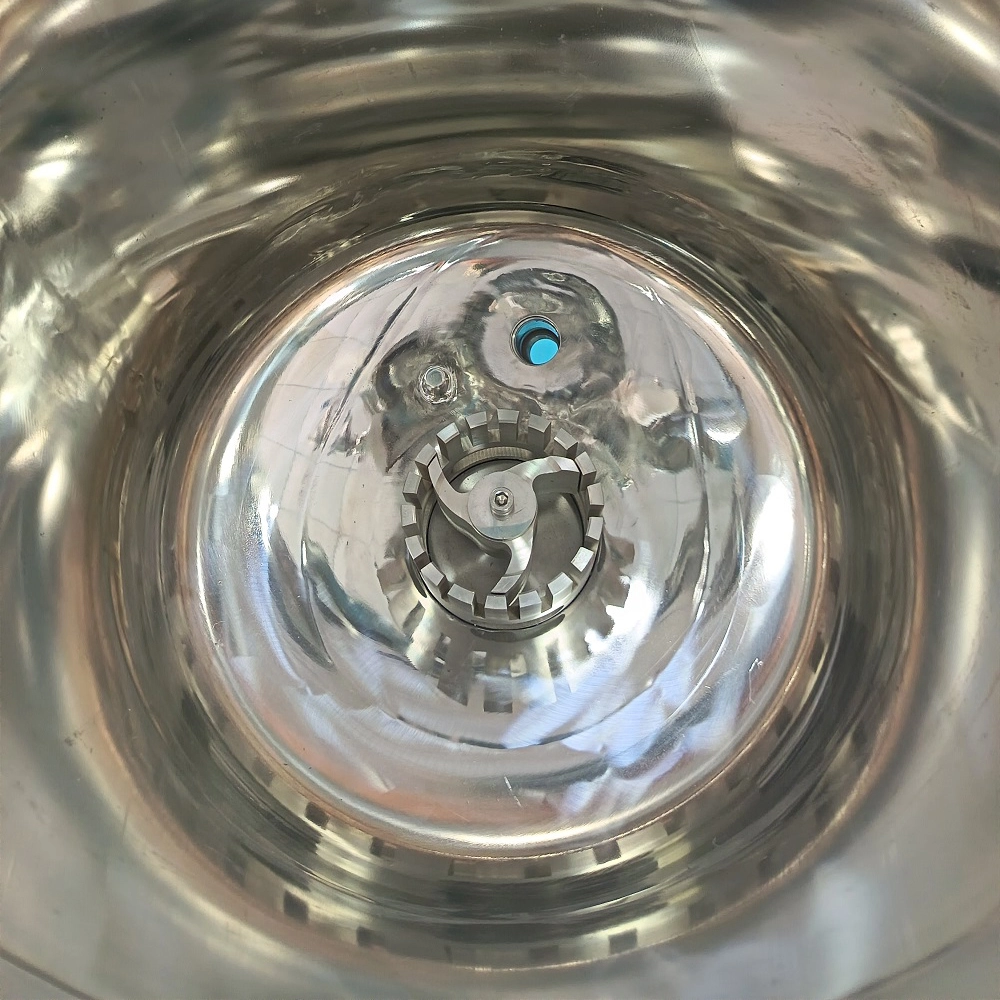
يُعد اختيار المواد (الفولاذ المقاوم للصدأ 316L، والتشطيب السطحي) وإمكانية التنظيف في الموقع (CIP) من الأمور الأساسية. تتميز خلاطات الاستحلاب الفراغية عادةً بأوعية مصقولة ومراوح يسهل الوصول إليها لتقليل التصاق المنتج وتسهيل عملية التنظيف. كما أن الصيانة الدورية للأختام والمحركات الميكانيكية ومضخات التفريغ تحافظ على سلامة الفراغ وتمنع دخول الأكسجين، وهو أمر بالغ الأهمية لاستقرار التركيبات المعرضة للأكسدة على المدى الطويل.
اعتبارات التوسع والإنتاج عند شراء خلاط مستحلب
عند تقييم خيارات خلاطات الاستحلاب الفراغي المعروضة للبيع، ضع في اعتبارك حجم الإنتاج المستهدف، ونطاق لزوجة التركيبة، وحجم الجسيمات المطلوب، وإمكانية تنويع المنتجات مستقبلاً. تُسهّل مستحلبات الفراغ التي تدعم الرفع الهيدروليكي والتصميم المعياري عملية التوسع من مرحلة البحث والتطوير إلى الإنتاج. كما يُنصح بتقييم أنظمة التحكم لإدارة الوصفات والتشغيل الآلي لضمان معالجة متسقة بين جميع المشغلين وفي جميع الورديات.
المفاضلات الاقتصادية والتشغيلية
تتطلب خلاطات الاستحلاب الفراغية عادةً استثمارًا أوليًا أعلى، لكنها توفر جودة منتج محسّنة، وتقليلًا لإعادة المعالجة، وفترة صلاحية أطول - وهي عوامل تُخفّض عادةً التكلفة الإجمالية للملكية بمرور الوقت للمنتجات عالية القيمة. أما بالنسبة للمنتجات الأساسية أو ذات الإنتاجية العالية جدًا، حيث لا يُعدّ حجم القطرات المتناهي الصغر أو الفراغ ضروريًا، فقد تكون أنظمة القص العالي أو الأنظمة المدمجة أكثر فعالية من حيث التكلفة. يجب أن يشمل تحليل العائد على الاستثمار توفير المواد الخام (تقليل فصل المكونات)، وانخفاض الحاجة إلى المواد الحافظة نتيجةً لانخفاض الأكسدة، وتقليل المرتجعات بسبب عدم الاستقرار.
أفضل الممارسات التشغيلية لتحقيق مستحلبات مستقرة ومتسقة باستخدام مستحلبات الفراغ
تشمل أفضل الممارسات الرئيسية ما يلي:
- ابدأ بوصفات معتمدة وتسلسل مُتحكم به لمرحلتي الزيت والماء.
- استخدم زيادة تدريجية في القص وراقب حجم الجسيمات أثناء التطوير.
- قم بتطبيق التفريغ أثناء وبعد عملية التجانس لإزالة الغازات المحتبسة.
- حافظ على التحكم الدقيق في درجة الحرارة باستخدام سترات التبريد/التدفئة لحماية المواد الفعالة.
- قم بتطبيق إجراءات التشغيل القياسية للتنظيف والصيانة وتدريب المشغلين لضمان التكرار.
نبذة عن العلامة التجارية وأسباب تميز خلاط الاستحلاب الفراغي من يوانيانغ
صُممت خلاطة الاستحلاب الفراغية من يوانيانغ خصيصًا لمصنعي مستحضرات التجميل الذين يحتاجون إلى جودة ثابتة للكريمات والمراهم. يوفر تصميمها ثلاثي الأوعية (وعاء الاستحلاب الرئيسي، ووعاء الماء، ووعاء الزيت)، ونظام الرفع الهيدروليكي، ونظام الفراغ، ونظام التحكم الكهربائي، مرونة في العملية وسهولة في التشغيل. تُناسب هذه الآلة المنتجات ذات اللزوجة التي تتراوح بين 10,000 و50,000 سنتي بواز، وقدرتها على الوصول إلى حجم جسيمات يبلغ حوالي 2 ميكرون، مما يجعلها خيارًا مثاليًا لمصنعي التركيبات الذين يحتاجون إلى مستحلبات عالية الجودة ومستقرة. بالنسبة للمشترين الباحثين عن خلاطات الاستحلاب الفراغية للبيع، تقدم يوانيانغ مزيجًا من الميزات المصممة خصيصًا لهذا القطاع، والهندسة المتينة، والنتائج المتوافقة مع متطلبات التصنيع التنظيمية لمستحضرات التجميل والمنتجات الموضعية.
أسئلة شائعة حول تقنيات خلاطات الاستحلاب وخلاطات الاستحلاب الفراغية المعروضة للبيع
س: ما هي ميزة الخلاط المستحلب بالتفريغ مقارنةً بالخلاط عالي القص؟
ج: تتمثل المزايا الرئيسية في تقليل احتباس الهواء، وتحسين التحكم في الأكسدة، ومعالجة المكونات الحساسة للحرارة بشكل ألطف في درجات حرارة منخفضة، وتوزيع حجم الجسيمات بشكل أدق وأكثر تجانسًا، مما يعزز الاستقرار والمظهر.
س: هل يمكن لخلاط الاستحلاب الفراغي أن يحقق حجم جسيمات يبلغ 2 ميكرون بشكل ثابت؟
ج: مع التكوين الصحيح للمعدات، والهندسة المثلى للدوار والثابت، وإعدادات القص المناسبة، ومعايير العملية المتحكم بها، يمكن للعديد من خلاطات الاستحلاب الفراغية أن تنتج بشكل موثوق أحجام جسيمات تبلغ حوالي 2 ميكرون للتركيبات المناسبة.
س: هل استخدام الفراغ ضروري لجميع مستحلبات التجميل؟
ج: ليس دائمًا. بالنسبة للمستحلبات البسيطة منخفضة اللزوجة وغير الحساسة للحرارة أو المعرضة للأكسدة، قد لا يكون استخدام الفراغ ضروريًا. أما بالنسبة للكريمات والتركيبات عالية اللزوجة والمنتجات التي تحتوي على مواد فعالة حساسة للأكسدة، فإن استخدام الفراغ يوفر مزايا واضحة.
س: ما هي الصيانة المطلوبة لخلاطات الاستحلاب الفراغية؟
أ: من الضروري إجراء فحوصات دورية لأداء مضخة التفريغ، والمانعات والمانعات، ومحامل المحرك، وسلامة سطح التشطيب. ويساهم تطبيق نظام التنظيف في المكان (CIP) والصيانة الوقائية المجدولة في الحفاظ على الأداء المتسق.
س: كيف يمكن اختيار الحجم والطراز المناسبين عند البحث عن خلاط استحلاب فراغي للبيع؟
أ: قيّم أحجام الدفعات المتوقعة، ونطاقات اللزوجة، وحجم الجسيمات المطلوب، ومعدل الإنتاج. ضع في اعتبارك أيضًا ميزات التحكم، والأتمتة، والمساحة المطلوبة. يمكن للموردين الموثوق بهم تقديم إرشادات حول تحديد الأحجام بناءً على تجارب التركيبة ومعدلات الإنتاج المستهدفة.
تواصل ودعوة للعمل
إذا كنت بصدد تقييم معدات إنتاج مستحضرات التجميل أو المنتجات الموضعية وترغب في تحسين استقرارها وتجانسها، فبادر بطلب المواصفات، أو عروض توضيحية للعمليات، أو تجربة تشغيلية لجهاز الخلط الاستحلابي الفراغي المتوفر للبيع من شركة يوانيانغ. تواصل مع فريق المبيعات لدينا لمناقشة الطاقة الإنتاجية، والمتطلبات الفنية، ولترتيب عرض توضيحي أو الحصول على عرض سعر. اطلع على تفاصيل المنتج وتواصل معنا لتحسين عملية الإنتاج لديك وضمان تركيبات متجانسة ومستقرة.
مراجع موثوقة ومصادر قراءة إضافية
توفر المصادر الموثوقة التالية معلومات أساسية تقنية حول المستحلبات والتجانس وممارسات تصنيع مستحضرات التجميل:
- المستحلب، ويكيبيديا: https://en.wikipedia.org/wiki/Emulsion
- جهاز التجنيس، ويكيبيديا: https://en.wikipedia.org/wiki/Homogenizer
- نظرة عامة على مستحضرات التجميل من إدارة الغذاء والدواء الأمريكية: https://www.fda.gov/cosmetics
- ISO 22716 ممارسات التصنيع الجيدة لمستحضرات التجميل: https://www.iso.org/standard/36437.
مراجع
للحصول على مزيد من التحقق الفني، يرجى الرجوع إلى الموارد المذكورة أعلاه والاتصال بموردي المعدات للحصول على بيانات العملية المصممة خصيصًا لتركيباتك.
كيفية تصنيع آلة وضع العلامات على الأكياس في آسيا
ما هي أنواع مختلفة من أفضل آلة ختم الفراغ؟
توسيع نطاق العمليات من المختبر إلى المصنع باستخدام مستحلب فراغي سعة 50 لترًا
أفضل الشركات المصنعة والموردين المحترفين لخزانات ذوبان السكر
خزان تخزين بغطاء مفتوح
هل يمكنك المساعدة في إضافة 2 أو أكثر من المنافذ؟
نعم، لا مشكلة إطلاقًا. يرغب بعض العملاء في توصيل الخزان بآلتي تعبئة أو أكثر. يمكننا تلبية احتياجاتهم، بما في ذلك طرق التفريغ المختلفة وأحجام المنافذ.
آلة تغذية المسحوق الأوتوماتيكية
هل لديكم فيديوهات تركيب لآلة تغذية المسمار؟
نعم، لدينا مقاطع فيديو للتثبيت يمكن للعميل الرجوع إليها، وهي سهلة التثبيت للغاية.
آلة تغطية المحرك المؤازر الأوتوماتيكية
هل يوجد ماسك زجاجة للحفاظ على الزجاجات الرقيقة ثابتة؟
نعم، تم تجهيز آلة تغطية السيرفو الأوتوماتيكية بجهاز تثبيت هوائي لاستقرار الزجاجة.
خلاط الشريط
هل لديكم منصة لآلة خلط الشريط؟
نعم، استخدام المنصة هو خيار اختياري، وسوف نؤكد ذلك مع العميل قبل تقديم عرض الأسعار.
آلة تعبئة المكبس الأوتوماتيكية
هل يمكن التحكم بكل فوهة على حدة؟
نعم، يمكن التحكم في كل فوهة على حدة.
آلة خلط الصابون السائل للبيع
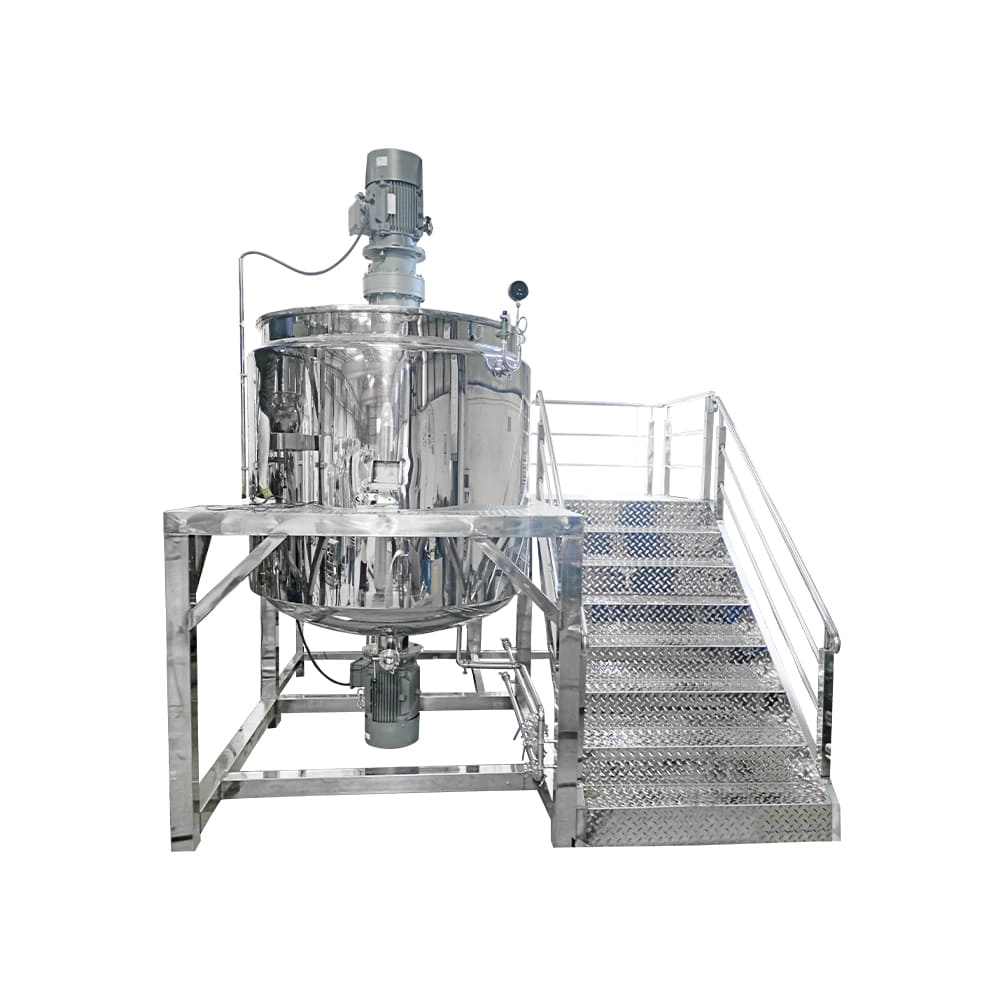
خلاط الصابون السائل "يوانيانغ" هو خلاط صناعي متجانس لإنتاج الصابون السائل. صُمم هذا الخلاط بشكل رئيسي لإنتاج منتجات سائلة مثل الشامبو، وغسول الجسم، ومنظفات الغسيل، وصابون الأطباق، ومعقم اليدين، وغيرها من السوائل الكثيفة.
سمات:
⦁ غطاء مسطح، نصف مفتوح، نظام تحكم كهربائي.
⦁ مناسب لمختلف منتجات التنظيف السائلة والصلصات.
⦁ تحريك مكشطة جدار PTFE في الأعلى، ومجانسة القص العالية في الأسفل.
آلة صنع مستحضرات التجميل
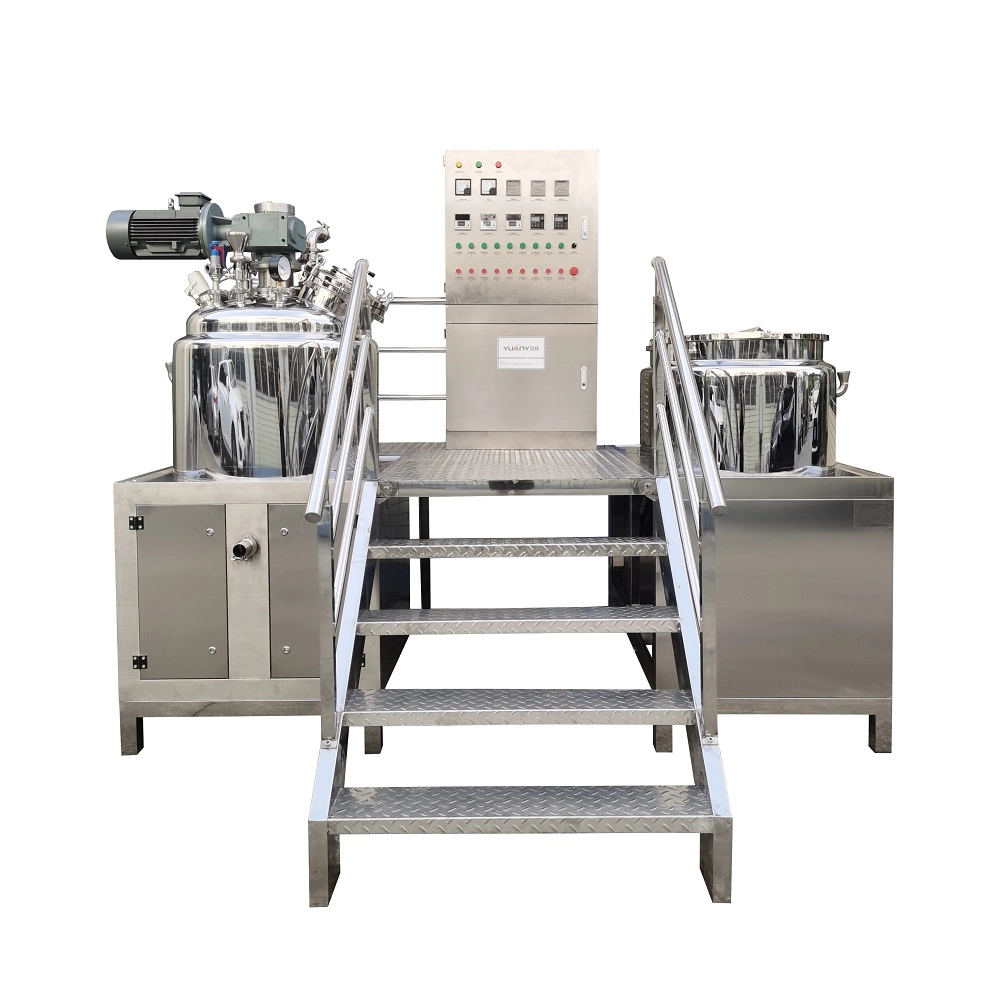
آلة صنع مستحضرات التجميل Yuanyang هي عبارة عن معدات خلط مشتركة مع خزان التجانس الفراغي الرئيسي وخزان المياه وخزان الزيت، وهي معدات متكاملة مع نظام الخلط والتشتيت والتجانس والاستحلاب والتفريغ وامتصاص المسحوق الذي يستخدم على نطاق واسع في مستحضرات التجميل والأغذية والأدوية والمجالات الكيميائية.
سمات:
⦁ مع غطاء ثابت ونظام فراغ ونظام تحكم كهربائي.
⦁ مناسب للمنتجات ذات اللزوجة 10,000~50,000 cps.
⦁ حجم الجسيمات المثالي 2 ميكرون وموزعة بالتساوي.
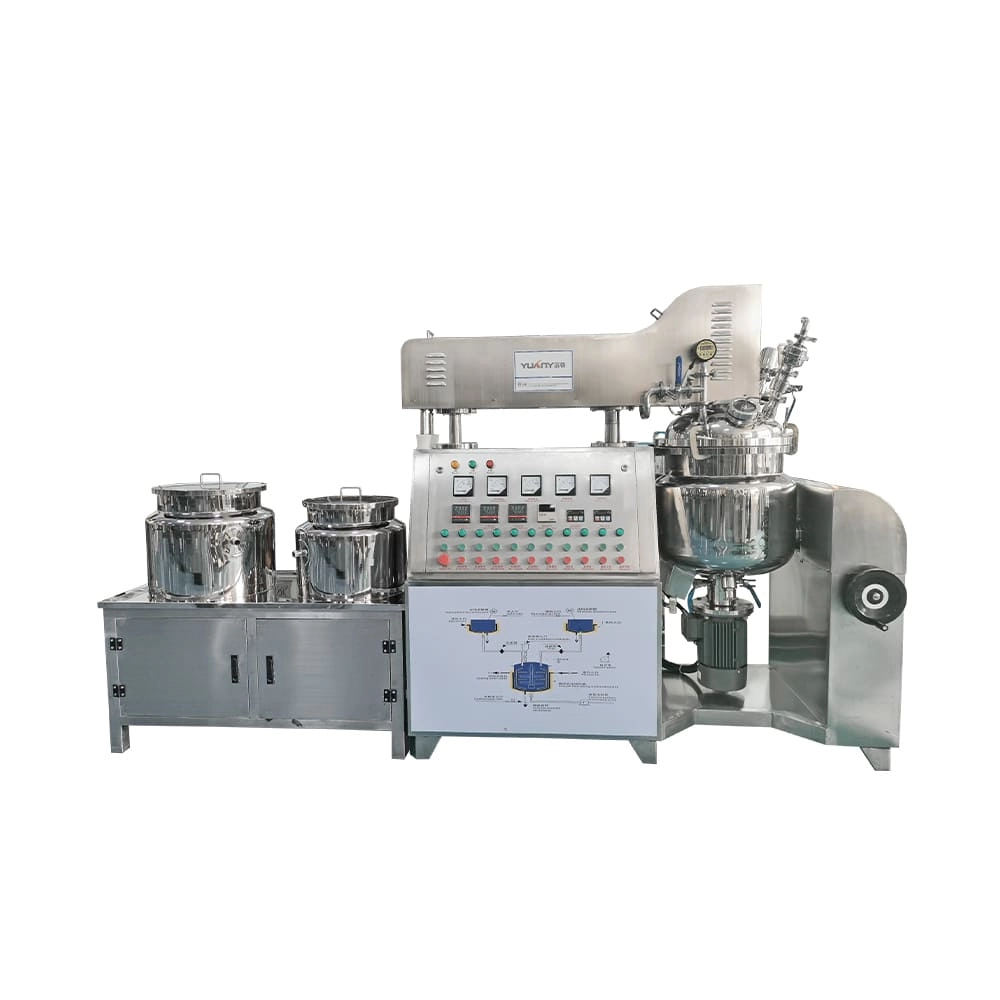
خلاط استحلاب مفرغ للبيع
خلاطة المستحلب الفراغية Yuanyang هي نوع من آلات المستحلب، وهي معدات إنتاج مستحضرات التجميل الأكثر شعبية لصنع الكريم ومنتجات العناية بالبشرة والمراهم والمعجون والمستحلبات.
سمات:
⦁ يتكون من وعاء الاستحلاب الرئيسي ووعاء الماء ووعاء الزيت.
⦁ مع نظام الرفع الهيدروليكي، ونظام الفراغ، ونظام التحكم الكهربائي.
⦁ مناسب للمنتجات ذات اللزوجة 10,000~50,000 cps.
⦁ حجم الجسيمات المثالي 2 ميكرون وموزعة بالتساوي.
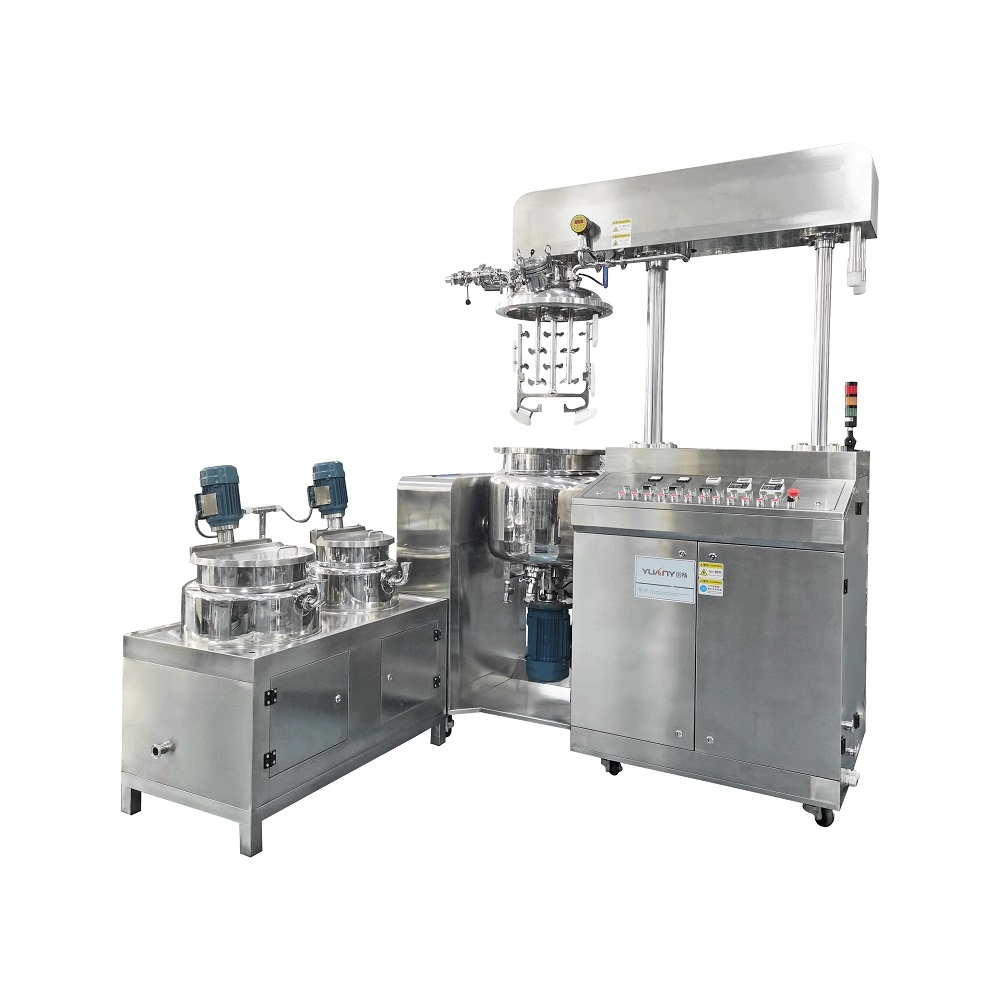
مستحلب تفريغ هيدروليكي سعة 50 لترًا
جهاز الاستحلاب الفراغي الهيدروليكي Yuanyang هو عبارة عن معدات خلط مشتركة مع خزان تجانس فراغي رئيسي وخزان مياه وخزان زيت، وهو عبارة عن معدات متكاملة مع نظام خلط وتشتيت وتجانس واستحلاب وتفريغ وامتصاص المسحوق يستخدم على نطاق واسع في مستحضرات التجميل والأغذية والأدوية والمجالات الكيميائية.
سمات:
⦁ مع غطاء رفع هيدروليكي ووعاء مائل ونظام فراغ ونظام تحكم كهربائي.
⦁ مناسب للمنتجات ذات اللزوجة 10,000~50,000 cps.
⦁ حجم الجسيمات المثالي 2 ميكرون وموزعة بالتساوي.
جميع الحقوق محفوظة © 2025 لشركة YUANYANG.
 مسح رمز الاستجابة السريعة
فيسبوك
يوتيوب
لينكد إن
واتساب: +8613434139712
قوانغتشو يوانيانغ الآلات