





Emulsifying Mixer Technologies Compared: Stability and Consistency
- Emulsifying Mixer Technologies Compared: Stability and Consistency
- Introduction to emulsifying mixer technology and
- What determines emulsion stability and consistency
- Overview of common emulsifying mixer technologies, including commercial
- Vacuum Emulsifying Mixer: design and benefits for stability
- How vacuum improves emulsion quality
- High-shear mixers and rotor-stator systems: speed versus control
- Inline homogenizers and ultrasonic emulsifiers: targeted homogenization
- Comparative table: stability and consistency across technologies
- Process parameters that drive stability in an emulsifying mixer
- Material compatibility, cleaning, and maintenance for reliable performance
- Scale-up and production considerations when buying an emulsifying mixer
- Economic and operational trade-offs
- Operational best practices for achieving stable, consistent emulsions with vacuum emulsifiers
- Brand summary and why Yuanyang Vacuum Emulsifying Mixer stands out
- FAQ about emulsifying mixer technologies and Vacuum Emulsifying Mixer for Sale
- Q: What is the advantage of a vacuum emulsifying mixer over a high-shear mixer?
- Q: Can a Vacuum Emulsifying Mixer achieve 2 micron particle size consistently?
- Q: Is vacuum necessary for all cosmetic emulsions?
- Q: What maintenance is required for vacuum emulsifying mixers?
- Q: How to select the right size and model when searching for Vacuum Emulsifying Mixer for Sale?
- Contact and call to action
- Authoritative references and further reading
- References
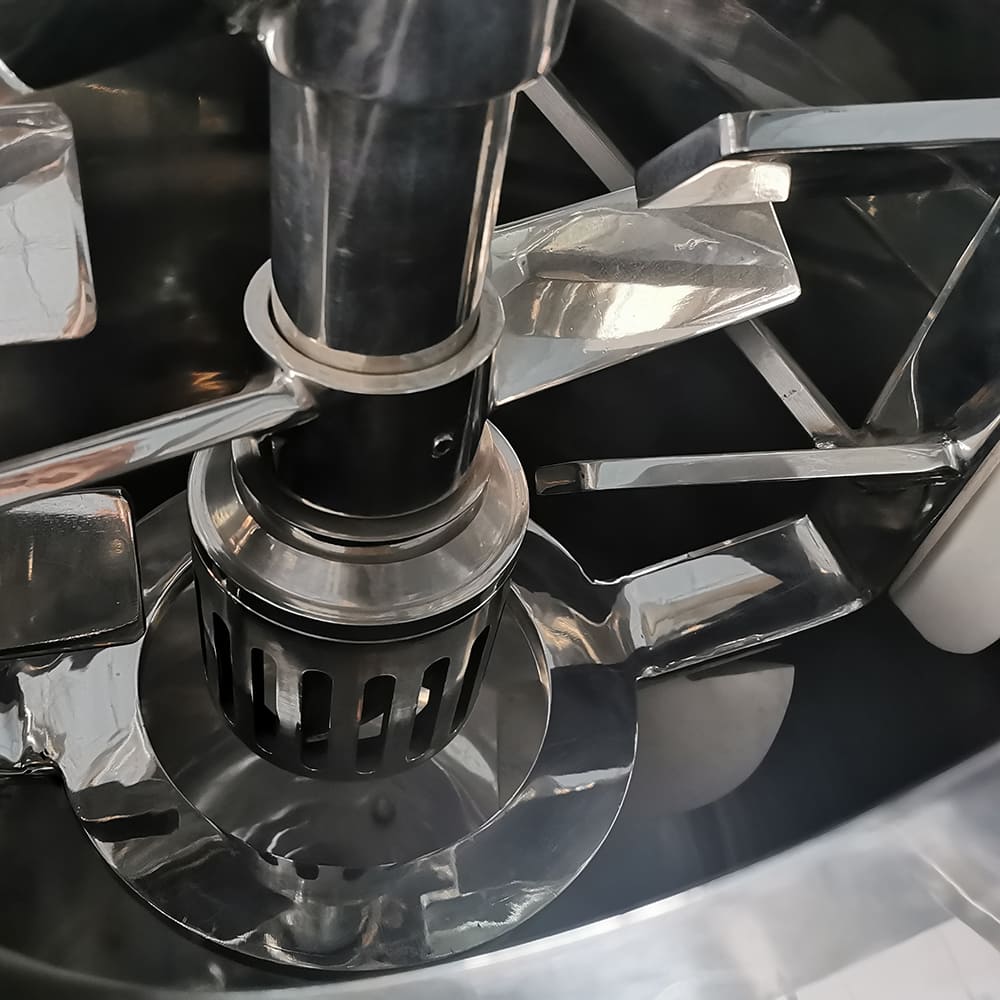
Emulsifying Mixer Technologies Compared: Stability and Consistency
Introduction to emulsifying mixer technology and
Choosing the right emulsifying mixer is critical for manufacturers seeking consistent, stable creams, skin-care products, ointments, pastes, and emulsions. The term emulsifying mixer covers a range of technologies, each designed to disperse droplets and solids into a continuous phase. For companies looking to purchase production equipment, keywords such as emulsifying mixer and Vacuum Emulsifying Mixer for Sale are top search queries — and understanding how each technology affects stability and consistency will guide smarter equipment investments.
Once technology is evaluated, finalize your procurement with a procurement checklist for vacuum emulsifying mixer for sale to ensure no detail is overlooked.
What determines emulsion stability and consistency
Stability and consistency in emulsions depend on droplet size distribution, particle size control, shear profile during mixing, temperature control, deaeration, and batch-to-batch repeatability. Smaller, uniformly distributed droplets reduce coalescence and creaming. Controlling oxygen and volatile loss via vacuum improves shelf life. Manufacturers must evaluate mixers for their ability to produce target viscosity, particle size, and distribution consistently under production conditions.
Overview of common emulsifying mixer technologies, including commercial
Major technologies used in industrial emulsifying mixers include vacuum emulsifying mixers, high-shear mixers, rotor-stator systems, inline homogenizers, and ultrasonic emulsifiers. Each has strengths and limitations related to stability and consistency. For buyers searching for Vacuum Emulsifying Mixer for Sale, understanding these differences clarifies why vacuum-equipped systems often become preferred assets for cosmetic and topical manufacturers.
Vacuum Emulsifying Mixer: design and benefits for stability
Vacuum emulsifying mixers combine controlled shear with reduced pressure to remove air, control boiling/foaming, and improve particle-size distribution. These units typically include a main emulsifying pot, a water pot, and an oil pot; hydraulic lifting for easy vat handling; vacuum system to deaerate the batch; and electric control for precise process parameters. For formulations with viscosities from 10,000 to 50,000 cps, vacuum emulsifiers produce consistent, stable products with perfect particle size down to around 2 microns when properly configured and operated.
Product introduction:
Yuanyang vacuum emulsifying mixer is a kind of emulsifier machine, the most popular cosmetics production equipment for making cream, skin-care products, ointment, paste, and emulsions.
Features:
⦁ Composed of a main emulsifying pot, a water pot, and an oil pot.
⦁ With a hydraulic lifting system, vacuum system, and electric control system.
⦁ Suitable for products of 10,000~50,000 cps viscosity.
⦁ Perfect particle size of 2 microns and evenly distributed.
How vacuum improves emulsion quality
Running emulsification under vacuum reduces entrapped air and volatile losses. Less air reduces microfoam and oxidation risk, which directly improves stability and cosmetic appearance. Vacuum also lowers boiling points, enabling safer processing of heat-sensitive actives at lower temperatures while maintaining shear to create fine emulsions. The combined effect is a smoother texture, reduced oxidation, and better shelf life — outcomes that matter to cosmetic formulators and production managers searching for Vacuum Emulsifying Mixer for Sale.
High-shear mixers and rotor-stator systems: speed versus control
High-shear mixers generate intense turbulence to rapidly reduce droplet size. Rotor-stator systems create shear through close-clearance interaction. They are excellent for initial dispersion and fast processing, and they often cost less than full vacuum systems. However, high-shear processes may entrain air and generate excess heat if not coupled with cooling or vacuum, potentially reducing stability for heat-sensitive formulations. These systems can be ideal for water-soluble dispersions or low-viscosity emulsions where throughput and lower capex are priorities.
Inline homogenizers and ultrasonic emulsifiers: targeted homogenization
Inline homogenizers and ultrasonic emulsifiers are frequently used for fine emulsification and micronization. Inline homogenizers produce consistent shear and are scalable for continuous production, often achieving particle sizes of 1 5 microns depending on pressure and stages. Ultrasonic systems use cavitation to break droplets but require careful control to avoid overheating. Both technologies can be paired with vacuum tanks to improve deaeration and stability, offering hybrid solutions for manufacturers prioritizing consistent micronization.
Comparative table: stability and consistency across technologies
The following table summarizes typical performance attributes that directly affect emulsion stability and consistency across common emulsifying technologies.
| Technology | Typical droplet/particle size | Repeatability | Best for | Cons |
|---|---|---|---|---|
| Vacuum Emulsifying Mixer | ~2 microns achievable | High (batch control, vacuum) | Cosmetics, creams, ointments, heat-sensitive actives | Higher capital cost, larger footprint |
| High-shear Mixer | 5 50 microns (depends) | Medium (process dependent) | Rapid dispersion, low-viscosity emulsions | Air entrainment, heat generation |
| Rotor-stator | 3 20 microns | Medium-high | Versatile batch emulsification | Wear of gaps, maintenance |
| Inline Homogenizer | 1 5 microns | Very high (continuous) | Large-scale continuous production | Initial cost, integration complexity |
| Ultrasonic Emulsifier | 0.5 10 microns | High (with process control) | Micronization, laboratory to pilot scale | Overheating risk, scale-up challenges |
Process parameters that drive stability in an emulsifying mixer
To achieve consistent results, operators should control:
- Shear rate and rotor speed — determine initial droplet breakup.
- Vacuum level — controls deaeration and boiling point for heat-sensitive components.
- Temperature profile — affects viscosity, surfactant action, and coalescence.
- Addition sequence and rate — oil phase vs water phase incorporation timing influences droplet formation.
- Residence time under homogenization — ensures uniform distribution and desired particle size.
Documenting these parameters for each formulation supports process control and GMP compliance, improving batch-to-batch consistency.
Material compatibility, cleaning, and maintenance for reliable performance
Material selection (stainless steel 316L, surface finish) and Clean-in-Place (CIP) capability are essential. Vacuum emulsifying mixers commonly feature polished vessels and accessible impellers to reduce product adhesion and simplify cleaning. Regular maintenance of seals, mechanical agitators, and vacuum pumps preserves vacuum integrity and prevents oxygen ingress, which is crucial for long-term stability of oxidative-prone formulations.
Scale-up and production considerations when buying an emulsifying mixer
When evaluating Vacuum Emulsifying Mixer for Sale options, consider intended production scale, formula viscosity range, required particle size, and future product diversification. Vacuum emulsifiers that support hydraulic lifting and modular design simplify scale-up from R&D to production. Also evaluate control systems for recipe management and automation to ensure consistent processing across operators and shifts.
Economic and operational trade-offs
Vacuum emulsifying mixers often require higher upfront investment but deliver improved product quality, reduced rework, and better shelf life — factors that typically lower total cost of ownership over time for high-value products. For commodity or very high-throughput products where ultra-fine droplet size or vacuum is not essential, high-shear or inline systems may be more cost-effective. ROI analysis should include raw material savings (reduced demixing), lower preservative needs due to reduced oxidation, and fewer returns due to instability.
Operational best practices for achieving stable, consistent emulsions with vacuum emulsifiers
Key best practices include:
- Start with validated recipes and a controlled sequence for oil and water phases.
- Use gradual ramp-up of shear and monitor particle size during development.
- Apply vacuum during and after homogenization to remove entrained gases.
- Maintain tight temperature control with cooling/heating jackets to protect actives.
- Implement SOPs for cleaning, maintenance, and operator training to ensure repeatability.
Brand summary and why Yuanyang Vacuum Emulsifying Mixer stands out
Yuanyang vacuum emulsifying mixer is designed specifically for cosmetic producers needing consistent cream and ointment quality. Its three-vessel layout (main emulsifying pot, water pot, oil pot), hydraulic lifting, vacuum system, and electric control system provide process flexibility and operator convenience. The machine's suitability for products in the 10,000 to 50,000 cps viscosity range and its ability to reach a particle size of around 2 microns make it a strong option for formulators who need high-quality, stable emulsions. For buyers searching for Vacuum Emulsifying Mixer for Sale, Yuanyang offers a combination of industry-focused features, solid engineering, and outcomes aligned with regulatory manufacturing requirements for cosmetics and topical products.
FAQ about emulsifying mixer technologies and Vacuum Emulsifying Mixer for Sale
Q: What is the advantage of a vacuum emulsifying mixer over a high-shear mixer?
A: The main advantages are reduced air entrapment, improved oxidation control, gentler processing of heat-sensitive ingredients under lower temperatures, and typically finer and more uniform particle size distribution, which enhances stability and appearance.
Q: Can a Vacuum Emulsifying Mixer achieve 2 micron particle size consistently?
A: With correct equipment configuration, optimized rotor-stator geometry, appropriate shear settings, and controlled process parameters, many vacuum emulsifying mixers can reliably produce particle sizes around 2 microns for suitable formulations.
Q: Is vacuum necessary for all cosmetic emulsions?
A: Not always. For simple, low-viscosity emulsions that are not heat-sensitive or oxidation-prone, vacuum may not be necessary. For creams, high-viscosity formulations, and products with oxidation-sensitive actives, vacuum provides clear advantages.
Q: What maintenance is required for vacuum emulsifying mixers?
A: Regular checks of vacuum pump performance, seals and gaskets, agitator bearings, and surface finish integrity are essential. Implementing CIP and scheduled preventive maintenance preserves consistent performance.
Q: How to select the right size and model when searching for Vacuum Emulsifying Mixer for Sale?
A: Assess expected batch sizes, viscosity ranges, required particle size, and production throughput. Also consider control features, automation, and footprint. Trusted suppliers can provide sizing guidance based on formula piloting and intended production rates.
Contact and call to action
If you are evaluating equipment for cosmetic or topical production and want to improve stability and consistency, consider requesting specifications, process demonstrations, or a pilot run with the Vacuum Emulsifying Mixer for Sale from Yuanyang. Contact our sales team to discuss capacity, technical requirements, and to arrange a demonstration or quotation. View product details and get in touch to optimize your production process and secure consistent, stable formulations.
Authoritative references and further reading
The following authoritative sources provide technical background on emulsions, homogenization, and cosmetic manufacturing practices:
- Emulsion, Wikipedia: https://en.wikipedia.org/wiki/Emulsion
- Homogenizer, Wikipedia: https://en.wikipedia.org/wiki/Homogenizer
- FDA Cosmetics Overview: https://www.fda.gov/cosmetics
- ISO 22716 Cosmetics Good Manufacturing Practices: https://www.iso.org/standard/36437.
References
For additional technical validation, please consult the above resources and contact equipment suppliers for process data tailored to your formulations.
Top powder screw feeder Manufacturers and Suppliers
How to start the automatic can labeling machine business in Asia ?
Top Applications of Homogenizer Mixers in Food and Pharma
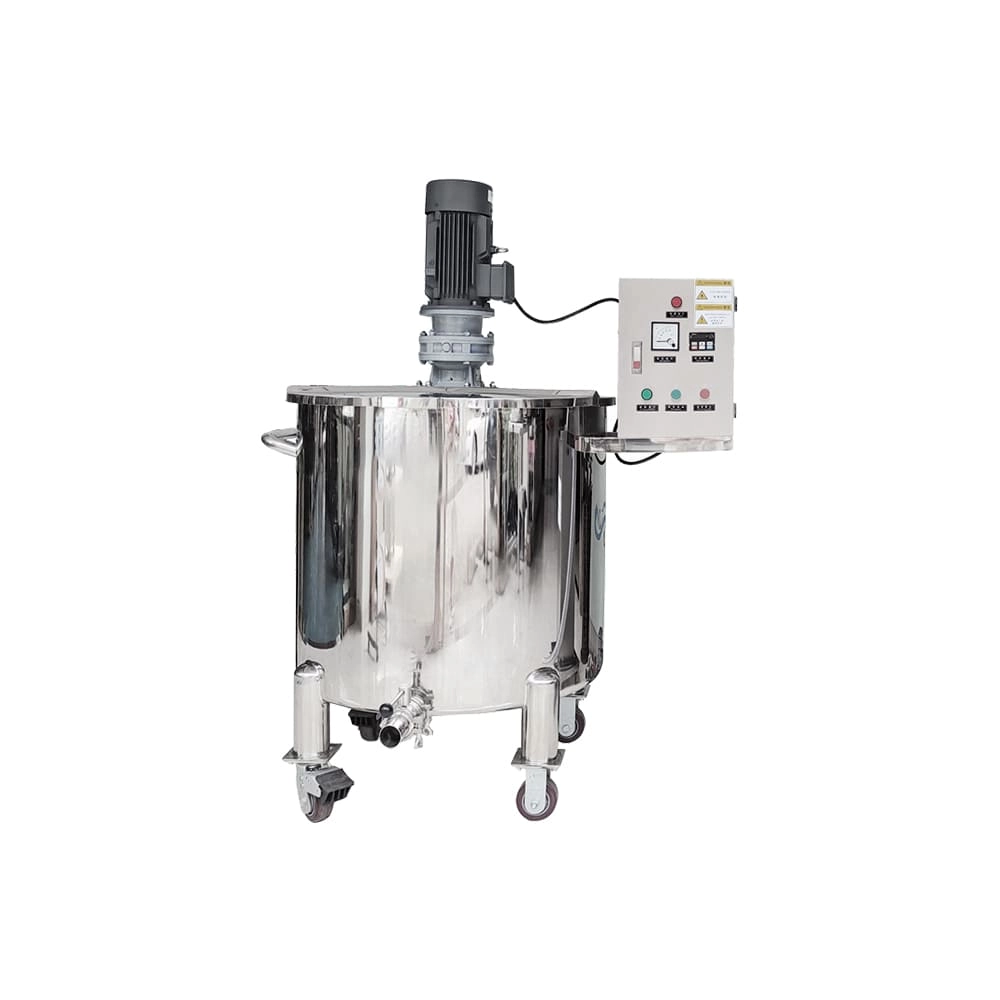
Customization Options and Accessories for Agitator Tanks
One Stage Water Treatment
How do I know the water conductivity?
The reverse osmosis water filter machine can display both raw water conductivity and output water conductivity.
Vertical Filling Machine
How many bottles can the cream filler fill per hour?
The filling speed is affected by many factors, such as the materials thickness, viscosity, operation speed by staffs, pneumatic speed adjustment, filling volume, pressure. The filling speed varies from 500-2400 bottles per hour.
Sachet Packaging Machine
Should I provide film design to customize the bag packaging machine?
Yes, the small bag packing machine module will be customized according to client’s film width. We also provide film design service for clients.
Vibrating sieving machine
Can you customize the discharge port height for the powder sieve shaker machine?
Yes, if client has discharge height requirement, just tell us to customize.
Semi Automatic Capping Machine
Can it close glass bottles?
As long as the glass bottle has screw cap, the capping machine can close its cap, although the machine is often called plastic capping machine.
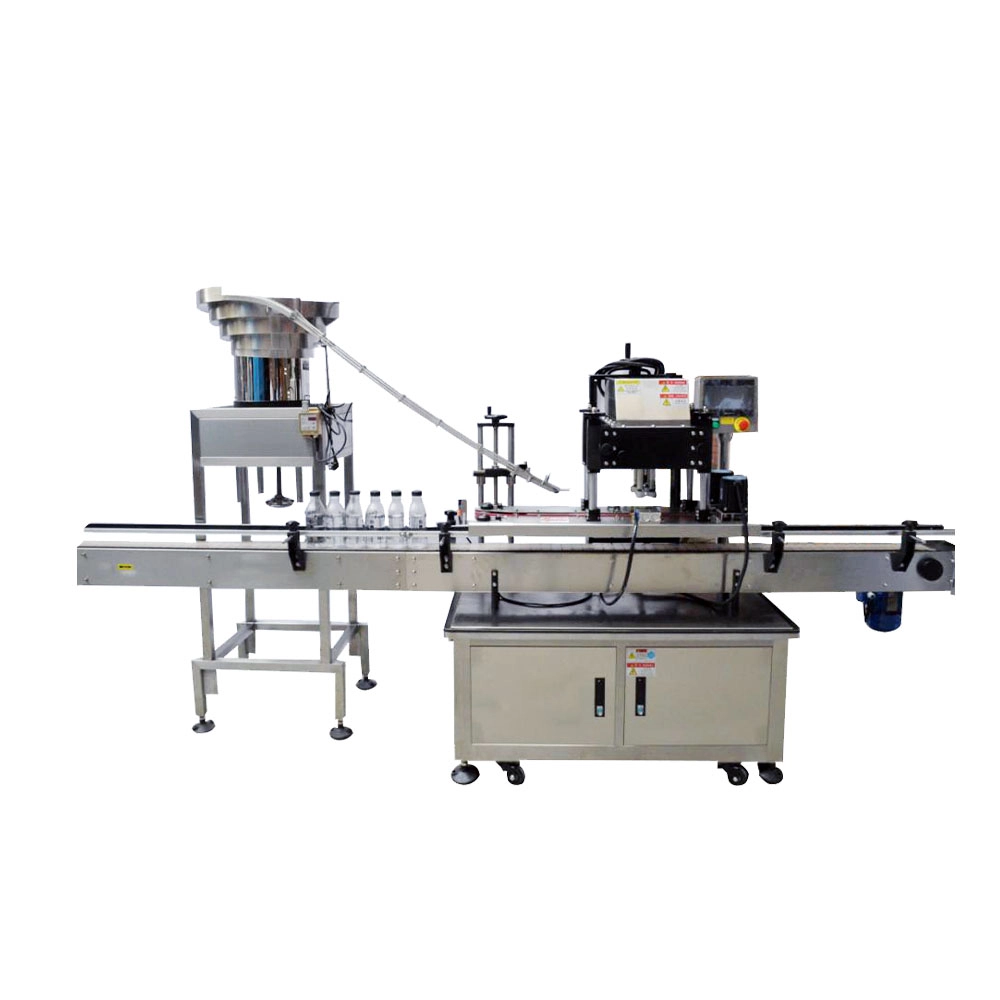
Automatic Plastic Caps Capping Machine with Vibrating Cap Feeder for Sale
Yuanyang automatic screw capping machine is a kind of four-wheel bottle capping machine. The automatic screw capper is often used to close lids of containers such as bottles and jars, especially for plastic bottles, which are widely used in food, medicine, chemical, cosmetic, and other industries for mass production and continuous production lines.
Features:
⦁ Full pneumatic drive;
⦁ Automated fast speed;
⦁ Suitable for various screw caps, pumps, and spray bottles.
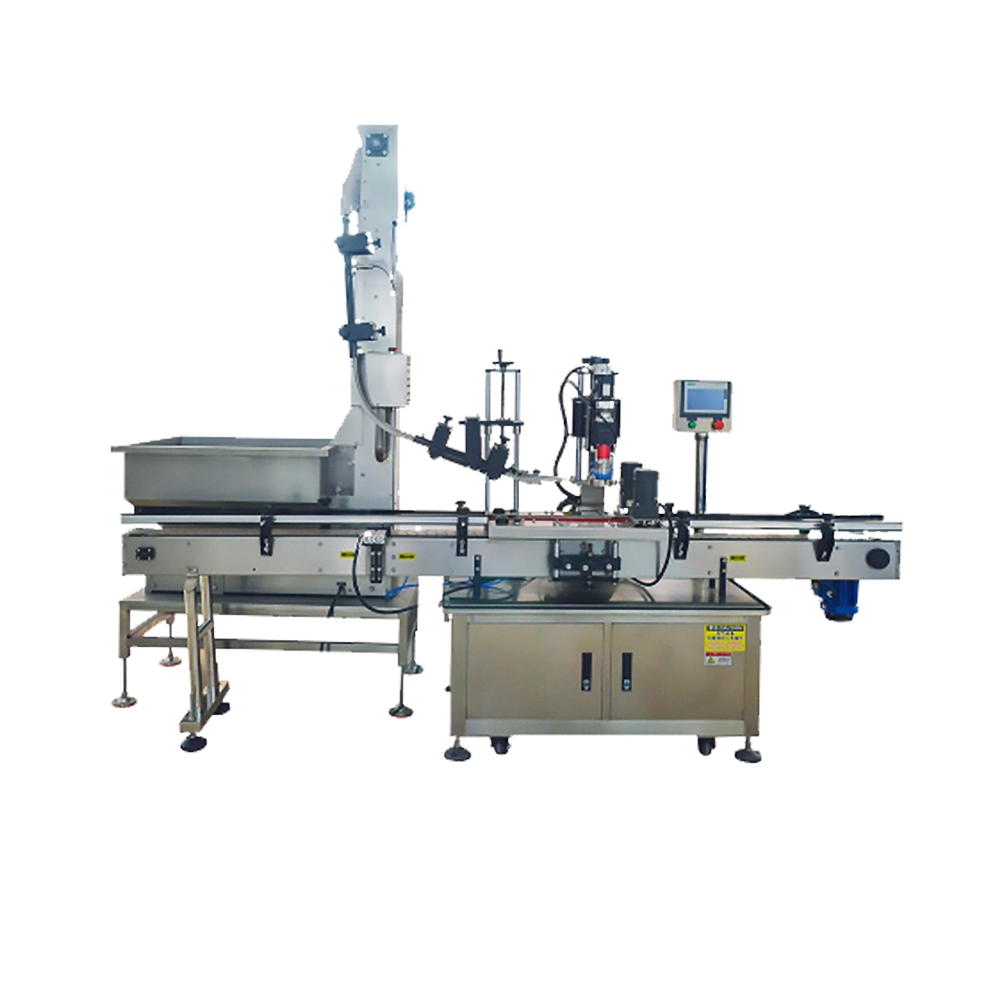
Automatic Metal Caps Capping Machine for Sale
Yuanyang automatic metal cap capping machine is a bottle capper for bottles with metal caps, which is often used to close lids of containers such as bottles and jars. The glass bottle metal capping machine is widely used in food, medicine, chemical, cosmetic, and other industries for mass production and continuous production line .
Features:
⦁ Pneumatic and electric drive;
⦁ Automated fast speed;
⦁ Suitable for glass bottles with metal caps.
Automatic Pump Head Feeding and Capping Machine for Sale
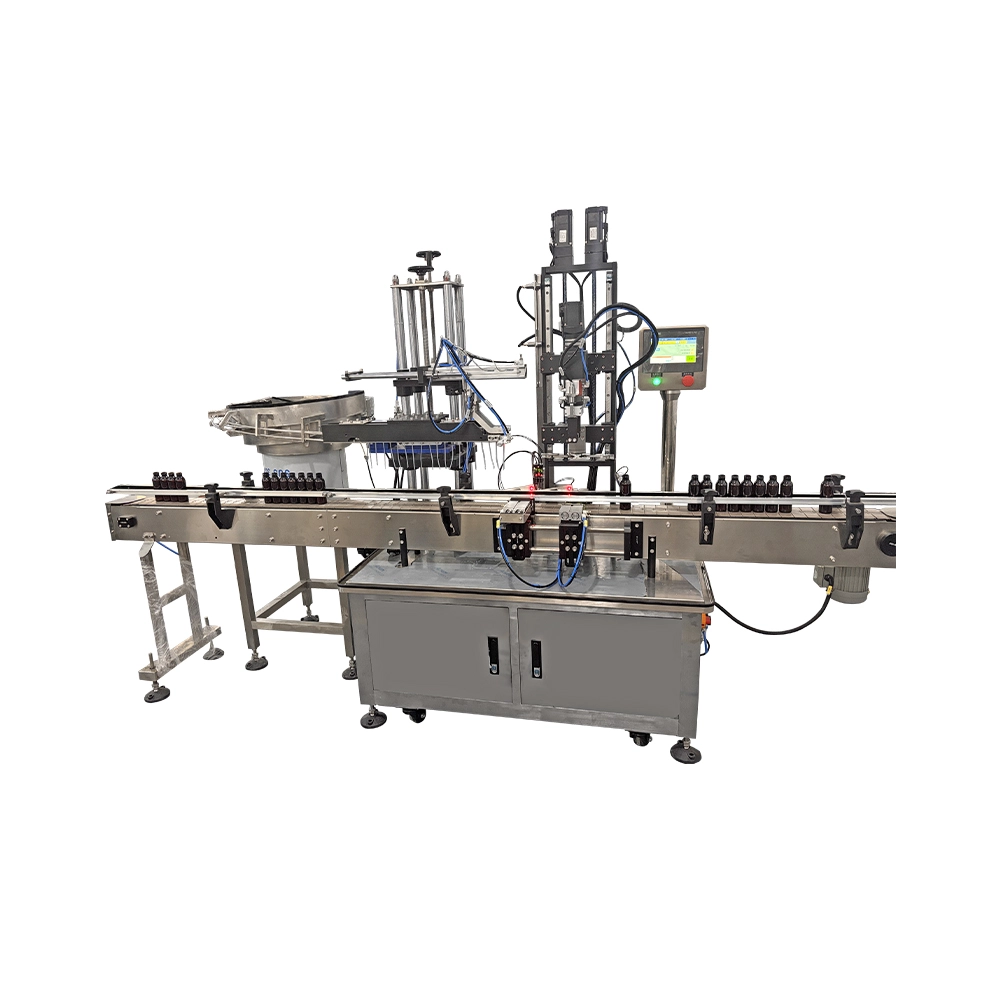
Yuanyang automatic pump head feeding and capping machine is a bottle cap sorter and capper for bottles with pump heads, which is often used to close lids of containers such as nail polish, sprayers, and shampoo. The capping machine with a pump head feeder is widely used in food, medicine, chemical, cosmetic, and other industries for mass production and continuous production line .
Features:
⦁ Pneumatic and electric drive;
⦁ Automated fast speed;
⦁ Suitable for various types of caps.
Automatic High Speed Capping Machine for Sale
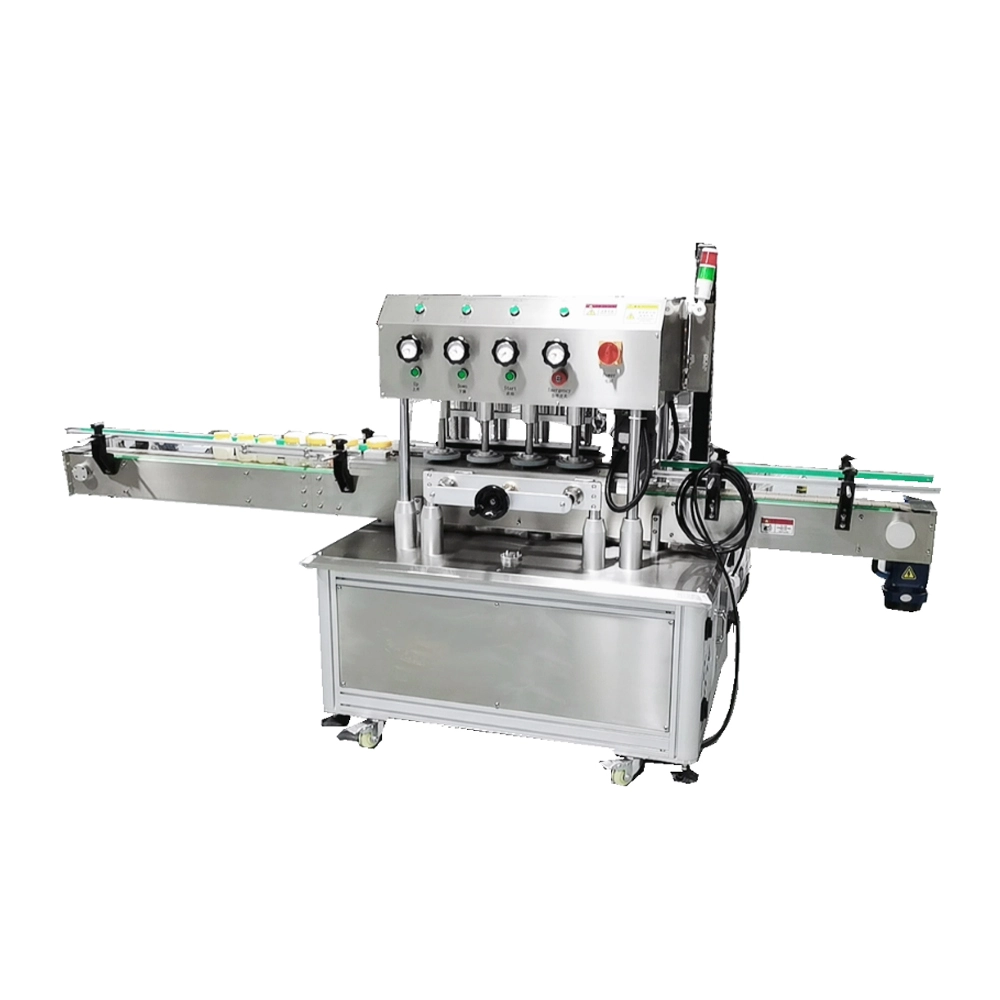
The Yuanyang automatic high-speed capping machine is a kind of 8-wheel bottle-capping machine with fast working efficiency. The automatic capper is often used to close lids of containers such as bottles and jars, especially for plastic bottles, which are widely used in food, medicine, chemical, cosmetic, and other industries for mass production and continuous production lines.
Features:
⦁ Electric drive;
⦁ Automated fast speed;
⦁ Suitable for various screw caps, pumps, and spray bottles.
 Scan QR Code
Facebook
YouTube
LinkedIn
Whatsapp: +8613434139712
Guangzhou Yuanyang Machinery