





كيفية تقييم مواصفات آلات الختم لخطوط إنتاج الأنابيب
- كيفية تقييم مواصفات آلات الختم لخطوط إنتاج الأنابيب
- مقدمة: لماذا تُعدّ آلة الختم المناسبة مهمة لخطوط إنتاج الأنابيب؟
- نظرة عامة على المنتج: ماكينة إغلاق الأنابيب الأوتوماتيكية للبيع
- مؤشرات الأداء الأساسية لمقارنة مواصفات آلة التغليف (آلة التغليف)
- توافق الأنابيب وطريقة الإغلاق: مطابقة المواصفات مع المواد (آلة الإغلاق)
- التحكم، واجهة المستخدم، ومستوى الأتمتة: شاشة لمس وتكامل (آلة ختم الأنابيب الأوتوماتيكية للبيع)
- دقة التعبئة والتحكم في الجرعات: لماذا تُعدّ التعبئة الهوائية مهمة (آلة التغليف)
- مواصفات الأدوات والتغيير والصيانة: تقليل وقت التوقف (آلة التغليف)
- المساحة والمرافق والمواصفات البيئية: اعتبارات عملية للمصنع (آلة التغليف)
- مراقبة الجودة والاختبار والتحقق: المواصفات التي تضمن الامتثال (آلة التغليف)
- السلامة والمعايير والشهادات: ابحث عن علامة CE/ISO والامتثال لمعايير الصناعة (آلة التغليف)
- جدول مقارنة مواصفات العينة (آلة التغليف)
- تكلفة الملكية والعائد على الاستثمار: التقييم بما يتجاوز سعر الشراء (آلة التغليف)
- قائمة التحقق: الحد الأدنى من المواصفات المطلوبة من الموردين (آلة التغليف)
- ملخص نقاط قوة العلامة التجارية: لماذا تختار آلة ختم الأنابيب الأوتوماتيكية من يوانيانغ المعروضة للبيع (آلة الختم)؟
- الأسئلة الشائعة حول اختيار آلة التغليف
- س1: ما هي أفضل طريقة لإحكام إغلاق الأنابيب المصنوعة من الألومنيوم؟
- س2: كيف يمكنني التحقق من دقة التعبئة في المواصفات؟
- س3: هل يمكنني دمج آلة التغليف مع خط الإنتاج الحالي الخاص بي؟
- س4: كم من الوقت يستغرق عادةً تغيير أحجام الأنابيب؟
- س5: ما هي الشهادات التي يجب أن أطلبها لإنتاج الأدوية أو الأغذية؟
- تواصل مع المبيعات / عرض زر اتخاذ إجراء للمنتج
- المراجع والمصادر الموثوقة

كيفية تقييم مواصفات آلات الختم لخطوط إنتاج الأنابيب
مقدمة: لماذا تُعدّ آلة الختم المناسبة مهمة لخطوط إنتاج الأنابيب؟
يؤثر اختيار آلة التغليف المناسبة لخطوط إنتاج الأنابيب بشكل مباشر على جودة المنتج، ووقت تشغيل الإنتاج، وكفاءة التكلفة. تضمن آلة التغليف ذات المواصفات الجيدة إحكامًا تامًا لأنابيب الألومنيوم أو البلاستيك، ودقة تعبئة متسقة للكريمات والهلام والمعاجين، وتكاملًا سلسًا مع خطوط التعبئة والتغليف الآلية. يركز هذا الدليل على العوامل العملية والتقنية والتجارية لتقييم مواصفات آلة التغليف، ويقدم...آلة ختم الأنابيب الأوتوماتيكية للبيعبما في ذلك ميزاته الرئيسية وتطبيقاته.
نظرة عامة على المنتج: ماكينة إغلاق الأنابيب الأوتوماتيكية للبيع
يقدم وصف المنتج التالي نظرة موجزة على الجهاز الذي نشير إليه في هذا النص
آلة يوانيانغ لإغلاق الأنابيب الأوتوماتيكية هي آلة تعبئة أوتوماتيكية متكاملة، مزودة بملئ وإغلاق أنابيب الألومنيوم أو البلاستيك. أصبحت آلة تعبئة الأنابيب جزءًا لا يتجزأ من الإنتاج الحديث في مجالات التجميل والأغذية والأدوية والكيماويات وغيرها.
سمات:
⦁ تشغيل شاشة تعمل باللمس، تصميم إنساني، بسيط وبديهي.
⦁ التحكم في التعبئة الهوائية لضمان دقة التعبئة.
⦁ الاستشعار الضوئي والتحكم في الارتباط الهوائي.
صمام تحكم هوائي، فعال وآمن. يمكن تعديل المجرى وتنظيفه بشكل منفصل.
مؤشرات الأداء الأساسية لمقارنة مواصفات آلة التغليف (آلة التغليف)
عند تقييم مواصفات آلات التغليف، ركز أولاً على مقاييس الأداء القابلة للقياس والتي تترجم إلى قدرة إنتاجية وجودة المنتج:
- معدل الإنتاج (عدد الأنابيب في الدقيقة أو الساعة) - يضمن أن الآلة تلبي سعة الخط.
- طريقة الإحكام وسلامته - تشمل الأنواع الإحكام الحراري، والإحكام بالموجات فوق الصوتية، والإحكام بالحث، والإحكام بالليزر؛ ولكل منها مزايا وعيوب بالنسبة لمواد الأنابيب المختلفة.
- دقة التعبئة وقابليتها للتكرار أمر بالغ الأهمية للمنتجات الخاضعة للتنظيم (مستحضرات التجميل، والأدوية، والأغذية).
- وقت التغيير - مدى سرعة قدرة الآلة على التبديل بين أحجام الأنابيب أو المنتجات.
- المقاييس المتعلقة بمؤشر فعالية المعدات الكلية (OEE) - عوامل التوافر والأداء وفقدان الجودة.
قم بتحديد هذه المقاييس كمياً بناءً على معدلات التشغيل المستهدفة ومستويات العيوب المقبولة قبل مقارنة النماذج.
توافق الأنابيب وطريقة الإغلاق: مطابقة المواصفات مع المواد (آلة الإغلاق)
تحدد مادة الأنبوب (الألومنيوم، البلاستيك المصفح، البولي إيثيلين، إلخ) ونوع الغطاء طريقة الإحكام. الاعتبارات الرئيسية:
- غالباً ما تتطلب الأنابيب المصنوعة من الألومنيوم عملية التجعيد الميكانيكي والختم الحراري؛ أما الأنابيب المصفحة فتستخدم عادةً طبقات قابلة للختم الحراري.
- يُعدّ اللحام بالموجات فوق الصوتية ممتازاً لبعض أنواع اللدائن الحرارية، ولكنه يحتاج إلى تحكم دقيق في الطاقة وأدوات خاصة.
- يمكن استخدام اللحام بالحث للأختام الداخلية (البطانات المعدنية) على بعض أغطية الأنابيب، وليس لتجعيد الجسم.
- تحقق من قوائم التوافق في أوراق المواصفات واطلب عينات من الأختام أو إجراء اختبارات تشغيل على الأنابيب الفعلية الخاصة بك.
التحكم، واجهة المستخدم، ومستوى الأتمتة: شاشة لمس وتكامل (آلة ختم الأنابيب الأوتوماتيكية للبيع)
تستخدم آلات التغليف الحديثة وحدات تحكم منطقية قابلة للبرمجة (PLCs) وشاشات لمس تفاعلية (HMIs) لتوفير تحكم سهل ودمجها في أنظمة إدارة عمليات التصنيع (MES) وأنظمة التحكم الإشرافي وجمع البيانات (SCADA). قيّم المواصفات التالية:
- ميزات واجهة المستخدم الرسومية - إدارة الوصفات، تشخيص الأعطال، صلاحيات المشغل.
- بروتوكولات الاتصال - إيثرنت/IP، مودبوس TCP، بروفينت، OPC-UA لتكامل الخطوط.
- مدى الأتمتة - هل تشمل الآلة التغذية الآلية للأنابيب، والتوجيه، والتعبئة، والإغلاق، والطباعة، ومعالجة المنتجات المرفوضة؟
- السلامة والأقفال المتشابكة - أزرار التوقف في حالات الطوارئ، وأنظمة الدخول المحروسة المزودة بأجهزة استشعار.
الآلة ختم الأنابيب الأوتوماتيكية للبيعيسلط الضوء على تشغيل الشاشة اللمسية والاستشعار الكهروضوئي - وهي علامات جيدة لسهولة الاستخدام والتكامل.
دقة التعبئة والتحكم في الجرعات: لماذا تُعدّ التعبئة الهوائية مهمة (آلة التغليف)
بالنسبة للمواد اللزجة المستخدمة في مستحضرات التجميل والأدوية والأغذية، تمنع الجرعات الدقيقة التعبئة الزائدة والهدر وعدم الامتثال للوائح. يوفر نظام التحكم في التعبئة الهوائية، كما هو الحال في آلة يوانيانغ، عادةً ما يلي:
- نظام جرعات مستقر يعمل بالضغط، مناسب لنطاق واسع من اللزوجة.
- تتميز بسهولة الصيانة وانخفاض تكاليف التشغيل مقارنة بأنظمة المضخات المعقدة.
- استجابة سريعة وسهولة التكامل مع الاستشعار الكهروضوئي للكشف عن الأنابيب.
عند مقارنة المواصفات، راجع قابلية تكرار الجرعات (±%)، وأقصى تصنيف للزوجة (سنتي بواز)، وميزات التعقيم (التوافق مع نظام التنظيف في المكان CIP للتطبيقات الغذائية/الطبية).
مواصفات الأدوات والتغيير والصيانة: تقليل وقت التوقف (آلة التغليف)
يعتمد وقت التشغيل على تصميم الأدوات ومتطلبات الصيانة. ابحث عن هذه المواصفات:
- أدوات التغيير السريع - تقلل وقت التغيير بين أقطار/أطوال الأنابيب.
- إمكانية الوصول - هل يمكن إزالة مكونات التآكل الحرجة (القنوات، وفوهات التعبئة، والأختام) دون تفكيك كامل؟
- توافر قطع الغيار وتوقعات متوسط وقت الإصلاح - اسأل الموردين عن متوسط وقت الإصلاح النموذجي.
- متطلبات التنظيف - التصاميم والمواد الصحية (الأجزاء المبللة المصنوعة من الفولاذ المقاوم للصدأ 316) ضرورية للأغذية والأدوية.
المساحة والمرافق والمواصفات البيئية: اعتبارات عملية للمصنع (آلة التغليف)
غالباً ما تحد المتطلبات المادية والوظيفية من الخيارات. قارن مواصفات الآلات التالية:
- خيارات التوسيع المعياري والمساحة المتاحة.
- استهلاك الهواء (للأنظمة الهوائية) باللتر/دقيقة وضغط الهواء المطلوب.
- استهلاك الطاقة (كيلوواط)، والجهد، ومتطلبات الطور الأحادي/الثلاثي.
- التحملات البيئية - نطاقات درجة حرارة التشغيل والرطوبة.
مراقبة الجودة والاختبار والتحقق: المواصفات التي تضمن الامتثال (آلة التغليف)
بالنسبة للصناعات الخاضعة للتنظيم، حدد الميزات التي تدعم ضمان الجودة وإمكانية التتبع:
- وحدات اختبار التسرب المتكاملة أو وحدات الفحص البصري/الليزر.
- تسجيل بيانات الوصفات والدفعات مع سجلات تدقيق قابلة للتصدير.
- دعم التسلسل أو طباعة رمز الدفعة/الرقم التسلسلي.
- وثائق التحقق - بروتوكولات IQ/OQ/PQ، ودعم FAT/SAT.
تأكد من أن مورد آلة التغليف يمكنه تقديم الوثائق المطلوبة لتقديم الطلبات التنظيمية أو عمليات التدقيق.
السلامة والمعايير والشهادات: ابحث عن علامة CE/ISO والامتثال لمعايير الصناعة (آلة التغليف)
تأكد من توافق الجهاز مع المعايير والشهادات المعمول بها في السوق. تشمل المواصفات المهمة ما يلي:
- علامة CE للأسواق الأوروبية والامتثال لتوجيهات الآلات.
- معيار ISO 9001 لأنظمة جودة التصنيع.
- شهادات السلامة الكهربائية والتوافق الكهرومغناطيسي (UL، CSA، VDE) حسب المنطقة.
- شهادات ملاءمة المواد للأغذية / الأدوية (البلاستيك المتوافق مع إدارة الغذاء والدواء، وتوصيات التصميم الصحي 3-A).
اطلب نسخًا من الشهادات وتقارير الاختبار قبل الشراء.
جدول مقارنة مواصفات العينة (آلة التغليف)
استخدم جدولًا لمقارنة الأجهزة المختارة بناءً على المواصفات الأساسية. فيما يلي نموذج يمكنك طلبه من الموردين.
| المواصفات | آلة يوانيانغ الأوتوماتيكية لختم الأنابيب | المنافس أ | المنافس ب |
|---|---|---|---|
| معدل الإنتاجية (أنابيب/دقيقة) | 20-60 (حسب الطراز) | 30–80 | 15-50 |
| طريقة الختم | التثبيت الحراري / التحكم الهوائي | الموجات فوق الصوتية | التجعيد الحراري |
| التحكم في التعبئة | نظام تحكم تعبئة هوائي (دقيق للمنتجات اللزجة) | مضخة تمعجية | مضخة لولبية |
| واجهة المستخدم الرسومية | شاشة لمس | شاشة لمس + وحدة تحكم منطقية قابلة للبرمجة (PLC) | واجهة المستخدم الرسومية الأساسية |
| وقت التغيير | 10-30 دقيقة (حسب الأدوات المستخدمة) | 5-20 دقيقة | 15-45 دقيقة |
| الشهادات | شهادة المطابقة الأوروبية / مراقبة الجودة من الشركة المصنعة | CE / UL | م |
تكلفة الملكية والعائد على الاستثمار: التقييم بما يتجاوز سعر الشراء (آلة التغليف)
عند حساب التكلفة الإجمالية للملكية، يجب تضمين ما يلي:
- عملية الشراء والتركيب الأولية.
- مخزون الأدوات وقطع الغيار.
- استهلاك الطاقة والهواء المضغوط.
- تكلفة الصيانة ومتوسط الوقت بين الأعطال.
- تحسينات في إنتاجية المنتج وتقليل عمليات إعادة العمل/الإرجاع.
قدّر فترة استرداد رأس المال من خلال نمذجة زيادة الإنتاجية × تحسين هامش الربح مطروحًا منها تكاليف التشغيل. ينبغي للموردين المساعدة في توقعات عائد الاستثمار بناءً على منتجك وجدول التشغيل.
قائمة التحقق: الحد الأدنى من المواصفات المطلوبة من الموردين (آلة التغليف)
عند التعاقد مع الموردين، اطلب هذه العناصر كجزء من طلب عرض الأسعار الخاص بك:
- ورقة مواصفات تفصيلية تتضمن منحنيات الإنتاجية حسب قطر/طول الأنبوب.
- قائمة توافق المواد وطريقة الإغلاق الموصى بها لكل مادة.
- استهلاك الطاقة والمرافق (كيلوواط، لتر/دقيقة، الضغط).
- وثائق دعم التحقق (IQ/OQ/PQ)، ورسومات التركيب والبصمة.
- الضمان، وقائمة قطع الغيار، وفترات التسليم النموذجية، وخيارات عقود الخدمة.
- المراجع أو دراسات الحالة في مجال عملك (مستحضرات التجميل، الأدوية، الأغذية).
ملخص نقاط قوة العلامة التجارية: لماذا تختار آلة ختم الأنابيب الأوتوماتيكية من يوانيانغ المعروضة للبيع (آلة الختم)؟
توفر آلة يوانيانغ مزايا عملية للعديد من خطوط إنتاج الأنابيب:
- يؤدي التعبئة والتغليف المتكاملان إلى تقليل تعقيد خط الإنتاج وتبسيط عملية الحصول على مورد واحد لتحقيق أداء منسق.
- تدعم شاشة اللمس والاستشعار الكهروضوئي الإعداد السريع وإدارة الوصفات ومحاذاة الأنابيب الموثوقة.
- يُعد نظام التحكم في التعبئة الهوائية قويًا بالنسبة للمنتجات اللزجة في تطبيقات مستحضرات التجميل والأغذية والأدوية.
- يقلل تصميم العداء المعياري مع إمكانية التنظيف المنفصلة من وقت التوقف لتغيير المنتجات والصيانة.
تتضافر هذه الخصائص لتحسين سهولة استخدام المشغل، وتقليل الهدر الناتج عن عمليات التعبئة غير الدقيقة، والحفاظ على سلامة الختم المتسقة من أجل جودة المنتج القابلة للتسويق.
الأسئلة الشائعة حول اختيار آلة التغليف
س1: ما هي أفضل طريقة لإحكام إغلاق الأنابيب المصنوعة من الألومنيوم؟
أ1: بالنسبة لأنابيب الألومنيوم، يُستخدم عادةً التجعيد الميكانيكي مع اللحام الحراري أو بالضغط. تأكد من أن الآلة توفر ارتفاع التجعيد المناسب وضغط اللحام المتسق. أما بالنسبة للأنابيب المصفحة، فقد يكون اللحام الحراري أنسب. اطلب عينات من اللحامات وقم بإجراء اختبارات التقشير/الضغط.
س2: كيف يمكنني التحقق من دقة التعبئة في المواصفات؟
أ2: اطلب مواصفات تكرار التعبئة (مثلاً، ±0.5% أو ±1 غرام) واطلب نتائج اختبار قابلة للتتبع باستخدام لزوجة منتجك. يُعد اختبار القبول في المصنع (FAT) في الموقع باستخدام تركيبتك مثاليًا للتحقق من أن نظام التحكم في التعبئة الهوائية يحقق التفاوتات المطلوبة.
س3: هل يمكنني دمج آلة التغليف مع خط الإنتاج الحالي الخاص بي؟
ج٣: نعم، تدعم معظم الآلات الحديثة بروتوكولات الاتصال الصناعية الشائعة (إيثرنت/آي بي، مودبوس، بروفينت). تأكد من أن المورد يوفر وثائق واجهة المستخدم ومخططات الأسلاك؛ واستفسر عن تكامل ناقل التغذية/التغذية الميكانيكي وقدرات المزامنة.
س4: كم من الوقت يستغرق عادةً تغيير أحجام الأنابيب؟
ج٤: يختلف وقت تغيير الأدوات اختلافًا كبيرًا؛ فالآلات المصممة جيدًا والمزودة بأدوات سريعة التغيير يمكنها التبديل في غضون ١٠ إلى ٣٠ دقيقة؛ أما الآلات القديمة أو الأكثر تعقيدًا فقد تستغرق وقتًا أطول. اطلب عرضًا توضيحيًا مباشرًا أو فيديو لعملية تغيير الأدوات على آلة المورّد.
س5: ما هي الشهادات التي يجب أن أطلبها لإنتاج الأدوية أو الأغذية؟
ج٥: بالنسبة لقطاعي الأغذية والأدوية، يُشترط الالتزام بمعايير المواد (إدارة الغذاء والدواء الأمريكية، ومعايير الاتحاد الأوروبي الخاصة بملامسة الأغذية، إن وجدت)، ومعايير المطابقة الأوروبية (CE)، ومعايير سلامة الآلات، ووثائق التحقق (IQ/OQ/PQ). يُعدّ التصميم الصحي وسهولة التنظيف من الأمور الأساسية - استفسر عن مواصفات المواد المبللة وخيارات التنظيف في المكان (CIP).
تواصل مع المبيعات / عرض زر اتخاذ إجراء للمنتج
إذا كنت مستعدًا لتقييم آلة أو طلب عرض سعر، فتواصل مع فريق المبيعات لدينا لتحديد موعد لاختبار قبول المصنع (FAT) أو عرض توضيحي للمنتج. اطلع على التفاصيل واطلبآلة ختم الأنابيب الأوتوماتيكية للبيعلمقارنة عينات الختم الحية مع أنابيبك وتركيباتك. للتواصل:[البريد الإلكتروني محمي]| الهاتف: +1-800-XXX-XXXX
المراجع والمصادر الموثوقة
فيما يلي مصادر موثوقة لمزيد من القراءة حول تغليف الأنابيب، وتوجيهات الآلات، ومعايير التغليف:
- أنبوب (حاوية) — ويكيبيديا: https://en.wikipedia.org/wiki/Tube_(container)
- توجيهات الآلات الأوروبية - الموقع الرسمي لـ EUR-Lex: https://eur-lex.europa.eu/eli/dir/2006/42/oj
- أنظمة إدارة الجودة ISO 9001 — ISO.org: https://www.iso.org/iso-9001-quality-management.
- إرشادات إدارة الغذاء والدواء الأمريكية بشأن التغليف: https://www.fda.gov/medical-devices/general-hospital-devices-and-supplies/packaging
نهاية المستند.
نصائح لشراء آلة ترميز الدفعات للحقيبة
مصنع ومورد الجملة لآلات معالجة المياه بالتناضح العكسي في آسيا
نصائح لشراء سترة الخلاط بالجملة في أفريقيا
أفضل الشركات المصنعة والموردين لآلات التعبئة والتغليف العمودية الاحترافية في أفريقيا
خلاطة فراغية هيدروليكية
كيفية التعبئة للمستحلب التجميلي؟
سيتم تغليف معدات الاستحلاب بغشاء بلاستيكي أولًا، ثم تعبئتها في صندوق خشبي. ستبقى الآلة محمية جيدًا أثناء الشحن.
طعام
هل معدات Yuanyang تلبي معايير نظافة الغذاء؟
نعم، جميع معداتنا مصنوعة من مواد تتوافق مع معايير نظافة الغذاء، مما يضمن أن الأجزاء التي تلامس الغذاء صحية وتمنع التلوث.
آلة صنع مستحضرات التجميل
لماذا نظام الفراغ ضروري؟
في عملية خلط مستحلب مستحضرات التجميل، من الضروري إزالة الفقاعات ومنع الأكسدة لضمان جودة الخليط.
في بيئة الفراغ، هناك المزايا التالية:
⦁ تحسين كفاءة الخلط
في بيئة الفراغ، تزداد مساحة سطح الخليط، وتزداد أيضًا قوة التفاعل بين المواد، مما يؤدي إلى تسريع سرعة الخلط.
⦁ منع الأكسدة
في بيئة الفراغ، لا يمكن للأكسجين دخول الخليط، وبالتالي يمكنه منع أكسدة الخليط بشكل فعال.
⦁ تقليل الفقاعات
في بيئة الفراغ، سيتم سحب الفقاعات الموجودة في الخليط، بحيث يمكنك الحصول على خليط خالٍ من الفقاعات.
خلاط مسحوق المنظفات
هل تقدمون أيضًا تركيبة مسحوق المنظف إذا اشتريت آلة خلط مسحوق المنظف؟
نعم، تقدم شركة Yuany الدعم الفني للمساعدة في تحسين الصيغ وضبط عمليات الإنتاج، وضمان استقرار المنتج وأدائه.
آلة تعبئة مسحوق نصف أوتوماتيكية
ما هي سعة قادوس المواد في آلة تعبئة المسحوق هذه؟
القدرة القياسية للقادوس هي 50 لترًا.
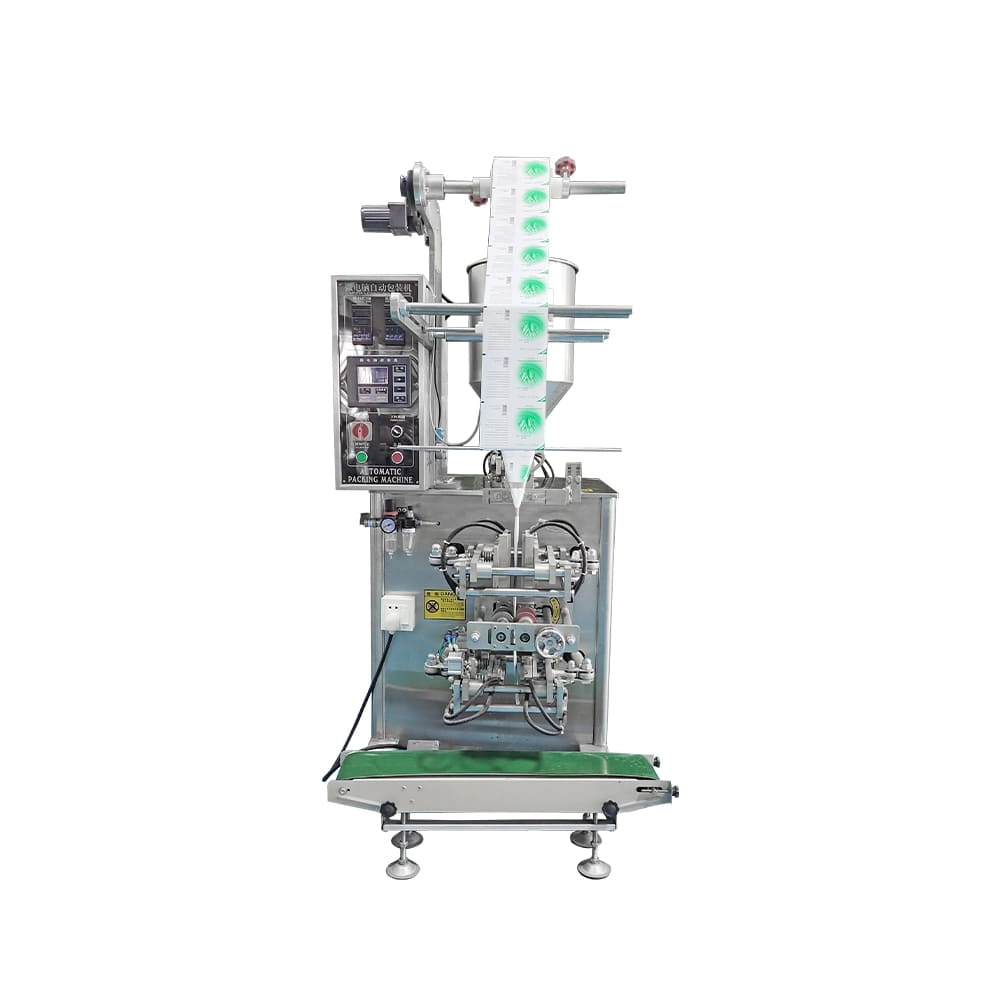
آلة تعبئة الأكياس للبيع
آلة تعبئة الأكياس من يوانيانغ هي نوع من المعدات الأوتوماتيكية، تُستخدم بشكل رئيسي لقياس وتعبئة وختم مواد التعبئة في الأكياس الصغيرة. أصبحت آلة تعبئة الأكياس جزءًا لا يتجزأ من الإنتاج الحديث في مجالات الأغذية والأدوية والمواد الكيميائية وغيرها.
سمات:
⦁ يتم التحكم بها بواسطة الكمبيوتر الصغير؛
⦁ سرعة سريعة آلية؛
⦁ التكامل متعدد الوظائف.
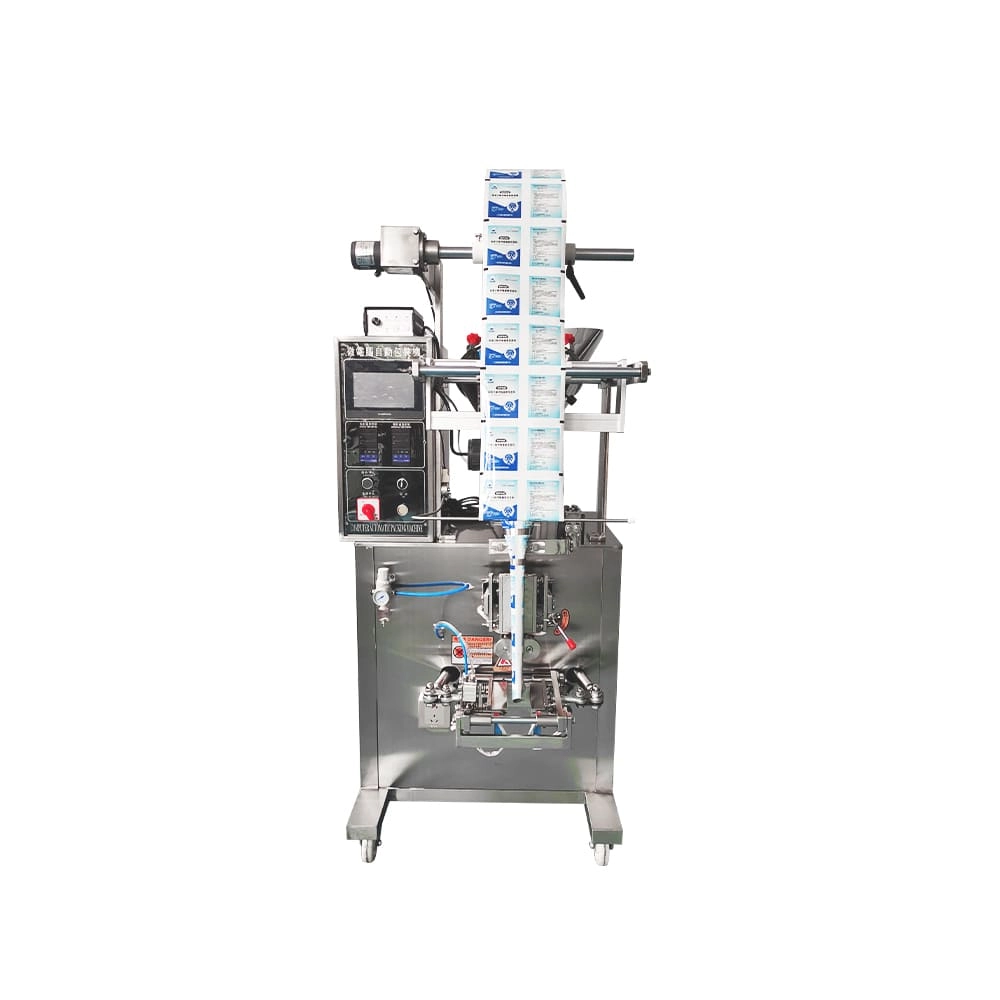
آلة تعبئة أكياس المسحوق للبيع
آلة تعبئة الأكياس من يوانيانغ هي نوع من المعدات الأوتوماتيكية لتعبئة المساحيق، تُستخدم بشكل رئيسي لقياس وتعبئة وختم مواد التعبئة في الأكياس الصغيرة. أصبحت آلة تعبئة الأكياس جزءًا لا يتجزأ من الإنتاج الحديث في مجالات الأغذية والأدوية والمواد الكيميائية وغيرها.
سمات:
⦁ يتم التحكم بها بواسطة الكمبيوتر الصغير؛
⦁ سرعة سريعة آلية؛
⦁ التكامل متعدد الوظائف.
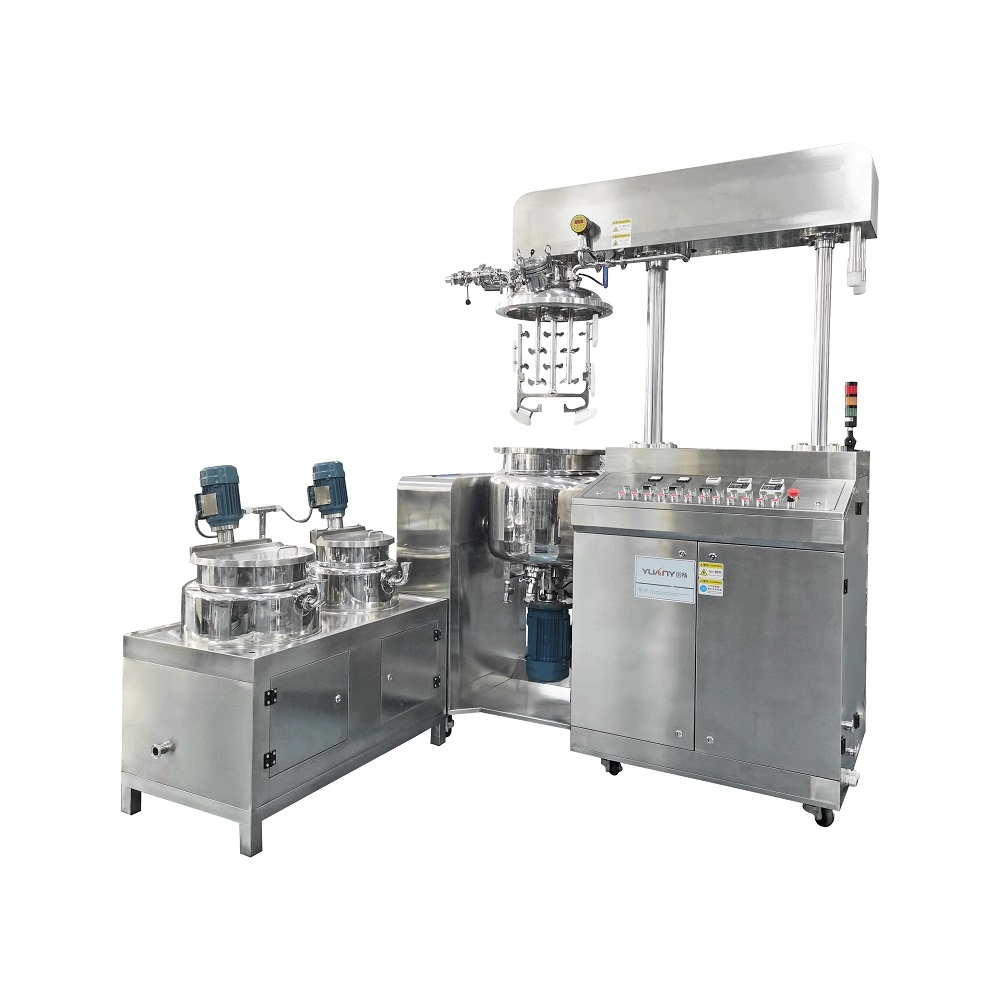
مستحلب تفريغ هيدروليكي سعة 50 لترًا
جهاز الاستحلاب الفراغي الهيدروليكي Yuanyang هو عبارة عن معدات خلط مشتركة مع خزان تجانس فراغي رئيسي وخزان مياه وخزان زيت، وهو عبارة عن معدات متكاملة مع نظام خلط وتشتيت وتجانس واستحلاب وتفريغ وامتصاص المسحوق يستخدم على نطاق واسع في مستحضرات التجميل والأغذية والأدوية والمجالات الكيميائية.
سمات:
⦁ مع غطاء رفع هيدروليكي ووعاء مائل ونظام فراغ ونظام تحكم كهربائي.
⦁ مناسب للمنتجات ذات اللزوجة 10,000~50,000 cps.
⦁ حجم الجسيمات المثالي 2 ميكرون وموزعة بالتساوي.
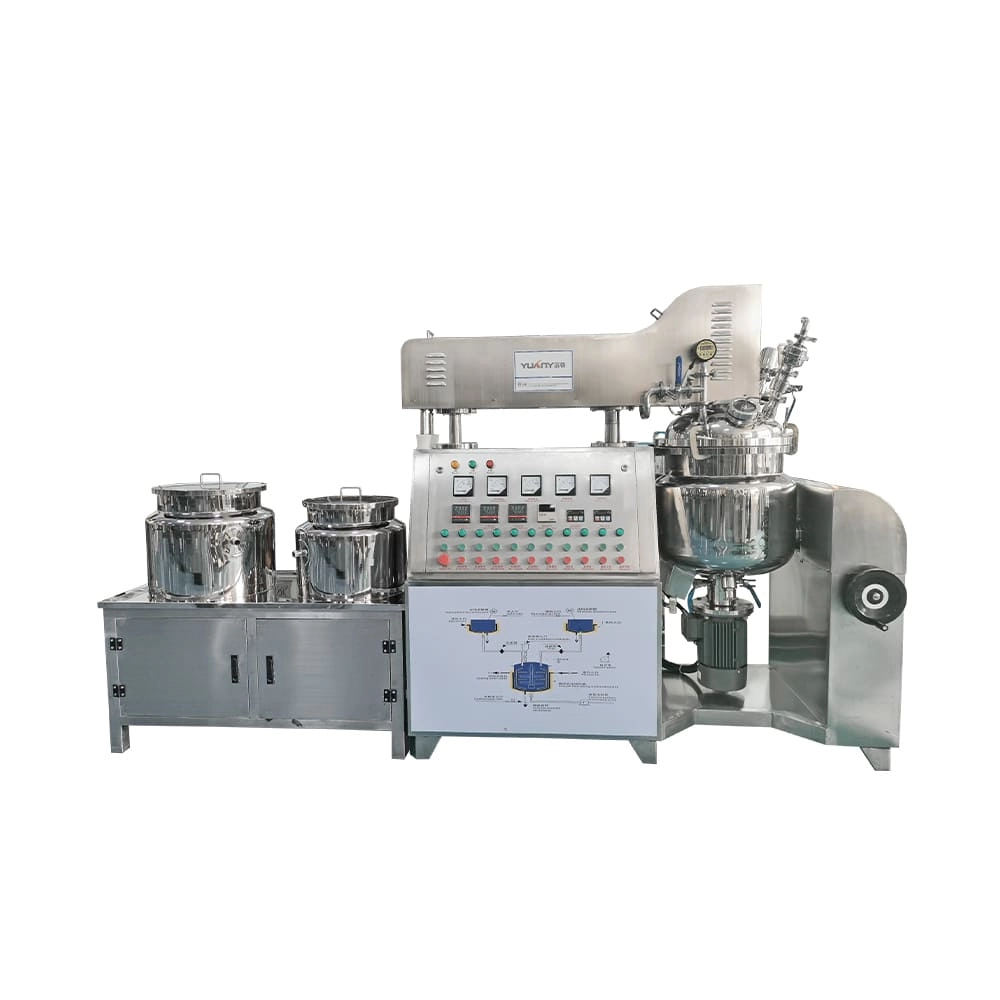
خلاط استحلاب مفرغ للبيع
خلاطة المستحلب الفراغية Yuanyang هي نوع من آلات المستحلب، وهي معدات إنتاج مستحضرات التجميل الأكثر شعبية لصنع الكريم ومنتجات العناية بالبشرة والمراهم والمعجون والمستحلبات.
سمات:
⦁ يتكون من وعاء الاستحلاب الرئيسي ووعاء الماء ووعاء الزيت.
⦁ مع نظام الرفع الهيدروليكي، ونظام الفراغ، ونظام التحكم الكهربائي.
⦁ مناسب للمنتجات ذات اللزوجة 10,000~50,000 cps.
⦁ حجم الجسيمات المثالي 2 ميكرون وموزعة بالتساوي.
جميع الحقوق محفوظة © 2025 لشركة YUANYANG.
 مسح رمز الاستجابة السريعة
فيسبوك
يوتيوب
لينكد إن
واتساب: +8613434139712
قوانغتشو يوانيانغ الآلات