





مؤشرات الأداء الرئيسية للإنتاج: قياس أداء خلاط الاستحلاب
- مؤشرات الأداء الرئيسية للإنتاج: قياس أداء خلاط الاستحلاب
- لماذا تُعدّ مؤشرات الأداء الرئيسية للإنتاج مهمة بالنسبة لخلاط الاستحلاب؟
- لمحة عن المنتج: خلاط استحلاب بالتفريغ للبيع
- مؤشرات الأداء الرئيسية لقياس أداء خلاطات الاستحلاب
- 1. الإنتاجية وعائد الدفعة
- 2. توزيع حجم الجسيمات (PSD) ومتوسط قطر الجسيمات
- 3. التحكم في اللزوجة والخصائص الريولوجية
- 4. وقت الاستحلاب ووقت الدورة
- 5. مستوى الفراغ وكفاءة إزالة الغازات
- 6. استهلاك الطاقة لكل دفعة
- 7. وقت التنظيف في الموقع (CIP) والتحقق من صحته
- 8. وقت التوقف، والموثوقية، وسهولة الصيانة
- أدوات القياس واستراتيجيات البيانات
- مثال على جدول مؤشرات الأداء الرئيسية: المقاييس، وطريقة القياس، والأهداف المقترحة
- استكشاف أخطاء مؤشرات الأداء الرئيسية الشائعة وإصلاحها
- التوسع والتكرار: من البحث والتطوير إلى الإنتاج الكامل
- الممارسات الرقمية: استخدام البيانات لتحسين أداء مؤشرات الأداء الرئيسية
- كيف يتوافق خلاط الاستحلاب الفراغي من يوانيانغ مع أهداف مؤشرات الأداء الرئيسية
- قائمة التحقق من التنفيذ: نشر نظام مراقبة مؤشرات الأداء الرئيسية لخلاط الاستحلاب الخاص بك
- الأسئلة الشائعة
- س: ما هو أهم مؤشر أداء رئيسي لخلاط الاستحلاب؟
- س: كم مرة يجب قياس توزيع حجم الجسيمات واللزوجة؟
- س: هل يؤدي الخلط بالتفريغ دائمًا إلى تحسين جودة المنتج؟
- س: هل يمكنني تحديث الخلاطات الموجودة لتحسين نتائج مؤشرات الأداء الرئيسية؟
- س: كيف تدعم شركة يوانيانغ تحسين مؤشرات الأداء الرئيسية بعد الشراء؟
- معلومات الاتصال ودعوة المستخدمين لاتخاذ إجراء بشأن المنتج
- المراجع الموثوقة
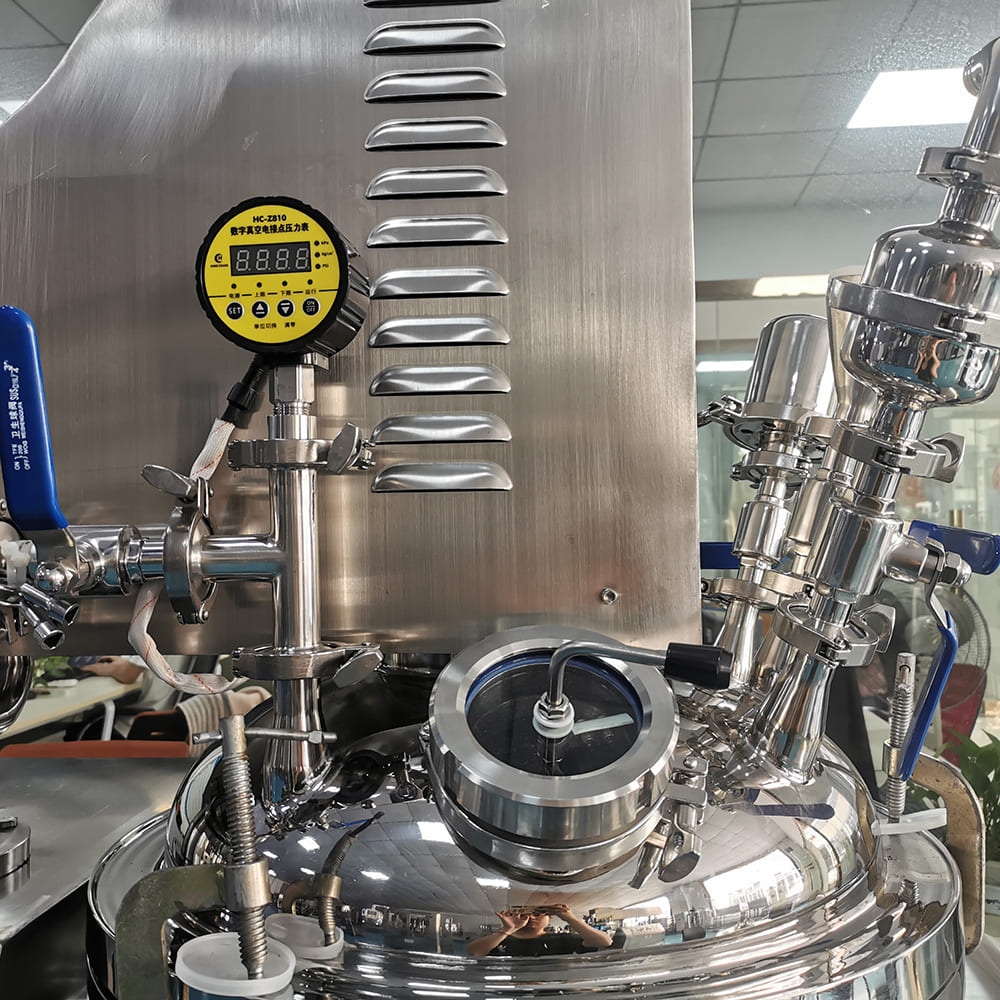
مؤشرات الأداء الرئيسية للإنتاج: قياس أداء خلاط الاستحلاب
لماذا تُعدّ مؤشرات الأداء الرئيسية للإنتاج مهمة بالنسبة لخلاط الاستحلاب؟
يعتمد مصنّعو الكريمات ومنتجات العناية بالبشرة والمراهم والمعاجين والمستحلبات على الخلط المتكرر لتحقيق أهداف الجودة والمتطلبات التنظيمية والتكلفة. توفر مؤشرات الأداء الرئيسية (KPIs) مقاييس موضوعية لتقييم أداء خلاط الاستحلاب في الإنتاج. عند تتبع مؤشرات الأداء الرئيسية الصحيحة، يمكنك تقليل تباين الدفعات، وخفض استهلاك الطاقة والمواد، وتسريع طرح المنتج في السوق، واتخاذ قرارات استثمارية مدروسة، على سبيل المثال، عند اختيار خلاط استحلاب فراغي يلبي احتياجات مصنعك.
لمحة عن المنتج: خلاط استحلاب بالتفريغ للبيع
خلاطة المستحلب الفراغية Yuanyang هي نوع من آلات المستحلب، وهي معدات إنتاج مستحضرات التجميل الأكثر شعبية لصنع الكريم ومنتجات العناية بالبشرة والمراهم والمعجون والمستحلبات.
سمات:
⦁ يتكون من وعاء الاستحلاب الرئيسي ووعاء الماء ووعاء الزيت.
⦁ مع نظام الرفع الهيدروليكي، ونظام الفراغ، ونظام التحكم الكهربائي.
⦁ مناسب للمنتجات ذات اللزوجة 10,000~50,000 cps.
⦁ حجم الجسيمات المثالي 2 ميكرون وموزعة بالتساوي.
مؤشرات الأداء الرئيسية لقياس أداء خلاطات الاستحلاب
فيما يلي مؤشرات الأداء الرئيسية التي يجب قياسها بانتظام. يتضمن كل مؤشر من مؤشرات الأداء الرئيسية سبب أهميته، وكيفية قياسه، والأهداف الموصى بها لإنتاج مستحضرات التجميل، والإجراءات التصحيحية الشائعة.
1. الإنتاجية وعائد الدفعة
أهمية ذلك: يُظهر معدل الإنتاج (كجم/ساعة أو كجم/دفعة) والعائد مدى كفاءة تحويل المواد الخام إلى منتج نهائي، وعدد الوحدات القابلة للاستخدام التي يتم الحصول عليها من كل دفعة. ويؤدي انخفاض العائد إلى زيادة تكلفة الإنتاج بشكل مباشر.
كيفية القياس: تتبع كتلة المدخلات وكتلة المنتج النهائي المعبأ لكل دفعة. أتمتة التسجيل عبر موازين الوزن المدمجة مع نظام التحكم في الدفعات.
الهدف: نسعى لتحقيق نسبة إنتاج تزيد عن 98% لمعظم الكريمات والمراهم بعد مراعاة أخذ العينات والاحتجازات التي لا مفر منها. يمكن أن يكون الهدف أكثر دقة في المنتجات ذات القيمة العالية.
التصحيحات: تحسين تصميم خط النقل، وتقليل حجم الاحتجاز، وتحسين إجراءات الفراغ والتفريغ، والنظر في استخدام خلاط استحلاب فراغي بتصميم منخفض الحجم الميت مثل نموذج يوانيانغ.
2. توزيع حجم الجسيمات (PSD) ومتوسط قطر الجسيمات
أهمية ذلك: يعتمد استقرار المستحلب وملمسه ومظهره بشكل كبير على حجم القطرات وتوزيعها. ويؤدي توزيع حجم القطرات بشكل أدق وأكثر تجانسًا إلى تحسين الاستقرار وإدراك المستهلك.
كيفية القياس: استخدم أجهزة تحليل حجم الجسيمات بتقنية حيود الليزر أو تقنية تشتت الضوء الديناميكي للنطاقات من دون الميكرون إلى الميكرون. خذ عينات تمثيلية بعد خطوة التجانس.
الهدف: بالنسبة للعديد من مستحضرات التجميل، يُعدّ حجم الجسيمات المثالي (D50) الذي يتراوح بين 1 و5 ميكرون مثاليًا. وتدّعي شركة يوانيانغ أن حجم الجسيمات المثالي يبلغ 2 ميكرون، مع توزيع متجانس، وهو ما يتوافق مع معايير صناعة مستحضرات التجميل للكريمات.
التصحيحات: زيادة سرعة الدوار الثابت، وضبط وقت التجانس، وتحسين تركيز المستحلب، وضمان التحكم المناسب في درجة الحرارة أثناء عملية الاستحلاب.
3. التحكم في اللزوجة والخصائص الريولوجية
لماذا يهم ذلك: تؤثر لزوجة المنتج النهائي على قابلية الضخ، وأداء خط التعبئة، وسلوك الانتشار، وقبول المستهلك.
كيفية القياس: استخدم مقياس لزوجة/ريومتر دوراني معملي أو مدمج. سجل اللزوجة عند معدلات القص ودرجات الحرارة المحددة للحصول على بيانات ريولوجية دقيقة للمنتج.
الهدف: بالنسبة للمنتجات المناسبة لتقنية يوانيانغ، يتراوح نطاق اللزوجة التشغيلية بين 10000 و50000 سنتي بواز. حدد حدود المواصفات لوحدة التخزين الخاصة بك، على سبيل المثال 20000 ± 3000 سنتي بواز عند 25 درجة مئوية ومعدل قص 10 ثانية⁻¹.
التعديلات: عدّل نظام المستحلب، وقوة القص في الخلط، وملف درجة الحرارة. بالنسبة للأنظمة السميكة، استخدم الرفع الهيدروليكي للخلاط ومناطق القص القوية لتحقيق التجانس قبل التبريد.
4. وقت الاستحلاب ووقت الدورة
أهمية ذلك: تزيد دورات الإنتاج الأسرع من الإنتاجية وتقلل من العمالة والطاقة لكل وحدة. لكن دورات الإنتاج السريعة للغاية قد تؤثر سلبًا على جودة المنتج إذا لم تكتمل عملية الاستحلاب.
كيفية القياس: سجل أوقات البدء والانتهاء لكل مرحلة من مراحل الخلط: الخلط المسبق، والاستحلاب، والتجانس، والتبريد.
الهدف: معيار قياس يعتمد على مدى تعقيد المنتج. بالنسبة للكريمات القياسية، تتراوح مدة الاستحلاب والتجانس مجتمعتين عادةً من 10 إلى 40 دقيقة. التحقق من صحة النتائج بناءً على خصائص الجودة مثل توزيع حجم الجسيمات واللزوجة.
التعديلات: تحسين هندسة الدوار والثابت، ومستوى الفراغ، وإجراءات التشتيت المسبق. يُنصح باستخدام خلاط استحلاب فراغي ذي قدرة قص وتجانس عالية لتقليل زمن الدورة دون المساس بالجودة.
5. مستوى الفراغ وكفاءة إزالة الغازات
لماذا هو مهم: يقلل الفراغ من انحباس الهواء، مما يمنع تكون الفقاعات ويحسن مدة الصلاحية والخصائص الحسية.
كيفية القياس: راقب ضغط مقياس الفراغ باستمرار أثناء خطوات الفراغ وقم بتحديد كمية الهواء المتبقي المحصور عن طريق الفحص البصري أو فحوصات الكثافة النوعية.
الهدف: تتراوح مستويات الفراغ النموذجية لمستحلبات مستحضرات التجميل بين -0.08 و -0.09 ميجا باسكال (نسبيًا). وتعتمد هذه المستويات على تركيبة المنتج؛ ويمكن التحقق منها من خلال عدم وجود فقاعات مرئية وثبات كتلة العبوة.
التصحيحات: تحسين سعة المضخة، وفحص موانع التسرب والحشيات، وضمان تصميم مناسب للوعاء من أجل إزالة الغازات بكفاءة. تم تصميم نظام التفريغ من يوانيانغ للمساعدة في إزالة الغازات بكفاءة أثناء عملية الاستحلاب.
6. استهلاك الطاقة لكل دفعة
لماذا هذا الأمر مهم: يمثل استهلاك الطاقة تكلفة إنتاج كبيرة ويساهم في مقاييس الاستدامة.
كيفية القياس: استخدم عدادات الطاقة لتسجيل الطاقة الكهربائية (كيلوواط ساعة) لكل دفعة. قم بتطبيعها حسب الكتلة للحصول على كيلوواط ساعة/كيلوجرام.
الهدف: تعتمد الطاقة لكل كيلوغرام على العملية والحجم؛ تتبع خط الأساس التاريخي واسعى لتحقيق تخفيضات مستمرة من خلال التحسين.
التصحيحات: تحسين سرعة المحرك، وتقليل أوقات التوقف، وجدولة الدفعات لتقليل خسائر التسخين والتبريد، واختيار معدات فعالة ذات حجم محرك مناسب.
7. وقت التنظيف في الموقع (CIP) والتحقق من صحته
أهمية ذلك: يؤثر وقت التنظيف على وقت التشغيل وتكلفة تغيير المنتج. يُعد التحقق من صحة نظام التنظيف في المكان (CIP) أمرًا بالغ الأهمية لمستحضرات التجميل التي تخضع لضوابط صارمة لمكافحة التلوث.
كيفية القياس: سجل أوقات بدء وانتهاء عملية التنظيف في المكان (CIP)، وأحجام محلول التنظيف، ونتائج المسح بعد عملية التنظيف في المكان (CIP) أو قياسات الكربون العضوي الكلي (TOC).
الهدف: تقليل وقت التنظيف في المكان (CIP) مع الالتزام بالحدود الميكروبية وحدود المخلفات. تحديد الحدود المقبولة لكل فئة منتج.
التصحيحات: تحسين سهولة الوصول إلى الأوعية، واستخدام فوهات التنظيف الآلي المدمجة، وتصميم الخلاطات لتسهيل التصريف والحصول على أسطح ملساء. غالبًا ما تتضمن تصاميم يوانيانغ ميزات مثل الرفع الهيدروليكي الذي يُسهّل الوصول إلى أدوات الخلط لتنظيفها بدقة.
8. وقت التوقف، والموثوقية، وسهولة الصيانة
لماذا هذا الأمر مهم: يؤدي التوقف غير المخطط له إلى زيادة تكاليف الإنتاج ويمكن أن يؤخر الشحنات.
كيفية القياس: تتبع متوسط الوقت بين الأعطال (MTBF)، ومتوسط وقت الإصلاح (MTTR)، والالتزام بالصيانة المجدولة.
الهدف: تختلف أهداف الصناعة؛ الهدف هو زيادة متوسط الوقت بين الأعطال وتقليل متوسط وقت الإصلاح من خلال الصيانة التنبؤية وتوافر قطع الغيار.
التصحيحات: تطبيق مراقبة الحالة (الاهتزاز، درجة الحرارة)، والحفاظ على قطع الغيار الأساسية، واختيار الخلاطات ذات المكونات المثبتة وسهولة الوصول للصيانة.
أدوات القياس واستراتيجيات البيانات
لقياس مؤشرات الأداء الرئيسية بفعالية، يُنصح بدمج أخذ العينات اليدوي مع أجهزة الاستشعار المدمجة وأنظمة جمع البيانات. تشمل الأدوات والأنظمة الشائعة أجهزة قياس اللزوجة، وأجهزة تحليل حجم الجسيمات، وأجهزة استشعار عزم الدوران، ومحولات الطاقة الفراغية، وأجهزة استشعار درجة الحرارة والضغط المدمجة، وأنظمة تسجيل البيانات PLC/SCADA، ومعدات ضمان الجودة المختبرية. استخدم مخططات التحكم الإحصائي في العمليات (SPC) لمراقبة الاتجاهات والكشف المبكر عن أي تغيرات.
مثال على جدول مؤشرات الأداء الرئيسية: المقاييس، وطريقة القياس، والأهداف المقترحة
| مؤشرات الأداء الرئيسية | طريقة القياس | الهدف المقترح (مستحضرات التجميل) |
|---|---|---|
| أَثْمَر | وزن كل دفعة عند الدخول والخروج | >98% |
| حجم الجسيمات (D50) | حيود الليزر | 1-3 ميكرون (D50)؛ يوانيانغ: 2 ميكرون |
| اللزوجة | مقياس اللزوجة الدوراني عند قص محدد | 10000–50000 سنتي بويز أو مواصفات المنتج |
| زمن الدورة | طوابع زمنية لوحدة التحكم المنطقية القابلة للبرمجة | يعتمد ذلك على المنتج؛ قلل الكمية دون فقدان الجودة |
| مستوى الفراغ | محول فراغي | نموذجي: من -0.08 إلى -0.09 ميجا باسكال |
| الطاقة لكل كيلوغرام | مقياس الطاقة | قم بقياس الأداء وتقليله بمرور الوقت |
| وقت CIP | سجل العملية + جدول المحتويات/المسحات | أقصر ما يمكن مع مراعاة التحقق من صحتها |
استكشاف أخطاء مؤشرات الأداء الرئيسية الشائعة وإصلاحها
عند انحراف مؤشرات الأداء الرئيسية، استخدم منهجية تحليل الأسباب الجذرية. تشمل المشكلات والفحوصات النموذجية ما يلي:
- حجم الجسيمات الكبير: تحقق من تآكل الجزء الدوار والجزء الثابت، وسرعة جهاز التجنيس، وتركيز المستحلب، ودرجة الحرارة، وجودة التشتت المسبق.
- الانحراف عالي اللزوجة: فحص اتساق وصفة الدفعة، والتحقق من درجة حرارة الماء/الزيت، والتأكد من إضافة طور المستحلب بشكل صحيح.
- انخفاض الإنتاجية: فحص الصمامات وتصميم التفريغ بحثًا عن الحجم الميت؛ مراجعة أنابيب النقل وإجراءات التصريف.
- وقت التنظيف المفرط أو البقايا: قم بتقييم هندسة الوعاء، وحالة الحشية، ومعايير التنظيف؛ تحقق من مناطق انحصار المنتج.
- عدم استقرار الفراغ: تحقق من سلامة مضخة الفراغ والصمامات وأختام الوعاء؛ تأكد من صحة بروتوكول الفراغ.
التوسع والتكرار: من البحث والتطوير إلى الإنتاج الكامل
يجب أن تكون مؤشرات الأداء الرئيسية متسقة عبر مختلف الأحجام. أثناء التوسع، حافظ على تماثل الأبعاد لمناطق القص، وطابق سرعات طرف الفرشاة أو معدلات تبديد الطاقة، وتحقق من نقل أهداف توزيع حجم الجسيمات واللزوجة. استخدم التجارب الأولية لإنشاء منحنيات النقل وتحديث وصفات التحكم في وحدة التحكم المنطقية القابلة للبرمجة (PLC) للإنتاج. يساعد اختيار خلاط استحلاب فراغي تجاري معروض للبيع، يستخدم نفس مبادئ القص والتجانس المستخدمة في المعدات المختبرية، على الحفاظ على قابلية التكرار.
الممارسات الرقمية: استخدام البيانات لتحسين أداء مؤشرات الأداء الرئيسية
تطبيق تسجيل البيانات المستمر والتحليلات الأساسية. الخطوات الرئيسية:
- قم بدمج أجهزة الاستشعار مع نظام تسجيل البيانات أو نظام إدارة عمليات التصنيع (MES) لمركزة بيانات مؤشرات الأداء الرئيسية.
- استخدم مراقبة العمليات الإحصائية ومخططات التشغيل لاكتشاف الانحراف قبل حدوث دفعات خارج المواصفات.
- قم بتطبيق تحليل الأسباب الجذرية على الانحرافات المستمرة وقم بقياس التحسينات بعد اتخاذ الإجراءات التصحيحية.
- ضع في اعتبارك نماذج الصيانة التنبؤية لتقليل وقت التوقف غير المتوقع.
كيف يتوافق خلاط الاستحلاب الفراغي من يوانيانغ مع أهداف مؤشرات الأداء الرئيسية
عند اختيار المعدات، تحقق من كيفية دعم التصميم لتحسين مؤشرات الأداء الرئيسية. يوفر خلاط الاستحلاب الفراغي من يوانيانغ المعروض للبيع العديد من الميزات التي تتوافق مع مقاييس الإنتاج الرئيسية:
- يدعم التصميم ثلاثي الأوعية (وعاء الاستحلاب الرئيسي، ووعاء الماء، ووعاء الزيت) التسخين والإضافة الدقيقة للأطوار، مما يحسن الإنتاجية وتناسق الدفعات.
- يتيح نظام الرفع الهيدروليكي الوصول الآمن والسريع للصيانة والتنظيف، مما يقلل من وقت التنظيف في مكانه ومتوسط وقت الإصلاح.
- يساعد نظام التفريغ والتحكم المتكامل على إزالة الهواء المحتبس بكفاءة، مما يدعم أهداف مؤشرات الأداء الرئيسية لإزالة الغازات.
- يتيح نظام التحكم الكهربائي والخيارات المتاحة لالتقاط البيانات تسجيل وقت الدورة بشكل آلي ووصفات قابلة للتكرار.
- مصمم للمنتجات ذات اللزوجة 10000-50000 سنتي بويز والقادرة على إنتاج حجم جسيمات يبلغ حوالي 2 ميكرون، بما يتماشى مع مواصفات منتجات التجميل الشائعة.
قائمة التحقق من التنفيذ: نشر نظام مراقبة مؤشرات الأداء الرئيسية لخلاط الاستحلاب الخاص بك
اتبع قائمة التحقق العملية هذه لتفعيل مراقبة مؤشرات الأداء الرئيسية:
- حدد قائمة مؤشرات الأداء الرئيسية والأهداف المقبولة لكل وحدة تخزين.
- تركيب ومعايرة أجهزة القياس: مقياس اللزوجة، محلل حجم الجسيمات، محول الفراغ، مقاييس الطاقة.
- قم بدمج أجهزة الاستشعار في وحدة التحكم المنطقية القابلة للبرمجة/نظام إدارة التصنيع (PLC/MES) لتسجيل البيانات والإنذارات تلقائيًا.
- إنشاء لوحات معلومات مراقبة العمليات الإحصائية وتحديد وتيرة المراجعة الروتينية لفرق الإنتاج وضمان الجودة.
- تدريب المشغلين على أساليب أخذ العينات والإجراءات التصحيحية.
- قم بتشغيل دفعات تجريبية للتحقق من صحة الأهداف وتعديلها قبل الإنتاج الكامل.
الأسئلة الشائعة
س: ما هو أهم مؤشر أداء رئيسي لخلاط الاستحلاب؟
ج: يعتمد ذلك على هدف عملك. بالنسبة لمستحضرات التجميل التي تتطلب جودة عالية، يُعدّ توزيع حجم الجسيمات واللزوجة من العوامل الأساسية. أما بالنسبة للعمليات التي تركز على التكلفة، فقد يكون معدل الإنتاج والطاقة لكل كيلوغرام هما الأهم. من الأفضل تتبع مجموعة متوازنة من مؤشرات الأداء الرئيسية، بما في ذلك توزيع حجم الجسيمات، واللزوجة، ومعدل الإنتاج، ووقت الدورة، ووقت التنظيف في المكان.
س: كم مرة يجب قياس توزيع حجم الجسيمات واللزوجة؟
ج: كحد أدنى، يجب قياس توزيع حجم الجسيمات واللزوجة في كل دفعة جديدة من التركيبة، وبشكل دوري أثناء الإنتاج كجزء من أخذ عينات ضمان الجودة. إذا كانت لديك أجهزة قياس مدمجة في خط الإنتاج، فإن المراقبة المستمرة أو شبه المستمرة ممكنة وموصى بها للإنتاج بكميات كبيرة.
س: هل يؤدي الخلط بالتفريغ دائمًا إلى تحسين جودة المنتج؟
ج: عادةً ما يقلل الفراغ من الهواء المحتبس ويحسن الاستقرار، لكن فائدته تعتمد على التركيبة. تتطلب بعض الأنظمة تحكمًا دقيقًا في مستوى الفراغ وتوقيته لتجنب التبخر المفرط للمكونات المتطايرة.
س: هل يمكنني تحديث الخلاطات الموجودة لتحسين نتائج مؤشرات الأداء الرئيسية؟
ج: يمكن تحديث العديد من الخلاطات بأنظمة تحكم محسّنة، أو مضخات تفريغ، أو أجهزة تجانس، ولكن قد تبقى بعض القيود الهيكلية. قيّم التحسينات المتوقعة مقابل التكلفة؛ ففي بعض الأحيان، يُحقق استبدال الخلاط بخلاط استحلاب تفريغ حديث عائدًا أسرع على الاستثمار.
س: كيف تدعم شركة يوانيانغ تحسين مؤشرات الأداء الرئيسية بعد الشراء؟
ج: عادةً ما تقدم شركة يوانيانغ وثائق فنية، وملفات تعريف تشغيلية موصى بها، ودعم ما بعد البيع. وللحصول على أفضل النتائج، تعاونوا في تجارب التشغيل لضبط المعايير بما يتناسب مع تركيباتكم وأهدافكم.
معلومات الاتصال ودعوة المستخدمين لاتخاذ إجراء بشأن المنتج
بمجرد أن تصبح مقاييس الأداء واضحة، فإن الخطوة التالية هي تقييم جودة ومطابقة خلاطات الاستحلاب الفراغية، مما يضمن استيفاء جميع المعايير التنظيمية ومعايير الجودة.
إذا كنت ترغب في تحسين مؤشرات الأداء الرئيسية للإنتاج وتقييم خلاط الاستحلاب الفراغي المعروض للبيع لمصنعك، فتواصل مع فريق المبيعات والدعم الفني لدينا للحصول على استشارة، ومواصفات فنية، وعرض توضيحي. اطلب عرض سعر أو حدد موعدًا لزيارة موقعك لمراجعة كيف يمكن لخلاط يوانيانغ تلبية متطلباتك من حيث الإنتاجية، وتوزيع حجم الجسيمات، واللزوجة، والتنظيف.
المراجع الموثوقة
- الاستحلاب. ويكيبيديا. https://en.wikipedia.org/wiki/Emulsification
- المستحلب (الكيمياء). ويكيبيديا. https://en.wikipedia.org/wiki/Emulsion_(chemistry)
- الخلط (هندسة العمليات). ويكيبيديا. https://en.wikipedia.org/wiki/Mixing_(process_engineering)
- نظرة عامة على مستحضرات التجميل من إدارة الغذاء والدواء الأمريكية (FDA). https://www.fda.gov/cosmetics
- أفضل الممارسات في مجال التنظيف والتحقق من صحة مستحضرات التجميل والأدوية، على سبيل المثال مقالات إرشادية في هذا المجال (ابحث عن مزودين مثل PharmTech و Cosmetics & Toiletries للاطلاع على المقالات التقنية).
نُشر بواسطة استشاري خبير في مجال الخلط الصناعي وإنتاج مستحضرات التجميل. للحصول على مواصفات تفصيلية، أو بروتوكولات اختبار، أو مساعدة في تطبيق مؤشرات الأداء الرئيسية في الموقع، يُرجى التواصل مع فريقنا الفني.
ما هي أنواع مختلفة من آلة ختم رقائق الألومنيوم؟
كل ما تحتاج إلى معرفته عن ماكينة تعبئة المعجون
أفضل 10 مصنعين وموردين لآلات تعبئة الأكياس في آسيا
مصنعي وموردي شرائط الخلاط OEM/ODM
خلاط الشريط
هل يمكنك تخصيص مواد الاتصال الفولاذ المقاوم للصدأ 316L لآلة صنع مسحوق المنظفات؟
نعم، نوفر خدمة التخصيص حسب الطلب. يمكن أن تكون قطع التلامس من SUS304 أو SUS316L، ولكن التكلفة ستكون أعلى.
كيفية تجفيف المسحوق المختلط؟
إذا لم يكن المسحوق الخام جافًا، ويريد العميل تجفيفه أثناء الخلط، فسيتم إضافة سترة مع سخان لتحقيق غرض التجفيف.
خزان خلاط التجانس
هل يمكنني استخدام مياه المدينة لإنتاج المنظفات السائلة؟
كما تعلمون، يُشكّل الماء ما نسبته 70-99% من المواد الخام اللازمة لإنتاج المنظفات السائلة. لذا، تُعدّ جودة الماء بالغة الأهمية لإنتاج منتجات تنظيف سائلة عالية الجودة. يجب معالجة الماء الخام قبل إدخاله إلى الخزان.
مستحضرات التجميل
ما هي الصيانة والدعم الذي تقدمونه للمعدات؟
نقدم أدلة صيانة مفصلة للمعدات، ونقدم خدمات صيانة دورية لضمان الأداء الأمثل على المدى الطويل. كما نقدم دعمًا فنيًا سريع الاستجابة لما بعد البيع لحل أي مشاكل غير متوقعة.
آلة ختم رقائق الألومنيوم
ما هي المسافة بين عنق الزجاجة ورأس الختم للحصول على أفضل تأثير للختم؟
جعاملي، المسافة بينكابوجهاز الختم ليس أكثرأكبر من 5 مم،و لزجاجة كبيرة القطر,اجعل المسافة8 ملم. تالمسافة الأطول،التصبح القوة الأضعف، الأكبرزجاجة،يتطلب عملًا أكبرقوة.
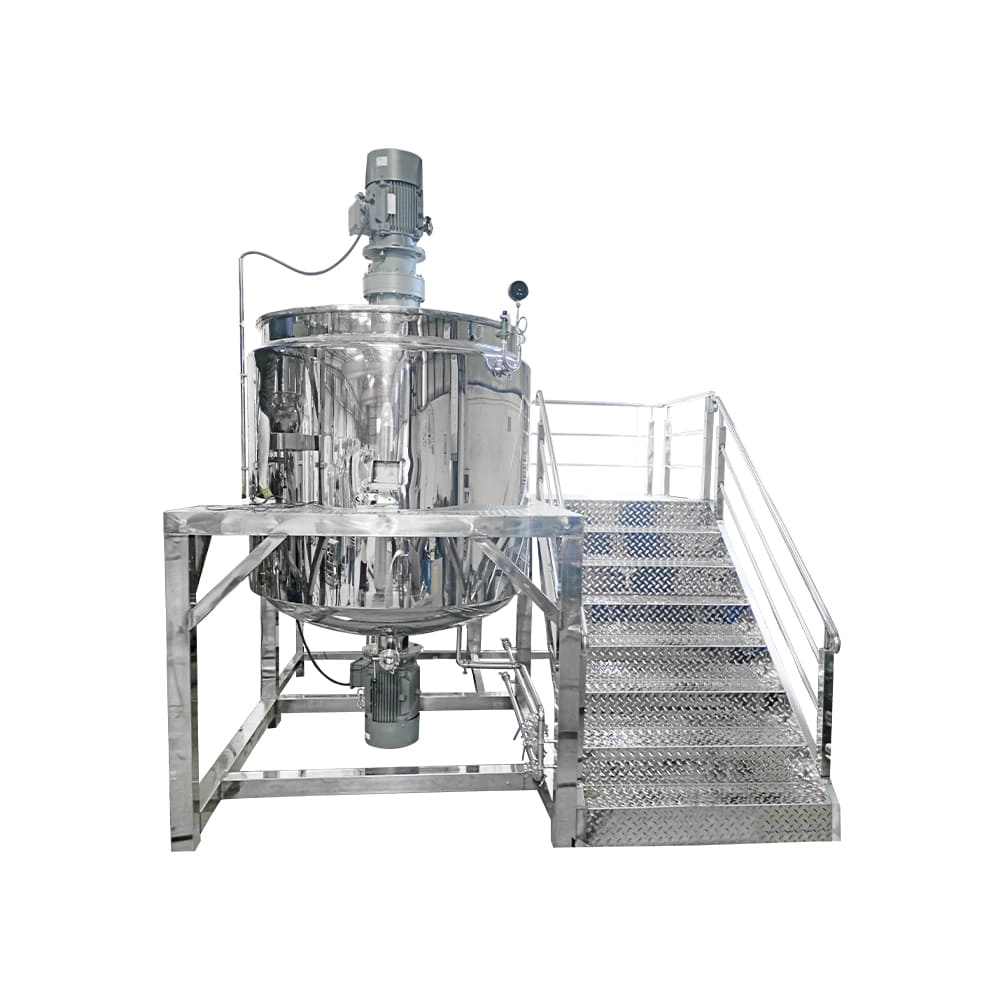
آلة خلط الصابون السائل للبيع
خلاط الصابون السائل "يوانيانغ" هو خلاط صناعي متجانس لإنتاج الصابون السائل. صُمم هذا الخلاط بشكل رئيسي لإنتاج منتجات سائلة مثل الشامبو، وغسول الجسم، ومنظفات الغسيل، وصابون الأطباق، ومعقم اليدين، وغيرها من السوائل الكثيفة.
سمات:
⦁ غطاء مسطح، نصف مفتوح، نظام تحكم كهربائي.
⦁ مناسب لمختلف منتجات التنظيف السائلة والصلصات.
⦁ تحريك مكشطة جدار PTFE في الأعلى، ومجانسة القص العالية في الأسفل.
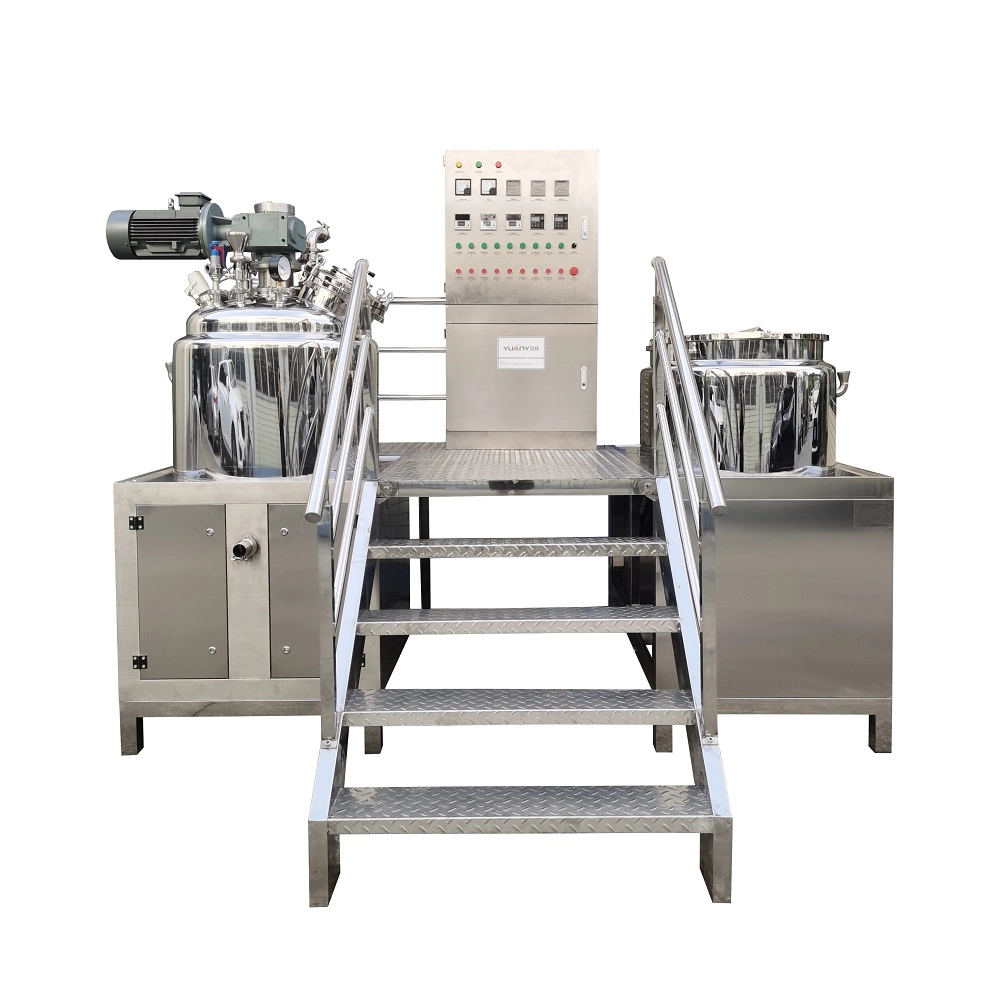
آلة صنع مستحضرات التجميل
آلة صنع مستحضرات التجميل Yuanyang هي عبارة عن معدات خلط مشتركة مع خزان التجانس الفراغي الرئيسي وخزان المياه وخزان الزيت، وهي معدات متكاملة مع نظام الخلط والتشتيت والتجانس والاستحلاب والتفريغ وامتصاص المسحوق الذي يستخدم على نطاق واسع في مستحضرات التجميل والأغذية والأدوية والمجالات الكيميائية.
سمات:
⦁ مع غطاء ثابت ونظام فراغ ونظام تحكم كهربائي.
⦁ مناسب للمنتجات ذات اللزوجة 10,000~50,000 cps.
⦁ حجم الجسيمات المثالي 2 ميكرون وموزعة بالتساوي.
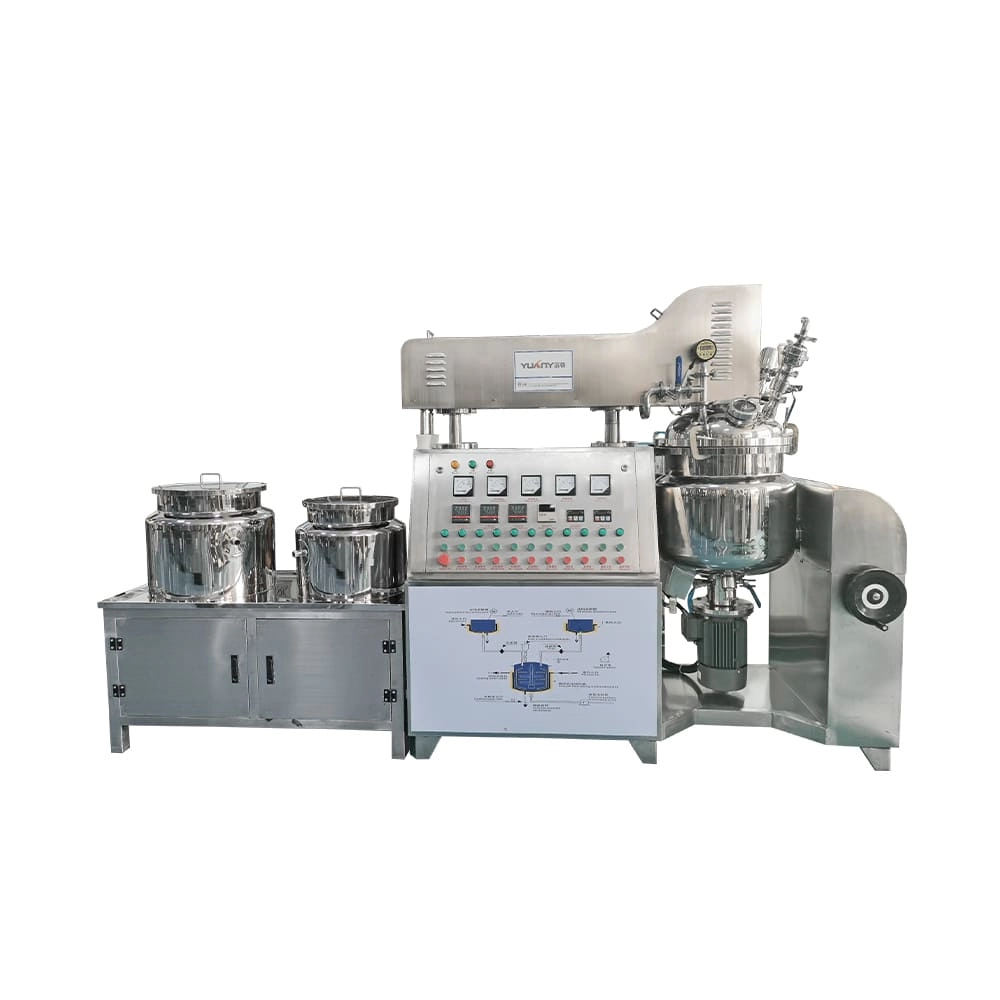
خلاط استحلاب مفرغ للبيع
خلاطة المستحلب الفراغية Yuanyang هي نوع من آلات المستحلب، وهي معدات إنتاج مستحضرات التجميل الأكثر شعبية لصنع الكريم ومنتجات العناية بالبشرة والمراهم والمعجون والمستحلبات.
سمات:
⦁ يتكون من وعاء الاستحلاب الرئيسي ووعاء الماء ووعاء الزيت.
⦁ مع نظام الرفع الهيدروليكي، ونظام الفراغ، ونظام التحكم الكهربائي.
⦁ مناسب للمنتجات ذات اللزوجة 10,000~50,000 cps.
⦁ حجم الجسيمات المثالي 2 ميكرون وموزعة بالتساوي.
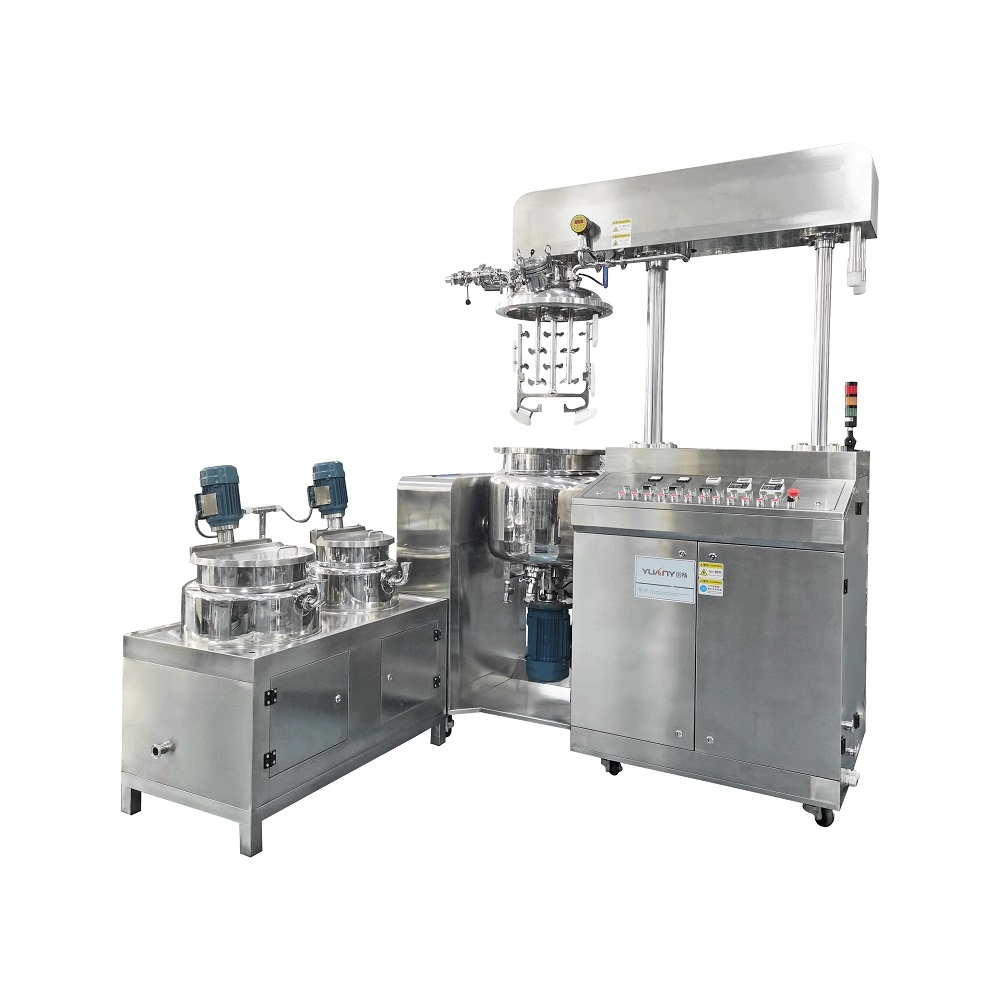
مستحلب تفريغ هيدروليكي سعة 50 لترًا
جهاز الاستحلاب الفراغي الهيدروليكي Yuanyang هو عبارة عن معدات خلط مشتركة مع خزان تجانس فراغي رئيسي وخزان مياه وخزان زيت، وهو عبارة عن معدات متكاملة مع نظام خلط وتشتيت وتجانس واستحلاب وتفريغ وامتصاص المسحوق يستخدم على نطاق واسع في مستحضرات التجميل والأغذية والأدوية والمجالات الكيميائية.
سمات:
⦁ مع غطاء رفع هيدروليكي ووعاء مائل ونظام فراغ ونظام تحكم كهربائي.
⦁ مناسب للمنتجات ذات اللزوجة 10,000~50,000 cps.
⦁ حجم الجسيمات المثالي 2 ميكرون وموزعة بالتساوي.
جميع الحقوق محفوظة © 2025 لشركة YUANYANG.
 مسح رمز الاستجابة السريعة
فيسبوك
يوتيوب
لينكد إن
واتساب: +8613434139712
قوانغتشو يوانيانغ الآلات