





تحسين الإنتاجية: اختيار آلات إغلاق الأنابيب عالية السرعة
- تحسين الإنتاجية: اختيار آلات إغلاق الأنابيب عالية السرعة
- لماذا تُعدّ الإنتاجية عاملاً مهماً في اختيار آلة التغليف؟
- مؤشرات الأداء الرئيسية التي يجب تقييمها في آلة التغليف
- المفاضلات: السرعة مقابل الجودة في آلات إغلاق الأنابيب عالية السرعة
- ماكينة إغلاق الأنابيب الأوتوماتيكية للبيع - نظرة عامة على المنتج
- كيف تعالج آلة إغلاق الأنابيب الأوتوماتيكية من يوانيانغ مشكلة تحسين الإنتاجية؟
- توافق المواد واختيار آلة الختم
- مقارنة عملية للإنتاجية: نظرة عامة على آلات التغليف
- التكامل وموازنة خط الإنتاج مع آلة التغليف الخاصة بك
- الصيانة، ووقت التشغيل، وتدريب المشغلين
- الاعتبارات التنظيمية والجودة عند اختيار آلة التغليف
- حساب عائد الاستثمار: كيفية تبرير الاستثمار في آلة تغليف عالية السرعة
- سيناريوهات عملية: اختيار آلة التغليف حسب الصناعة
- قائمة التحقق من الاختيارات قبل شراء آلة إغلاق الأنابيب الأوتوماتيكية المعروضة للبيع
- لماذا تختار يوانيانغ؟ - مزايا العلامة التجارية للمشترين الذين يركزون على الإنتاجية
- الأسئلة الشائعة
- س1: ما هي السرعة الواقعية التي يمكنني توقعها من آلة ختم الأنابيب عالية السرعة؟
- س2: هل يمكن لآلة التغليف نفسها التعامل مع أنابيب الألومنيوم والبلاستيك؟
- س3: كيف يمكنني التحقق من سلامة الختم على خط الإنتاج؟
- س4: ما هو جدول الصيانة الذي يحافظ على موثوقية آلة الختم عالية السرعة؟
- س5: هل يشمل شراء آلة إغلاق الأنابيب الأوتوماتيكية تدريب المشغل؟
- للتواصل ومعرفة الخطوات التالية — عرض المنتج أو طلب عرض توضيحي
- مراجع موثوقة ومصادر قراءة إضافية
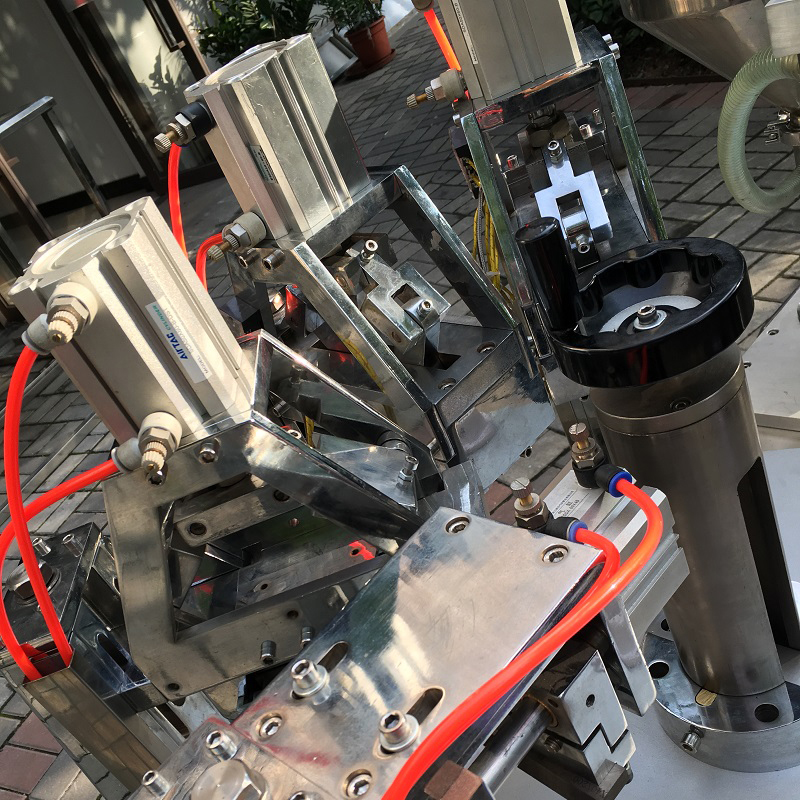
تحسين الإنتاجية: اختيار آلات إغلاق الأنابيب عالية السرعة
لماذا تُعدّ الإنتاجية عاملاً مهماً في اختيار آلة التغليف؟
تُعدّ الإنتاجية عاملاً أساسياً في الربحية والتنافسية في الصناعات التي تستخدم الأنابيب للتغليف، مثل مستحضرات التجميل والأغذية والأدوية والمواد الكيميائية. يمكن لآلة اللحام عالية السرعة أن تزيد الإنتاج، وتقلل تكلفة العمالة للوحدة، وتحسن الاتساق، ولكن اختيار المعدات الخاطئة قد يُسبب اختناقات في العمليات، أو مشاكل في الجودة، أو مخاطر تنظيمية. يشرح هذا الدليل كيفية تقييم خيارات آلات اللحام، مع التركيز على اختيار آلة لحام أنابيب عالية السرعة تُوازن بين السرعة والدقة والموثوقية التشغيلية.
مؤشرات الأداء الرئيسية التي يجب تقييمها في آلة التغليف
عند تحسين الإنتاجية، ركز على خصائص الجهاز القابلة للقياس. تساعدك هذه المقاييس على تحديد الأداء كمياً ومقارنة النماذج بشكل فعّال.
- السرعة (عدد الأنابيب في الدقيقة): أقصى سرعة مستدامة عملية في ظل ظروف منتجك.
- دقة التعبئة (نسبة الانحراف المئوية): تحدد الفاقد وإعادة العمل - وهو أمر بالغ الأهمية للمنتجات الخاضعة للتنظيم.
- سلامة الختم (معدل التسرب / معدل النجاح): يتم قياسها عن طريق الفحص البصري أو اختبارات الضغط أو الفراغ.
- وقت التغيير (بالدقائق): المدة اللازمة لتغيير الأحجام/التركيبات - يؤثر على الإنتاجية الفعالة.
- فترات التوقف والصيانة (MTTR/MTBF): تؤثر على فعالية المعدات الإجمالية (OEE).
- البصمة وقدرة التكامل: التوافق المادي مع الخطوط والناقلات الموجودة.
المفاضلات: السرعة مقابل الجودة في آلات إغلاق الأنابيب عالية السرعة
غالباً ما تؤدي السرعة العالية في آلة التغليف إلى زيادة الضغط على أنظمة التعبئة والتغليف. وقد تُضخّم الدورات السريعة اختلافات طفيفة في موضع الأنبوب، أو توقيت التعبئة، أو سلوك المادة اللاصقة، مما ينتج عنه تغليف رديء أو عيوب تجميلية. لاختيار آلة التغليف المناسبة، يجب تقييم ما إذا كانت السرعة القصوى المعلنة مستدامة بالنسبة لمادة الأنبوب، ولزوجة المنتج، وطرق التحقق التنظيمية.
ينبغي أن تُبنى القرارات على الإنتاجية العملية (سرعة التشغيل المستدامة) بدلاً من سرعة الذروة التسويقية. الإنتاجية العملية تساوي السرعة النظرية بعد تعديلها وفقًا لعمليات تغيير الإنتاج، والمنتجات المعيبة، والصيانة، وفحوصات الجودة. بالنسبة للعديد من المصانع، يؤدي خفض سرعة الذروة بنسبة 10-20% إلى تحسين الإنتاجية الإجمالية نظرًا لانخفاض عدد الانقطاعات وتقليل الفاقد.
ماكينة إغلاق الأنابيب الأوتوماتيكية للبيع - نظرة عامة على المنتج
فيما يلي مقدمة موجزة لخيار عملي عند البحث عن آلة تغليف عالية الأداء للإنتاج المتوسط إلى عالي الحجم.
آلة يوانيانغ لإغلاق الأنابيب الأوتوماتيكية هي آلة تعبئة أوتوماتيكية متكاملة، مزودة بملئ وإغلاق أنابيب الألومنيوم أو البلاستيك. أصبحت آلة تعبئة الأنابيب جزءًا لا يتجزأ من الإنتاج الحديث في مجالات التجميل والأغذية والأدوية والكيماويات وغيرها.
سمات:
⦁ تشغيل شاشة تعمل باللمس، تصميم إنساني، بسيط وبديهي.
⦁ التحكم في التعبئة الهوائية لضمان دقة التعبئة.
⦁ الاستشعار الضوئي والتحكم في الارتباط الهوائي.
صمام تحكم هوائي، فعال وآمن. يمكن تعديل المجرى وتنظيفه بشكل منفصل.
كيف تعالج آلة إغلاق الأنابيب الأوتوماتيكية من يوانيانغ مشكلة تحسين الإنتاجية؟
يقلل هذا التصميم المتكامل للتعبئة والإغلاق من عمليات النقل داخل خط الإنتاج، والتي تُعدّ من الأسباب الشائعة للاختناقات. وتشمل فوائد الإنتاجية الرئيسية ما يلي:
- التعبئة والإغلاق المتكاملان: يزيلان عدم تطابق التوقيت بين أجهزة التعبئة والإغلاق المنفصلة.
- عناصر تحكم تعمل باللمس: استدعاء أسرع للمعلمات لإجراء تغييرات سريعة وإدارة الوصفات.
- التحكم في التعبئة الهوائية والاستشعار الكهروضوئي: تحسين التكرارية عند السرعات العالية.
- ميزات العداء والتنظيف المعيارية: تقليل وقت التوقف لأغراض التعقيم في الصناعات الخاضعة للتنظيم.
توافق المواد واختيار آلة الختم
يعتمد أداء عملية الإغلاق بشكل كبير على مواد الأنابيب وطلاءاتها. تشمل المواد الشائعة للأنابيب الألومنيوم المصفح، والألومنيوم النقي، والبولي إيثيلين (PE)، والبولي بروبيلين (PP)، والصفائح المشتركة. وتختلف خصائص كل منها عند استخدام الحرارة أو الضغط أو اللحام بالحث. لذا، يتطلب اختيار آلة الإغلاق مطابقة طريقة الإغلاق (الضغط مع الحرارة، أو الحث، أو الموجات فوق الصوتية، أو اللصق) مع مادة الأنبوب وفترة صلاحية المنتج ومتطلبات التعقيم.
تعاون مع موردي المواد لإجراء تجارب على العينات. لا تُفيد السرعة القصوى للآلة إلا إذا كان الأنبوب والمنتج قادرين على تحمل إجهاد المعالجة دون تشوه أو تسرب أو انفصال في طبقة الختم.
مقارنة عملية للإنتاجية: نظرة عامة على آلات التغليف
تُقدّم المقارنة التالية نظرة واقعية على إمكانيات الآلات النموذجية. استخدمها كنقطة انطلاق لمحادثاتك مع الموردين وتخطيطك للتجربة.
| الطراز / النوع | السرعة (أنابيب/دقيقة) | دقة التعبئة | وقت التغيير | البصمة النموذجية | النطاق السعري (النموذجي) |
|---|---|---|---|---|---|
| عالية السرعة متكاملة (على سبيل المثال، على طراز يوانيانغ) | 50–180 | ±0.5%–1.5% | 10-30 دقيقة | مساحة صغيرة – 1.5–3 متر مربع | 30 ألف دولار - 120 ألف دولار |
| جهاز إغلاق عالي السرعة مخصص (مدمج) | 100–300 | ±1%–3% | 20-45 دقيقة | 2-4 متر مربع | 50 ألف دولار - 200 ألف دولار |
| جهاز إغلاق معملي/منخفض السرعة | 5-40 | ±0.2%–1% | 5-15 دقيقة | <1–2 م² | 8 آلاف دولار - 35 ألف دولار |
ملاحظات: الأرقام هي نطاقات إرشادية. تعتمد النتائج الفعلية على تصميم الأنبوب ولزوجة المنتج وممارسات المشغل.
التكامل وموازنة خط الإنتاج مع آلة التغليف الخاصة بك
لتحقيق إنتاجية مثلى، يجب موازنة جهاز إغلاق الأنابيب مع المعدات السابقة واللاحقة له: أجهزة تجميع الأنابيب، والطابعات/أجهزة ترميز الحبر، والناقلات، ومحطات الفحص، وآلات تعبئة الصناديق. تؤدي الأخطاء في التكامل إلى نقص أو تراكم المنتجات قيد التصنيع، مما يقلل من فعالية المعدات الإجمالية.
خطوات التكامل الرئيسية:
- قم بتقييم مدى توافق سرعة الناقل وسعة التخزين المؤقت.
- مزامنة عناصر التحكم في الآلات عبر واجهات صناعية قياسية (PLC، ناقل المجال، الإدخال/الإخراج).
- قم بتنفيذ الفحص المباشر (الرؤية أو الكشف عن التسرب) مع الرفض في اتجاه التدفق لمنع الانسدادات.
- خطط للتنظيف في الموقع (CIP) أو التفكيك السريع لتقليل وقت التوقف عن التنظيف للأغذية ومستحضرات التجميل والأدوية.
الصيانة، ووقت التشغيل، وتدريب المشغلين
تتطلب الآلات عالية السرعة صيانة استباقية. تساهم جداول الصيانة الوقائية وتدريب المشغلين في تقليل متوسط وقت الإصلاح (MTTR) والحفاظ على تشغيل خط الإنتاج بالقرب من طاقته الإنتاجية التصميمية. يتضمن برنامج الصيانة النموذجي فحوصات يومية (للحساسات والفوهات)، وفحوصات أسبوعية للتشحيم والأنظمة الهوائية، وفحص شهري لرأس مانع التسرب.
استثمر في برامج التدريب وإجراءات التشغيل القياسية. يمكن للمشغلين المهرة تقليل وقت التغيير وتشخيص المشكلات بسرعة والتي قد تتسبب في توقفات طويلة.
الاعتبارات التنظيمية والجودة عند اختيار آلة التغليف
بالنسبة للمنتجات الصيدلانية والطبية والغذائية، يؤثر الامتثال للوائح التنظيمية على اختيار الآلات. ضع في اعتبارك ما يلي:
- مواد البناء وقابلية التنظيف للامتثال لممارسات التصنيع الجيدة.
- ميزات التتبع (سجلات الدفعات الإلكترونية، والأرقام التسلسلية، وتكامل الطابعة/الحبر النفاث).
- بروتوكولات التحقق والتأهيل (IQ/OQ/PQ) للمعدات المستخدمة في الإنتاج الخاضع للتنظيم.
إن الآلات التي تبسط عملية التحقق (على سبيل المثال، مع تسجيل البيانات المدمج وإدارة الوصفات) تقلل من وقت طرح المنتج في السوق وتكاليف الامتثال.
حساب عائد الاستثمار: كيفية تبرير الاستثمار في آلة تغليف عالية السرعة
احسب عائد الاستثمار باستخدام تقدير واقعي للإنتاجية (الإنتاجية العملية)، مع مراعاة وفورات العمالة، وانخفاض نسبة المنتجات المعيبة، وزيادة الطاقة الإنتاجية. أمثلة على عناصر نموذج عائد الاستثمار:
- الإنتاج الإضافي (أنابيب إضافية لكل وردية) × هامش الربح الإجمالي لكل وحدة = الربح الإجمالي الإضافي.
- الوفورات التشغيلية: انخفاض ساعات العمل، وانخفاض معدلات إعادة العمل والخردة.
- تكلفة رأس المال، وتكلفة التركيب، والتدريب، والتحقق.
- فترة الاسترداد ومعدل العائد الداخلي (IRR) على مدى العمر الافتراضي المتوقع للآلة.
تتراوح فترات استرداد التكاليف النموذجية لأجهزة إغلاق الأنابيب المتكاملة عالية السرعة من 12 إلى 36 شهرًا اعتمادًا على الأحجام وتحسينات الإنتاجية.
سيناريوهات عملية: اختيار آلة التغليف حسب الصناعة
تركز الصناعات المختلفة على سمات مختلفة:
- مستحضرات التجميل: المظهر وحجم التعبئة الدقيق؛ ابحث عن التصميم الصحي والتشطيب التجميلي عالي الجودة.
- الغذاء: النظافة، وإمكانية التنظيف في المكان (CIP)، وتوافق المواد مع المنتجات الغذائية.
- المستحضرات الصيدلانية: إمكانية التتبع، ودعم التحقق، والحد الأدنى من الحجم الميت في الحشوات.
- المواد الكيميائية: إحكام قوي للتركيبات اللزجة أو العدوانية والمواد المتينة.
قائمة التحقق من الاختيارات قبل شراء آلة إغلاق الأنابيب الأوتوماتيكية المعروضة للبيع
استخدم قائمة التحقق هذه أثناء تقييم الموردين والتجارب:
- اطلب عينات تجريبية باستخدام الأنابيب والمنتج المحددين لديك.
- تحقق من الإنتاجية العملية المستدامة في ظل ظروف الإنتاج.
- تحقق من دقة التعبئة ونتائج اختبار سلامة الختم.
- قم بتقييم خطوات ووقت التغيير مع المشغلين الفعليين.
- تأكد من توافر قطع الغيار وجدول الصيانة الموصى به.
- راجع دعم الامتثال لقطاعك (وثائق IQ/OQ/PQ).
- تأكد من شروط الضمان والتدريب وخدمة ما بعد البيع.
لماذا تختار يوانيانغ؟ - مزايا العلامة التجارية للمشترين الذين يركزون على الإنتاجية
تُقدم شركة يوانيانغ آلة إغلاق الأنابيب الأوتوماتيكية للبيع، بتصميم متكامل صغير الحجم، مُصممة خصيصًا لضمان الإنتاجية العالية والاتساق في خطوط الإنتاج المتوسطة والعالية الحجم. تشمل مزايا العلامة التجارية إدارة الوصفات عبر شاشة لمس، ونظام تعبئة هوائي دقيق، واستشعار كهروضوئي للحفاظ على التموضع أثناء التشغيل السريع. كما أن نظام التشغيل المعياري وخاصية التنظيف المنفصل في الآلة تجعلها عمليةً للصناعات التي تتطلب تنظيفًا متكررًا أو تغييرات سريعة في المواد.
الأسئلة الشائعة
س1: ما هي السرعة الواقعية التي يمكنني توقعها من آلة ختم الأنابيب عالية السرعة؟
ج: عادةً ما تنخفض السرعة الفعلية أو العملية بنسبة 10-30% عن السرعة القصوى المُصنّفة للآلة بسبب عمليات تغيير المنتجات، وفحوصات الجودة، وفترات التوقف الحتمية. بالنسبة للآلات المتكاملة مثل يوانيانغ، تتراوح السرعات العملية الشائعة بين 50 و150 أنبوبًا/دقيقة، وذلك حسب حجم الأنبوب ولزوجة المنتج.
س2: هل يمكن لآلة التغليف نفسها التعامل مع أنابيب الألومنيوم والبلاستيك؟
ج: تستطيع العديد من الآلات المتكاملة التعامل مع كلا النوعين، ولكن يجب التأكد من توافق طريقة الختم (مثل الكبس، والختم الحراري، والحث، والموجات فوق الصوتية). قد يتطلب الأمر تعديلات خاصة بالمواد، أو تغييرات في الأدوات، أو أنظمة مساعدة.
س3: كيف يمكنني التحقق من سلامة الختم على خط الإنتاج؟
أ: استخدم مزيجًا من الفحص البصري، والاختبارات التخريبية العشوائية (اختبارات الانفجار/التسريب)، والأساليب غير التخريبية (اختبارات انخفاض الضغط/الفراغ أو اختبار تسريب الهيليوم لمتطلبات السلامة العالية). يقلل الفحص البصري المباشر والكشف الآلي عن التسريب من عبء مراقبة الجودة اليدوية.
س4: ما هو جدول الصيانة الذي يحافظ على موثوقية آلة الختم عالية السرعة؟
ج: من المعتاد إجراء فحوصات يومية لأجهزة الاستشعار والفوهات، وفحوصات أسبوعية للأنظمة الهوائية والتشحيم، وفحوصات شهرية لرؤوس مانعات التسرب. اتبع توصيات المورد فيما يتعلق بفترات الصيانة واستبدال الأجزاء.
س5: هل يشمل شراء آلة إغلاق الأنابيب الأوتوماتيكية تدريب المشغل؟
ج: يقدم العديد من الموردين الموثوقين تدريباً أساسياً للمشغلين ودعماً لبدء التشغيل. تحقق من نطاق التدريب (المشغلين، وفريق الصيانة، ومهندسي التحقق) وما إذا كانت هناك حزم تدريبية إضافية متاحة.
للتواصل ومعرفة الخطوات التالية — عرض المنتج أو طلب عرض توضيحي
إذا كنتَ مستعدًا لتقييم ماكينة إغلاق الأنابيب الأوتوماتيكية المعروضة للبيع، أو ترغب في مشاهدة عرض توضيحي مباشر لإنتاجية الماكينة باستخدام أنابيبك ومنتجاتك، فتواصل مع فريق المبيعات لدينا. نوفر تجارب في المصنع، وجمع بيانات الأداء، ودعمًا في حسابات العائد على الاستثمار والوثائق التنظيمية. تواصل معنا للحصول على عرض سعر، أو لتجربة عينة، أو لتحديد موعد لعرض توضيحي في موقعك أو عبر الإنترنت.
مراجع موثوقة ومصادر قراءة إضافية
للحصول على معلومات فنية ومعلومات تنظيمية إضافية، يرجى الرجوع إلى المصادر الموثوقة التالية:
- آلة التعبئة والتغليف — ويكيبيديا: https://en.wikipedia.org/wiki/Packaging_machine
- أنبوب (حاوية) — ويكيبيديا: https://en.wikipedia.org/wiki/Tube_(container)
- معهد مصنعي آلات التعبئة والتغليف (PMMI): https://www.pmmi.org/
- إدارة الغذاء والدواء الأمريكية (FDA) - مستحضرات التجميل: https://www.fda.gov/cosmetics
- منظمة الصحة العالمية (WHO) - ممارسات التصنيع الجيدة: https://www.who.int/teams/regulation-prequalification/regulation-and-safety/quality-assurance/gmp
ننصح بإجراء تجربة إنتاجية باستخدام عينات من المواد للتحقق من صحة ادعاءات الإنتاجية قبل اتخاذ قرار الشراء. للحصول على دعم عملي، تواصل مع فريقنا لمناقشة المتطلبات وترتيب تجارب عملية أو مقارنات قائمة على البيانات.
كيفية بدء أعمال آلة ختم العلب شبه الأوتوماتيكية في الولايات المتحدة؟
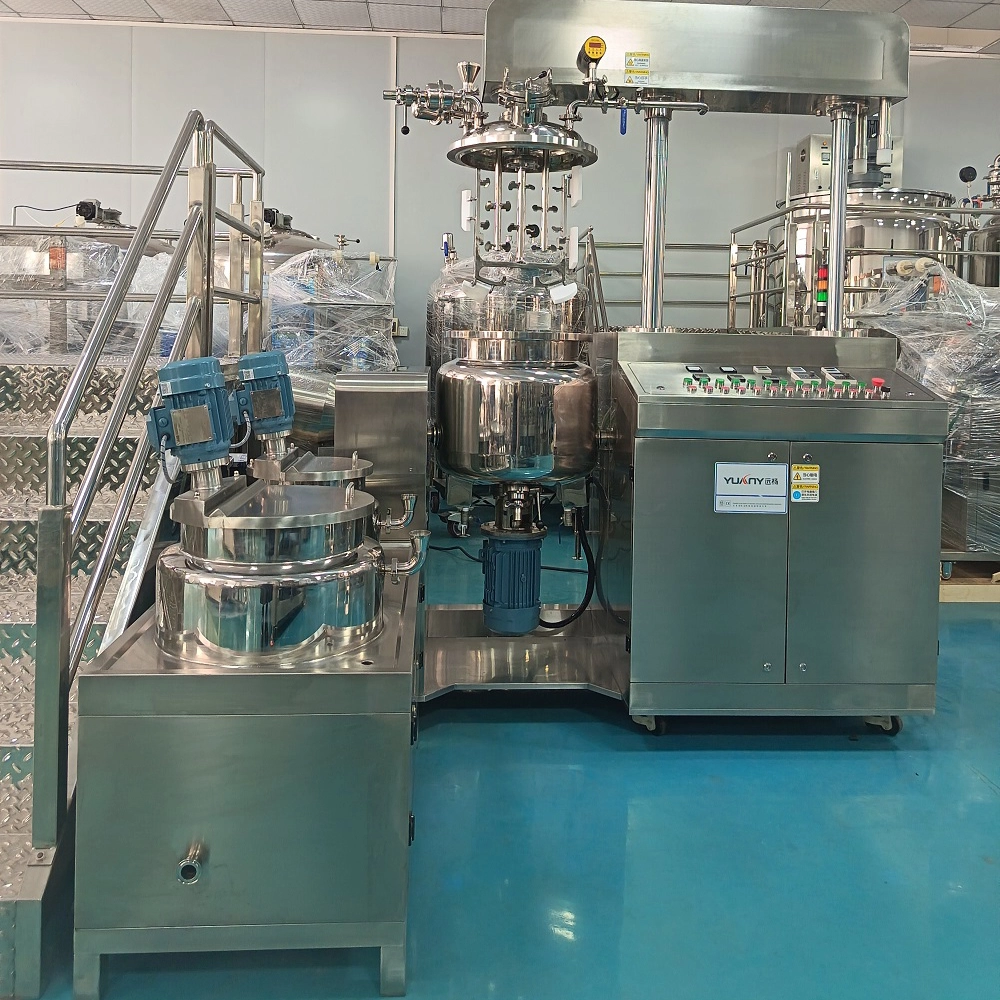
معايير اختيار خلاطات المستحلبات الصناعية: دليل الشراء
ما هي سيناريوهات تطبيق سعر المجانسة؟
مصنعي وموردي شرائط الخلاط OEM/ODM
خزان تخزين محمول
هل يمكنك إضافة غطاء لخزان التخزين؟
نعم، يُمكن إضافة غطاء وتخصيصه. على سبيل المثال، يُمكن إضافة فتحة مركزية للخلاط العلوي، أو قمع مواد لإضافة المساحيق أو السوائل.
مستحضرات التجميل
ما هي القدرة الإنتاجية للمعدات؟
تدعم معداتنا الإنتاج بكميات صغيرة وكبيرة، حسب احتياجات العميل. تتميز معداتنا بقابلية عالية للتطوير والتعديل بما يتناسب مع حجم إنتاجكم.
كيف أختار الآلة المناسبة لاحتياجات الإنتاج الخاصة بي؟
سيقوم خبراءنا بتحليل أهداف الإنتاج الخاصة بك وأنواع المنتجات وأحجام الدفعات ومتطلبات التعبئة والتغليف لتوصية المعدات الأكثر ملاءمة، وضمان عملية إنتاج فعالة ومنخفضة التكلفة.
الأسئلة الشائعة
ما هي مميزاتك
نتمتع بخبرة تزيد عن 15 عامًا في تصنيع مجموعة كاملة من آلات خطوط الإنتاج، بفريق عمل محترف وكوادر فنية. حلولنا الاحترافية، وخدماتنا التي تركز على التفاصيل، وقدرتنا على التخصيص، وعمليات مراقبة الجودة الصارمة، وسرعة استجابتنا، كل ذلك يكسبنا ثقة عملائنا في مختلف أنحاء العالم. Yuany Machinery هي دائمًا خياركم الأول للتعاون المربح للجانبين.
آلة تغطية نصف أوتوماتيكية
ما نوع الزجاجات التي يمكن أن تكون مناسبة لها؟
تُستخدم آلة غلق الأغطية اللولبية بشكل رئيسي للزجاجات البلاستيكية. يمكن استخدام الغطاء كرأس مضخة، أو رشاش، أو زناد، أو أغطية لولبية أخرى متنوعة.
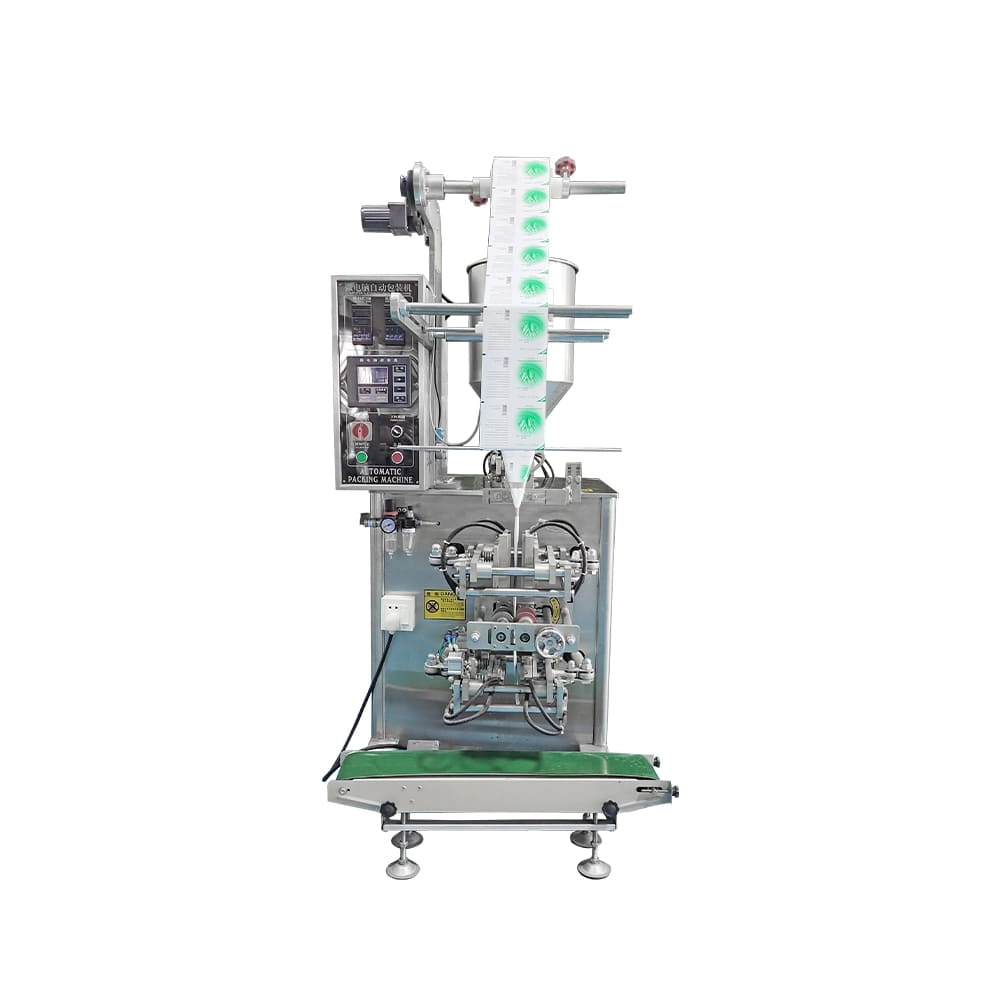
آلة تعبئة الأكياس للبيع
آلة تعبئة الأكياس من يوانيانغ هي نوع من المعدات الأوتوماتيكية، تُستخدم بشكل رئيسي لقياس وتعبئة وختم مواد التعبئة في الأكياس الصغيرة. أصبحت آلة تعبئة الأكياس جزءًا لا يتجزأ من الإنتاج الحديث في مجالات الأغذية والأدوية والمواد الكيميائية وغيرها.
سمات:
⦁ يتم التحكم بها بواسطة الكمبيوتر الصغير؛
⦁ سرعة سريعة آلية؛
⦁ التكامل متعدد الوظائف.
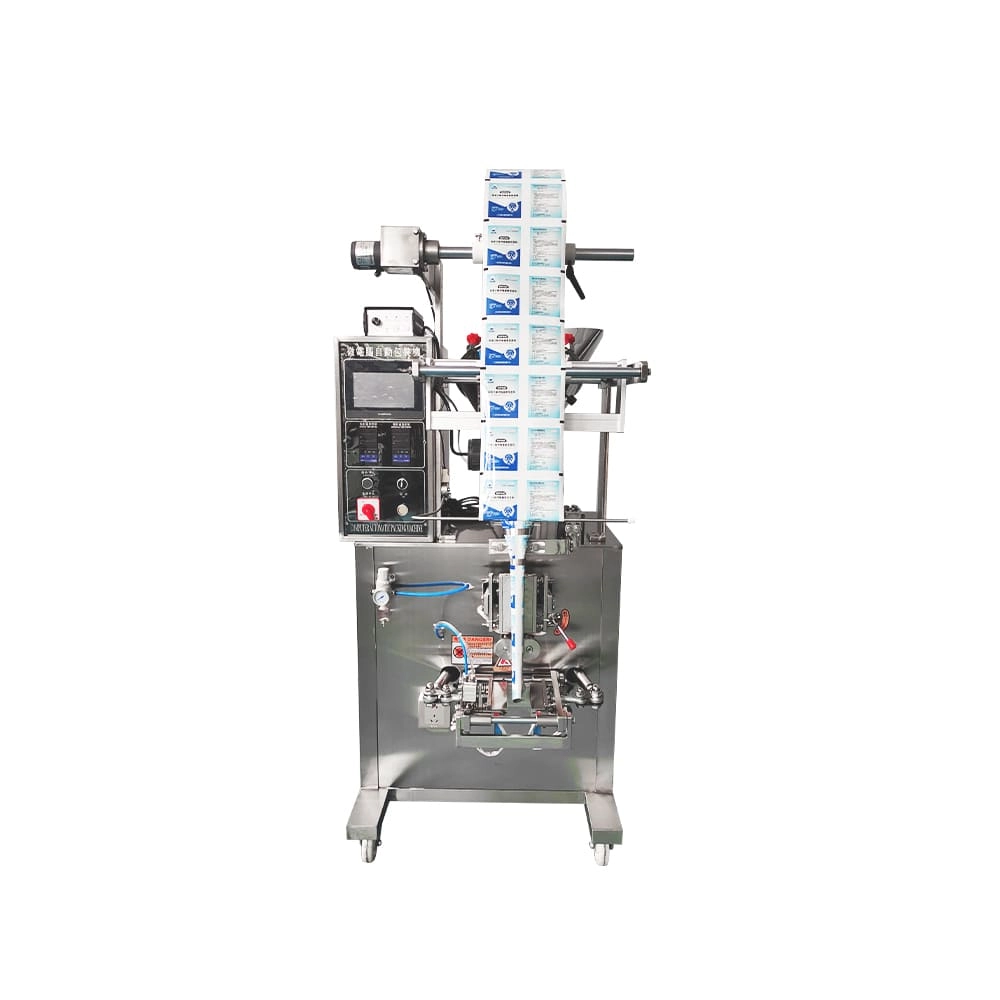
آلة تعبئة أكياس المسحوق للبيع
آلة تعبئة الأكياس من يوانيانغ هي نوع من المعدات الأوتوماتيكية لتعبئة المساحيق، تُستخدم بشكل رئيسي لقياس وتعبئة وختم مواد التعبئة في الأكياس الصغيرة. أصبحت آلة تعبئة الأكياس جزءًا لا يتجزأ من الإنتاج الحديث في مجالات الأغذية والأدوية والمواد الكيميائية وغيرها.
سمات:
⦁ يتم التحكم بها بواسطة الكمبيوتر الصغير؛
⦁ سرعة سريعة آلية؛
⦁ التكامل متعدد الوظائف.
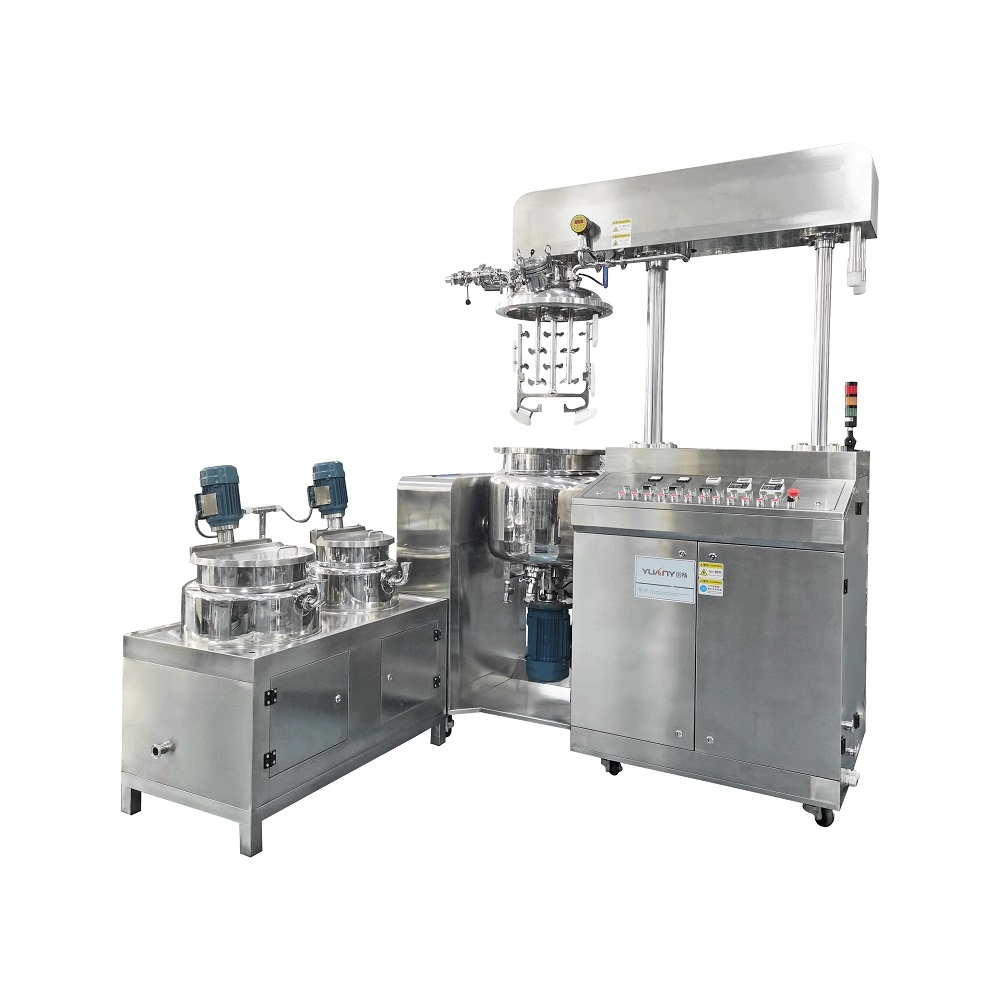
مستحلب تفريغ هيدروليكي سعة 50 لترًا
جهاز الاستحلاب الفراغي الهيدروليكي Yuanyang هو عبارة عن معدات خلط مشتركة مع خزان تجانس فراغي رئيسي وخزان مياه وخزان زيت، وهو عبارة عن معدات متكاملة مع نظام خلط وتشتيت وتجانس واستحلاب وتفريغ وامتصاص المسحوق يستخدم على نطاق واسع في مستحضرات التجميل والأغذية والأدوية والمجالات الكيميائية.
سمات:
⦁ مع غطاء رفع هيدروليكي ووعاء مائل ونظام فراغ ونظام تحكم كهربائي.
⦁ مناسب للمنتجات ذات اللزوجة 10,000~50,000 cps.
⦁ حجم الجسيمات المثالي 2 ميكرون وموزعة بالتساوي.
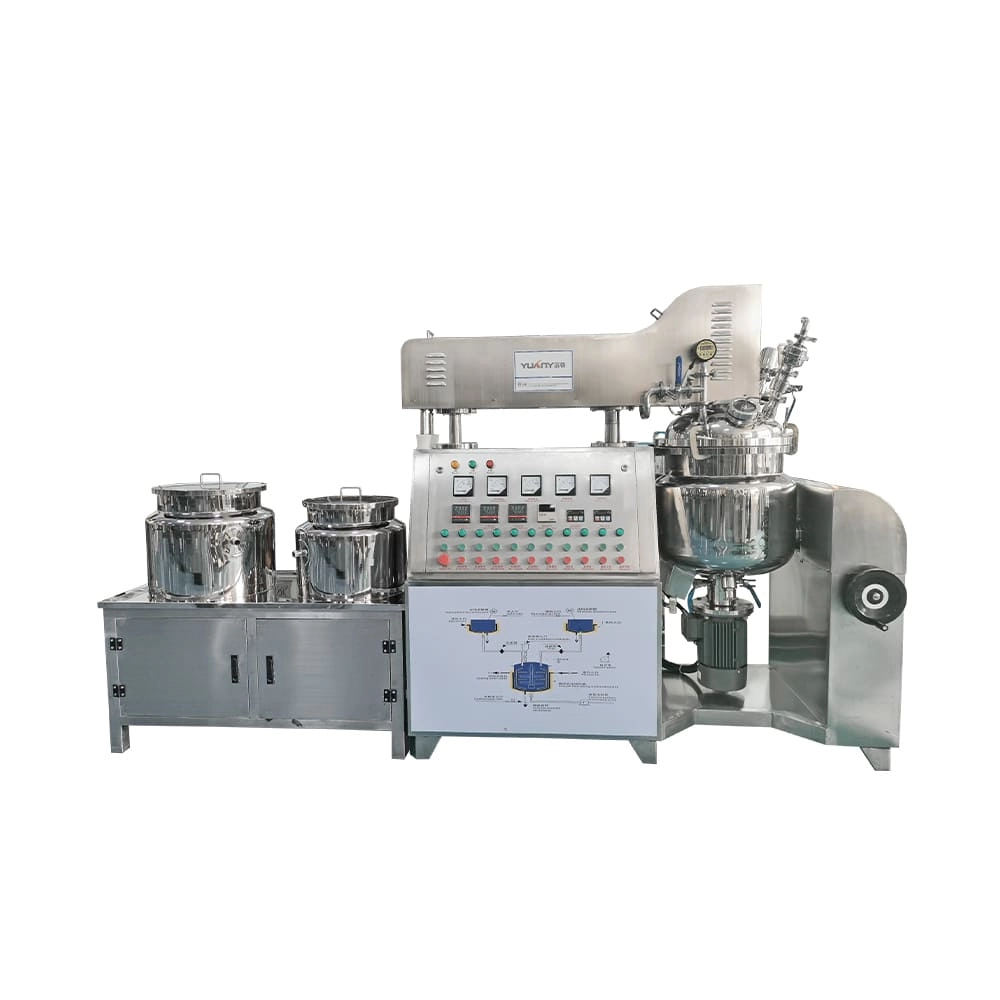
خلاط استحلاب مفرغ للبيع
خلاطة المستحلب الفراغية Yuanyang هي نوع من آلات المستحلب، وهي معدات إنتاج مستحضرات التجميل الأكثر شعبية لصنع الكريم ومنتجات العناية بالبشرة والمراهم والمعجون والمستحلبات.
سمات:
⦁ يتكون من وعاء الاستحلاب الرئيسي ووعاء الماء ووعاء الزيت.
⦁ مع نظام الرفع الهيدروليكي، ونظام الفراغ، ونظام التحكم الكهربائي.
⦁ مناسب للمنتجات ذات اللزوجة 10,000~50,000 cps.
⦁ حجم الجسيمات المثالي 2 ميكرون وموزعة بالتساوي.
جميع الحقوق محفوظة © 2025 لشركة YUANYANG.
 مسح رمز الاستجابة السريعة
فيسبوك
يوتيوب
لينكد إن
واتساب: +8613434139712
قوانغتشو يوانيانغ الآلات