





What is the difference between V blender and ribbon blender? | YUANYANG Guide
# What Is the Difference Between a V Blender and a Ribbon Blender?
Industrial mixers like V blenders and ribbon blenders serve distinct purposes in powder and bulk solids blending. Understanding their differences ensures optimal equipment selection for efficiency, consistency, and cost-effectiveness.
Design & Mechanism
- V Blender:
- Features two cylindrical shells welded at a 75°–90° angle, forming a V shape.
- Uses tumbling action for gentle, homogeneous blending.
- Ideal for fragile or free-flowing powders.
- Ribbon Blender:
- Consists of a horizontal U-shaped trough with inner and outer helical ribbons.
- Provides high-shear mixing via mechanical agitation.
- Best for cohesive or dense materials requiring thorough dispersion.
Applications
- V Blender:
- Pharmaceuticals, food powders, and dry chemicals.
- Low-energy blending with minimal product degradation.
- Ribbon Blender:
- Plastics, construction materials, and wet pastes.
- Handles viscous or abrasive mixtures efficiently.
Efficiency & Capacity
- V Blender:
- Faster blending for small to medium batches (5–1,000 liters).
- Minimal dead zones but limited scalability.
- Ribbon Blender:
- Suitable for large-scale production (up to 50,000 liters).
- Longer mixing times but better for continuous processes.
Maintenance & Cost
- V Blender:
- Lower maintenance (fewer moving parts).
- Higher initial cost due to precision engineering.
- Ribbon Blender:
- More wear-prone (ribbons, seals).
- Cost-effective for heavy-duty applications.
Which One Should You Choose?
- Opt for a V blender if blending delicate, uniform powders.
- Choose a ribbon blender for heavy, viscous, or large-volume mixing.
For expert guidance on industrial mixers, consult YUANYANG—your trusted partner in high-performance blending solutions.
This structured, snippet-friendly format ensures quick readability while maintaining authority with clear distinctions and applications. Keywords are naturally integrated without overuse.
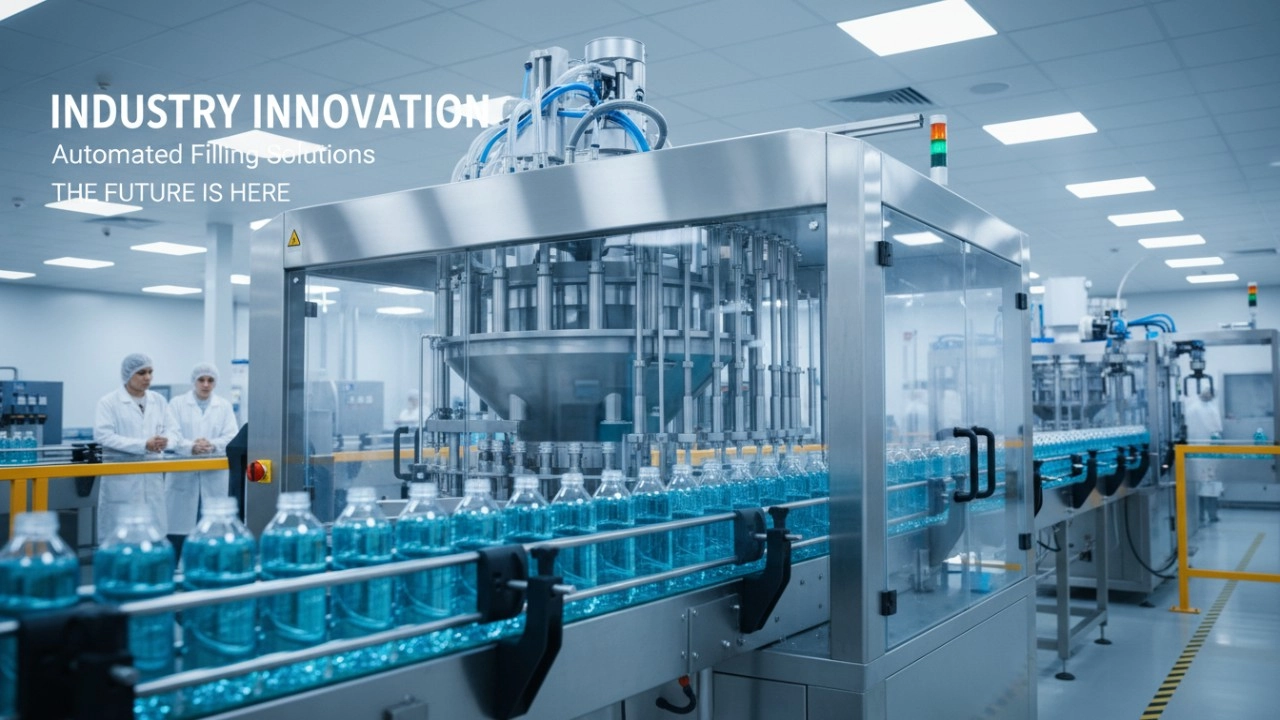
How to Future-Proof Your Production Line: The Latest Innovations in Precision Filling Machinery (2026 Guide)
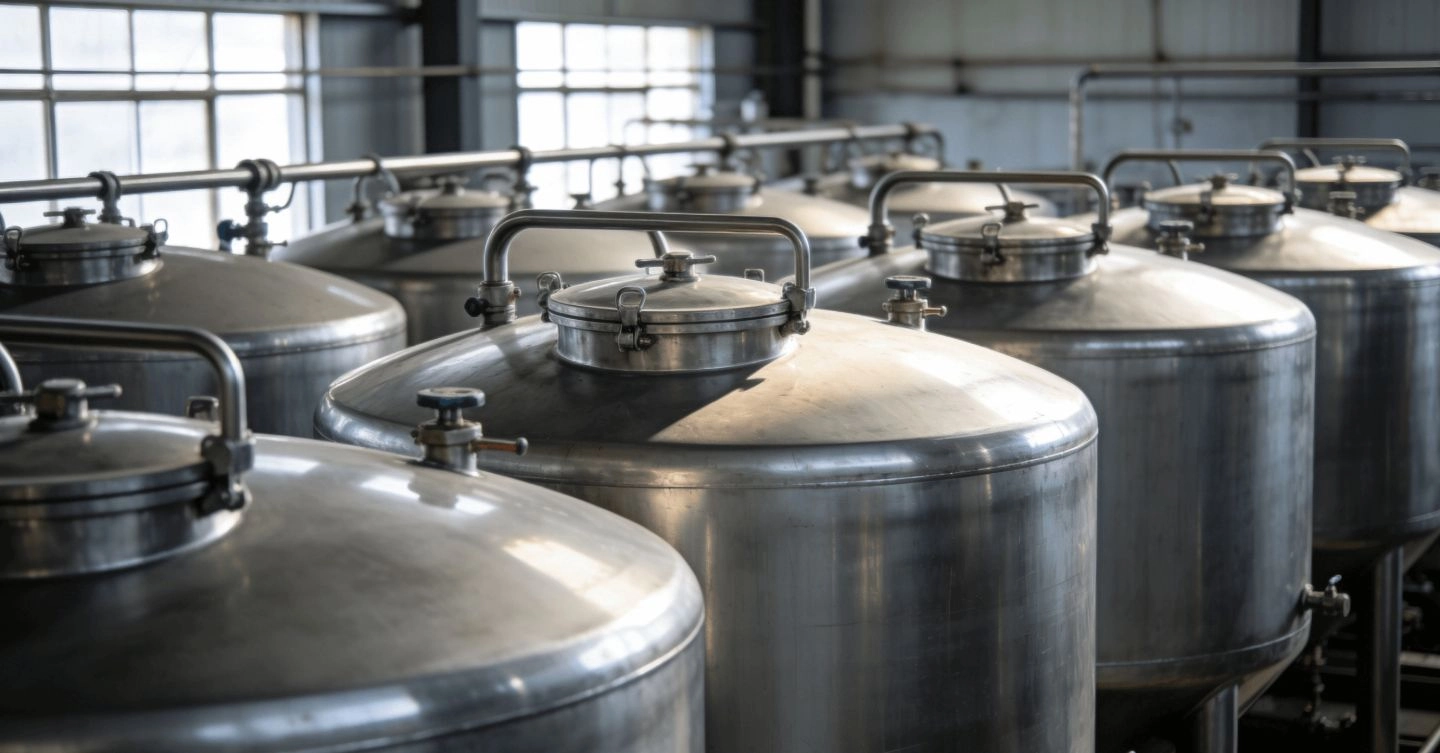
The Definitive Guide to Industrial Storage Tanks 2026: Why Food-Grade Stainless Steel is the Gold Standard
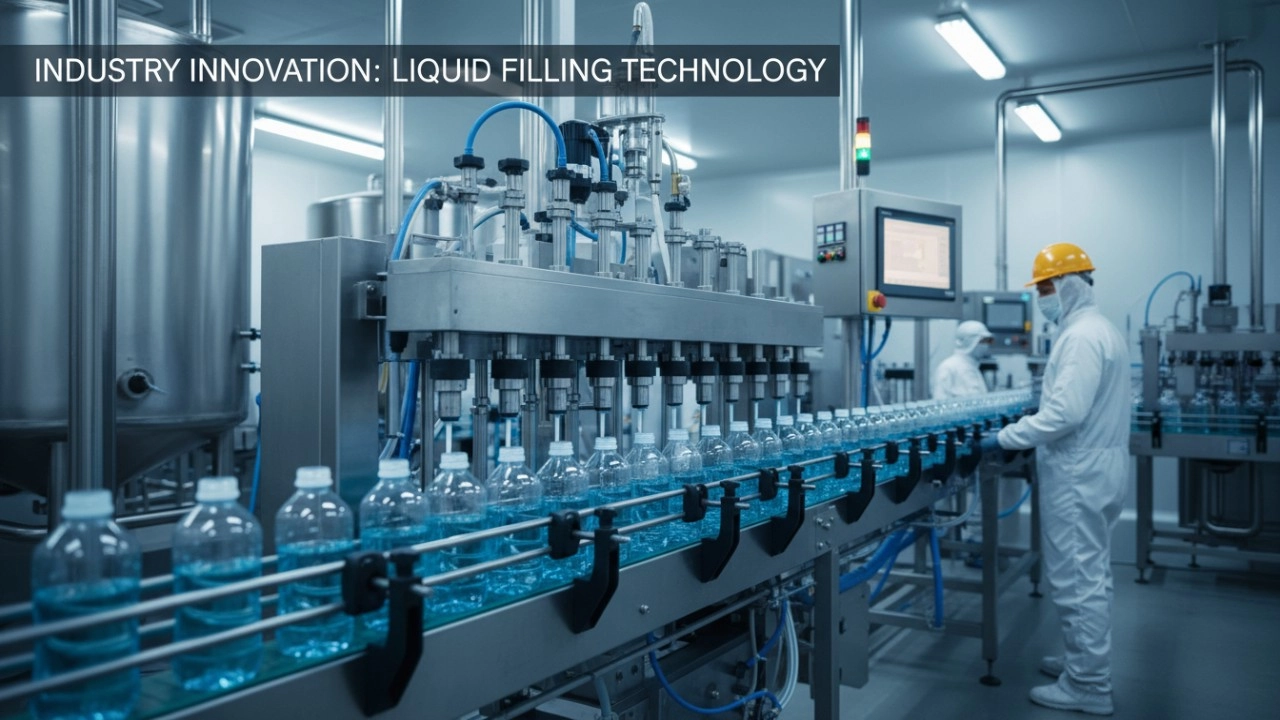
The Ultimate 2026 Guide to Liquid Filling Machines: Types, Technologies, and Strategic Selection
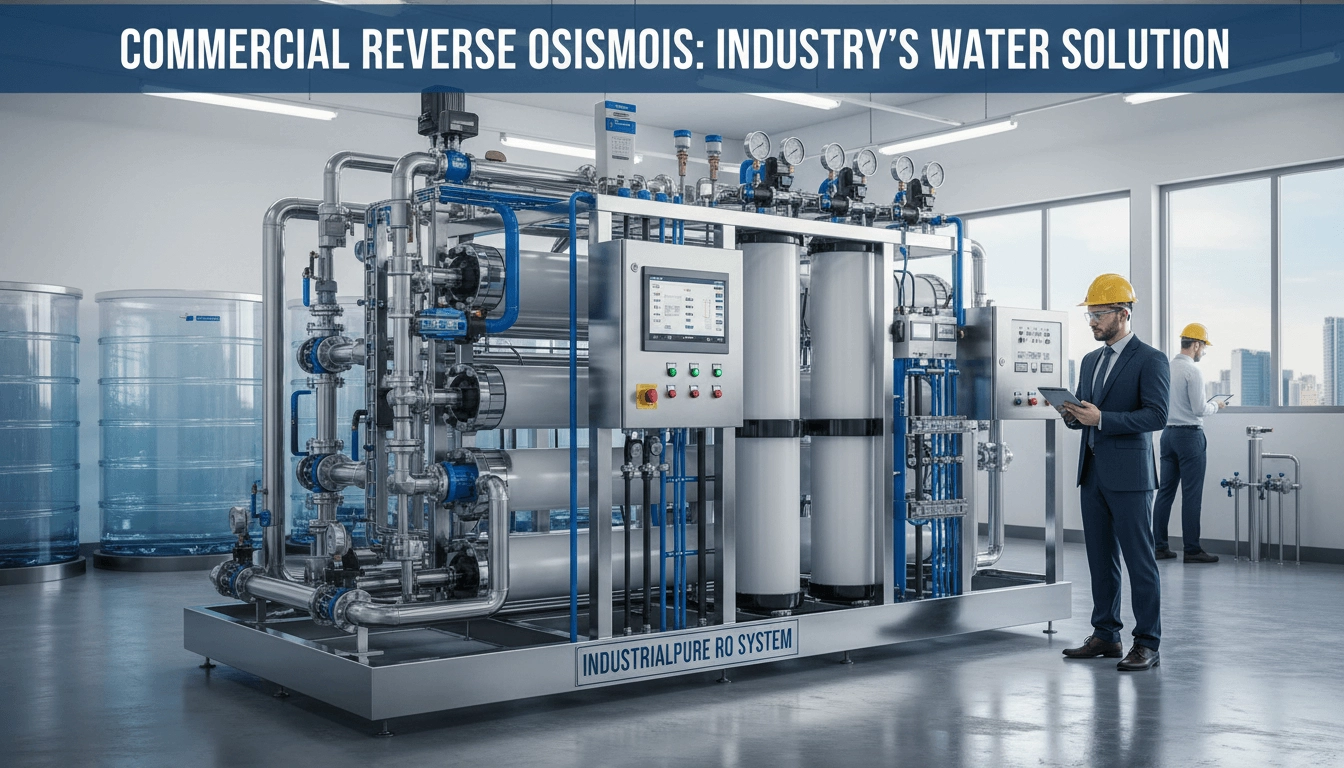
Ultimate Guide to Commercial Reverse Osmosis Systems 2026
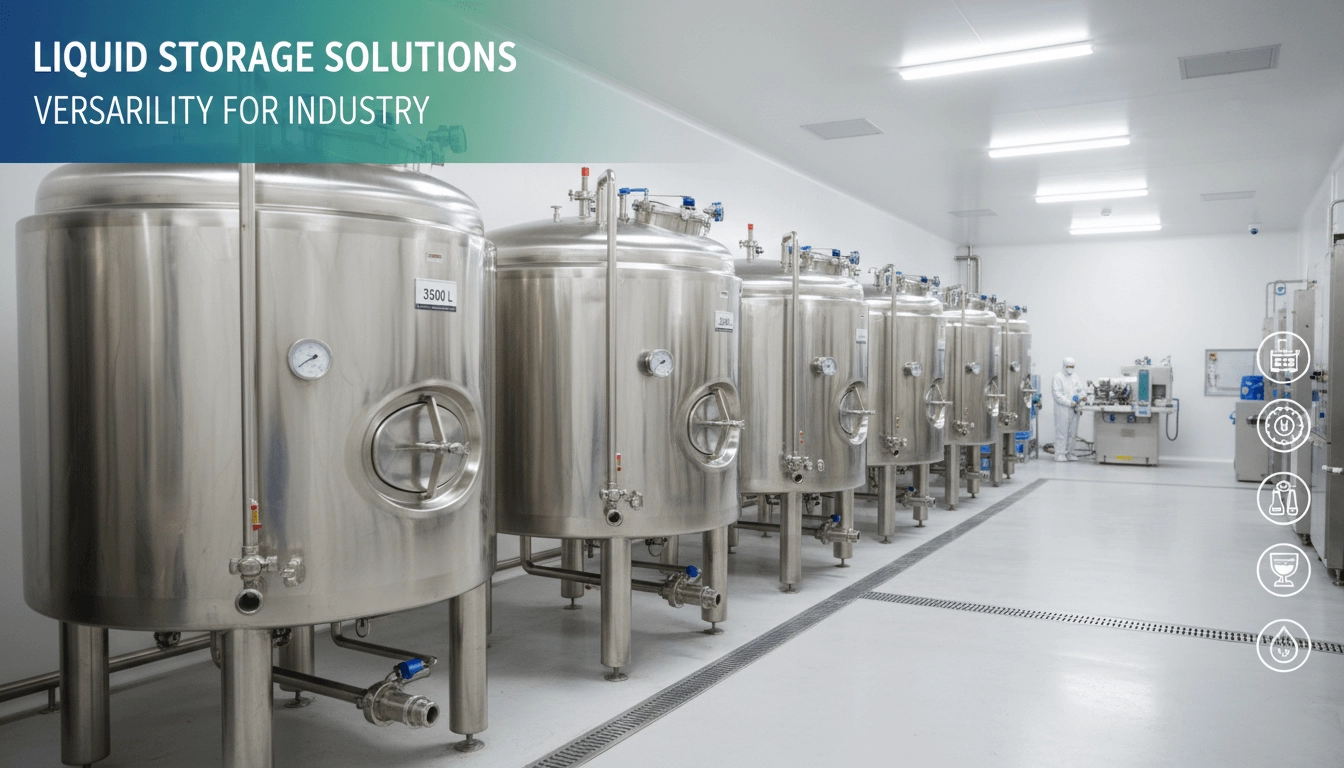
Ultimate Storage Tank Guide for 2026: Selection & Innovations
Semi Automatic Capping Machine
Can it close glass bottles?
As long as the glass bottle has screw cap, the capping machine can close its cap, although the machine is often called plastic capping machine.
Homogenizing Mixer
For the electric heating liquid soap mixing tank, where do you install the heater, how does it work?
The heater tube is installed at bottom. The heating operation is controlled on the control box. Before operation, add tap water into jacket from heater container’s inlet valve. The heater heat water, the hot water conduct heat through inner layer to materials in the tank.
Portable Storage Tank
Can you add a lid for the storage tank?
Yes, the lid can be added and customized. For example, with a central hole for overhead mixer, with a material hopper for adding powder or liquids.
Automatic auger filling machine
Do you have semi automatic auger filling machine also? I have a limit budget.
Yes, both automatic type and semi automatic type are available, clients can choose the type according to budget and actual needs.
Automatic Screw Capping Machine
What minimum and maximum caps size can the bottle capper machine be suit for?
The cap diameter of standard 4 wheels capping machine is 20-75mm, but can be slightly customized according real cases.
Leave a message
Have any questions or concerns about our products? Please leave us a message here, and our team will get back to you promptly.
 Scan QR Code
Facebook
YouTube
LinkedIn
Whatsapp: +8613434139712
Guangzhou Yuanyang Machinery