





مواد وأختام صحية لخلاطات الاستحلاب
- المواد والأختام الصحية: لماذا هي مهمة لخلاط الاستحلاب الخاص بك؟
- نظرة عامة على المنتج: خلاط استحلاب بالتفريغ للبيع
- فهم المتطلبات الصحية لتطبيقات خلاطات الاستحلاب في مستحضرات التجميل والأدوية
- المبادئ الأساسية للتصميم الصحي لخلاط الاستحلاب
- الأوعية الشائعة والمواد المبللة المستخدمة في بناء خلاطات الاستحلاب
- أنواع الأختام المستخدمة في خلاطات الاستحلاب وأماكن استخدامها
- الأختام الميكانيكية
- مانعات تسرب الشفاه وحلقات O الديناميكية
- اختيار مواد المطاط الصناعي ومواد منع التسرب لضمان توافق المنتج
- التنظيف والتعقيم والتحقق من صحة خلاطات الاستحلاب الصحية
- الاعتبارات التشغيلية: التوافق مع الفراغ ودرجة الحرارة واللزوجة
- التكلفة، ودورة الحياة، والتكلفة الإجمالية للملكية للمواد والأختام الصحية
- مقارنة سريعة بين اعتبارات الشراء واعتبارات دورة حياة المنتج
- مزايا العلامة التجارية: لماذا تختار خلاط الاستحلاب الفراغي من يوانيانغ المعروض للبيع؟
- قائمة مرجعية عملية لاختيار خلاط استحلاب صحي
- الأسئلة الشائعة: أسئلة شائعة حول المواد الصحية والأختام الخاصة بخلاطات الاستحلاب
- س: ما هي أفضل مادة للأوعية المستخدمة في خلاطات مستحلبات مستحضرات التجميل؟
- س: هل يجب عليّ استخدام موانع تسرب ميكانيكية أم موانع تسرب شفوية في خلاط الاستحلاب الفراغي؟
- س: ما هو أفضل نوع من المطاط الصناعي المستخدم في صناعة مانع التسرب للكريمات التي تحتوي على زيوت وسيليكونات؟
- س: كم مرة يجب فحص أو استبدال الأختام؟
- س: هل يمكن للأختام الصحية أن تتحمل عمليات التنظيف والتعقيم في المكان (CIP و SIP)؟
- للتواصل والخطوات التالية: عرض المنتج أو التحدث إلى أحد خبرائنا
- المراجع والمصادر الموثوقة
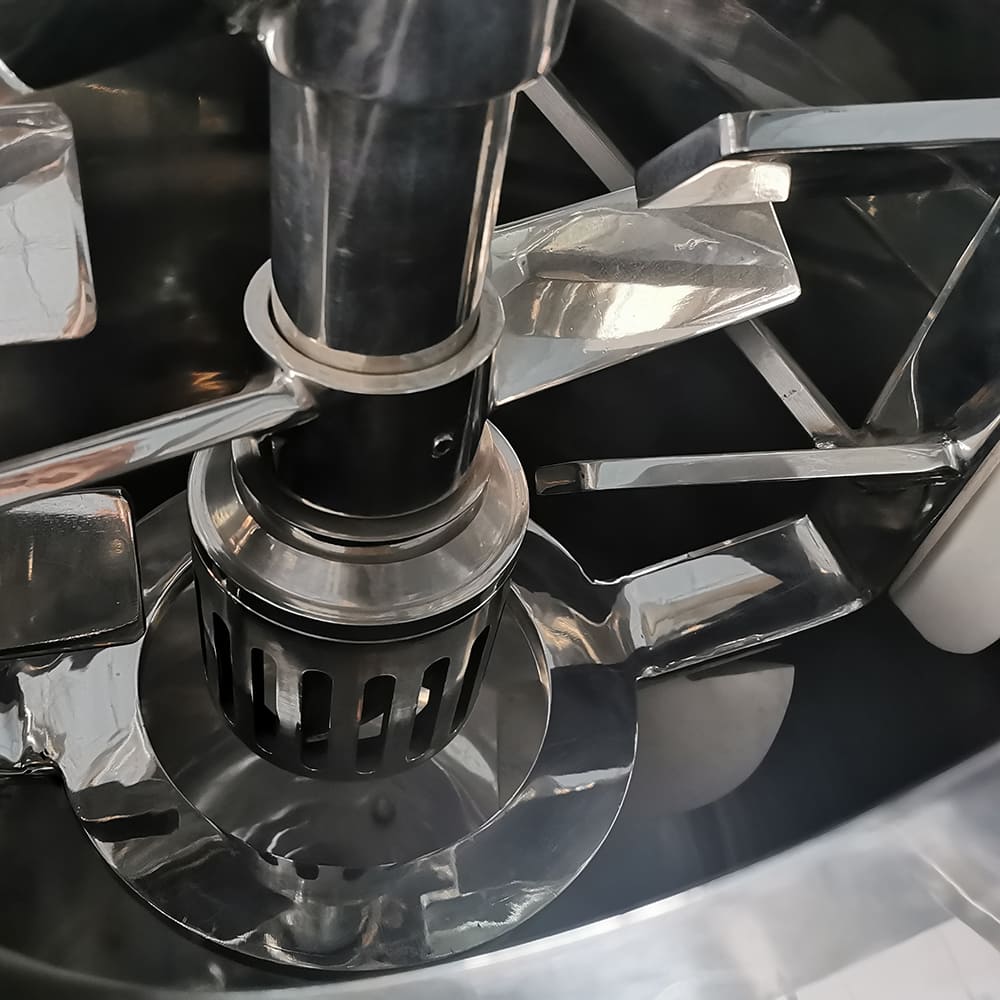
المواد والأختام الصحية: لماذا هي مهمة لخلاط الاستحلاب الخاص بك؟
يُعدّ الخلاط المستحلب أساسًا للعديد من خطوط إنتاج مستحضرات التجميل والعناية الشخصية والأدوية. ويؤثر اختيار المواد الصحية وأنظمة الإغلاق المتينة تأثيرًا مباشرًا على سلامة المنتج، والامتثال للوائح، وعمر المعدات، وكفاءة العملية. وقد يؤدي سوء اختيار المواد أو رداءة أنظمة الإغلاق إلى التلوث، وفقدان الدفعات، وتوقف الإنتاج، وعمليات سحب المنتجات المكلفة. يشرح هذا الدليل الخيارات العملية للمواد وأنظمة الإغلاق المناسبة للخلاط المستحلب، ويساعدك على تقييم الخيارات عند شراء خلاط مستحلب فراغي. ويُمهّد اختيار المواد المناسبة الطريق للتكامل السلس، مما يسمح بعملية إنتاج متكاملة. دمج خلاطات الاستحلاب الفراغية في الخطوط الآلية.
نظرة عامة على المنتج: خلاط استحلاب بالتفريغ للبيع
خلاطة المستحلب الفراغية Yuanyang هي نوع من آلات المستحلب، وهي معدات إنتاج مستحضرات التجميل الأكثر شعبية لصنع الكريم ومنتجات العناية بالبشرة والمراهم والمعجون والمستحلبات.
سمات:
⦁ يتكون من وعاء الاستحلاب الرئيسي ووعاء الماء ووعاء الزيت.
⦁ مع نظام الرفع الهيدروليكي، ونظام الفراغ، ونظام التحكم الكهربائي.
⦁ مناسب للمنتجات ذات اللزوجة 10,000~50,000 cps.
⦁ حجم الجسيمات المثالي 2 ميكرون وموزعة بالتساوي.
فهم المتطلبات الصحية لتطبيقات خلاطات الاستحلاب في مستحضرات التجميل والأدوية
تختلف متطلبات النظافة باختلاف الصناعات، لكنها تشترك في أهداف عامة: منع التلوث، وضمان التنظيف الفعال، والتأكد من تحمل المواد للمواد الكيميائية ودرجات الحرارة والضغوط الميكانيكية أثناء الإنتاج. بالنسبة لمستحضرات التجميل والأدوية الموضعية، يتبع المصنّعون عادةً إرشادات ممارسات التصنيع الجيدة (GMP)، التي تحدد مبادئ التصميم الصحي، مثل الأسطح الملساء الخالية من الشقوق، والمواد المقاومة للتآكل والتسرب والتلف. عند اختيار خلاط مستحلب، يجب إعطاء الأولوية للمواد والأختام التي تلبي هذه المتطلبات وتقلل من بيئة نمو الميكروبات.
المبادئ الأساسية للتصميم الصحي لخلاط الاستحلاب
- استخدم معادن مقاومة للتآكل ذات أسطح ناعمة (مصقولة كهربائياً كلما أمكن ذلك).
- قلل من الشقوق والفجوات حيث يمكن أن يتراكم المنتج.
- اختر تصميمات الأختام والغدد التي تدعم سهولة التنظيف ويمكن فحصها أو استبدالها بسرعة.
- التأكد من توافق المواد مع درجات حرارة العملية، والفراغ، وعوامل التنظيف مثل الماء الساخن والمواد الكاوية والمطهرات.
الأوعية الشائعة والمواد المبللة المستخدمة في بناء خلاطات الاستحلاب
الأجزاء المبللة في خلاط الاستحلاب هي الأسطح التي تلامس المنتج: الوعاء الرئيسي، والدوار/الثابت، والكاشطات، والأنابيب. تستخدم معظم التطبيقات التي تتطلب أعلى معايير النظافة الفولاذ المقاوم للصدأ أو سبائك عالية الأداء. فيما يلي مقارنة موجزة لتسهيل اختيار المواد.
| مادة | مقاومة التآكل | نطاق درجة الحرارة | التوافق الكيميائي | ملاءمة النظافة | الاستخدام النموذجي |
|---|---|---|---|---|---|
| الفولاذ المقاوم للصدأ 316L | ممتاز | من -100 إلى 600 درجة مئوية (حسب الخدمة) | مناسب لمعظم الأحماض والقلويات والمذيبات المستخدمة في مستحضرات التجميل | عالية؛ التلميع الكهربائي يحسن النظافة | معيار للأوعية والخلاطات والكاشطات |
| الفولاذ المقاوم للصدأ 304 | جيد | من -100 إلى 500 درجة مئوية | أقل تحملاً للكلوريدات وبعض الأحماض | مقبول بالنسبة للمنتجات الأقل عدوانية | للأغراض العامة، حيث لا يلزم استخدام 316L |
| هاستيلوي / سبائك النيكل | ممتاز | عالي | متفوق في المواد الكيميائية القوية | عالية؛ تُستخدم عند الحاجة إلى مقاومة شديدة للتآكل | التوافق الكيميائي المتخصص |
| مكونات مطلية بمادة PTFE | جيد جدًا | من -200 إلى 260 درجة مئوية | مقاومة كيميائية ممتازة | مناسب للأسطح غير اللاصقة؛ انتبه للتآكل الميكانيكي | أسطح مانعة للتسرب، وبطانات، ومكونات صغيرة |
أنواع الأختام المستخدمة في خلاطات الاستحلاب وأماكن استخدامها
تمنع موانع التسرب تسرب المنتج، وتحافظ على الفراغ، وتحمي المحامل. يُعد اختيار نوع مانع التسرب المناسب لخلاط الاستحلاب أمرًا بالغ الأهمية لضمان التشغيل الصحي والموثوقية على المدى الطويل.
الأختام الميكانيكية
تُستخدم موانع التسرب الميكانيكية بشكل شائع في خلاطات الاستحلاب عالية القص. يوفر مانع التسرب الميكانيكي المُصمم بشكل صحيح حاجزًا قويًا ضد التسربات، كما أنه يتحمل الحرارة والفراغ. للاستخدامات التجميلية والصيدلانية، يُنصح باختيار موانع تسرب ميكانيكية ذات تصميمات صحية: موانع تسرب أحادية أو مزدوجة مع خيارات حاجز معقم، وتصميمات صحية خالية من الغدد، وأسطح مصنوعة من مواد مقاومة للتآكل. يجب اختيار المطاطات الثانوية بناءً على التوافق الكيميائي (انظر جدول المطاطات أدناه).
مانعات تسرب الشفاه وحلقات O الديناميكية
تتميز موانع التسرب الشفوية ببساطتها وانخفاض تكلفتها، لكنها تتآكل بسرعة أكبر تحت تأثير القص العالي أو الفراغ. أما الحلقات الدائرية الديناميكية فهي مفيدة في الحركات البطيئة. في خلاطات الاستحلاب عالية النظافة وفي تطبيقات الفراغ، يُفضل عمومًا استخدام موانع التسرب الميكانيكية على موانع التسرب الشفوية عندما تكون المتانة وسهولة التنظيف من الأولويات.
اختيار مواد المطاط الصناعي ومواد منع التسرب لضمان توافق المنتج
يؤثر اختيار المطاط الصناعي على التوافق الكيميائي، ومقاومة درجات الحرارة، وسهولة التنظيف. فيما يلي دليل عملي لأنواع المطاط الصناعي الشائعة المستخدمة في موانع التسرب لخلاطات الاستحلاب.
| مادة مانعة للتسرب | المقاومة الكيميائية | نطاق درجة الحرارة | الاستخدام في مستحضرات التجميل/الأدوية |
|---|---|---|---|
| PTFE (التفلون) | ممتاز مقارنة بمعظم المذيبات والأحماض | من -200 إلى 260 درجة مئوية | يفضل استخدامه في التفاعلات الكيميائية القوية والتعقيم |
| EPDM | جيد في مواجهة الماء والبخار والقلويات؛ ضعيف في مواجهة الهيدروكربونات | من -50 إلى 150 درجة مئوية | مناسب لمستحضرات التجميل المائية والتنظيف بالبخار |
| فيتون (FKM) | ممتاز ضد الزيوت والعديد من المذيبات | من -20 إلى 200 درجة مئوية | يُستخدم غالباً في الأماكن التي توجد بها زيوت أو سيليكونات |
| سيليكون | مناسب لنطاق واسع من درجات الحرارة ولكنه ضعيف المقاومة للتآكل | من -60 إلى 200 درجة مئوية | تُستخدم في الحشيات الخاصة بالمنتجات منخفضة الاحتكاك |
التنظيف والتعقيم والتحقق من صحة خلاطات الاستحلاب الصحية
لا يكون التصميم الصحي فعالاً إلا عند اقترانه ببروتوكولات تنظيف وتعقيم معتمدة. بالنسبة لخلاطات الاستحلاب التي تعمل تحت فراغ وتنتج الكريمات والمراهم، يُرجى مراعاة ما يلي:
- صمم إجراءات CIP و SIP المتوافقة مع مواد البناء والأختام.
- قم بوضع دورات معتمدة للمنظفات ودرجات الحرارة وأوقات التلامس لإزالة الزيوت والمكونات النشطة.
- قم بمراقبة مستويات البقايا وعدد الميكروبات للتأكد من فعالية التنظيف.
- افحص الأختام والأسطح بانتظام بحثًا عن التآكل أو الحفر أو التلف؛ واستبدل الأجزاء وفقًا لجدول الصيانة.
تساهم هذه الممارسات في زيادة وقت التشغيل وتقليل مخاطر التلوث. عند شراء خلاط استحلاب فراغي، تأكد من أن المورد يقدم دورات التنظيف الموصى بها ووثائق دعم التحقق.
الاعتبارات التشغيلية: التوافق مع الفراغ ودرجة الحرارة واللزوجة
تُستخدم الخلاطات المستحلبة في مختلف مستويات اللزوجة. يدعم خلاط الاستحلاب الفراغي من يوانيانغ المنتجات التي تتراوح لزوجتها بين 10,000 و50,000 سنتي بواز، ويمكنه الوصول إلى حجم جسيمات دقيق يصل إلى 2 ميكرون. تؤثر متطلبات هذه العملية على اختيار المواد وأنواع موانع التسرب.
- تتطلب خدمات التفريغ استخدام موانع تسرب تحافظ على سلامتها تحت الضغط السلبي والتحميل الدوري. تعمل موانع التسرب الميكانيكية ذات تصميمات النوابض المناسبة أو ترتيبات موانع التسرب المزدوجة على تحسين الموثوقية.
- تزيد اللزوجة العالية من الحمل الميكانيكي على المحركات والموانع. لذا، اختر تصميمات متينة للموانع والمحامل لتحمل عزم الدوران وقوى القص.
- تتطلب الانحرافات في درجات الحرارة الناتجة عن دورات التسخين أو التبريد استخدام مواد مطاطية وسبائك تتحمل نطاقات التشغيل المتوقعة ودرجات حرارة التنظيف.
التكلفة، ودورة الحياة، والتكلفة الإجمالية للملكية للمواد والأختام الصحية
لا تمثل تكلفة المواد الأولية أو تكلفة مانع التسرب سوى جزء واحد من المعادلة. يجب مراعاة التكلفة الإجمالية للملكية، بما في ذلك وقت التوقف، واستبدال الأجزاء، ووقت التنظيف، والمخاطر التنظيمية. يساهم الاستثمار في تصنيع الفولاذ المقاوم للصدأ 316L، والتلميع الكهربائي، ومانعات التسرب الميكانيكية عالية الجودة في تقليل المخاطر على المدى الطويل، وغالبًا ما يخفض تكاليف التشغيل عن طريق تقليل وتيرة الصيانة وتعقيد عملية التنظيف.
مقارنة سريعة بين اعتبارات الشراء واعتبارات دورة حياة المنتج
- قد توفر الأختام منخفضة التكلفة المال في البداية، ولكنها تتطلب استبدالاً أكثر تكراراً وتعرض لخطر التسرب.
- المواد عالية الجودة مثل 316L وأختام PTFE تزيد من التكلفة الأولية ولكنها تقلل من تعقيد التنظيف وفقدان الدفعة ومخاطر الاستدعاء.
- بالنسبة لخلاطات الاستحلاب الفراغية المستخدمة في منتجات التجميل أو الأدوية عالية القيمة، أعط الأولوية للموثوقية والنظافة على حساب الحد الأدنى من التكلفة الأولية.
مزايا العلامة التجارية: لماذا تختار خلاط الاستحلاب الفراغي من يوانيانغ المعروض للبيع؟
عند تقييم الموردين، تُعدّ قدرة العلامة التجارية أمراً بالغ الأهمية. يوفر خلاط الاستحلاب الفراغي من يوانيانغ العديد من المزايا التي تتوافق مع التصميم الصحي وموثوقية الإنتاج:
- تصميم مخصص مع وعاء استحلاب رئيسي، وأوعية للماء والزيت لدعم عمليات التسخين والاستحلاب الفعالة.
- نظام رفع هيدروليكي للوصول الآمن والصحي والتنظيف السهل للسفينة.
- أنظمة تحكم متكاملة تعمل بالتفريغ والكهرباء لضمان عمليات قابلة للتكرار ودعم التركيبات التي تعتمد على التفريغ.
- مصمم لنطاقات اللزوجة المتوسطة إلى العالية (من 10000 إلى 50000 سنتي بويز) وقادر على إنتاج حجم جسيمات دقيق يصل إلى 2 ميكرون للحصول على كريمات ومراهم مستقرة وعالية الجودة.
- تقديم الدعم من المورد فيما يتعلق بتشغيل النظام، ودورات التنظيف الموصى بها، والوثائق اللازمة للامتثال والتحقق.
قائمة مرجعية عملية لاختيار خلاط استحلاب صحي
استخدم قائمة التحقق هذه عند تقييم خلاط الاستحلاب الفراغي المعروض للبيع:
- المواد المبللة: يفضل الفولاذ المقاوم للصدأ 316L، ويفضل تحديد التلميع الكهربائي عند الإمكان.
- اختيار مانع التسرب: موانع تسرب ميكانيكية مصنوعة من مادة PTFE أو مواد مطاطية متوافقة؛ ضع في اعتبارك استخدام موانع تسرب مزدوجة للمنتجات التي تحتوي على فراغ أو مواد خطرة.
- ميزات التصميم: الحد الأدنى من الأرجل الميتة، والمنافذ الصحية، وفتحات التفتيش المفصلية، والمكاشط سهلة الإزالة.
- التنظيف والتحقق: يقدم المورد بروتوكولات CIP/SIP وإرشادات التحقق.
- الخدمات وقطع الغيار: توفر الأختام الاحتياطية المعتمدة وخطط الصيانة المجدولة.
الأسئلة الشائعة: أسئلة شائعة حول المواد الصحية والأختام الخاصة بخلاطات الاستحلاب
س: ما هي أفضل مادة للأوعية المستخدمة في خلاطات مستحلبات مستحضرات التجميل؟
أ: يُعدّ الفولاذ المقاوم للصدأ 316L المعيار الصناعي للنظافة ومقاومة التآكل وسهولة التنظيف. كما يُحسّن التلميع الكهربائي من سهولة التنظيف ويقلل من التصاق الميكروبات.
س: هل يجب عليّ استخدام موانع تسرب ميكانيكية أم موانع تسرب شفوية في خلاط الاستحلاب الفراغي؟
ج: في تطبيقات التفريغ والبيئات التي تتطلب مستوى عالٍ من النظافة، يُفضل استخدام موانع التسرب الميكانيكية نظرًا لتحكمها الأفضل في التسرب وعمرها الطويل. قد تكون موانع التسرب الشفوية مقبولة في التطبيقات ذات الضغط المنخفض والاحتكاك المنخفض، ولكنها تتطلب استبدالًا أكثر تكرارًا.
س: ما هو أفضل نوع من المطاط الصناعي المستخدم في صناعة مانع التسرب للكريمات التي تحتوي على زيوت وسيليكونات؟
ج: يُعدّ كلٌّ من الفيتون (FKM) أو البولي تترافلوروإيثيلين (PTFE) من الخيارات الشائعة للتوافق مع الزيوت والسيليكون. يوفر البولي تترافلوروإيثيلين مقاومة كيميائية أوسع وتحملاً أعلى لدرجات الحرارة، ولكنه قد يتطلب تصميمًا خاصًا للغشاء لتحقيق منع التسرب الديناميكي.
س: كم مرة يجب فحص أو استبدال الأختام؟
ج: يعتمد تواتر الفحص على ظروف التشغيل. بالنسبة لإنتاج مستحضرات التجميل، يُفحص مانع التسرب خلال الصيانة الدورية كل 3 إلى 6 أشهر، ويُستبدل وفقًا لتوصيات الشركة المصنعة أو قبل ذلك في حال ملاحظة أي تآكل أو تسريب.
س: هل يمكن للأختام الصحية أن تتحمل عمليات التنظيف والتعقيم في المكان (CIP و SIP)؟
ج: صُممت العديد من موانع التسرب الميكانيكية والمطاطات لتحمل دورات التنظيف والتعقيم المعتمدة. تأكد من توافق مواد مانع التسرب مع درجات الحرارة والمواد الكيميائية المستخدمة في دورات التنظيف.
للتواصل والخطوات التالية: عرض المنتج أو التحدث إلى أحد خبرائنا
إذا كنتَ مستعدًا لتقييم خلاط استحلاب فراغي معروض للبيع، أو تحتاج إلى مساعدة في اختيار مواد وأختام صحية لتركيبتك، فتواصل مع فريق المبيعات والدعم الفني لدينا. يمكننا تزويدك بمواصفات المنتج، وتوصيات التحقق من صحة النتائج، وعرض سعر مُصمّم خصيصًا لتلبية احتياجات إنتاجك. اطّلع على تفاصيل المنتج واطلب استشارة لمقارنة الخيارات والحصول على توصيات بشأن قطع الغيار.
المراجع والمصادر الموثوقة
للحصول على إرشادات تنظيمية وصحية أكثر تفصيلاً، يرجى الرجوع إلى المصادر الموثوقة التالية:
- إرشادات ممارسات التصنيع الجيدة الصادرة عن وكالة الأدوية الأوروبية: https://www.ema.europa.eu
- إرشادات ممارسات التصنيع الجيدة الصادرة عن إدارة الغذاء والدواء الأمريكية: https://www.fda.gov
- مبادئ التصميم الصحي للفولاذ المقاوم للصدأ - إرشادات الجمعية الأمريكية للمعادن الدولية (ASM International) والقطاع الصناعي: https://www.asminternational.org
- معلومات أساسية عن موانع التسرب الميكانيكية - لمحة عامة عن الصناعة: https://en.wikipedia.org/wiki/Mechanical_seal
- قواعد بيانات توافق المواد ومقاومتها الكيميائية - MatWeb: https://www.matweb.com
اتصل بنا لمعرفة كيف يمكن لخلاطات الاستحلاب الفراغية من يوانيانغ أن تلبي متطلبات الإنتاج الصحية الخاصة بك وطلب الوثائق اللازمة لعملية التحقق والشراء.
أين يمكن شراء جهاز خلط مستحلب مستحضرات التجميل الفراغي؟
أين يمكن شراء خلاط الشريط المزدوج في أفريقيا؟
كيفية اختيار الشركة المصنعة والموردة المناسبة لخلاط المسحوق المستمر في أمريكا؟
مصنعو وموردو خلاطات التجانس الفراغية OEM/ODM
خزان خلاط التجانس
هل يمكنك تقديم خدمة مخصصة؟
نقدم بالتأكيد خدمة التخصيص. على سبيل المثال، سمك الطبقات، ماركة المحرك، أنواع الخلط، قوة المحرك، ومصدر الطاقة.
آلة تغطية نصف أوتوماتيكية
هل يمكن إغلاق الزجاجات الزجاجية؟
طالما أن الزجاجة الزجاجية بها غطاء لولبي، يمكن لآلة التغطية إغلاق غطائها، على الرغم من أن الآلة تسمى غالبًا آلة التغطية البلاستيكية.
آلة التشتيت عالية السرعة
ما هو وقت الإنتاج؟
عادةً، يستغرق إنتاج خلاط التشتيت عالي السرعة من ١٠ إلى ١٥ يومًا، ويعتمد ذلك على مدى توافر الطلب من قِبل الشركة المُصنِّعة.
آلة تعبئة مسحوق نصف أوتوماتيكية
ما هي العلامة التجارية للمحرك لهذه الآلة شبه الأوتوماتيكية لتعبئة المسحوق؟
محرك التعبئة مزود بمحرك سيرفو، والذي يتمتع بدقة تعبئة عالية.
الأسئلة الشائعة
أنا لا آتي إلى الشركة، كيف يمكنني أن أتعلم الآلات؟
نحن نقدم لك تعليمات الفيديو واليدوية للآلات التي تشتريها والخدمة عبر الإنترنت، بالإضافة إلى التدريس وجهاً لوجه.إذا كان لديك أي أسئلة أو مخاوف، فلا تتردد في الاتصال بخدمة العملاء لدينا للحصول على معلومات مجانية.إذا أتيت إلى الشركة، فإن موظفينا الفنيين سوف يعلمونك يدويًا.
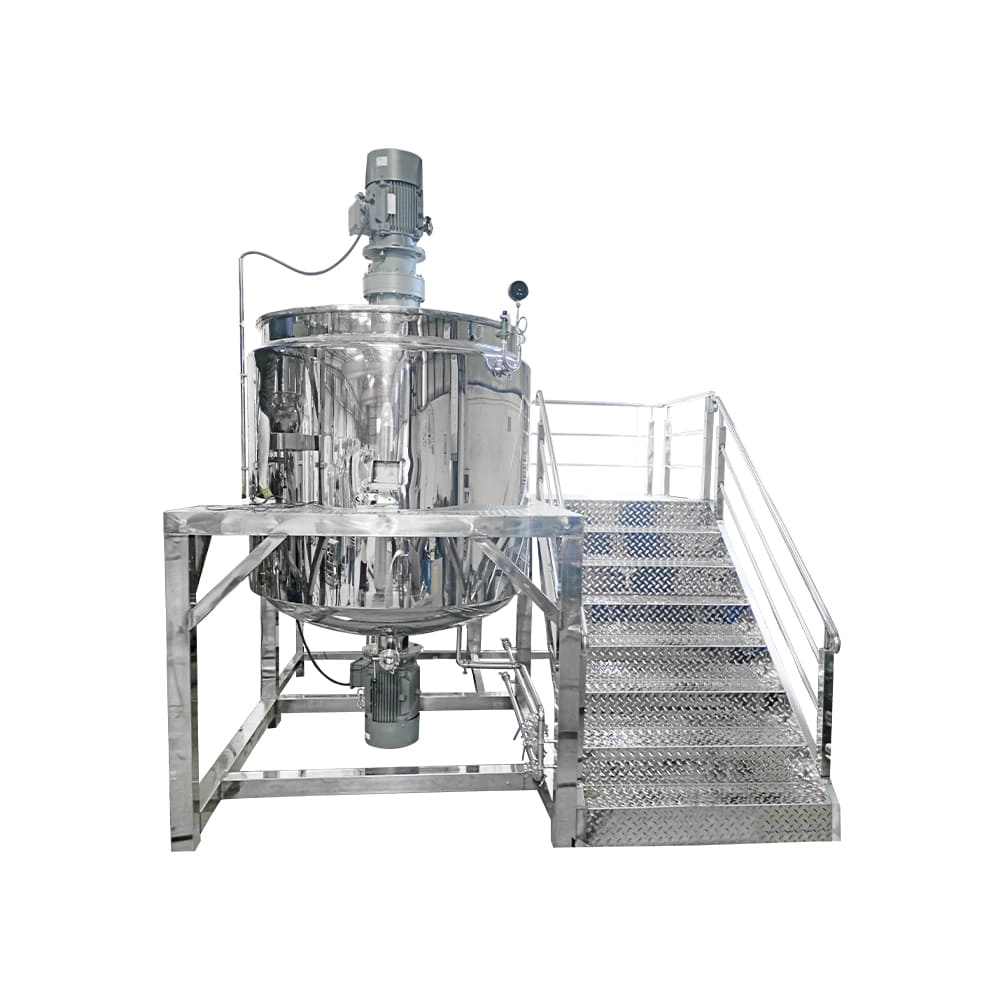
آلة خلط الصابون السائل للبيع
خلاط الصابون السائل "يوانيانغ" هو خلاط صناعي متجانس لإنتاج الصابون السائل. صُمم هذا الخلاط بشكل رئيسي لإنتاج منتجات سائلة مثل الشامبو، وغسول الجسم، ومنظفات الغسيل، وصابون الأطباق، ومعقم اليدين، وغيرها من السوائل الكثيفة.
سمات:
⦁ غطاء مسطح، نصف مفتوح، نظام تحكم كهربائي.
⦁ مناسب لمختلف منتجات التنظيف السائلة والصلصات.
⦁ تحريك مكشطة جدار PTFE في الأعلى، ومجانسة القص العالية في الأسفل.
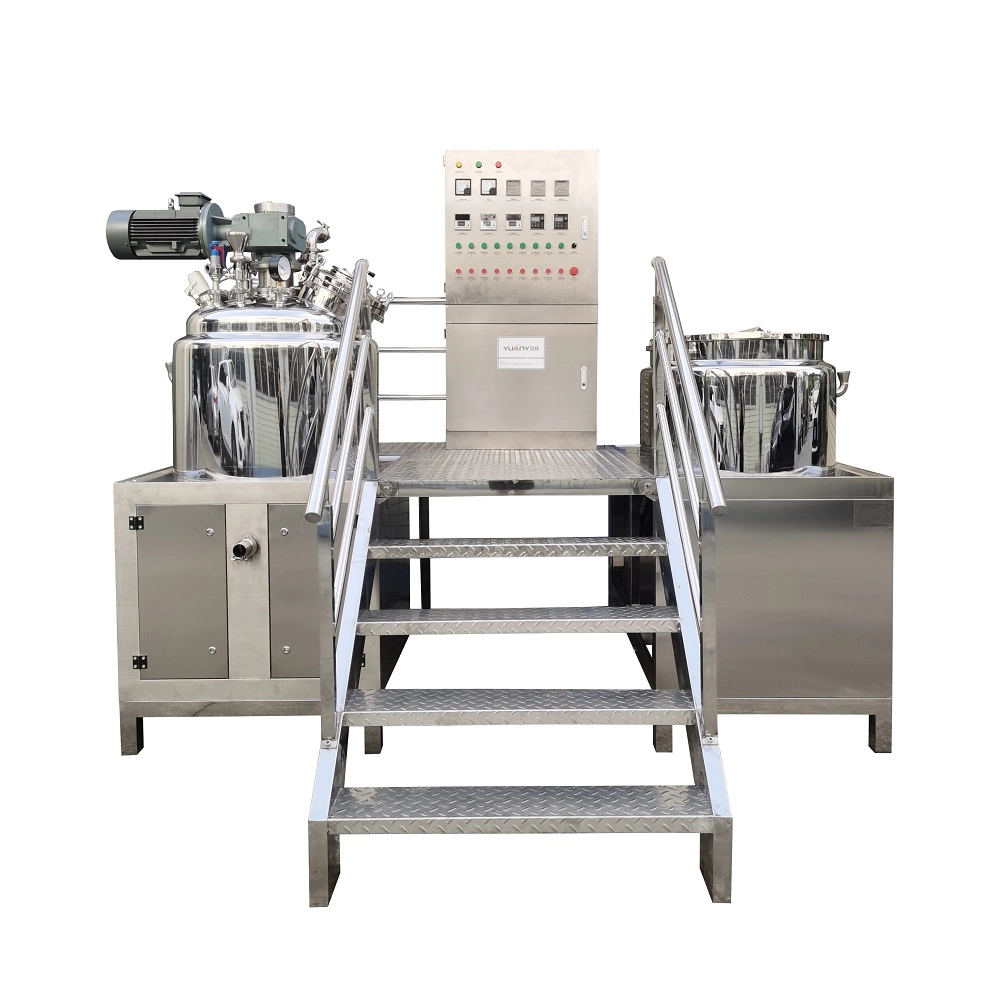
آلة صنع مستحضرات التجميل
آلة صنع مستحضرات التجميل Yuanyang هي عبارة عن معدات خلط مشتركة مع خزان التجانس الفراغي الرئيسي وخزان المياه وخزان الزيت، وهي معدات متكاملة مع نظام الخلط والتشتيت والتجانس والاستحلاب والتفريغ وامتصاص المسحوق الذي يستخدم على نطاق واسع في مستحضرات التجميل والأغذية والأدوية والمجالات الكيميائية.
سمات:
⦁ مع غطاء ثابت ونظام فراغ ونظام تحكم كهربائي.
⦁ مناسب للمنتجات ذات اللزوجة 10,000~50,000 cps.
⦁ حجم الجسيمات المثالي 2 ميكرون وموزعة بالتساوي.
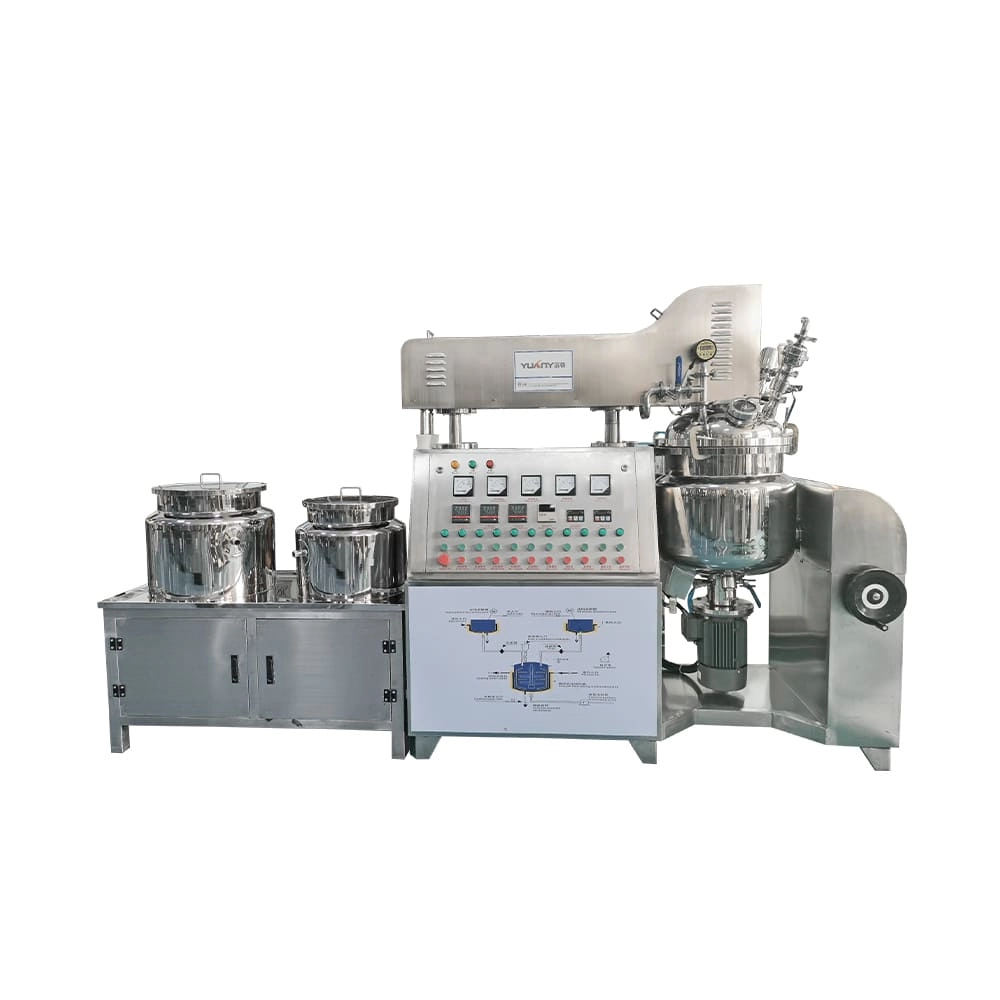
خلاط استحلاب مفرغ للبيع
خلاطة المستحلب الفراغية Yuanyang هي نوع من آلات المستحلب، وهي معدات إنتاج مستحضرات التجميل الأكثر شعبية لصنع الكريم ومنتجات العناية بالبشرة والمراهم والمعجون والمستحلبات.
سمات:
⦁ يتكون من وعاء الاستحلاب الرئيسي ووعاء الماء ووعاء الزيت.
⦁ مع نظام الرفع الهيدروليكي، ونظام الفراغ، ونظام التحكم الكهربائي.
⦁ مناسب للمنتجات ذات اللزوجة 10,000~50,000 cps.
⦁ حجم الجسيمات المثالي 2 ميكرون وموزعة بالتساوي.
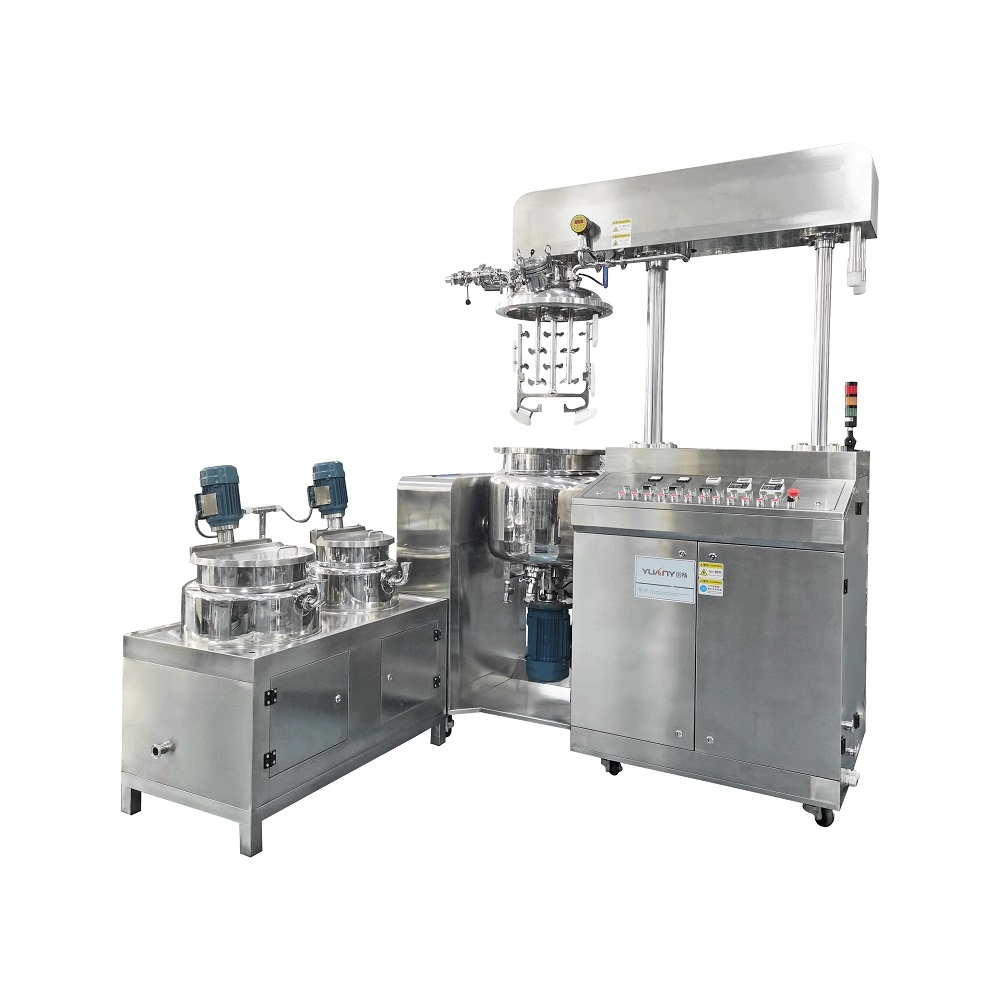
مستحلب تفريغ هيدروليكي سعة 50 لترًا
جهاز الاستحلاب الفراغي الهيدروليكي Yuanyang هو عبارة عن معدات خلط مشتركة مع خزان تجانس فراغي رئيسي وخزان مياه وخزان زيت، وهو عبارة عن معدات متكاملة مع نظام خلط وتشتيت وتجانس واستحلاب وتفريغ وامتصاص المسحوق يستخدم على نطاق واسع في مستحضرات التجميل والأغذية والأدوية والمجالات الكيميائية.
سمات:
⦁ مع غطاء رفع هيدروليكي ووعاء مائل ونظام فراغ ونظام تحكم كهربائي.
⦁ مناسب للمنتجات ذات اللزوجة 10,000~50,000 cps.
⦁ حجم الجسيمات المثالي 2 ميكرون وموزعة بالتساوي.
جميع الحقوق محفوظة © 2025 لشركة YUANYANG.
 مسح رمز الاستجابة السريعة
فيسبوك
يوتيوب
لينكد إن
واتساب: +8613434139712
قوانغتشو يوانيانغ الآلات