





Hygienic Materials and Seals for Emulsifying Mixers
- Hygienic Materials and Seals: Why They Matter for Your Emulsifying Mixer
- Product Overview: Vacuum Emulsifying Mixer for Sale
- Understanding Hygienic Requirements for Cosmetic and Pharmaceutical Emulsifying Mixer Applications
- Key sanitary design principles for an emulsifying mixer
- Common Vessel and Wetted Materials for Emulsifying Mixer Construction
- Seal Types for Emulsifying Mixers and Where to Use Them
- Mechanical seals
- Lip seals and dynamic O-rings
- Elastomer and Seal Material Selection for Product Compatibility
- Cleaning, Sterilization, and Validation for Hygienic Emulsifying Mixers
- Operational Considerations: Vacuum, Temperature, and Viscosity Compatibility
- Cost, Lifecycle, and Total Cost of Ownership for Hygienic Materials and Seals
- Quick comparison of purchase vs lifecycle considerations
- Brand Advantages: Why Choose Yuanyang Vacuum Emulsifying Mixer for Sale
- Practical Selection Checklist for Buying a Hygienic Emulsifying Mixer
- FAQ: Common Questions About Hygienic Materials and Seals for Emulsifying Mixers
- Q: What is the best material for vessels in cosmetic emulsifying mixers?
- Q: Should I use mechanical seals or lip seals on a vacuum emulsifying mixer?
- Q: Which seal elastomer is best for creams that contain oils and silicones?
- Q: How often should seals be inspected or replaced?
- Q: Can hygienic seals withstand CIP and SIP?
- Contact and Next Steps: View Product or Talk to Our Specialist
- References and Authoritative Sources
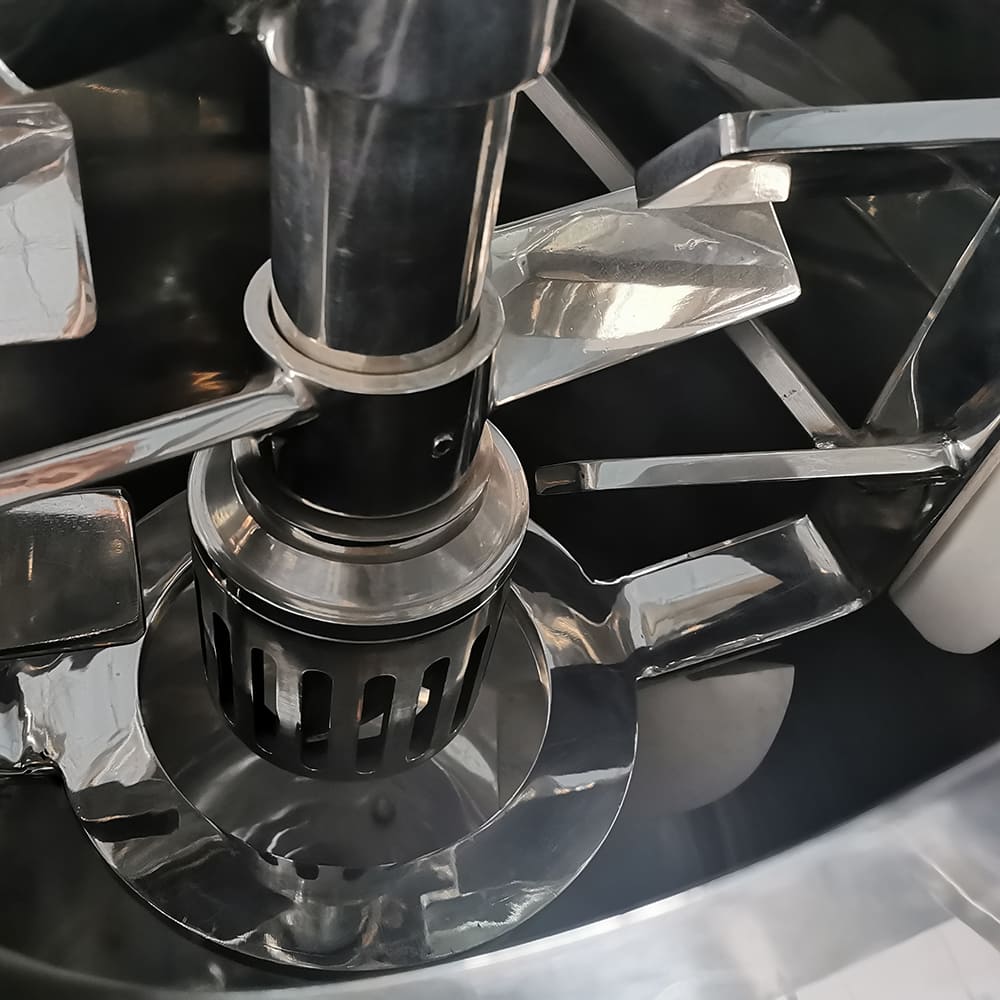
Hygienic Materials and Seals: Why They Matter for Your Emulsifying Mixer
An emulsifying mixer is the heart of many cosmetic, personal care, and pharmaceutical production lines. Selecting hygienic materials and robust sealing systems directly affects product safety, regulatory compliance, equipment lifetime, and process efficiency. Poor material selection or inferior seals can lead to contamination, batch loss, downtime, and costly recalls. This guide explains the practical choices for materials and seals for an emulsifying mixer and helps you evaluate options when shopping for a Vacuum Emulsifying Mixer for Sale. Selecting the right materials sets the stage for integration, allowing seamless integration of vacuum emulsifying mixers into automated lines.
Product Overview: Vacuum Emulsifying Mixer for Sale
Yuanyang vacuum emulsifying mixer is a kind of emulsifier machine, the most popular cosmetics production equipment for making cream, skin-care products, ointment, paste, and emulsions.
Features:
⦁ Composed of a main emulsifying pot, a water pot, and an oil pot.
⦁ With a hydraulic lifting system, vacuum system, and electric control system.
⦁ Suitable for products of 10,000~50,000 cps viscosity.
⦁ Perfect particle size of 2 microns and evenly distributed.
Understanding Hygienic Requirements for Cosmetic and Pharmaceutical Emulsifying Mixer Applications
Hygiene requirements vary by industry but share common goals: prevent contamination, allow effective cleaning, and ensure materials tolerate the chemicals, temperatures, and mechanical stresses of production. For cosmetics and topical pharmaceuticals, manufacturers typically follow Good Manufacturing Practice GMP guidelines, which specify sanitary design principles such as smooth, crevice-free surfaces and materials that resist corrosion, leaching, and degradation. When selecting an emulsifying mixer, prioritize materials and seals that meet these expectations and minimize microbial harborage.
Key sanitary design principles for an emulsifying mixer
- Use corrosion-resistant metals with smooth surface finishes (electropolished where possible).
- Minimize crevices and dead legs where product can accumulate.
- Choose seals and gland designs that support cleanability and can be inspected or replaced quickly.
- Ensure materials are compatible with process temperatures, vacuum, and cleaning agents such as hot water, caustic, and disinfectants.
Common Vessel and Wetted Materials for Emulsifying Mixer Construction
The wetted parts of an emulsifying mixer are the surfaces that contact product: the main pot, rotor/stator, scrapers, and piping. Most high-hygiene applications use stainless steel or high-performance alloys. Below is a concise comparison to guide material selection.
| Material | Corrosion Resistance | Temperature Range | Chemical Compatibility | Hygiene Suitability | Typical Use |
|---|---|---|---|---|---|
| 316L Stainless Steel | Excellent | -100 to 600°C (service dependent) | Good with most acids, alkalies, solvents used in cosmetics | High; electropolishing improves cleanliness | Standard for vessels, mixers, scrapers |
| 304 Stainless Steel | Good | -100 to 500°C | Less tolerant to chlorides and some acids | Acceptable for less aggressive products | General purpose, where 316L is not required |
| Hastelloy / Nickel Alloys | Excellent | High | Superior with strong chemicals | High; used when extreme corrosion resistance needed | Specialty chemical compatibility |
| PTFE Coated Components | Very good | -200 to 260°C | Excellent chemical resistance | High for non-stick surfaces; watch for mechanical wear | Sealing faces, liners, small components |
Seal Types for Emulsifying Mixers and Where to Use Them
Seals prevent product leakage, retain vacuum, and protect bearings. Choosing the correct seal type for an emulsifying mixer is critical to hygienic operation and long-term reliability.
Mechanical seals
Mechanical seals are common on high-shear emulsifying mixers. A properly specified mechanical seal provides a robust barrier against leaks and can tolerate heat and vacuum. For cosmetic and pharmaceutical use, choose mechanical seals with hygienic designs: single or double seals with sterile barrier options, sanitary glandless designs, and faces made of corrosion-resistant materials. Secondary elastomers should be chosen based on chemical compatibility (see elastomer table below).
Lip seals and dynamic O-rings
Lip seals are simple and lower cost but wear faster under high shear or vacuum. Dynamic O-rings are useful in low-speed movements. For high-hygiene emulsifying mixers and vacuum service, mechanical seals are generally preferred over lip seals when durability and cleanability are priorities.
Elastomer and Seal Material Selection for Product Compatibility
Elastomer choice affects chemical compatibility, temperature resistance, and cleaning tolerance. Below is a practical guide to common elastomers used in seals for emulsifying mixers.
| Seal Material | Chemical Resistance | Temperature Range | Use in Cosmetics/Pharma |
|---|---|---|---|
| PTFE (Teflon) | Excellent vs most solvents and acids | -200 to 260°C | Preferred for aggressive chemistries and sterilization |
| EPDM | Good vs water, steam, alkalis; poor vs hydrocarbons | -50 to 150°C | Good for aqueous cosmetic products and steam clean |
| Viton (FKM) | Very good vs oils and many solvents | -20 to 200°C | Often used where oils or silicones are present |
| Silicone | Good for wide temp range but poor wear resistance | -60 to 200°C | Used in gaskets for low-abrasion products |
Cleaning, Sterilization, and Validation for Hygienic Emulsifying Mixers
Hygienic design is only effective when paired with validated cleaning and sterilization protocols. For emulsifying mixers working under vacuum and producing creams and ointments, consider the following:
- Design CIP and SIP procedures compatible with construction materials and seals.
- Establish validated cycles for detergents, temperatures, and contact times to remove oils and active ingredients.
- Monitor residue levels and microbial counts to confirm cleaning effectiveness.
- Inspect seals and surfaces regularly for wear, pitting, or degradation; replace parts per maintenance schedule.
These practices increase uptime and reduce contamination risk. When buying a Vacuum Emulsifying Mixer for Sale, ensure the supplier provides recommended cleaning cycles and validation support documentation.
Operational Considerations: Vacuum, Temperature, and Viscosity Compatibility
Emulsifying mixers are used across viscosities. The Yuanyang vacuum emulsifying mixer supports products in the 10,000 to 50,000 cps range and can achieve fine particle size down to 2 microns. These process requirements affect materials and seal choices:
- Vacuum service requires seals that maintain integrity under negative pressure and cyclic loading. Mechanical seals with appropriate spring designs or double seal arrangements improve reliability.
- High viscosities increase mechanical loading on stirrers and seals. Choose robust seal and bearing designs to handle torque and shear.
- Temperature excursions from heating or cooling cycles require elastomers and alloys that tolerate expected operating ranges and cleaning temperatures.
Cost, Lifecycle, and Total Cost of Ownership for Hygienic Materials and Seals
Initial material or seal cost is only one part of the equation. Consider total cost of ownership, including downtime, parts replacement, cleaning time, and regulatory risk. Investing in 316L construction, electropolishing, and high-quality mechanical seals reduces long-term risk and often lowers operating costs by reducing maintenance frequency and cleaning complexity.
Quick comparison of purchase vs lifecycle considerations
- Lower cost seals may save money initially but require more frequent replacement and risk leaks.
- High Quality materials like 316L and PTFE seals increase up-front cost but reduce cleaning complexity, batch loss, and recall risk.
- For vacuum emulsifying mixers used in high-value cosmetic or pharmaceutical products, prioritize reliability and hygiene over minimal up-front cost.
Brand Advantages: Why Choose Yuanyang Vacuum Emulsifying Mixer for Sale
When evaluating suppliers, brand capability matters. Yuanyang's vacuum emulsifying mixer offers several advantages aligned with hygienic design and production reliability:
- Purpose-built configuration with main emulsifying pot, water and oil pots to support efficient heating and emulsification workflows.
- Hydraulic lifting system for safe, hygienic access and easy cleaning of the vessel.
- Integrated vacuum and electric control systems to ensure repeatable processes and support vacuum-dependent formulations.
- Designed for mid to high viscosity ranges (10,000 to 50,000 cps) and capable of producing fine particle size down to 2 microns for stable, high-quality creams and ointments.
- Supplier support for commissioning, recommended cleaning cycles, and documentation for compliance and validation.
Practical Selection Checklist for Buying a Hygienic Emulsifying Mixer
Use this checklist when evaluating a Vacuum Emulsifying Mixer for Sale:
- Wetted materials: prefer 316L stainless steel, specify electropolish when possible.
- Seal selection: mechanical seals with PTFE or compatible elastomers; consider double seals for vacuum or hazardous products.
- Design features: minimal dead legs, sanitary ports, hinged manways, and easy-to-remove scrapers.
- Cleaning and validation: supplier provides CIP/SIP protocols and validation guidance.
- Service and spare parts: availability of certified spare seals and scheduled maintenance plans.
FAQ: Common Questions About Hygienic Materials and Seals for Emulsifying Mixers
Q: What is the best material for vessels in cosmetic emulsifying mixers?
A: 316L stainless steel is the industry standard for hygiene, corrosion resistance, and cleanability. Electropolishing further improves cleanability and reduces microbial adhesion.
Q: Should I use mechanical seals or lip seals on a vacuum emulsifying mixer?
A: For vacuum service and high-hygiene environments, mechanical seals are preferred due to better leak control and longevity. Lip seals may be acceptable for low-pressure, low-abrasion applications but require more frequent replacement.
Q: Which seal elastomer is best for creams that contain oils and silicones?
A: Viton (FKM) or PTFE are common choices for oil and silicone compatibility. PTFE offers broader chemical resistance and higher temperature tolerance but may require specific gland design for dynamic sealing.
Q: How often should seals be inspected or replaced?
A: Inspection frequency depends on operating conditions. For typical cosmetic production, inspect seals during scheduled maintenance every 3 to 6 months and replace per manufacturer recommendations or sooner if wear or leakage is observed.
Q: Can hygienic seals withstand CIP and SIP?
A: Many mechanical seals and elastomers are designed to handle validated CIP and SIP cycles. Confirm compatibility of seal materials with the temperatures and chemicals used in your cleaning cycles.
Contact and Next Steps: View Product or Talk to Our Specialist
If you are ready to evaluate a Vacuum Emulsifying Mixer for Sale or need help selecting hygienic materials and seals for your formulation, contact our sales and technical team. We can provide specification sheets, validation recommendations, and a quote tailored to your production needs. View the product details and request a consultation to compare options and receive spare parts recommendations.
References and Authoritative Sources
For more detailed regulatory and hygienic design guidance, consult the following authoritative resources:
- European Medicines Agency GMP guidelines: https://www.ema.europa.eu
- US FDA Good Manufacturing Practice guidance: https://www.fda.gov
- Stainless steel hygienic design principles - ASM International and industry guidance: https://www.asminternational.org
- Basic information on mechanical seals - industry overviews: https://en.wikipedia.org/wiki/Mechanical_seal
- Material compatibility and chemical resistance databases - MatWeb: https://www.matweb.com
Contact us to learn how Yuanyang vacuum emulsifying mixers can meet your hygienic production requirements and request documentation needed for your validation and procurement process.
Best professional auger feeder manufacturers and supplier brands in Africa
Best professional packing machinery manufacturers and supplier brands in Asia
How to manufacturing bottle filling capping machine in Europe
How to Choose the liquid mixing tank supplier manufacturer and supplier ?
One Stage Water Treatment
How do I know the water conductivity?
The reverse osmosis water filter machine can display both raw water conductivity and output water conductivity.
Open Lid Storage Tank
Can you make the discharge outlet higher like 70cm to the floor?
Yes, we offer flexible customization. Client can rely on us.
Is the lid of the steel drum removable?
There are fixed lid, half open type and removable lid type.
FAQs
How do you ensure consistent product quality during production?
Our equipment features precision control systems that ensure stability and consistency at every stage of production. Automation reduces human error, guaranteeing consistent quality across each batch.
Vertical Filling Machine
How many bottles can the cream filler fill per hour?
The filling speed is affected by many factors, such as the materials thickness, viscosity, operation speed by staffs, pneumatic speed adjustment, filling volume, pressure. The filling speed varies from 500-2400 bottles per hour.
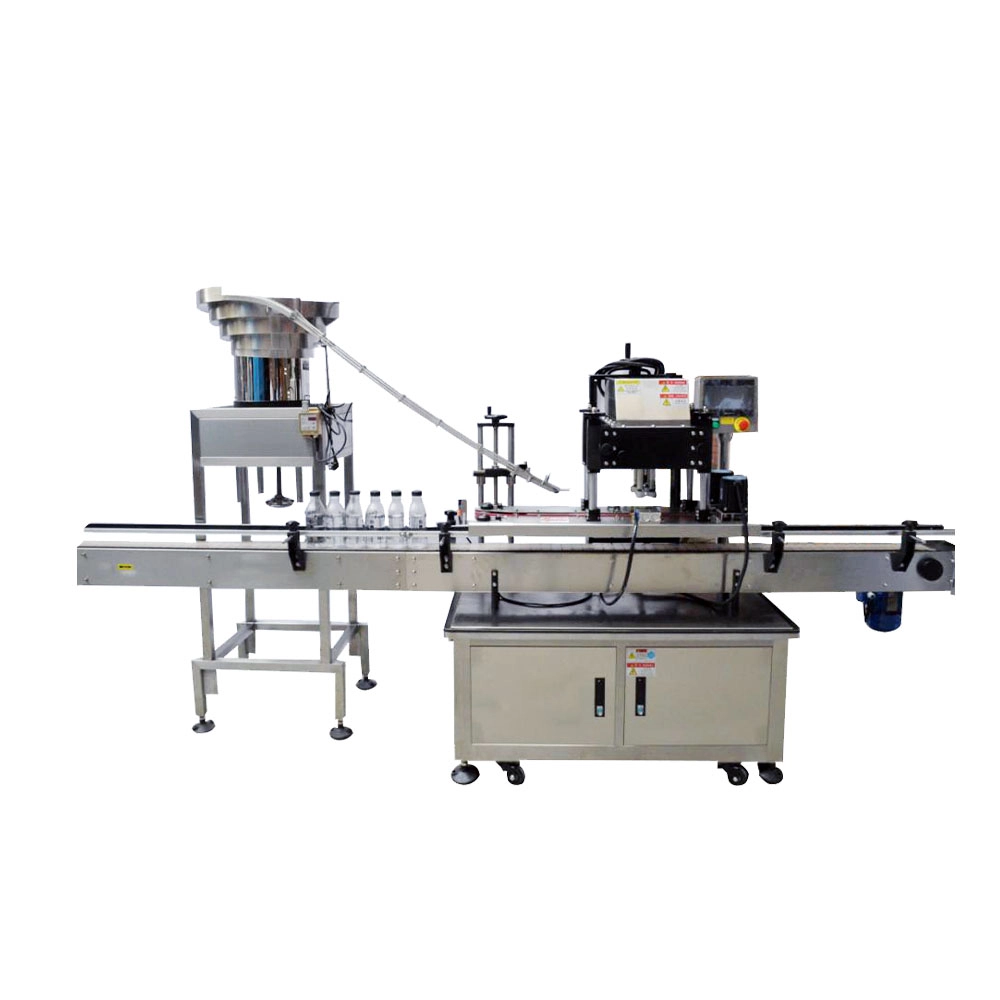
Automatic Plastic Caps Capping Machine with Vibrating Cap Feeder for Sale
Yuanyang automatic screw capping machine is a kind of four-wheel bottle capping machine. The automatic screw capper is often used to close lids of containers such as bottles and jars, especially for plastic bottles, which are widely used in food, medicine, chemical, cosmetic, and other industries for mass production and continuous production lines.
Features:
⦁ Full pneumatic drive;
⦁ Automated fast speed;
⦁ Suitable for various screw caps, pumps, and spray bottles.
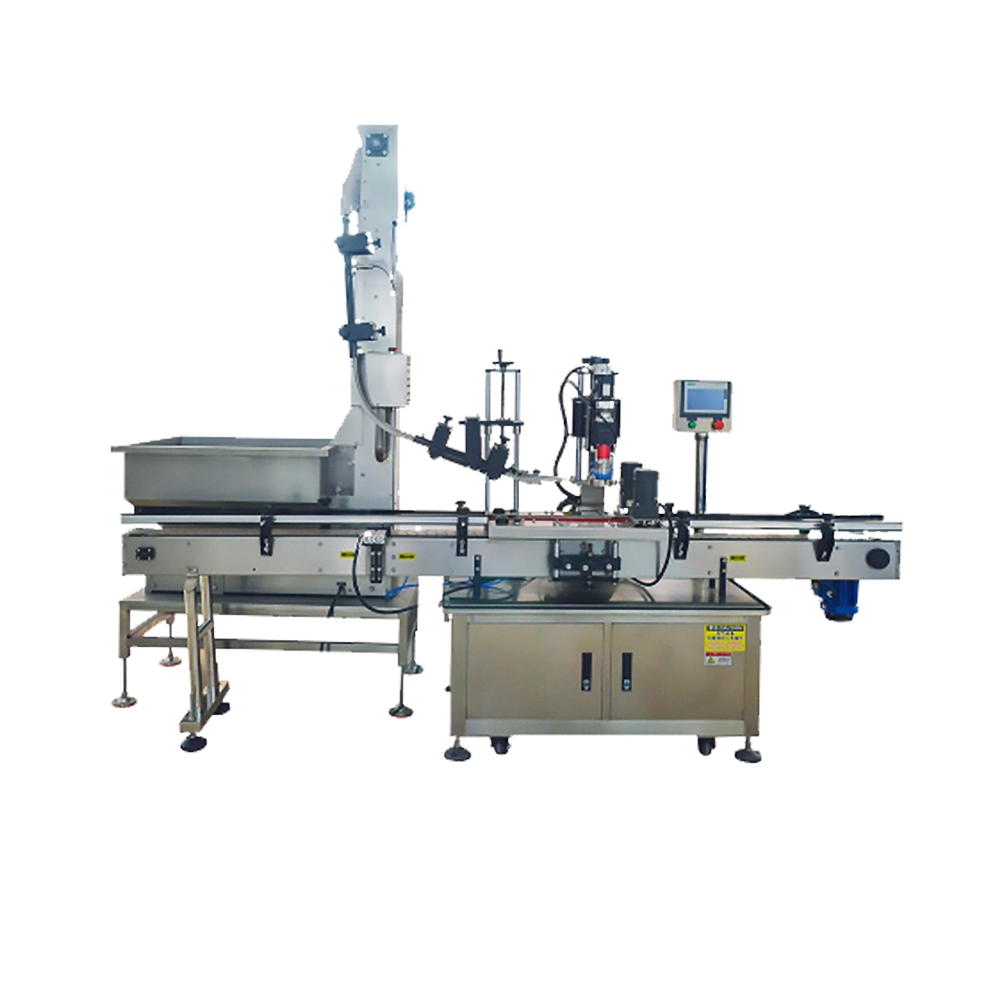
Automatic Metal Caps Capping Machine for Sale
Yuanyang automatic metal cap capping machine is a bottle capper for bottles with metal caps, which is often used to close lids of containers such as bottles and jars. The glass bottle metal capping machine is widely used in food, medicine, chemical, cosmetic, and other industries for mass production and continuous production line .
Features:
⦁ Pneumatic and electric drive;
⦁ Automated fast speed;
⦁ Suitable for glass bottles with metal caps.
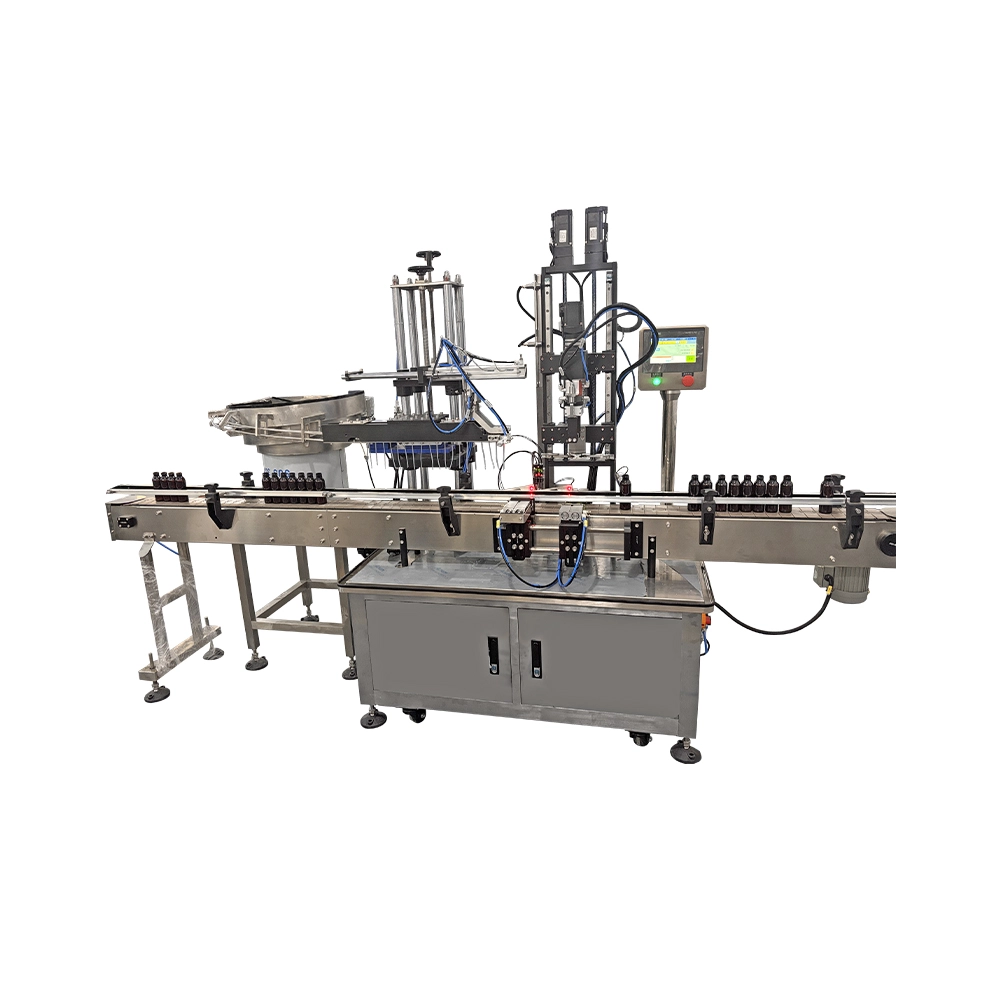
Automatic Pump Head Feeding and Capping Machine for Sale
Yuanyang automatic pump head feeding and capping machine is a bottle cap sorter and capper for bottles with pump heads, which is often used to close lids of containers such as nail polish, sprayers, and shampoo. The capping machine with a pump head feeder is widely used in food, medicine, chemical, cosmetic, and other industries for mass production and continuous production line .
Features:
⦁ Pneumatic and electric drive;
⦁ Automated fast speed;
⦁ Suitable for various types of caps.
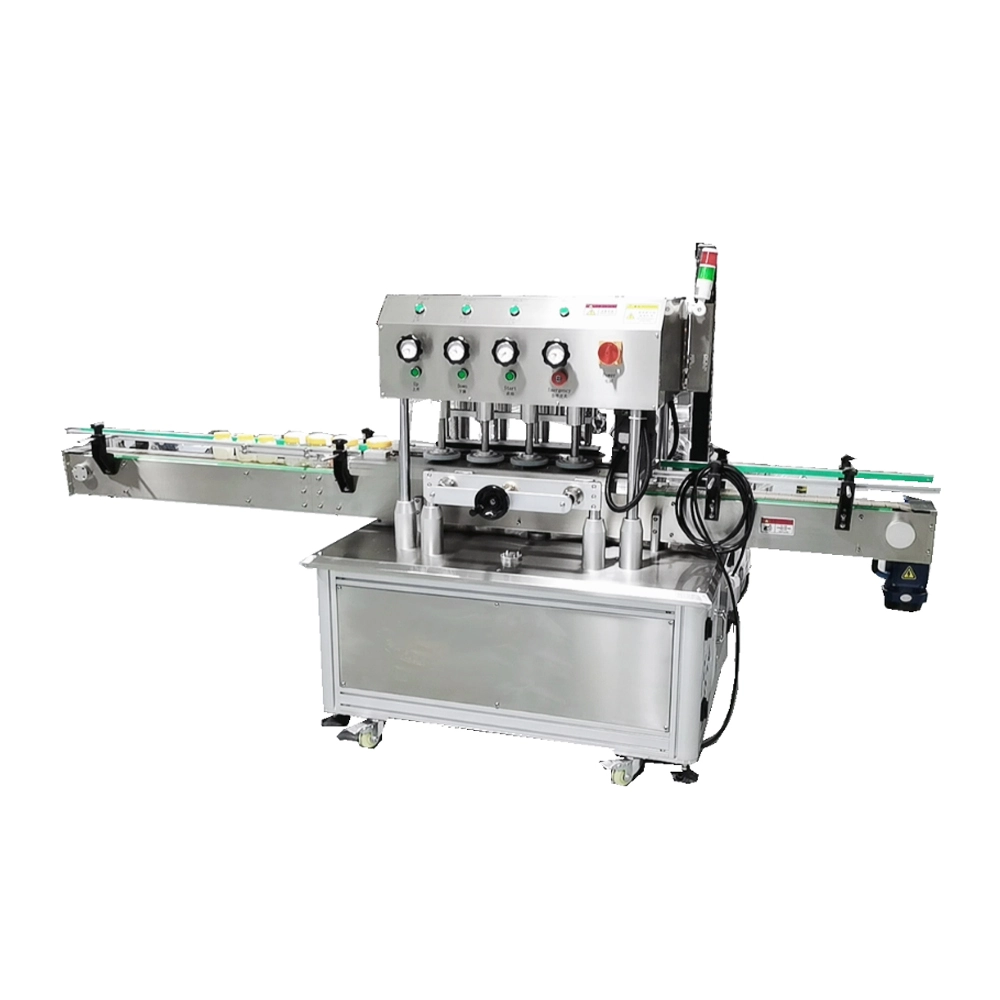
Automatic High Speed Capping Machine for Sale
The Yuanyang automatic high-speed capping machine is a kind of 8-wheel bottle-capping machine with fast working efficiency. The automatic capper is often used to close lids of containers such as bottles and jars, especially for plastic bottles, which are widely used in food, medicine, chemical, cosmetic, and other industries for mass production and continuous production lines.
Features:
⦁ Electric drive;
⦁ Automated fast speed;
⦁ Suitable for various screw caps, pumps, and spray bottles.
 Scan QR Code
Facebook
YouTube
LinkedIn
Whatsapp: +8613434139712
Guangzhou Yuanyang Machinery