





دليل الشراء: خلاط استحلاب بالتفريغ للبيع - المواصفات الرئيسية
- دليل الشراء: خلاط استحلاب بالتفريغ للبيع - المواصفات الرئيسية
- مقدمة: أهمية الخلاط المستحلب في إنتاج مستحضرات التجميل والأدوية
- لمحة عن المنتج: خلاط استحلاب بالتفريغ للبيع - يوانيانغ
- المواصفات الرئيسية 1 - سعة الوعاء وحجم الدفعة (خلاط الاستحلاب)
- المواصفات الرئيسية 2 - نظام الاستحلاب والتجانس (مهم للغاية لخلاط الاستحلاب)
- المواصفات الرئيسية 3 - نظام التفريغ وإزالة الغازات (ضروري لخلاط الاستحلاب)
- المواصفات الرئيسية 4 - غلاف التسخين/التبريد والتحكم في درجة الحرارة
- المواصفات الرئيسية 5 - المواد، والتشطيب السطحي، والتصميم الصحي
- المواصفات الرئيسية 6 - الميزات الميكانيكية: الرفع الهيدروليكي، والختم، ونظام التنظيف في المكان (خلاط مستحلب)
- المواصفات الرئيسية 7 - النظام الكهربائي ونظام التحكم (الأتمتة)
- المواصفات الرئيسية 8 - نطاق اللزوجة وقدرة القص
- جدول الأداء الرئيسي: المواصفات النموذجية للمقارنة عند تقييم خلاطات الاستحلاب
- كيفية مطابقة مواصفات الآلة مع منتجك (دليل اختيار عملي)
- اعتبارات التشغيل والصيانة (إطالة عمر المعدات)
- نقاط الجودة والسلامة واللوائح التنظيمية (خلاط مستحلب جاهز لممارسات التصنيع الجيدة)
- اعتبارات تكلفة الملكية
- لماذا قد يكون خلاط الاستحلاب الفراغي من يوانيانغ المعروض للبيع خيارًا جيدًا
- نصائح الشراء وقائمة التحقق من الموردين لخلاط الاستحلاب
- الأسئلة الشائعة (خلاط استحلاب فراغي للبيع)
- س1: ما هي الميزة الرئيسية لخلاط الاستحلاب الفراغي مقارنة بالخلاط القياسي؟
- س2: ما هو حجم الجسيمات الذي يمكنني توقعه من خلاط الاستحلاب الفراغي؟
- س3: هل يمكن للآلة التعامل مع المنتجات ذات اللزوجة العالية جداً؟
- س4: ما مدى أهمية نظام التنظيف الآلي والتصميم الصحي لمستحضرات التجميل؟
- س5: ما هي المستندات التي يجب أن أطلبها من المورد؟
- تواصل معنا / عرض المنتج
- المراجع الموثوقة
- ملاحظات ختامية
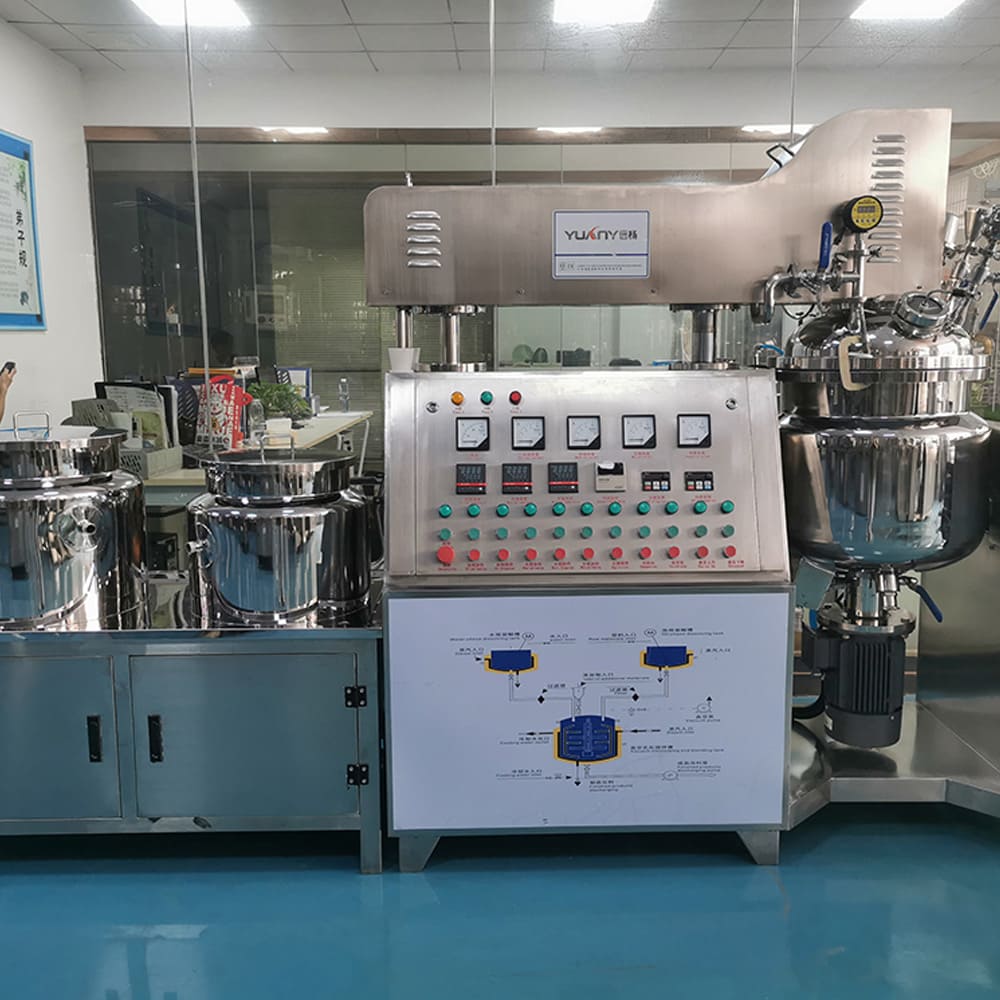
دليل الشراء: خلاط استحلاب بالتفريغ للبيع - المواصفات الرئيسية
مقدمة: أهمية الخلاط المستحلب في إنتاج مستحضرات التجميل والأدوية
يُعدّ خلاط الاستحلاب أساسًا لإنتاج الكريمات والمستحضرات والمراهم والمستحلبات الحديثة. عند البحث عن خلاط استحلاب فراغي للبيع، فأنت لا تبحث عن مجرد جهاز فحسب، بل عن جودة منتج ثابتة، وتوزيع دقيق لحجم الجزيئات، وقوام جيد، وفترة صلاحية طويلة. يشرح هذا الدليل المواصفات الرئيسية واعتبارات الشراء لمساعدتك في مطابقة أداء الجهاز مع تركيبتك وأهدافك الإنتاجية. بعد استكشاف...دليل الشراء: خلاط استحلاب بالتفريغ للبيع - المواصفات الرئيسيةمن المهم تتبعمؤشرات الأداء الرئيسية للإنتاج: قياس أداء خلاط الاستحلابلضمان أن يلبي استثمارك توقعات الإنتاج.
لمحة عن المنتج: خلاط استحلاب بالتفريغ للبيع - يوانيانغ
خلاطة المستحلب الفراغية Yuanyang هي نوع من آلات المستحلب، وهي معدات إنتاج مستحضرات التجميل الأكثر شعبية لصنع الكريم ومنتجات العناية بالبشرة والمراهم والمعجون والمستحلبات.
سمات:
⦁ يتكون من وعاء الاستحلاب الرئيسي ووعاء الماء ووعاء الزيت.
⦁ مع نظام الرفع الهيدروليكي، ونظام الفراغ، ونظام التحكم الكهربائي.
⦁ مناسب للمنتجات ذات اللزوجة 10,000~50,000 cps.
⦁ حجم الجسيمات المثالي 2 ميكرون وموزعة بالتساوي.
المواصفات الرئيسية 1 - سعة الوعاء وحجم الدفعة (خلاط الاستحلاب)
يُعد اختيار السعة المناسبة للوعاء الخطوة الأولى. يعتمد الحجم الأمثل على كمية الدفعة المطلوبة وإنتاجية العملية. الأساليب الشائعة:
- نطاق العمل/التجريبي: 5-50 لترًا - يستخدم للبحث والتطوير ومستحضرات التجميل المتخصصة بكميات صغيرة.
- الإنتاج الصغير: 50-200 لتر - العلامات التجارية المتخصصة والمصنعون المتعاقدون.
- إنتاج متوسط: 300-1000 لتر - مصانع مستحضرات التجميل التجارية.
- إنتاج كبير: 1000 لتر فأكثر — مصنعون ذوو إنتاج ضخم.
كقاعدة عامة: اختر وعاءً أكبر بنسبة 20-30% على الأقل من حجم الدفعة المستهدفة لتوفير مساحة كافية لعمليات الخلط والتسخين والتفريغ. يجب أن يتناسب أداء خلاط الاستحلاب (سعة التجنيس، قوة المحرك) مع حجم الوعاء.
المواصفات الرئيسية 2 - نظام الاستحلاب والتجانس (مهم للغاية لخلاط الاستحلاب)
يُحدد نظام الاستحلاب توزيع حجم القطرات، وقوامها، واستقرارها. الآليات النموذجية:
- جهاز التجنيس عالي القص ذو الدوار الثابت: شائع وفعال للكريمات والمستحضرات.
- جهاز التجنيس عالي الضغط: يحقق جزيئات دون الميكرون ولكنه أكثر تعقيدًا وتكلفة.
- الخلط الكوكبي بالإضافة إلى رأس القص العالي: مناسب للمعاجين والمراهم اللزجة.
بالنسبة لكريمات التجميل، استهدف جهاز تجانس قادر على إنتاج حجم جسيمات نهائي يتراوح بين 1-5 ميكرون - وتدعي شركة Yuanyang أن حجم الجسيمات يبلغ 2 ميكرون، وهو ضمن النطاق المثالي للحصول على خصائص حسية ناعمة.
المواصفات الرئيسية 3 - نظام التفريغ وإزالة الغازات (ضروري لخلاط الاستحلاب)
يُعد نظام التفريغ ضروريًا لإزالة الهواء المحتبس وتحسين استقرار المنتج. ضع في اعتبارك ما يلي:
- عمق الفراغ (مليبار): يؤدي الفراغ الأعمق إلى إزالة المزيد من الهواء ولكنه يتطلب موانع تسرب وتصميمًا أقوى.
- نوع مضخة التفريغ: المضخات ذات الريش الدوارة أو المضخات الجافة شائعة؛ تقلل المضخات الجافة من خطر تلوث الزيت.
- أدوات التحكم في إزالة الغازات: دورات تفريغ تلقائية أو تشغيل يدوي.
تستفيد المنتجات التي تحتوي على مكونات رغوية أو مواد هلامية شفافة بشكل كبير من وظيفة التفريغ الموثوقة لتجنب الفقاعات وتحسين المظهر النهائي.
المواصفات الرئيسية 4 - غلاف التسخين/التبريد والتحكم في درجة الحرارة
يؤثر التحكم في درجة الحرارة على تجانس المنتج وحركية الاستحلاب. ابحث عن:
- نظام تدفئة/تبريد فعال ذو غلاف مع نقل حراري جيد (باستخدام البخار أو الماء الساخن أو الزيت الحراري أو الجليكول).
- التحكم المستقل في درجة حرارة أوعية الزيت والماء لإدارة تحضير الطور.
- أجهزة تحكم دقيقة في درجة الحرارة من نوع PID وأجهزة استشعار (±1 درجة مئوية نموذجية).
يساهم التحكم الدقيق في درجة الحرارة في تقليل التباين بين الدفعات وتقصير وقت المعالجة.
المواصفات الرئيسية 5 - المواد، والتشطيب السطحي، والتصميم الصحي
تؤثر المواد والتشطيبات السطحية بشكل مباشر على النظافة والامتثال التنظيمي ووقت التنظيف.
- المادة: الفولاذ المقاوم للصدأ 316L لمقاومة عالية للتآكل (خاصة إذا تم استخدام الأحماض أو الأملاح)؛ 304 مقبول للعديد من تركيبات مستحضرات التجميل.
- تشطيب السطح: تلميع المرآة (Ra ≤ 0.4 ميكرومتر) في مناطق التلامس مع المنتج لتسهيل التنظيف وتقليل تراكم الميكروبات.
- اللحام والوصلات: لحامات صحية، زوايا مستديرة، تصميمات متوافقة مع نظام التنظيف في المكان (CIP).
المواصفات الرئيسية 6 - الميزات الميكانيكية: الرفع الهيدروليكي، والختم، ونظام التنظيف في المكان (خلاط مستحلب)
تعتمد سهولة التشغيل والصيانة على التصميم الميكانيكي:
- الرفع الهيدروليكي: يجعل رأس الاستحلاب متاحًا للفحص والتنظيف؛ وهو أمر ضروري للصيانة الروتينية.
- الأختام الميكانيكية: اختر تصميمات الأختام المثبتة (مثل الأختام الميكانيكية المزدوجة) لمنع التسربات تحت الفراغ.
- التوافق مع أنظمة التنظيف CIP/SIP: يقلل من وقت التوقف ويدعم دورات التنظيف وفقًا لممارسات التصنيع الجيدة (GMP).
المواصفات الرئيسية 7 - النظام الكهربائي ونظام التحكم (الأتمتة)
تتضمن خلاطات الاستحلاب الحديثة عناصر تحكم PLC وشاشات تعمل باللمس وتخزين الوصفات:
- وحدة التحكم المنطقية القابلة للبرمجة (PLC) + واجهة المستخدم الرسومية (HMI): لتحقيق التكرار والتحكم سهل الاستخدام للمشغل.
- ذاكرة الوصفات وتسجيل البيانات: مفيد للتحقق من صحة العملية واستكشاف الأخطاء وإصلاحها.
- أنظمة تعشيق أمان وأنظمة إيقاف طارئ لحماية المشغلين والمعدات.
المواصفات الرئيسية 8 - نطاق اللزوجة وقدرة القص
لا تتعامل جميع الخلاطات مع نفس اللزوجة: يشير يوانيانغ إلى ملاءمتها للزوجة التي تتراوح بين 10000 و50000 سنتي بويز، وهو ما يشمل العديد من الكريمات والمراهم. تحقق من ذلك.
- قوة المحرك وعزم الدوران: تتطلب اللزوجة العالية عزم دوران أكبر ومخفضات تروس قوية.
- تصميم المحرك: محركات ذات مرساة أو مكشطة أو شريطية للتركيبات شديدة اللزوجة.
جدول الأداء الرئيسي: المواصفات النموذجية للمقارنة عند تقييم خلاطات الاستحلاب
| مواصفة | قسم صغير/البحث والتطوير | إنتاج متوسط | حجم كبير/عالي |
|---|---|---|---|
| حجم الدفعة | 5-50 لتر | 200–1000 لتر | 1000–5000+ لتر |
| قوة التجانس | 1-5 كيلوواط | 7.5–30 كيلوواط | 30–100+ كيلوواط |
| حجم الجسيمات المستهدفة | 1-5 ميكرومتر | 1-3 ميكرومتر | 0.5–3 ميكرومتر (مع أنظمة الضغط العالي) |
| نطاق اللزوجة | 1000–20000 دورة في الثانية | 5000–50000 نبضة في الثانية | 10000–100000 نبضة في الثانية |
| قدرة الفراغ | جيد | ممتاز | إزالة الغازات القوية والمستمرة |
كيفية مطابقة مواصفات الآلة مع منتجك (دليل اختيار عملي)
نهج خطوة بخطوة:
- حدد حجم الدفعة المستهدف والنمو المتوقع لمدة 3-5 سنوات.
- اختبار التركيبات على خلاط مستحلب تجريبي لقياس اللزوجة، وحساسية القص، والحاجة إلى إزالة الغازات.
- حدد حجم الجسيمات المستهدف وأهداف مدة الصلاحية؛ وتأكد من أن نوع جهاز التجنيس يمكنه الوصول إلى هذا الحجم.
- تحقق من توافق المواد (الفولاذ المقاوم للصدأ) ومتطلبات تشطيب السطح لضمان الامتثال للوائح التنظيمية.
- ضع في اعتبارك دورات التنظيف ووقت التوقف عن العمل - إن قدرة التنظيف في المكان (CIP) تقلل من تكلفة العمالة.
- اطلب من المورد وثائق IQ/OQ وقائمة قطع الغيار وجدول الصيانة.
اعتبارات التشغيل والصيانة (إطالة عمر المعدات)
للحفاظ على تشغيل خلاط الاستحلاب الفراغي بشكل موثوق:
- قم بتنفيذ خطة صيانة وقائية تركز على موانع التسرب والمحامل وفترات تغيير زيت مضخة التفريغ/الصيانة.
- احتفظ بحلقات منع التسرب الميكانيكية الاحتياطية وحلقات التآكل الخاصة بجهاز التجانس في متناول اليد.
- تدريب المشغلين على بدء التشغيل/الإيقاف، واستخدام المكنسة الكهربائية، وطرق التنظيف الآمنة.
- استخدم مواد التشحيم الموصى بها وحافظ على جودة الجليكول/السائل الحراري لحلقات التسخين/التبريد.
نقاط الجودة والسلامة واللوائح التنظيمية (خلاط مستحلب جاهز لممارسات التصنيع الجيدة)
بالنسبة لمستحضرات التجميل والأدوية الموضعية، فإن الامتثال يدعم قبول السوق والسلامة:
- شهادات المواد (مثل شهادة الفولاذ المقاوم للصدأ 316L) وتقارير تشطيب السطح.
- تصميم متوافق مع معايير التصنيع الجيد، وقدرة التنظيف في المكان/التعقيم في المكان، وتجهيزات صحية (Tri-Clamp).
- وثائق التحقق (IQ/OQ) والمكونات القابلة للتتبع لأغراض التدقيق.
- شهادات السلامة الكهربائية (CE، UL) وحماية الآلات لضمان سلامة المشغل.
اعتبارات تكلفة الملكية
السعر المبدئي ليس سوى جزء من الصورة. ضع في اعتبارك ما يلي:
- استهلاك الطاقة للمحركات ومضخات التفريغ.
- قطع الغيار ومكونات التآكل النموذجية (رؤوس جهاز التجنيس، والأختام).
- خسائر وقت التوقف عن العمل - اختر تصميمات تقلل من وقت التنظيف والتغيير.
- توافر خدمة ما بعد البيع وتكاليف التدريب.
لماذا قد يكون خلاط الاستحلاب الفراغي من يوانيانغ المعروض للبيع خيارًا جيدًا
تم تصميم خلاط الاستحلاب الفراغي من يوانيانغ لإنتاج مستحضرات التجميل، ويبرز العديد من المزايا العملية للمصنعين متوسطي الحجم:
- تصميم ثلاثي الأوعية (وعاء الاستحلاب الرئيسي، وعاء الماء، وعاء الزيت) يبسط عملية تحضير الطور ويقلل من خسائر النقل.
- يُسهّل نظام الرفع الهيدروليكي الوصول لأغراض التنظيف والصيانة، مما يقلل من وقت التوقف.
- توفر أنظمة التحكم المتكاملة بالتفريغ والتحكم الكهربائي إمكانية تكرار عملية إزالة الغازات والتحكم في العمليات.
- يغطي نطاق اللزوجة المناسب من 10000 إلى 50000 سنتي بويز العديد من الكريمات والمراهم المستخدمة في مستحضرات التجميل.
- يدّعي المنتج أن حجم جزيئاته يبلغ 2 ميكرون، وهو ما يلبي التوقعات للحصول على ملمس ناعم في منتجات العناية بالبشرة.
نصائح الشراء وقائمة التحقق من الموردين لخلاط الاستحلاب
اسأل الموردين عن المعلومات التالية قبل الشراء:
- بيانات فنية مفصلة ومنحنيات الأداء (كيلوواط المحرك، سرعة دوران جهاز التجنيس/الضغط).
- مراجع لتركيبات مماثلة وشهادات العملاء.
- قائمة قطع الغيار ومواعيد التسليم للعناصر المستهلكة.
- شروط الضمان، وباقات الصيانة الوقائية، وخيارات التدريب في الموقع.
- وثائق التحقق (شهادات المواد، تقارير الاختبار، نماذج IQ/OQ).
الأسئلة الشائعة (خلاط استحلاب فراغي للبيع)
س1: ما هي الميزة الرئيسية لخلاط الاستحلاب الفراغي مقارنة بالخلاط القياسي؟
تعمل خلاطة الاستحلاب الفراغية على إزالة الهواء المحتبس والغازات المتطايرة أثناء عملية الاستحلاب، مما ينتج عنه قوام أكثر نعومة، وثبات أفضل، وتقليل الأكسدة. كما أنها تحسن مظهر المنتج عن طريق منع تكون الفقاعات.
س2: ما هو حجم الجسيمات الذي يمكنني توقعه من خلاط الاستحلاب الفراغي؟
يعتمد حجم الجسيمات على نوع جهاز التجنيس وقوته. تصل المستحلبات التجميلية النموذجية إلى حجم يتراوح بين 1 و5 ميكرومتر؛ بينما تحدد شركة يوانيانغ حجمًا يبلغ حوالي 2 ميكرومتر لوحدتها، وهو مناسب للكريمات والمستحضرات.
س3: هل يمكن للآلة التعامل مع المنتجات ذات اللزوجة العالية جداً؟
نعم، ولكن يجب اختيار خلاط مستحلب ذي عزم دوران مناسب للمحرك، وتصميم مناسب للمحرك (كاشطات/مثبتات)، وقدرة تجانس عالية. تشير شركة يوانيانغ إلى ملاءمة الخلاط حتى 50,000 سنتي بواز للتركيبات النموذجية.
س4: ما مدى أهمية نظام التنظيف الآلي والتصميم الصحي لمستحضرات التجميل؟
مهم جداً. يقلل نظام التنظيف الآلي (CIP) من وقت التنظيف اليدوي ومخاطر التلوث، مما يدعم الجودة المتسقة ويساعد على تلبية متطلبات ممارسات التصنيع الجيدة (GMP).
س5: ما هي المستندات التي يجب أن أطلبها من المورد؟
طلب شهادات المواد، وتقارير الاختبار، ورسومات المعدات، وقوالب IQ/OQ، وقائمة قطع الغيار، ومواصفات نظام التحكم.
تواصل معنا / عرض المنتج
إذا كنتَ مستعدًا لتقييم خلاط استحلاب فراغي معروض للبيع لخط إنتاجك، فتواصل مع فريق المبيعات لدينا للحصول على استشارة فنية، وخيارات اختبار تجريبي، وعروض أسعار. يمكننا تزويدك ببيانات الأداء، ووثائق التحقق، ومراجع مصممة خصيصًا لتلبية احتياجاتك من حيث التركيبة والإنتاج. انقر لعرض تفاصيل المنتج أو لطلب عرض سعر اليوم.
المراجع الموثوقة
للمزيد من المعلومات حول معايير الصناعة، يُرجى الرجوع إلى هذه المصادر الموثوقة:
- المستحلب — ويكيبيديا: https://en.wikipedia.org/wiki/Emulsion
- الخلط (الهندسة الكيميائية) — ويكيبيديا: https://en.wikipedia.org/wiki/Mixing_(chemical_engineering)
- الخلط عالي القص - الموسوعة / نظرة عامة فنية: https://en.wikipedia.org/wiki/Homogenizer
- إدارة الغذاء والدواء الأمريكية - مستحضرات التجميل: https://www.fda.gov/cosmetics
- المفوضية الأوروبية - مكونات مستحضرات التجميل وسلامتها: https://ec.europa.eu/growth/sectors/cosmetics_en
ملاحظات ختامية
يتطلب اختيار خلاط الاستحلاب الفراغي المناسب للبيع موازنة حجم الدفعة، وحجم الجسيمات المطلوب، والتحكم في اللزوجة، وقدرة الفراغ، والتصميم الصحي. استخدم قائمة التحقق والجداول أعلاه لإنشاء مواصفات واضحة ومواءمة عروض الموردين مع مؤشرات الأداء القابلة للقياس. سيساهم اختيار خلاط الاستحلاب المناسب في تحسين جودة المنتج، وتقليل الفاقد، ودعم أهداف الإنتاج طويلة الأجل.
مصنعو وموردو أجهزة التجانس الصناعية OEM/ODM
لماذا تختار YUANYANG كمورد لآلة التعبئة والتغطية؟
كيفية بدء مشروع تصنيع آلات وضع العلامات شبه الأوتوماتيكية في أوروبا
أين يمكن شراء خط تعبئة السوائل الأوتوماتيكي في الصين؟
جهاز التجانس الفراغي
هل يوجد أجهزة أمان لخزان المجانسة؟
نعم، توجد صمامات أمان لضغط الغلاف وضغط الفراغ. عندما يصل الضغط إلى الحد الأقصى المُصمم، تحمي صمامات الأمان الآلة بإطلاق الغاز.
وقد تم تجهيز صندوق التحكم بجهاز حماية الدائرة، عندما يكون مصدر الطاقة للمصنع خارج الجهد المصمم للجهاز، أو يحدث ماس كهربائي، فإنه سيعمل بنظام الحماية الذاتية.
خزان تخزين بغطاء مفتوح
ما هي سعة خزانات السوائل لديكم؟
القدرة تتراوح من 50 لترًا إلى 5000 لترًا، ويمكن تخصيصها وفقًا للمساحة.
مستحضرات التجميل
ما هي القدرة الإنتاجية للمعدات؟
تدعم معداتنا الإنتاج بكميات صغيرة وكبيرة، حسب احتياجات العميل. تتميز معداتنا بقابلية عالية للتطوير والتعديل بما يتناسب مع حجم إنتاجكم.
آلة تعبئة المثقاب الأوتوماتيكية
هل يمكنني استبدال نموذج المسمار الخاص بحشو المسمار لتعبئة أوزان مختلفة في جهاز واحد؟
نعم، يمكننا تخصيص نماذج مختلفة من البراغي لحشو المسحوق، كما أن نماذج البراغي قابلة للاستبدال.
معالجة المياه في مرحلة واحدة
ما نوع المياه التي يمكننا استخدامها لمرشح المياه النقية هذا؟
يجب أن تكون جودة الخام (الموصلية) ≤300μs/cm، مثل مياه الصنبور في المدينة، ومياه البحيرة، والمياه الجوفية، ومياه النهر...
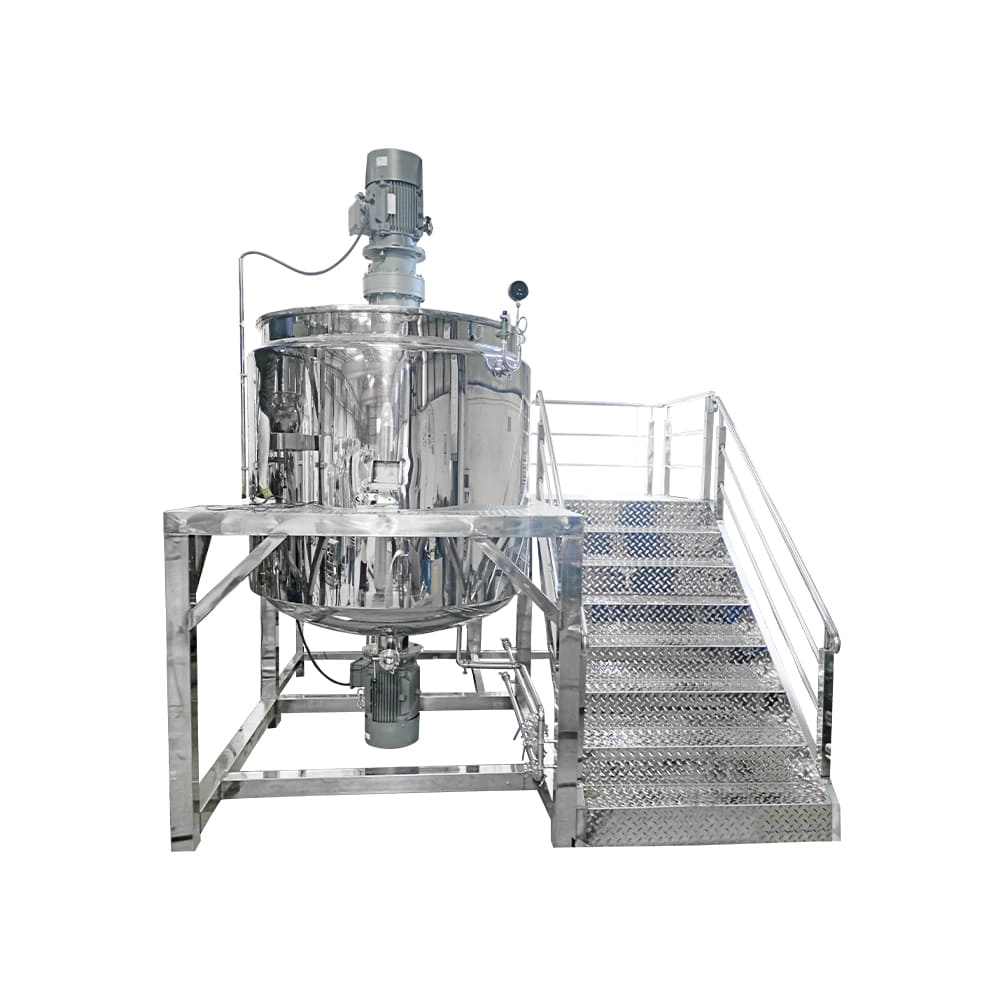
آلة خلط الصابون السائل للبيع
خلاط الصابون السائل "يوانيانغ" هو خلاط صناعي متجانس لإنتاج الصابون السائل. صُمم هذا الخلاط بشكل رئيسي لإنتاج منتجات سائلة مثل الشامبو، وغسول الجسم، ومنظفات الغسيل، وصابون الأطباق، ومعقم اليدين، وغيرها من السوائل الكثيفة.
سمات:
⦁ غطاء مسطح، نصف مفتوح، نظام تحكم كهربائي.
⦁ مناسب لمختلف منتجات التنظيف السائلة والصلصات.
⦁ تحريك مكشطة جدار PTFE في الأعلى، ومجانسة القص العالية في الأسفل.
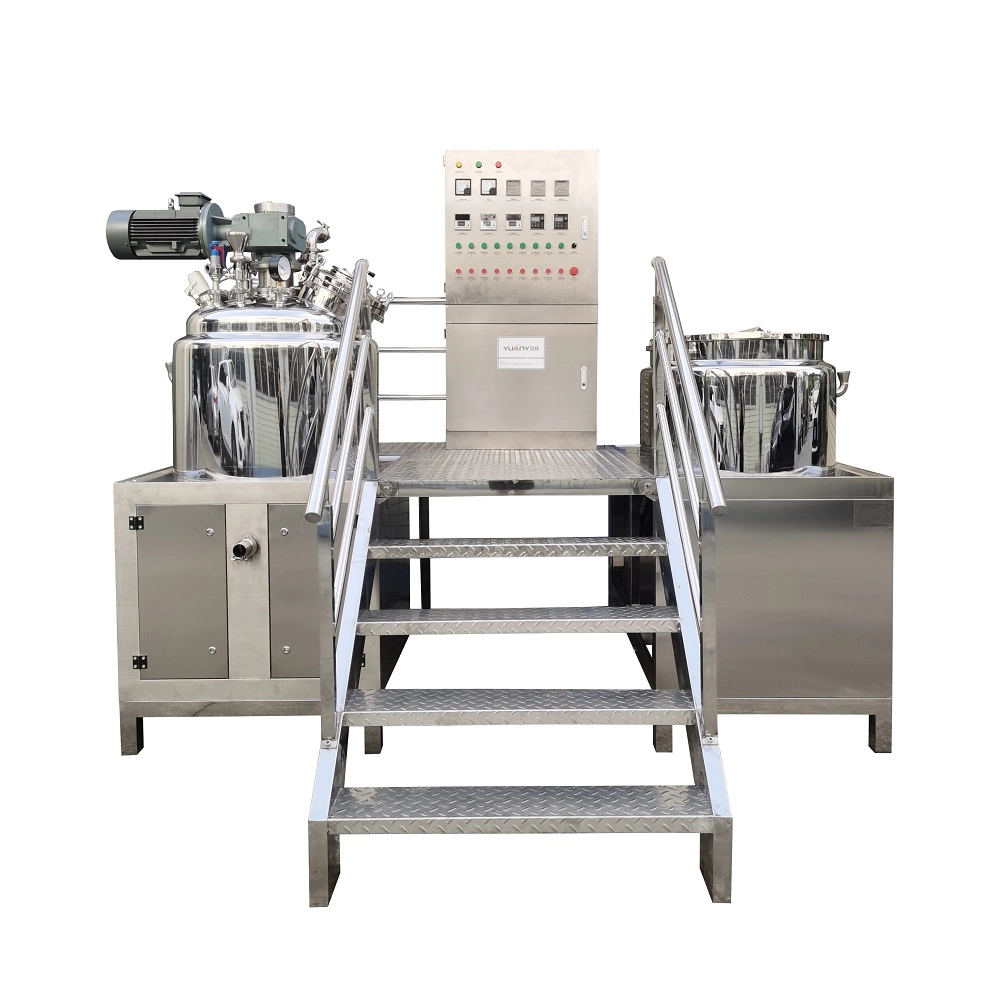
آلة صنع مستحضرات التجميل
آلة صنع مستحضرات التجميل Yuanyang هي عبارة عن معدات خلط مشتركة مع خزان التجانس الفراغي الرئيسي وخزان المياه وخزان الزيت، وهي معدات متكاملة مع نظام الخلط والتشتيت والتجانس والاستحلاب والتفريغ وامتصاص المسحوق الذي يستخدم على نطاق واسع في مستحضرات التجميل والأغذية والأدوية والمجالات الكيميائية.
سمات:
⦁ مع غطاء ثابت ونظام فراغ ونظام تحكم كهربائي.
⦁ مناسب للمنتجات ذات اللزوجة 10,000~50,000 cps.
⦁ حجم الجسيمات المثالي 2 ميكرون وموزعة بالتساوي.
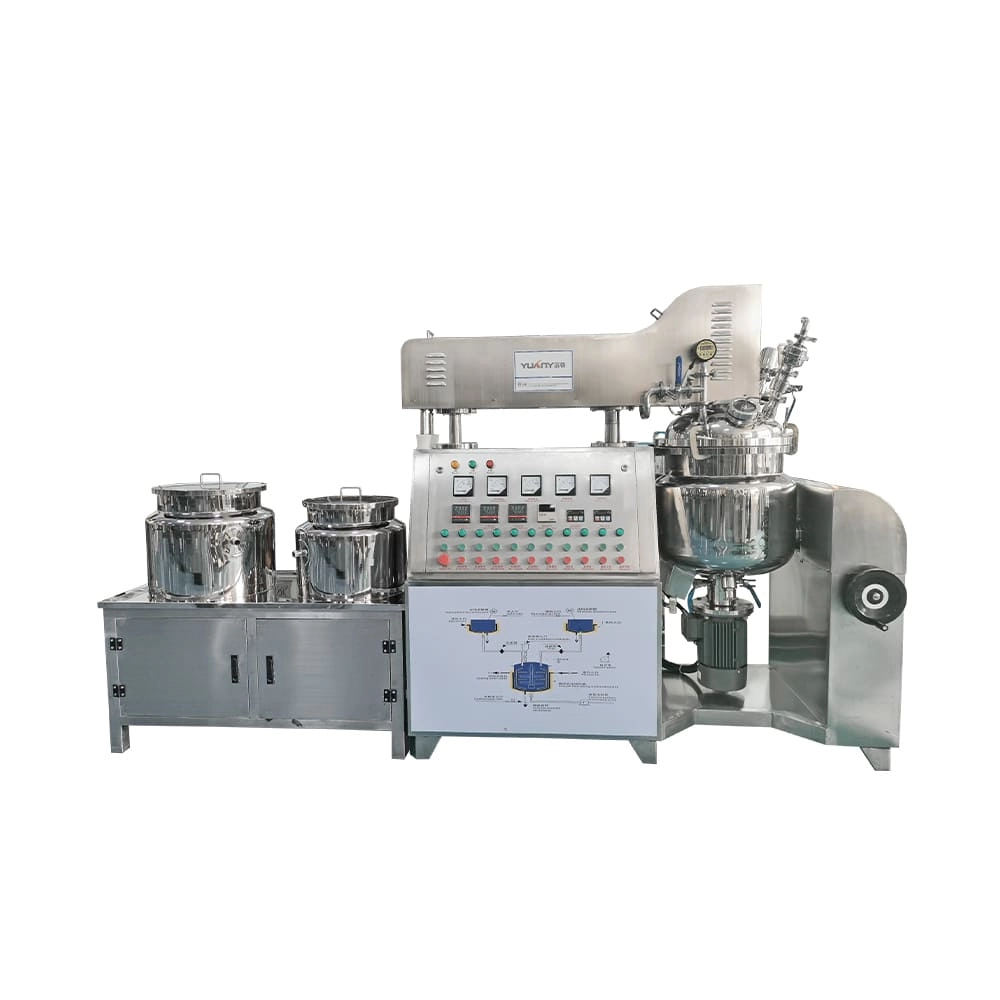
خلاط استحلاب مفرغ للبيع
خلاطة المستحلب الفراغية Yuanyang هي نوع من آلات المستحلب، وهي معدات إنتاج مستحضرات التجميل الأكثر شعبية لصنع الكريم ومنتجات العناية بالبشرة والمراهم والمعجون والمستحلبات.
سمات:
⦁ يتكون من وعاء الاستحلاب الرئيسي ووعاء الماء ووعاء الزيت.
⦁ مع نظام الرفع الهيدروليكي، ونظام الفراغ، ونظام التحكم الكهربائي.
⦁ مناسب للمنتجات ذات اللزوجة 10,000~50,000 cps.
⦁ حجم الجسيمات المثالي 2 ميكرون وموزعة بالتساوي.
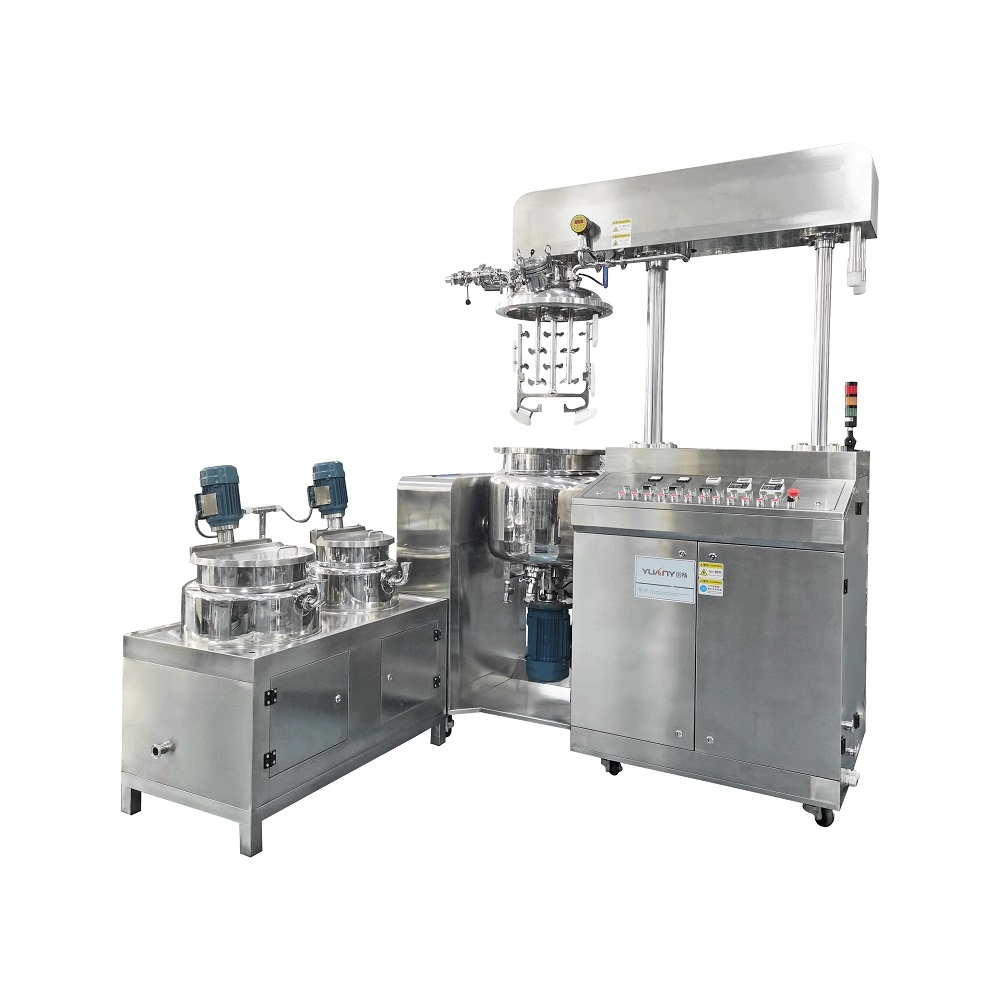
مستحلب تفريغ هيدروليكي سعة 50 لترًا
جهاز الاستحلاب الفراغي الهيدروليكي Yuanyang هو عبارة عن معدات خلط مشتركة مع خزان تجانس فراغي رئيسي وخزان مياه وخزان زيت، وهو عبارة عن معدات متكاملة مع نظام خلط وتشتيت وتجانس واستحلاب وتفريغ وامتصاص المسحوق يستخدم على نطاق واسع في مستحضرات التجميل والأغذية والأدوية والمجالات الكيميائية.
سمات:
⦁ مع غطاء رفع هيدروليكي ووعاء مائل ونظام فراغ ونظام تحكم كهربائي.
⦁ مناسب للمنتجات ذات اللزوجة 10,000~50,000 cps.
⦁ حجم الجسيمات المثالي 2 ميكرون وموزعة بالتساوي.
جميع الحقوق محفوظة © 2025 لشركة YUANYANG.
 مسح رمز الاستجابة السريعة
فيسبوك
يوتيوب
لينكد إن
واتساب: +8613434139712
قوانغتشو يوانيانغ الآلات