





Buying Guide: Vacuum Emulsifying Mixer for Sale — Key Specs
- Buying Guide: Vacuum Emulsifying Mixer for Sale — Key Specs
- Introduction: Why an emulsifying mixer matters for cosmetic and pharmaceutical production
- Product snapshot: Vacuum Emulsifying Mixer for Sale — Yuanyang
- Key specification 1 — Vessel capacity and batch size (emulsifying mixer)
- Key specification 2 — Emulsifying and homogenizing system (critical for emulsifying mixer)
- Key specification 3 — Vacuum system and degassing (essential for emulsifying mixer)
- Key specification 4 — Heating/cooling jacket and temperature control
- Key specification 5 — Material, surface finish and sanitary design
- Key specification 6 — Mechanical features: hydraulic lifting, sealing, and CIP (emulsifying mixer)
- Key specification 7 — Electrical & control system (automation)
- Key specification 8 — Viscosity range & shear capability
- Key performance table: typical specs to compare when evaluating emulsifying mixers
- How to match machine specs to your product (practical selection guide)
- Operation and maintenance considerations (extend equipment lifetime)
- Quality, safety and regulatory points (GMP-ready emulsifying mixer)
- Cost-of-ownership considerations
- Why the Yuanyang Vacuum Emulsifying Mixer for Sale may be a good choice
- Buying tips and supplier checklist for an emulsifying mixer
- FAQ — Frequently Asked Questions (Vacuum Emulsifying Mixer for Sale)
- Q1: What is the main advantage of a vacuum emulsifying mixer compared with a standard mixer?
- Q2: What particle size can I expect from a vacuum emulsifying mixer?
- Q3: Can the machine handle very high-viscosity products?
- Q4: How important is CIP and sanitary design for cosmetics?
- Q5: What documents should I request from the supplier?
- Contact us / View product
- Authoritative references
- Final notes
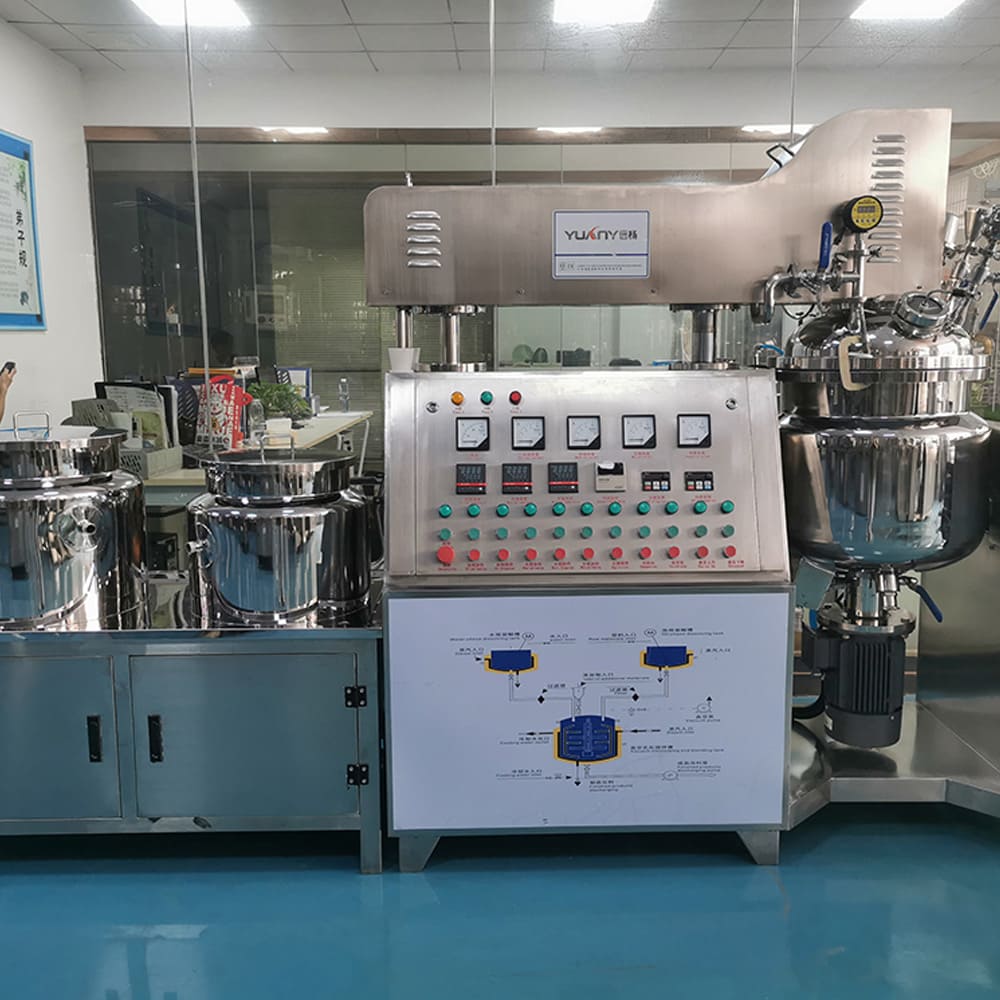
Buying Guide: Vacuum Emulsifying Mixer for Sale — Key Specs
Introduction: Why an emulsifying mixer matters for cosmetic and pharmaceutical production
An emulsifying mixer is the backbone of modern cream, lotion, ointment and emulsion production. When you search for a Vacuum Emulsifying Mixer for Sale, you are looking not just for equipment but for stable product quality, repeatable particle size distribution, good texture and long shelf life. This guide explains the key specifications and buying considerations to help you match machine performance with your formula and production goals. After exploring the buying guide: vacuum emulsifying mixer for sale — key specs, it's important to track production KPIs: measuring emulsifying mixer performance to ensure your investment meets output expectations.
Product snapshot: Vacuum Emulsifying Mixer for Sale — Yuanyang
Yuanyang vacuum emulsifying mixer is a kind of emulsifier machine, the most popular cosmetics production equipment for making cream, skin-care products, ointment, paste, and emulsions.
Features:
⦁ Composed of a main emulsifying pot, a water pot, and an oil pot.
⦁ With a hydraulic lifting system, vacuum system, and electric control system.
⦁ Suitable for products of 10,000~50,000 cps viscosity.
⦁ Perfect particle size of 2 microns and evenly distributed.
Key specification 1 — Vessel capacity and batch size (emulsifying mixer)
Choosing the correct vessel capacity is the first step. The right size depends on your intended batch quantity and process yield. Typical approaches:
- Labor/pilot scale: 5–50 L — used for R&D and small-batch specialty cosmetics.
- Small production: 50–200 L — boutique brands and contract manufacturers.
- Medium production: 300–1000 L — commercial cosmetic factories.
- Large production: 1000 L+ — high-volume manufacturers.
Rule of thumb: choose a pot at least 20–30% larger than your target batch volume to allow headspace for mixing, heating and vacuum operations. The emulsifying mixer’s performance (homogenizer capacity, motor power) must be proportionate to vessel size.
Key specification 2 — Emulsifying and homogenizing system (critical for emulsifying mixer)
The emulsifying system determines droplet size distribution, texture and stability. Typical mechanisms:
- Rotor–stator high-shear homogenizer: common, efficient for creams and lotions.
- High-pressure homogenizer: achieves submicron particles but is more complex and costly.
- Planetary mixing plus high-shear head: good for viscous pastes and ointments.
For cosmetic creams, aim for a homogenizer capable of delivering a final particle size around 1–5 microns — Yuanyang claims a 2-micron particle size, which is within the ideal range for smooth sensory properties.
Key specification 3 — Vacuum system and degassing (essential for emulsifying mixer)
A vacuum system is essential for removing entrapped air and improving product stability. Consider:
- Vacuum depth (mbar): deeper vacuum removes more air but requires stronger seals and design.
- Vacuum pump type: rotary vane or dry pumps are common; dry pumps reduce oil contamination risk.
- Degassing controls: automatic vacuum cycles or manual operation.
Products with foaming ingredients or transparent gels benefit significantly from a reliable vacuum function to avoid bubbles and improve finish.
Key specification 4 — Heating/cooling jacket and temperature control
Temperature control affects product consistency and the kinetics of emulsification. Look for:
- Efficient jacketed heating/cooling with good thermal transfer (use of steam, hot water, thermal oil, or glycol).
- Independent temperature control for oil and water pots to manage phase preparation.
- Accurate PID temperature controllers and sensors (±1 °C typical).
Precise temperature control reduces batch-to-batch variation and shortens processing time.
Key specification 5 — Material, surface finish and sanitary design
Materials and surface finish directly impact hygiene, regulatory compliance and cleaning time.
- Material: stainless steel 316L for high corrosion resistance (especially if acids or salts used); 304 acceptable for many cosmetic formulations.
- Surface finish: mirror polish (Ra ≤ 0.4 μm) in product-contact areas for easier cleaning and to reduce microbial hold-up.
- Welding and seams: sanitary welds, rounded corners, CIP-compatible designs.
Key specification 6 — Mechanical features: hydraulic lifting, sealing, and CIP (emulsifying mixer)
Operational convenience and maintenance depend on mechanical design:
- Hydraulic lifting: makes the emulsifying head accessible for inspection and cleaning; essential for routine maintenance.
- Mechanical seals: choose proven seal designs (e.g., double mechanical seals) to prevent leaks under vacuum.
- CIP/SIP compatibility: reduces downtime and supports GMP cleaning cycles.
Key specification 7 — Electrical & control system (automation)
Modern emulsifying mixers include PLC controls, touchscreens, and recipe storage:
- PLC + HMI: for repeatability and operator-friendly control.
- Recipe memory and data logging: helpful for process validation and troubleshooting.
- Safety interlocks and emergency stop systems to protect operators and equipment.
Key specification 8 — Viscosity range & shear capability
Not all mixers handle the same viscosity: Yuanyang indicates suitability for 10,000–50,000 cps, which covers many creams and ointments. Check:
- Motor power and torque: higher viscosity requires greater torque and robust gear reducers.
- Agitator design: anchor, scraper, or ribbon agitators for very viscous formulations.
Key performance table: typical specs to compare when evaluating emulsifying mixers
| Specification | Small/R&D | Medium Production | Large/High Volume |
|---|---|---|---|
| Batch volume | 5–50 L | 200–1000 L | 1000–5000+ L |
| Homogenizing power | 1–5 kW | 7.5–30 kW | 30–100+ kW |
| Target particle size | 1–5 μm | 1–3 μm | 0.5–3 μm (with high-pressure systems) |
| Viscosity range | 1,000–20,000 cps | 5,000–50,000 cps | 10,000–100,000 cps |
| Vacuum capability | Good | Excellent | Robust, continuous degassing |
How to match machine specs to your product (practical selection guide)
Step-by-step approach:
- Define target batch volume and expected growth for 3–5 years.
- Test formulations on a pilot emulsifying mixer to measure viscosity, shear sensitivity and degassing need.
- Specify target particle size and shelf-life goals; confirm homogenizer type can reach that size.
- Check material compatibility (stainless grade) and surface finish requirements for regulatory compliance.
- Factor in cleaning cycles and downtime — CIP capability reduces labor cost.
- Request IQ/OQ documentation, spare parts list, and maintenance schedule from the supplier.
Operation and maintenance considerations (extend equipment lifetime)
To keep a vacuum emulsifying mixer running reliably:
- Implement a preventive maintenance plan focusing on seals, bearings and vacuum pump oil/service intervals.
- Keep spare mechanical seals and homogenizer wear rings on hand.
- Train operators on start-up/shut-down, vacuum usage and safe cleaning methods.
- Use recommended lubricants and maintain glycol/thermal fluid quality for heating/cooling loops.
Quality, safety and regulatory points (GMP-ready emulsifying mixer)
For cosmetics and topical pharmaceuticals, compliance supports market acceptance and safety:
- Material certificates (e.g., 316L stainless steel certificate) and surface finish reports.
- GMP-compatible design, CIP/SIP capability, and sanitary fittings (Tri-Clamp).
- Validation documentation (IQ/OQ) and traceable components for audits.
- Electrical safety certifications (CE, UL) and machine guarding for operator safety.
Cost-of-ownership considerations
Upfront price is only part of the picture. Consider:
- Energy consumption of motors and vacuum pumps.
- Spare parts and typical wear components (homogenizer heads, seals).
- Downtime losses — choose designs that minimize cleaning and changeover time.
- After-sales service availability and training costs.
Why the Yuanyang Vacuum Emulsifying Mixer for Sale may be a good choice
Yuanyang’s vacuum emulsifying mixer is designed for cosmetic production and highlights several practical advantages for medium-scale manufacturers:
- Three-pot design (main emulsifying pot, water pot, oil pot) simplifies phase preparation and reduces transfer losses.
- Hydraulic lifting system eases access for cleaning and maintenance, lowering downtime.
- Integrated vacuum and electric control systems provide repeatable degassing and process control.
- Suitable viscosity range of 10,000–50,000 cps covers many creams and ointments used in cosmetics.
- Claims a 2-micron particle size which meets expectations for smooth texture in skin-care products.
Buying tips and supplier checklist for an emulsifying mixer
Ask suppliers for the following before purchase:
- Detailed technical datasheet and performance curves (motor kW, homogenizer RPM/pressure).
- References for similar installations and customer testimonials.
- Spare parts list and lead times for wear items.
- Warranty terms, preventive maintenance packages and on-site training options.
- Validation documents (material certificates, test reports, IQ/OQ templates).
FAQ — Frequently Asked Questions (Vacuum Emulsifying Mixer for Sale)
Q1: What is the main advantage of a vacuum emulsifying mixer compared with a standard mixer?
A vacuum emulsifying mixer removes entrapped air and volatile gases during emulsification, resulting in smoother texture, improved stability and reduced oxidation. It also improves product appearance by preventing bubbles.
Q2: What particle size can I expect from a vacuum emulsifying mixer?
Particle size depends on homogenizer type and power. Typical cosmetic emulsions achieve 1–5 μm; Yuanyang specifies around 2 μm for its unit, which is appropriate for creams and lotions.
Q3: Can the machine handle very high-viscosity products?
Yes, but you must select an emulsifying mixer with appropriate motor torque, agitator design (scrapers/anchors) and homogenizer capability. Yuanyang indicates suitability up to 50,000 cps for typical formulations.
Q4: How important is CIP and sanitary design for cosmetics?
Very important. CIP reduces manual cleaning time and contamination risk, which supports consistent quality and helps meet GMP requirements.
Q5: What documents should I request from the supplier?
Request material certificates, test reports, equipment drawings, IQ/OQ templates, spare parts list and control system specifications.
Contact us / View product
If you are ready to evaluate a Vacuum Emulsifying Mixer for Sale for your production line, contact our sales team for technical consultation, pilot testing options and quotations. We can provide performance data, validation documents and references tailored to your formula and output needs. Click to view product details or request a quote today.
Authoritative references
For further reading and industry standards, consult these authoritative sources:
- Emulsion — Wikipedia: https://en.wikipedia.org/wiki/Emulsion
- Mixing (chemical engineering) — Wikipedia: https://en.wikipedia.org/wiki/Mixing_(chemical_engineering)
- High shear mixing — Encyclopedia / technical overviews: https://en.wikipedia.org/wiki/Homogenizer
- U.S. Food and Drug Administration — Cosmetics: https://www.fda.gov/cosmetics
- European Commission — Cosmetics Ingredients and Safety: https://ec.europa.eu/growth/sectors/cosmetics_en
Final notes
Choosing the right Vacuum Emulsifying Mixer for Sale requires balancing batch size, desired particle size, viscosity handling, vacuum capability and sanitary design. Use the checklist and tables above to create a clear specification and align supplier proposals to measurable performance metrics. A properly selected emulsifying mixer will improve product quality, reduce waste and support long-term production goals.
OEM/ODM screw feeder for powder Manufacturers and Suppliers
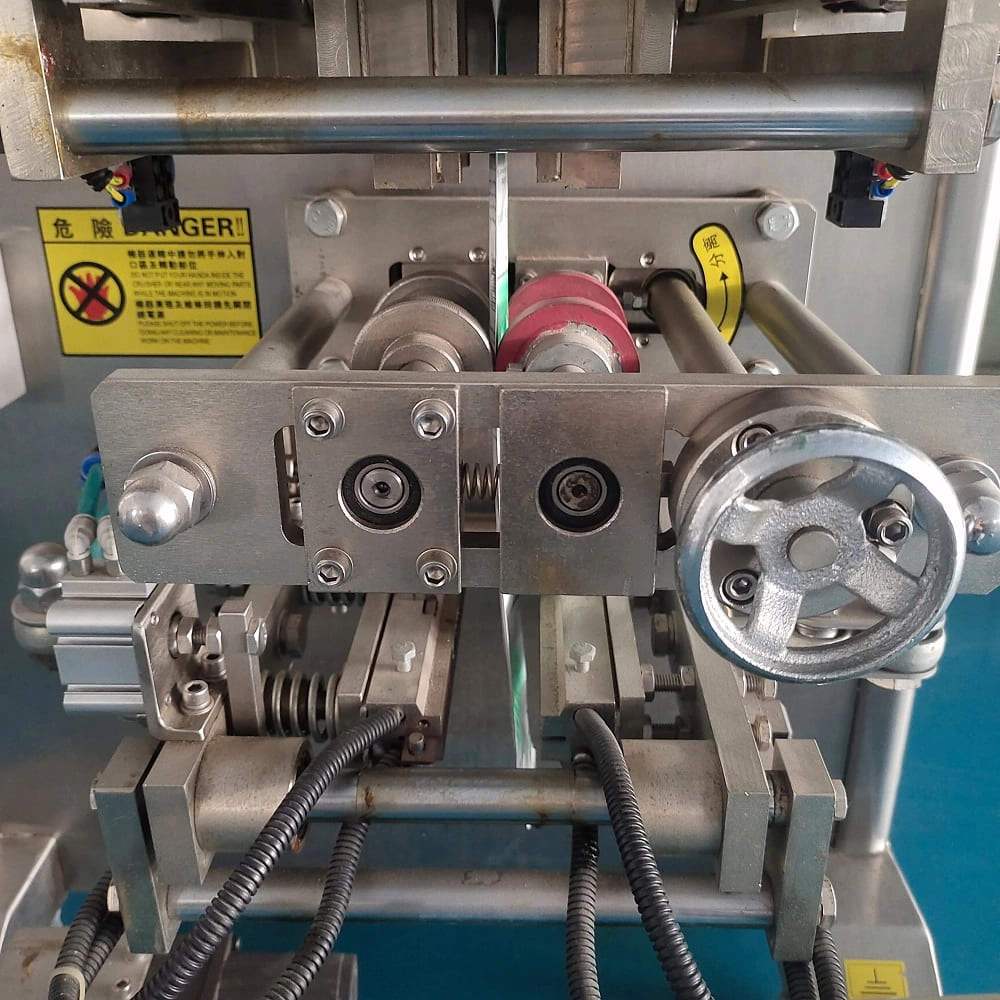
Comparing Sachet Packaging Machine Types and Uses
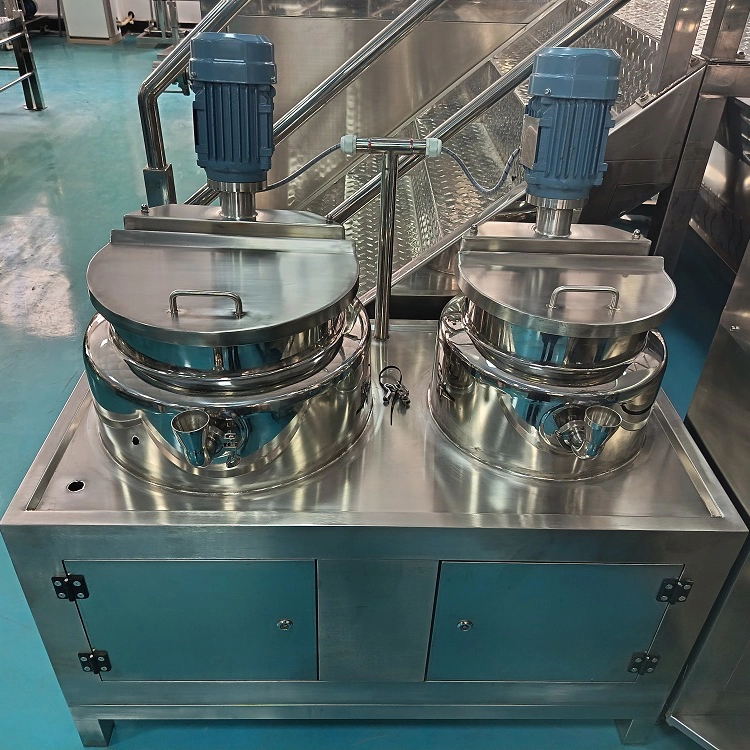
Common Troubleshooting for 50L Vacuum Emulsifiers
Everything You Need to Know About pharmaceutical filling machines
Homogenizer Mixing Tank with Circulation System
I don’t need homogenizer, can you reduce it?
Yes, the homogenizer is an optional function, whether clients need it depends on your own products.
Desktop Labeling Machine
What types bottles are suitable for this automatic labeling machine?
The automatic labeling machine for bottles is suitable for round bottles, jars, cans, bucket. It is a round bottle labeling machine.
Liquid Mixing Tank
Can the agitator speed be adjustable with VFD?
Yes,the agitator mixer is equipped with frequency converter. Speed can be variable by adjusting the speed regulation panel. If you want to save cost, or not variable speed is needed, there is no need to add VFD device.
Vertical Filling Machine
Can it fill 10 liters bottle?
No, the biggest filling volume is 5L. But you can fill twice to achieve you target. Over 5L, another drum filling machine will be recommended.
Horizontal Filling Machine
Can the hose be used to fill high temperature liquids?
The hose can bear 70 degree temperature.
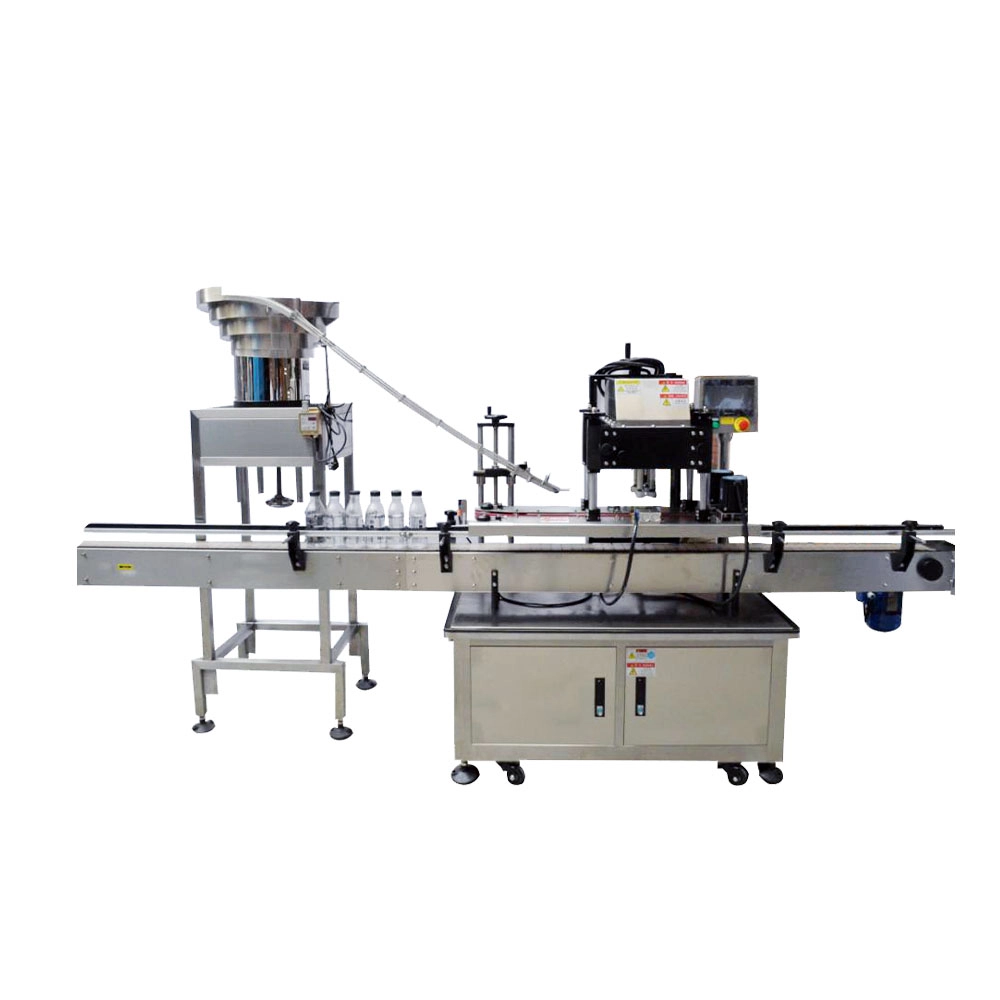
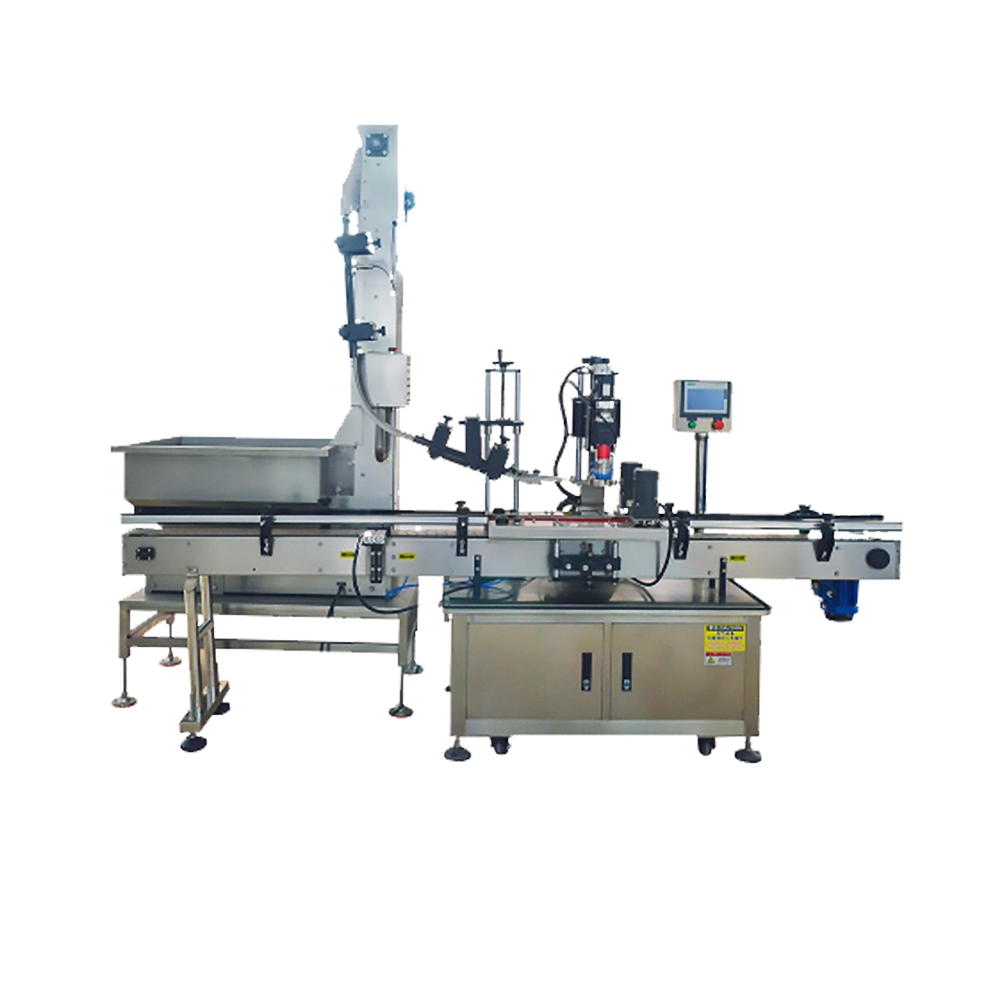
Automatic Plastic Caps Capping Machine with Vibrating Cap Feeder for Sale
Yuanyang automatic screw capping machine is a kind of four-wheel bottle capping machine. The automatic screw capper is often used to close lids of containers such as bottles and jars, especially for plastic bottles, which are widely used in food, medicine, chemical, cosmetic, and other industries for mass production and continuous production lines.
Features:
⦁ Full pneumatic drive;
⦁ Automated fast speed;
⦁ Suitable for various screw caps, pumps, and spray bottles.
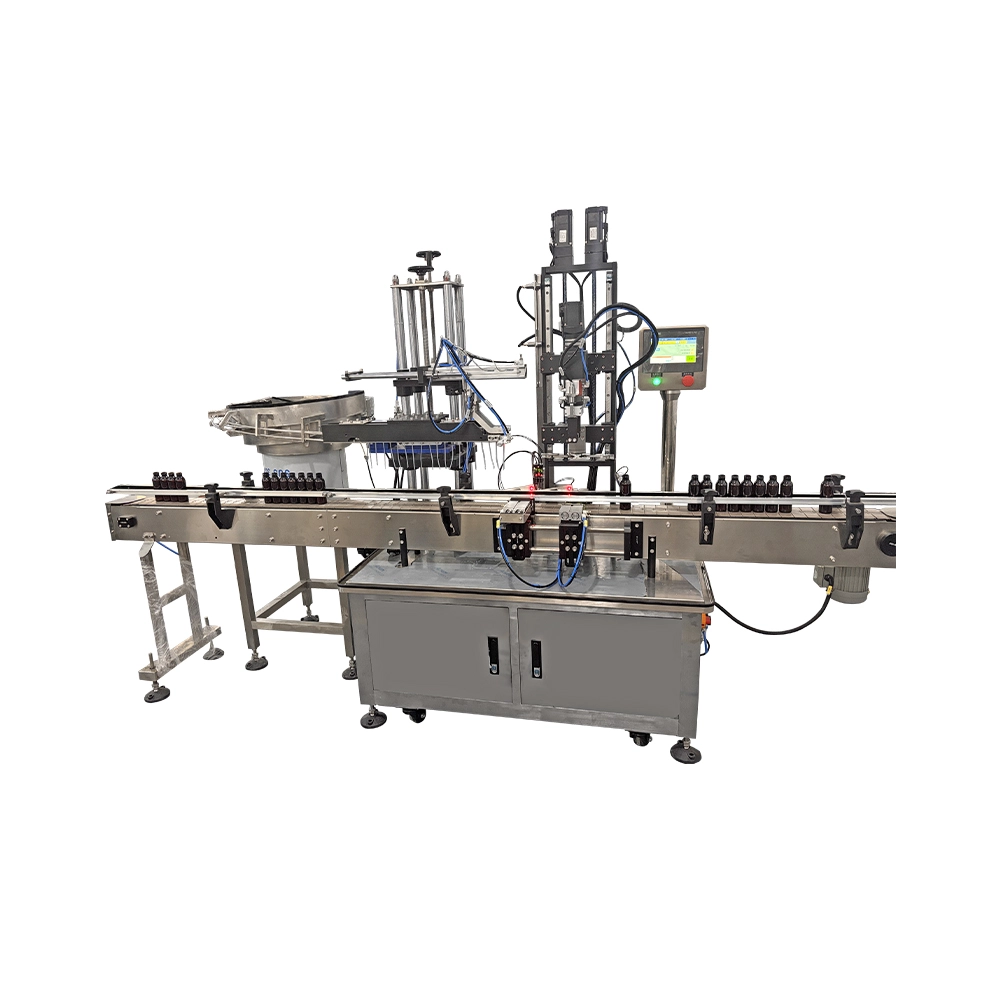
Automatic Metal Caps Capping Machine for Sale
Yuanyang automatic metal cap capping machine is a bottle capper for bottles with metal caps, which is often used to close lids of containers such as bottles and jars. The glass bottle metal capping machine is widely used in food, medicine, chemical, cosmetic, and other industries for mass production and continuous production line .
Features:
⦁ Pneumatic and electric drive;
⦁ Automated fast speed;
⦁ Suitable for glass bottles with metal caps.
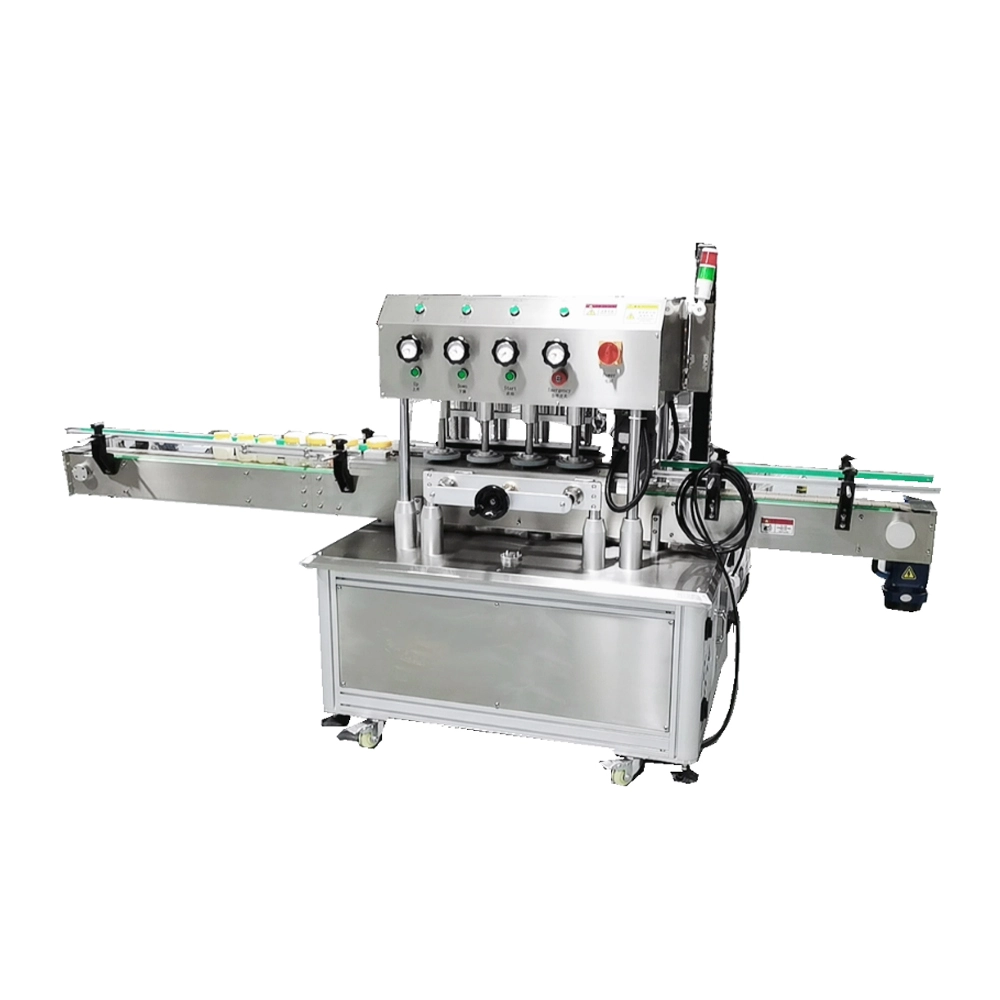
Automatic Pump Head Feeding and Capping Machine for Sale
Yuanyang automatic pump head feeding and capping machine is a bottle cap sorter and capper for bottles with pump heads, which is often used to close lids of containers such as nail polish, sprayers, and shampoo. The capping machine with a pump head feeder is widely used in food, medicine, chemical, cosmetic, and other industries for mass production and continuous production line .
Features:
⦁ Pneumatic and electric drive;
⦁ Automated fast speed;
⦁ Suitable for various types of caps.
Automatic High Speed Capping Machine for Sale
The Yuanyang automatic high-speed capping machine is a kind of 8-wheel bottle-capping machine with fast working efficiency. The automatic capper is often used to close lids of containers such as bottles and jars, especially for plastic bottles, which are widely used in food, medicine, chemical, cosmetic, and other industries for mass production and continuous production lines.
Features:
⦁ Electric drive;
⦁ Automated fast speed;
⦁ Suitable for various screw caps, pumps, and spray bottles.
 Scan QR Code
Facebook
YouTube
LinkedIn
Whatsapp: +8613434139712
Guangzhou Yuanyang Machinery