





Liquid Sachet Packaging Machine: What Buyers Need
- Key machine types and how they affect your choice
- Vertical form-fill-seal (VFFS) sachet machines explained
- Pre-made pouch (PMP) sachet machines
- Multi-lane and rotary systems for high throughput
- Filling technologies and accuracy considerations
- Piston vs pump vs gravity fillers: pros and cons
- Comparison table: common filler types
- Viscosity, particulates and non-Newtonian fluids
- Design, materials and regulatory compliance
- Sanitary design, materials of construction and maintenance
- Regulatory frameworks and quality systems
- Validation, traceability and documentation
- Performance metrics, TCO and supplier selection
- Key performance indicators to measure
- Total cost of ownership (TCO) and ROI
- Evaluating suppliers and after-sales support
- Practical considerations: plant layout, changeovers and quality control
- Line integration and footprint
- Changeovers and tooling
- In-line quality checks and rejection
- Product highlight: Sachet Packaging Machine for Sale
- Frequently Asked Questions (FAQ)
- 1. What is the best sachet packaging machine for liquids?
- 2. How accurate are liquid sachet machines?
- 3. How do I ensure regulatory compliance?
- 4. What maintenance should I expect?
- 5. Can I test my product on a demo machine?
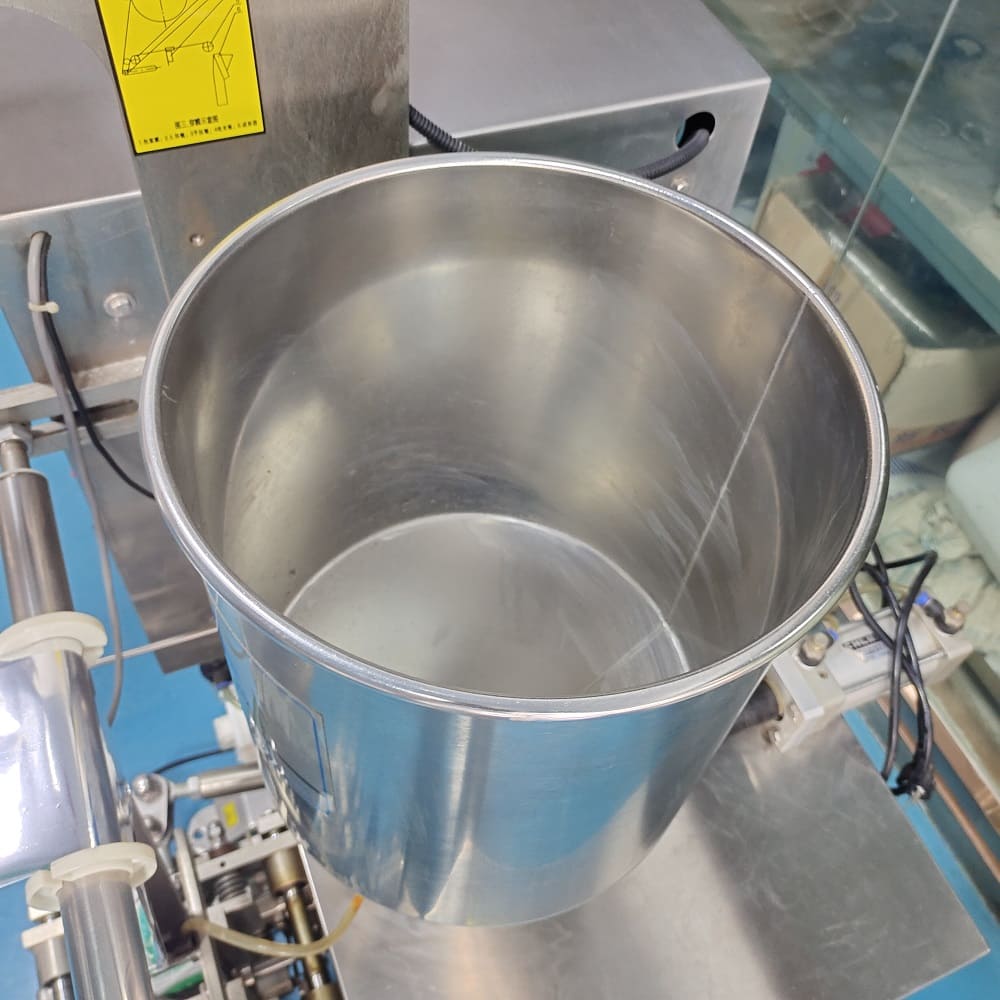
The Liquid Sachet Packaging Machine is a core asset for producers needing reliable single-dose and small bag packaging of liquids, gels and low-viscosity pastes. Buyers should evaluate filling technology, sealing method, control system, material compatibility, sanitary design and regulatory compliance to ensure consistent fill accuracy, high throughput, and low downtime across food, pharmaceutical and chemical lines. This guide provides actionable buying criteria and real-world comparisons to help procurement, engineering and quality teams choose the right sachet packaging machine for sale.
Key machine types and how they affect your choice
Vertical form-fill-seal (VFFS) sachet machines explained
Vertical form-fill-seal sachet packaging machines are widely used for liquids and single-dose consumer items. They form a sachet from rollstock film, fill it with measured liquid, then seal and cut. VFFS designs are compact, good for a variety of film materials (laminates, PE, PET), and allow continuous operation. For liquids, VFFS is typically combined with an appropriate liquid dosing system (piston, peristaltic pump, or gear pump) to control volume and minimize dripping.
Pre-made pouch (PMP) sachet machines
PMP machines pick up pre-made sachets and perform filling and sealing. They are ideal when you require complex pouch shapes, printing/lamination already applied, or cold-seal materials. PMP systems can offer faster changeovers for frequent size changes but need inventory management for pre-made pouches.
Multi-lane and rotary systems for high throughput
When throughput is critical, multi-lane sachet packaging machines, rotary fillers, or multi-nozzle arrays are common. These machines split the film into multiple lanes or employ multiple filling heads to multiply output without increasing cycle frequency. Evaluate lane synchronization, film tension control and seal integrity across lanes to avoid rejects.
Filling technologies and accuracy considerations
Piston vs pump vs gravity fillers: pros and cons
Choosing the right liquid filling method is essential for accuracy and reliability. Piston fillers provide high volumetric accuracy and work well with viscous liquids and suspensions. Peristaltic and gear pumps excel with corrosive or shear-sensitive fluids and allow fast changeover and easy sanitation. Gravity fillers are simple and low-cost but depend on head pressure and are less accurate for small volumes.
Comparison table: common filler types
| Filler type | Best for | Typical accuracy | Maintenance | Typical speed |
|---|---|---|---|---|
| Piston filler | Viscous liquids, creams, suspensions | ±0.5% to ±2% | Medium (seals, valves) | Medium |
| Peristaltic pump | Corrosive or shear-sensitive liquids | ±1% to ±3% | Low (tubes wear) | Medium to high |
| Gear/rotary pump | Low- to medium-viscosity liquids | ±1% to ±2% | Medium | High |
| Gravity filler | Thin, free-flowing liquids | ±2% to ±5% | Low | Low to medium |
Source: industry best practices and manufacturer specifications. For regulatory context on food-contact materials and safety, refer to the FDA guidance on food packaging and food contact substances (FDA - Food contact substances).
Viscosity, particulates and non-Newtonian fluids
Match your filling technology to product rheology. High-viscosity or shear-thinning formulations typically need piston or positive displacement pumps. If your liquid contains particulates (herbs, seeds), ensure nozzle diameter and valve design prevent clogging. Discuss CIP (clean-in-place) capabilities for your chosen filler with suppliers.
Design, materials and regulatory compliance
Sanitary design, materials of construction and maintenance
For food, pharmaceutical, or personal care products, sanitary design is non-negotiable. Look for stainless-steel 316L contact parts, welds with smooth finishes, minimal dead legs, and easily removable components for cleaning. Drives and electrical enclosures should be sealed to IP standards suitable for washdown. A hygienic sachet packaging machine reduces contamination risk and simplifies validation.
Regulatory frameworks and quality systems
Buyers should confirm the machine and supplier support compliance with relevant standards. ISO 9001 demonstrates supplier quality management (ISO - Quality Management). For foods, consult FDA's food packaging guidance above. For pharmaceuticals and sterile products, align with Good Manufacturing Practices (GMP) and WHO guidance on GMP (WHO - GMP).
Validation, traceability and documentation
Request factory acceptance tests (FAT), IQ/OQ documentation, calibration certificates for dosing systems, and machine drawings. Ensure the control system supports batch traceability, product recipes, and secure user management. This is critical for audits and recalls.
Performance metrics, TCO and supplier selection
Key performance indicators to measure
When evaluating machines, track: net throughput (packs/min), scrap/reject rate, fill accuracy, uptime/availability, and mean time to repair (MTTR). Verify test data with the vendor and, if possible, see the machine running with your product (on-site demo or pilot run).
Total cost of ownership (TCO) and ROI
TCO includes purchase price, installation, spare parts, tooling (sealing jaws, nozzles), annual maintenance, energy consumption, and consumables (sealing bars, sensors). Faster machines might cost more upfront but can deliver lower cost per sachet. Build a 3- to 5-year TCO model to estimate payback based on expected volumes and labor savings.
Evaluating suppliers and after-sales support
Prioritize suppliers who provide spare parts availability, remote support (VPN, PLC access), field service, training, and warranty. Verify references in your industry and region. Trade bodies like PMMI provide resources and standards that reputable suppliers follow (PMMI - Association for Packaging and Processing Technologies).
Practical considerations: plant layout, changeovers and quality control
Line integration and footprint
Plan machine placement considering infeed conveyors, upstream filling or dosing tanks, and downstream secondary packaging (cartoning or case packing). Pay attention to operator access, service clearance, and material roll replacement zones. Compact machines save floor space but may complicate maintenance access.
Changeovers and tooling
If you run multiple sachet sizes or formats, quick-change systems, recipe-driven servos, and modular forming sets reduce downtime. Ask suppliers for typical changeover times and whether change parts are tool-less. For small runs, PMP systems that accept pre-made pouches can shorten changeovers.
In-line quality checks and rejection
Incorporate weight checkers, metal detectors, X-ray, and visual inspection stations depending on product risk. Verify that the sachet packaging machine integrates with reject systems and records inspection data for QA documentation.
Product highlight: Sachet Packaging Machine for Sale
Yuanyang sachet packaging machine is a kind of automatic equipment, mainly used for measuring, filling, and sealing small bag packing materials. The sachet packing machine has become an indispensable piece of equipment in modern production for food, medicine, chemicals, and other fields.
Features:
- Microcomputer controlled;
- Automated fast speed;
- Multi-function integration.
This model supports a variety of liquid filling modules and can be configured with piston, peristaltic or gear pump fillers. It is suitable for single-dose liquid sachets of sauces, sanitizers, pharmaceuticals, cosmetics and chemical samples. Request FAT data and an on-site demonstration with your product to confirm performance.
Frequently Asked Questions (FAQ)
1. What is the best sachet packaging machine for liquids?
There is no one-size-fits-all answer. The best machine depends on product viscosity, particulates, required throughput, pouch format (VFFS vs pre-made), and regulatory needs. For viscous products, piston fillers are preferred; for corrosive or shear-sensitive liquids, peristaltic pumps often work better.
2. How accurate are liquid sachet machines?
Accuracy depends on filler type and machine calibration. Piston and gear pumps can achieve ±0.5% to ±2% for most liquid volumes. Smaller doses (1–5 ml) will have proportionally higher percentage variation; always validate with your product.
3. How do I ensure regulatory compliance?
Choose machines with sanitary design, stainless-steel contact parts, and documented IQ/OQ. Ensure the supplier adheres to quality systems such as ISO 9001, and apply GMP principles if producing pharmaceuticals. Refer to regulatory sources like ISO (ISO 9001) and FDA guidance on food contact (FDA - Food contact substances).
4. What maintenance should I expect?
Routine maintenance includes seal and valve replacement, pump tubing swaps (for peristaltic), lubrication of moving parts, sensor cleaning, and occasional vacuum system checks. Establish a preventive maintenance schedule with the vendor and keep a parts stock for wear items.
5. Can I test my product on a demo machine?
Reputable suppliers offer on-site demos or pilot runs. Request testing with your exact formulation, film stock, and target sachet sizes. A pilot run provides the most reliable verification of fill accuracy, sealing, and throughput.
If you are ready to see the machine specifications or schedule a pilot run, contact our sales team or view the product page for the Sachet Packaging Machine for Sale: Sachet Packaging Machine for Sale. For compliance and technical questions, our engineering team can provide IQ/OQ templates and FAT checklists.
References and further reading: Packaging machine - Wikipedia, ISO - Quality Management, FDA - Food contact substances, WHO - GMP, PMMI - Packaging association.
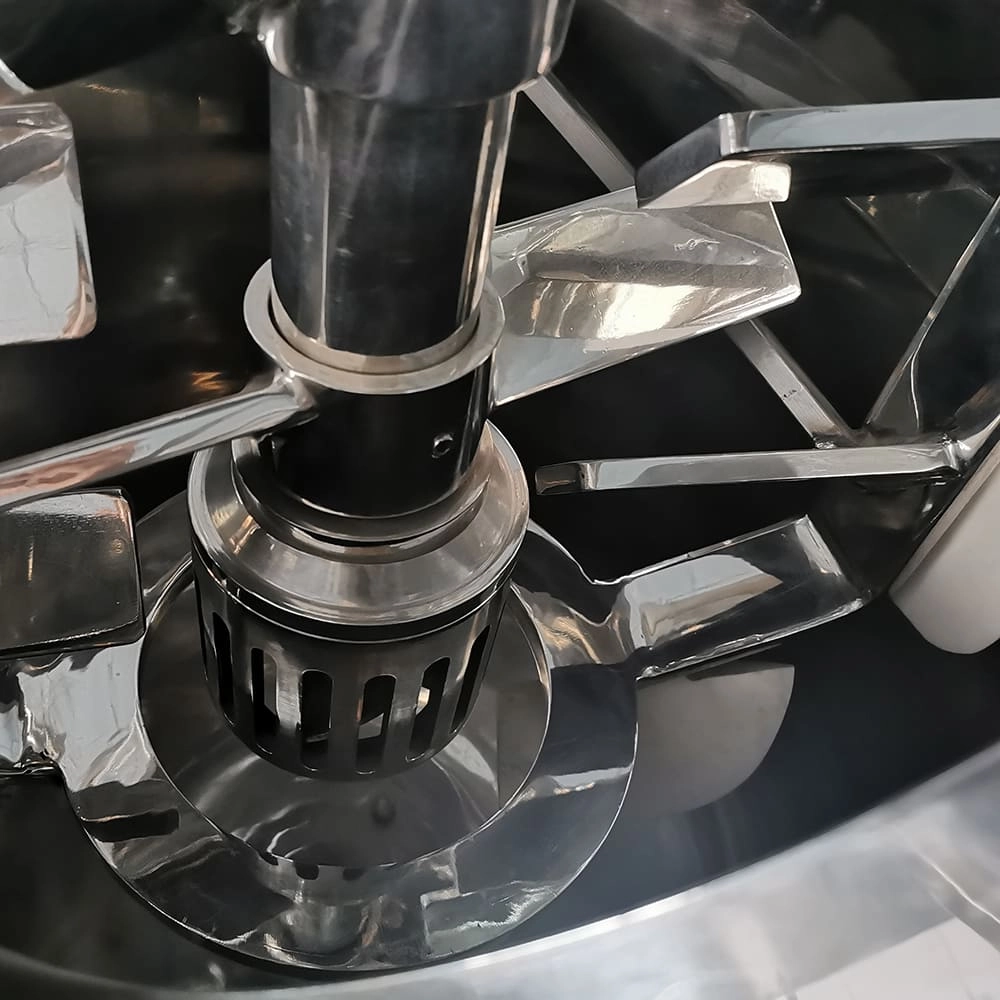
Hygienic Materials and Seals for Emulsifying Mixers
Everything You Need to Know About stainless steel liquid mixing tank maker
Top protein powder mixer Manufacturers and Suppliers in UK
Wholesale liquid detergent mixing tank manufacturer and supplier
Sealed Storage Tank
Can you add a card slot to put the name card of each kind of products.
Yes, there is indeed a card slot for the standard storage tanks.
Liquid Mixing Tank
Is there any temperature control? Can I set a targeted temperature?
Yes,there is temperature control display and controller on the control panel. Before heating operation, just set a temperature that you want, it can keep constant temperature;
Food
What are the maintenance cycles and requirements for the equipment?
The maintenance cycle and requirements vary depending on usage frequency and conditions. We provide detailed maintenance manuals and offer regular checkups and maintenance services as needed.
What raw materials can the equipment process?
Our equipment can process liquids, powders, solids, pastes, viscous materials, and high-viscosity substances, meeting a wide range of food production needs.
Washing Powder
Are the machines easy to clean and maintain?
Absolutely, our equipment is designed for easy disassembly and cleaning, ideal for frequent maintenance.
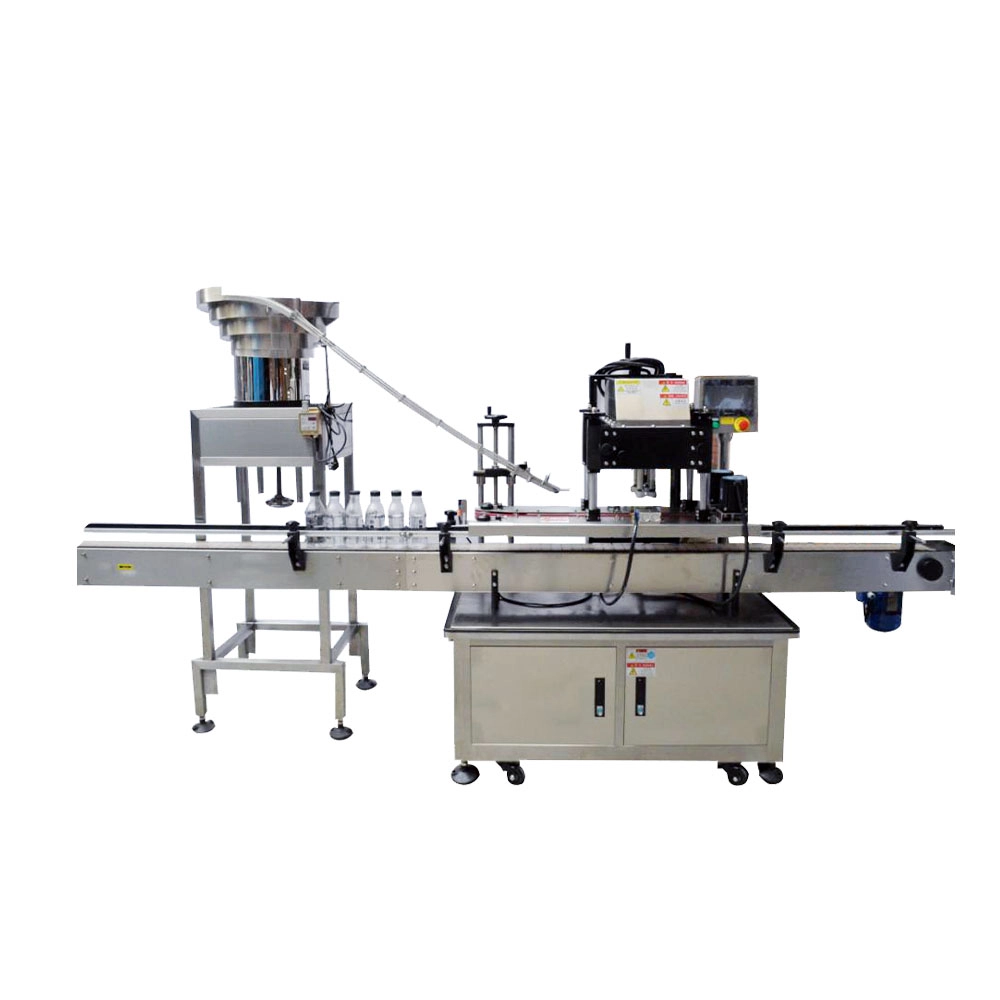
Automatic Plastic Caps Capping Machine with Vibrating Cap Feeder for Sale
Yuanyang automatic screw capping machine is a kind of four-wheel bottle capping machine. The automatic screw capper is often used to close lids of containers such as bottles and jars, especially for plastic bottles, which are widely used in food, medicine, chemical, cosmetic, and other industries for mass production and continuous production lines.
Features:
⦁ Full pneumatic drive;
⦁ Automated fast speed;
⦁ Suitable for various screw caps, pumps, and spray bottles.
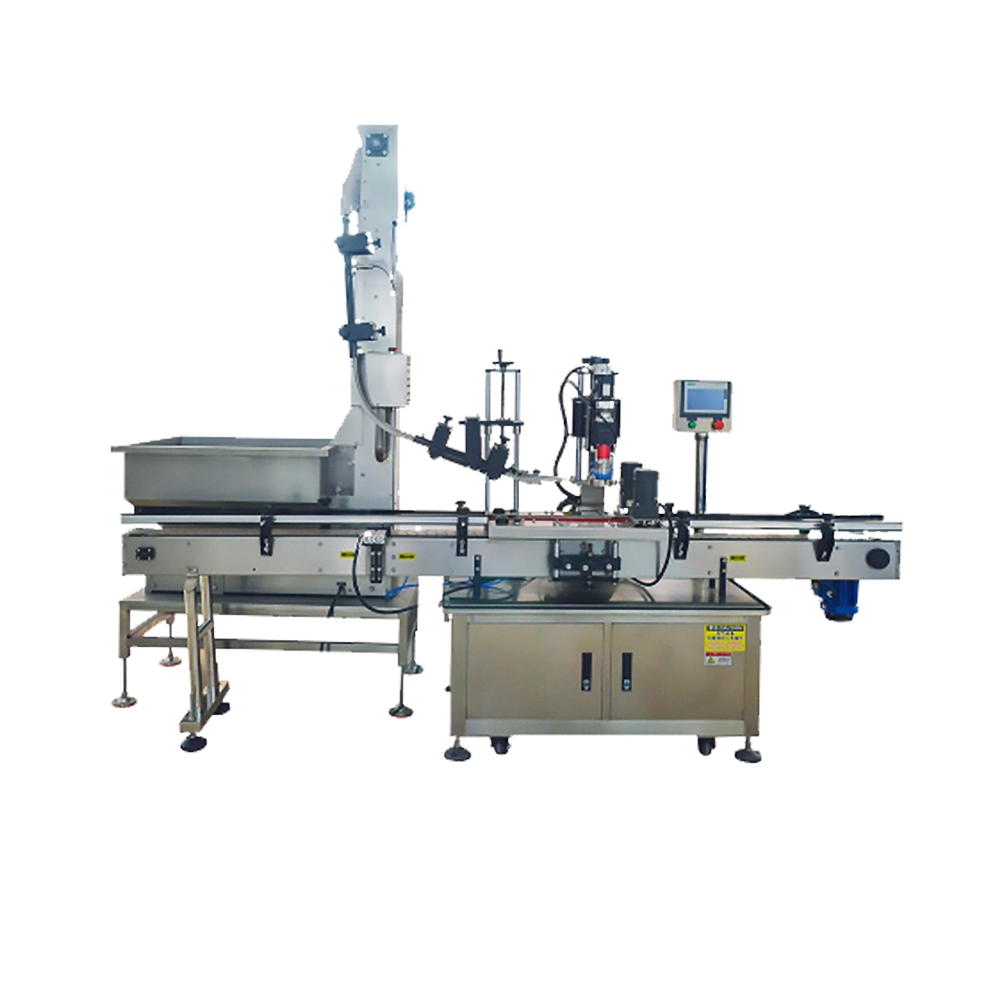
Automatic Metal Caps Capping Machine for Sale
Yuanyang automatic metal cap capping machine is a bottle capper for bottles with metal caps, which is often used to close lids of containers such as bottles and jars. The glass bottle metal capping machine is widely used in food, medicine, chemical, cosmetic, and other industries for mass production and continuous production line .
Features:
⦁ Pneumatic and electric drive;
⦁ Automated fast speed;
⦁ Suitable for glass bottles with metal caps.
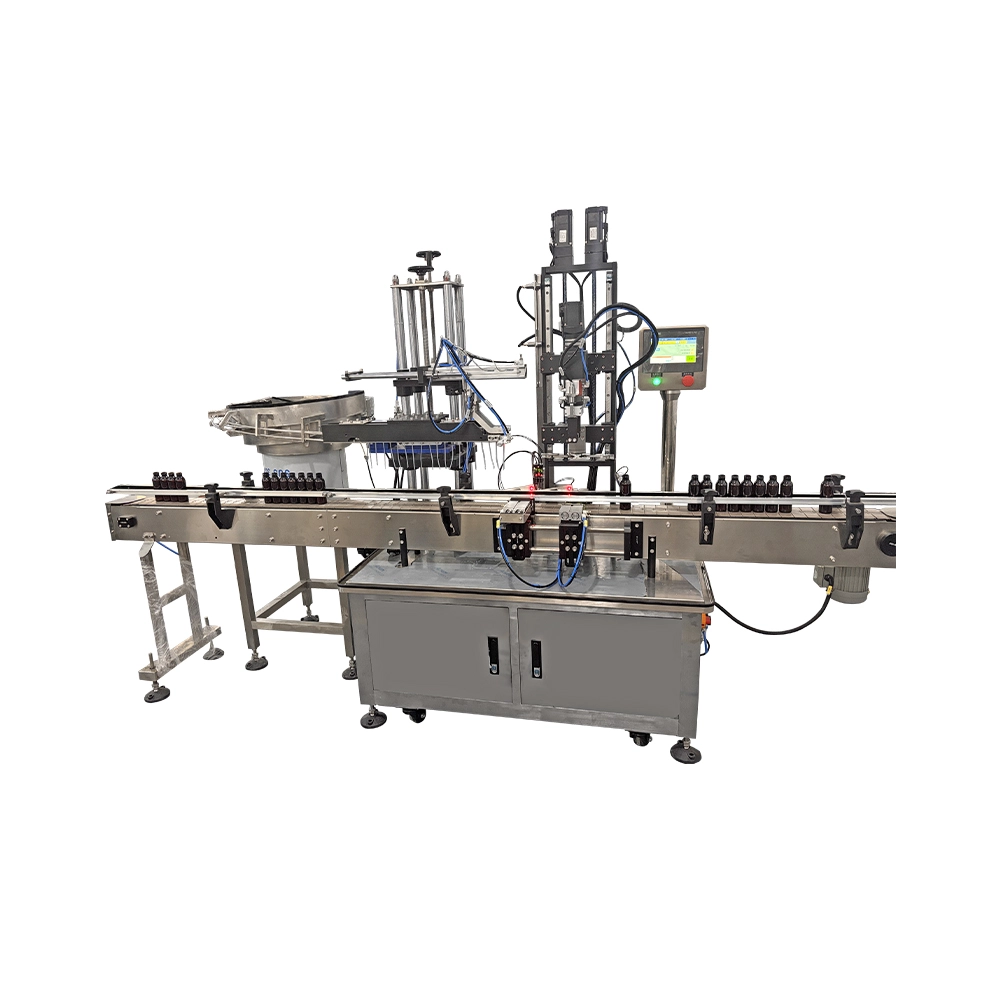
Automatic Pump Head Feeding and Capping Machine for Sale
Yuanyang automatic pump head feeding and capping machine is a bottle cap sorter and capper for bottles with pump heads, which is often used to close lids of containers such as nail polish, sprayers, and shampoo. The capping machine with a pump head feeder is widely used in food, medicine, chemical, cosmetic, and other industries for mass production and continuous production line .
Features:
⦁ Pneumatic and electric drive;
⦁ Automated fast speed;
⦁ Suitable for various types of caps.
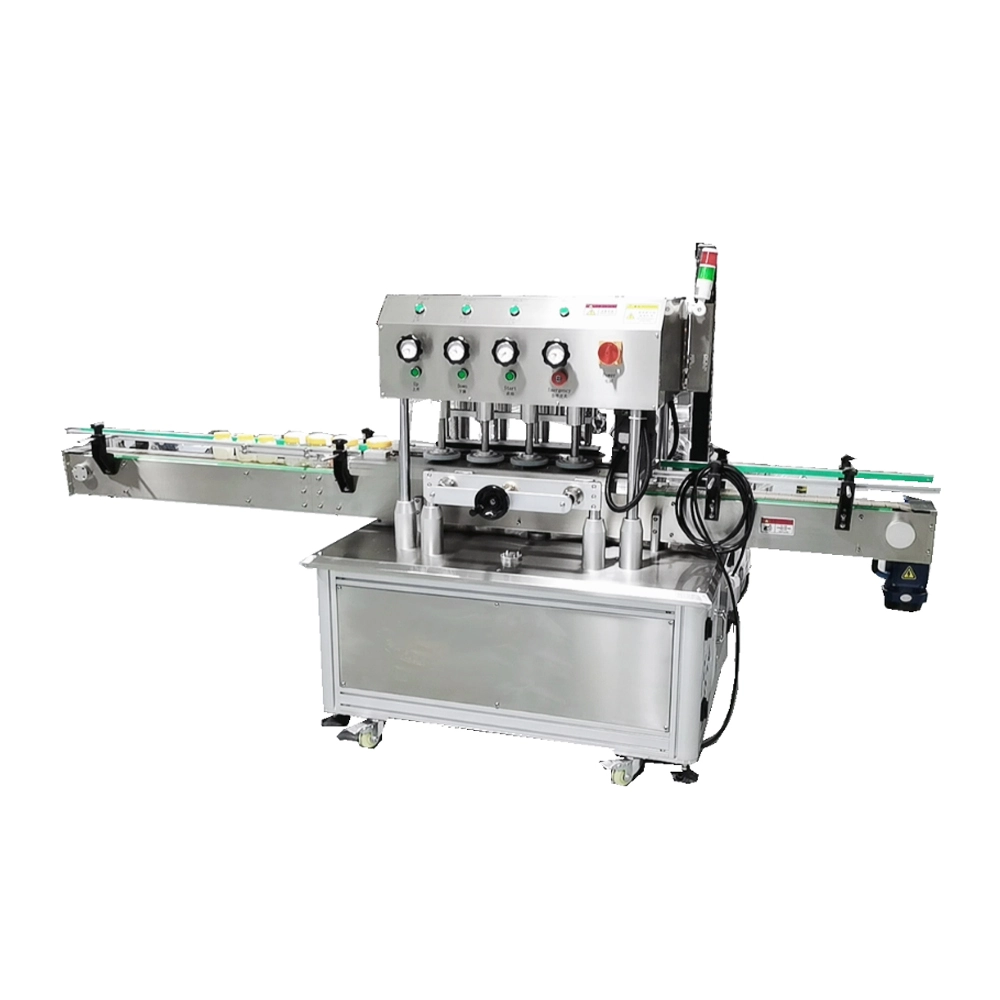
Automatic High Speed Capping Machine for Sale
The Yuanyang automatic high-speed capping machine is a kind of 8-wheel bottle-capping machine with fast working efficiency. The automatic capper is often used to close lids of containers such as bottles and jars, especially for plastic bottles, which are widely used in food, medicine, chemical, cosmetic, and other industries for mass production and continuous production lines.
Features:
⦁ Electric drive;
⦁ Automated fast speed;
⦁ Suitable for various screw caps, pumps, and spray bottles.
 Scan QR Code
Facebook
YouTube
LinkedIn
Whatsapp: +8613434139712
Guangzhou Yuanyang Machinery