





Buying Guide: Automatic Tube Sealing Machine for Industrial Use
- Buying Guide: Automatic Tube Sealing Machine for Industrial Use
- Why invest in an automatic sealing machine for tube packaging?
- Product overview: Automatic Tube Sealing Machine for Sale
- How an automatic tube sealing machine works
- Key specifications to evaluate when buying a sealing machine
- Sealing methods compared: choose the right sealing method for your product
- Production line integration and footprint
- Quality control, sensors, and automation features
- Safety, compliance, and industry requirements
- Cost, ROI, and total cost of ownership
- Maintenance, troubleshooting and tips to extend machine life
- Selecting the right vendor for your sealing machine purchase
- Industry applications: where tube sealing machines excel
- Why choose Yuanyang: brand advantages of the Automatic Tube Sealing Machine for Sale
- Common questions from buyers (FAQ)
- Contact and next steps — view product and get a quote
- Authoritative references and further reading
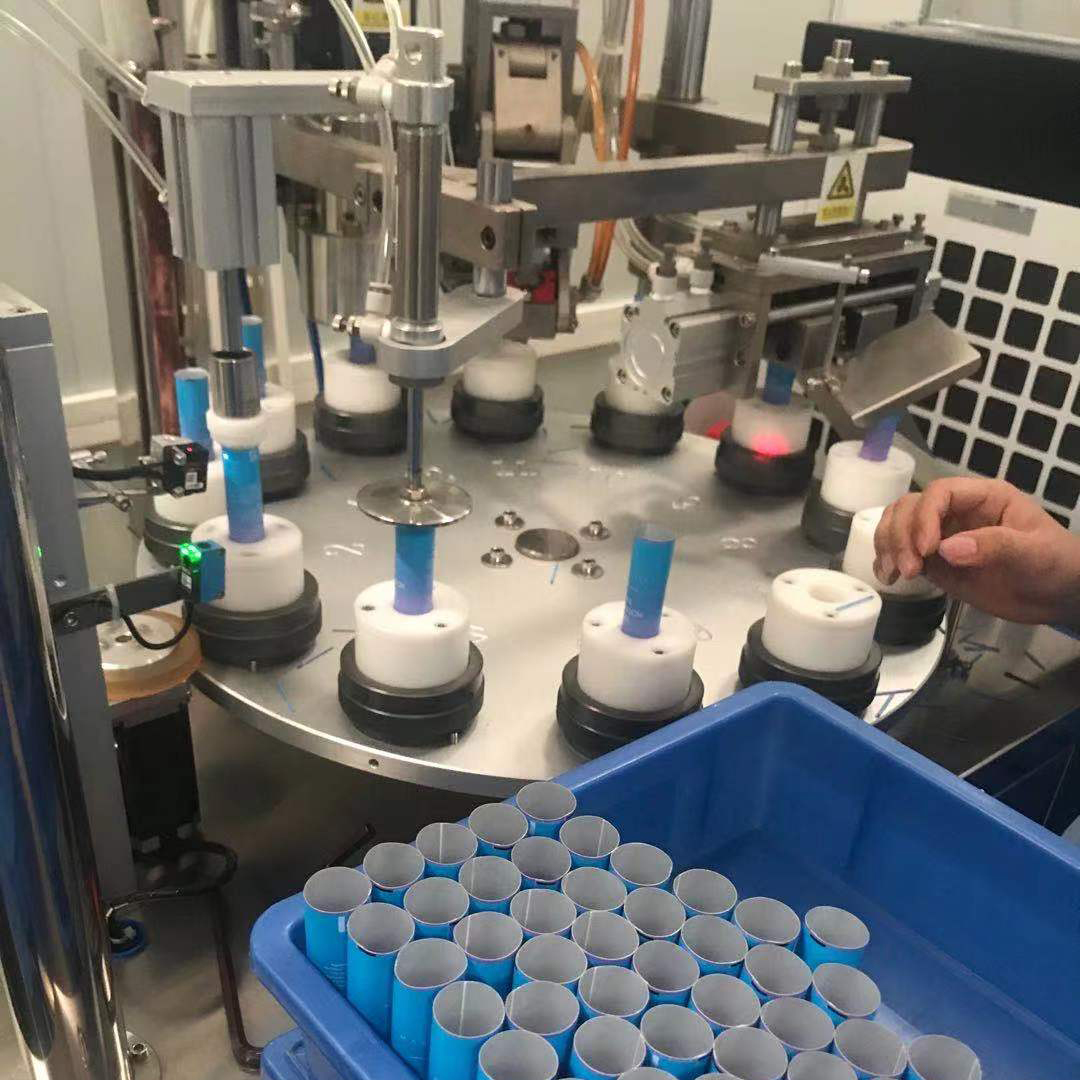
Buying Guide: Automatic Tube Sealing Machine for Industrial Use
Why invest in an automatic sealing machine for tube packaging?
Modern manufacturing in cosmetics, pharmaceuticals, food, and chemicals demands consistent, safe, and high-throughput packaging. An automatic tube sealing machine converts filled tubes (aluminum or plastic) into sealed, tamper-evident products with repeatable quality and minimal operator intervention. Choosing the right sealing machine reduces product waste, improves sanitary handling, and increases line efficiency — all critical goals for industrial producers. When exploring the buying guide for automatic tube sealing machines for industrial use, it’s crucial to understand how to evaluate sealing machine specs for tube production lines to ensure the equipment meets your production speed, accuracy, and durability requirements.
Product overview: Automatic Tube Sealing Machine for Sale
Yuanyang automatic tube sealing machine is an integrated automatic packaging machine with filling and sealing for aluminum or plastic tubes. The tube packing machine has become an indispensable piece of equipment in modern production for cosmetic, food, medicine, chemical, and other fields.
Features:
⦁ Touchscreen operation, humanized design, simple and intuitive.
⦁ Pneumatic filling control to ensure the accuracy of filling.
⦁ Photoelectric sensing and pneumatic linkage control.
⦁ Pneumatic control valve, efficient and safe. The runner can be adjusted and cleaned separately.
How an automatic tube sealing machine works
Understanding the process helps when comparing models and communicating needs to suppliers. A typical automatic tube sealing machine integrates several stages:
- Tube feeding and positioning — empty tubes are loaded via hopper or manual placement and oriented correctly for filling and sealing.
- Filling — volumetric, piston, or peristaltic filling systems deliver precise doses. Pneumatic filling control, as on the Yuanyang model, is common for accuracy and clean operation.
- Pre-sealing processes — for aluminum tubes, necking or forming may be required; for plastic tubes, flattening or aligning the tail for heat sealing occurs.
- Sealing — methods include crimping (fold-and-crimp for aluminum), induction sealing (for caps/liners), heat sealing (for thermoplastic tails), or ultrasonic sealing.
- Trim and finishing — excess tail trimming, inkjet date coding, and visual inspection before discharge.
Key specifications to evaluate when buying a sealing machine
When selecting an automatic tube sealing machine, prioritize specifications that align to your product, production volume, and regulatory environment. Typical evaluation items include:
- Material compatibility: Aluminum vs multi-layer plastic tubes; some machines only support specific tube types or diameters.
- Throughput (tubes/minute): Confirm machine speed at your target fill volume and product viscosity.
- Filling accuracy and repeatability: Tolerance in grams/milliliters; look for pneumatic or servo-controlled systems for tighter precision.
- Sealing method and quality: Crimping, heat sealing, or ultrasonic — quality affects leak rate and appearance.
- Changeover time: Ease of adjusting for different tube lengths/diameters; tooling modularity reduces downtime.
- Automation and controls: PLC, touchscreen HMI, recipe storage, and integration options (PLC/Industry 4.0 interfaces).
- Sanitation and cleaning: Tool-less disassembly, separate runner cleaning, and materials compatible with cleaning agents.
- Safety and certifications: CE, ISO compliance, and machine guarding to meet workplace safety rules.
Sealing methods compared: choose the right sealing method for your product
The sealing method determines final product integrity and appearance. The table below summarizes common approaches for tube sealing machines and tradeoffs relevant to industrial buyers.
| Sealing Method | Applicable Tube Types | Pros | Cons | Best for |
|---|---|---|---|---|
| Fold-and-crimp (crimping) | Aluminum, laminate tubes | Reliable, tamper-evident, well-established | Requires precise tooling; less suited for some soft plastics | Toothpaste, ointments, cosmetics |
| Heat sealing | Thermoplastic tubes (PE, PP blends) | Good for plastic tails; quick cycle times | Heat settings critical; may deform sensitive product | Food pastes, creams in plastic tubes |
| Ultrasonic sealing | Thermoplastic and some laminates | Clean, fast, minimal heat effect to product | Higher equipment cost; requires stable material properties | Medical, high-purity products |
| Induction sealing (caps/liners) | Tubes with caps or liners | Excellent hermetic seal, tamper-evident | Requires compatible cap/liner materials | Food, beverage, pharmaceuticals with liners |
Production line integration and footprint
Assess how the sealing machine will integrate with upstream and downstream equipment. Key considerations:
- Conveyor interfaces and indexing signals (electrical or pneumatic).
- Space and utility requirements (power, compressed air, exhaust for heat sealing).
- Control integration (digital I/O, Ethernet/IP, Modbus, OPC-UA) for automated lines and central SCADA systems.
- Accessibility for maintenance and cleaning — machines designed with humanized touchscreens and easy access panels shorten downtime.
Quality control, sensors, and automation features
Built-in sensors and automation improve yield and reduce operator supervision. Look for:
- Photoelectric sensors to verify tube presence and position before filling/sealing.
- Weight-check or in-line checkweighers for fill validation.
- Camera systems for visual inspection of seals and print codes.
- Recipe management on the touchscreen for quick changeovers between SKUs.
Safety, compliance, and industry requirements
Depending on product type you may need to comply with specific regulations. Ensure the sealing machine supports compliance by design:
- CE marking and machine safety standards if operating in EU markets.
- Good Manufacturing Practices (GMP) for pharmaceuticals and some cosmetics — equipment construction materials and cleanability are important.
- Food-contact compliance for edible products; materials should meet food safety approvals.
- Local occupational safety regulations (machine guarding, emergency stops) such as OSHA guidelines.
Cost, ROI, and total cost of ownership
Compare total cost, not just purchase price. Factors influencing ROI:
- Purchase price vs throughput — higher-cost machines with better uptime and speed often yield faster payback.
- Operating costs — energy, compressed air, and spare parts consumption.
- Maintenance and service contracts — availability of local technicians reduces downtime costs.
- Changeover losses — machines designed for quick changeover reduce waste during SKU shifts.
Example ROI outline:
- Daily production target: 20,000 tubes
- Cycle time: 30 tubes/min → effective hours required = ~11.1 hours/day
- Improved machine with faster cycle time or reduced downtime may save 2 hours/day → incremental production or labor cost savings translate to annual ROI.
Maintenance, troubleshooting and tips to extend machine life
Planned maintenance extends machine life and keeps quality consistent. Practical tips:
- Follow manufacturer service schedules: lubrication, pneumatic filter replacement, and seal tooling inspection.
- Keep spare tooling (crimp dies, sealing bars) and wear parts on-site to minimize downtime.
- Train operators in safe changeover and cleaning procedures; humanized touchscreens reduce operator errors.
- Document common fault codes and troubleshooting steps provided by the vendor.
Selecting the right vendor for your sealing machine purchase
Vendor selection influences long-term satisfaction. Evaluate suppliers on:
- After-sales service and local support network.
- Availability of spare parts and consumables.
- Ability to provide factory acceptance testing (FAT) and site acceptance testing (SAT).
- Warranty terms, on-site installation support, and training packages.
- References and case studies in your industry (cosmetics, food, pharma, chemicals).
Industry applications: where tube sealing machines excel
Automatic tube sealing machines serve multiple industries and product types:
- Cosmetics: creams, gels, and ointments where appearance and leak-proofing are critical.
- Pharmaceuticals: topical formulations and sterile tubes where GMP and traceability are required.
- Food: sauces, pastes, and culinary products requiring food-contact-safe materials.
- Chemicals: adhesives and industrial pastes where accurate dosing and reliable sealing prevent leaks and contamination.
Why choose Yuanyang: brand advantages of the Automatic Tube Sealing Machine for Sale
Yuanyang's automatic tube sealing machine is positioned to meet industrial demands with these strengths:
- Integrated filling and sealing design reduces floor space and simplifies line layout.
- Humanized touchscreen operations lower training time and reduce operator errors.
- Pneumatic filling control enhances dosing accuracy and reduces product variation.
- Photoelectric sensing and pneumatic linkage improve reliability and reduce misfeeds.
- Design for easy cleaning: the runner can be adjusted and cleaned separately, reducing downtime for sanitation.
Combined, these features help manufacturers increase throughput while maintaining product quality and compliance.
Common questions from buyers (FAQ)
Q: What tube materials can the Automatic Tube Sealing Machine for Sale handle?
A: The Yuanyang machine is designed for aluminum and many plastic tube types. Confirm with the supplier the exact material, wall thickness, and diameter ranges before purchase.
Q: How fast can these machines run?
A: Speed depends on the model and product viscosity. Typical industrial machines range from 20 to 80 tubes per minute. Confirm speed at your target fill volume and packaging format.
Q: Do I need compressed air and special utilities?
A: Most pneumatic filling and sealing machines require a stable compressed air supply, electrical power for controls and motors, and sometimes cooling or exhaust for heat sealing. Check the specification sheet for exact utilities.
Q: Can the machine print batch codes or dates?
A: Many models include or can be integrated with inkjet or laser coders. Discuss your coding needs with the vendor for compatibility and placement.
Q: What warranties and support should I expect?
A: Look for a clear warranty period, availability of spare parts, and options for service contracts or remote diagnostics. Factory acceptance testing (FAT) and on-site commissioning are valuable additions.
Contact and next steps — view product and get a quote
If you are ready to evaluate machines, request the product datasheet and a customized quote for the 'Automatic Tube Sealing Machine for Sale'. Ask the supplier for:
- Product specification sheet and I/O control diagram.
- Reference installations and performance records for similar products.
- Warranty, spare parts list, and lead time for delivery.
- Options for acceptance testing and operator training.
Contact our sales team to receive thedatasheet, discuss line integration, or schedule an on-site demo.
Authoritative references and further reading
- Tube (container) — Wikipedia: https://en.wikipedia.org/wiki/Tube_(container)
- U.S. Food & Drug Administration (Cosmetics): https://www.fda.gov/cosmetics
- U.S. Food & Drug Administration (Food Packaging): https://www.fda.gov/food/packaging-food
- World Health Organization — Good manufacturing practices for pharmaceutical products: https://www.who.int/teams/health-product-and-policy-standards/standards-and-specifications/good-manufacturing-practices
- Occupational Safety and Health Administration (Machine Guarding): https://www.osha.gov/machine-guarding
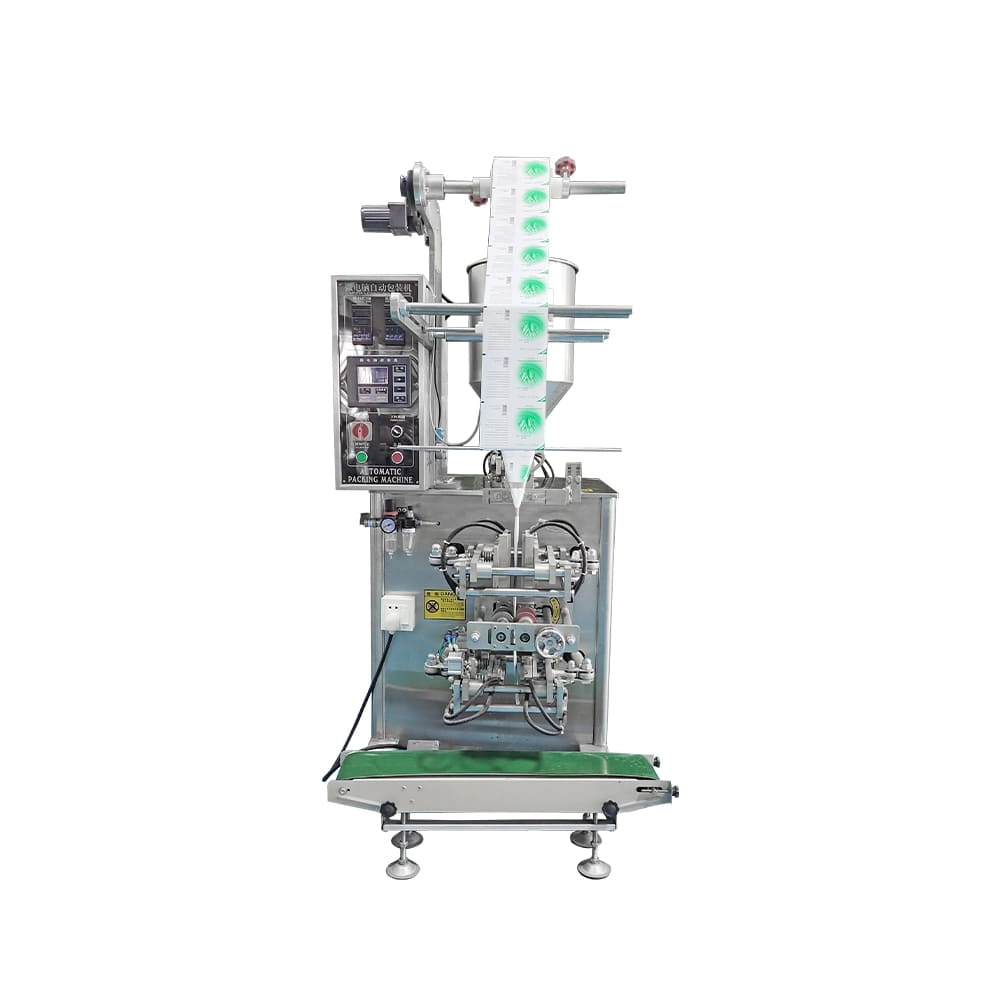
HMI and PLC Controls for Sachet Packaging Machines
Energy-Efficient Mixing Technologies for Wastewater
What are the different types of powder doser feeder?
The vacuum emulsifying homgogenizer mixer Cost Guide | YUANYANG Ultimate Insights
High shear homogneizer
What’s the working principle of high shear homogenizer?
The shear mixer mainly through the high-speed relative rotation of the rotor and the stator to produce a strong shear force to achieve the refinement and homogenization of the material.
Medicine
How can I ensure my production process is free from contamination?
Our equipment uses materials that meet the strict standards of the pharmaceutical industry and is designed for easy cleaning and maintenance. All our equipment is carefully designed to minimize the risk of cross-contamination.
Automatic auger filling machine
Is conveyor equipped together with the filling machine for powder?
Yes, the automatic powder filler machine is equipped with conveyor, which can be connected with other machines such as bottle sorting tables, capping machine, labeling machine and so on.
Portable Storage Tank
Can this tank be used for your lift mixer also?
Yes, the tank can be used for our lift mixer. We normally recommend clients to buy tank together if clients purchased the lift mixer machine, which can ensure the tank is 100% suitable for our mixer. Client can also prepare tank by himself. We will tell the suitable tank size and height.
Automatic Servo Motor Capping Machine
Is the servo capper be compatible for different bottle size and shapes?
Yes, the capping wheels can be adjusted higher or lower for different bottle height. The distance between wheels can be wider or closer for different cap diameter.
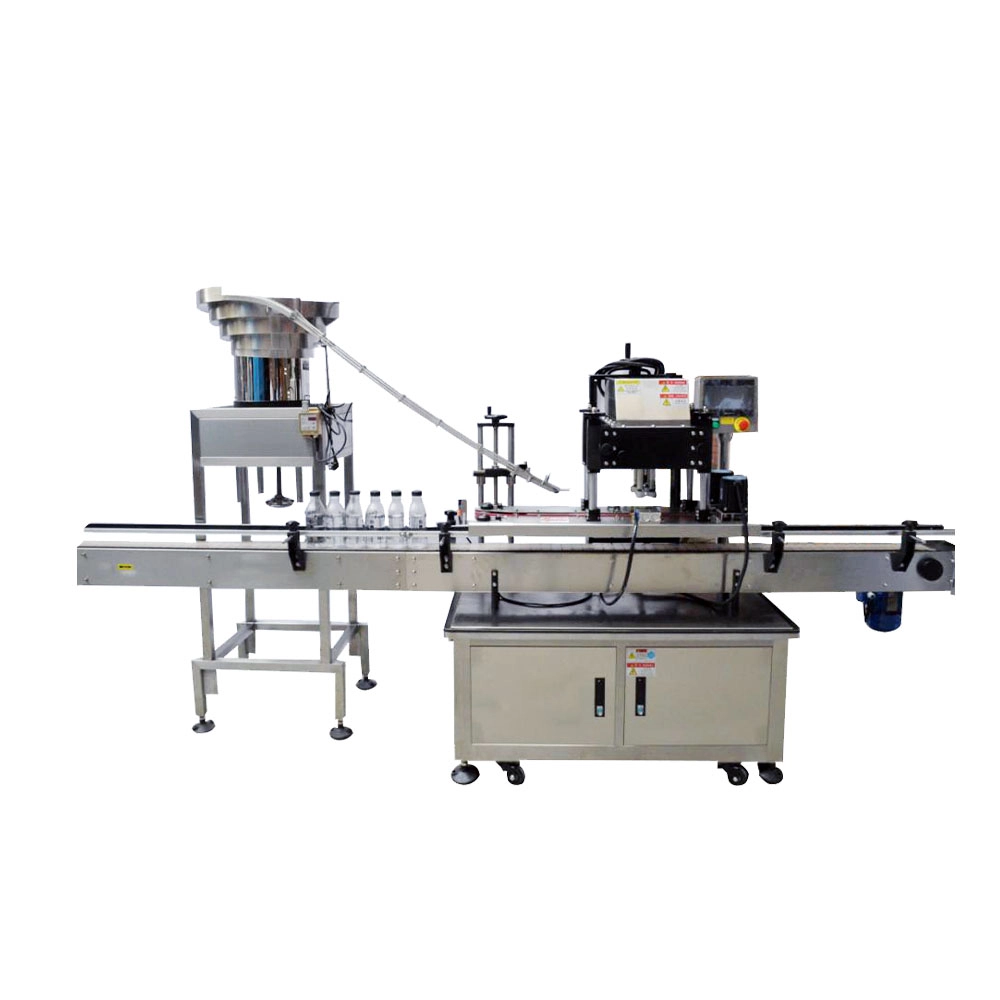
Automatic Plastic Caps Capping Machine with Vibrating Cap Feeder for Sale
Yuanyang automatic screw capping machine is a kind of four-wheel bottle capping machine. The automatic screw capper is often used to close lids of containers such as bottles and jars, especially for plastic bottles, which are widely used in food, medicine, chemical, cosmetic, and other industries for mass production and continuous production lines.
Features:
⦁ Full pneumatic drive;
⦁ Automated fast speed;
⦁ Suitable for various screw caps, pumps, and spray bottles.
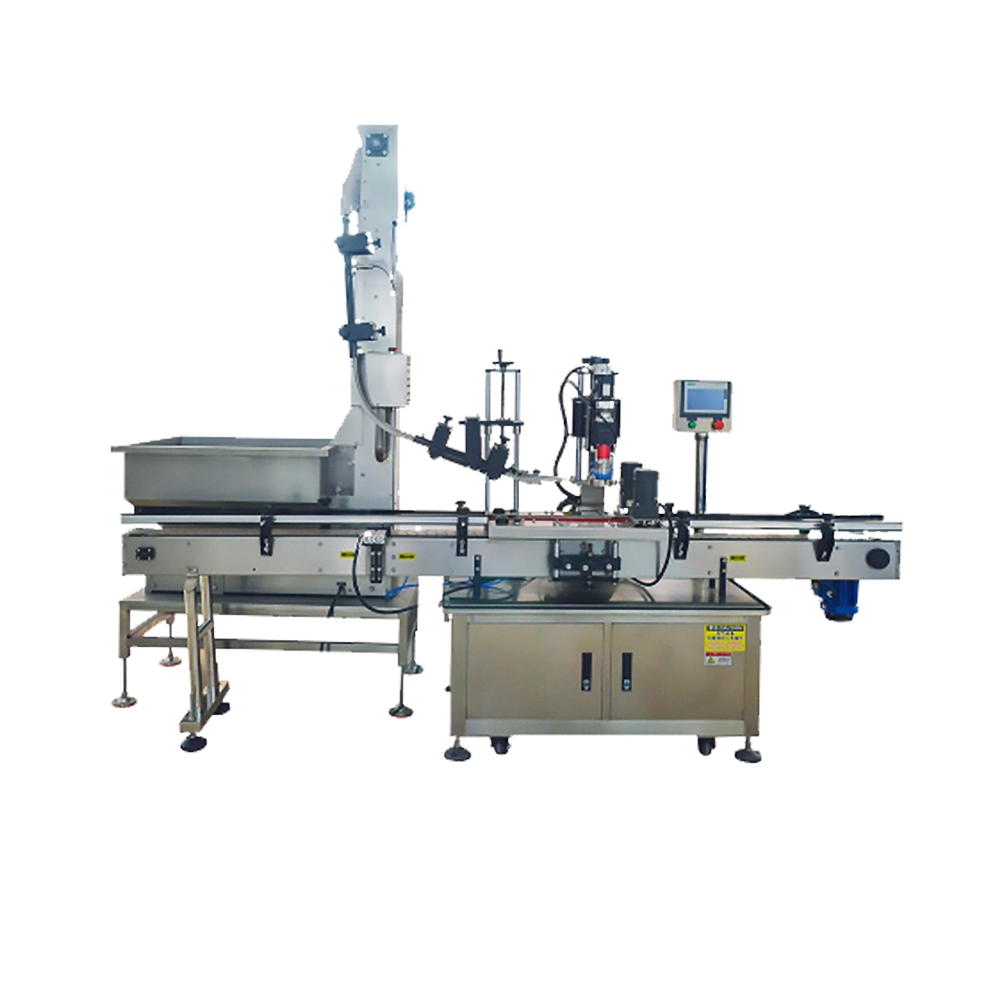
Automatic Metal Caps Capping Machine for Sale
Yuanyang automatic metal cap capping machine is a bottle capper for bottles with metal caps, which is often used to close lids of containers such as bottles and jars. The glass bottle metal capping machine is widely used in food, medicine, chemical, cosmetic, and other industries for mass production and continuous production line .
Features:
⦁ Pneumatic and electric drive;
⦁ Automated fast speed;
⦁ Suitable for glass bottles with metal caps.
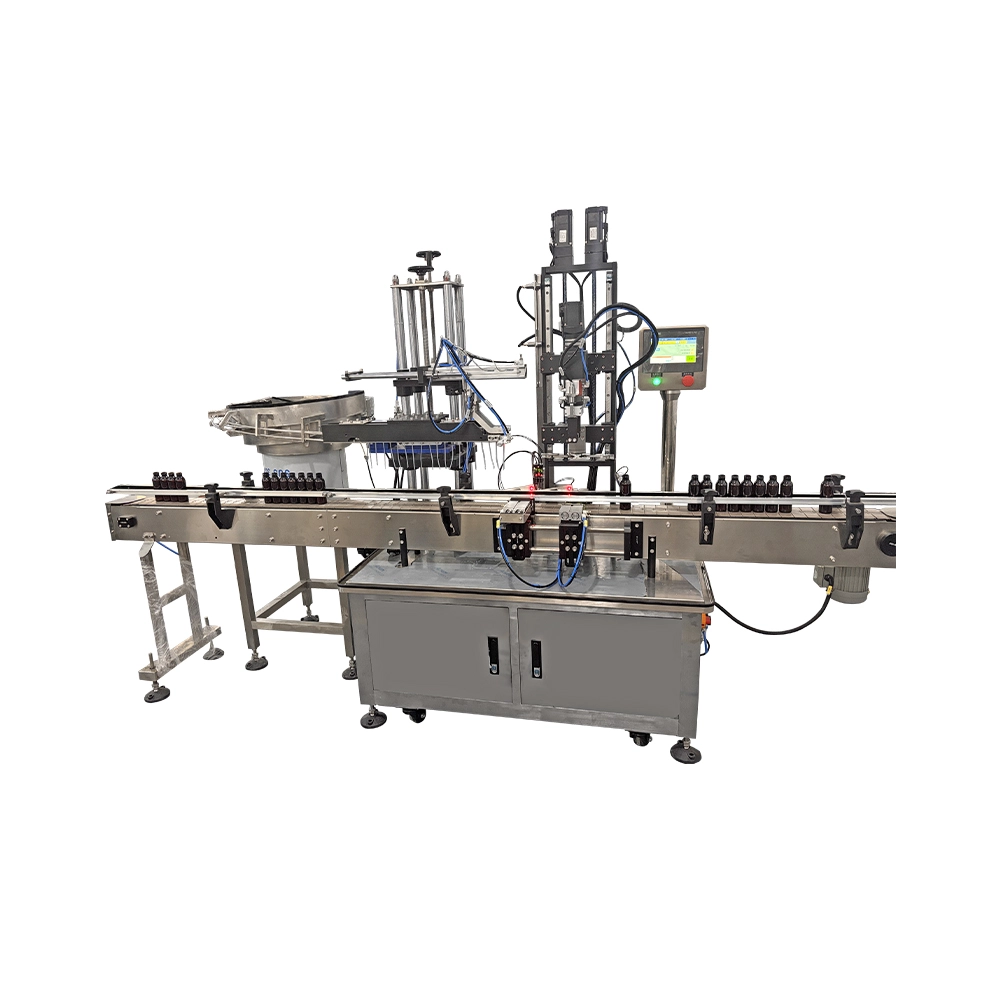
Automatic Pump Head Feeding and Capping Machine for Sale
Yuanyang automatic pump head feeding and capping machine is a bottle cap sorter and capper for bottles with pump heads, which is often used to close lids of containers such as nail polish, sprayers, and shampoo. The capping machine with a pump head feeder is widely used in food, medicine, chemical, cosmetic, and other industries for mass production and continuous production line .
Features:
⦁ Pneumatic and electric drive;
⦁ Automated fast speed;
⦁ Suitable for various types of caps.
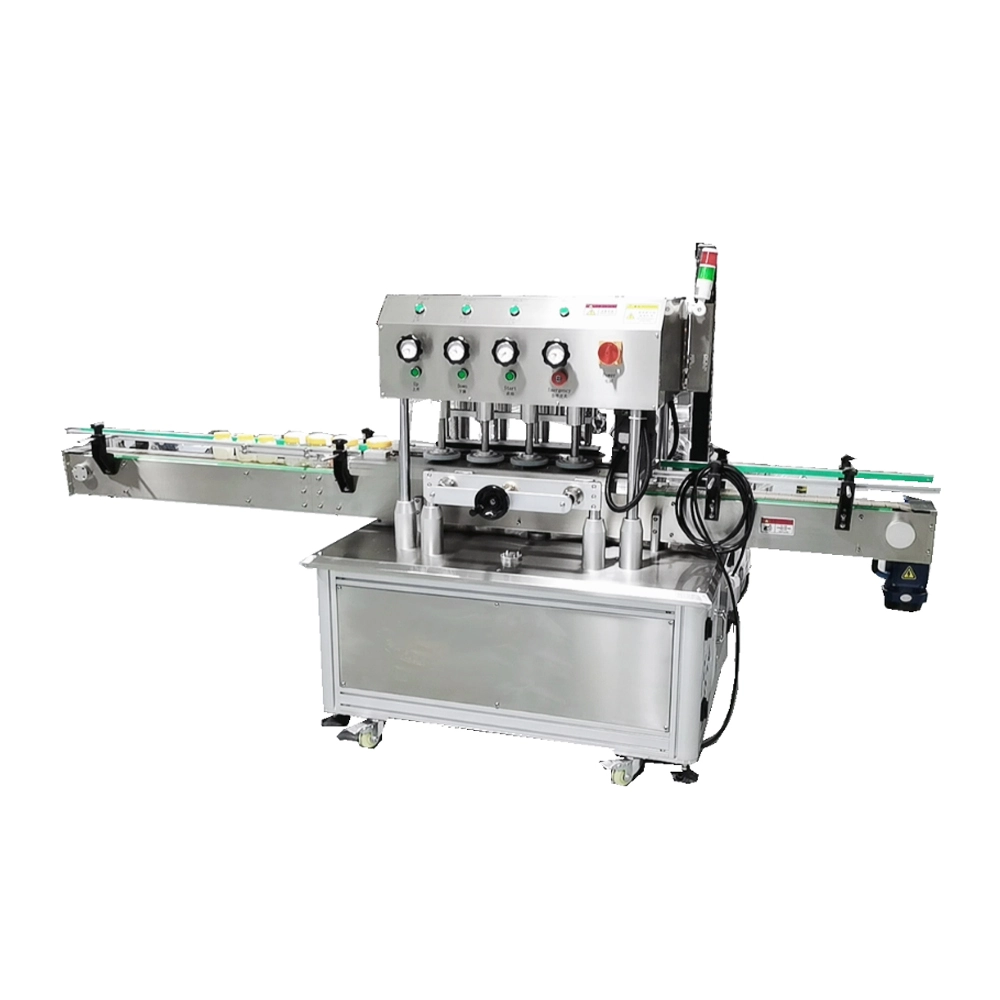
Automatic High Speed Capping Machine for Sale
The Yuanyang automatic high-speed capping machine is a kind of 8-wheel bottle-capping machine with fast working efficiency. The automatic capper is often used to close lids of containers such as bottles and jars, especially for plastic bottles, which are widely used in food, medicine, chemical, cosmetic, and other industries for mass production and continuous production lines.
Features:
⦁ Electric drive;
⦁ Automated fast speed;
⦁ Suitable for various screw caps, pumps, and spray bottles.
 Scan QR Code
Facebook
YouTube
LinkedIn
Whatsapp: +8613434139712
Guangzhou Yuanyang Machinery