





Evaluating Vacuum Emulsifying Mixer Quality and Compliance
- Evaluating Vacuum Emulsifying Mixer Quality and Compliance
- Overview: Why quality and compliance matter for an emulsifying mixer
- Understanding the product: What a vacuum emulsifying mixer does
- Product snapshot: Yuanyang Vacuum Emulsifying Mixer for Sale
- Key technical specifications to evaluate when buying a vacuum emulsifying mixer
- Performance and acceptance testing: FAT and SAT checklist
- Materials, surface finish and hygiene considerations
- Regulatory and safety compliance: standards to request and verify
- Control systems, data integrity and Industry 4.0 features
- Cleaning, validation and documentation required for compliance
- Operational considerations: throughput, energy use and lifecycle costs
- Vendor selection and risk mitigation: warranty, support and spare parts
- Case example: acceptance test summary for a cosmetic cream batch (example)
- Why choose Yuanyang Vacuum Emulsifying Mixer for Sale — brand and product advantages
- Frequently Asked Questions (FAQ)
- 1. What is the most important single test to verify an emulsifying mixer?
- 2. Do I need a vacuum system for cosmetics production?
- 3. What documentation should the supplier provide?
- 4. How do I verify the claim of '2 micron' particle size?
- 5. Is 316L stainless steel required?
- 6. How important is recipe management in the control system?
- Contact & View Product
- Authoritative references and further reading
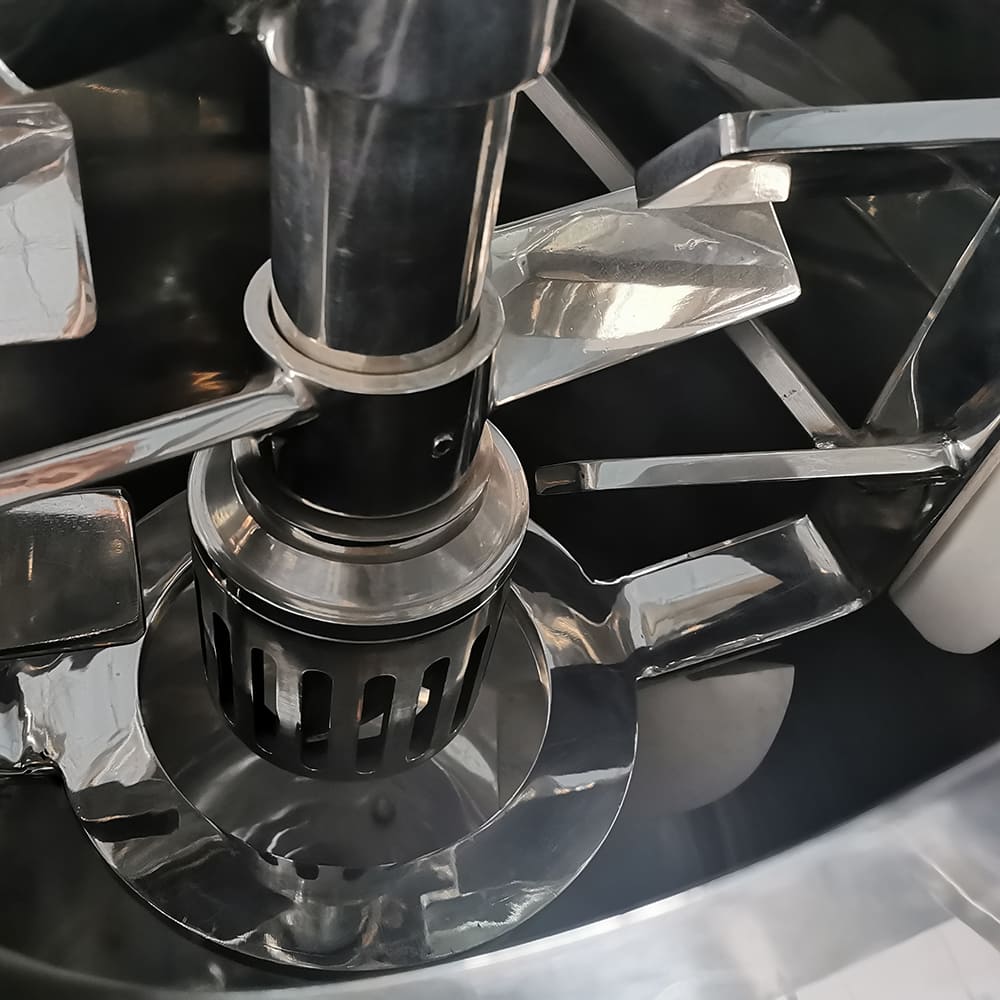
Evaluating Vacuum Emulsifying Mixer Quality and Compliance
Overview: Why quality and compliance matter for an emulsifying mixer
Purchasing an emulsifying mixer for cosmetics or topical products is more than comparing prices. The right equipment determines product consistency, batch-to-batch reproducibility, contamination control, and regulatory compliance. For manufacturers seeking a reliable solution, a Vacuum Emulsifying Mixer for Sale must be evaluated for mechanical quality, hygienic design, vacuum and emulsification performance, instrumentation and controls, and documentary evidence of conformity to relevant standards. This article provides a practical, inspection-focused framework to evaluate vacuum emulsifying mixer quality and compliance so you can make an informed procurement decision. Maintaining high-quality operation requires practical strategies for reliability, which is why operators focus on minimizing downtime: maintenance best practices for emulsifying mixers.
Understanding the product: What a vacuum emulsifying mixer does
An emulsifying mixer uses high-shear rotor-stator systems to disperse and homogenize immiscible phases (oil and water) into stable emulsions. A vacuum emulsifying mixer improves inclusion of active ingredients, reduces air entrapment and oxidation, and helps achieve fine particle size distribution. Typical applications include creams, skin-care products, ointments, pastes, and other emulsions. Manufacturers must ensure the machine delivers the target viscosity range, particle size (for many cosmetic creams, a <2-micron target is common), and reproducible mixing profiles across production batches.
Product snapshot: Yuanyang Vacuum Emulsifying Mixer for Sale
Yuanyang vacuum emulsifying mixer is a kind of emulsifier machine, the most popular cosmetics production equipment for making cream, skin-care products, ointment, paste, and emulsions.
Features:
⦁ Composed of a main emulsifying pot, a water pot, and an oil pot.
⦁ With a hydraulic lifting system, vacuum system, and electric control system.
⦁ Suitable for products of 10,000~50,000 cps viscosity.
⦁ Perfect particle size of 2 microns and evenly distributed.
Key technical specifications to evaluate when buying a vacuum emulsifying mixer
Before accepting a machine, verify these core technical attributes:
- Construction materials: 316L stainless steel contact parts, sanitary welds and mirror finish interior.
- Emulsification system: rotor-stator type, variable speed drive, and ability to reach required tip speed.
- Vacuum capability: achievable vacuum level and holding capacity (e.g., reach ≤ 50 mbar absolute as an example spec for degassing).
- Heating/cooling: jacketed vessels with effective heat-transfer area, temperature control accuracy (±0.5–1.0°C typical for cosmetics).
- Hydraulic lifting: stability, load rating, and safety interlocks for vessel lifting and discharging.
- Control system: PLC/HMI with recipe management and data logging for critical parameters (temperature, vacuum, rotation speed, time).
- Cleanability: design for CIP/SIP where applicable, drainability, and absence of dead legs.
Performance and acceptance testing: FAT and SAT checklist
Factory Acceptance Test (FAT) and Site Acceptance Test (SAT) are essential. Below is a compact table you can use during vendor evaluation and acceptance testing.
| Test Area | Acceptance Criteria | Notes |
|---|---|---|
| Vacuum Level | Achieve and sustain target vacuum (e.g., ≤50 mbar) under operating load | Measure with calibrated vacuum gauge and record leak-down rate |
| Emulsification Particle Size | Mean particle size ≤2 µm (or vendor spec) with uniform distribution | Use laser diffraction or microscopy to verify |
| Viscosity Handling | Process product within declared viscosity range (10,000–50,000 cps) | Run representative product formulation |
| Temperature Control | Maintain setpoint within ±1°C during batch | Record temperature profile |
| Mechanical Run | No abnormal vibration, noise or leaks; seals perform under pressure | Visual and sensor checks |
| Control/Recipe Execution | PLC executes recipe steps reliably; alarms and safeties function | Simulate fault conditions |
| Cleanability | Surface finish and CIP performance meet acceptance | ATP swab tests optional |
Materials, surface finish and hygiene considerations
For cosmetics and skin-care products, material selection and surface finish are critical to avoid contamination and to ensure product stability. Recommended guidelines:
- Use 304 stainless for non-contact structural parts and 316L stainless steel for all product-contact surfaces where chlorides or active ingredients may be present.
- Interior welds should be full penetration and polished (Ra ≤0.8 µm or mirror finish where required) to minimize microbial harboring sites.
- Design vessels and piping with slopes and drain angles to avoid pooling; minimize dead legs following sanitary design practices.
- Seals and gaskets must be compatible with formulation chemicals and cleaning agents (EP/USP-grade materials where needed).
Regulatory and safety compliance: standards to request and verify
Equipment for cosmetics manufacture should comply with relevant international and local standards. When evaluating a vacuum emulsifying mixer, request documentary evidence such as certificates and test reports. Key references:
- ISO 9001: Quality management — indicates manufacturer quality systems.
- CE marking (for equipment sold in EU) — electrical and machinery safety compliance.
- Electrical safety and EMC certificates relevant to the destination market.
- GMP/cGMP manufacturing guidance — while cosmetics are not regulated as strictly as pharmaceuticals in some jurisdictions, designing equipment to GMP principles improves traceability and reduces contamination risk.
- Material test reports and mill certificates for stainless steel (EN or ASTM standards).
Always confirm certificates are valid for the specific machine serial number and that tests were executed by accredited bodies.
Control systems, data integrity and Industry 4.0 features
A modern emulsifying mixer should offer robust control and data capabilities. Evaluate:
- PLC and HMI with recipe storage and electronic batch records (EBR) — essential for repeatability and audit trails.
- User access control and audit logs to maintain data integrity and traceability.
- Alarm management and interlocks for safety-critical functions (overtemperature, loss of vacuum, high pressure).
- Connectivity options (Ethernet, OPC-UA) for integration with MES/SCADA systems if required.
Cleaning, validation and documentation required for compliance
For regulatory and quality assurance, require the following documentation and validation support from the supplier:
- IQ/OQ documentation packages, including electrical wiring diagrams, P&ID, and calibration certificates for instruments.
- Cleaning validation protocols and results (swab and rinse data) if machine will be used for multiple products.
- Materials certificates, welding qualifications and surface finish measurements.
- Spare parts lists, maintenance schedules, and recommended service intervals.
Operational considerations: throughput, energy use and lifecycle costs
Beyond upfront cost, evaluate total cost of ownership: energy consumption (motor and heating/cooling utilities), maintenance frequency and spare part availability, and expected service lifetime. Ask for typical batch cycle times and pilot-run performance metrics for your product formulations. If possible, request a demonstration run using a representative formulation to verify throughput, homogeneity, and degassing performance under real conditions.
Vendor selection and risk mitigation: warranty, support and spare parts
Choose vendors who provide clear warranties, local support or service partners, and documented spare parts availability. For critical equipment, consider stocking essential spare parts (seals, bearings, mechanical seals, drive belts) and negotiating a service contract. Verify training programs for operators and maintenance staff and request on-site commissioning support during installation and initial production.
Case example: acceptance test summary for a cosmetic cream batch (example)
Summary of a representative acceptance run using a vacuum emulsifying mixer:
- Product: facial cream, target viscosity 25,000 cps.
- Process highlights: preheat oil phase to 75°C, heat water phase to 75°C, introduce oil phase to main pot under 300 mbar vacuum, emulsify at high shear for 15 minutes, cool under mixing to 35°C while holding vacuum for 10 minutes.
- Results: particle size D50 = 1.8 µm, viscosity 24,800 cps, no visible air bubbles, temperature control ±0.6°C.
This kind of documented run is valuable evidence for FAT/SAT and for regulatory records.
Why choose Yuanyang Vacuum Emulsifying Mixer for Sale — brand and product advantages
When comparing options in the market, the Yuanyang Vacuum Emulsifying Mixer offers advantages aligned with the evaluation criteria above: sanitary construction (main emulsifying pot, water pot, oil pot), hydraulic lifting for safe discharge, integrated vacuum system, and electric control system with recipe and parameter control. The stated capability to process 10,000–50,000 cps products and produce a perfect particle size of 2 microns addresses the typical needs of cosmetic formulators. Additionally, vendors who support FAT/SAT, provide IQ/OQ documentation, and can demonstrate performance with representative formulations reduce procurement risk.
Frequently Asked Questions (FAQ)
1. What is the most important single test to verify an emulsifying mixer?
There is no single test that covers all concerns, but a representative pilot batch (or FAT run) using your actual formulation is the most revealing. It verifies emulsification performance (particle size), degassing (air removal), temperature control, and mechanical reliability under real load.
2. Do I need a vacuum system for cosmetics production?
Vacuum is highly recommended for many creams and lotions because it reduces air entrainment and oxidation, gives denser product appearance, improves stability, and helps achieve finer particle size. For emulsions sensitive to oxidation or requiring a BFE (bubble-free) finish, a vacuum emulsifying mixer is critical.
3. What documentation should the supplier provide?
Request FAT reports, IQ/OQ protocols, material certificates for product-contact parts, calibration certificates for instruments, user manual, spare parts list, and any applicable safety or conformity certificates (e.g., CE, ISO).
4. How do I verify the claim of '2 micron' particle size?
Ask the supplier to run your formulation and provide particle size analysis (laser diffraction) with raw data. Validate results independently if possible. Note whether the claim refers to D50 (median) or D90—ask for the complete distribution.
5. Is 316L stainless steel required?
316L is strongly recommended for product contact surfaces, especially for formulations containing salts or active ingredients that may corrode 304 stainless steel. 316L offers better corrosion resistance and cleanability.
6. How important is recipe management in the control system?
Very important. Recipe management ensures repeatable process steps and settings, reduces operator error, and provides electronic batch records that support quality management and audits.
Contact & View Product
If you are evaluating options and would like a demonstration or quotation for a Vacuum Emulsifying Mixer for Sale, contact our technical sales team to schedule a FAT demonstration, request IQ/OQ documentation, or discuss customization and service contracts. Visit our product page or email [email protected] for more details and to arrange a pilot run with your formulation.
Authoritative references and further reading
Below are authoritative sources used for guidance and further verification:
- Emulsion — Wikipedia: https://en.wikipedia.org/wiki/Emulsion
- ISO 9001 Quality management systems — International Organization for Standardization: https://www.iso.org/iso-9001-quality-management.
- Cosmetics: Laws & Regulations — U.S. Food & Drug Administration (FDA): https://www.fda.gov/cosmetics
- Regulation (EC) No 1223/2009 on cosmetic products — European Commission: https://ec.europa.eu/growth/sectors/cosmetics_en
- Good Manufacturing Practices (GMP) guidance for cosmetics (industry resources) — examples: https://www.who.int/ (search GMP guidance) and national regulators
For specific machine documentation, certificate verification, or to schedule a demonstration using your formulation, contact the supplier directly and request machine-serial-number-specific certificates and FAT data.
How to start the 500 gallon mixing tank business in UK ?
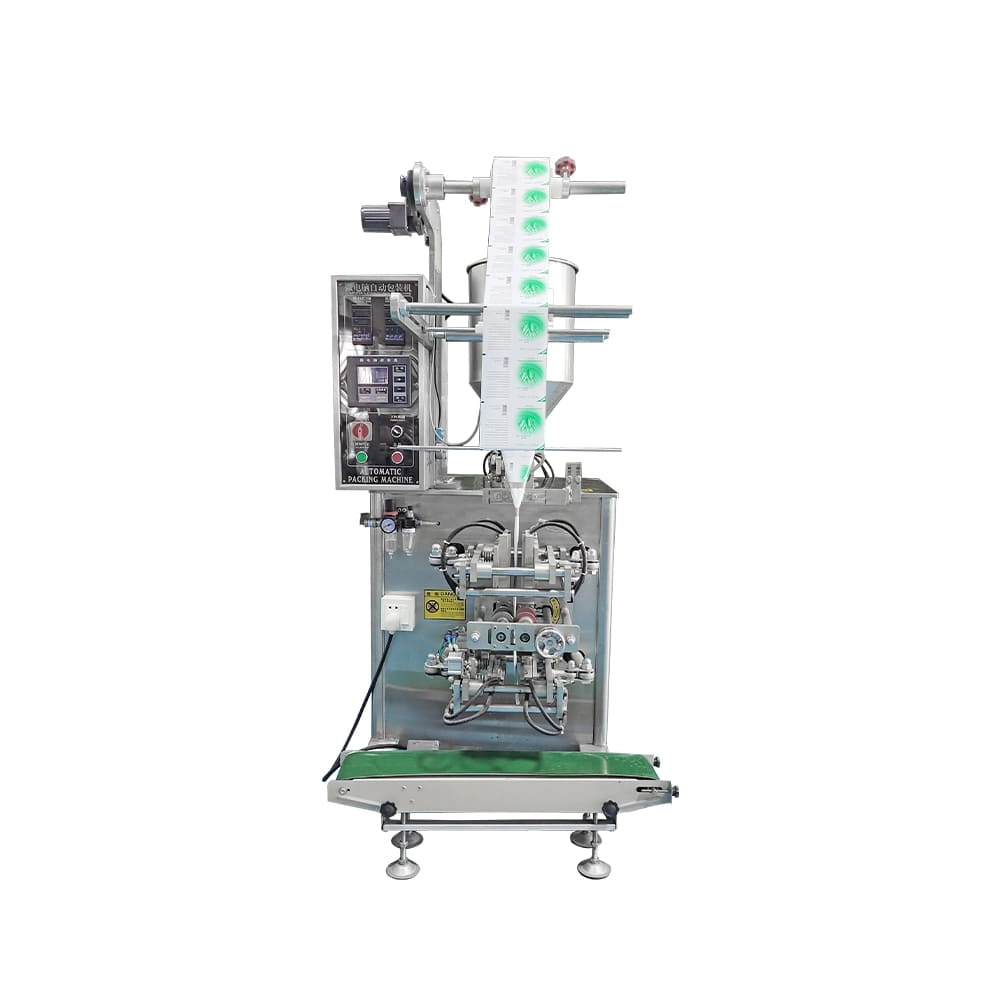
Single-Serve Sachet Machine Solutions for Food Brands
YUANYANG Best professional vertical form fill sealing machine manufacturers and supplier brands in Africa
What are the application scenarios of plastic bag packing machine?
Automatic powder feeder machine
Do you have installation videos for the auger feeding machine?
Yes, we have installation videos for client to refer, which is quite easy to install.
Automatic auger feeder machine
What’s the material of the screw feeding machine?
The feeding machine for powder is maid of stainless steel 304, which meet GMP standards.
How does the powder transfer auger feeding machine convey materials?
It transports materials continuously through screw rotation by electric motor drive.
Melting Tank
What’s the standard discharge outlet size? Can you customize a small or bigger outlet pipe?
The standard discharge outlet is 2 inch, it can customized smaller 1.5 inch, or bigger 2.5 inch and so on.
Powder Sachet Packaging Machine
Is the length of bag-forming adjustable for this automatic packing machine?
Yes, the bag-forming length can be adjusted on the control panel within certain range of the model.
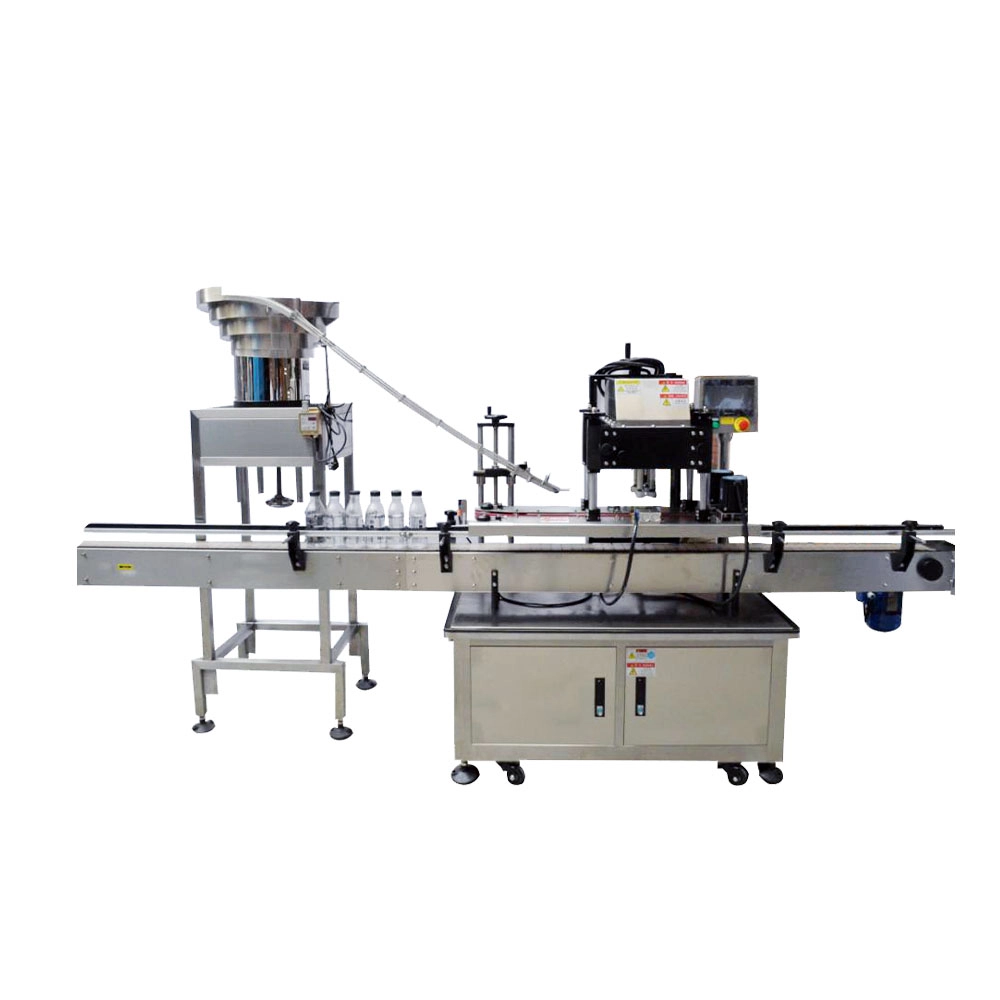
Automatic Plastic Caps Capping Machine with Vibrating Cap Feeder for Sale
Yuanyang automatic screw capping machine is a kind of four-wheel bottle capping machine. The automatic screw capper is often used to close lids of containers such as bottles and jars, especially for plastic bottles, which are widely used in food, medicine, chemical, cosmetic, and other industries for mass production and continuous production lines.
Features:
⦁ Full pneumatic drive;
⦁ Automated fast speed;
⦁ Suitable for various screw caps, pumps, and spray bottles.
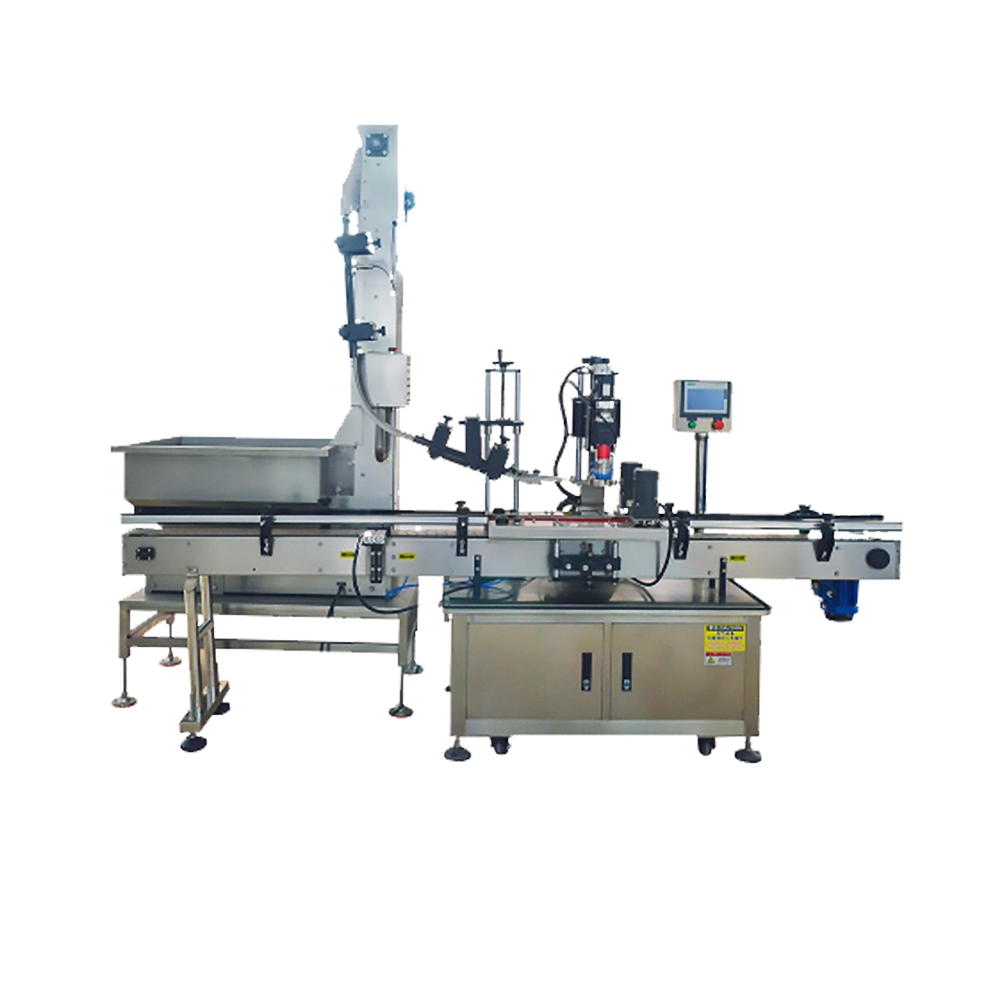
Automatic Metal Caps Capping Machine for Sale
Yuanyang automatic metal cap capping machine is a bottle capper for bottles with metal caps, which is often used to close lids of containers such as bottles and jars. The glass bottle metal capping machine is widely used in food, medicine, chemical, cosmetic, and other industries for mass production and continuous production line .
Features:
⦁ Pneumatic and electric drive;
⦁ Automated fast speed;
⦁ Suitable for glass bottles with metal caps.
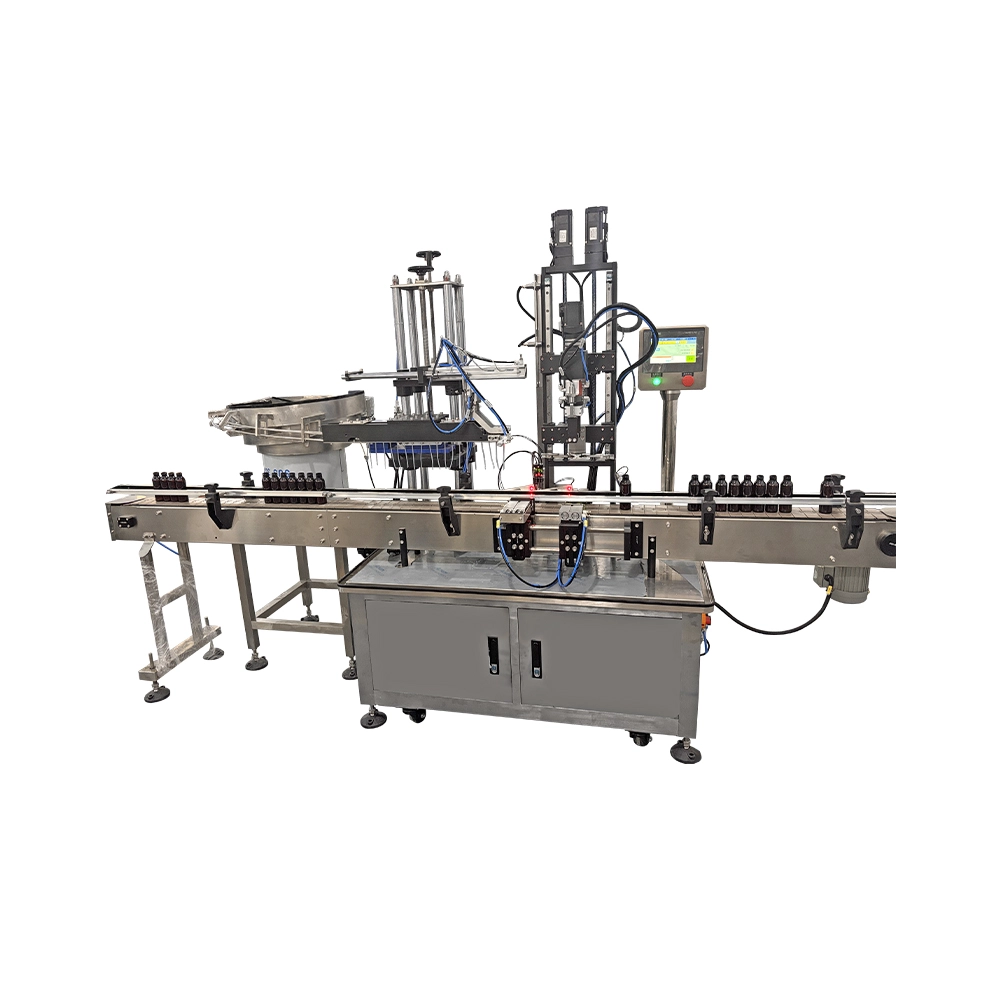
Automatic Pump Head Feeding and Capping Machine for Sale
Yuanyang automatic pump head feeding and capping machine is a bottle cap sorter and capper for bottles with pump heads, which is often used to close lids of containers such as nail polish, sprayers, and shampoo. The capping machine with a pump head feeder is widely used in food, medicine, chemical, cosmetic, and other industries for mass production and continuous production line .
Features:
⦁ Pneumatic and electric drive;
⦁ Automated fast speed;
⦁ Suitable for various types of caps.
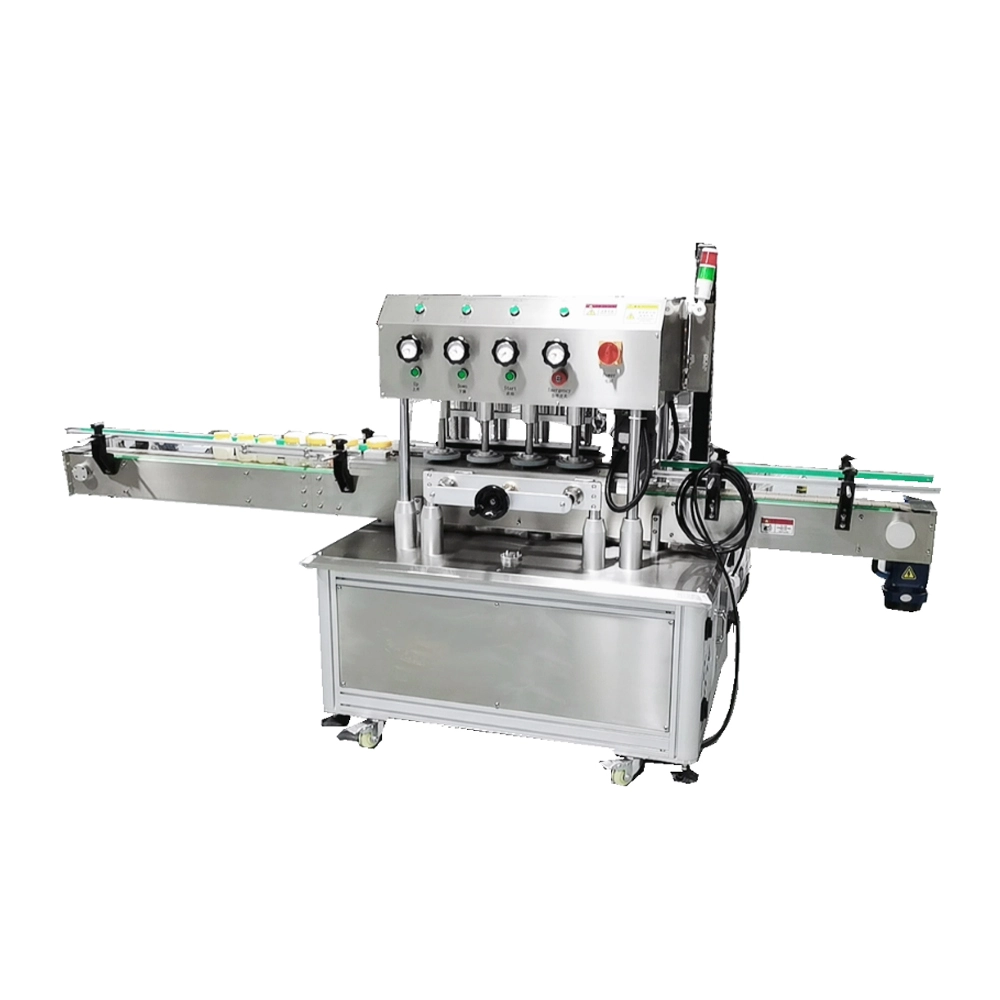
Automatic High Speed Capping Machine for Sale
The Yuanyang automatic high-speed capping machine is a kind of 8-wheel bottle-capping machine with fast working efficiency. The automatic capper is often used to close lids of containers such as bottles and jars, especially for plastic bottles, which are widely used in food, medicine, chemical, cosmetic, and other industries for mass production and continuous production lines.
Features:
⦁ Electric drive;
⦁ Automated fast speed;
⦁ Suitable for various screw caps, pumps, and spray bottles.
 Scan QR Code
Facebook
YouTube
LinkedIn
Whatsapp: +8613434139712
Guangzhou Yuanyang Machinery