





Maintenance Best Practices for Industrial Homogenizer Mixers
- Maintenance Best Practices for Industrial Homogenizer Mixers
- Why Regular Maintenance Matters for Your Homogenizer Mixer
- Understanding the Key Components to Maintain
- Daily Maintenance Tasks for a Homogenizer Mixer
- Weekly and Monthly Maintenance Checklist
- Quarterly and Annual Preventive Maintenance
- Cleaning and Sanitation Procedures for Liquid Products
- Lubrication and Bearing Care
- Rotor-Stator and High Shear Homogenizer Maintenance
- Seal and Gasket Replacement Strategy
- Electrical and Control System Care
- Troubleshooting Common Issues with Homogenizer Mixers
- Spare Parts and Inventory Management
- Safety and Compliance Considerations
- Documenting Maintenance and Using Data to Improve Uptime
- Cost-Benefit: Preventive vs Reactive Maintenance
- Product Spotlight: Liquid Soap Mixer Machine for Sale
- Why Choose a Well-Maintained Yuanyang Liquid Soap Mixer
- FAQ
- How often should I replace rotor and stator parts on my homogenizer mixer?
- Can I use standard CIP chemicals with PTFE scrapers?
- What are common signs of a failing mechanical seal?
- Is it necessary to keep spare rotor-stator pairs in inventory?
- How does lubrication affect homogenizer performance?
- Contact and Call to Action
- Authoritative References

Maintenance Best Practices for Industrial Homogenizer Mixers
Why Regular Maintenance Matters for Your Homogenizer Mixer
Industrial homogenizer mixers are workhorse machines in formulations like liquid soap, shampoo, body wash, detergents, and hand sanitizer. Proper maintenance reduces downtime, extends equipment life, ensures consistent product quality, and minimizes safety risks. For manufacturers using a Liquid Soap Mixer Machine for Sale, following disciplined maintenance practices preserves the high shear homogenizer and PTFE wall scrapers that are critical to producing stable emulsions and homogeneous liquids.
Understanding the Key Components to Maintain
Before setting a maintenance program, identify components that need regular attention. For a typical homogenizer mixer these include:
- High shear homogenizer rotor-stator assembly located at the bottom
- PTFE wall scrapers and their drive mechanisms at top
- Mixing vessel and lid seals, gaskets and fittings
- Motor, gearbox and couplings
- Bearings, shafts and seals
- Electric control system and sensors
- Heating or cooling jackets, if present
Knowing these components helps prioritize inspections and spare parts stocking for the Liquid Soap Mixer Machine for Sale.
Daily Maintenance Tasks for a Homogenizer Mixer
Daily checks are quick but critical. They catch problems early and keep production on schedule. Make daily tasks part of the operator start-up and shut-down procedure.
- Visual inspection of vessel, lid and external piping for leaks or residue.
- Check control panel for error codes or unusual alarms.
- Verify that PTFE scrapers move freely and make full contact with the vessel wall.
- Confirm homogenizer runs at expected RPM and there are no abnormal noises or vibrations.
- Wipe down accessible surfaces to prevent build-up and contamination.
Weekly and Monthly Maintenance Checklist
Weekly and monthly tasks require slightly more time but are essential for preventing medium-term wear issues.
| Task | Frequency | Purpose |
|---|---|---|
| Lubricate bearings and motor couplings | Weekly or per manufacturer interval | Reduce friction and maintain alignment |
| Inspect rotor-stator for wear | Monthly | Maintain homogenization efficiency and particle size distribution |
| Check seal and gasket integrity | Monthly | Prevent leaks and contamination |
| Test safety interlocks and emergency stop | Monthly | Ensure operator safety |
| Inspect PTFE wall scrapers for wear or tear | Monthly | Prevent wall build-up and ensure efficient scraping |
Quarterly and Annual Preventive Maintenance
Longer-interval maintenance protects core machine components and control systems. Plan downtime for comprehensive inspections.
- Disassemble rotor-stator for measurement and replacement if clearances exceed spec.
- Perform vibration analysis on motor and gearbox to detect bearing fatigue or misalignment.
- Pressure-test seals and inspect jacketed heating or cooling zones for leaks.
- Update control system firmware and verify sensor calibrations.
- Inspect and, if needed, re-torque foundation bolts and couplings.
Cleaning and Sanitation Procedures for Liquid Products
Cleaning protocols depend on product type and regulatory requirements. For soap and detergent production prioritize residue removal and microbial control.
- Implement Clean-in-Place (CIP) cycles where possible. Typical CIP sequence: pre-rinse, caustic wash to remove oils and surfactants, acid rinse for mineral deposits, final rinse, and sanitization if required.
- Ensure PTFE scrapers are compatible with CIP chemicals and are inspected after chemical exposure.
- Document drain and flush times. Residual detergent left in lines can cause contamination or cause seals to degrade.
Lubrication and Bearing Care
Proper lubrication prevents premature bearing failure and reduces energy consumption. Use manufacturer-recommended grease types and schedules.
- Use food-grade lubricant if product contact is possible; otherwise use industrial grade consistent with operating temperature.
- Follow grease intervals for bearings based on RPM and load. Over-greasing can cause heat build-up and seals to fail.
- Document lubricant batch and replenishment dates for traceability.
Rotor-Stator and High Shear Homogenizer Maintenance
The rotor-stator is the heart of a homogenizer mixer. Its clearance, surface finish and balance determine product quality.
- Measure rotor-to-stator clearance routinely and replace components when wear exceeds manufacturer tolerance. Even small increases in clearance can significantly degrade homogenization performance.
- Inspect for erosion or pitting, especially when processing abrasive fillers or preservatives.
- Re-balance rotors after machining or part replacement to avoid vibrations that accelerate wear on bearings and couplings.
Seal and Gasket Replacement Strategy
Seals and gaskets prevent leaks and contamination. A proactive replacement strategy reduces emergency downtime.
- Keep a log of seal lifespan per application and chemical exposure.
- Stock critical spare seals matched to the Liquid Soap Mixer Machine for Sale to shorten repair time.
- During replacement ensure surface finish and cleanliness to prevent accelerated wear.
Electrical and Control System Care
Electrical faults can stop production and damage components. Regular checks improve reliability.
- Inspect motor terminals, cable glands and junction boxes for loose connections or corrosion.
- Verify sensor accuracy including temperature and pressure gauges used in jacket control.
- Back up PLC or control configurations before applying updates. Record firmware versions in maintenance logs.
Troubleshooting Common Issues with Homogenizer Mixers
Fast identification of root causes saves time. Use this quick guide to common symptoms and probable causes.
| Symptom | Probable Cause | Immediate Action |
|---|---|---|
| Excessive vibration | Unbalanced rotor, worn bearings, misalignment | Stop machine, inspect rotor balance and bearings, perform alignment checks |
| Drop in homogenization quality | Worn rotor-stator, increased clearance | Measure clearances, replace rotor or stator, verify speed settings |
| Fluid leak at shaft | Failed mechanical seal or gasket | Replace seal, check seal housing, inspect for improper installation |
| Motor overheating | Overload, cooling blockage, bearing failure | Check load and RPM, inspect cooling ventilation, test bearing resistance |
Spare Parts and Inventory Management
Maintain critical spares to reduce downtime. Typical items to stock for a liquid soap homogenizer include:
- Rotor and stator sets specific to the homogenizer model
- Mechanical seals and O-rings in all common sizes
- Bearings, couplings and drive belts
- Spares for PTFE scrapers and scraper drive components
- Standard sensors and control fuses
Use a minimum stock level system and track usage trends to avoid overstocking while ensuring rapid repairs.
Safety and Compliance Considerations
Maintenance must follow safety procedures and regulatory requirements for cleaning and chemical handling. Key points include:
- Lockout-tagout procedures during all maintenance events.
- Proper PPE for personnel working with cleaning chemicals and hot jackets.
- Record-keeping for CIP cycles if required by food or pharmaceutical regulators.
- Regular training and competency checks for maintenance staff.
Documenting Maintenance and Using Data to Improve Uptime
Create a maintenance log capturing dates, personnel, parts replaced, measurements and root cause analysis. Over time, this dataset helps identify trends and supports continuous improvement initiatives such as predictive maintenance using vibration or thermal data.
Cost-Benefit: Preventive vs Reactive Maintenance
Preventive maintenance usually costs less than reactive repairs when factoring in downtime and scrap. The table below summarizes typical cost impacts.
| Approach | Typical Cost Considerations | Impact on Uptime |
|---|---|---|
| Preventive Maintenance | Planned labor, scheduled spare parts, routine inspections | High uptime, predictable production |
| Reactive Maintenance | Emergency repairs, expedited parts, possible product loss | Low uptime, unpredictable costs |
Product Spotlight: Liquid Soap Mixer Machine for Sale
The Yuanyang liquid soap mixer machine is an industrial homogeneous mixer for liquid soap production. The mixer machine is mainly designed to produce such liquid products as shampoo, body wash, laundry detergent, dish soap, hand sanitizer and other thick liquids.
Features:
⦁ Flat top, half-open lid, electric control system.
⦁ Suitable for various liquid cleaning products and sauces.
⦁ PTFE wall scrapers stirring at top, high shear homogenizer at bottom.
Maintenance recommendations specific to this model:
- Inspect PTFE scrapers monthly for wear due to continuous contact with the vessel wall.
- Check homogenizer rotor-stator clearances after every 500 hours, or sooner when processing abrasive additives.
- Follow electrical panel inspection and firmware backups during quarterly maintenance.
Why Choose a Well-Maintained Yuanyang Liquid Soap Mixer
A well-maintained mixer ensures consistent product viscosity, fewer contaminations, and reduced operating costs. Yuanyang units are engineered for easy maintenance with accessible rotor-stator assemblies, modular scrapers, and a user-friendly electric control system that stores run parameters for troubleshooting.
FAQ
How often should I replace rotor and stator parts on my homogenizer mixer?
Replacement intervals depend on operating hours, abrasiveness of ingredients and tolerance requirements. A typical guideline is to inspect every 500 hours and replace when wear exceeds manufacturer-specified clearances. For abrasive formulations, expect more frequent replacement.
Can I use standard CIP chemicals with PTFE scrapers?
PTFE is chemically resistant to many cleaning agents, but confirm compatibility with your specific CIP chemicals and temperatures. Inspect scrapers after initial CIP cycles to verify no degradation.
What are common signs of a failing mechanical seal?
Common signs include fluid leakage at the shaft, unexpected pressure changes, and contamination of bearing housings. Replace seals promptly to avoid more extensive damage.
Is it necessary to keep spare rotor-stator pairs in inventory?
Yes. Keeping at least one spare rotor-stator pair reduces downtime significantly. Match spares to the specific model and keep track of part numbers in your maintenance log.
How does lubrication affect homogenizer performance?
Proper lubrication reduces friction in bearings and couplings, lowering energy consumption and failing less often. Follow recommended grease types and intervals to avoid over- or under-lubrication.
Contact and Call to Action
Maintenance must go hand in hand with operator protection. Addressing safety and compliance considerations for soap mixer equipment helps manufacturers meet regulatory and workplace safety standards.For assistance implementing a maintenance plan or to inquire about the Liquid Soap Mixer Machine for Sale, contact our sales and service team. Call or email to request a maintenance checklist tailored to your production needs or to schedule a service visit. Visit the product page for specifications and ordering information at https://example.com/products/liquid-soap-mixer
Authoritative References
- Homogenizer overview and technology principles: https://en.wikipedia.org/wiki/Homogenizer
- Best practices for industrial equipment maintenance: https://www.iso.org/standard/52075.
- Cleaning and sanitation guidelines for food and personal care equipment: https://www.fda.gov/food
- Mechanical seal basics and maintenance: https://www.api.org/
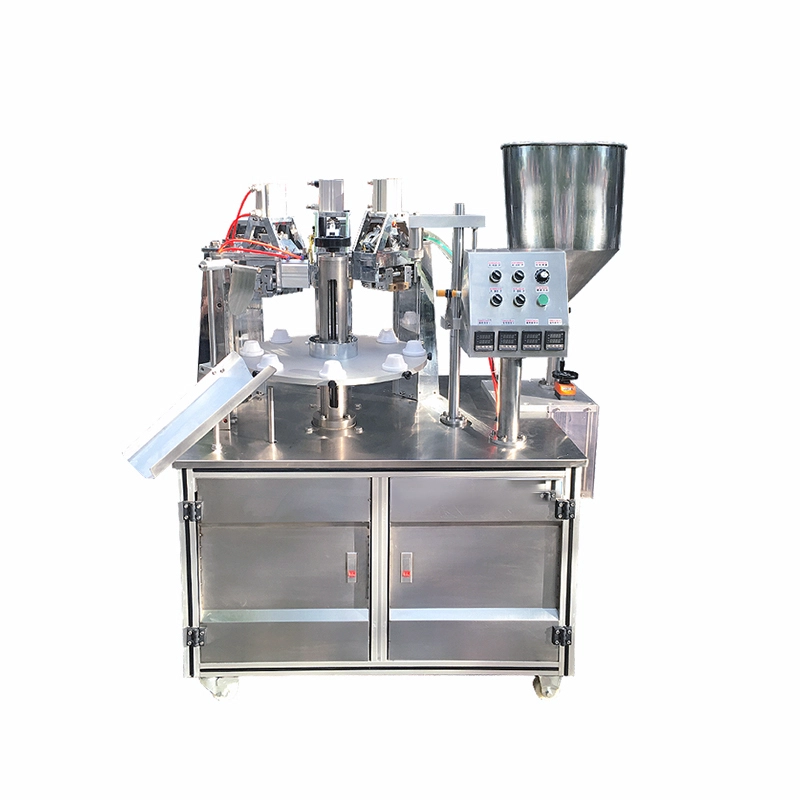
Quality & Compliance: Sealing Machines for Regulated Industries
Where to Buy paste filling machines in Africa
Custom homogenizer mixer Manufacturers and Suppliers in Germany
How to start a semi auto labeling machine business in Europe
Vacuum Homogneizer
Is there any safety devices for the homogenizer tank?
Yes,there are safety valves for jacket pressure and vacuum pressure. When the pressure reaches the designed margin point, the safety valves can protect the machine by releasing the gas.
And circuit protection device is equipped in the control box, when the power supply of the factory is beyond the designed voltage of the machine, or occurs short circuit, it will operate self-protection system.
Horizontal Filling Machine
What’s the production time of this semi automatic filler?
Normally it only takes 2-7 days to produce. Most often the popular 100-1000g filling range type is in stock.
What’s the filling range of this semi auto filler?
There are different sizes of air cylinders. Therefore there are the following filling range:5-60g, 10-120g, 20-200g, 30-300g, 50-500g, 100-1000g, 200-2000g, 300-3000g, 500-5000g. Please tell the minimum bottle and maximum bottle capacity, suitable types of filling machine model will be recommended.
Melting Tank
What’s the standard discharge outlet size? Can you customize a small or bigger outlet pipe?
The standard discharge outlet is 2 inch, it can customized smaller 1.5 inch, or bigger 2.5 inch and so on.
Liquid Soap Mixer
Can you provide liquid soap formula and train service?
Yes, we can provide different formulas, and teach client how to adjust the formula flexibly.
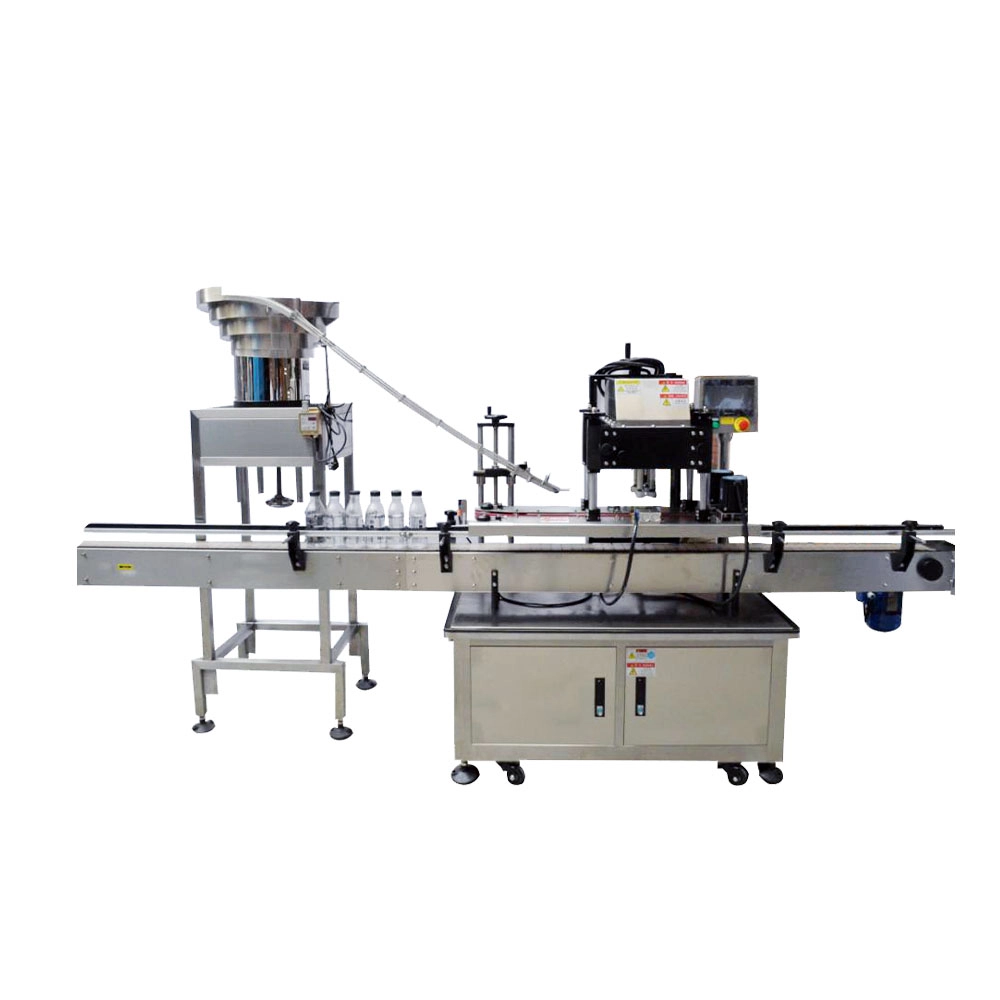
Automatic Plastic Caps Capping Machine with Vibrating Cap Feeder for Sale
Yuanyang automatic screw capping machine is a kind of four-wheel bottle capping machine. The automatic screw capper is often used to close lids of containers such as bottles and jars, especially for plastic bottles, which are widely used in food, medicine, chemical, cosmetic, and other industries for mass production and continuous production lines.
Features:
⦁ Full pneumatic drive;
⦁ Automated fast speed;
⦁ Suitable for various screw caps, pumps, and spray bottles.
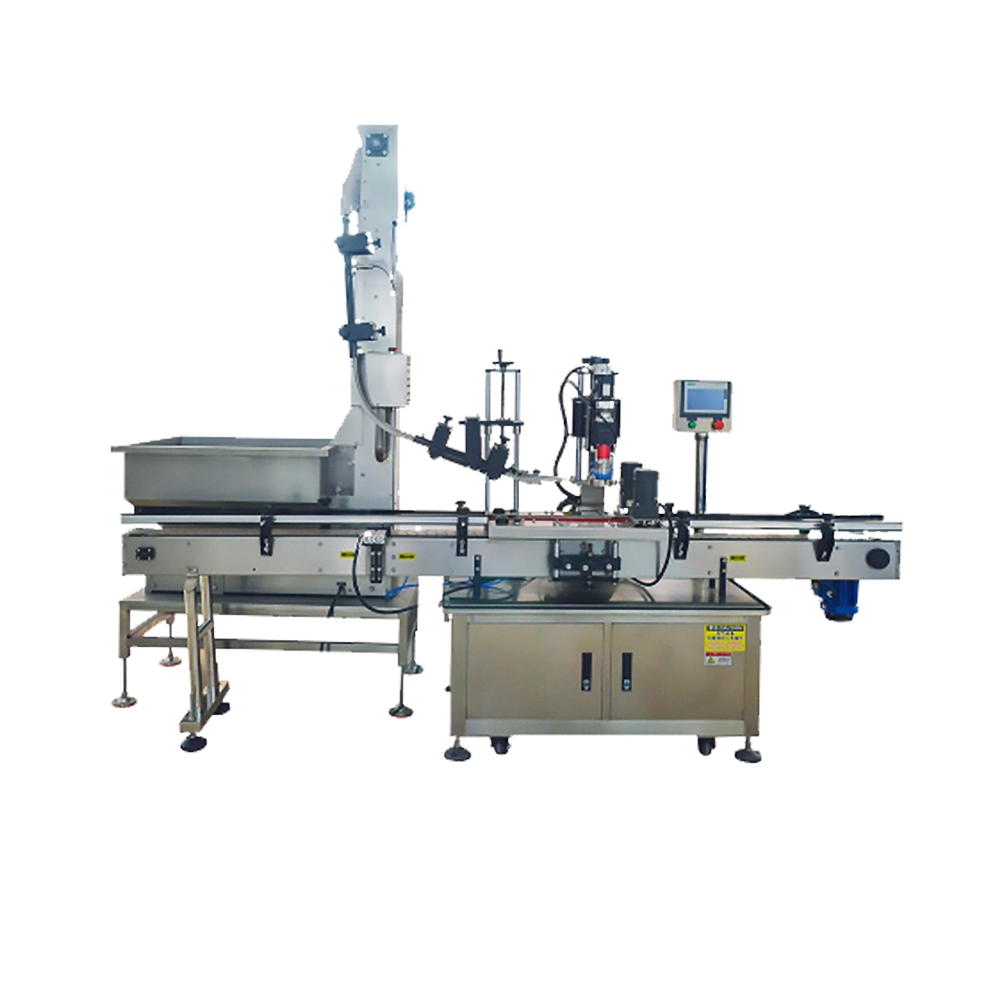
Automatic Metal Caps Capping Machine for Sale
Yuanyang automatic metal cap capping machine is a bottle capper for bottles with metal caps, which is often used to close lids of containers such as bottles and jars. The glass bottle metal capping machine is widely used in food, medicine, chemical, cosmetic, and other industries for mass production and continuous production line .
Features:
⦁ Pneumatic and electric drive;
⦁ Automated fast speed;
⦁ Suitable for glass bottles with metal caps.
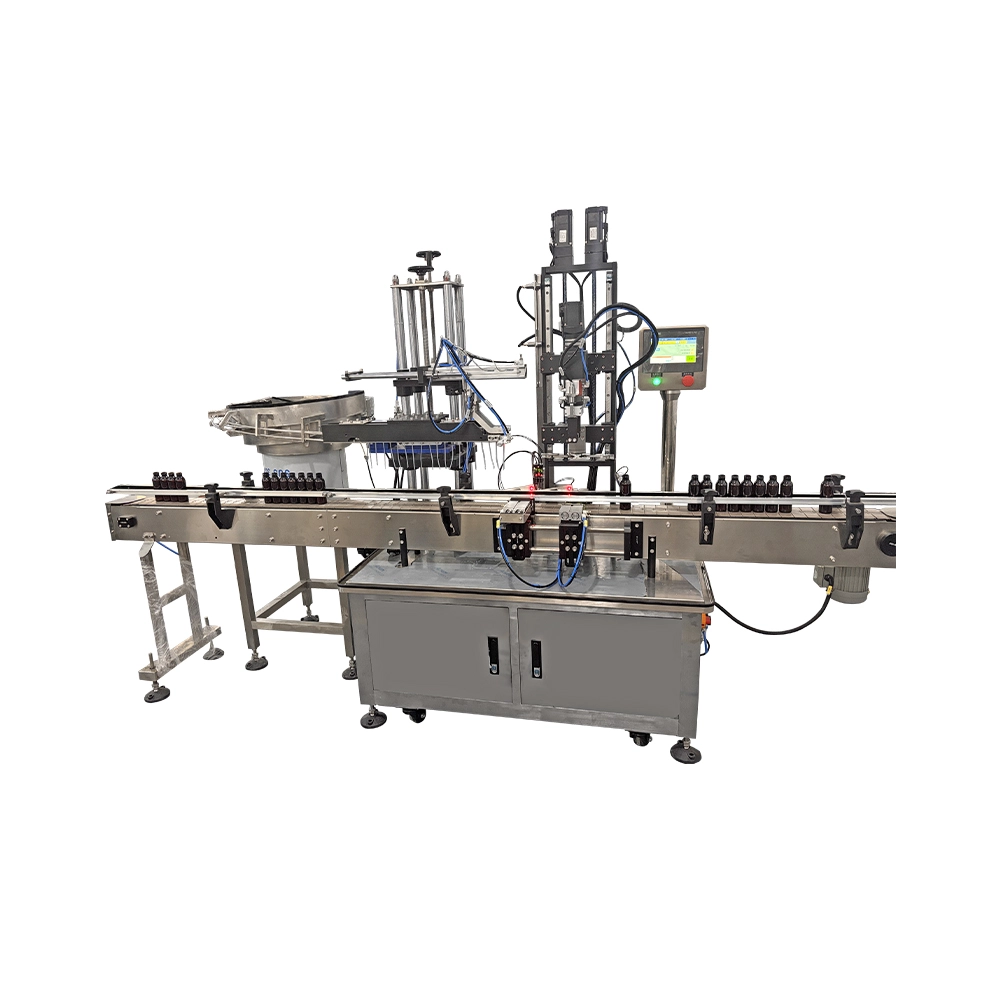
Automatic Pump Head Feeding and Capping Machine for Sale
Yuanyang automatic pump head feeding and capping machine is a bottle cap sorter and capper for bottles with pump heads, which is often used to close lids of containers such as nail polish, sprayers, and shampoo. The capping machine with a pump head feeder is widely used in food, medicine, chemical, cosmetic, and other industries for mass production and continuous production line .
Features:
⦁ Pneumatic and electric drive;
⦁ Automated fast speed;
⦁ Suitable for various types of caps.
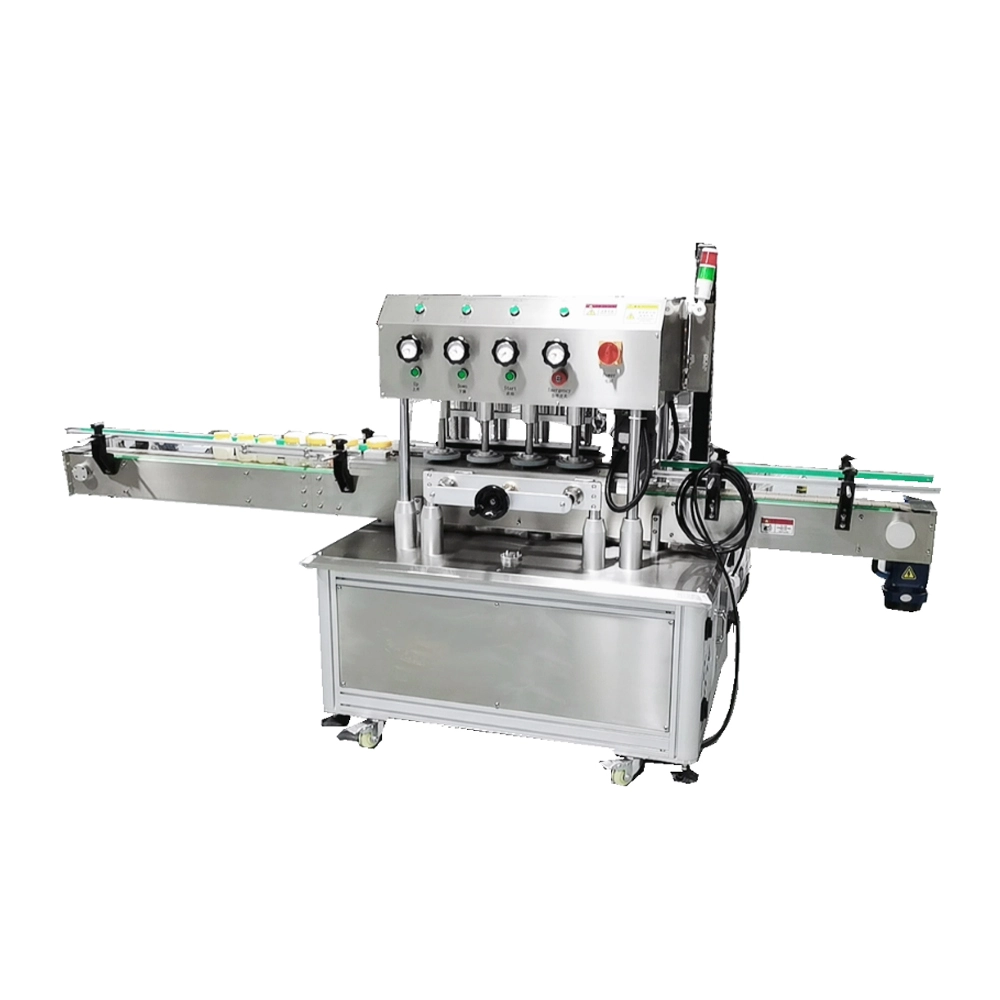
Automatic High Speed Capping Machine for Sale
The Yuanyang automatic high-speed capping machine is a kind of 8-wheel bottle-capping machine with fast working efficiency. The automatic capper is often used to close lids of containers such as bottles and jars, especially for plastic bottles, which are widely used in food, medicine, chemical, cosmetic, and other industries for mass production and continuous production lines.
Features:
⦁ Electric drive;
⦁ Automated fast speed;
⦁ Suitable for various screw caps, pumps, and spray bottles.
 Scan QR Code
Facebook
YouTube
LinkedIn
Whatsapp: +8613434139712
Guangzhou Yuanyang Machinery