





Reducing TCO: Energy and Maintenance Tips for Sealing Machines
- Reducing TCO: Energy and Maintenance Tips for Sealing Machines
- Understanding TCO for Sealing Machines and the Role of a Sealing Machine
- Why Energy Efficiency Matters for a Sealing Machine
- Select the Right Machine: Match Capacity to Demand
- Optimize Cycle Parameters and Use Energy-Saving Modes
- Control and Monitor Power Use: Instrumentation and Data
- Compressed Air Management for Pneumatic Sealing Machines
- Heating and Thermal Efficiency in Sealing Process
- Preventive Maintenance: A Checklist to Reduce Downtime
- Use OEM Parts and Standardize Critical Spares
- Implement Predictive Maintenance Using Condition Monitoring
- Operator Training and Standard Operating Procedures (SOPs)
- Tooling, Changeovers and Quick-Change Techniques
- Evaluate Upgrades and Retrofits: When to Replace vs Repair
- Cost Comparison Table: Repair vs. Retrofit vs. Replace
- Regulatory and Environmental Considerations
- Brand Focus: Why Choose Yuanyang's Automatic Tube Sealing Machine for Sale
- Implementation Roadmap: 90-Day Plan to Cut TCO
- FAQ — Common Questions about Sealing Machines and Reducing TCO
- Q1: How much energy can I realistically save by optimizing my sealing machine?
- Q2: What spare parts should I keep on hand for a sealing machine?
- Q3: How often should I calibrate filling systems on tube sealing machines?
- Q4: Is it worth retrofitting my old sealing machine instead of buying new?
- Q5: How does the Automatic Tube Sealing Machine for Sale reduce maintenance workload?
- Contact Us / View Product
- References and Authoritative Sources
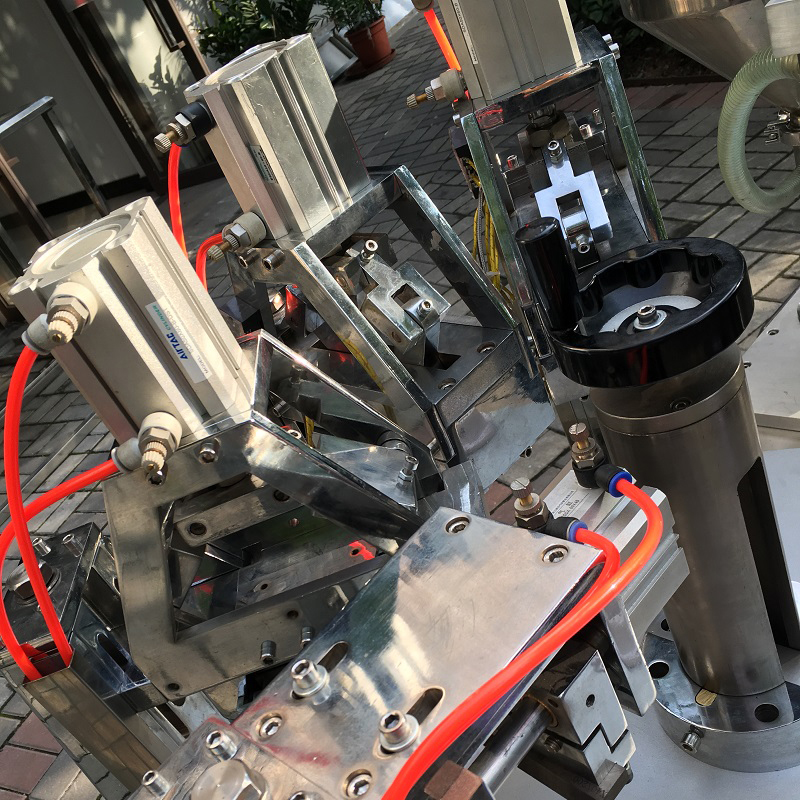
Reducing TCO: Energy and Maintenance Tips for Sealing Machines
Understanding TCO for Sealing Machines and the Role of a Sealing Machine
Total Cost of Ownership (TCO) for a sealing machine goes beyond initial purchase price. TCO includes energy consumption, maintenance and downtime, spare parts, labor, consumables, and eventual disposal or resale. For manufacturers using a sealing machine—especially integrated options like the Automatic Tube Sealing Machine for Sale—reducing TCO means optimizing every stage from installation to end-of-life. This article provides actionable energy and maintenance tips grounded in industry practice to help you lower operating costs while maintaining throughput and product quality. After optimizing costs, it’s important to plan integration of automatic tube sealers into automated packaging lines to achieve seamless workflow and improve overall line efficiency.
Why Energy Efficiency Matters for a Sealing Machine
Energy is one of the largest variable costs in many production lines. Sealing machines that operate continuously or at high cycle rates can be significant energy consumers. Energy efficiency reduces utility bills and lowers carbon footprint—both financially and from a sustainability reporting perspective. When evaluating or operating an Automatic Tube Sealing Machine for Sale, target a combination of equipment-level upgrades, control strategies, and process changes to reduce per-unit energy use without sacrificing performance.
Select the Right Machine: Match Capacity to Demand
Choosing the correct sealing machine size and capabilities prevents overconsumption of energy. An oversized machine may idle frequently and burn energy inefficiently; an underpowered machine may cause bottlenecks and raise labor or overtime costs. Assess production volumes, peak demand, and future growth. The Yuanyang Automatic Tube Sealing Machine for Sale is available as an integrated automatic filling and sealing solution for aluminum or plastic tubes, which can reduce auxiliary equipment and lower TCO when properly matched to throughput requirements.
Optimize Cycle Parameters and Use Energy-Saving Modes
Adjusting cycle speed, heater setpoints, and pneumatic timings can significantly reduce energy consumption. Many modern sealing machines support variable speed drives, programmable logic controllers (PLC), and standby or sleep modes. Implement machine-specific energy-saving profiles that automatically reduce heater power and air compressor demand during planned stops or low-volume shifts. For sealing machines with pneumatic filling control—like the Yuanyang model—optimize actuation timing to minimize compressed air use.
Control and Monitor Power Use: Instrumentation and Data
Install energy meters and integrate them with your supervisory systems to measure real-time energy use of the sealing machine. Monitoring lets you identify spikes, idle losses, and inefficiencies. Use the data to create benchmarks and set improvement targets. Simple dashboards help line supervisors make informed decisions: e.g., adjusting shift schedules to avoid starting multiple high-draw machines simultaneously, or identifying machines needing maintenance due to abnormal energy patterns.
Compressed Air Management for Pneumatic Sealing Machines
Compressed air is often a hidden cost. Many sealing machines rely on pneumatic systems for filling, clamping, and sensing. Implement these practical steps: repair leaks promptly, install efficient compressors with variable speed drive (VSD), use local air storage and pressure regulators near the sealing machine, and consider replacing pneumatic actuators with electric actuators where feasible. Pneumatic filling control on the Yuanyang Automatic Tube Sealing Machine for Sale is accurate; ensuring the compressed air system is efficient preserves that accuracy while minimizing cost.
Heating and Thermal Efficiency in Sealing Process
Sealing machines that rely on thermal elements (induction heaters, hot bars) can be optimized by ensuring proper insulation, rapid-response heaters, and PID control loops for minimal overshoot. Reduce preheat time through improved temperature control and use thermal imaging or contact sensors to validate even heat distribution across sealing surfaces. Periodic calibration ensures setpoints remain accurate, reducing scrap and rework.
Preventive Maintenance: A Checklist to Reduce Downtime
Planned preventive maintenance (PM) reduces unplanned downtime and extends component life—two direct contributors to lower TCO. A PM checklist for sealing machines should include:
- Daily: visual inspection, cleaning sealing jaws, checking photoelectric sensors, verifying proper tube alignment.
- Weekly: lubrication of moving parts, checking pneumatic tubing and fittings for leaks, verifying heater elements and thermocouples.
- Monthly: inspect belts and drives, validate PLC error logs, check electrical connections and grounding, clean and test air filters and regulators.
- Quarterly: calibration of fill volumes, test spare parts inventory, update firmware/controls if recommended by the manufacturer.
Keeping a PM log helps correlate maintenance actions with performance data and energy use.
Use OEM Parts and Standardize Critical Spares
Stocking a short list of critical spares minimizes downtime. Typical spare parts for sealing machines include heater elements, temperature sensors, pneumatic seals, solenoid valves, and photoelectric sensors. Using OEM or OEM-equivalent parts preserves machine performance and may avoid warranty issues. Create a prioritised spare parts matrix based on Mean Time To Repair (MTTR) and part lead times.
Implement Predictive Maintenance Using Condition Monitoring
Predictive maintenance uses vibration sensors, thermography, and electrical monitoring to identify failing components before they cause outages. For example, rising current draw on a motor can indicate bearing wear. Adding simple condition monitoring to sealing machines lets maintenance teams act based on condition rather than fixed time intervals, often reducing total maintenance cost and unplanned downtime.
Operator Training and Standard Operating Procedures (SOPs)
Properly trained operators reduce misfeeds, jams, and incorrect settings that lead to scrap and extra maintenance. Develop SOPs for start-up, changeover, sanitation, and shutdown. Include energy-conscious behaviors: group production runs to avoid frequent start/stops, apply correct warm-up procedures, and use energy-saving machine modes. The touchscreen operation and humanized design of the Yuanyang Automatic Tube Sealing Machine for Sale make it easier to train operators faster and reduce user errors.
Tooling, Changeovers and Quick-Change Techniques
Reducing changeover time minimizes downtime and labor costs. Implement quick-change tooling, use modular fixtures, and maintain a clear setup checklist. Document changeover time as a KPI and aim to reduce it using lean methods (SMED). Less downtime during changeovers also reduces wasted energy from idling equipment.
Evaluate Upgrades and Retrofits: When to Replace vs Repair
Sometimes a retrofit or control upgrade delivers faster ROI than continued repairs. Consider the following when deciding to upgrade to a newer sealing machine or retrofit an existing unit: energy savings from new drives/heaters, improved throughput, reduced spare parts costs, and new functions like remote monitoring. Use a simple payback or lifecycle cost calculation to compare options. For many manufacturers, investing in an integrated solution such as the Automatic Tube Sealing Machine for Sale is attractive because it consolidates filling and sealing functions—reducing auxiliary equipment needs and simplifying maintenance.
Cost Comparison Table: Repair vs. Retrofit vs. Replace
| Option | Typical Upfront Cost | Energy Savings | Downtime Risk | Maintenance Complexity |
|---|---|---|---|---|
| Repair (component) | Low | None to small | Moderate | Moderate |
| Retrofit (controls, drives) | Medium | Moderate to high | Low to moderate | Low (modernized) |
| Replace (new machine) | High | High | Low (warranty period) | Low to medium |
Regulatory and Environmental Considerations
Sealing machines in food, cosmetics, or pharmaceutical production must meet hygiene and regulatory standards. Compliance reduces risk of costly recalls and rework. Ensure materials in contact with product are compliant (e.g., FDA-compliant components for food/medicine). Environmental considerations—waste reduction, recyclable packaging, and energy reporting—also impact corporate sustainability goals and can translate to incentives or lower regulatory risk.
Brand Focus: Why Choose Yuanyang's Automatic Tube Sealing Machine for Sale
Yuanyang's automatic tube sealing machine combines filling and sealing in a compact, integrated platform suitable for cosmetics, food, medicine, and chemical sectors. Key advantages that reduce TCO include:
- Touchscreen operation and humanized design for rapid operator onboarding and fewer user errors.
- Pneumatic filling control to ensure accurate fills and reduce product waste.
- Photoelectric sensing and pneumatic linkage control for consistent sealing and reduced rejects.
- Efficient pneumatic control valves and separable runners for easier cleaning and maintenance.
These design choices translate into lower labor costs, reduced scrap, and simpler maintenance—direct contributors to lower TCO.
Implementation Roadmap: 90-Day Plan to Cut TCO
Follow this roadmap to realize quick wins in energy and maintenance:
- Days 1–15: Baseline measurement—install energy and air meters, capture current PM logs, and map processes.
- Days 16–45: Quick fixes—repair air leaks, tune heater PID loops, update SOPs, and provide operator training.
- Days 46–75: Medium actions—implement predictive monitoring, optimize cycle parameters, and stock critical spares.
- Days 76–90: Evaluate upgrades—run ROI for retrofits or replacement with an integrated solution like Yuanyang’s Automatic Tube Sealing Machine for Sale.
FAQ — Common Questions about Sealing Machines and Reducing TCO
Q1: How much energy can I realistically save by optimizing my sealing machine?
Energy savings vary by baseline efficiency and implemented measures. Practical improvements (repairing leaks, tuning controls, scheduling) commonly yield 5–20% savings. Retrofits or replacement with modern equipment can yield 20–50% energy reduction in some cases, depending on age and technology of the replaced machine.
Q2: What spare parts should I keep on hand for a sealing machine?
Essential spare parts include heater elements, thermocouples, photoelectric sensors, solenoid valves, pneumatic seals, O-rings, and key electrical components. Prioritize items with long lead times or that are critical to operation.
Q3: How often should I calibrate filling systems on tube sealing machines?
Calibration frequency depends on usage and product criticality. A common approach is monthly checks for high-volume lines and quarterly checks otherwise. Immediately recalibrate after any repair affecting fill systems or if quality drift is observed.
Q4: Is it worth retrofitting my old sealing machine instead of buying new?
Often yes, if the frame and mechanical systems are sound. Retrofitting controls, drives, or replacing heaters can be cost-effective with a short payback. If multiple systems are outdated or energy savings potential is high, replacement may be preferable. Run lifecycle cost analysis to decide.
Q5: How does the Automatic Tube Sealing Machine for Sale reduce maintenance workload?
The Yuanyang machine’s modular design, separable runners for cleaning, pneumatic filling control, and touchscreen interface simplify daily cleaning, troubleshooting, and operator interaction—reducing time spent on routine maintenance and changeovers.
Contact Us / View Product
To evaluate how the Automatic Tube Sealing Machine for Sale can lower your TCO, contact our sales team or request a demo. Our experts will help size equipment to your needs, estimate energy and maintenance savings, and provide a tailored ROI analysis.
References and Authoritative Sources
- Packaging machine — Wikipedia: https://en.wikipedia.org/wiki/Packaging_machine
- Industrial Energy Management — U.S. Department of Energy, Advanced Manufacturing Office: https://www.energy.gov/eere/amo/industrial-energy-management
- Total cost of ownership — Wikipedia: https://en.wikipedia.org/wiki/Total_cost_of_ownership
- Energy Efficiency and Renewable Energy — U.S. Department of Energy: https://www.energy.gov/eere/office-energy-efficiency-renewable-energy
- ISO 9001 — Quality management systems — ISO: https://www.iso.org/iso-9001-quality-management.
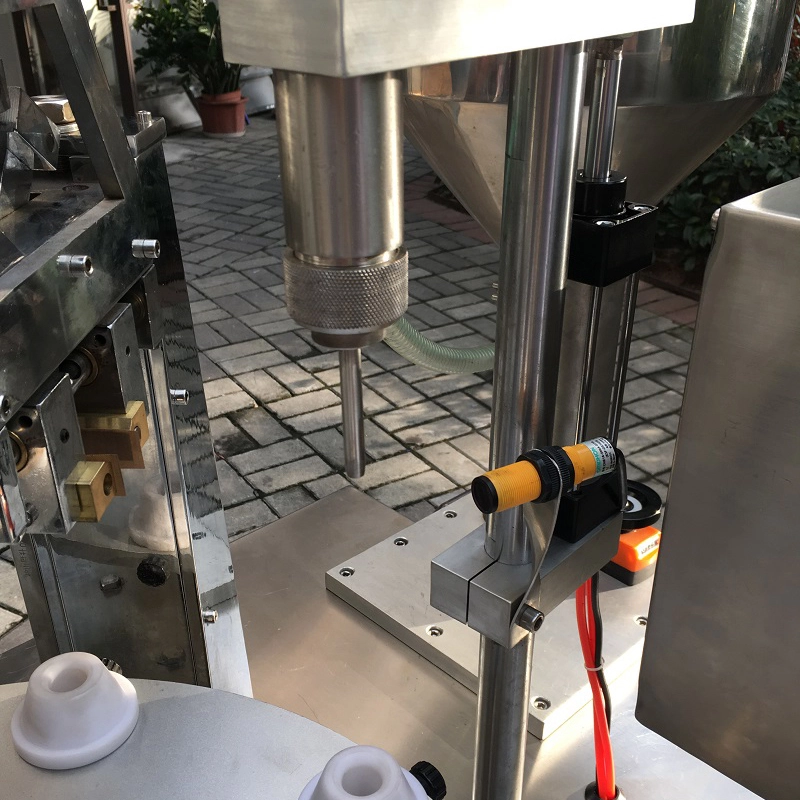
Top Procurement Criteria for Automatic Tube Sealing Machines
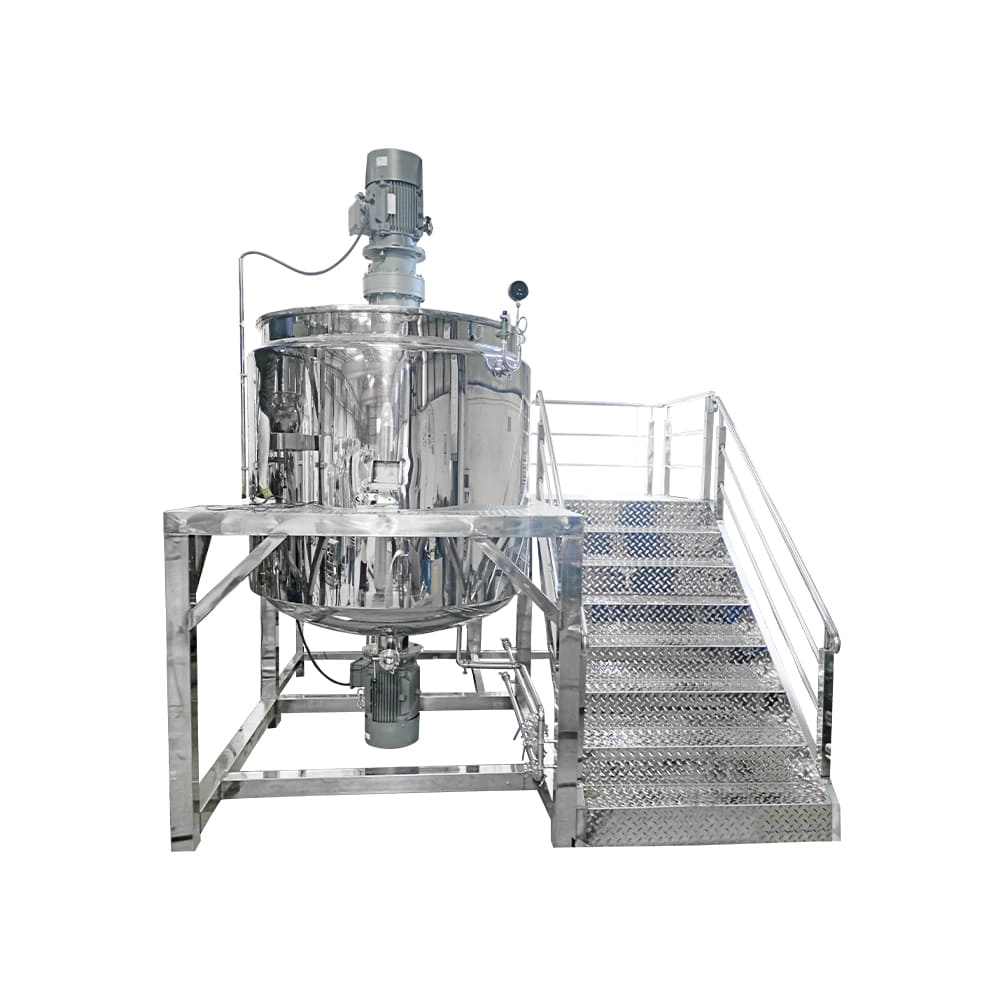
ROI and Lifecycle Cost Analysis for Liquid Soap Mixer Machines
How to Choose the automatic sealing machine manufacturer and supplier ?
Vacuum Emulsifying Mixers vs Homogenizers 2026
Cosmetic
How do you handle unexpected downtime or failures during production?
Our equipment is equipped with an intelligent fault detection system that monitors the operational status in real-time, automatically alerts and stops operation when issues arise, ensuring safety. Additionally, our technical support team offers 24/7 remote and on-site services to quickly address equipment failures.
Portable Storage Tank
What’s the material of the liquid tank?
The tank is made of stainless steel 304 or 316L. We customize upon requirements. Or we recommend according to clients’ products.
Powder Sachet Packaging Machine
Is the length of bag-forming adjustable for this automatic packing machine?
Yes, the bag-forming length can be adjusted on the control panel within certain range of the model.
Is the powder packing machine suitable for different film size?
The standard sachet packing machine for powders is only suitable for one film size, and module must be customized according to the film width. But client can require more set of module to replace for different film width.
Vibrating sieving machine
What’s the available mesh for the filter screen?
The mesh varies from 2-500 mesh. Customer service will recommend clients the most suitable mesh according to materials and requirements.
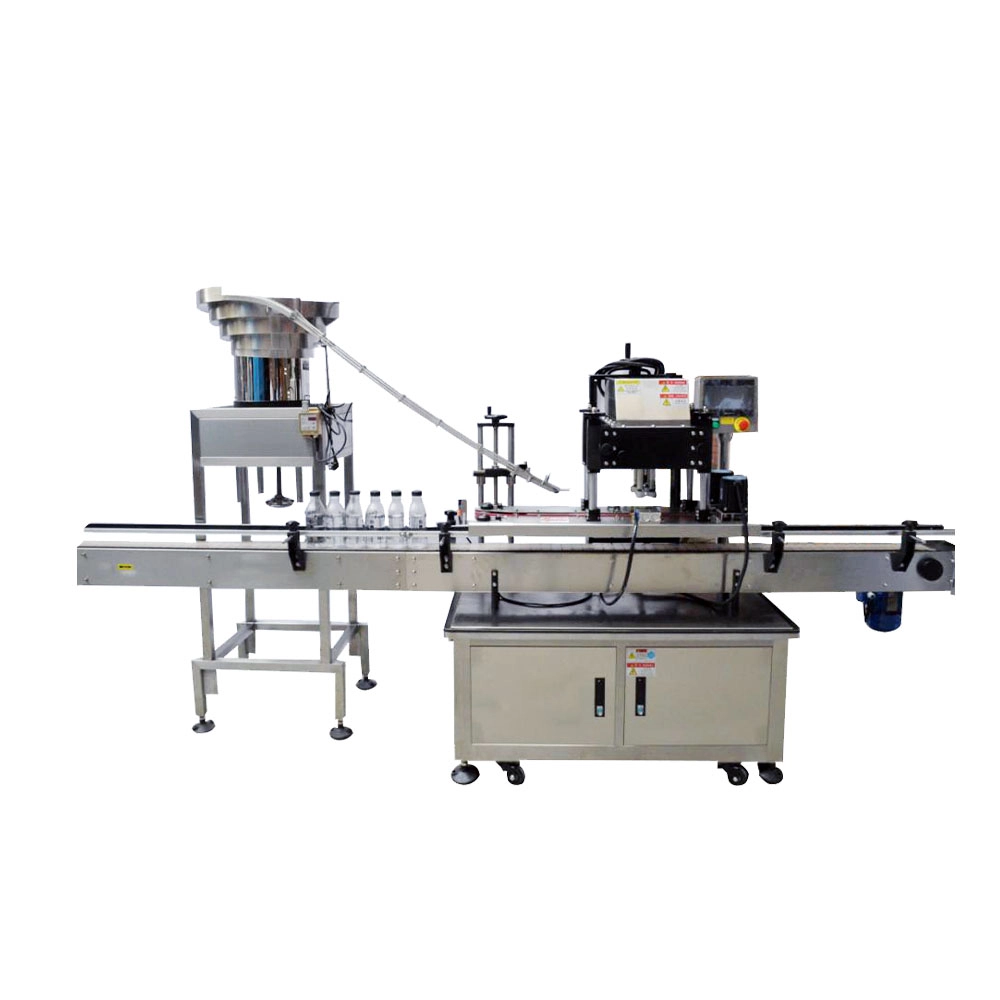
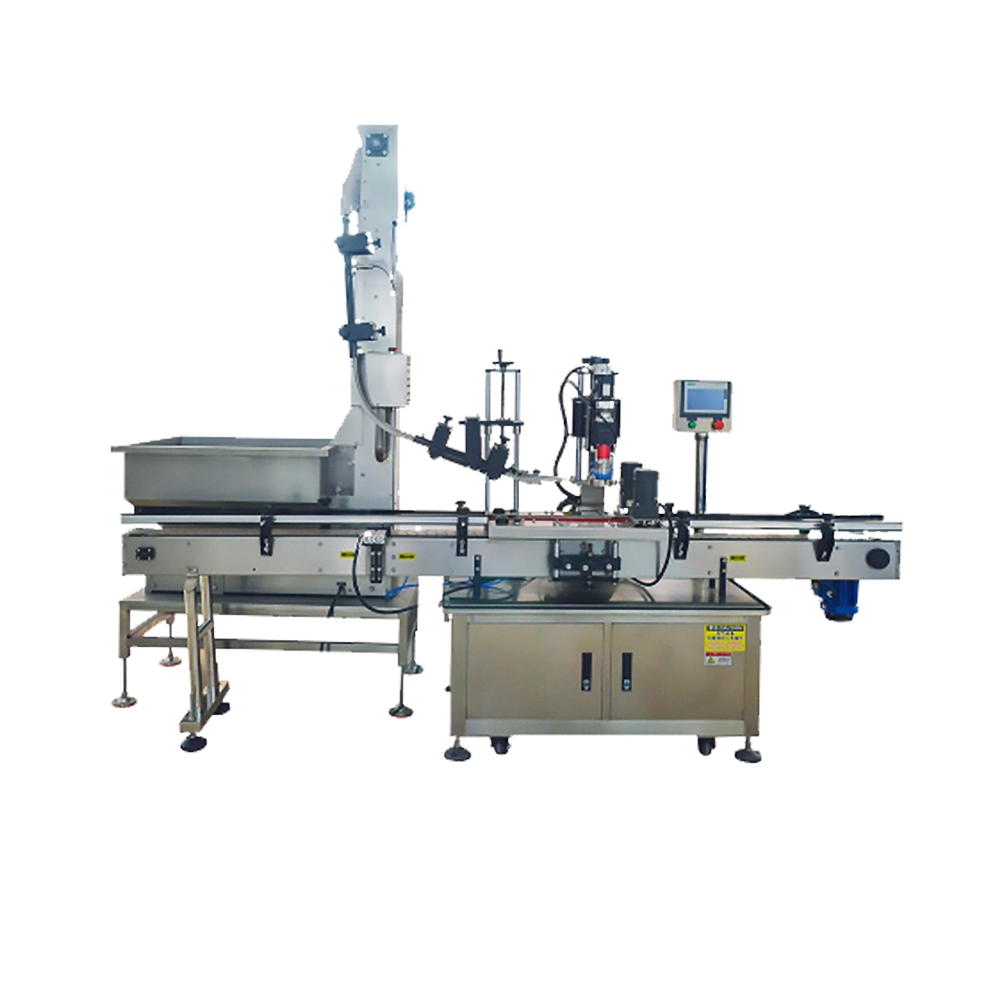
Automatic Plastic Caps Capping Machine with Vibrating Cap Feeder for Sale
Yuanyang automatic screw capping machine is a kind of four-wheel bottle capping machine. The automatic screw capper is often used to close lids of containers such as bottles and jars, especially for plastic bottles, which are widely used in food, medicine, chemical, cosmetic, and other industries for mass production and continuous production lines.
Features:
⦁ Full pneumatic drive;
⦁ Automated fast speed;
⦁ Suitable for various screw caps, pumps, and spray bottles.
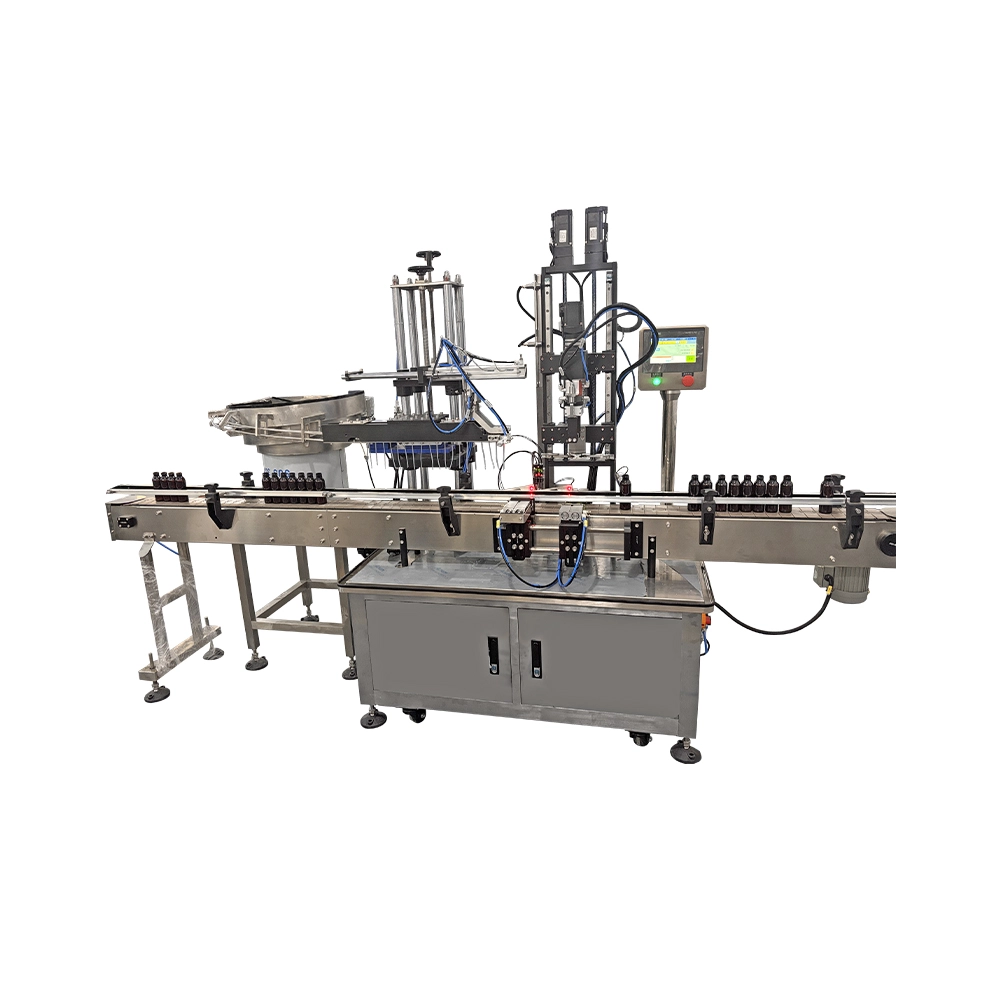
Automatic Metal Caps Capping Machine for Sale
Yuanyang automatic metal cap capping machine is a bottle capper for bottles with metal caps, which is often used to close lids of containers such as bottles and jars. The glass bottle metal capping machine is widely used in food, medicine, chemical, cosmetic, and other industries for mass production and continuous production line .
Features:
⦁ Pneumatic and electric drive;
⦁ Automated fast speed;
⦁ Suitable for glass bottles with metal caps.
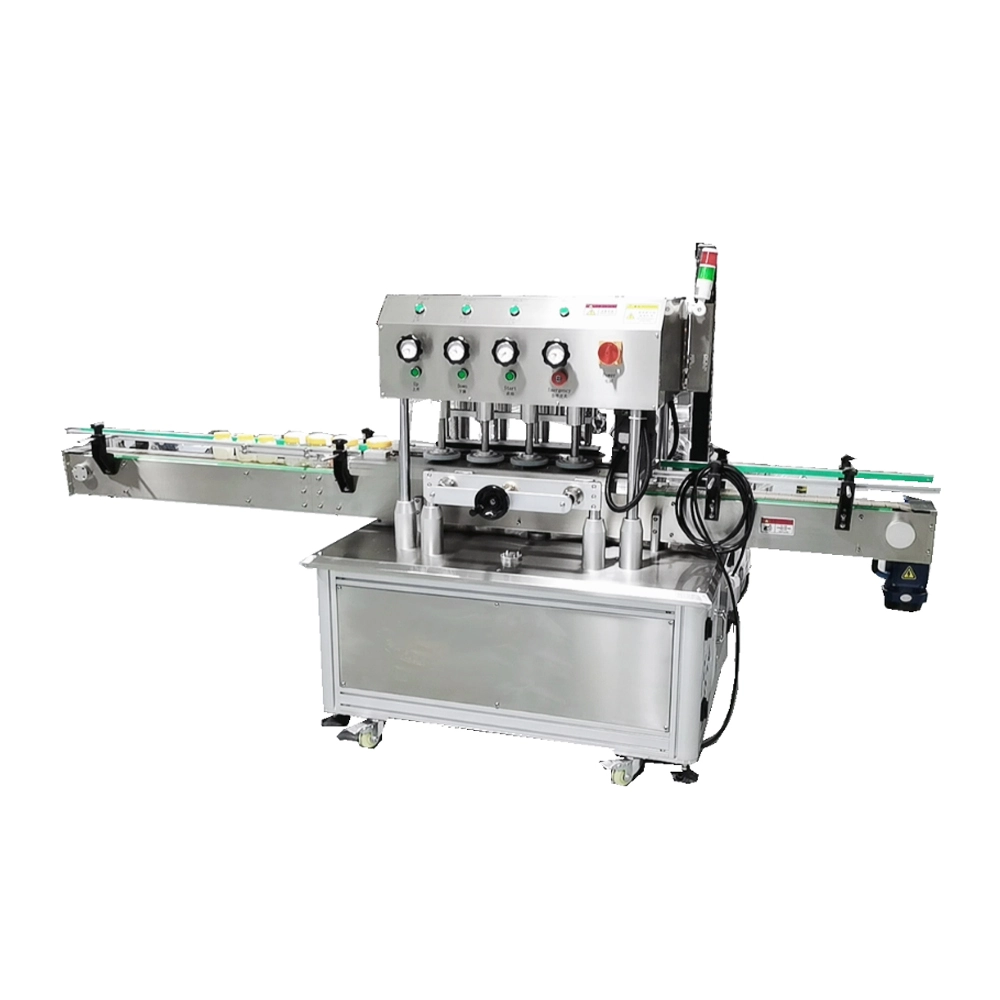
Automatic Pump Head Feeding and Capping Machine for Sale
Yuanyang automatic pump head feeding and capping machine is a bottle cap sorter and capper for bottles with pump heads, which is often used to close lids of containers such as nail polish, sprayers, and shampoo. The capping machine with a pump head feeder is widely used in food, medicine, chemical, cosmetic, and other industries for mass production and continuous production line .
Features:
⦁ Pneumatic and electric drive;
⦁ Automated fast speed;
⦁ Suitable for various types of caps.
Automatic High Speed Capping Machine for Sale
The Yuanyang automatic high-speed capping machine is a kind of 8-wheel bottle-capping machine with fast working efficiency. The automatic capper is often used to close lids of containers such as bottles and jars, especially for plastic bottles, which are widely used in food, medicine, chemical, cosmetic, and other industries for mass production and continuous production lines.
Features:
⦁ Electric drive;
⦁ Automated fast speed;
⦁ Suitable for various screw caps, pumps, and spray bottles.
 Scan QR Code
Facebook
YouTube
LinkedIn
Whatsapp: +8613434139712
Guangzhou Yuanyang Machinery