





Sachet Packaging Machine for Sale: Cleanroom Design Tips
- Why Cleanroom Design Matters for Sachet Packaging
- Risks in Non-Clean Environments
- Regulatory Drivers and Standards
- Design Tips for Cleanroom-Compatible Sachet Packaging Machines
- Material Selection and Surface Finish
- Sealing, Enclosures, and Particle Control
- Airflow, Placement, and Room Interface
- Operational Best Practices and Validation
- Cleaning, CIP, and Preventive Maintenance
- Validation, Environmental Monitoring, and Records
- Purchasing, Installation, and Integration of a Sachet Packaging Machine for Sale
- Key Specifications to Compare
- Line Layout, Utilities, and Electrical Considerations
- Vendor Support, Qualification, and Documentation
- Practical Case Example: Applying Tips to a Yuanyang Sachet Packaging Machine
- FAQ — Common Questions About Sachet Packaging Machine for Sale and Cleanroom Design
- Q1: Do I always need a cleanroom to use a sachet packaging machine?
- Q2: What are the must-have features for a cleanroom-ready sachet packing machine?
- Q3: How do I validate a sachet packaging line?
- Q4: Can packaging speed affect contamination risk?
- Q5: Who should I contact for custom cleanroom integration?
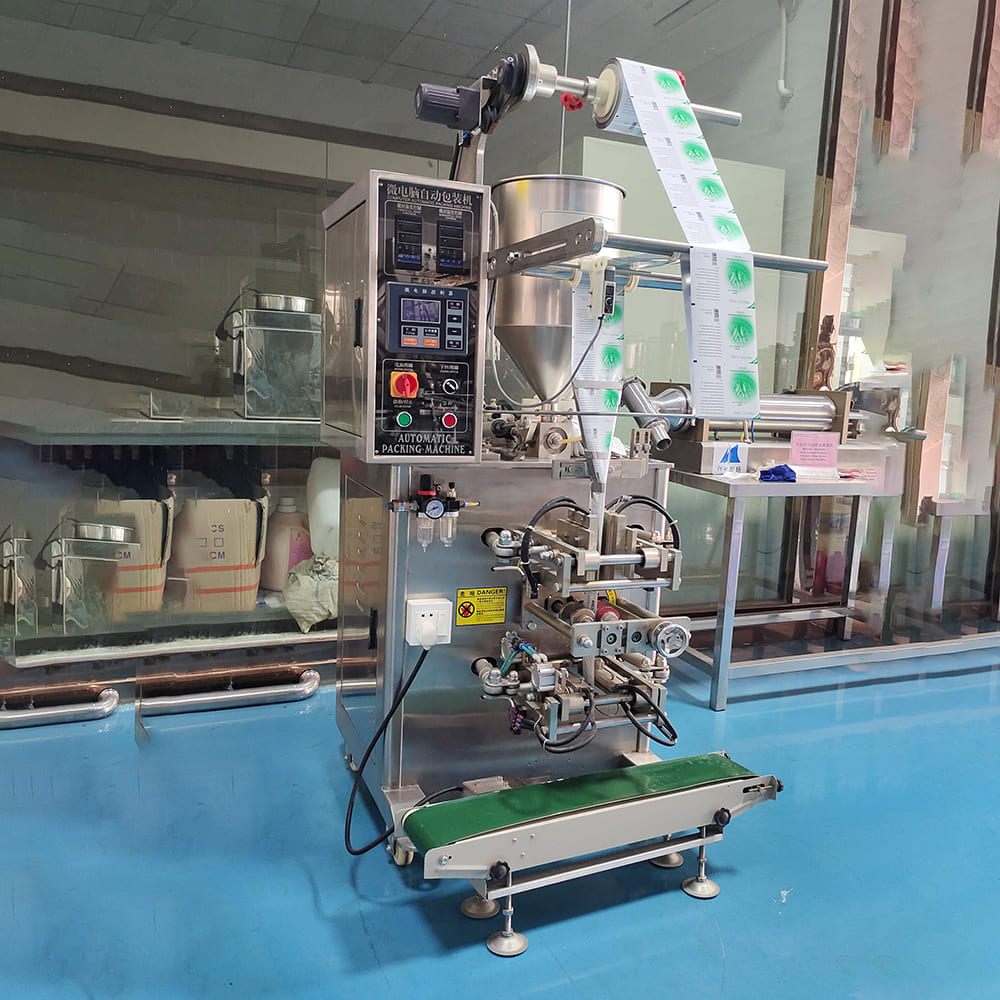
Effective cleanroom design is crucial when you install a sachet packaging machine for sale, especially for pharmaceutical, medical, and high-hygiene food applications. This guide explains how to choose cleanroom-compatible sachet packaging equipment, optimize layout and airflow, control particles and microbial contamination, and validate processes to meet GMP and ISO 14644 standards—helping procurement teams, engineers, and quality managers make risk-based decisions that improve product safety and line uptime.
Why Cleanroom Design Matters for Sachet Packaging
Risks in Non-Clean Environments
Sachet packaging machines handle small-dose, single-use products where even minor contamination (dust, microbes, particulates) can compromise safety and shelf life. Contaminants may originate from incoming materials, operators, or machinery surfaces. A cleanroom-compatible sachet packing machine reduces particle generation through stainless steel finishes, enclosed filling zones, and controlled sealing processes. Understanding contamination sources is the first step toward a hygienic packaging line.
Regulatory Drivers and Standards
Pharmaceutical and medical sachets must comply with regulatory frameworks and quality systems. Key references include FDA guidance on drug manufacturing and quality: FDA Drug Manufacturing Resources, the WHO guidance on Good Manufacturing Practices: WHO GMP, and cleanroom classification specified in ISO 14644: ISO 14644. Designing around these standards ensures your sachet filling and sealing processes meet expected contamination controls and inspection requirements.
Design Tips for Cleanroom-Compatible Sachet Packaging Machines
Material Selection and Surface Finish
Select machines with hygienic design: 316L or 304 stainless steel frames, electropolished surfaces, and minimal crevices. Seamless joints, coved corners, and sloped surfaces prevent product accumulation and allow effective cleaning. For the Yuanyang Sachet Packaging Machine for Sale, look for polished conveyor surfaces and sealed enclosures for the feed and sealing areas to reduce particulate shedding and microbial harboring.
Sealing, Enclosures, and Particle Control
Sealing technology influences contamination risk. Vertical form-fill-seal or pre-made pouch filling should include an enclosed filling zone with local exhaust or HEPA-filtered laminar flow to protect the product during open filling and heat sealing. Heat-seal temperature control reduces seal defects that can lead to contamination or product leakage. For sachet fillers, choose equipment with in-line particle monitoring ports and the ability to fit to an isolator or clean hood if required.
Airflow, Placement, and Room Interface
Position sachet packaging machines to complement cleanroom airflow. Avoid placing the machine in turbulence zones or near doors that cause air exchange. Use local HEPA filtration or a laminar flow cabinet for the open filling region. Coordinate machine openings (material infeed, exits) with airlocks and gowning areas to minimize cross-contamination between room classifications.
Operational Best Practices and Validation
Cleaning, CIP, and Preventive Maintenance
Define cleaning procedures and frequencies based on risk assessment. Where possible, use Clean-In-Place (CIP) or easy-to-disassemble components for washdown. Maintain a documented maintenance schedule covering bearing lubrication, belt condition, and sensor calibration to prevent particle generation. The Yuanyang sachet packaging machine’s microcomputer control simplifies scheduled maintenance reminders and fault logging, enabling rapid response when monitoring indicates deviations.
Validation, Environmental Monitoring, and Records
Validate the sachet packaging process with Installation Qualification (IQ), Operational Qualification (OQ), and Performance Qualification (PQ). Environmental monitoring (airborne particle counts, surface microbiological sampling) should align with ISO 14644 class claims and internal risk assessments. Keep traceable records of parameter logs (temperature, sealing pressure, fill volumes) from the machine’s control system for batch release and investigations.
| ISO Cleanroom Class | Typical Applications | Recommended Sachet Machine Features |
|---|---|---|
| ISO 5 (Class 100) | Sterile pharmaceutical sachets, medically critical products | Isolator or glovebox, HEPA/ULPA filtration, fully enclosed filling, validated sterilizable surfaces |
| ISO 7–8 | Non-sterile pharmaceuticals, high-hygiene foods | Hygienic design, local laminar flow, easy-clean seals, stainless access panels |
| Unclassified / ISO 9 | General foods, consumer goods | Sanitary construction, dust control, regular sanitation regime |
Sources: ISO 14644 (cleanroom classifications) and FDA/WHO GMP guidance provide the framework for choosing the appropriate class and controls for your product type (ISO 14644, FDA, WHO).
Purchasing, Installation, and Integration of a Sachet Packaging Machine for Sale
Key Specifications to Compare
When evaluating sachet packaging machines for sale, compare: throughput (bags/min), fill accuracy (± mg or %), sealing method (heat, ultrasonic), servo vs. pneumatic controls, CIP capability, and control system data logging. Also verify spare parts availability, service response time, and whether design documentation (drawings, material certificates) is provided for validation.
Line Layout, Utilities, and Electrical Considerations
Plan utilities (compressed air quality, vacuum, electrical supply, chilled water) and physical supports (vibration isolation, floor loading). Integrate in-line checkweighers, metal detectors, and vision inspection to ensure product and seal integrity. Good layout reduces cross-traffic in clean zones and simplifies material flows, improving contamination control and operator safety.
Vendor Support, Qualification, and Documentation
Prefer vendors that provide FAT/SAT (Factory & Site Acceptance Testing), IQ/OQ/PQ documentation, and training. Yuanyang sachet packaging machines ship with microcomputer controls and configurable recipes that support validation runs and batch traceability. Confirm availability of spare part kits and preventive maintenance contracts to maintain uptime and compliance.
Practical Case Example: Applying Tips to a Yuanyang Sachet Packaging Machine
Product introduction:
Yuanyang sachet packaging machine is a kind of automatic equipment, mainly used for measuring, filling, and sealing small bag packing materials. The sachet packing machine has become an indispensable piece of equipment in modern production for food, medicine, chemicals, and other fields.
Features:
⦁ Microcomputer controlled;
⦁ Automated fast speed;
⦁ Multi-function integration.
Implementation tips for this model:
- Fit a local HEPA filtered hood above the open filling area if the process is in ISO 7 or higher environments.
- Specify electropolished contact parts to facilitate cleaning and to support validated microbial control.
- Use the microcomputer control system to record critical parameters (fill weight, seal temperature, cycle count) for each batch to streamline release testing and investigations.
FAQ — Common Questions About Sachet Packaging Machine for Sale and Cleanroom Design
Q1: Do I always need a cleanroom to use a sachet packaging machine?
A: Not always. The need for a classified cleanroom depends on product risk. Non-sterile consumer foods may be processed in well-controlled but unclassified areas with strong hygiene controls, while sterile pharmaceuticals generally require ISO 5–7 zones and isolators. Perform a contamination risk assessment based on product, intended use, and regulatory expectations.
Q2: What are the must-have features for a cleanroom-ready sachet packing machine?
A: Key features include stainless-steel construction, smooth surfaces, enclosed filling areas or compatibility with a hood/isolator, cleanable drive components, HEPA filtered supply for product protection, and electronic logging for validation records.
Q3: How do I validate a sachet packaging line?
A: Follow IQ/OQ/PQ protocols: confirm installation per design (IQ), demonstrate equipment operates within set parameters (OQ), and show consistent production meeting quality criteria under normal conditions (PQ). Include environmental monitoring and product quality testing during PQ runs. Guidance from regulatory bodies (FDA, WHO) should inform your protocol.
Q4: Can packaging speed affect contamination risk?
A: Yes. Higher speeds can increase particle generation and reduce dwell time for sealing/inspection. Balance throughput with quality requirements and consider in-line inspection systems to detect defects at speed.
Q5: Who should I contact for custom cleanroom integration?
A: Work with machine vendors and qualified cleanroom integrators who provide FAT/SAT, layout planning, and documentation support. Ensure they can supply IQ/OQ/PQ packages and support regulatory inspections.
If you would like to evaluate the Yuanyang Sachet Packaging Machine for Sale, request detailed specifications, FAT documentation, or a quotation. Visit the product page: View Sachet Packaging Machine for Sale or contact our sales and engineering team for a consultation and on-site assessment: Contact Us.
References: Packaging machine overview on Wikipedia; ISO 14644 standard overview on ISO; FDA manufacturing resources on FDA; WHO Good Manufacturing Practices on WHO.
What are the application scenarios of sieving machine linear vibrating screen?
What are the different types of food sealing machine?
Everything You Need to Know About auger feeder system
Everything You Need to Know About label machine printing sticker
Semi Automatic Double Sides Labeling Machine
What’s the operation process?
Operation process: put the bottle on track- > step on the foot switch - > automatically taking the bottle in - > Automatically labeling - > Automatically taking the labeled bottle out.
Homogenizing Mixer
Do you supply steam generator and provide steam and cooling pipes together for the mixing tank with homogenizer machine?
If the mixing tank is with steam heating, we will help to supply steam generator and provide steam and cooling pipes. But this is an optional choice. Client can prepare by steam generator by himself. The steam pipe is usually quoted separately.
Vacuum Homogneizer
What capacity do you recommend for a new factory?
Vacuum homogenizer is a little expensive, and the dimension is big,compared with non-vacuum type. As a start, small capacity from 50-500L is recommended if client has limit budget. Later bigger capacity 500-5000L is considered to expand business.
For easy shipment,50-1000L is often recommended for vacuum type.
Vertical Filling Machine
Can it fill 10 liters bottle?
No, the biggest filling volume is 5L. But you can fill twice to achieve you target. Over 5L, another drum filling machine will be recommended.
Single Layer Agitator Tank
Does the mixing tanks have cooling function?
The single layer mix tank has no cooling function. If you client need cooling function, will customize at least two layers with one jacket for cooling purpose.
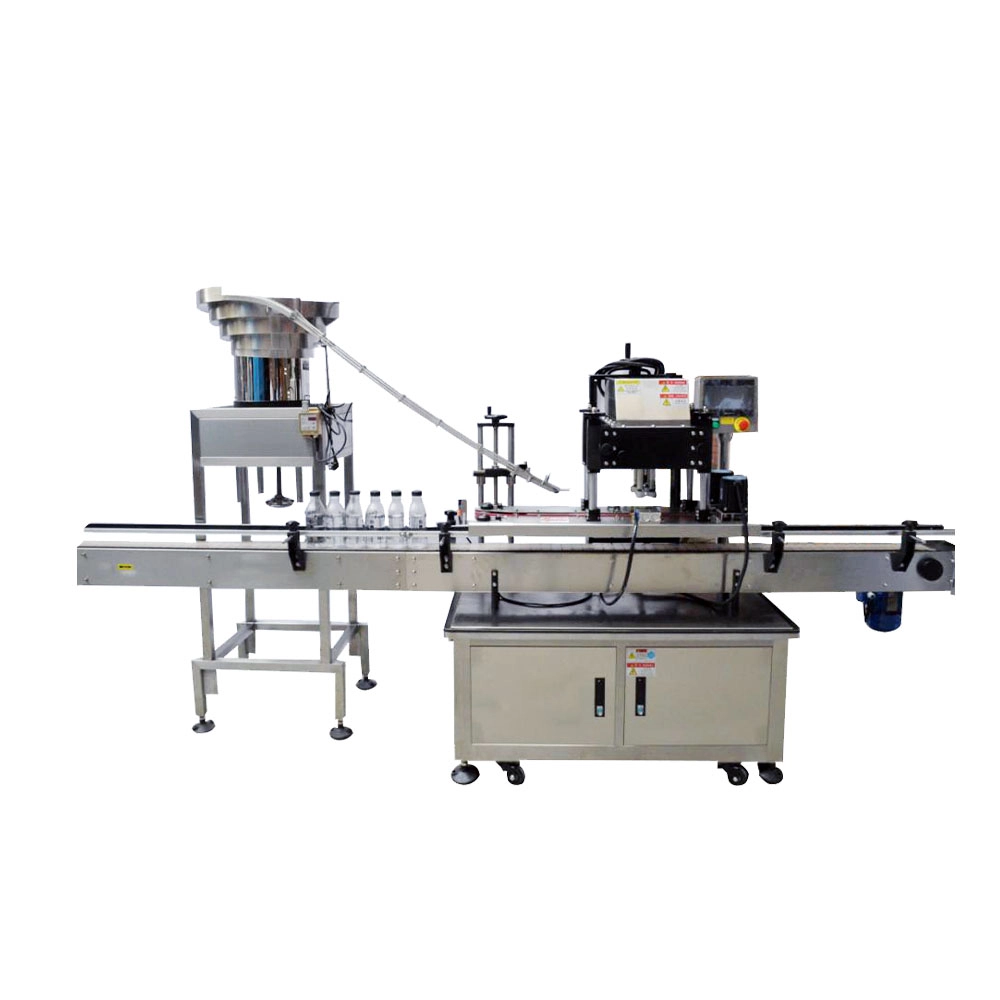
Automatic Plastic Caps Capping Machine with Vibrating Cap Feeder for Sale
Yuanyang automatic screw capping machine is a kind of four-wheel bottle capping machine. The automatic screw capper is often used to close lids of containers such as bottles and jars, especially for plastic bottles, which are widely used in food, medicine, chemical, cosmetic, and other industries for mass production and continuous production lines.
Features:
⦁ Full pneumatic drive;
⦁ Automated fast speed;
⦁ Suitable for various screw caps, pumps, and spray bottles.
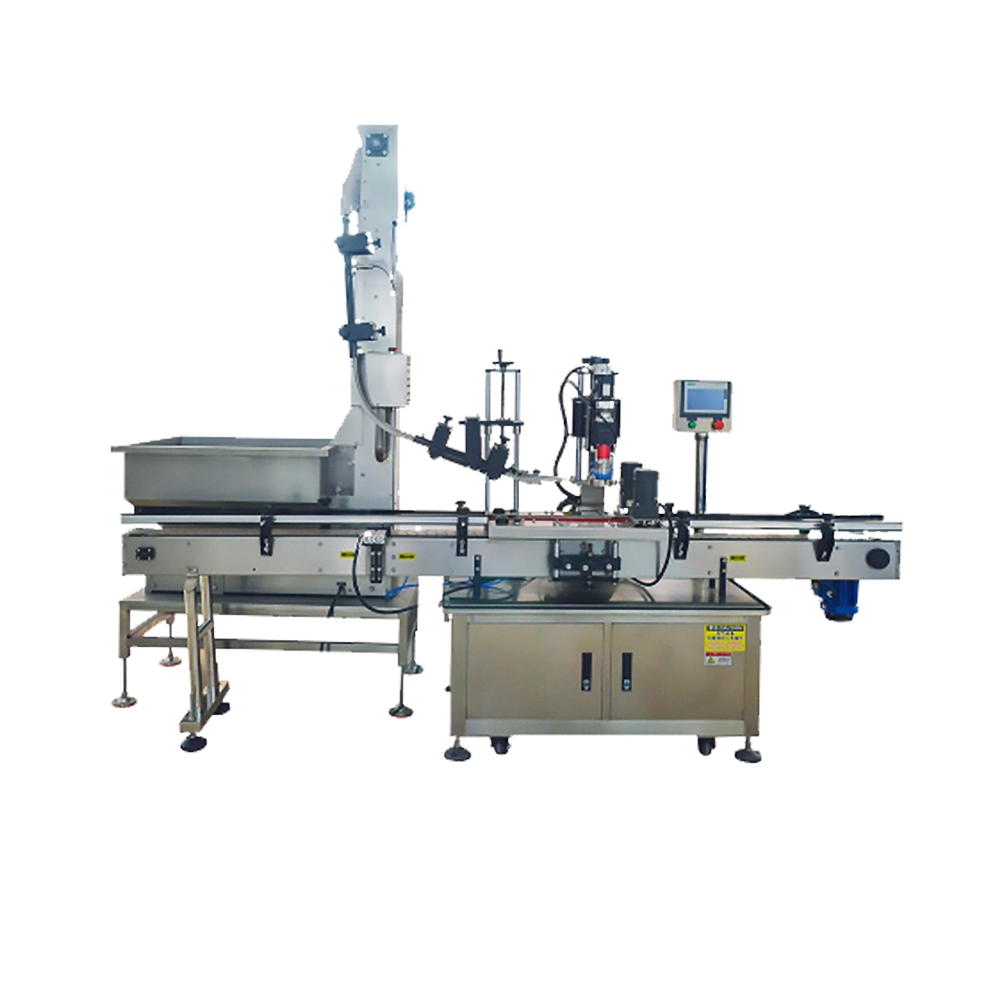
Automatic Metal Caps Capping Machine for Sale
Yuanyang automatic metal cap capping machine is a bottle capper for bottles with metal caps, which is often used to close lids of containers such as bottles and jars. The glass bottle metal capping machine is widely used in food, medicine, chemical, cosmetic, and other industries for mass production and continuous production line .
Features:
⦁ Pneumatic and electric drive;
⦁ Automated fast speed;
⦁ Suitable for glass bottles with metal caps.
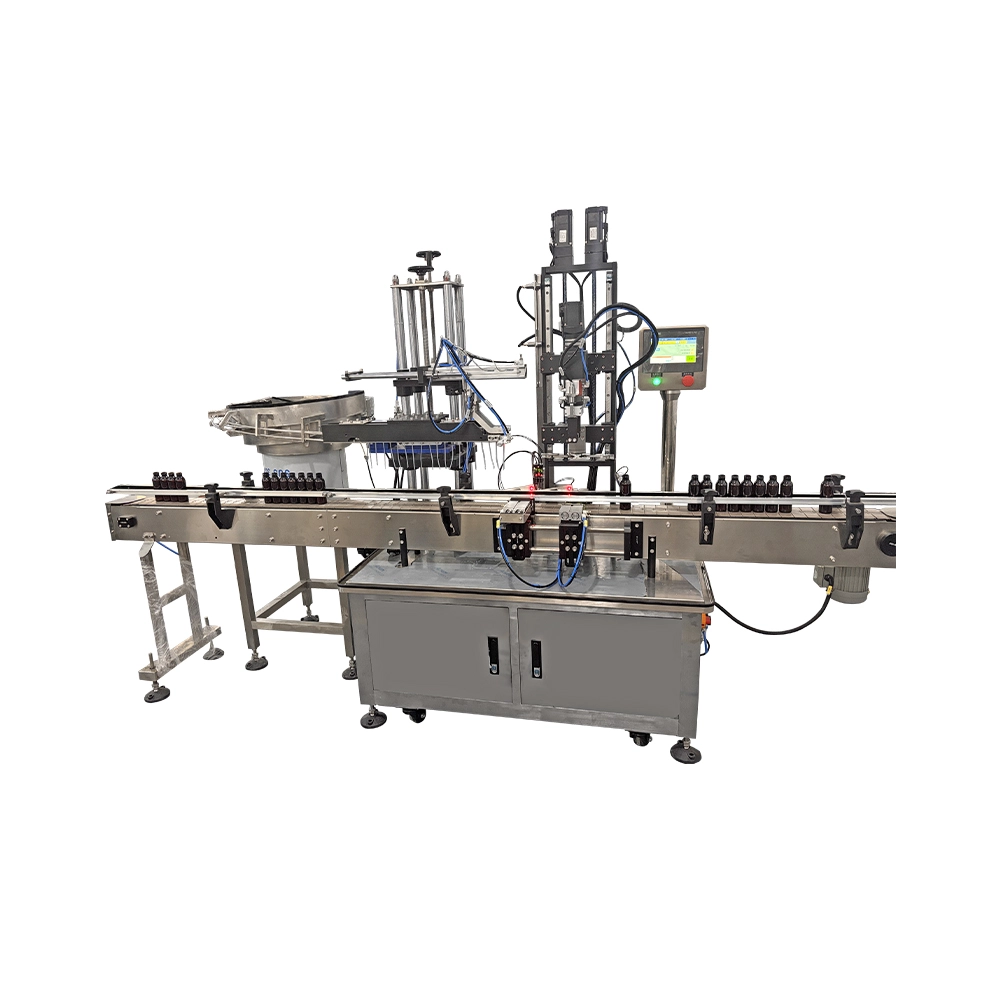
Automatic Pump Head Feeding and Capping Machine for Sale
Yuanyang automatic pump head feeding and capping machine is a bottle cap sorter and capper for bottles with pump heads, which is often used to close lids of containers such as nail polish, sprayers, and shampoo. The capping machine with a pump head feeder is widely used in food, medicine, chemical, cosmetic, and other industries for mass production and continuous production line .
Features:
⦁ Pneumatic and electric drive;
⦁ Automated fast speed;
⦁ Suitable for various types of caps.
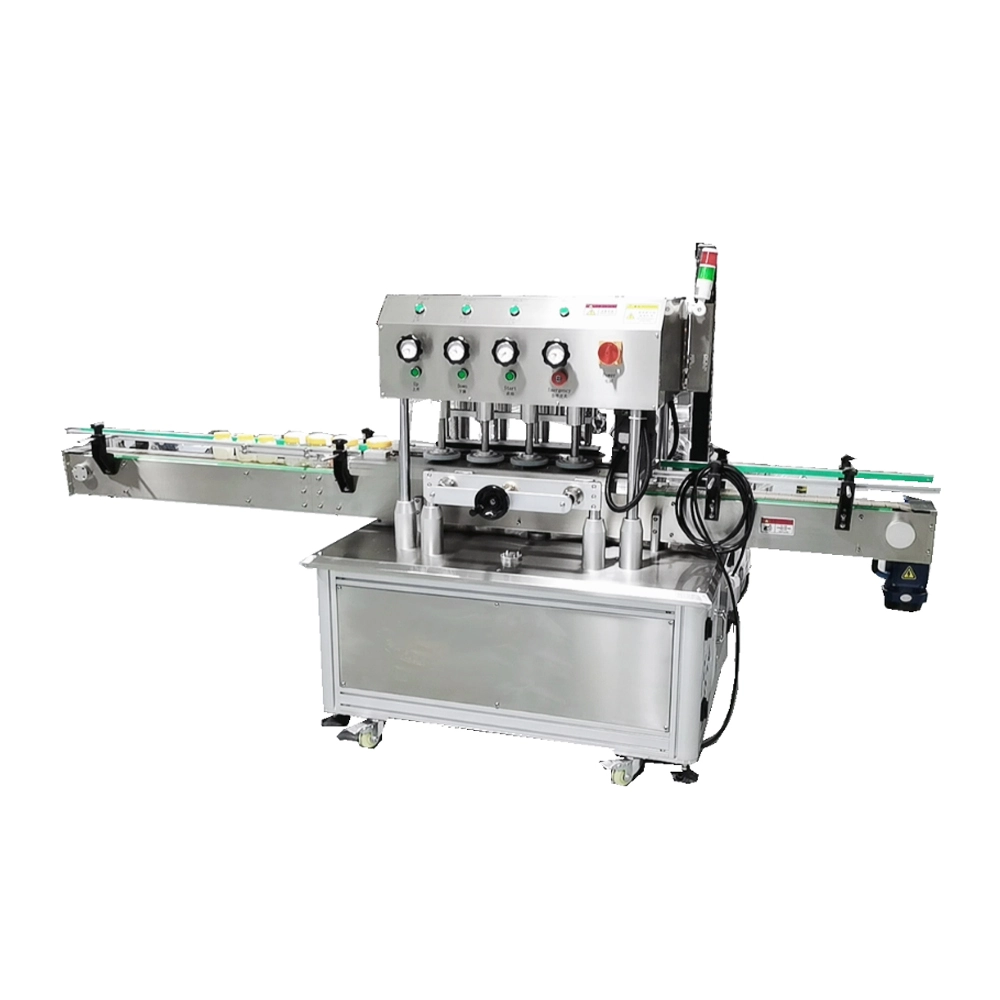
Automatic High Speed Capping Machine for Sale
The Yuanyang automatic high-speed capping machine is a kind of 8-wheel bottle-capping machine with fast working efficiency. The automatic capper is often used to close lids of containers such as bottles and jars, especially for plastic bottles, which are widely used in food, medicine, chemical, cosmetic, and other industries for mass production and continuous production lines.
Features:
⦁ Electric drive;
⦁ Automated fast speed;
⦁ Suitable for various screw caps, pumps, and spray bottles.
 Scan QR Code
Facebook
YouTube
LinkedIn
Whatsapp: +8613434139712
Guangzhou Yuanyang Machinery