





Sourcing Criteria for Industrial Emulsion Mixers: Purchase Guide
- Sourcing Criteria for Industrial Emulsion Mixers: Purchase Guide
- Understand the Core Function: What an emulsion mixer must deliver
- Production Requirements and Throughput: Sizing the right emulsion mixer
- Viscosity and Product Type: Ensuring compatibility with your formulations
- Homogenization Quality: Particle size, distribution, and stability
- Performance comparison table: Typical indicators
- Materials, Surface Finish, and GMP Compliance
- Vacuum, Powder Absorption, and Add-on Systems
- Control Systems, Automation, and Process Recording
- Maintenance, Serviceability, and Spare Parts
- Safety, Certifications, and Regulatory Requirements
- Energy Efficiency and Operational Costs
- Vendor Evaluation: Reputation, References, and Trials
- Why the 50L Hydraulic Lift Vacuum Emulsifier is a Strong Candidate
- Purchase Checklist: Practical questions to ask suppliers
- Cost vs Value: Making the financial case
- Installation, Training, and SOPs
- Brand and After-Sales Advantage: Why to consider our equipment
- FAQ: Frequently Asked Questions about emulsion mixer sourcing
- What is the difference between a vacuum emulsifier and a standard mixer?
- Can the 50L Hydraulic Lift Vacuum Emulsifier handle powders?
- How important is particle size, and can the emulsifier guarantee 2 microns?
- What maintenance should I expect?
- Is CIP or SIP available?
- Next steps and CTA
- References and authoritative resources
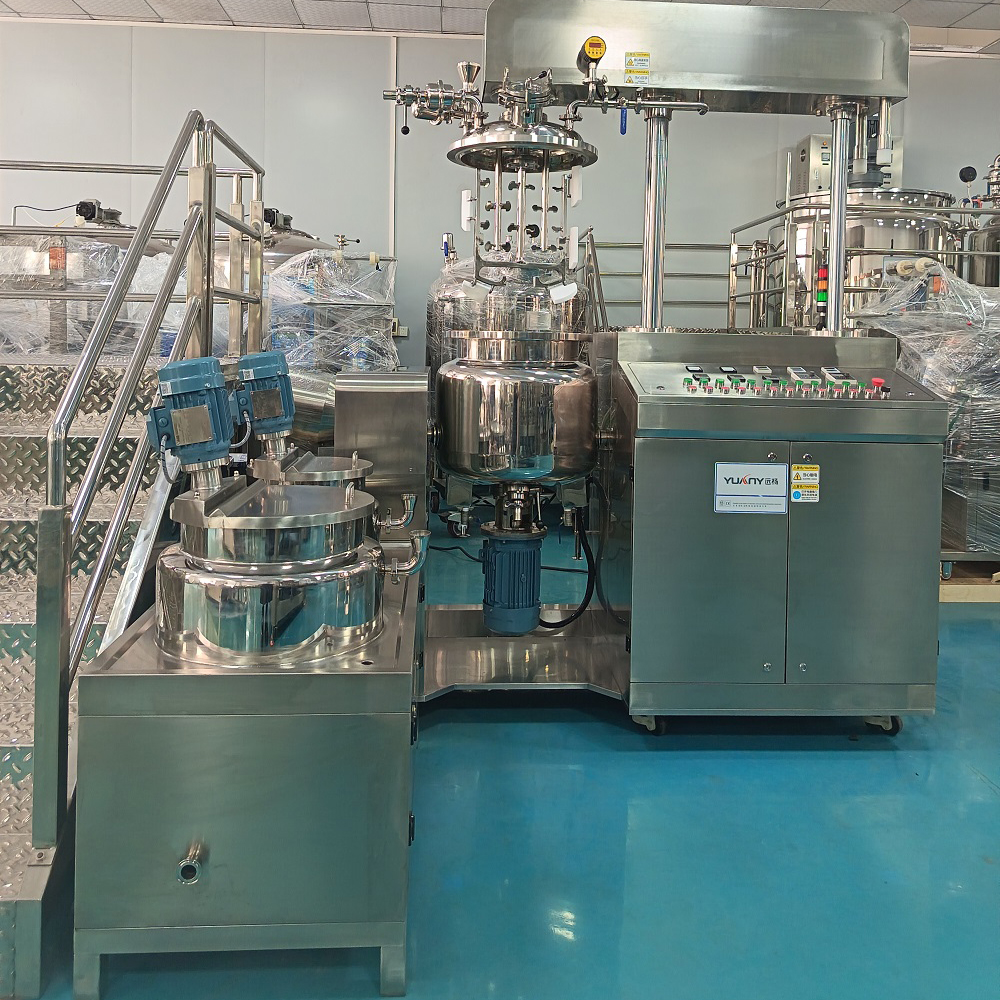
Sourcing Criteria for Industrial Emulsion Mixers: Purchase Guide
Choosing the right emulsion mixer is a critical decision for manufacturers in cosmetics, food, pharmaceuticals, and specialty chemicals. This guide outlines the essential sourcing criteria, technical specifications, and commercial considerations you should evaluate when purchasing an industrial emulsion mixer, with practical advice tailored to devices such as the 50L Hydraulic Lift Vacuum Emulsifier. Supplier selection should always be balanced with regulatory requirements, including safety and compliance for vacuum emulsifiers in production.
Understand the Core Function: What an emulsion mixer must deliver
An emulsion mixer combines, disperses, homogenizes, and stabilizes immiscible liquids (typically oil and water) into a stable emulsion. For industrial use, the equipment must reliably produce the desired droplet size distribution, handle required viscosity ranges, and maintain repeatable process conditions. Key keywords to consider at this stage include emulsion mixer purchase, emulsion mixer for sale, and buy emulsion mixer.
Production Requirements and Throughput: Sizing the right emulsion mixer
Match the mixer size to your batch volumes and production cadence. Undersizing leads to frequent cycles and high labor cost; oversizing increases capital and energy waste. For pilot and small-batch production, a 50L unit can be ideal. For large-scale continuous production, consider scaling up or multiple units. Ask about:
- Usable batch volume vs nominal capacity (mixing head vs vessel displacement)
- Expected batches per day and cleaning turnaround time
- Heat transfer needs (jacketed vessels, heating/cooling capability)
Commercial terms often used in procurement: emulsion mixer capacity, industrial emulsion mixer sizing, emulsion mixer throughput.
Viscosity and Product Type: Ensuring compatibility with your formulations
Viscosity range is a primary technical determinant. The 50L Hydraulic Lift Vacuum Emulsifier is designed to handle products in the 10,000 to 50,000 cps viscosity range, which covers many creams, lotions, gels, and pastes used in cosmetics and pharmaceuticals. When evaluating emulsion mixers, verify:
- Maximum and minimum viscosity the homogenizer head can process
- Shear profile and adjustable speed ranges for dispersing and homogenizing
- Whether the mixer supports powders and high-solids feeds without bridging
Homogenization Quality: Particle size, distribution, and stability
One of the most important performance metrics for an emulsion mixer is the final particle (droplet) size and its distribution. The 50L Hydraulic Lift Vacuum Emulsifier advertises a particle size of 2 microns with even distribution, which is suitable for high-quality creams and stable emulsions. When sourcing, request test data and guarantees on:
- Average droplet size (D50) and D90 values where available
- Repeatability over multiple batches
- Analytical methods used to measure particle size (laser diffraction, microscopy)
Performance comparison table: Typical indicators
| Indicator | Acceptable Range for Cosmetics/Pharma | 50L Hydraulic Lift Vacuum Emulsifier |
|---|---|---|
| Viscosity handling | 1,000 to 100,000 cps depending on head | 10,000 to 50,000 cps |
| Typical particle size (D50) | 0.5 to 5 microns for creams | ~2 microns |
| Vacuum capability | Required for deaeration & powder absorption | Integrated vacuum system |
| Lid/operation | Ease of loading/unloading influences productivity | Hydraulic lift lid & tilting pot |
Materials, Surface Finish, and GMP Compliance
Material selection affects product safety, cleaning, and regulatory compliance. Typical industrial emulsion mixers use 304 or 316L stainless steel. For pharmaceutical or high-purity cosmetic lines, 316L with electropolished surface finish is recommended. Ask suppliers about:
- Vessel materials and weld quality
- Internal surface roughness (Ra value) and electropolishing options
- Certificates of material traceability and third-party testing
Vacuum, Powder Absorption, and Add-on Systems
Vacuum capability is essential for removing air entrainment and improving stability. The integrated vacuum system and powder absorption make the 50L Hydraulic Lift Vacuum Emulsifier suitable for processes that require dry powder incorporation without lumps. Evaluate:
- Maximum vacuum level and pump type
- Powder feeding mechanisms and anti-clumping design
- Ease of cleaning and CIP/SIP options for sanitary processes
Control Systems, Automation, and Process Recording
Modern emulsion mixers should allow controlled, repeatable processes via PLC or touchscreen control systems. Features to request include recipe management, temperature and vacuum monitoring, and data logging for quality history. For regulated industries, audit trails and electronic batch records are increasingly required. Commercial search phrases: buy emulsion mixer with PLC, industrial emulsion mixer automation.
Maintenance, Serviceability, and Spare Parts
Low total cost of ownership depends on maintenance ease and the supplier's service network. Confirm the following before purchase:
- Availability of spare parts and lead times
- Field service, installation, and commissioning support
- Warranty terms and optional maintenance contracts
Safety, Certifications, and Regulatory Requirements
Depending on the industry and geography, mixers may need CE, UL, ATEX, or other local certifications. For pharmaceutical and cosmetic production, compliance with GMP guidelines and sanitary design is crucial. Ask suppliers to provide:
- Declaration of conformity and relevant certificates
- Cleaning and validation protocols
- Risk assessments and safety interlocks documentation
Energy Efficiency and Operational Costs
Energy consumption affects operating cost. Look for efficient motor drives, variable frequency drives (VFDs), and optimized homogenizer designs that reduce processing time. Request estimated energy usage per batch, and compare total lifecycle costs rather than initial price alone. SEO-relevant terms: emulsion mixer price, emulsion mixer cost of ownership.
Vendor Evaluation: Reputation, References, and Trials
Vet the manufacturer for industry experience, customer references, and willingness to run trials with your formulation. A reliable supplier will offer factory acceptance tests (FAT), site acceptance tests (SAT), and sample processing to demonstrate performance. Consider asking for:
- Case studies in your industry (cosmetics, food, pharma)
- Raw data for particle size and stability tests
- On-site trials or sample processing before final purchase
Why the 50L Hydraulic Lift Vacuum Emulsifier is a Strong Candidate
The 50L Hydraulic Lift Vacuum Emulsifier is engineered as a combined mixing system with a main vacuum homogenizer tank, a water tank, and an oil tank. It integrates mixing, dispersing, homogenizing, emulsifying, vacuumizing, and powder absorption systems, which makes it a flexible choice for R&D and small-scale production in cosmetics, food, pharmaceuticals, and chemicals. Core advantages include:
- Hydraulic lift lid and tilting pot for safe, ergonomic loading and discharge
- Vacuum system for deaeration and improved emulsion stability
- Electric control system with recipe capability for repeatability
- Ability to handle mid-range viscosities (10,000 to 50,000 cps)
- Consistent particle size control to around 2 microns
These combined features reduce manual handling, improve safety, and shorten batch cycle times — important commercial benefits for manufacturers evaluating emulsion mixers to buy.
Purchase Checklist: Practical questions to ask suppliers
Before you request quotations or make a purchase commitment, use this checklist during vendor conversations and site visits:
- Can you provide performance data for a formulation similar to ours?
- What is the usable batch volume and typical cycle time?
- What is the documented particle size performance and repeatability?
- Are materials and finishes compliant with our regulatory needs?
- What are warranty, spare parts, and service terms?
- Do you provide FAT/SAT and on-site commissioning support?
Cost vs Value: Making the financial case
Price is important, but value comes from reliability, productivity, and long-term service. When comparing emulsion mixer price quotes, normalize them by expected throughput, energy usage, and downtime. A slightly higher upfront cost for a machine with better homogenization performance and lower power draw often yields a faster return on investment.
Installation, Training, and SOPs
Plan for installation space, utilities, and operator training. A good supplier should provide training for operators and maintenance staff, plus documented standard operating procedures (SOPs) for cleaning, validation, and troubleshooting. Ensure these deliverables are included in the purchase agreement or offered as optional services.
Brand and After-Sales Advantage: Why to consider our equipment
When selecting a brand, look for a balanced combination of engineering quality, global support, and field-proven results. Our 50L Hydraulic Lift Vacuum Emulsifier offers:
- Integrated systems that reduce the need for secondary equipment
- Design focus on ergonomics (hydraulic lift lid and tilting pot) to speed operations and reduce risk
- Consistent particle size and tight process control that support High Quality product quality
- Comprehensive after-sales support, spare parts availability, and commissioning assistance
Choosing a trusted supplier with documented industry experience helps ensure regulatory compliance, faster troubleshooting, and lower total cost of ownership.
FAQ: Frequently Asked Questions about emulsion mixer sourcing
What is the difference between a vacuum emulsifier and a standard mixer?
A vacuum emulsifier integrates a homogenizer with a vacuum system to remove trapped air, allow powder feed under negative pressure, reduce oxidation, and produce more stable emulsions. Standard mixers may not provide the homogenization intensity or deaeration required for high-quality emulsions.
Can the 50L Hydraulic Lift Vacuum Emulsifier handle powders?
Yes. The integrated powder absorption system and vacuum capability enable efficient dry powder incorporation without lumping, which is ideal for many cosmetic and pharmaceutical formulations.
How important is particle size, and can the emulsifier guarantee 2 microns?
Particle size affects texture, stability, and product performance. The 50L unit targets ~2 microns under recommended operating conditions. Actual results depend on formulation, process parameters, and operator control — request real-world test data and validation runs.
What maintenance should I expect?
Routine tasks include inspection of seals and homogenizer parts, lubrication, vacuum pump service, and cleaning. Service intervals depend on usage intensity; having a spare parts kit and a service contract reduces downtime risk.
Is CIP or SIP available?
Many models can be configured for Cleaning-In-Place (CIP) or Steam-In-Place (SIP). Confirm with the supplier if these are required for your regulatory environment.
Next steps and CTA
If you are evaluating emulsion mixers for purchase, we recommend arranging a formulation trial with your specific product. Contact our sales and technical team to discuss a pilot run on the 50L Hydraulic Lift Vacuum Emulsifier, request a quotation, or schedule a factory acceptance test.
Contact sales: [email protected] | View product: /products/50l-hydraulic-lift-vacuum-emulsifier
References and authoritative resources
- Emulsion (Wikipedia): https://en.wikipedia.org/wiki/Emulsion
- U.S. Food and Drug Administration (Cosmetics): https://www.fda.gov/cosmetics
- European Medicines Agency (EMA): https://www.ema.europa.eu/
- United States Pharmacopeia (USP): https://www.usp.org/
- American Chemical Society (ACS): https://www.acs.org/
For more technical assistance or to arrange a demonstration, contact our technical sales team using the email above.
What are the different types of powder doser feeder?

Hygienic Design Features of Stainless Steel Mixing Tanks
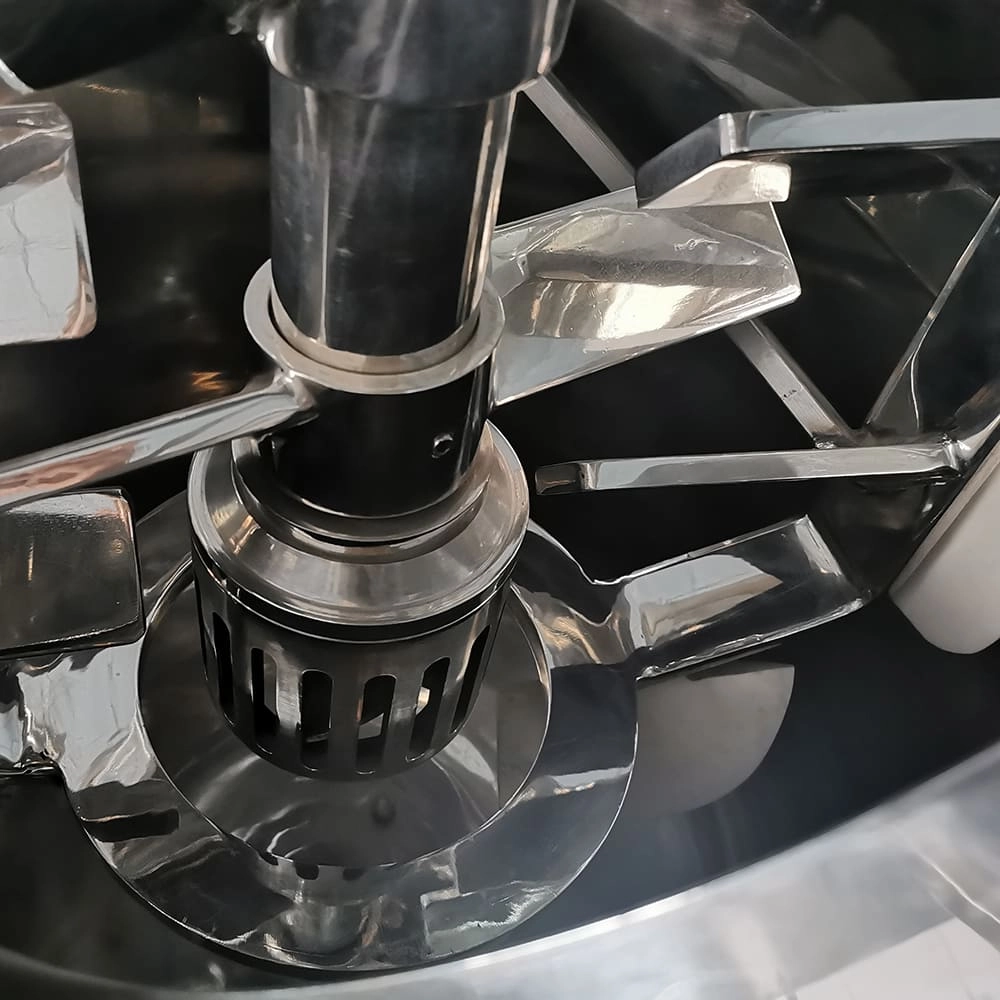
Hygienic Materials and Seals for Emulsifying Mixers
The chemical powder mixer Cost Guide | YUANYANG Ultimate Insights
Semi Automatic Capping Machine
The capping wheel is a little high for the small bottles, do you have solutions?
Yes, we have designed cylinder type for mini bottles.
Homogneizer mixer tank
What function does the liquid washing homogenizer have?
The homogenizer is an integrated equipment with mixing, dispersing, homogenizing, heating system.
Desktop Bottle Sealing Machine
How does the automatic bottle sealing machine work?
Electromagnetic induction sealing machine uses high-frequency electromagnetic field to act on the packaging film, resulting in an induced current inside, which will generate heat, melt the packaging film, and then form a sealing after cooling.
Liquid Mixing Tank
Can you explain the heating principle? How does it achieve heating purpose?
The jacket tank transmits heat to the liquid through the principle of heat conduction, and the heat medium in circulation between the inner wall and the jacket is responsible for conducting heat and transferring the temperature of the jacket heat medium to the liquid product.
Chemicals
Is the equipment easy to clean and maintain?
Yes, the equipment is designed with easy disassembly and cleaning in mind, making daily maintenance more convenient.
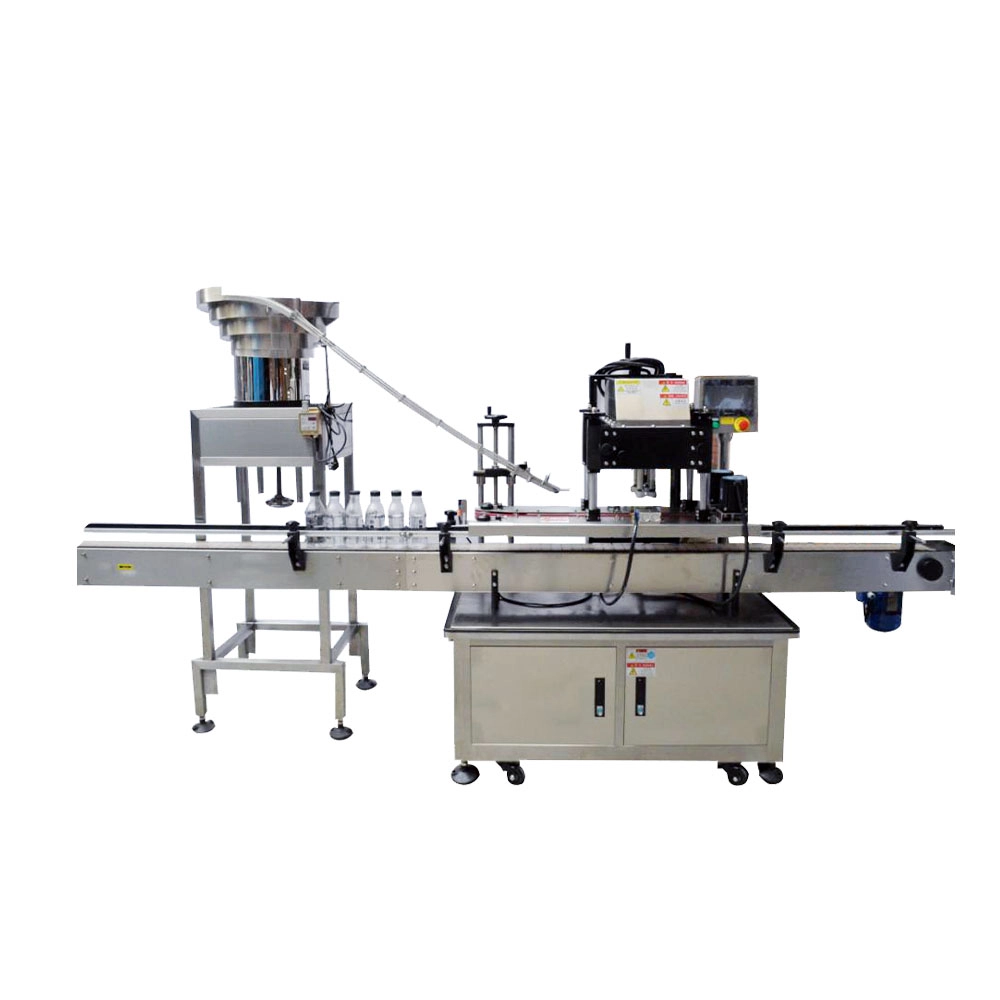
Automatic Plastic Caps Capping Machine with Vibrating Cap Feeder for Sale
Yuanyang automatic screw capping machine is a kind of four-wheel bottle capping machine. The automatic screw capper is often used to close lids of containers such as bottles and jars, especially for plastic bottles, which are widely used in food, medicine, chemical, cosmetic, and other industries for mass production and continuous production lines.
Features:
⦁ Full pneumatic drive;
⦁ Automated fast speed;
⦁ Suitable for various screw caps, pumps, and spray bottles.
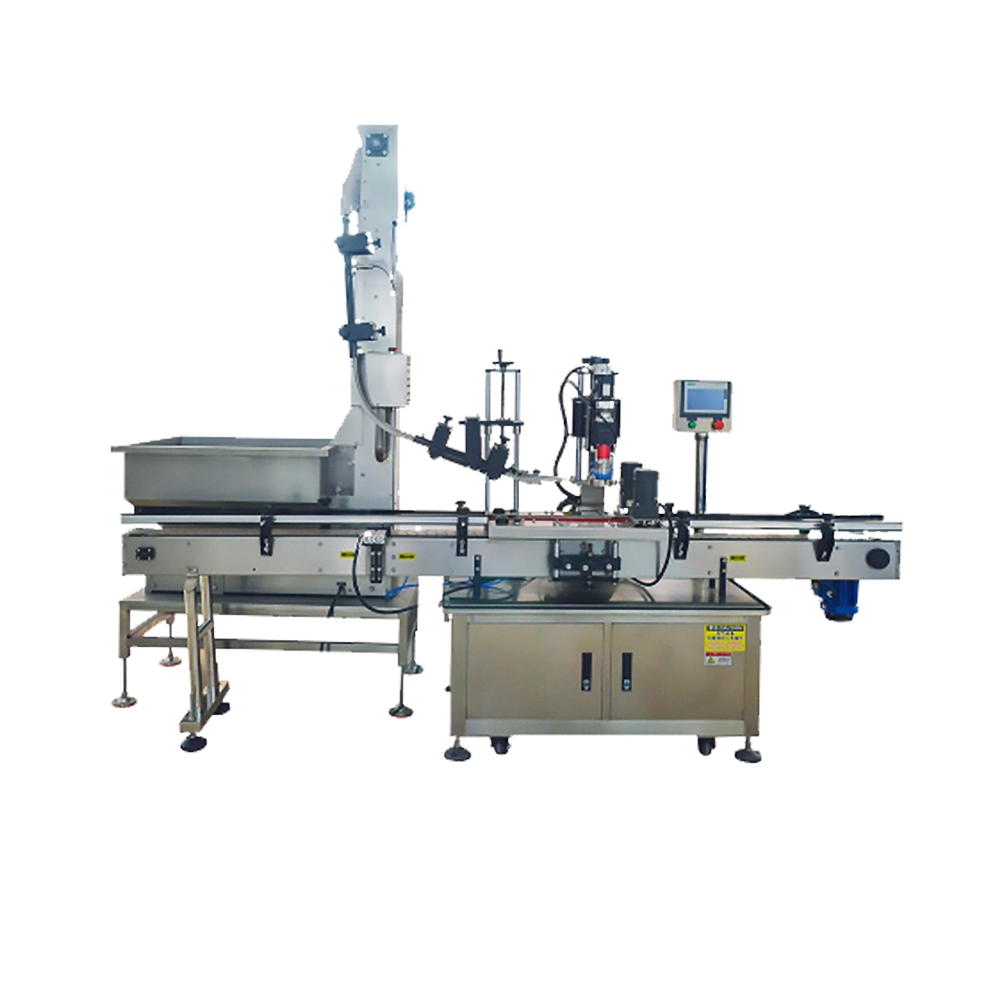
Automatic Metal Caps Capping Machine for Sale
Yuanyang automatic metal cap capping machine is a bottle capper for bottles with metal caps, which is often used to close lids of containers such as bottles and jars. The glass bottle metal capping machine is widely used in food, medicine, chemical, cosmetic, and other industries for mass production and continuous production line .
Features:
⦁ Pneumatic and electric drive;
⦁ Automated fast speed;
⦁ Suitable for glass bottles with metal caps.
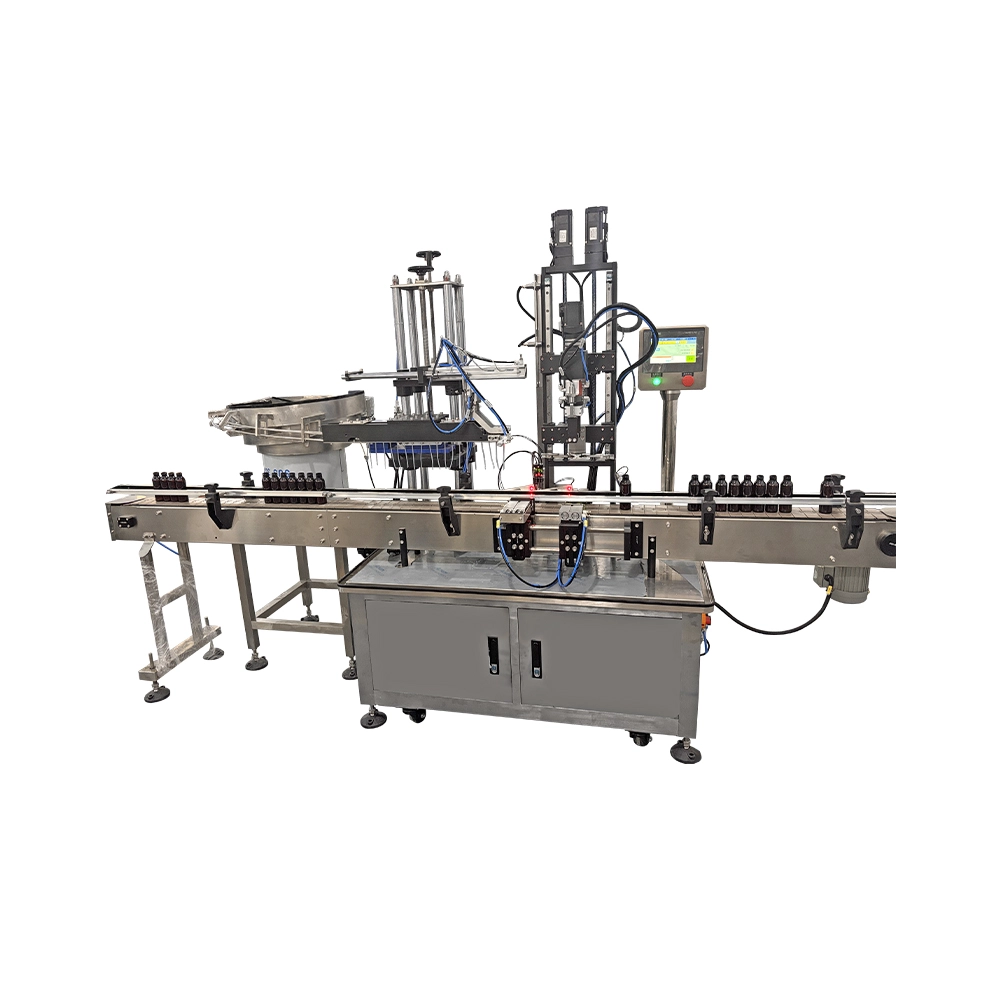
Automatic Pump Head Feeding and Capping Machine for Sale
Yuanyang automatic pump head feeding and capping machine is a bottle cap sorter and capper for bottles with pump heads, which is often used to close lids of containers such as nail polish, sprayers, and shampoo. The capping machine with a pump head feeder is widely used in food, medicine, chemical, cosmetic, and other industries for mass production and continuous production line .
Features:
⦁ Pneumatic and electric drive;
⦁ Automated fast speed;
⦁ Suitable for various types of caps.
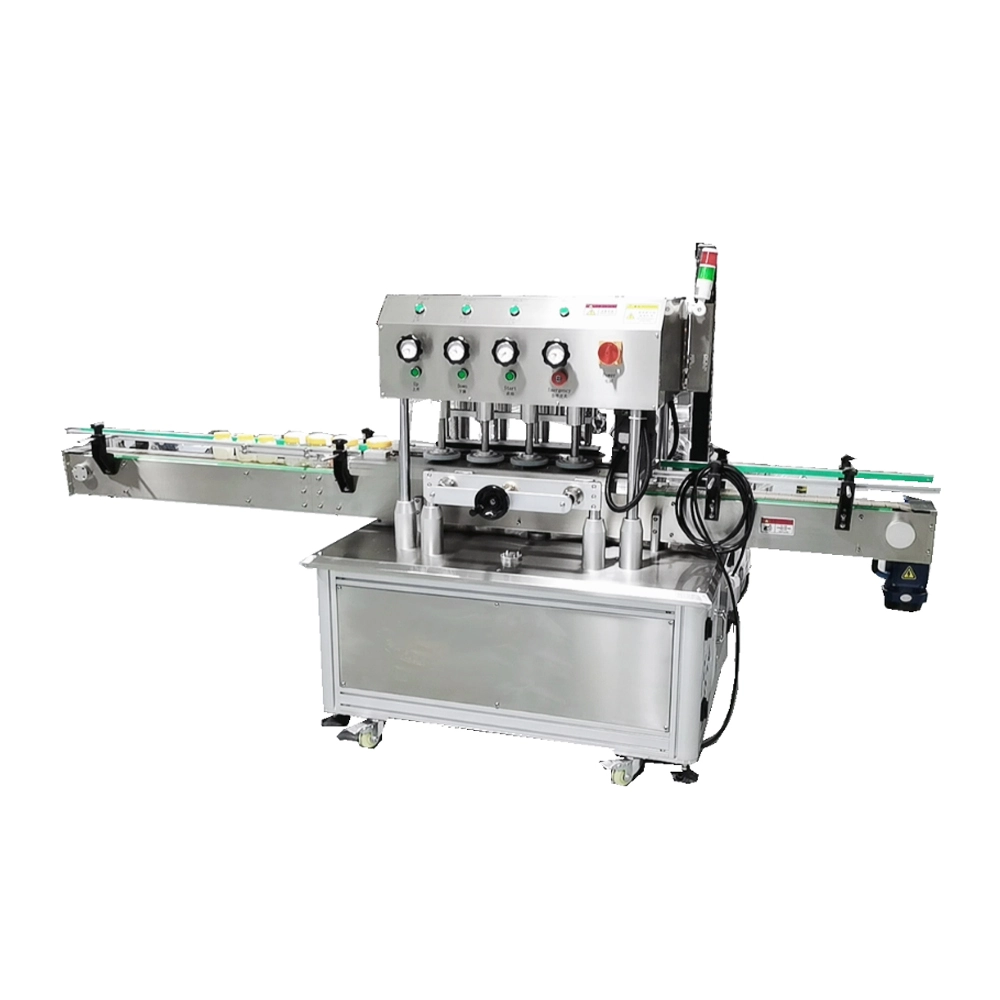
Automatic High Speed Capping Machine for Sale
The Yuanyang automatic high-speed capping machine is a kind of 8-wheel bottle-capping machine with fast working efficiency. The automatic capper is often used to close lids of containers such as bottles and jars, especially for plastic bottles, which are widely used in food, medicine, chemical, cosmetic, and other industries for mass production and continuous production lines.
Features:
⦁ Electric drive;
⦁ Automated fast speed;
⦁ Suitable for various screw caps, pumps, and spray bottles.
 Scan QR Code
Facebook
YouTube
LinkedIn
Whatsapp: +8613434139712
Guangzhou Yuanyang Machinery