





3-Side vs 4-Side Seal Sachet Machines Compared
- Key differences in seal style and why they matter
- How 3-side and 4-side seals are constructed
- Impact of seal geometry on product protection
- When to prefer one over the other
- Technical comparison: performance, speed and reliability
- Throughput and cycle time differences
- Sealing strength, tooling and materials
- Dosage accuracy and fill technologies
- Use cases, materials and product compatibility
- Powders, granules and free-flowing solids
- Liquids, pastes and viscous products
- Specialty applications: aseptic and sterile packaging
- Practical considerations: cost, integration and maintenance
- Capital cost vs operational cost
- Line integration and automation
- Cleaning, access and spare parts
- Comparison table: 3-side vs 4-side seal sachet machines
- About the product: Sachet Packaging Machine for Sale
- Regulatory, standards and safety considerations
- Applicable standards and certifications
- Machine safety and operator protection
- Validation and documentation
- Implementation checklist for buyers
- Define product and packaging requirements
- Request data and references
- Plan for OEE and lifecycle costs
- References and further reading
- Frequently Asked Questions (FAQ)
- Q: Which is faster, 3-side or 4-side seal machine?
- Q: Can one machine be converted between 3-side and 4-side sealing?
- Q: What films are recommended for sachet packaging?
- Q: How do I validate packaging for pharmaceuticals?
- Q: Can I get samples or trial runs?

This article provides an expert, search-optimized comparison of 3-side and 4-side seal sachet machines to help packaging engineers, production managers, and procurement teams select the right sachet packaging machine for their operation. It covers sealing geometry, throughput, product compatibility, hygiene and regulatory considerations, OEE impact, and integration into a packaging line. The guidance is grounded in industry best practices and authoritative sources such as Wikipedia, ISO standards references (ISO – Packaging), and regulatory resources from the U.S. FDA.
Key differences in seal style and why they matter
How 3-side and 4-side seals are constructed
3-side seal sachet machines produce pouches sealed on three edges: typically two side seals plus the top or bottom. The machine forms a flat sheet, fills the product into an open end, then seals that end to create the third seal. 4-side seal machines (also referred to as four-side or four-edge seal) cut individual blanks and heat-seal all four edges, producing a fully sealed pillow or block sachet.
Impact of seal geometry on product protection
Seal geometry affects barrier integrity, tamper evidence, and ease of opening. A 4-side seal offers uniform sealing around the entire perimeter, reducing stress points and improving protection for high-sensitivity or hygroscopic ingredients. 3-side sealed sachets are simpler and often adequate for single-dose powders, granules, and some liquids where one seam is intentionally formed during production.
When to prefer one over the other
Choose 3-side seals for cost-sensitive, high-speed production of single-dose dry goods (e.g., sugar, instant beverage, powdered medicine). Opt for 4-side seals for products needing stronger barrier performance, sterile handling, or when a block pouch aesthetic and tamper resistance are desired (e.g., high-value pharmaceuticals, cosmetics, or corrosive chemicals).
Technical comparison: performance, speed and reliability
Throughput and cycle time differences
3-side seal sachet machines are typically faster because they form continuous webs and make fewer cutting and sealing cycles per pouch. 4-side seal machines handle individual blanks and perform an extra sealing operation, which can slightly reduce maximum throughput but may offer better control for delicate fills. Throughput depends on product viscosity, fill method, and machine automation.
Sealing strength, tooling and materials
4-side sealers generally provide stronger, more consistent seals because each edge is sealed under controlled conditions. Both types require compatible film laminates and seal bars calibrated to material melting points. When sealing heat-sensitive products, machine temperature control and dwell time are critical for both styles.
Dosage accuracy and fill technologies
Dosage accuracy is influenced more by the filling system (volumetric cup, auger for powders, piston for liquids) than by seal type. Many modern sachet packaging machine models include electronic dosing and closed-loop control to minimize variance. For example, systems with load-cell feedback and servo-driven feeders can hold dose tolerances within ±1–2% for many powders.
Use cases, materials and product compatibility
Powders, granules and free-flowing solids
Powders and granules are commonly packaged on both 3-side and 4-side seal machines. 3-side sachet machines often pair with volumetric cup or auger fillers for instant coffee, sugar, or powdered medicine. For hygroscopic powders requiring strong barrier protection, a 4-side seal sachet machine using multi-layer barrier films is preferred.
Liquids, pastes and viscous products
Liquids and pastes require reliable bottom and side seals. 4-side seals help prevent leakage at stress points and are often used for sauces, gel-type pharmaceuticals, and cosmetic serums. When packaging liquids on high-speed lines, consider machines with anti-drip nozzles and synchronized sealing to avoid contamination.
Specialty applications: aseptic and sterile packaging
Pharmaceuticals and certain food categories may need aseptic packaging. For sterile applications, the sachet packaging machine must support cleanroom-compatible designs and materials, validated sterilization processes, and documentation aligned with regulatory authorities like the FDA and WHO guidance. A 4-side seal design is frequently used for sterile single-dose delivery because it permits sealed blanks to be sterilized post-sealing if required.
Practical considerations: cost, integration and maintenance
Capital cost vs operational cost
3-side seal sachet machines are generally lower in capital cost and have simpler tooling. 4-side machines can cost more up front but may reduce rejects and claims over time for sensitive products. Evaluate total cost of ownership: initial purchase, film cost (complex laminates may be required), downtime, maintenance, and scrap rates.
Line integration and automation
Modern sachet packaging machine models integrate with upstream bulk dosing and downstream cartoning or case packing. Check for industry-standard communication protocols (e.g., Ethernet/IP, Profinet) and PLC/SCADA compatibility for OEE monitoring. For end-to-end automation, confirm that the sachet machine supports synchronization with conveyors, checkweighers, and vision inspection systems.
Cleaning, access and spare parts
Maintenance friendliness matters: machines with modular sealing jaws, quick-change nozzles, and easy access panels simplify cleaning and reduce downtime. Keep an inventory of wear parts like sealing bars, Teflon covers, and cutting knives. For pharmaceutical environments, ensure the machine's surfaces and materials meet cleanability requirements and maintain documentation for validation.
Comparison table: 3-side vs 4-side seal sachet machines
| Attribute | 3-Side Seal | 4-Side Seal |
|---|---|---|
| Typical throughput | High (e.g., 100–500+ sachets/min depending on product) | Medium–High (e.g., 80–350 sachets/min) |
| Seal perimeter | Three edges sealed; one seam formed during fill | All four edges sealed; uniform perimeter |
| Barrier & leak resistance | Good for many dry products | Better for liquids, pastes and hygroscopic or sterile products |
| Tooling complexity | Lower | Higher (additional cutting/sealing tools) |
| Ideal products | Powders, granules, single-dose dry items | Liquids, pastes, high-value pharmaceuticals, high-barrier needs |
| Typical cost | Lower initial purchase | Higher initial purchase but potential lower spoilage |
About the product: Sachet Packaging Machine for Sale
Sachet Packaging Machine for Sale — Product overview
Yuanyang sachet packaging machine is a kind of automatic equipment, mainly used for measuring, filling, and sealing small bag packing materials. The sachet packing machine has become an indispensable piece of equipment in modern production for food, medicine, chemicals, and other fields.
Features:
⦁ Microcomputer controlled;
⦁ Automated fast speed;
⦁ Multi-function integration.
This model supports multiple fill types (volumetric, auger, piston), and can be configured for 3-side or 4-side sealing based on your product profile. The microcomputer control enables recipe storage, touch-screen HMI, and integration with line-level monitoring. For detailed specifications, contact sales for available configurations and options like nitrogen flushing, anti-drip nozzles, and servo feeders.
Regulatory, standards and safety considerations
Applicable standards and certifications
When packaging food and pharmaceuticals, compliance with relevant standards is essential. ISO standards for packaging and machinery guidance are relevant (ISO packaging standards). For pharmaceuticals and sterile products, follow guidance from regulatory bodies like the U.S. FDA and WHO to ensure container closure integrity and cleanliness.
Machine safety and operator protection
Ensure machines meet electrical and mechanical safety standards applicable in your market (CE for Europe, UL for North America). Safety interlocks, emergency stops, and guarding should be verified at installation and during commissioning by certified technicians.
Validation and documentation
For regulated products, procure machines that facilitate process validation: change control, electronic batch records, and maintenance logs. Document FAT/SAT procedures and keep traceability for spare parts and calibration activities.
Implementation checklist for buyers
Define product and packaging requirements
List the product types (powder, liquid), target speed, desired sachet sizes, film materials, and regulatory needs. This will determine whether a 3-side or 4-side seal configuration is recommended.
Request data and references
Ask suppliers for performance data, sample closures, line integration examples, and customer references in your industry. Inspect sample sachets for seal appearance, burst testing, and microbiological considerations if relevant.
Plan for OEE and lifecycle costs
Estimate expected uptime, mean time between failures (MTBF), and cost of consumables. Include training, spare parts, and preventative maintenance in your purchase plan to control total cost of ownership.
References and further reading
- Packaging machines — Wikipedia
- ISO — Packaging standards
- FDA — Food packaging and materials
- World Health Organization — Guidance on quality and safety of medicines
Frequently Asked Questions (FAQ)
Q: Which is faster, 3-side or 4-side seal machine?
A: Typically a 3-side seal sachet machine achieves higher nominal speeds due to continuous web processing and fewer sealing operations. However, the actual line speed will depend on product properties, filler type, and automation level.
Q: Can one machine be converted between 3-side and 4-side sealing?
A: Some modular machines allow conversion with different tooling and program changes, but many systems are optimized for one style. When flexibility is required, ask the vendor about conversion kits and changeover time.
Q: What films are recommended for sachet packaging?
A: Multilayer laminates combining PET/AL/PE or PET/CPP structures are common for high-barrier needs. For simple dry goods, less complex laminates may be fine. Film selection must match sealing temperature, product compatibility, and regulatory requirements.
Q: How do I validate packaging for pharmaceuticals?
A: Follow regulatory guidance for container closure integrity, cleaning validation, and process validation. Maintain traceable calibration and maintenance records. Consult FDA or WHO guidance and work with experienced vendors to support validation protocols.
Q: Can I get samples or trial runs?
A: Reputable suppliers offer trial runs and sample sachets using your product. Send representative product batches and film samples to verify seal quality, fill accuracy and shelf life.
If you want to evaluate options or request a quote for a Sachet Packaging Machine for Sale, contact our sales team to schedule a demo or request samples. For immediate assistance, click to contact customer service or view the product page to see available configurations and technical specs.
Contact & CTA: For pricing, configuration help, or to schedule a machine demo, contact our sales team now — or visit the Sachet Packaging Machine for Sale product page to view detailed specs and options.
Maintenance and Troubleshooting for Treatment Mixers
Tips for buy 100 gallon liquid storage tank
What is aseptic bag in box filling machines ?
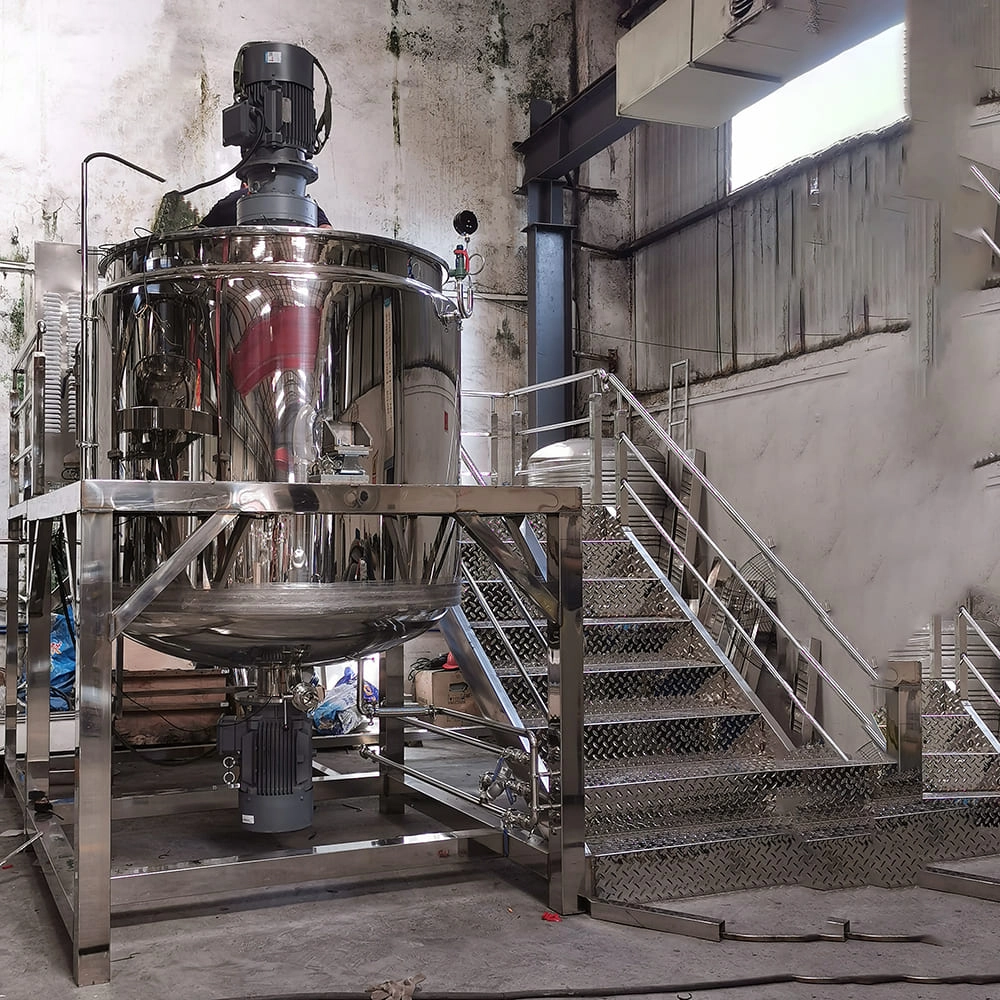
Safety and Compliance Considerations for Soap Mixer Equipment
Cosmetic
How do you handle unexpected downtime or failures during production?
Our equipment is equipped with an intelligent fault detection system that monitors the operational status in real-time, automatically alerts and stops operation when issues arise, ensuring safety. Additionally, our technical support team offers 24/7 remote and on-site services to quickly address equipment failures.
Semi Automatic Double Sides Labeling Machine
What’s the operation process?
Operation process: put the bottle on track- > step on the foot switch - > automatically taking the bottle in - > Automatically labeling - > Automatically taking the labeled bottle out.
Portable Storage Tank
What’s the thickness of the stainless steel tank for liquids?
The standard thickness for finished products is 3mm, the water tank thickness is 2mm. But the bigger capacity, the layer will be thicker.
Industries
How is installation and commissioning done?
We provide detailed written manuals and remote video guidance, or on-site installation and commissioning services to ensure the equipment is quickly operational.
High shear homogneizer
How does the rotor and stator work?
When the equipment is running, the rotor drives the blade to rotate at a high speed, generating a strong centrifugal force field, and forming a negative pressure zone in the center of the rotor, which inhales the material liquid. Under the action of centrifugal force, the material spreads from the center to the four sides, and is subjected to the stirring and shearing action of the blades during the diffusion process. The material is subjected to further shearing action in the narrow gap between the end face of the blade and the inner side of the stator tooth ring, and then enters the narrow gap between the rotating tooth and the fixed tooth of the inner ring, and is affected by mechanical force and hydrodynamics effect, resulting in shearing, friction and impact, so that dispersed phase particles or droplets are broken. As the linear speed of the tooth is gradually increased from the inner ring to the outer ring, the crushing environment of the material is continuously improved, and the purpose of homogenizing emulsification is finally achieved.
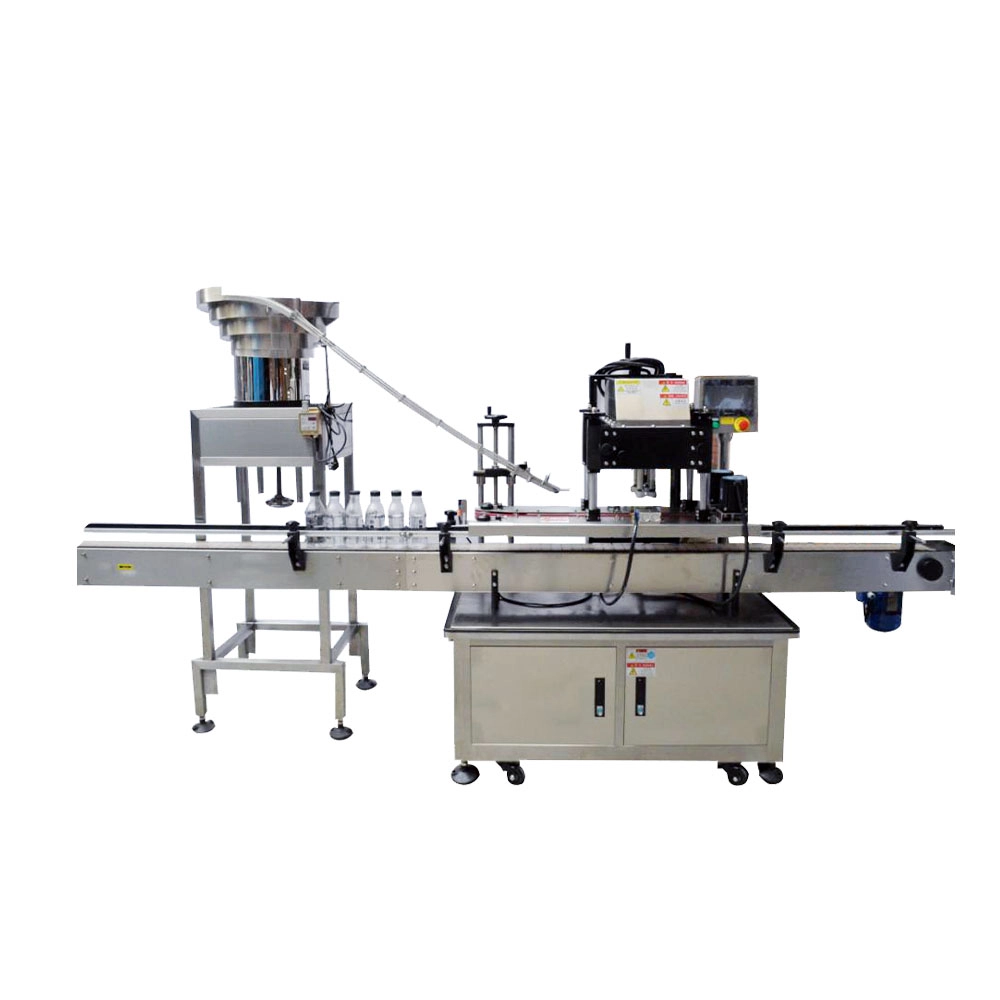
Automatic Plastic Caps Capping Machine with Vibrating Cap Feeder for Sale
Yuanyang automatic screw capping machine is a kind of four-wheel bottle capping machine. The automatic screw capper is often used to close lids of containers such as bottles and jars, especially for plastic bottles, which are widely used in food, medicine, chemical, cosmetic, and other industries for mass production and continuous production lines.
Features:
⦁ Full pneumatic drive;
⦁ Automated fast speed;
⦁ Suitable for various screw caps, pumps, and spray bottles.
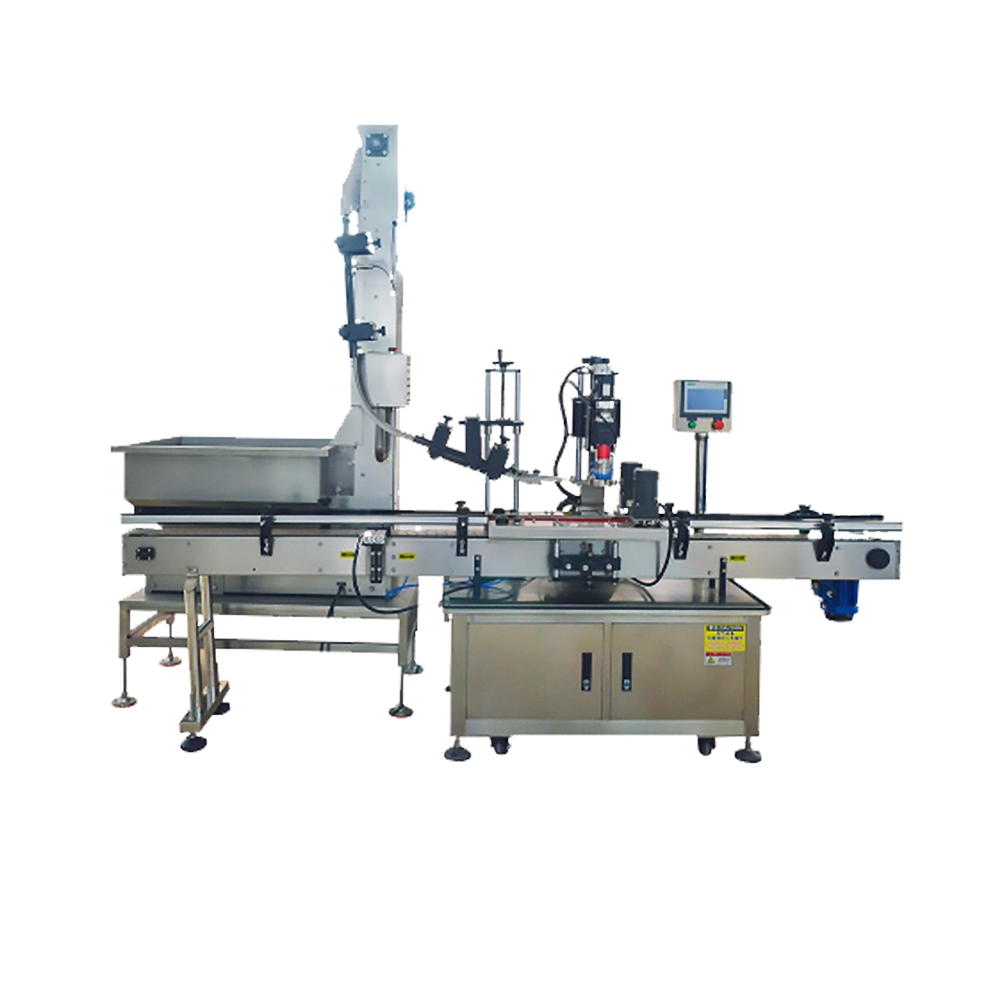
Automatic Metal Caps Capping Machine for Sale
Yuanyang automatic metal cap capping machine is a bottle capper for bottles with metal caps, which is often used to close lids of containers such as bottles and jars. The glass bottle metal capping machine is widely used in food, medicine, chemical, cosmetic, and other industries for mass production and continuous production line .
Features:
⦁ Pneumatic and electric drive;
⦁ Automated fast speed;
⦁ Suitable for glass bottles with metal caps.
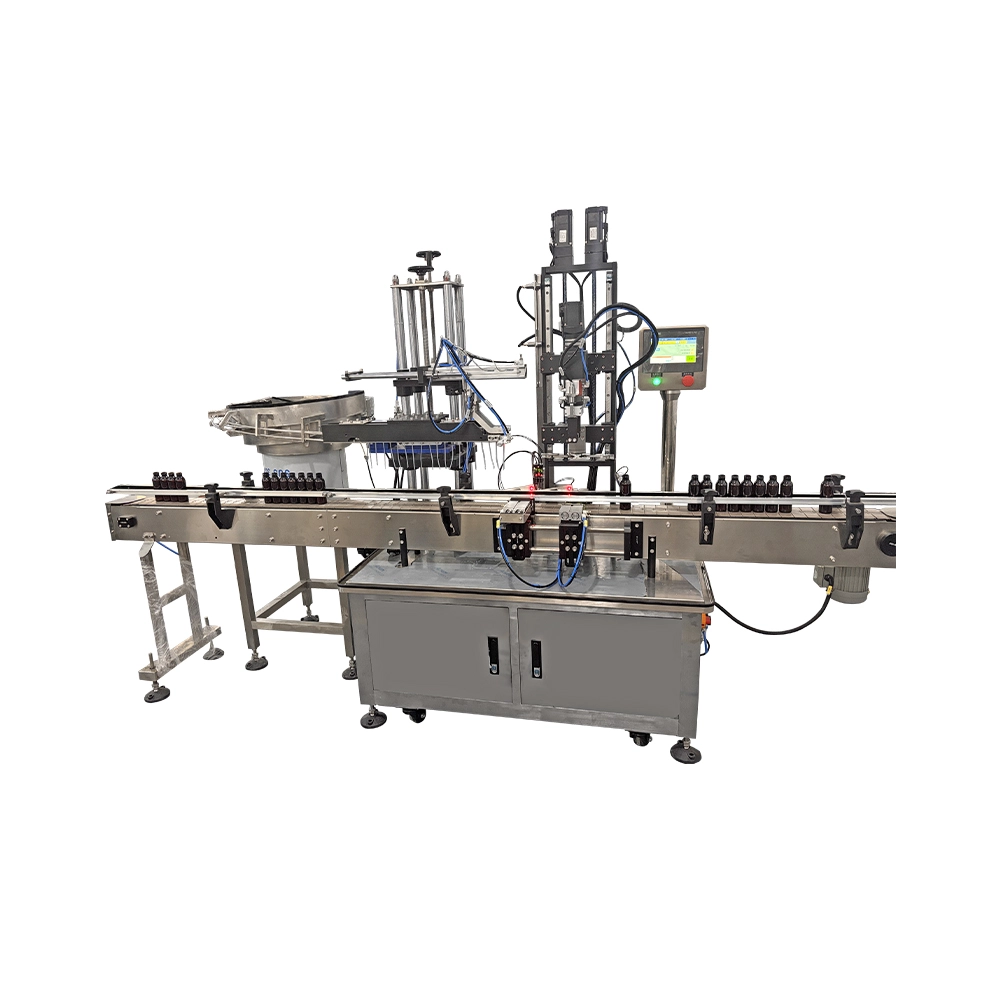
Automatic Pump Head Feeding and Capping Machine for Sale
Yuanyang automatic pump head feeding and capping machine is a bottle cap sorter and capper for bottles with pump heads, which is often used to close lids of containers such as nail polish, sprayers, and shampoo. The capping machine with a pump head feeder is widely used in food, medicine, chemical, cosmetic, and other industries for mass production and continuous production line .
Features:
⦁ Pneumatic and electric drive;
⦁ Automated fast speed;
⦁ Suitable for various types of caps.
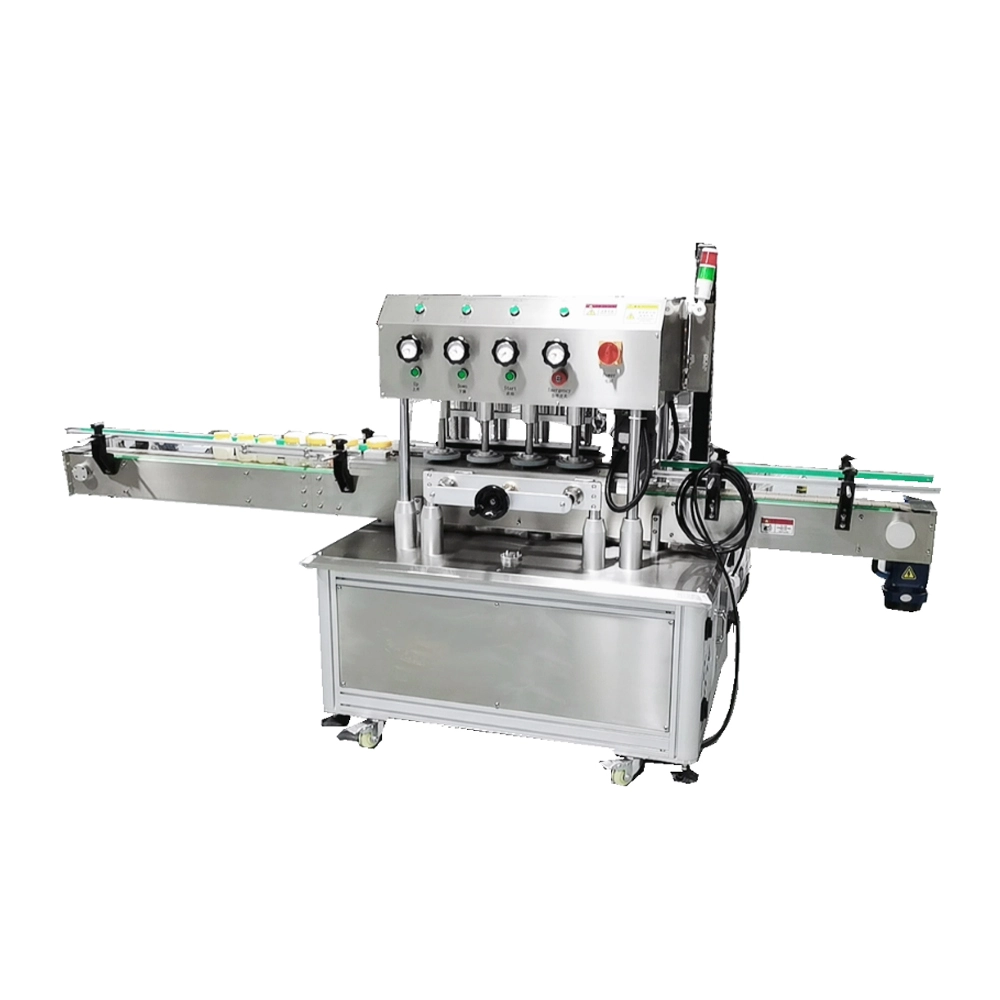
Automatic High Speed Capping Machine for Sale
The Yuanyang automatic high-speed capping machine is a kind of 8-wheel bottle-capping machine with fast working efficiency. The automatic capper is often used to close lids of containers such as bottles and jars, especially for plastic bottles, which are widely used in food, medicine, chemical, cosmetic, and other industries for mass production and continuous production lines.
Features:
⦁ Electric drive;
⦁ Automated fast speed;
⦁ Suitable for various screw caps, pumps, and spray bottles.
 Scan QR Code
Facebook
YouTube
LinkedIn
Whatsapp: +8613434139712
Guangzhou Yuanyang Machinery