





Sachet Packaging Machine for Sale: Spare Parts Checklist
- Key spare parts for uninterrupted sachet production
- Critical wear components (keep on-site)
- Secondary mechanical spares (recommended minimum stock)
- Electrical and electronic components (fast-replace strategy)
- Checklist by function: dosing, film handling, sealing
- Dosing and filling system parts
- Film unwind, registration and forming parts
- Sealing, cutting and finishing parts
- Spare parts table: function, part name, recommended on-site quantity
- Maintenance planning, sourcing strategy and compliance
- Planned preventive maintenance (PPM) schedule
- OEM vs aftermarket parts: cost, quality, and traceability
- Regulatory and safety considerations
- Troubleshooting common failures and preventive tips
- Seal integrity issues
- Inaccurate filling or product variation
- Film tracking and registration problems
- Spare parts inventory matrix and cost-control table
- Yuanyang sachet packaging machine overview and fit
- Sourcing, documentation and lifecycle management
- Maintain accurate BOMs and configuration files
- Supplier relationships and lead time reduction
- End-of-life and obsolescence planning
- FAQ
- Q: Which spare parts are most critical to keep on-site for a high-speed sachet packaging machine?
- Q: How many spares should I stock for a production line running 24/7?
- Q: Can aftermarket parts be used on sachet packaging machines?
- Q: What documentation should accompany spare parts for regulated products?
- Q: Where can I find standards and safety guidance for my packaging machinery?
- Contact and next steps
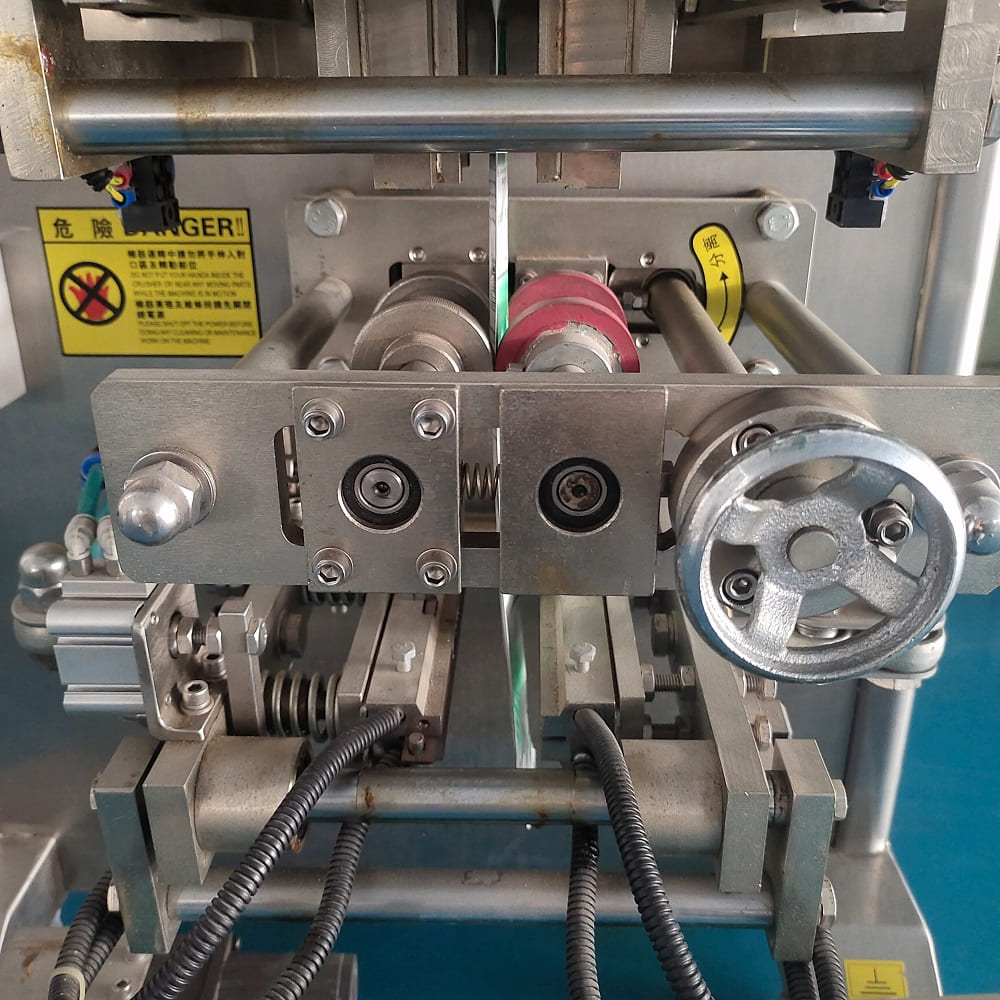
The following guide is designed to help production managers, maintenance engineers, and procurement teams — in Asia, Europe, North America and emerging markets — ensure continuous operation of sachet packaging machine lines. It combines a prioritized spare parts checklist, troubleshooting tips, sourcing recommendations, and compliance considerations so you can minimize unplanned downtime, control maintenance costs, and improve overall equipment effectiveness (OEE).
Key spare parts for uninterrupted sachet production
Critical wear components (keep on-site)
Wear components that directly contact packaging film or product should be stocked locally because failure causes immediate line stoppages. Typical critical wear parts for a sachet packaging machine include sealing jaws, cutting knives/blades, film rollers, forming tubes/funnels, dosing valves, and belts. These parts are subject to abrasion, heat cycles and repeated impact so replace them on a planned schedule or when wear thresholds are reached.
Secondary mechanical spares (recommended minimum stock)
Secondary mechanical items such as bearings, sprockets, chain links, pulleys, and tensioners typically degrade more slowly but are essential for machine motion. Keep a 1–2 month consumption buffer for bearings and drive chains for lines that run multiple shifts. Using OEM-grade bearings and properly lubricating per manufacturer guidance extends service life and reduces unexpected failures.
Electrical and electronic components (fast-replace strategy)
PLC modules, HMI panels, sensors (photoelectric, proximity), encoder assemblies, relays, and power supplies should be available for quick swap. For microcomputer controlled sachet packaging machines, replaceable modules (or backups) drastically reduce mean time to repair (MTTR). Maintain a list of part numbers and firmware versions; store critical spares in anti-static packaging and a controlled environment.
Checklist by function: dosing, film handling, sealing
Dosing and filling system parts
Common failure points in dosing systems include nozzles, dosing pistons, seals (O-rings), diaphragm valves, and calibrations sensors. For powder, liquid and viscous formulations, keep spare dosing tips and sealing O-rings specific to the product chemistry. For example, certain pharmaceutical-grade sachets require pharmaceutical-grade seals compatible with the API — check FDA guidance on packaging and food-contact materials when relevant (FDA: Packaging & Food-Contact Substances).
Film unwind, registration and forming parts
Film web tracking and registration rely on rollers, dancer arms, tension sensors, and registration marks readers. A worn roller or misaligned dancer can cause seal defects or poor print registration. Keep spare film rollers, guide rails, and a spare set of registration sensors to maintain print/print-to-seal accuracy and avoid scrap.
Sealing, cutting and finishing parts
Sealing elements (jaw faces, Teflon covers), heating elements, thermal sensors, and cutting blades are the most common causes of leak or malformed sachets. Because they influence final product integrity, inspect sealing jaws daily for residue build-up and wear. Replace heating elements proactively if cycling irregularities are detected. Industry best practice and machinery safety considerations are outlined in machine-safety standards such as ISO 12100.
Spare parts table: function, part name, recommended on-site quantity
| Function | Part | Recommended on-site quantity | Rationale |
|---|---|---|---|
| Dosing | Nozzles / Tips | 5–10 | Direct impact on fill accuracy; quick replacement reduces rejects |
| Sealing | Sealing jaws / Teflon covers | 2–4 sets | Wear from heat and friction; critical for package integrity |
| Cutting | Blades / Knives | 3–6 | Sharpness affects seal/packaging finish and safety |
| Film handling | Forming tube / Funnel | 1–2 | Direct contact with film; deformation causes web issues |
| Drive train | Bearings / Chains | 2–6 each | Mechanical wear; critical for motion reliability |
| Controls | PLC I/O modules / Power supply | 1 spare set | Electronics failure causes long downtime without spares |
| Sensors | Photoelectric / Proximity sensors / Encoders | 2–4 | Alignment and detection faults; inexpensive to swap |
| Seals & Consumables | O-rings / Gaskets / Heating wires | Varied (kit per machine) | Prevent contamination and leaks; vary by product chemistry |
Maintenance planning, sourcing strategy and compliance
Planned preventive maintenance (PPM) schedule
Create a PPM schedule tailored to the sachet packaging machine's runtime and product type. Typical intervals: daily visual inspections, weekly cleaning and lubrication, monthly component checks and calibration, and quarterly/semiannual replacement of high-wear components. Log all part replacements and failure modes; these records support continuous improvement and supplier negotiations.
OEM vs aftermarket parts: cost, quality, and traceability
OEM parts typically provide assured fit and certified material compatibility (important for food and pharmaceutical sachets). Aftermarket parts can be cost-effective but may need validation. For regulated products, maintain traceability and certificates of conformity for critical parts — quality management system standards such as ISO 9001 support this approach.
Regulatory and safety considerations
If your sachet packaging machine handles food or pharmaceuticals, verify spare materials for food-contact compliance and changeout procedures to prevent cross-contamination. Refer to regulatory guidance such as the FDA and applicable local authorities. Follow machine safety best practices and risk assessments to comply with international standards and protect maintenance personnel.
Troubleshooting common failures and preventive tips
Seal integrity issues
Symptoms: leaks, poor seals, or burnt film. Check for worn sealing jaws, inconsistent heating element output, contamination on jaws, or incorrect temperature settings. Clean jaw faces regularly and keep a baseline thermocouple or IR thermometer for spot checks. Replace Teflon covers on a preventive schedule to avoid film sticking and seal defects.
Inaccurate filling or product variation
Symptoms: overfill, underfill, or large variation. Inspect dosing valves, pistons, and nozzles for wear or blockages. Recalibrate dosing assemblies after part replacement and keep spare dosing tips for quick swaps. For sticky or particulate products, adjust dosing parameters and implement regular cleaning protocols.
Film tracking and registration problems
Symptoms: misaligned print, torn film, repeated jams. Check rollers for wear, dancer tension, and the condition of registration sensors. Keep spare rollers and sensor modules to maintain uptime. Confirm web tension parameters after any mechanical change and run startup sequences with a reduced speed for validation.
Spare parts inventory matrix and cost-control table
Below is an example inventory matrix you can adapt for your sites. Use actual part numbers from your machine supplier (e.g., Yuanyang sachet packaging machine) and record lead times to optimize on-site stock levels.
| Part | Lead time (procure) | Unit cost (est.) | Min stock (units) | Notes |
|---|---|---|---|---|
| Sealing jaw set | 2–4 weeks | $150–$450 | 2 sets | OEM preferred for consistent sealing zones |
| Cutting blades | 1–3 weeks | $30–$120 | 4–6 | Keep sharpened spares on hand |
| PLC module | 3–6 weeks | $500–$2,500 | 1 spare | Stock critical firmware and configuration files |
| Photoelectric sensor | 1–2 weeks | $20–$100 | 2–4 | Standardize models across lines when possible |
Tip: Use a digital CMMS (computerized maintenance management system) to automate reorder points based on actual usage and lead times. This reduces overstocking while preventing stockouts.
Yuanyang sachet packaging machine overview and fit
Product name: Sachet Packaging Machine for Sale
Product description:
Yuanyang sachet packaging machine is a kind of automatic equipment, mainly used for measuring, filling, and sealing small bag packing materials. The sachet packing machine has become an indispensable piece of equipment in modern production for food, medicine, chemicals, and other fields.
Features:
⦁ Microcomputer controlled;
⦁ Automated fast speed;
⦁ Multi-function integration.
The Yuanyang sachet packaging machines are representative of compact, microcomputer-controlled equipment designed for high-speed automated sachet production. When procuring spares for this class of machine, obtain OEM part numbers from the original bill of materials and verify compatibility for different model variants.
Sourcing, documentation and lifecycle management
Maintain accurate BOMs and configuration files
Keep an up-to-date bill of materials (BOM), wiring diagrams, PLC programs and HMI screens in a secure digital repository. When a spare is installed, update the BOM with serial numbers and installation dates. This practice supports traceability and helps during audits or quality incidents.
Supplier relationships and lead time reduction
Negotiate consignment stock, blanket orders, or priority lead times with key suppliers for long-lead items such as PLCs and specialty mechanical assemblies. Establishing a local stocking partner or regional warehouse can cut lead times and logistics costs.
End-of-life and obsolescence planning
Plan for component obsolescence by identifying alternative suppliers or retrofit kits early. For critical control elements, discuss lifecycle roadmaps with the manufacturer. Standards organizations and supplier datasheets are helpful for planning upgrade or retrofit cycles.
FAQ
Q: Which spare parts are most critical to keep on-site for a high-speed sachet packaging machine?
A: Prioritize sealing jaws, cutting blades, dosing nozzles, bearings, and at least one spare PLC or power supply. These parts have the most immediate impact on uptime and product quality.
Q: How many spares should I stock for a production line running 24/7?
A: It depends on run rate and lead times. A practical baseline is 2–4 sets of high-wear items (jaws, blades), 5–10 nozzles, 2–6 bearings/chains, and 1 spare PLC module. Use historical failure rates and supplier lead times to refine these numbers.
Q: Can aftermarket parts be used on sachet packaging machines?
A: Yes, for many mechanical and non-critical components. However, for critical sealing surfaces, food-contact parts, and control modules, OEM parts are recommended to ensure compatibility, traceability and regulatory compliance.
Q: What documentation should accompany spare parts for regulated products?
A: Include certificates of conformity, material safety data sheets (MSDS) where applicable, supplier traceability records, and changeover validation reports. These documents support compliance with food/pharma authorities.
Q: Where can I find standards and safety guidance for my packaging machinery?
A: Refer to machine safety standards such as ISO 12100 and quality management frameworks like ISO 9001. For food-contact materials consult regulatory sites such as the FDA. General packaging machinery context is available on Wikipedia: Packaging machine.
Contact and next steps
If you are evaluating a Sachet Packaging Machine for Sale or need a tailored spare parts plan for your Yuanyang sachet packaging machine, contact our sales and service team. We provide BOM validation, spare-part kits, on-site training, and preventive maintenance contracts to maximize uptime. Contact us to request a parts quote, schedule a machine audit, or view available machines and spare kits.
Contact Sales / Request Spare Parts Quote | View Sachet Packaging Machine for Sale
How to start a semi auto labeling machine business in Europe
Custom pharmaceutical aseptic filling machines Manufacturers and Suppliers
How to start the vacuum homogenizer cream mixer business ?
The latest trends for trigger spray capping machine
Chemicals
Can Yuanyang's chemical equipment be customized?
Yes, we offer customization services for our equipment to meet your specific production needs.
Liquid Soap Mixer
Can you provide liquid soap formula and train service?
Yes, we can provide different formulas, and teach client how to adjust the formula flexibly.
Liquid Soap Mixer Machine
Do you also provide liquid soap formula and technical training for a new user?
Yes, Yuany is experienced in liquid soap production for many years. We can provide professional training and teach face to face for clients. Don’t hesitate to contact us.
Industries
What after-sales support services are available?
We offer 7×24-hour online support, regular maintenance, and rapid spare parts supply to ensure the equipment functions smoothly.
Homogneizer mixer tank
What product can it produce?
The liquid mixer with homogenizer is mainly used for the production of liquid soap, shampoo, laundry detergent, shower gel, hand wash, sauce, ketchup, dish washing soap,body wash...
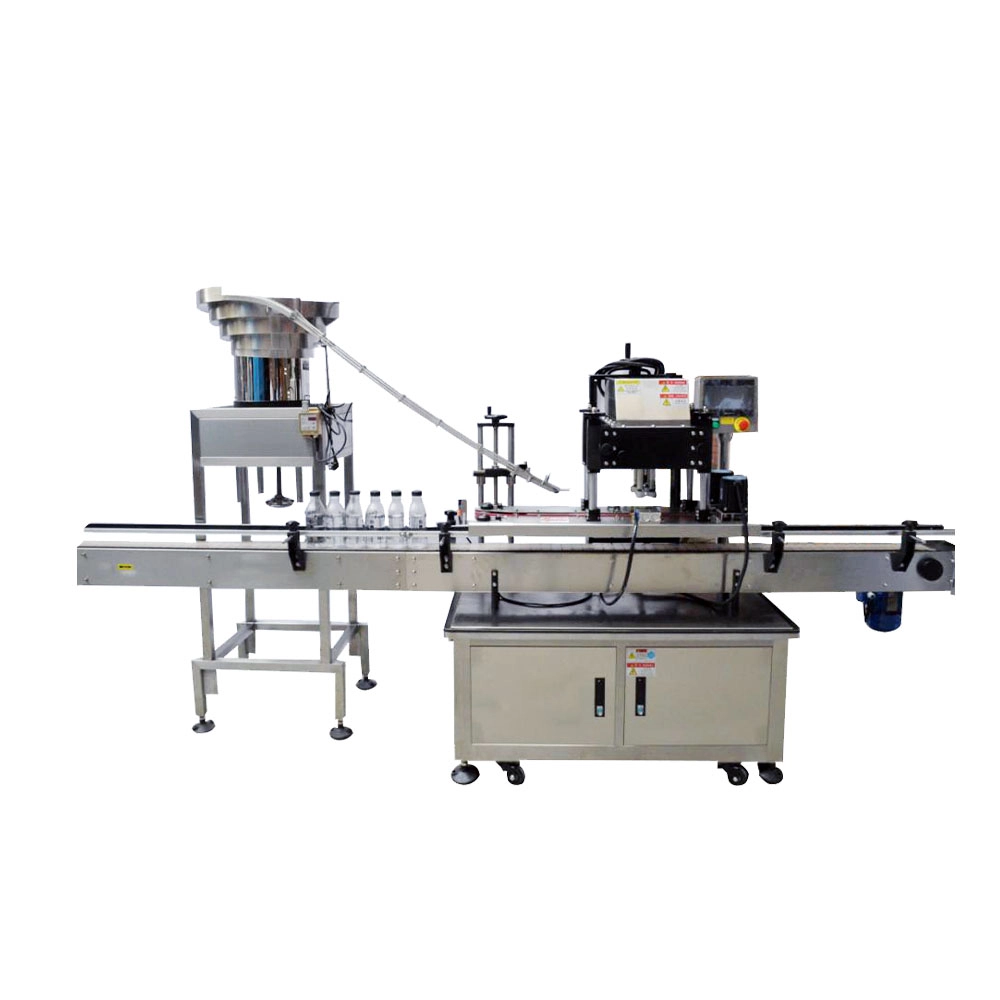
Automatic Plastic Caps Capping Machine with Vibrating Cap Feeder for Sale
Yuanyang automatic screw capping machine is a kind of four-wheel bottle capping machine. The automatic screw capper is often used to close lids of containers such as bottles and jars, especially for plastic bottles, which are widely used in food, medicine, chemical, cosmetic, and other industries for mass production and continuous production lines.
Features:
⦁ Full pneumatic drive;
⦁ Automated fast speed;
⦁ Suitable for various screw caps, pumps, and spray bottles.
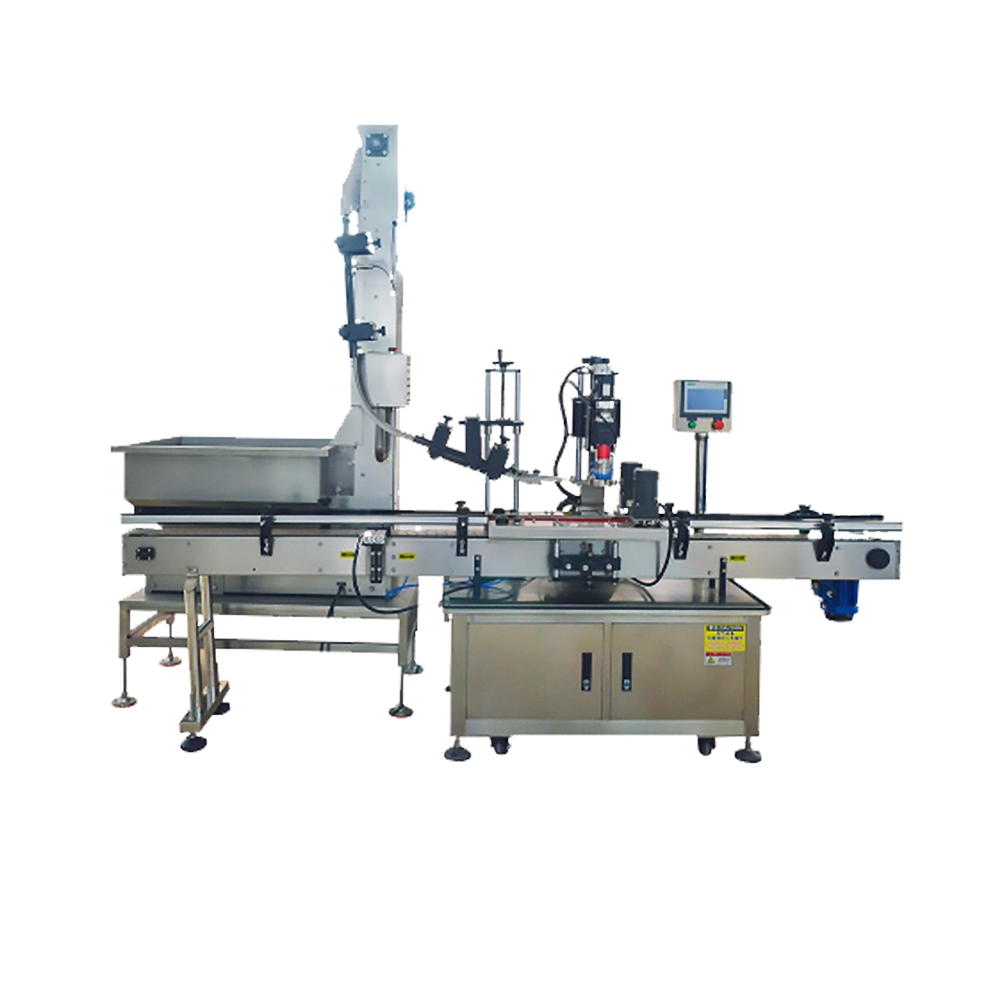
Automatic Metal Caps Capping Machine for Sale
Yuanyang automatic metal cap capping machine is a bottle capper for bottles with metal caps, which is often used to close lids of containers such as bottles and jars. The glass bottle metal capping machine is widely used in food, medicine, chemical, cosmetic, and other industries for mass production and continuous production line .
Features:
⦁ Pneumatic and electric drive;
⦁ Automated fast speed;
⦁ Suitable for glass bottles with metal caps.
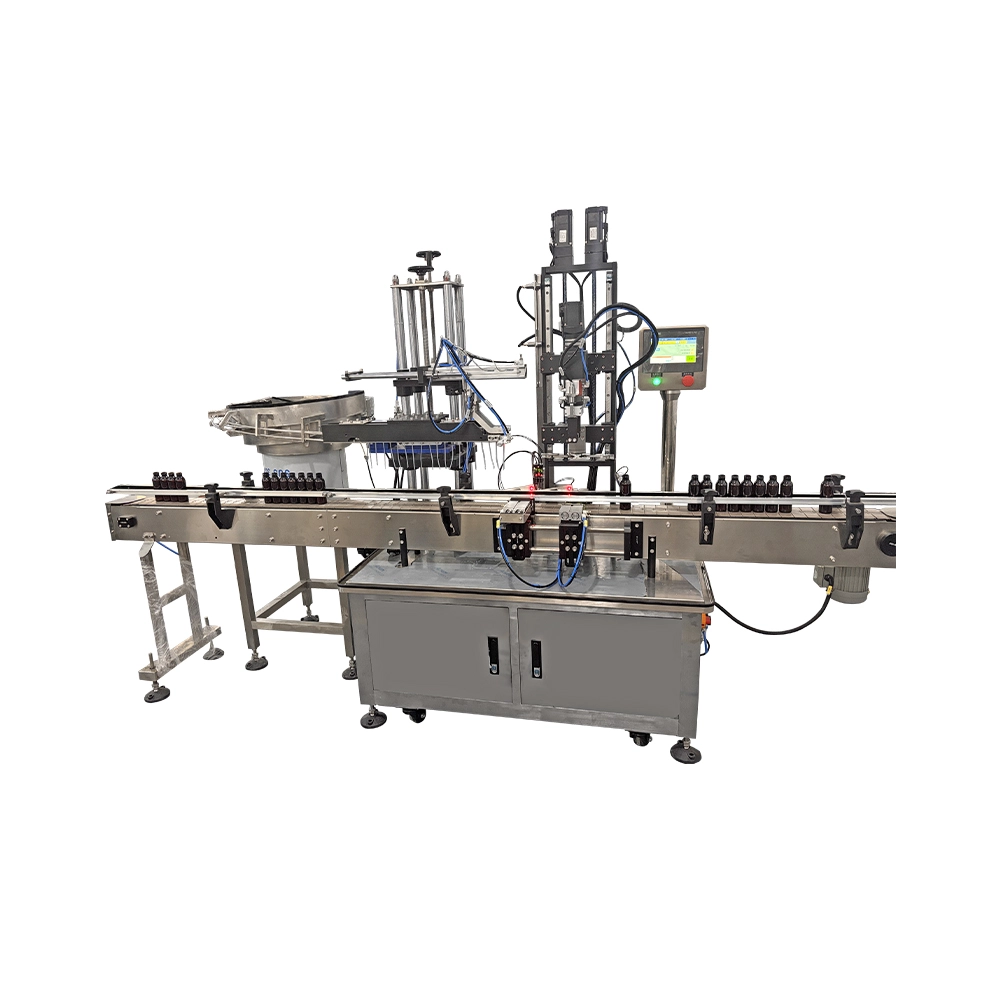
Automatic Pump Head Feeding and Capping Machine for Sale
Yuanyang automatic pump head feeding and capping machine is a bottle cap sorter and capper for bottles with pump heads, which is often used to close lids of containers such as nail polish, sprayers, and shampoo. The capping machine with a pump head feeder is widely used in food, medicine, chemical, cosmetic, and other industries for mass production and continuous production line .
Features:
⦁ Pneumatic and electric drive;
⦁ Automated fast speed;
⦁ Suitable for various types of caps.
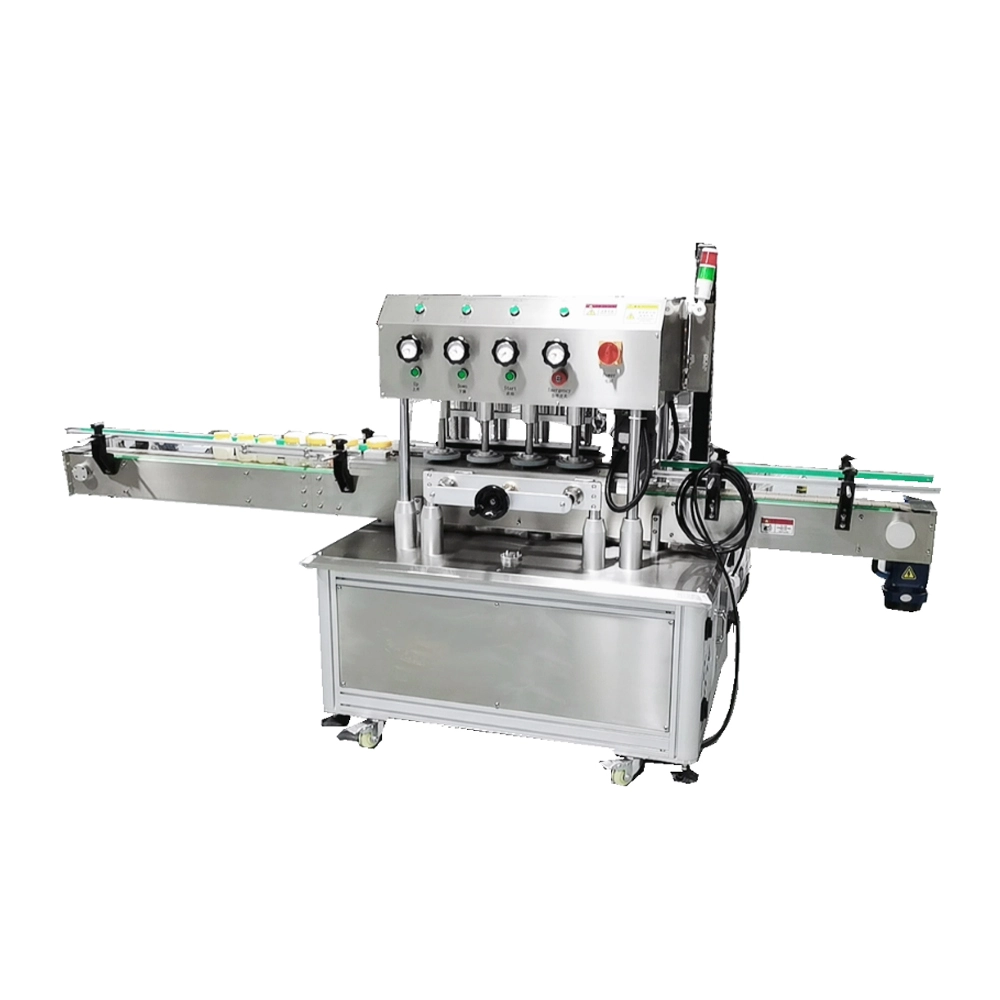
Automatic High Speed Capping Machine for Sale
The Yuanyang automatic high-speed capping machine is a kind of 8-wheel bottle-capping machine with fast working efficiency. The automatic capper is often used to close lids of containers such as bottles and jars, especially for plastic bottles, which are widely used in food, medicine, chemical, cosmetic, and other industries for mass production and continuous production lines.
Features:
⦁ Electric drive;
⦁ Automated fast speed;
⦁ Suitable for various screw caps, pumps, and spray bottles.
 Scan QR Code
Facebook
YouTube
LinkedIn
Whatsapp: +8613434139712
Guangzhou Yuanyang Machinery