





Safety Checklist for Operating Hydraulic Lift Emulsifiers
- Safety Checklist for Operating Hydraulic Lift Emulsifiers
- Introduction and product overview of the 50L Hydraulic Lift Vacuum Emulsifier
- Why a specific safety checklist is essential for emulsifying machines
- Pre-operation risk assessment and site preparation for the emulsifying machine
- Checklist items
- Personal protective equipment and hygiene when operating a hydraulic lift vacuum emulsifier
- Lockout, tagout and electrical safety for emulsifying machines
- Hydraulic lift and tilting pot operation safety
- Operational rules
- Vacuum system and pressure safety for the emulsifying machine
- Homogenizer, rotor-stator and high-speed shear safety
- Material handling, viscosity considerations and powder absorption safety
- Cleaning, sanitation and CIP safety procedures
- Maintenance schedule and inspection checklist
- Emergency procedures and incident response
- Training, documentation and operator competence for emulsifying machines
- Regulatory compliance and industry standards
- Quick reference of standards
- Brand advantage summary: Why choose the Yuanyang 50L Hydraulic Lift Vacuum Emulsifier
- FAQ for safety and operation of hydraulic lift vacuum emulsifiers
- Contact us and check the product
- References and further reading
- Document control
Safety Checklist for Operating Hydraulic Lift Emulsifiers
Introduction and product overview of the 50L Hydraulic Lift Vacuum Emulsifier
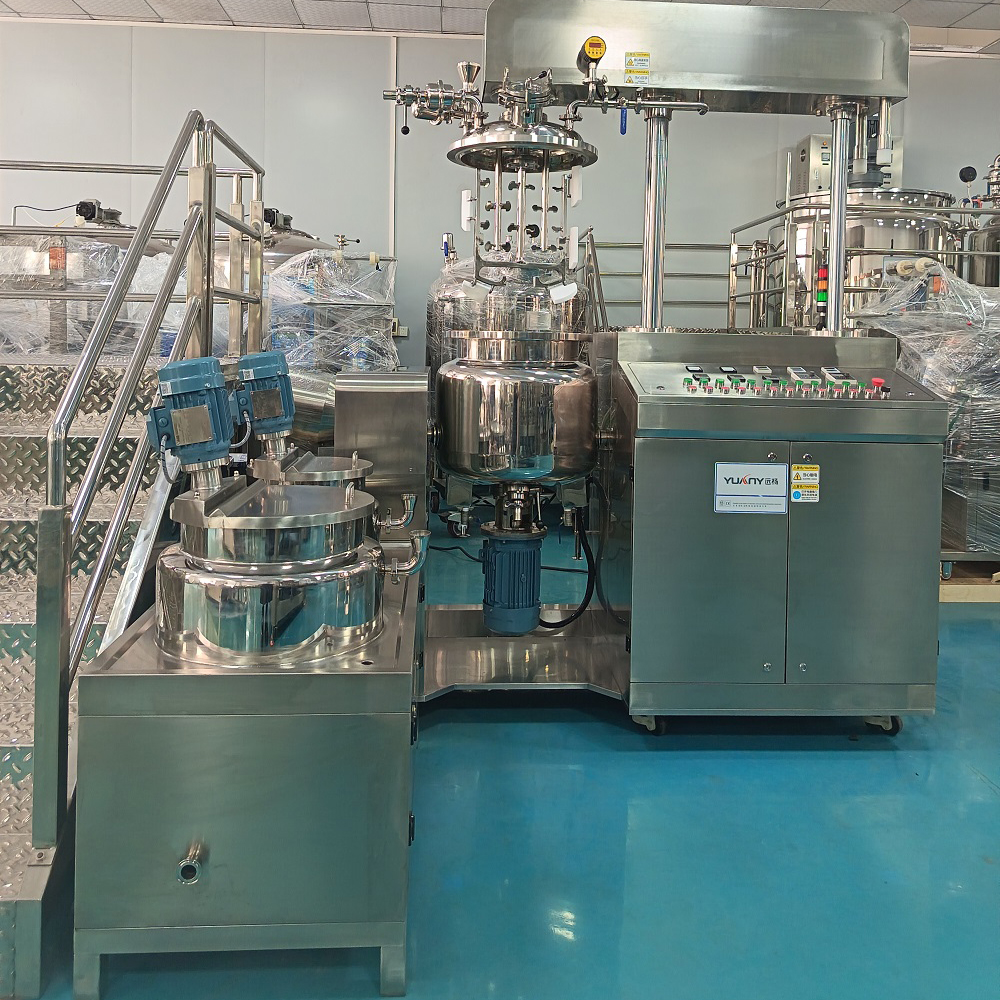
Yuanyang hydraulic lift vacuum emulsifier is a combined mixing equipment with a main vacuum homogenizer tank, a water tank, and an oil tank, which is an integrated equipment with a mixing, dispersing, homogenizing, emulsifying, vacuumizing and powder absorption system that is widely used in cosmetics, food, pharmaceutical, and chemical fields. Once safe operation is ensured, attention shifts back to product development, where formulation tips for using a vacuum emulsifying machine help maximize performance.
Features:
⦁ With a hydraulic lift lid & tilting pot, vacuum system, and electric control system.
⦁ Suitable for products of 10,000~50,000 cps viscosity.
⦁ Perfect particle size of 2 microns and evenly distributed.
Why a specific safety checklist is essential for emulsifying machines
Emulsifying machines such as hydraulic lift vacuum emulsifiers combine mechanical, hydraulic, electrical, and vacuum systems into one integrated production unit. That integration increases operational efficiency but also introduces unique hazards: crushing from the hydraulic lid and tilting pot, suction and implosion risk from vacuum systems, high-speed shear in homogenizers, exposure to hot liquids and powders, and electrical or hydraulic failures. A targeted safety checklist helps operators anticipate, prevent, and respond to these hazards while meeting regulatory and quality requirements in cosmetics, food, pharmaceutical, and chemical manufacturing.
Pre-operation risk assessment and site preparation for the emulsifying machine
Before each production batch, perform a short formal risk assessment. Verify the production area is free of trip hazards, flammable materials, and unnecessary personnel. Check ventilation and explosion control if processing powders or volatile ingredients. Confirm that the floor can support the 50L Hydraulic Lift Vacuum Emulsifier and that the unit is positioned to allow safe access to tanks, valves, and emergency stops. Record hazards and controls, and ensure that the emulsifying machine remains within the validated process parameters for the product being made.
Checklist items
- Confirm area is clean, dry, and well lit.
- Verify safety signage is visible and current.
- Confirm spill containment and floor drains are functional.
- Ensure only authorized personnel are present during operation.
Personal protective equipment and hygiene when operating a hydraulic lift vacuum emulsifier
PPE selection is driven by the materials handled and process conditions. Operators should use minimum PPE to reduce risk while allowing mobility: chemical-resistant gloves, splash goggles or face shield, heat-resistant gloves if heating, chemical-resistant aprons or lab coats, and hearing protection when noise levels exceed local limits. For powder feeding operations or when vacuuming powders, respiratory protection with appropriate filters may be required. For pharmaceutical or cosmetic production, follow GMP hygiene protocols to prevent contamination while maintaining operator safety.
Lockout, tagout and electrical safety for emulsifying machines
Lockout/tagout procedures are essential when servicing the 50L Hydraulic Lift Vacuum Emulsifier. Isolate electrical power and hydraulic energy before maintenance. Verify isolation by attempting to start the machine only after locks and tags are applied. Use only qualified electricians for electrical work and follow built-in interlocks and emergency stop circuits. Maintain schematics and control documentation near the equipment for quick reference during troubleshooting.
Hydraulic lift and tilting pot operation safety
The hydraulic lift lid and tilting pot improve ergonomics and batch-change speed, but they present pinch and crush risks. Always ensure hydraulic hoses are in serviceable condition and free of leaks. Check hydraulic fluid level and filter condition on a weekly schedule. Never place hands or tools between moving parts while the system is energized. Ensure safety stops and limit switches are functional and that operators are trained to use the manual override and emergency lowering procedure.
Operational rules
- Use the lift only with the lid securely latched when in mixing mode.
- Before tilting, secure the vessel and ensure downstream receiving containers are locked in place.
- Never bypass hydraulic interlocks or guards.
Vacuum system and pressure safety for the emulsifying machine
Vacuum operation reduces air entrapment and improves product quality, but vacuum systems can cause implosion hazards or draw contaminants into the product if not maintained. Inspect vacuum seals, sight glasses, and vacuum gauges daily. Ensure the vacuum pump oil is at the correct level and that filtration and condensate traps are functioning. If the process involves solvents or flammable vapors, verify that the vacuum system and environment meet explosion protection standards and that inerting is used when necessary.
Homogenizer, rotor-stator and high-speed shear safety
High-speed homogenization components can cause severe injury. Guards must be in place and interlocked so the unit cannot run when the lid is open. Check rotor balance and clearance settings as part of pre-start checks and ensure that homogenizer speed limits are set according to the product formulation. For maintenance, ensure the rotor is fully immobilized and isolated. Record vibration and noise data periodically to detect bearing failure or misalignment early.
Material handling, viscosity considerations and powder absorption safety
The 50L Hydraulic Lift Vacuum Emulsifier is suitable for products with viscosity in the 10,000 to 50,000 cps range. Higher viscosity products increase torque loads and present different thermal and mixing risks. When feeding powders into the vacuum system or using the powder absorption system, ensure dust control measures and explosion prevention plans are in place. Use proper dosing equipment and weigh scales to avoid overloading the emulsifying machine, which can lead to motor trips, hydraulic stress, and safety incidents.
Cleaning, sanitation and CIP safety procedures
Cleaning in place and manual cleaning both pose hazards. For CIP procedures, ensure piping and valves are configured to prevent operator exposure to hot water, caustics, or acids. For manual cleaning, never open the vessel while it is under vacuum or while the homogenizer could be energized. Use lockout/tagout, wear appropriate PPE, and ensure that waste is neutralized or stored per local environmental and safety regulations. Verify that CIP temperatures and concentrations are within validated ranges to protect product quality while keeping personnel safe.
Maintenance schedule and inspection checklist
Regular preventive maintenance is a key control for long-term safety. Below is a recommended maintenance and inspection schedule tailored for the 50L Hydraulic Lift Vacuum Emulsifier. Adjust frequency based on usage intensity, regulatory requirements, and manufacturer recommendations.
| Item | Daily | Weekly | Monthly | Quarterly |
|---|---|---|---|---|
| Visual exterior inspection and floor area | Yes | |||
| Hydraulic hoses, connections and fluid level | Yes | Yes | ||
| Vacuum pump oil and condensate traps | Yes | Yes | ||
| Homogenizer rotor and seals inspection | Yes | Yes | ||
| Electrical control panel and interlocks | Yes | Yes | ||
| Calibration of temperature and vacuum gauges | Yes |
Emergency procedures and incident response
Have a documented emergency response plan tailored to potential incidents: hydraulic failure with lid stuck open, vacuum loss, homogenizer foreign object, chemical spill, fire, or injury. Ensure emergency stop buttons are tested weekly and that operators know the location of manual release mechanisms and spill kits. Maintain a first-aid kit and ensure at least one trained first aider is present during production. Document all incidents, investigate root causes, and update the checklist and training accordingly.
Training, documentation and operator competence for emulsifying machines
Operators should receive both theoretical and hands-on training that covers the machine structure, safety systems, emergency procedures, permitted operations and limits, maintenance basics, and GMP or HACCP principles if applicable. Use competency checks and refresher training annually or when process changes occur. Keep up-to-date operation manuals, electrical and hydraulic schematics, maintenance logs, and risk assessments accessible near the equipment or in a digital system.
Regulatory compliance and industry standards
Safety and compliance vary by region and industry. Commonly referenced standards and guidance include OSHA machinery safeguards and lockout/tagout, ISO 12100 for machine safety risk assessment, ASME guidance for pressure vessels and vacuum equipment, and GMP requirements for pharmaceutical and cosmetic production. Where powders or flammable vapors are present, consult explosion protection guidance such as ATEX or national equivalents. Compliance is both a legal obligation and a driver of product quality when using emulsifying machines in regulated sectors.
Quick reference of standards
- OSHA machine safeguarding and lockout/tagout requirements.
- ISO 12100 general principles for safe design of machinery.
- ASME codes for pressure and vacuum equipment as applicable.
- GMP and food safety regulations for cosmetics, food and pharma.
Brand advantage summary: Why choose the Yuanyang 50L Hydraulic Lift Vacuum Emulsifier
Yuanyang integrates robust hydraulic lift, vacuum homogenizer, and powder absorption capabilities into a compact 50L emulsifying machine optimized for mid-scale production. Safety features such as interlocked lids, emergency stops, and an electric control system are designed to support safe, repeatable production while offering process advantages: consistent particle size down to 2 microns, a wide viscosity handling range of 10,000 to 50,000 cps, and ergonomic pot tilting to reduce manual handling risks. Combined with predictable maintenance intervals and accessible schematics, the unit supports both operational safety and regulatory compliance.
FAQ for safety and operation of hydraulic lift vacuum emulsifiers
Q 1: What PPE is mandatory when operating the 50L Hydraulic Lift Vacuum Emulsifier?
A 1: Minimum PPE includes chemical-resistant gloves, safety goggles or face shield, protective clothing, and hearing protection if noise exceeds allowable limits. For powder handling or solvent use, respirators and additional chemical protection may be required.
Q 2: How often should I inspect hydraulic components?
A 2: Visual checks should be performed weekly and a more thorough hydraulic inspection quarterly. Replace hoses and seals as soon as signs of wear or leaking appear.
Q 3: Can the vacuum system handle flammable solvents?
A 3: Only if the vacuum pump and system have been specifically rated and configured for hazardous atmospheres and proper inerting and explosion controls are in place. Consult Yuanyang and local regulations before processing flammable materials.
Q 4: What should I do if the lid hydraulic lift fails while open?
A 4: Follow the emergency lowering procedure in the manual, isolate hydraulic power, and use the manual support or blocking devices recommended by the manufacturer. Do not work under an unsupported lid.
Q 5: How do I validate that my emulsifying machine is safe for pharmaceutical production?
A 5: Use documented qualification stages (IQ/OQ/PQ), verify cleaning validation and material compatibility, maintain calibration records, and ensure the machine meets GMP requirements. Involve QA and validation teams during commissioning.
Contact us and check the product
If you need a tailored safety assessment, operator training, or procurement information for the 50L Hydraulic Lift Vacuum Emulsifier, contact our sales and technical team. We offer installation support, validation documentation, and spare parts to keep your emulsifying machine operating safely and reliably. Reach out to our customer service or request a product datasheet and quote today.
References and further reading
- OSHA machine guarding and lockout/tagout guidance - https://www.osha.gov
- ISO 12100 general principles for design of machinery - https://www.iso.org/standard/51528.
- ASME - American Society of Mechanical Engineers for pressure and vacuum equipment - https://www.asme.org
- FDA guidance for pharmaceutical manufacturing and GMP - https://www.fda.gov
- Wikipedia overview on emulsification and emulsifiers - https://en.wikipedia.org/wiki/Emulsification
- UK HSE guidance on dust explosions and powders - https://www.hse.gov.uk/explosions/dust.htm
Document control
Keep this checklist with the machine SOPs and review it annually or after any incident. Update based on process changes, new hazards, or evolving regulations to maintain compliance and operator safety.
Custom automatic bottle capping machine Manufacturers and Suppliers in France
The latest trends for ribbon mixer manufacturer
Best professional emulsifier machine for food manufacturers and supplier brands
What is double-sided labeling machine ? | Ultimate Insight
Automatic auger feeder machine
Can the pipe of the powder feeding machine be customized
Yes, the pipe size can be customized according to materials.
One Stage Water Treatment
When do you recommend pvc type and stainless steel type?
Regarding price, pvc type is cheaper, if client wants to save cost, can choose pvc type; regarding quality, stainless steel type is better, especially in too cold temperature,better resistance to low temperature.
Ink Jet Printer
Can the dater printer spray all directions?
Yes, the spraying nozzle of the expiry date printer can be adjusted to all directions.
Food
What raw materials can the equipment process?
Our equipment can process liquids, powders, solids, pastes, viscous materials, and high-viscosity substances, meeting a wide range of food production needs.
Medicine
Can I customize the equipment to meet specific production needs?
Absolutely. Yuanyang offers customized equipment solutions, adjusting the functionality, size, or processes based on your production requirements to meet your unique needs.
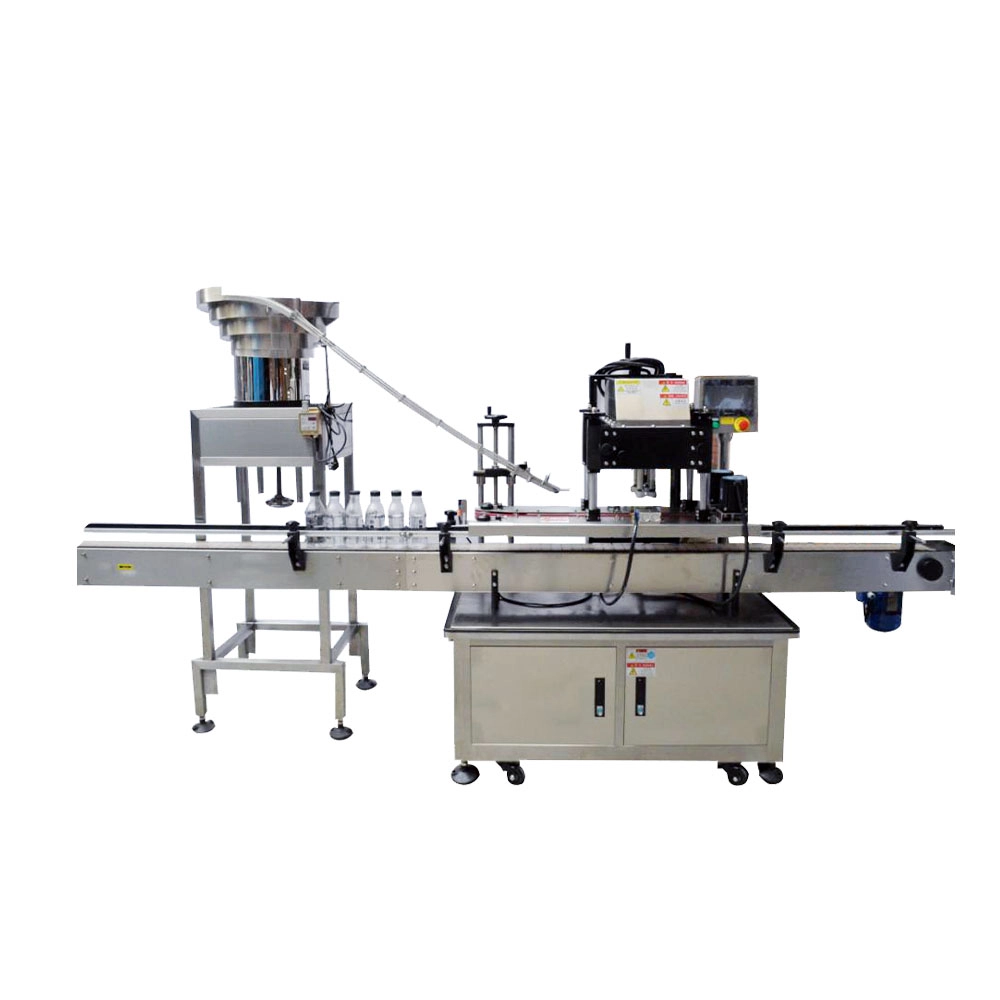
Automatic Plastic Caps Capping Machine with Vibrating Cap Feeder for Sale
Yuanyang automatic screw capping machine is a kind of four-wheel bottle capping machine. The automatic screw capper is often used to close lids of containers such as bottles and jars, especially for plastic bottles, which are widely used in food, medicine, chemical, cosmetic, and other industries for mass production and continuous production lines.
Features:
⦁ Full pneumatic drive;
⦁ Automated fast speed;
⦁ Suitable for various screw caps, pumps, and spray bottles.
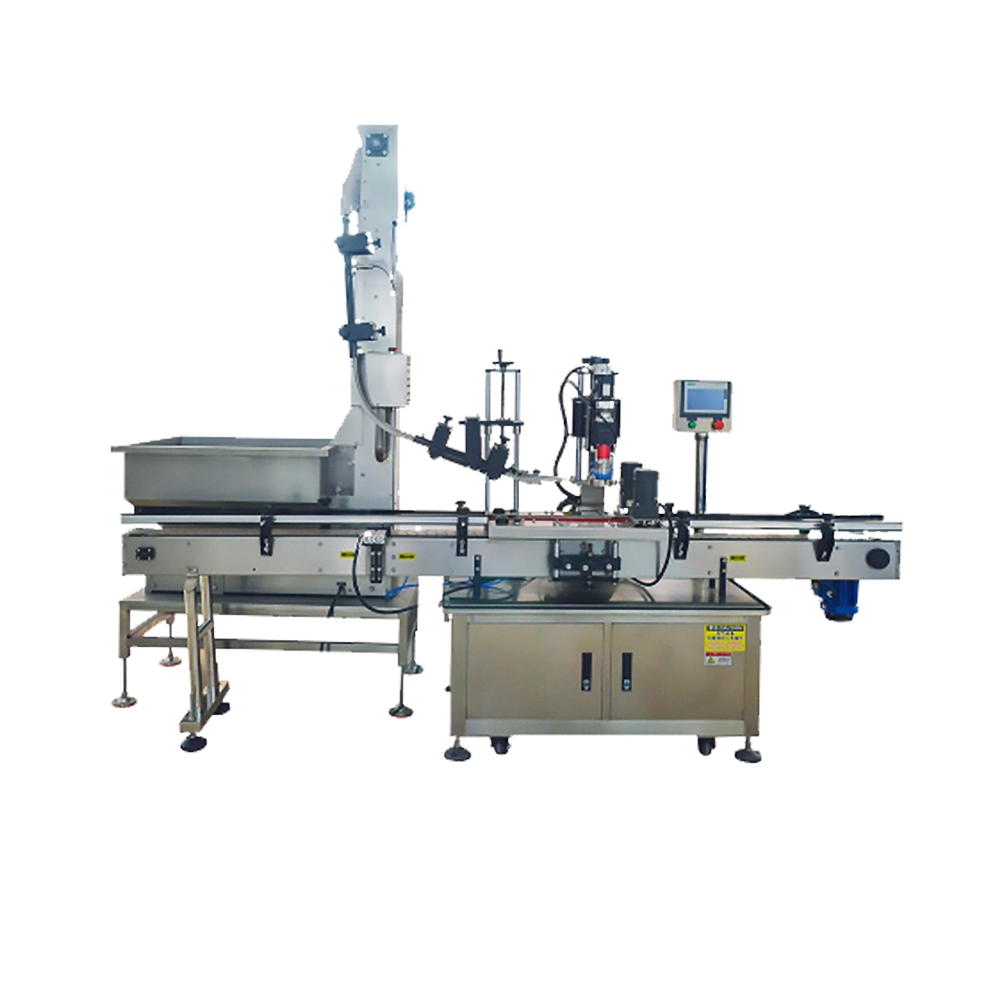
Automatic Metal Caps Capping Machine for Sale
Yuanyang automatic metal cap capping machine is a bottle capper for bottles with metal caps, which is often used to close lids of containers such as bottles and jars. The glass bottle metal capping machine is widely used in food, medicine, chemical, cosmetic, and other industries for mass production and continuous production line .
Features:
⦁ Pneumatic and electric drive;
⦁ Automated fast speed;
⦁ Suitable for glass bottles with metal caps.
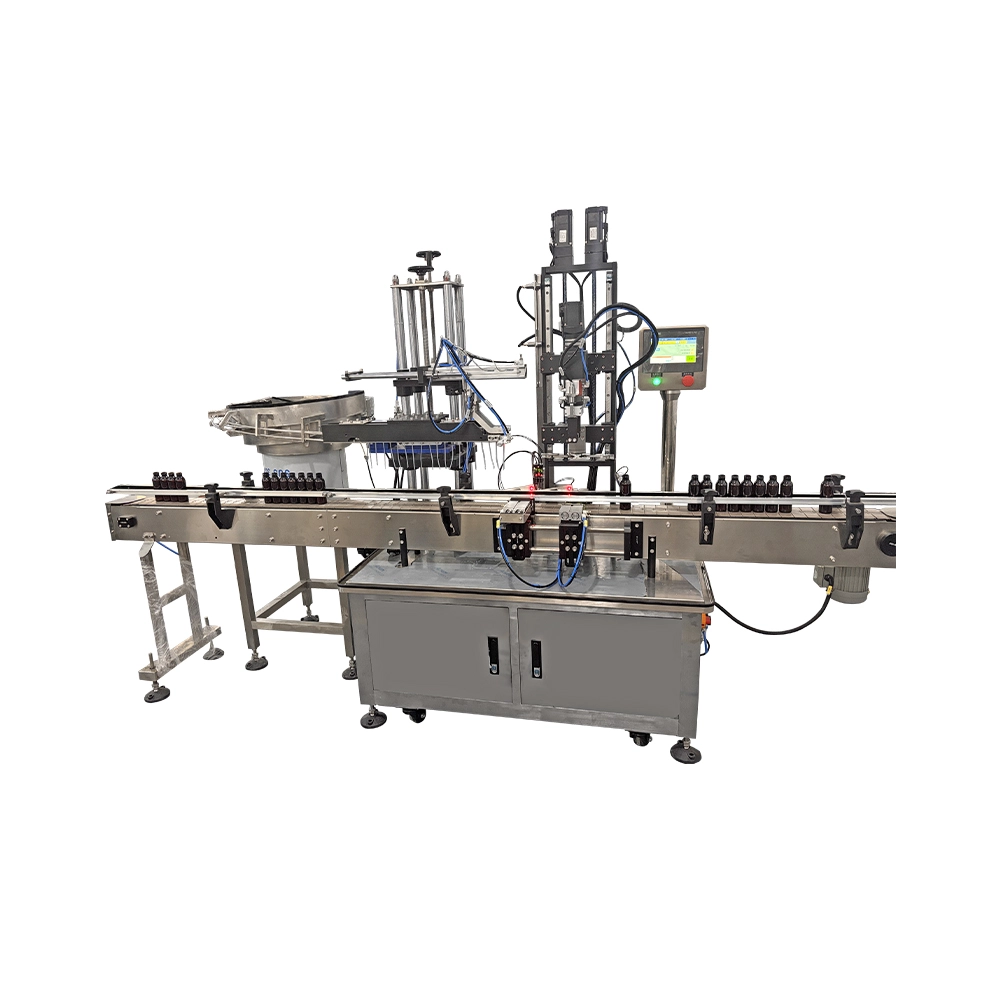
Automatic Pump Head Feeding and Capping Machine for Sale
Yuanyang automatic pump head feeding and capping machine is a bottle cap sorter and capper for bottles with pump heads, which is often used to close lids of containers such as nail polish, sprayers, and shampoo. The capping machine with a pump head feeder is widely used in food, medicine, chemical, cosmetic, and other industries for mass production and continuous production line .
Features:
⦁ Pneumatic and electric drive;
⦁ Automated fast speed;
⦁ Suitable for various types of caps.
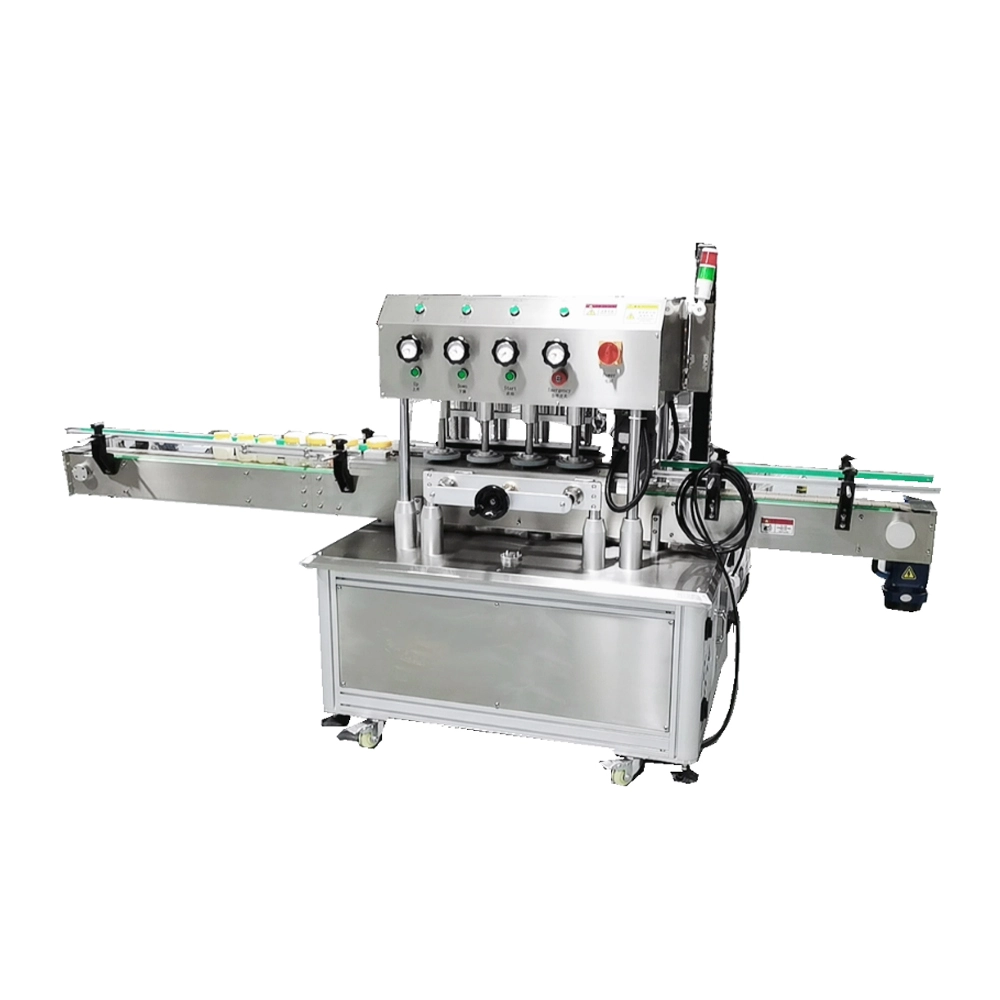
Automatic High Speed Capping Machine for Sale
The Yuanyang automatic high-speed capping machine is a kind of 8-wheel bottle-capping machine with fast working efficiency. The automatic capper is often used to close lids of containers such as bottles and jars, especially for plastic bottles, which are widely used in food, medicine, chemical, cosmetic, and other industries for mass production and continuous production lines.
Features:
⦁ Electric drive;
⦁ Automated fast speed;
⦁ Suitable for various screw caps, pumps, and spray bottles.
 Scan QR Code
Facebook
YouTube
LinkedIn
Whatsapp: +8613434139712
Guangzhou Yuanyang Machinery