





Formulation Tips for Using a Vacuum Emulsifying Machine
- Formulation Tips for Using a Vacuum Emulsifying Machine
- Why use a vacuum emulsifying machine for modern formulations?
- Core formulation principles for successful emulsions
- Step-by-step process using the 50L Hydraulic Lift Vacuum Emulsifier
- Example basic 50L cream formulation and process timings
- Troubleshooting common formulation issues on an emulsifying machine
- Scale-up considerations: lab to 50L production
- Cleaning, validation and regulatory (GMP) best practices
- Brand strengths: why choose the Yuanyang 50L Hydraulic Lift Vacuum Emulsifier?
- FAQ — Frequently Asked Questions
- Contact sales / View product
- References and authoritative resources
- Final note
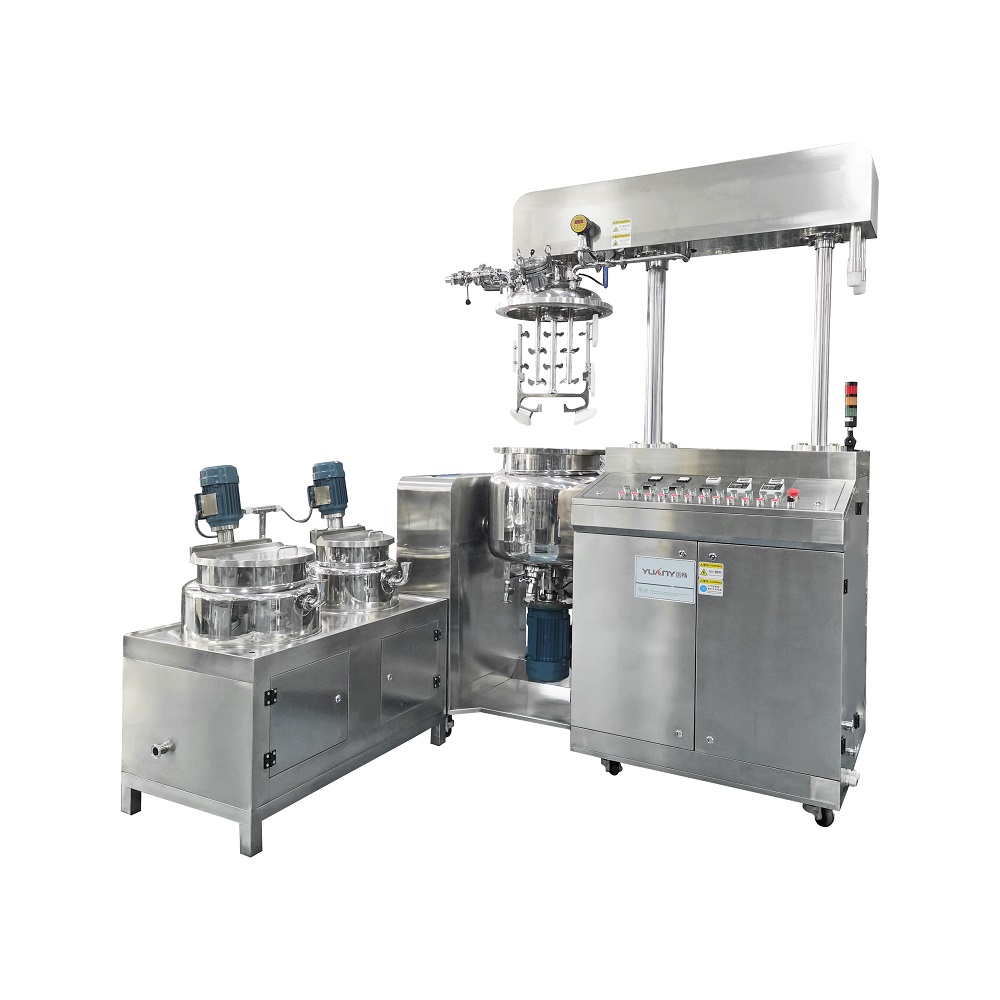
Formulation Tips for Using a Vacuum Emulsifying Machine
Why use a vacuum emulsifying machine for modern formulations?
An emulsifying machine is essential when you need stable emulsions with fine droplet size, repeatable texture and reliable shelf life. The vacuum emulsifying machine combines high-shear homogenization with vacuum degassing and efficient powder absorption — features that make it a primary choice for cosmetics, pharmaceuticals, food and specialty chemical formulations. The Yuanyang 50L Hydraulic Lift Vacuum Emulsifier is a compact production-scale solution: a combined mixing system with a main vacuum homogenizer tank, a water tank, and an oil tank that supports mixing, dispersing, homogenizing, emulsifying, vacuumizing and powder absorption.
Product snapshot: Yuanyang 50L Hydraulic Lift Vacuum Emulsifier
Yuanyang hydraulic lift vacuum emulsifier is a combined mixing equipment with a main vacuum homogenizer tank, a water tank, and an oil tank, which is an integrated equipment with a mixing, dispersing, homogenizing, emulsifying, vacuumizing and powder absorption system that is widely used in cosmetics, food, pharmaceutical, and chemical fields.
Features:
- With a hydraulic lift lid & tilting pot, vacuum system, and electric control system.
- Suitable for products of 10,000~50,000 cps viscosity.
- Perfect particle size of 2 microns and evenly distributed.
Core formulation principles for successful emulsions
Before you start a run on any emulsifying machine, align your formulation and process strategy around several fundamentals that determine emulsion quality:
- Oil/Water Ratio and Phase Design: Decide primary phases (aqueous vs oil) and ensure each phase contains compatible active and functional ingredients. Typical oil phase ranges for creams are 5–25% w/w depending on desired richness.
- Emulsifier Selection and HLB: Choose emulsifiers based on the required Hydrophile-Lipophile Balance (HLB) for your oil blend. For oil-in-water (O/W) systems, use emulsifiers with higher HLB values; for water-in-oil (W/O), choose lower HLB values. A proper HLB match reduces creaming and improves droplet stability.
- Order of Addition: Dissolve water-soluble actives in the water phase and oil-soluble actives in the oil phase. Premix powders with a portion of the liquid to avoid lumps, then feed gradually into the vacuum emulsifying machine's absorption port if available.
- Temperature Control: Heat both oil and water phases to the appropriate and controlled temperatures to melt waxes and solubilize ingredients. Typical ranges: 70–80°C for oil and 70–85°C for water for standard creams; always follow ingredient-specific limits.
- Shear and Homogenization: Use low-to-moderate shear during phase combination to form a preliminary emulsion, then apply high-shear homogenization for droplet size reduction. The 50L Hydraulic Lift Vacuum Emulsifier's high-shear homogenizer can achieve ~2 µm particle size when tuned correctly.
- Vacuum Degassing: Apply vacuum during and/or after homogenization to remove trapped air and volatile impurities; this prevents oxidation and improves texture and appearance.
Step-by-step process using the 50L Hydraulic Lift Vacuum Emulsifier
Below is a reliable workflow that balances repeatability and product quality when using a vacuum emulsifying machine like the Yuanyang 50L:
- Charge and heat phases: Load the oil phase to the oil tank and the water phase to the water tank. Heat to the target temperature (typically 70–80°C). Add heat-sensitive actives later.
- Pre-disperse powders: Use the disperser to pre-wet powders in a portion of the water phase before bulk addition; the vacuum absorption port can help minimize dust and agglomerates.
- Combine phases: Transfer oil to the main homogenizer tank, then slowly add the water phase while running the low-speed agitator to create the primary emulsion.
- Homogenize: Engage the homogenizer at a higher rotor speed in stages. Start medium speed for 3–5 minutes, then higher speed 5–15 minutes depending on viscosity and target droplet size.
- Apply vacuum: Start vacuum before or immediately after homogenization to remove entrained air and reduce bubble entrapment. Hold vacuum during final cooling if possible.
- Cool under agitation: Controlled cooling with gentle agitation prevents phase inversion and promotes firm texture. Add temperature-sensitive ingredients (preservatives, fragrances) below their heat thresholds.
- Finish and discharge: Use the tilting pot or bottom discharge valve for safe transfer into storage containers. Sanitize any transfer lines used.
Example basic 50L cream formulation and process timings
Below is a practical example formula for a 50L batch (percentages by weight) and a suggested process timeline. Use this as a template to adapt with your actives and regulatory needs.
| Component | % w/w | Notes |
|---|---|---|
| Deionized water | 70.0 | Water phase, dissolve humectants |
| Glycerin | 3.0 | Humectant, add to water phase |
| Emulsifier (e.g., Polysorbate + Cetyl Alcohol) | 4.0 | Oil-soluble emulsifier blend |
| Emollient (e.g., Caprylic/Capric Triglyceride) | 8.0 | Oil phase |
| Thickener (e.g., Carbomer or Xanthan) | 0.4–1.0 | Hydration after neutralization |
| Preservative & Fragrance | 1.0 | Add at low temperature |
| Active (vitamin / extract) | 0.1–2.0 | Based on stability |
| pH adjuster (NaOH or Triethanolamine) | q.s. | Adjust after cooling |
Process timings (approx): heat phases 30–40 min; pre-dispersion 5–10 min; main emulsification 10–20 min; homogenization 5–15 min; vacuum degassing 5–15 min; cooling 20–40 min. Adjust times to reach target viscosity 10,000–50,000 cps for the 50L unit's optimal performance range.
Troubleshooting common formulation issues on an emulsifying machine
Even with the right machine, formulators face problems. Here are frequent issues and effective remedies:
- Phase separation or creaming: Verify HLB match; increase emulsifier concentration gradually; confirm adequate homogenization time and vacuum degassing to reduce droplet coalescence.
- Coarse or grainy texture: Ensure powders are fully wetted and pre-dispersed; increase homogenization intensity or time; check rotor/stator clearance and wear.
- Air entrainment (foamy product): Increase vacuum level during or immediately after homogenization; reduce impeller speed during phase transfer; add defoamers if compatible.
- High final viscosity or gelation: Check thickener choice and neutralization; cool more slowly under agitation; evaluate polymer hydration procedure (e.g., carbomer requires neutralization after cooling).
- Heat-sensitive ingredient degradation: Add sensitive actives after cooling below their maximum recommended temperature.
- Insufficient powder incorporation: Use powder absorption port and vacuum to pull powders in; preblend with humectant or small water aliquot to avoid lumps.
Scale-up considerations: lab to 50L production
Scaling from lab to a 50L emulsifying machine requires more than multiplying ingredient weights. Consider these factors:
- Shear rate and tip-speed equivalence: Match mixing intensity by maintaining similar tip-speed or specific energy input rather than rotor speed alone.
- Geometry and fill factor: Tank shape and impeller location influence flow; aim for similar fill level (typically 40–70%) as used in lab runs.
- Heat transfer: Larger volumes cool and heat slower — adjust heating/cooling timeframes and tooling (e.g., jacketed tanks).
- Process order: Maintain the same sequence (pre-wet powders, add phases, homogenize, vacuum) to preserve product attributes.
Comparison table — small lab mixer vs. 50L Hydraulic Lift Vacuum Emulsifier:
| Feature | Typical Lab Mixer | 50L Hydraulic Lift Vacuum Emulsifier |
|---|---|---|
| Max batch size | 0.5–10 L | 50 L |
| Homogenization capability | Limited high-shear | High-shear homogenizer to ~2 µm |
| Vacuum degassing | Often none | Integrated vacuum system |
| Powder absorption | Manual addition | Vacuum-assisted powder feed |
| Industrial features | Basic controls | Hydraulic lift lid, tilting pot, electrical control |
Cleaning, validation and regulatory (GMP) best practices
To meet quality expectations for cosmetics, pharmaceuticals and food, consider these actionable steps:
- Material selection: Use stainless steel (e.g., 316L) wetted parts to avoid contamination and ensure corrosion resistance.
- Surface finish and CIP: Specify mirror finish for product contact surfaces and design for cleanability. Validate cleaning procedures (CIP/SIP) and monitor residues.
- Documentation and batch records: Maintain controlled batch records, equipment logs, and validation documentation for mixing times, temperatures and vacuum cycles.
- Microbial control: For water-based products, follow preservative efficacy testing and water quality controls.
- Regulatory guidance: Align with cosmetic regulations and GMP standards for intended markets (e.g., FDA cosmetics guidance, EU Cosmetics Regulation, WHO GMP recommendations).
Brand strengths: why choose the Yuanyang 50L Hydraulic Lift Vacuum Emulsifier?
The Yuanyang 50L unit brings features that matter in production and R&D bridging: an integrated vacuum homogenizer tank with dedicated oil and water tanks, hydraulic lift lid and tilting pot for ergonomic operation, precise electric control system for repeatable runs, and high-shear homogenization capable of producing particles down to 2 microns. The machine supports viscosities between 10,000 and 50,000 cps — a practical range for many creams and gels — and offers vacuum-assisted powder absorption to reduce dust and speed formulation steps. For formulators who need compact production capability combined with lab-to-pilot scalability, the 50L Hydraulic Lift Vacuum Emulsifier is designed to minimize common process pain points (air entrapment, poor powder wetting, inconsistent droplet size) while delivering reproducible results.
FAQ — Frequently Asked Questions
Q1: What viscosities can the 50L Hydraulic Lift Vacuum Emulsifier handle?
A1: The unit is suitable for products in the 10,000–50,000 cps viscosity range, ideal for creams, lotions and some gels. For lower-viscosity liquids, homogenization settings can be adjusted; for higher viscosities, consult Yuanyang for custom rotor/stator options.
Q2: How fine is the emulsion produced?
A2: With correct formulation and process control, the homogenizer is capable of achieving an average particle size around 2 microns, producing smooth textures and improved stability.
Q3: Can I add powders directly to the main tank?
A3: Yes — the machine is designed with powder absorption capability under vacuum to minimize dust and agglomeration. Pre-wetting powders in a small portion of liquid is recommended for best results.
Q4: Is the unit suitable for pharmaceutical or food production?
A4: The machine’s design supports cosmetic, food and pharmaceutical uses, but compliance with specific regulatory requirements (GMP documentation, material certificates, validation) must be handled per product and region.
Q5: What cleaning and validation support is recommended?
A5: Use validated CIP/SIP procedures, retain material certificates for wetted parts (316L stainless steel preferred), log cleaning cycles, and conduct residue and microbial testing per your regulatory framework.
Contact sales / View product
As formulations mature, many producers plan capacity growth—this makes scale-up strategies from lab mixer to 50L emulsifier a logical next step.
Ready to optimize your formulations with a reliable vacuum emulsifying machine? Contact our sales team to request specifications, a quotation, or to schedule a demonstration of the Yuanyang 50L Hydraulic Lift Vacuum Emulsifier. Visit our product page or email sales to discuss process needs and validation support.
References and authoritative resources
For deeper technical background and regulatory context, consult these authoritative sources:
- Emulsification — Wikipedia: https://en.wikipedia.org/wiki/Emulsification
- Homogenizer — Wikipedia: https://en.wikipedia.org/wiki/Homogenizer
- Viscosity — Wikipedia: https://en.wikipedia.org/wiki/Viscosity
- U.S. Food and Drug Administration — Cosmetics: https://www.fda.gov/cosmetics
- European Commission — Cosmetics: https://ec.europa.eu/growth/sectors/cosmetics_en
- World Health Organization — Good Manufacturing Practices: https://www.who.int/teams/regulation-prequalification/regulation-and-safety/good-manufacturing-practice
Final note
Using a vacuum emulsifying machine effectively is as much about careful formulation and process discipline as it is about equipment. Follow structured process steps, respect ingredient thermal limits, use vacuum and homogenization strategically, and validate cleaning and process parameters. The 50L Hydraulic Lift Vacuum Emulsifier is built to deliver consistent droplet size, effective powder absorption and safe, ergonomic operation — all critical for scaling quality formulations from R&D to production.
Top 10 500 gallon stainless steel mixing tank Manufacturers and Supplier Brands
Top 10 drink powder mixer Manufacturers and Supplier Brands in France
Tips for buy disperser machine in UK
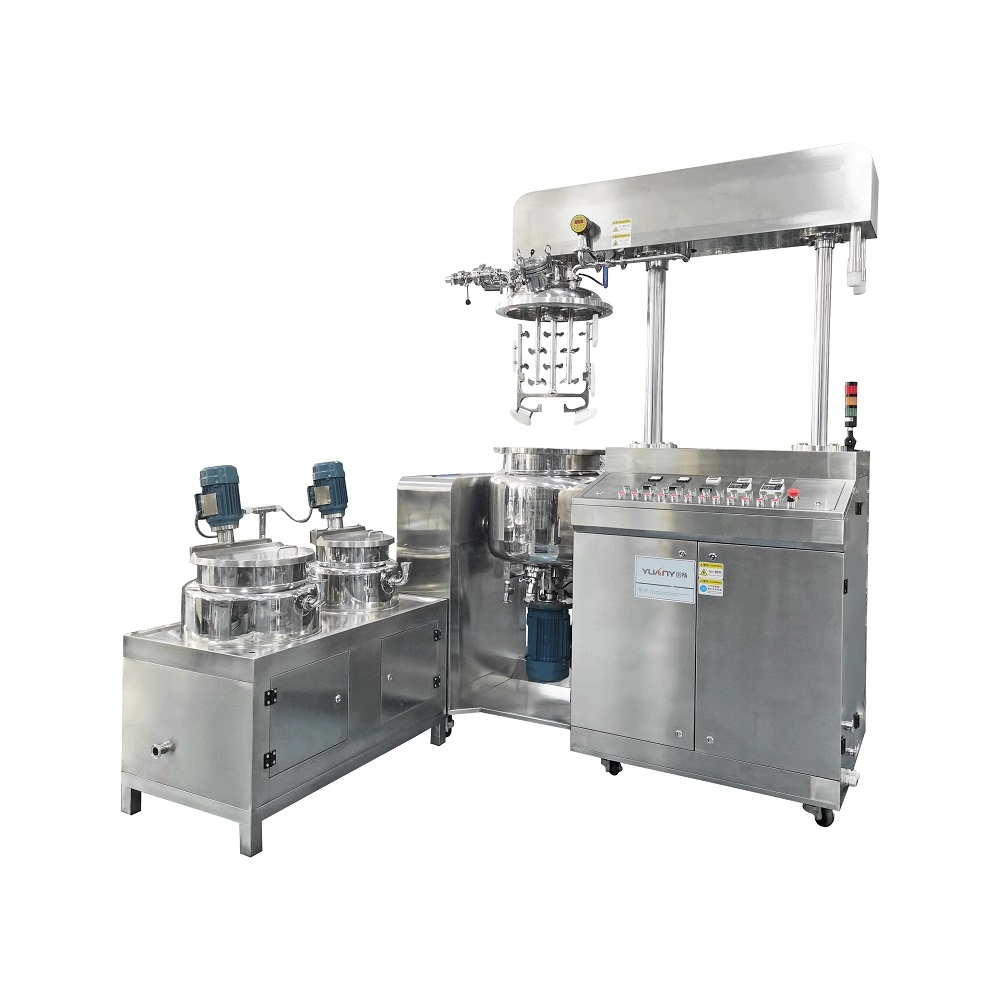
Case Studies: Products Made with 50L Vacuum Emulsifiers
Single Layer Agitator Tank
What’s the material of the mixer with agitator ?
Yes, all the tank mixers are made of stainless steel, and the standard contact part is made of ss316L, other parts ss304, which meet GMP standards and is CE proved.
Vacuum Emulsifier
What capacity do you provide for vacuum emulsifying mixer machine?
We can supply from 50 Liters to 5000 Liters for mixing tanks,but we recommend maximum 1000L for vacuum emulsifier homogenizer,whose the package sizes is just ok for regular 40” HQ container.
FAQs
Can I visit your factory?
Yes,welcome to visiting our factory.Our factory is located in Guangzhou, China. You could visit us by taxi or by metro. Our company can pick you up. Please contact our customer service for appointment in advance.
Powder Sachet Packaging Machine
Can it print date on the bags, by ink or steel?
Yes, the standard machine is usually added with a ribbon coding machine to print date by ink.
Desktop Bottle Sealing Machine
How does the automatic bottle sealing machine work?
Electromagnetic induction sealing machine uses high-frequency electromagnetic field to act on the packaging film, resulting in an induced current inside, which will generate heat, melt the packaging film, and then form a sealing after cooling.
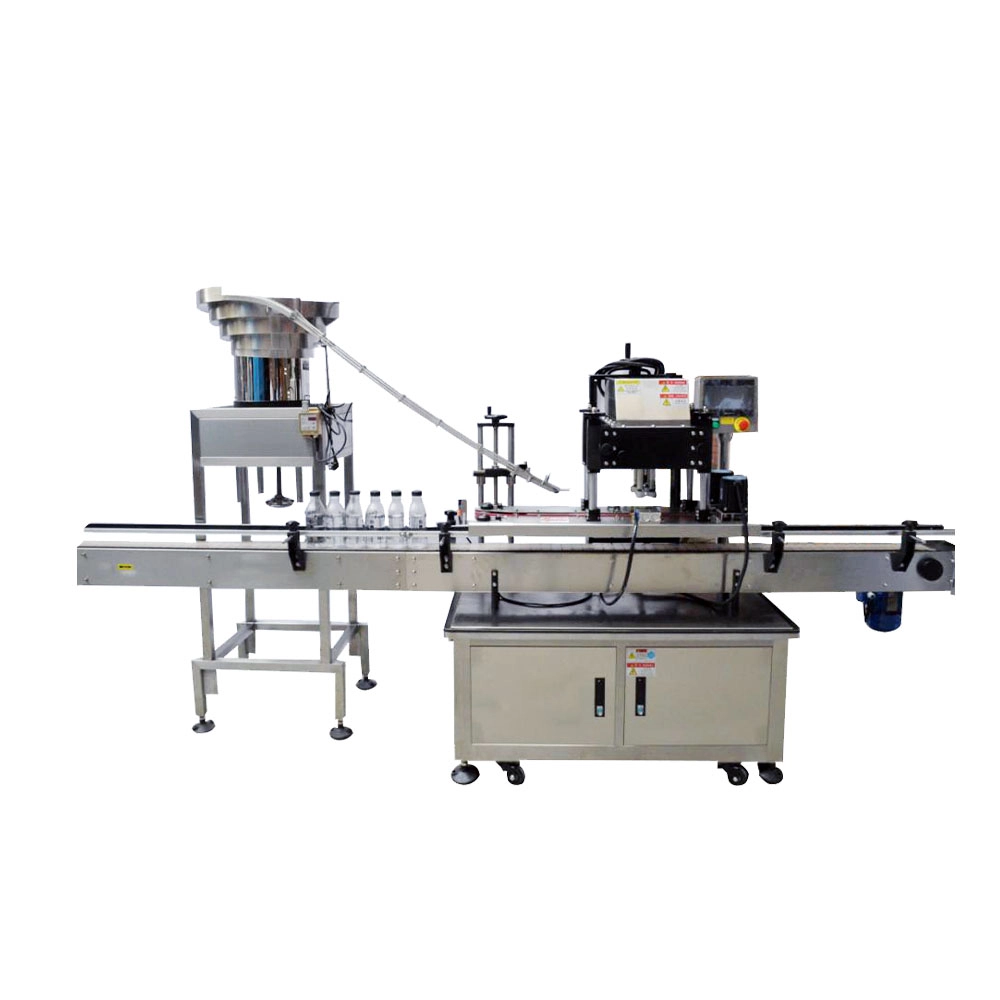
Automatic Plastic Caps Capping Machine with Vibrating Cap Feeder for Sale
Yuanyang automatic screw capping machine is a kind of four-wheel bottle capping machine. The automatic screw capper is often used to close lids of containers such as bottles and jars, especially for plastic bottles, which are widely used in food, medicine, chemical, cosmetic, and other industries for mass production and continuous production lines.
Features:
⦁ Full pneumatic drive;
⦁ Automated fast speed;
⦁ Suitable for various screw caps, pumps, and spray bottles.
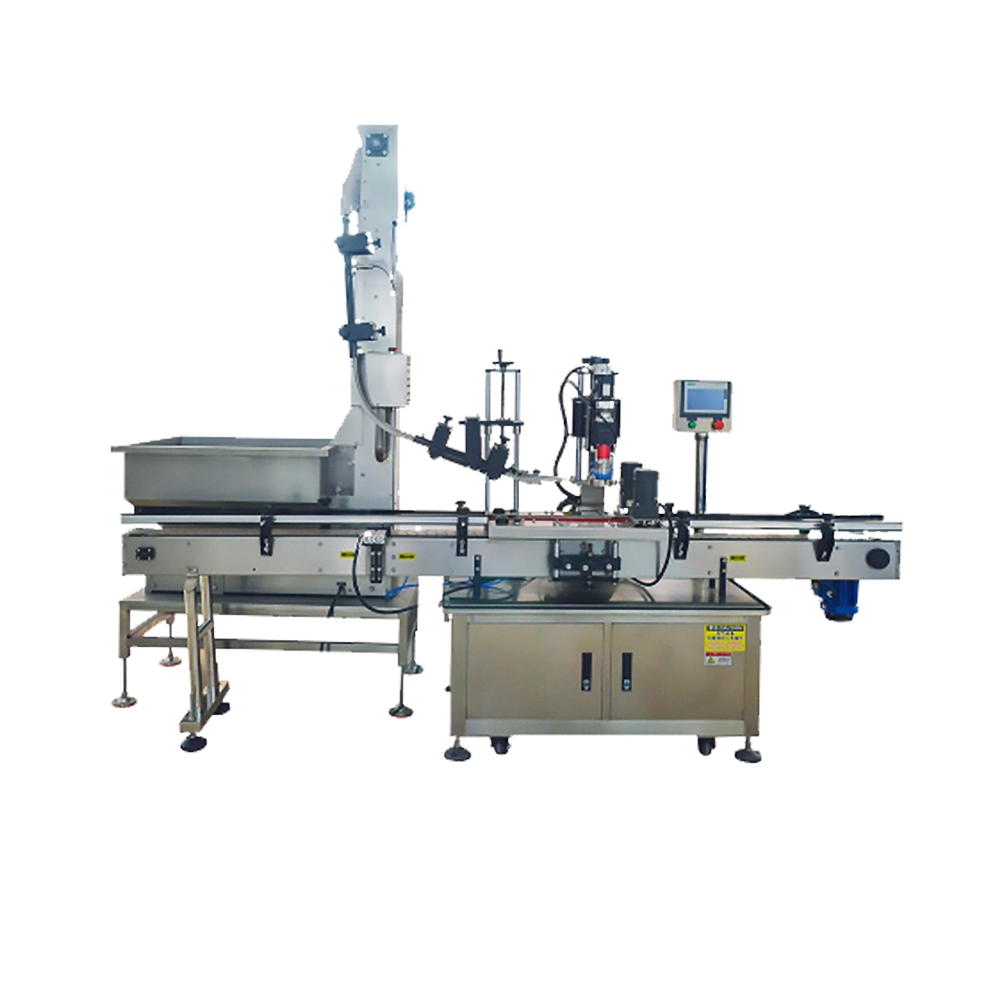
Automatic Metal Caps Capping Machine for Sale
Yuanyang automatic metal cap capping machine is a bottle capper for bottles with metal caps, which is often used to close lids of containers such as bottles and jars. The glass bottle metal capping machine is widely used in food, medicine, chemical, cosmetic, and other industries for mass production and continuous production line .
Features:
⦁ Pneumatic and electric drive;
⦁ Automated fast speed;
⦁ Suitable for glass bottles with metal caps.
Automatic Pump Head Feeding and Capping Machine for Sale
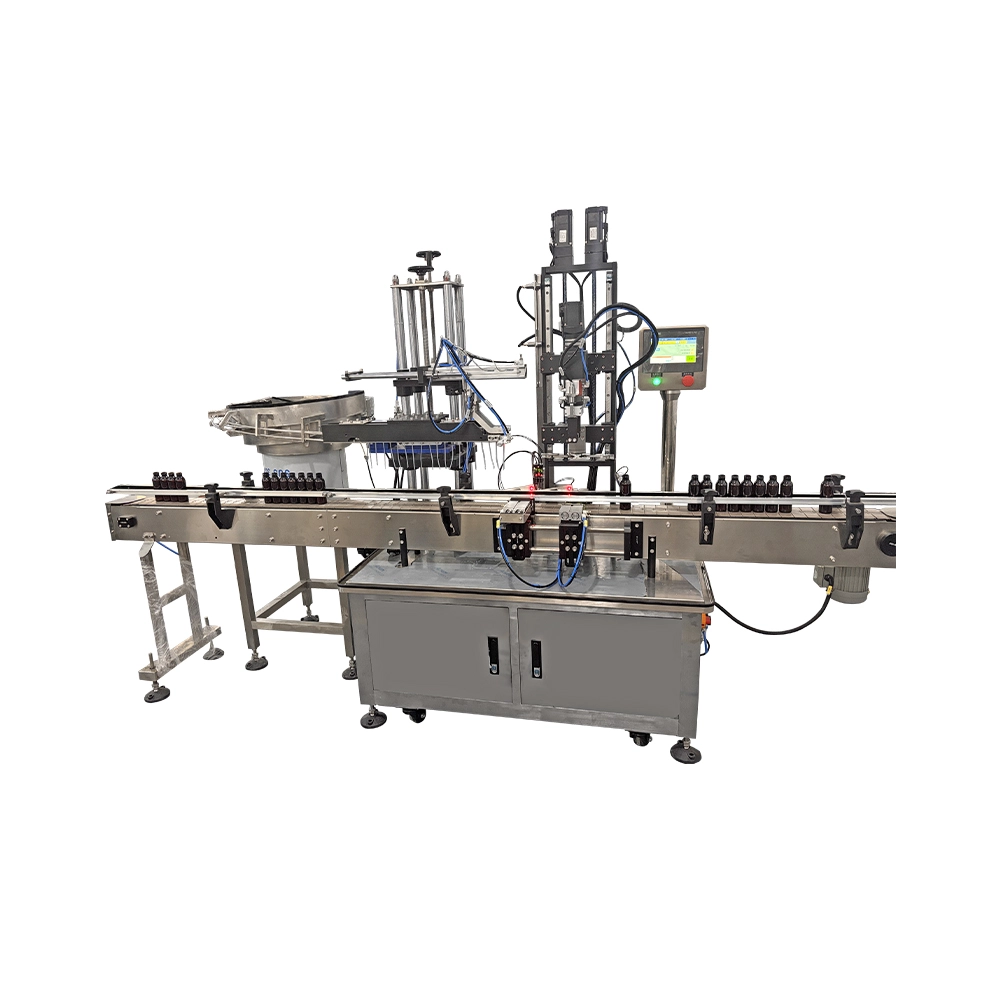
Yuanyang automatic pump head feeding and capping machine is a bottle cap sorter and capper for bottles with pump heads, which is often used to close lids of containers such as nail polish, sprayers, and shampoo. The capping machine with a pump head feeder is widely used in food, medicine, chemical, cosmetic, and other industries for mass production and continuous production line .
Features:
⦁ Pneumatic and electric drive;
⦁ Automated fast speed;
⦁ Suitable for various types of caps.
Automatic High Speed Capping Machine for Sale
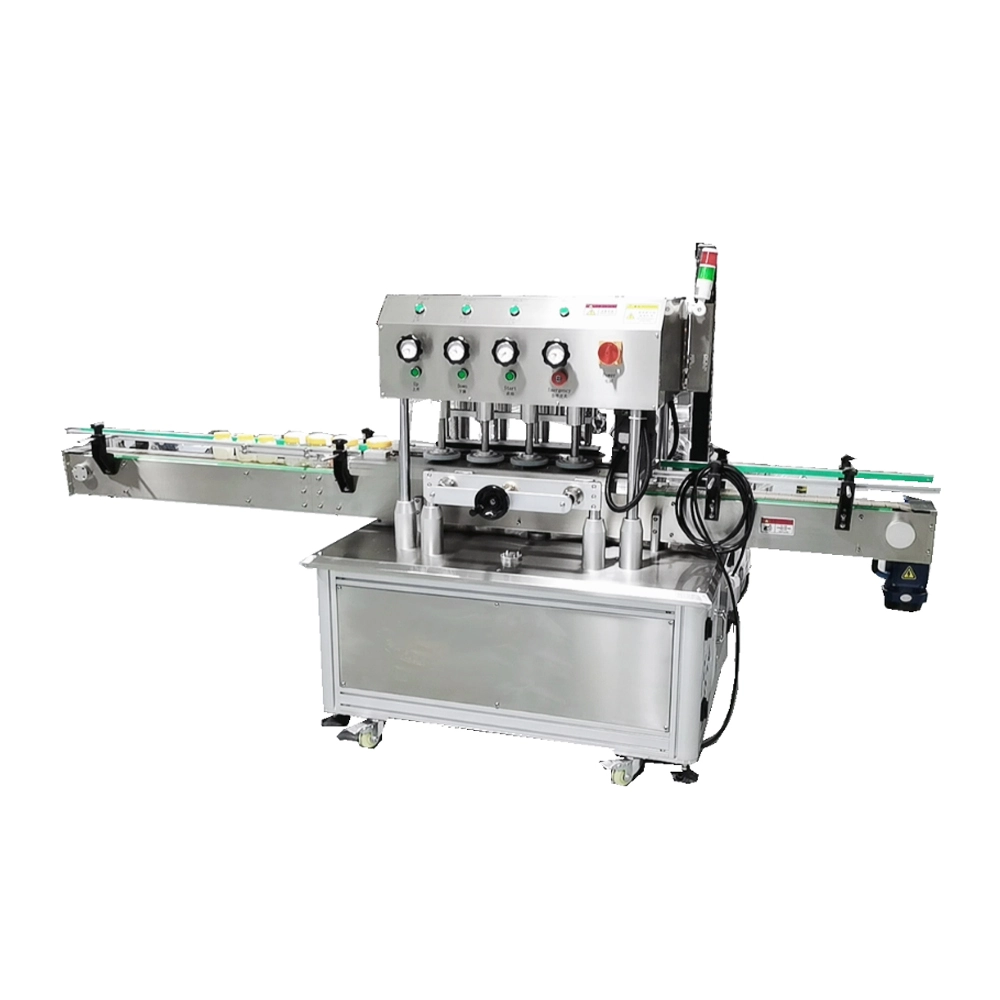
The Yuanyang automatic high-speed capping machine is a kind of 8-wheel bottle-capping machine with fast working efficiency. The automatic capper is often used to close lids of containers such as bottles and jars, especially for plastic bottles, which are widely used in food, medicine, chemical, cosmetic, and other industries for mass production and continuous production lines.
Features:
⦁ Electric drive;
⦁ Automated fast speed;
⦁ Suitable for various screw caps, pumps, and spray bottles.
 Scan QR Code
Facebook
YouTube
LinkedIn
Whatsapp: +8613434139712
Guangzhou Yuanyang Machinery