





Sanitary Design and CIP Solutions for Homogenizing Mixers
- Design Principles for Sanitary Mixing Tanks
- Sanitary geometry and flow considerations
- Surface finish, welds and crevices
- Integration of homogenizers and agitators
- CIP Strategies for Homogenizing Mixers
- Types of CIP systems and selection
- Designing CIP for a homogenizing mixing tank
- Validation and monitoring
- Engineering Considerations and Materials
- Material selection: stainless steel and seals
- Pressure, temperature and homogenizer compatibility
- Sanitary fittings, valves and drains
- Operational Best Practices and Maintenance
- Daily, weekly and scheduled maintenance tasks
- Troubleshooting common issues
- Training and documentation
- Product Spotlight: Homogenizing Mixer for Sale — Yuanyang Homogenizing Mixer
- Mixing tank semantic keywords embedded
- Comparing CIP approaches (quick reference)
- Brand Advantages and Why Choose Yuanyang
- Sanitary-first engineering
- Built-in CIP compatibility
- Support and validation assistance
- FAQ
- Q: Can the homogenizer be cleaned in place (CIP)?
- Q: What surface finish is recommended for a mixing tank used in personal care products?
- Q: How do I validate the CIP process?
- Q: Which CIP method is best for high-viscosity liquids?
- Contact & View Product
Effective sanitary design and robust Clean-In-Place (CIP) solutions are essential for any liquid processing line that uses a mixing tank with a homogenizer. Whether you operate a shampoo, body wash, laundry detergent, dish soap or hand sanitizer line, the combination of a properly engineered mixing vessel and a validated CIP program minimizes contamination risk, eases regulatory compliance, and maximizes throughput. This article provides practical guidance on sanitary design principles, CIP technologies, material selection, engineering controls, and maintenance practices — all focused on homogenizing mixers and sanitary mixing tanks.
Design Principles for Sanitary Mixing Tanks
Sanitary geometry and flow considerations
A sanitary mixing tank must prioritize surfaces and shapes that prevent material hang-up and allow uninterrupted wash flow. Common features include sloped bottoms to aid drainage, smooth welds, full-radius transitions, and a flat top with appropriate access ports. The homogenizing mixer integration should avoid dead zones where product or micro-organisms can accumulate. When specifying a mixing tank, consider the liquid's viscosity and particulate load — these influence impeller design, baffle placement, and homogenizer inlet configuration.
Surface finish, welds and crevices
Surface finish is key: a polished internal surface (typically 0.8 µm Ra or better for most sanitary applications) reduces adhesion and biofilm formation. TIG welds that are ground flush and passivated are preferred to minimize crevices. For industry guidance on sanitary standards, consult the 3-A Sanitary Standards which outline design criteria for dairy and many liquid processing applications.
Integration of homogenizers and agitators
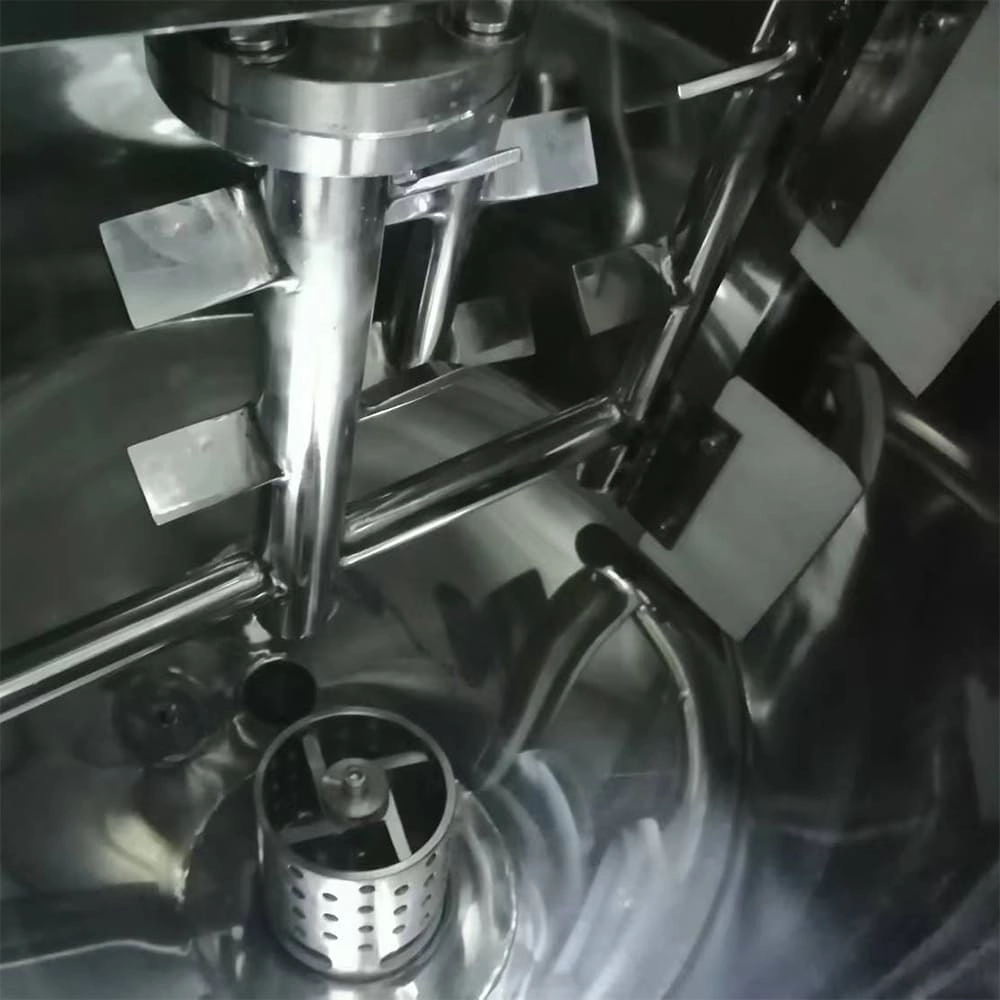
For homogenizing mixers, the high-shear head is often mounted at the vessel bottom while scrapers or top-mounted agitators manage wall-scrubbing. This arrangement — high shear at bottom and PTFE wall scrapers at top — enhances uniformity and prevents deposits on the mixing tank wall. Proper mechanical seals or sanitary glands and a cleanable drive shaft are essential to maintain CIP compatibility and limit leak pathways.
CIP Strategies for Homogenizing Mixers
Types of CIP systems and selection
CIP systems range from simple sprayball setups to automated multi-stage recirculation systems. Common approaches include:
- Static spray devices (sprayballs) — low-cost, suitable for low-to-moderate soil loads.
- Rotary spray heads — provide active mechanical impact and better coverage for larger tanks.
- Recirculation CIP with pumps and heated caustic/acid stages — used for heavy soils and validated processes.
Choice depends on product viscosity, tank geometry, regulatory requirements, and cycle time targets.
Designing CIP for a homogenizing mixing tank
When designing CIP for a mixing tank with an inline or bottom-mounted homogenizer, ensure the CIP flowpath reaches the homogenizer chamber, rotor-stator assembly, and any seals. The homogenizer should be either CIP-capable (with open flow through the head) or have a sanitary disconnect for periodic manual cleaning if CIP cannot penetrate the assembly. Confirm the mixing tank's spray coverage with Computational Fluid Dynamics (CFD) or validated dye studies when process validation is required.
Validation and monitoring
CIP validation should include chemical concentration, temperature, contact time, flow rate, and mechanical action. Use conductivity sensors, temperature probes, and product rinsate testing to verify cleaning endpoints. For regulatory-grade operations, maintain CIP logs and change control records. For more background on CIP principles, see the Wikipedia overview on Clean-in-place.
Engineering Considerations and Materials
Material selection: stainless steel and seals
Food- and pharma-grade mixing tanks are commonly constructed from 304 or 316L stainless steel for corrosion resistance and cleanability. 316L is preferred for harsher chemistries. Seal materials (e.g., PTFE, EPDM, FKM) must be compatible with the product and the CIP chemicals (caustics, acids, sanitizers). PTFE scrapers are often used for wall contact because they combine low friction with chemical robustness.
Pressure, temperature and homogenizer compatibility
High-shear homogenizers create localized shear and may operate at elevated pressures. The mixing tank must be rated for the homogenizer's hydraulic conditions and any pressurization required during CIP (some CIP stages use elevated pressure to improve cleaning). Design pressure-temperature ratings and ensure vessel certification per local codes if pressurization is expected.
Sanitary fittings, valves and drains
Use tri-clamp fittings, sanitary butterfly valves and full-bore drain ports sized to prevent pooling. A self-draining design with vacuum-break provisions helps achieve quick drainage and reduces CIP cycle times. For guidance on hygienic piping and fittings, refer to hygienic engineering resources such as Homogenizer references and standards from recognized industry bodies.
Operational Best Practices and Maintenance
Daily, weekly and scheduled maintenance tasks
Establish a preventive maintenance schedule that includes inspection of homogenizer rotor-stator wear, verification of PTFE scraper condition, checking seal integrity, and reviewing CIP consumables (chemicals and spray devices). Daily tasks should include visual checks for residues, while weekly checks validate spray coverage and heating elements for CIP tanks.
Troubleshooting common issues
Typical plant issues include insufficient CIP coverage, persistent odours, or spot deposits. Troubleshoot by running a diagnostic CIP cycle with tracer dye and a borescope inspection. If deposits remain in the homogenizer path, consider adding a recirculation stage through the homogenizer during CIP or applying a higher-temperature caustic stage, provided materials are compatible.
Training and documentation
Operator training on correct CIP recipes, tank fill/drain sequencing, and homogenizer operation reduces human error. Maintain controlled documents for CIP procedures, material safety data sheets (MSDS), and validation records to support audits and regulatory compliance.
Product Spotlight: Homogenizing Mixer for Sale — Yuanyang Homogenizing Mixer
Product introduction:
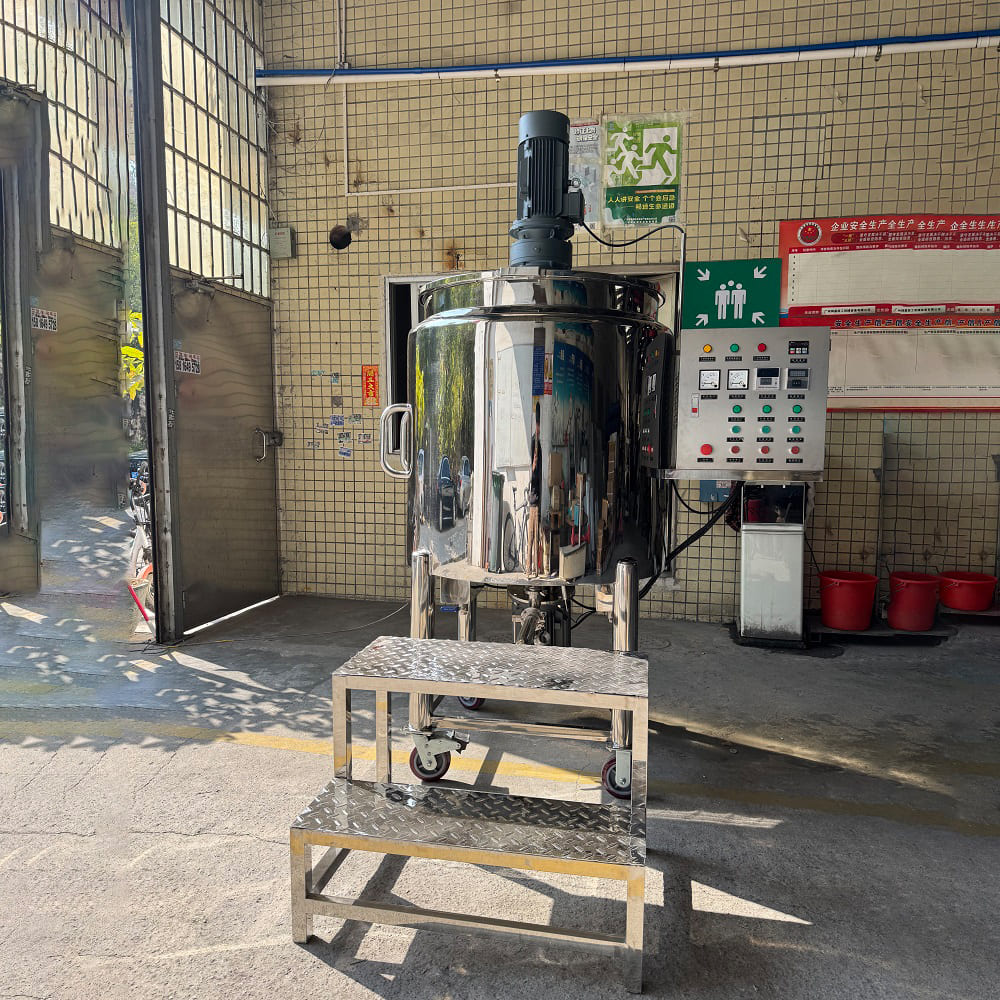
Yuanyang homogenizing mixer is a liquid mixing tank with a high-shear homogenizer. The homogeneous mixing machine is the core part for the liquid soap production line for shampoo, body wash, laundry detergent, dish soap, hand sanitizer, and other thick liquids.
Features:
⦁ Flat top half-open lid, electric control system.
⦁ Suitable for various liquid cleaning products and sauces.
⦁ PTFE wall scrapers stirring at top, high shear homogenizer at bottom.
This Homogenizing Mixer for Sale is designed with sanitary operation in mind: PTFE scrapers reduce wall film, the bottom-mounted high-shear homogenizer improves particle dispersion and product stability, and the flat top half-open lid enables easy access for inspection and maintenance. The electric control system simplifies integration with CIP sequencing and plant automation.
Mixing tank semantic keywords embedded
Across the text you will see terms commonly used around mixing tanks such as mixing vessel, sanitary tank, process tank, blending tank, agitator tank, stainless steel tank, clean-in-place system, and high-shear mixer. These reflect the variety of contexts where a homogenizing mixing tank is applied and searched by procurement and engineering teams.
Comparing CIP approaches (quick reference)
| Method | Best for | Pros | Cons |
|---|---|---|---|
| Static sprayball | Small tanks, low soil | Simple, low cost | Poor coverage for complex geometries |
| Rotary spray head | Medium to large tanks | Better mechanical action, uniform coverage | More maintenance, higher cost |
| Recirculation CIP | High soil, validated processes | Strong cleaning, configurable stages | Higher installation cost, requires controls |
| Manual clean/disassemble | Non-CIPable homogenizers or infrequent deep cleans | Thorough access to all surfaces | Labor-intensive, higher downtime |
Brand Advantages and Why Choose Yuanyang
Sanitary-first engineering
Yuanyang designs mixing tanks with an emphasis on sanitary geometry, smooth internal finishes, and hygienic fittings. The combination of PTFE scrapers and bottom-mounted high-shear homogenizer minimizes wall buildup and ensures efficient mixing for viscous liquids, which reduces cleaning frequency and chemical usage.
Built-in CIP compatibility
The Homogenizing Mixer for Sale is engineered to integrate with common CIP systems. Features like a flat lid for easy access, sanitary drains, and cleanable homogenizer heads lower lifecycle operating costs and simplify validation.
Support and validation assistance
Yuanyang provides documentation to support process validation — including CIP recipes, recommended flow rates, temperature ranges, and maintenance guidance. This supports compliance with hygienic standards and speeds time-to-production.
FAQ
Q: Can the homogenizer be cleaned in place (CIP)?
A: Many modern homogenizers are CIP-capable if designed with open flow through the rotor-stator or with a sanitary bypass. For the Yuanyang Homogenizing Mixer, the homogenizer is designed to be compatible with standard CIP recirculation stages; confirm with the vendor the specific model's CIP rating and whether a separate manual clean is recommended at service intervals.
Q: What surface finish is recommended for a mixing tank used in personal care products?
A: For shampoos, body wash, and hand sanitizer, an internal surface finish of 0.8 µm Ra or better is commonly recommended. Polishing and proper passivation of stainless steel (typically 316L) minimize sites for product buildup and microbial colonization.
Q: How do I validate the CIP process?
A: CIP validation typically includes documenting chemical concentrations, temperature, contact time, flow rates, and visual or microbiological endpoints. Use sensors and sampling ports to record cycles and perform swab/rinse tests as required by your quality plan.
Q: Which CIP method is best for high-viscosity liquids?
A: High-viscosity liquids often require recirculation CIP with stronger mechanical action and potentially a heated caustic stage. Incorporating recirculation through the homogenizer head improves cleaning of internal passages. Consult a process engineer to size pumps and configure stages.
Contact & View Product
Sanitary performance is especially important when choosing mixers for high-viscosity products and emulsions that demand stable processing conditions.If you are evaluating a Homogenizing Mixer for Sale for your production line, contact our sales and engineering team to discuss sanitary design options, CIP integration, and validation support. We can provide specification sheets, CIP recipes, and a recommended maintenance plan tailored to your product. To request a quote or technical datasheet, contact our sales department directly.
Authoritative resources referenced: 3-A Sanitary Standards (https://www.3-a.org/), Clean-in-place (https://en.wikipedia.org/wiki/Clean-in-place), Homogenizer (https://en.wikipedia.org/wiki/Homogenizer).
What are the application scenarios of homogenizer price?
Wholesale melting tank manufacturer and supplier in Europe
Choosing Mixers for High-Viscosity Products and Emulsions
Why choose YUANYANG as your beverage sealing machine manufacturer in UK
Semi Automatic Capping Machine
Can it close glass bottles?
As long as the glass bottle has screw cap, the capping machine can close its cap, although the machine is often called plastic capping machine.
Medicine
What types of containers can Yuanyang’s filling machines handle?
Our filling machines are suitable for various containers such as glass bottles, plastic bottles, bags, and boxes, automatically adjusting to different sizes and types, offering flexible production options.
One Stage Water Treatment
Can you introduce the working process of the water filter?
One stage: raw water - raw water pump - sand filter - carbon filter - softener(optional) - salt tank - high pressure pump - reverse osmosis membrane system - one stage ro system storage tank
Two stage: one stage ro system storage tank - EDI system - EDI storage tank - two stage ro system storage tank - two stage ro water process - pure water pump - UV sterilizer - Finished pure water storage tank
Open Lid Storage Tank
Can you make the discharge outlet higher like 70cm to the floor?
Yes, we offer flexible customization. Client can rely on us.
Washing Powder
How accurate is the filling process?
Our high-precision filling system ensures consistent and accurate filling every time.
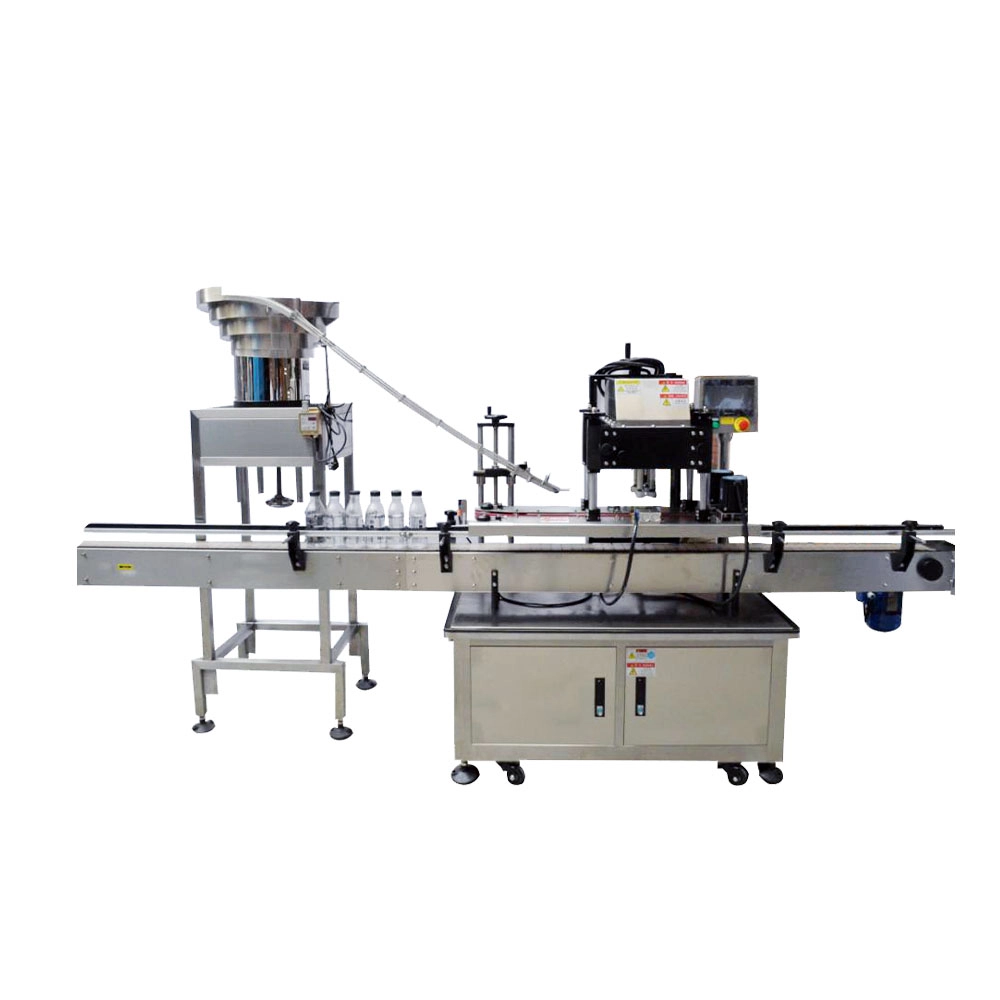
Automatic Plastic Caps Capping Machine with Vibrating Cap Feeder for Sale
Yuanyang automatic screw capping machine is a kind of four-wheel bottle capping machine. The automatic screw capper is often used to close lids of containers such as bottles and jars, especially for plastic bottles, which are widely used in food, medicine, chemical, cosmetic, and other industries for mass production and continuous production lines.
Features:
⦁ Full pneumatic drive;
⦁ Automated fast speed;
⦁ Suitable for various screw caps, pumps, and spray bottles.
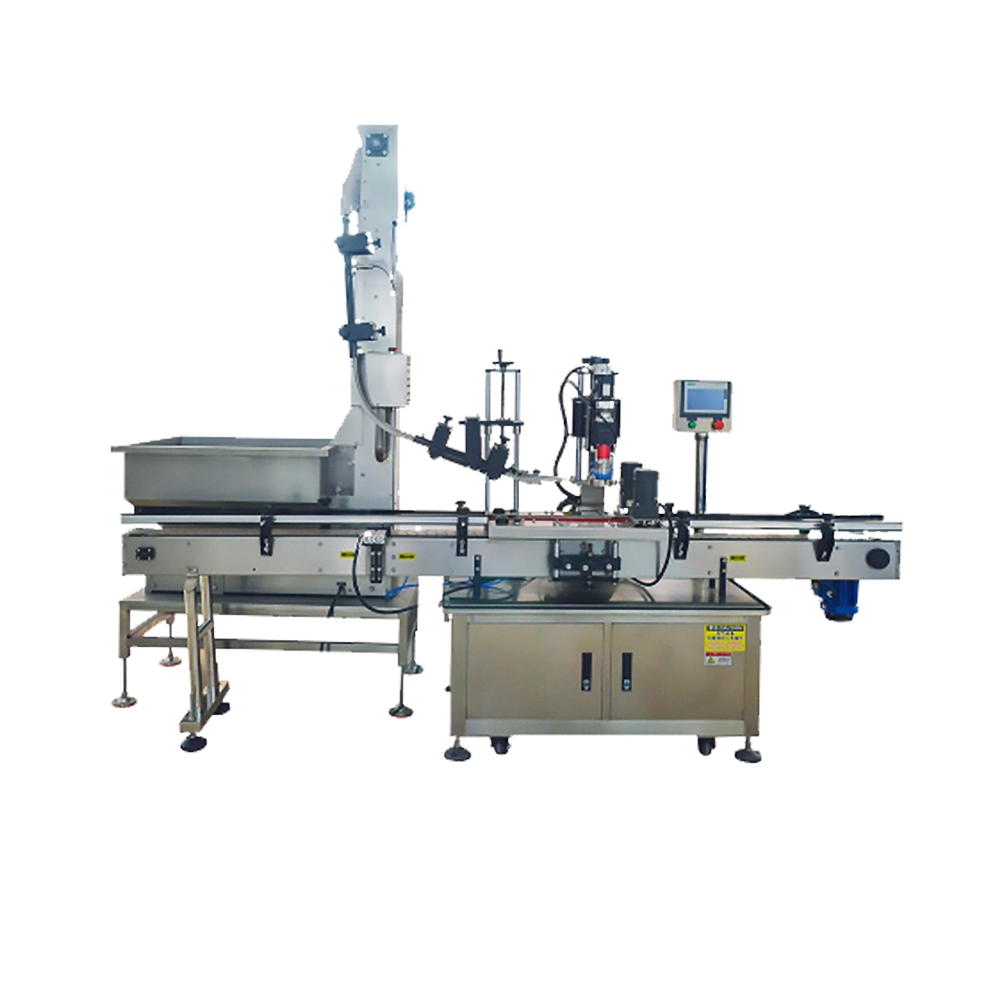
Automatic Metal Caps Capping Machine for Sale
Yuanyang automatic metal cap capping machine is a bottle capper for bottles with metal caps, which is often used to close lids of containers such as bottles and jars. The glass bottle metal capping machine is widely used in food, medicine, chemical, cosmetic, and other industries for mass production and continuous production line .
Features:
⦁ Pneumatic and electric drive;
⦁ Automated fast speed;
⦁ Suitable for glass bottles with metal caps.
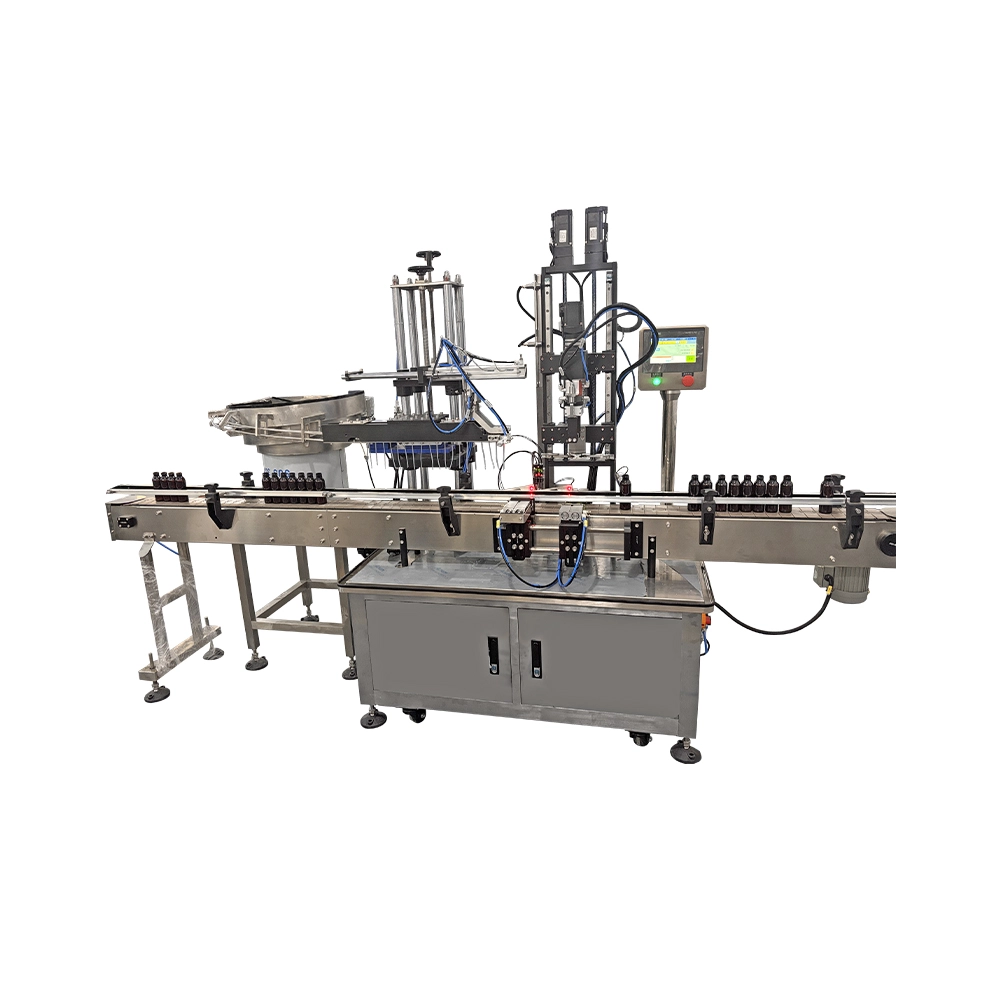
Automatic Pump Head Feeding and Capping Machine for Sale
Yuanyang automatic pump head feeding and capping machine is a bottle cap sorter and capper for bottles with pump heads, which is often used to close lids of containers such as nail polish, sprayers, and shampoo. The capping machine with a pump head feeder is widely used in food, medicine, chemical, cosmetic, and other industries for mass production and continuous production line .
Features:
⦁ Pneumatic and electric drive;
⦁ Automated fast speed;
⦁ Suitable for various types of caps.
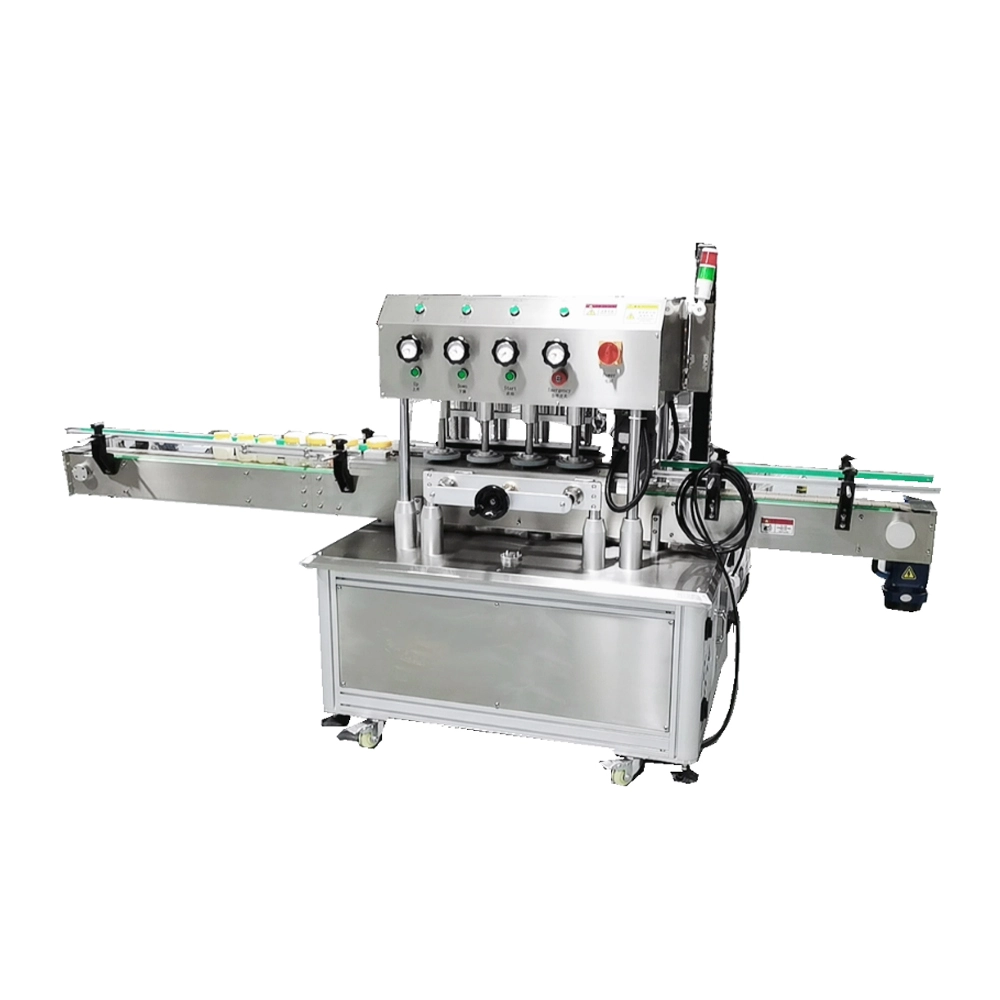
Automatic High Speed Capping Machine for Sale
The Yuanyang automatic high-speed capping machine is a kind of 8-wheel bottle-capping machine with fast working efficiency. The automatic capper is often used to close lids of containers such as bottles and jars, especially for plastic bottles, which are widely used in food, medicine, chemical, cosmetic, and other industries for mass production and continuous production lines.
Features:
⦁ Electric drive;
⦁ Automated fast speed;
⦁ Suitable for various screw caps, pumps, and spray bottles.
 Scan QR Code
Facebook
YouTube
LinkedIn
Whatsapp: +8613434139712
Guangzhou Yuanyang Machinery