





Two-Stage RO vs Single-Stage: Industrial Water Treatment
- Two-Stage RO vs Single-Stage: Industrial Water Treatment
- Why choosing the right RO architecture matters for industrial water treatment
- How reverse osmosis works — quick primer for industrial users (industrial water treatment)
- Key metrics industrial operators monitor
- Single-Stage RO: When it fits the bill (industrial water treatment)
- Advantages of single-stage RO
- Limitations and operational risks
- Two-Stage RO: Higher recovery and purity for demanding industrial water treatment
- Advantages of two-stage RO (: Two-Stage Reverse Osmosis Water Treatment for Sale)
- Considerations for two-stage systems
- Comparative performance: Two-stage RO vs Single-stage RO (industrial water treatment)
- When to choose Two-Stage Reverse Osmosis Water Treatment for Sale (practical guidance)
- Pre-treatment and integration considerations
- Operational costs: CAPEX vs OPEX trade-offs in industrial water treatment
- Real-world examples and application scenarios (industrial water treatment)
- Yuanyang Two-Stage Reverse Osmosis Water Treatment for Sale — Product overview
- Why choose Yuanyang for industrial water treatment?
- Maintenance and lifecycle best practices for RO systems (industrial water treatment)
- Selecting a supplier: technical and commercial checklist (industrial water treatment)
- Frequently Asked Questions (FAQ) — Industrial Water Treatment, Two-stage RO and Single-stage RO
- Q1: What recovery can I realistically expect from a two-stage RO?
- Q2: Are two-stage systems more energy intensive?
- Q3: Is two-stage RO necessary for pharmaceutical or cosmetic manufacturing?
- Q4: How often do RO membranes require cleaning or replacement?
- Q5: Can I retrofit an existing single-stage RO to a two-stage configuration?
- Brand advantages summary — Why Yuanyang stands out for industrial water treatment
- Contact us / View product (call to action)
- References and sources

Two-Stage RO vs Single-Stage: Industrial Water Treatment
Why choosing the right RO architecture matters for industrial water treatment
Industrial water treatment decisions affect product quality, process reliability, regulatory compliance, and operating costs. Reverse osmosis (RO) is a core technology across pharmaceuticals, food and beverage, chemicals, cosmetics and many other sectors. Choosing between a single-stage RO and a two-stage RO configuration impacts recovery rate, concentrate (brine) management, energy consumption, and membrane life. This article draws on industry practice and reliable sources to give decision-ready guidance when you evaluate industrial RO systems, including options like Two-Stage Reverse Osmosis Water Treatment for Sale.
How reverse osmosis works — quick primer for industrial users (industrial water treatment)
Reverse osmosis is a pressure-driven membrane separation process. Feed water is pressurized and forced across a semi-permeable membrane; water (permeate) passes through while dissolved salts, organics and particulates are retained and discharged as concentrate. Performance is usually defined by salt rejection (%), permeate quality (conductivity or TDS), and recovery (ratio of permeate produced to feed). For industrial water treatment, consistent permeate quality and predictable membrane lifespan are critical.
Key metrics industrial operators monitor
- Recovery rate (%) — how much feed becomes product water
- Salt rejection (%) and final TDS / conductivity
- Specific energy consumption (kWh/m3)
- Fouling/scaling tendency and required pre-treatment
- Lifecycle cost (CAPEX + OPEX)
Single-Stage RO: When it fits the bill (industrial water treatment)
Single-stage RO systems have one pass of membrane modules. They are widely used because of simple design, lower capital cost, and compact footprint. Typical industrial applications include boiler feed, cooling tower make-up, and pre-treatment for other polishers when feedwater quality is not extreme.
Advantages of single-stage RO
- Lower initial capital expenditure — fewer pressure vessels and pumps
- Simpler control and maintenance routines
- Smaller footprint for the same installed membrane area
Limitations and operational risks
Single-stage RO typically has lower recovery than a staged system (recovery often in the 50–75% range depending on feed quality and pre-treatment). Under high-salinity or variable feeds, single-stage systems can be more prone to high concentrate TDS, which increases scaling risk and may require heavier chemical dosing or wasteful blowdown.
Two-Stage RO: Higher recovery and purity for demanding industrial water treatment
Two-stage RO systems use two passes of RO membranes. In a typical configuration the permeate from the first stage becomes the feed for the second stage (in a series), or the feed is split with two stages operating in series-parallel for optimization. Two-stage designs are common where higher recovery or stricter final-permeate requirements are needed.
Advantages of two-stage RO (: Two-Stage Reverse Osmosis Water Treatment for Sale)
- Higher overall recovery — less wastewater and lower freshwater consumption
- Better overall permeate quality and higher salt rejection in series configurations
- Lower specific energy per unit of usable product in optimized designs because fewer external reimbursements (pretreatment/chemical) may be needed
- Flexibility — operators can tune stage recovery split to reduce fouling and extend membrane life
Considerations for two-stage systems
Two-stage RO involves higher CAPEX and more complex controls and piping. However, the tradeoff is often favorable for industries paying for raw water, wastewater discharge, or where product water quality directly impacts product value (e.g., pharmaceutical APIs, high-purity rinse water for cosmetics, food-grade water).
Comparative performance: Two-stage RO vs Single-stage RO (industrial water treatment)
Below is a practical comparison table to help you evaluate which architecture is likely to meet your industrial needs. Numbers are indicative ranges based on industry references and manufacturer technical data; actual values will vary with feedwater quality, membrane selection and system design.
| Metric | Single-stage RO | Two-stage RO | Notes / Typical Range |
|---|---|---|---|
| Typical Recovery | 50–75% | 70–90% | Two-stage often increases recovery by 10–30 percentage points (source: membrane vendor data and field reports) |
| Salt Rejection | 95–99% | 97–99.8% (combined) | Series operation improves overall rejection; staged membranes can be optimized per stage |
| Specific energy (kWh/m3) | 0.3–3.0 (varies with pressure and recovery) | 0.35–3.2 (may be higher at design if more pumping required, but lower net water cost) | Energy depends on feed salinity and pressure recovery devices (PRDs) |
| Capital cost | Lower | Higher (10–40% more) | Includes extra membranes, vessels and controls |
| O&M complexity | Lower | Higher | Two-stage needs more sophisticated control and monitoring |
| Best-fit applications | Moderate feed TDS, simple industrial use (cooling, boiler feed) | High TDS feed, high recovery needs, strict product specs (pharma, concentrated processes) | Choice depends on water costs and discharge limits |
Sources: Vendor technical literature such as membrane manufacturers' performance guides and industry summaries from membrane filtration authorities (listed at the end).
When to choose Two-Stage Reverse Osmosis Water Treatment for Sale (practical guidance)
Choose a two-stage RO if one or more of the following apply to your industrial water treatment project:
- Feedwater TDS or variable feed conditions make single-pass recovery uneconomical
- Water supply is expensive or wastewater disposal is costly / regulated
- Your process demands higher permeate purity or lower conductivity for final product quality
- You want to reduce chemical dosing or thermal rework costs by raising RO recovery
Pre-treatment and integration considerations
Proper pre-treatment (sand filtration, cartridge filters, antiscalant dosing, softening or lime-soda for specific hardness profiles) is essential for both single- and two-stage RO. Two-stage designs often benefit from split-stream or staged pH/antiscalant strategies, enabling higher overall recovery while protecting membranes from scaling and fouling. Automated controls and online monitoring (conductivity, differential pressure, turbidity) are recommended for industrial installations to protect membrane assets and ensure compliance.
Operational costs: CAPEX vs OPEX trade-offs in industrial water treatment
Although two-stage RO requires higher upfront investment, it can lower the cost per cubic meter of usable water over the system life by:
- Reducing raw water intake volume (higher recovery)
- Lowering wastewater volumes and disposal charges
- Potentially reducing chemical costs through optimized pre-treatment
When evaluating life-cycle costs, include: membrane replacement intervals, cleaning frequency (CIP), antiscalant and cleaning chemicals, energy, and labor. A simple payback model comparing single- vs two-stage systems often shows favorable returns for two-stage when water or disposal costs exceed a modest threshold (varies by region and industry).
Real-world examples and application scenarios (industrial water treatment)
1) Pharmaceutical manufacturer: required low-conductivity water for rinses. Two-stage RO provided the higher rejection stability and lower variation needed between cleanings, reducing product rejects and saving costs.
2) Food-processing plant: limited wastewater discharge capacity. Two-stage RO raised recovery and cut wastewater volumes by nearly 25% compared to a single-stage retrofit, enabling compliance without major plant upgrades.
Yuanyang Two-Stage Reverse Osmosis Water Treatment for Sale — Product overview
Yuanyang two-stage reverse osmosis water treatment is a water filter device applied to produce pure water, which adopts advanced reverse osmosis technology. Reverse osmosis water treatment in short, is called RO water treatment, widely used in industries of pharmaceuticals, food, chemicals, cosmetics, etc.
Features:
⦁ Microcomputer controlled;
⦁ Automated fast speed;
⦁ Produce high-quality pure water.
Why choose Yuanyang for industrial water treatment?
- Expertise in designing staged RO for industrial applications, particularly where product quality and recovery are critical.
- Automated, microcomputer-controlled systems reduce operator error and enable predictable performance, which aligns with pharmaceutical and food GMP needs.
- Compact, scalable designs for easy integration in existing plants with options to tune stage recovery splits.
Maintenance and lifecycle best practices for RO systems (industrial water treatment)
To maximize uptime and minimize cost:
- Implement routine differential pressure and salt-rejection monitoring to trigger CIP before severe fouling.
- Use pretreatment tailored to feedwater: multimedia filtration, cartridge filters, softeners or antiscalants where appropriate.
- Keep spare membrane modules and critical valves on site to reduce downtime.
- Leverage automated control (like Yuanyang’s microcomputer control) for staged cleaning and optimal recovery profiling.
Selecting a supplier: technical and commercial checklist (industrial water treatment)
When you evaluate providers of Two-Stage Reverse Osmosis Water Treatment for Sale, use this checklist:
- Can the vendor provide pilot testing and feed-specific performance projections?
- Are control systems and alarms provided for automated operation and data logging?
- What is the projected lifecycle cost including membrane replacement intervals and reagent consumption?
- Does the vendor offer start-up, commissioning, and local technical support?
- Can the system meet regulatory or industry-specific documentation (IQ/OQ/PQ for pharma)?
Frequently Asked Questions (FAQ) — Industrial Water Treatment, Two-stage RO and Single-stage RO
Q1: What recovery can I realistically expect from a two-stage RO?
A1: Typical recoveries for two-stage industrial RO range from 70% to 90%, depending on feedwater TDS, pre-treatment, and membrane selection. Pilot testing provides the most reliable estimate for your site.
Q2: Are two-stage systems more energy intensive?
A2: Two-stage RO may require similar or slightly higher pumping energy due to additional stages, but optimized systems using energy recovery and proper stage design can lower the cost per unit of usable water because less raw water is needed and wastewater volumes are reduced.
Q3: Is two-stage RO necessary for pharmaceutical or cosmetic manufacturing?
A3: Many pharmaceutical and high-end cosmetic processes benefit from two-stage RO because it produces more stable high-purity water and reduces variability between cleanings, which helps meet strict product and regulatory specifications.
Q4: How often do RO membranes require cleaning or replacement?
A4: Cleaning frequency depends on fouling risk; a typical industrial schedule might be quarterly cleaning with membrane replacement every 3–7 years depending on feed conditions, operational discipline and pretreatment quality.
Q5: Can I retrofit an existing single-stage RO to a two-stage configuration?
A5: Often yes. Many existing plants can be retrofitted by adding a second-stage skid, modifying piping and controls, and adjusting pre-treatment. A site survey and pilot study are recommended before retrofit.
Brand advantages summary — Why Yuanyang stands out for industrial water treatment
Yuanyang combines automation (microcomputer control), fast automated operation, and modular two-stage RO designs tailored for industrial demands. These advantages translate into:
- Reliable permeate quality for regulated industries (pharma, food)
- Lower lifecycle costs through optimized recovery and reduced waste
- Quicker commissioning and simpler operator interface to reduce human-error risks
Contact us / View product (call to action)
Interested in learning whether a Two-Stage Reverse Osmosis Water Treatment for Sale is right for your plant? Contact our sales and engineering team to arrange a site evaluation or pilot test. View detailed product specifications, request a quote, or schedule a consultation to optimize your industrial water treatment solution.
References and sources
- U.S. Environmental Protection Agency (EPA) — Membrane Technologies for Drinking Water: https://www.epa.gov/water-research/membrane-technologies
- Water Quality Association (WQA) — Reverse Osmosis and Membrane Filtration overview: https://www.wqa.org/
- DuPont (formerly Dow FilmTec) Technical Guides — RO membrane performance and design data (manufacturer technical literature)
- Water Research Foundation — Reports on RO recovery and energy considerations in industrial applications
Note: Figures and ranges in this article are representative industry values derived from the sources listed above and manufacturer technical literature. For site-specific design and guaranteed performance, request pilot testing and a tailored proposal.
Where to Buy agitator mixing tank
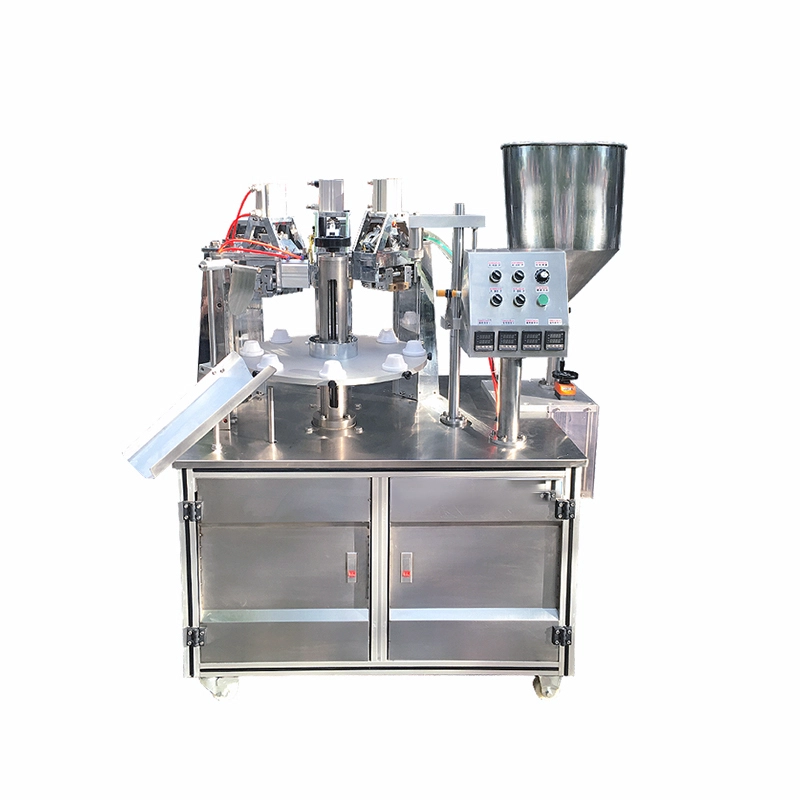
Quality & Compliance: Sealing Machines for Regulated Industries
What is double-sided labeling machine ? | Ultimate Insight
How to Choose the automatic liquid filling and capping machine manufacturer and supplier in Saudi Arabia?
Powder Sachet Packaging Machine
Is the powder packing machine suitable for different film size?
The standard sachet packing machine for powders is only suitable for one film size, and module must be customized according to the film width. But client can require more set of module to replace for different film width.
What type of powders is the plastic bag packing machine suitable for?
The packing machinery for powders include various types such tea powder, walnut powder, mini granules, coffee powder, corn powder, rice powder, milk powder, etc.
Semi Automatic Double Sides Labeling Machine
Can you add a date printer for the double-side labeling machine?
Yes, optional ribbon coding machine and inkjet printer, to print production date and batch number information on the label, to achieve labeling - coding integration.
Food
What is the production efficiency of the equipment?
Our equipment uses intelligent control systems and efficient processes to ensure high efficiency and stability, greatly enhancing production efficiency.
Homogneizer mixer tank
Do you supply a complete set of liquid soap production line?
Yes, we supply the complete set of liquid soap production line, such as water treatment, liquid soap making machine, transfer pumps, storage tanks, filling machine, capping machine, sealing machine and labeling machine, and coding machine.
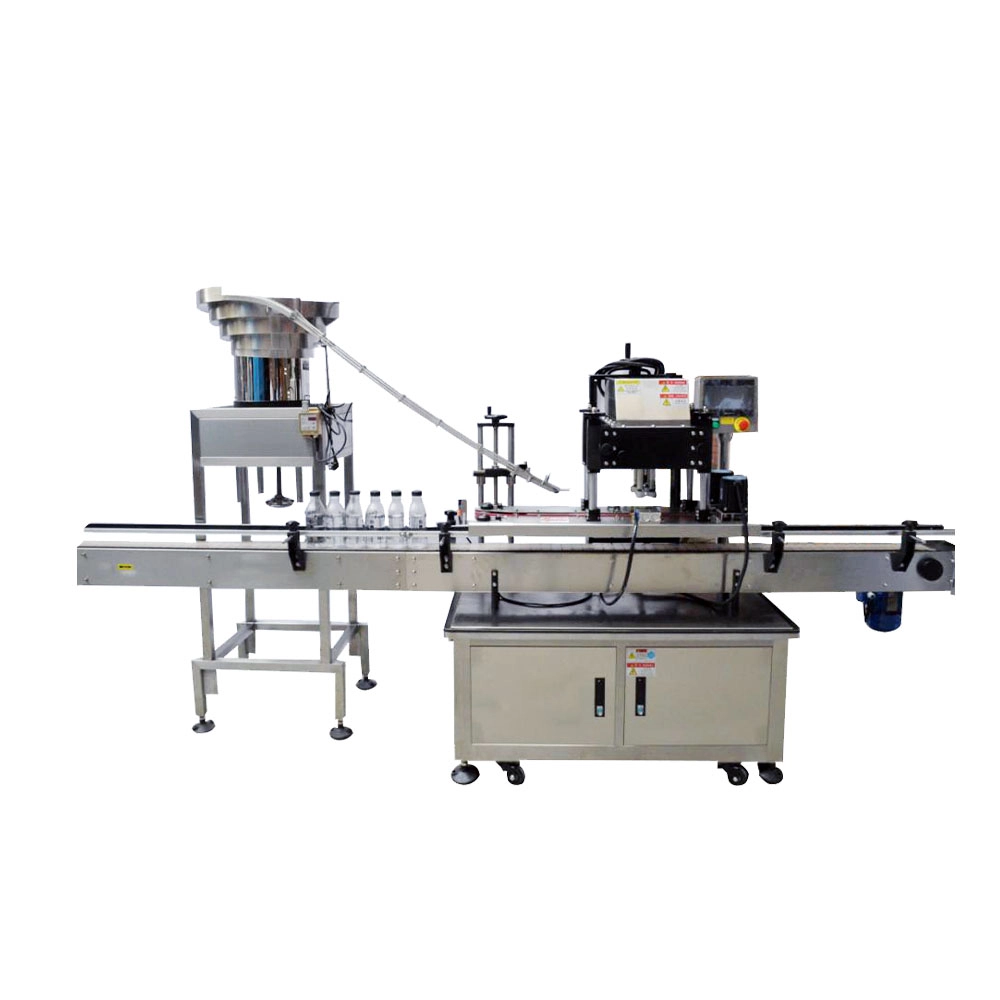
Automatic Plastic Caps Capping Machine with Vibrating Cap Feeder for Sale
Yuanyang automatic screw capping machine is a kind of four-wheel bottle capping machine. The automatic screw capper is often used to close lids of containers such as bottles and jars, especially for plastic bottles, which are widely used in food, medicine, chemical, cosmetic, and other industries for mass production and continuous production lines.
Features:
⦁ Full pneumatic drive;
⦁ Automated fast speed;
⦁ Suitable for various screw caps, pumps, and spray bottles.
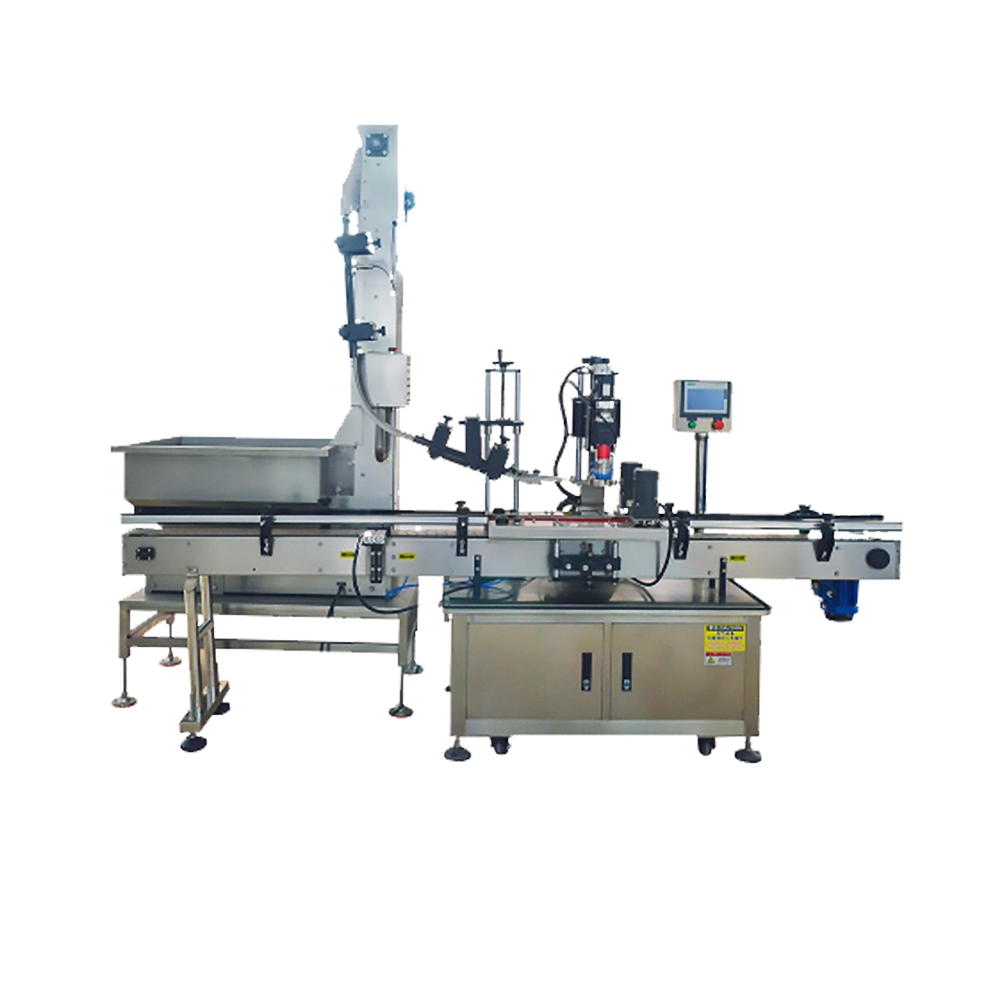
Automatic Metal Caps Capping Machine for Sale
Yuanyang automatic metal cap capping machine is a bottle capper for bottles with metal caps, which is often used to close lids of containers such as bottles and jars. The glass bottle metal capping machine is widely used in food, medicine, chemical, cosmetic, and other industries for mass production and continuous production line .
Features:
⦁ Pneumatic and electric drive;
⦁ Automated fast speed;
⦁ Suitable for glass bottles with metal caps.
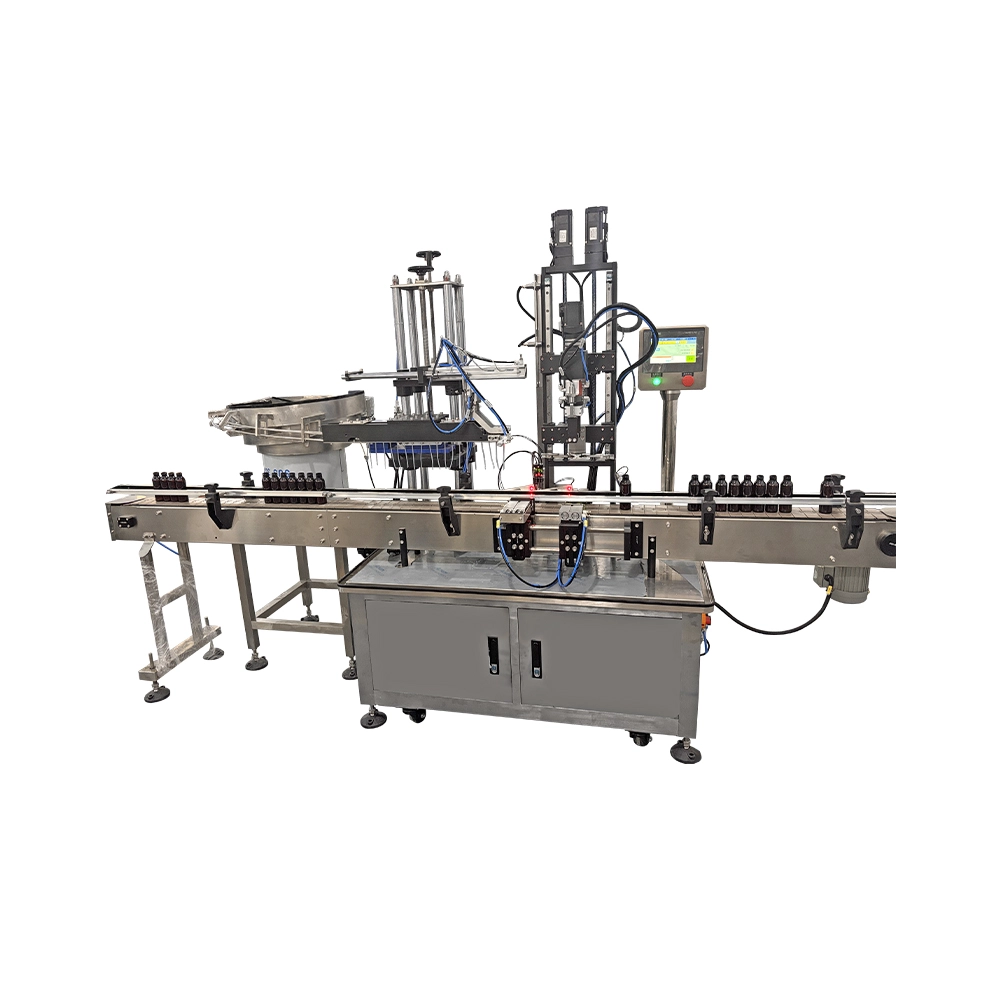
Automatic Pump Head Feeding and Capping Machine for Sale
Yuanyang automatic pump head feeding and capping machine is a bottle cap sorter and capper for bottles with pump heads, which is often used to close lids of containers such as nail polish, sprayers, and shampoo. The capping machine with a pump head feeder is widely used in food, medicine, chemical, cosmetic, and other industries for mass production and continuous production line .
Features:
⦁ Pneumatic and electric drive;
⦁ Automated fast speed;
⦁ Suitable for various types of caps.
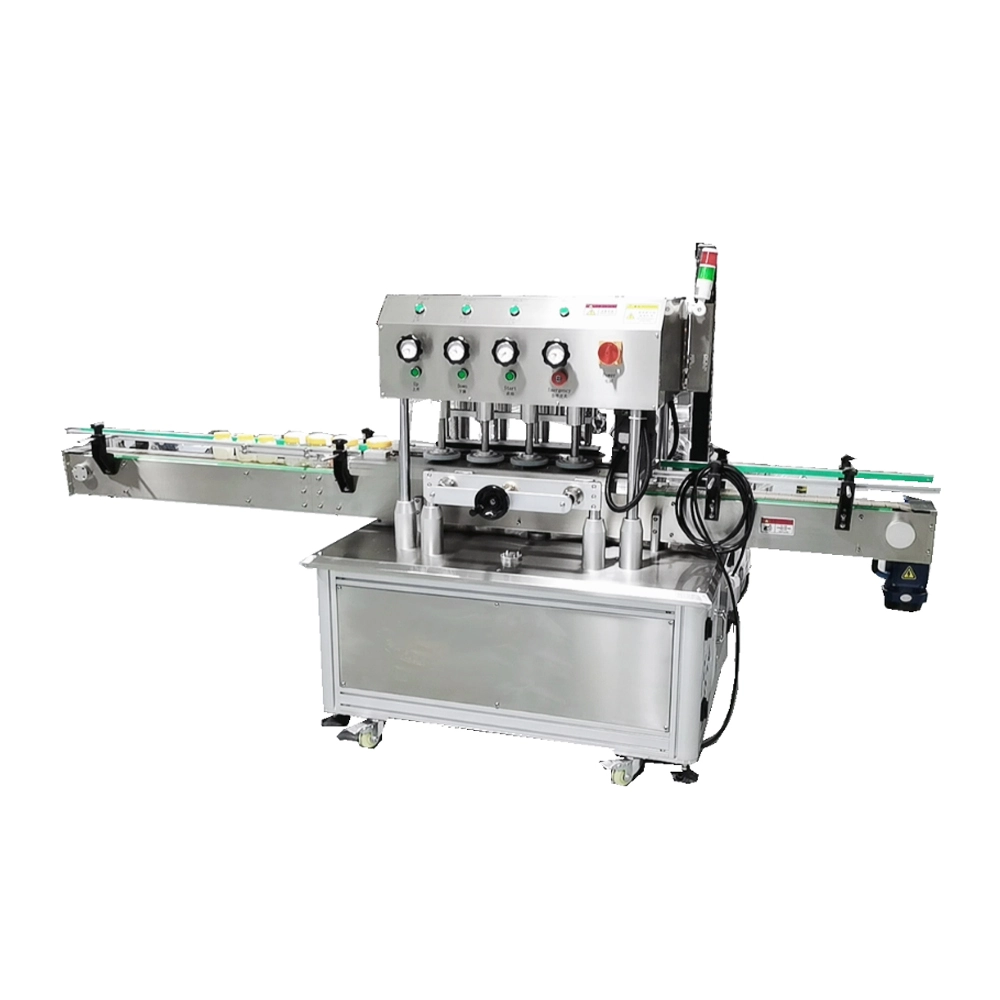
Automatic High Speed Capping Machine for Sale
The Yuanyang automatic high-speed capping machine is a kind of 8-wheel bottle-capping machine with fast working efficiency. The automatic capper is often used to close lids of containers such as bottles and jars, especially for plastic bottles, which are widely used in food, medicine, chemical, cosmetic, and other industries for mass production and continuous production lines.
Features:
⦁ Electric drive;
⦁ Automated fast speed;
⦁ Suitable for various screw caps, pumps, and spray bottles.
 Scan QR Code
Facebook
YouTube
LinkedIn
Whatsapp: +8613434139712
Guangzhou Yuanyang Machinery