





What is the best type of feeder? | YUANYANG Guide
# What Is the Best Type of Feeder for Industrial Mixers?
Selecting the right feeder is crucial for optimizing industrial mixing processes. The best feeder depends on material properties, required precision, and operational efficiency. Below, we compare the most common feeder types to help professionals make informed decisions.
Key Factors in Choosing a Feeder
- Material Type – Powders, granules, or viscous liquids require different feeding mechanisms.
- Flow Rate – High-capacity vs. controlled dosing impacts feeder selection.
- Accuracy – Some applications demand precise measurements (±0.5% tolerance).
- Maintenance Needs – Certain feeders require more frequent cleaning or part replacement.
Types of Industrial Mixer Feeders
1. Screw Feeders
- Best for: Powders, granules, and free-flowing materials.
- Advantages:
- High precision (±1% accuracy).
- Handles abrasive materials well.
- Ideal for batch and continuous processes.
- Limitations:
- Not suitable for sticky or cohesive materials.
- Requires regular maintenance.
2. Vibratory Feeders
- Best for: Light to medium-density materials (e.g., flakes, pellets).
- Advantages:
- Gentle handling reduces material degradation.
- Low energy consumption.
- Limitations:
- Less precise than screw feeders (±2-5% variance).
- Not ideal for fine powders (risk of dusting).
3. Belt Feeders
- Best for: Bulk solids and large-volume feeding.
- Advantages:
- High throughput for heavy materials.
- Minimal material degradation.
- Limitations:
- Lower precision (±3-10% variance).
- Requires frequent belt cleaning.
Industry Recommendations
- For high precision: Screw feeders (pharmaceuticals, chemicals).
- For fragile materials: Vibratory feeders (food processing).
- For bulk handling: Belt feeders (mining, construction materials).
Conclusion
The best feeder depends on material characteristics and process requirements. Screw feeders excel in precision, vibratory feeders in gentle handling, and belt feeders in high-volume applications. Consult YUANYANG for tailored solutions to optimize your industrial mixing operations.
By structuring the content with clear s and bullet points, this article ensures readability while boosting SEO performance. Let me know if you'd like any refinements!
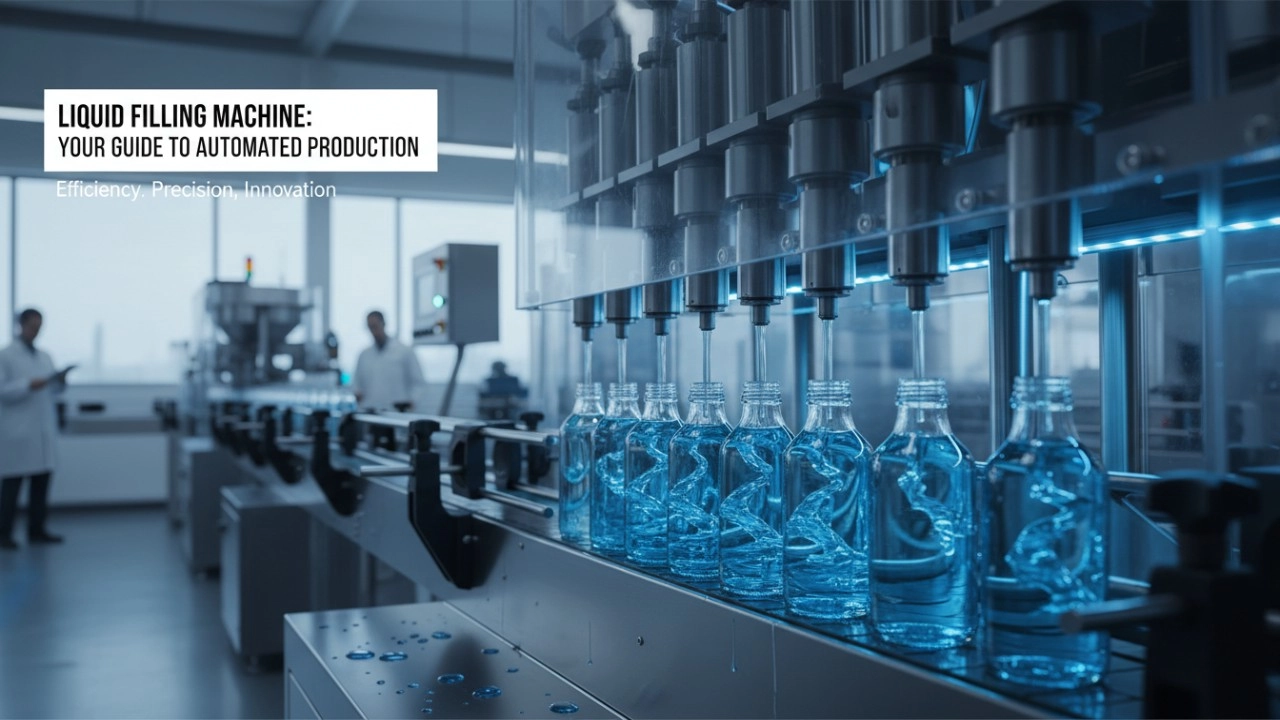
Beyond Automation: How Smart Liquid Filling Machines are Transforming Modern Packaging Lines
7 Dangerous Mistakes Most Companies Make with Underground Storage Tanks (USTs)
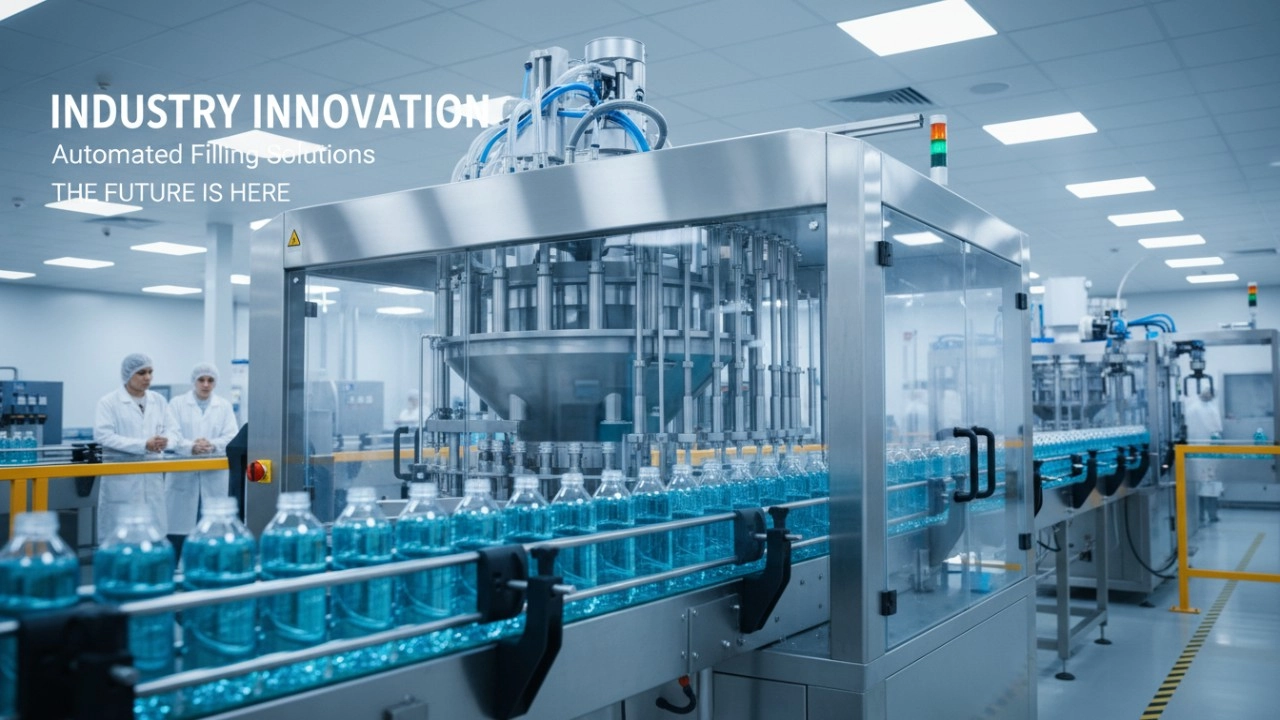
How to Future-Proof Your Production Line: The Latest Innovations in Precision Filling Machinery (2026 Guide)
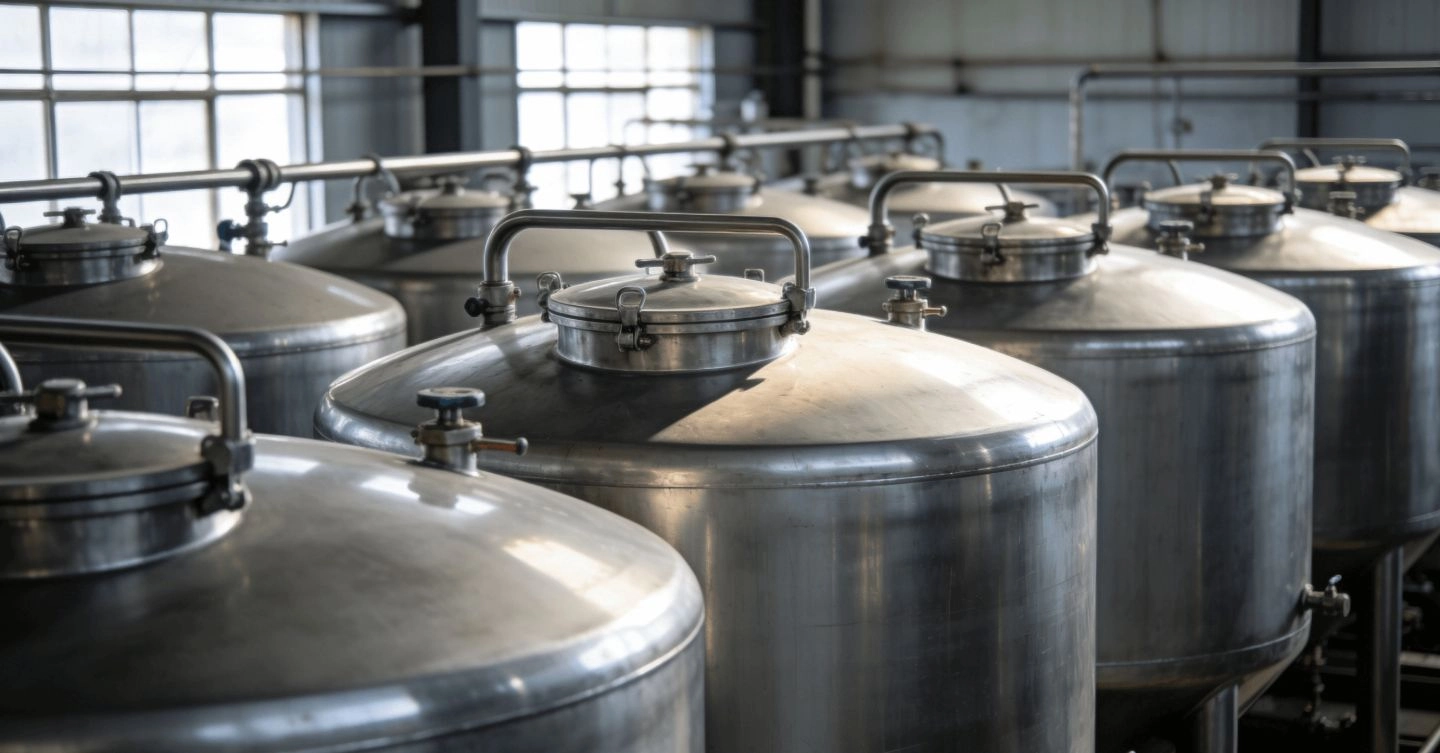
The Definitive Guide to Industrial Storage Tanks 2026: Why Food-Grade Stainless Steel is the Gold Standard
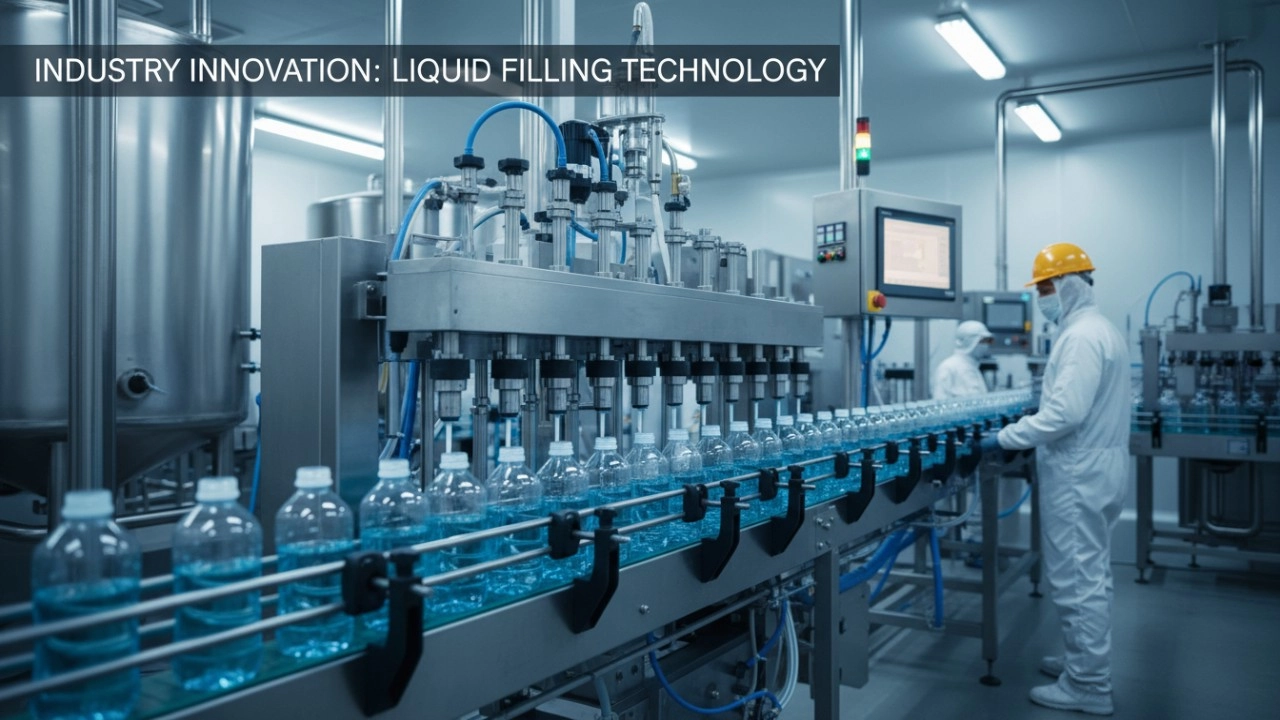
The Ultimate 2026 Guide to Liquid Filling Machines: Types, Technologies, and Strategic Selection
Liquid Mixing Tank
Can the agitator speed be adjustable with VFD?
Yes,the agitator mixer is equipped with frequency converter. Speed can be variable by adjusting the speed regulation panel. If you want to save cost, or not variable speed is needed, there is no need to add VFD device.
Is there any temperature control? Can I set a targeted temperature?
Yes,there is temperature control display and controller on the control panel. Before heating operation, just set a temperature that you want, it can keep constant temperature;
FAQs
Do you have in-stock or do you produce machines upon order?
Most of our products equipment are non-standard type,which should be made according to requirements,and power supply needs to be customized according to country. Therefore,we normally start to produce the products after you confirm the order.
We also have some standard machines in stock. Just contact us to confirm.
Vertical Filling Machine
Can it fill 10 liters bottle?
No, the biggest filling volume is 5L. But you can fill twice to achieve you target. Over 5L, another drum filling machine will be recommended.
Sachet Packaging Machine for Granules
What’s the date printing, steel printing or coding?
There are standard steel date printing on the automatic packaging machine, if clients needs coding type, just tell us to add an extra coding device.
Leave a message
Have any questions or concerns about our products? Please leave us a message here, and our team will get back to you promptly.
 Scan QR Code
Facebook
YouTube
LinkedIn
Whatsapp: +8613434139712
Guangzhou Yuanyang Machinery