




What is the difference between a conveyor and a feeder? | YUANYANG Guide
What is the Difference Between a Conveyor and a Feeder?
In industrial mixing and material handling, conveyors and feeders serve distinct yet complementary roles. Understanding their differences ensures optimal equipment selection for efficiency and productivity.
Key Functions
Conveyors
- Purpose: Transport bulk materials from one point to another.
- Movement: Continuous, uniform flow.
- Common Types: Belt, screw, roller, and chain conveyors.
- Best For: Long-distance material transfer with minimal control over flow rate.
Feeders
- Purpose: Regulate and control material flow into a process.
- Movement: Controlled, metered discharge.
- Common Types: Vibratory, screw, belt, and apron feeders.
- Best For: Precise dosing, batch mixing, or feeding materials at a set rate.
Key Differences
| Feature | Conveyor | Feeder |
|---|---|---|
| Primary Role | Material transport | Flow regulation |
| Speed Control | Fixed or variable | Highly adjustable |
| Material Handling | Bulk movement | Metered discharge |
| Common Applications | Long-distance transfer | Batch processing, mixing |
Choosing the Right Equipment
- Use a conveyor when moving large quantities over distances without strict flow control.
- Use a feeder when precise material dosing is required, such as in industrial mixers or batching systems.
For expert guidance on optimizing your material handling system, consult YUANYANG’s industrial mixing solutions.
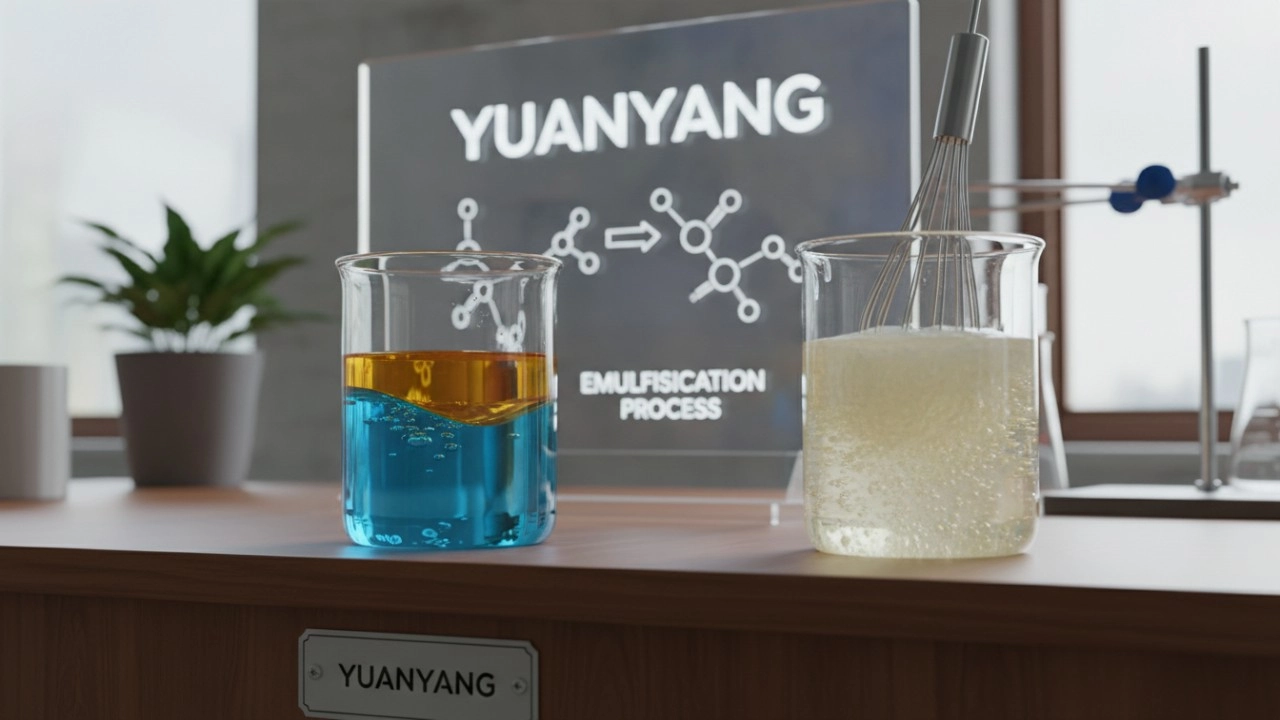
Why Don't Oil and Water Mix? The Ultimate Guide to Polarity and Emulsification Science (2026)
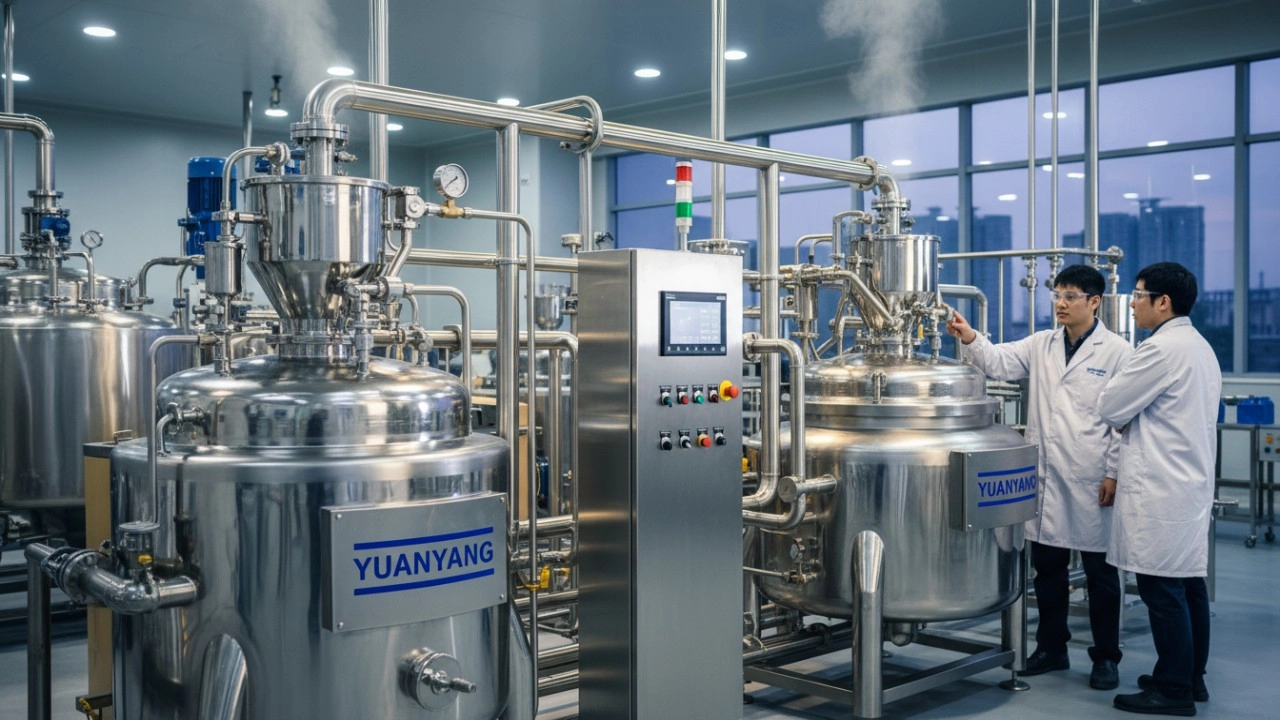
How Emulsification Actually Happens in Industrial Mixing Systems (2026 Guide)
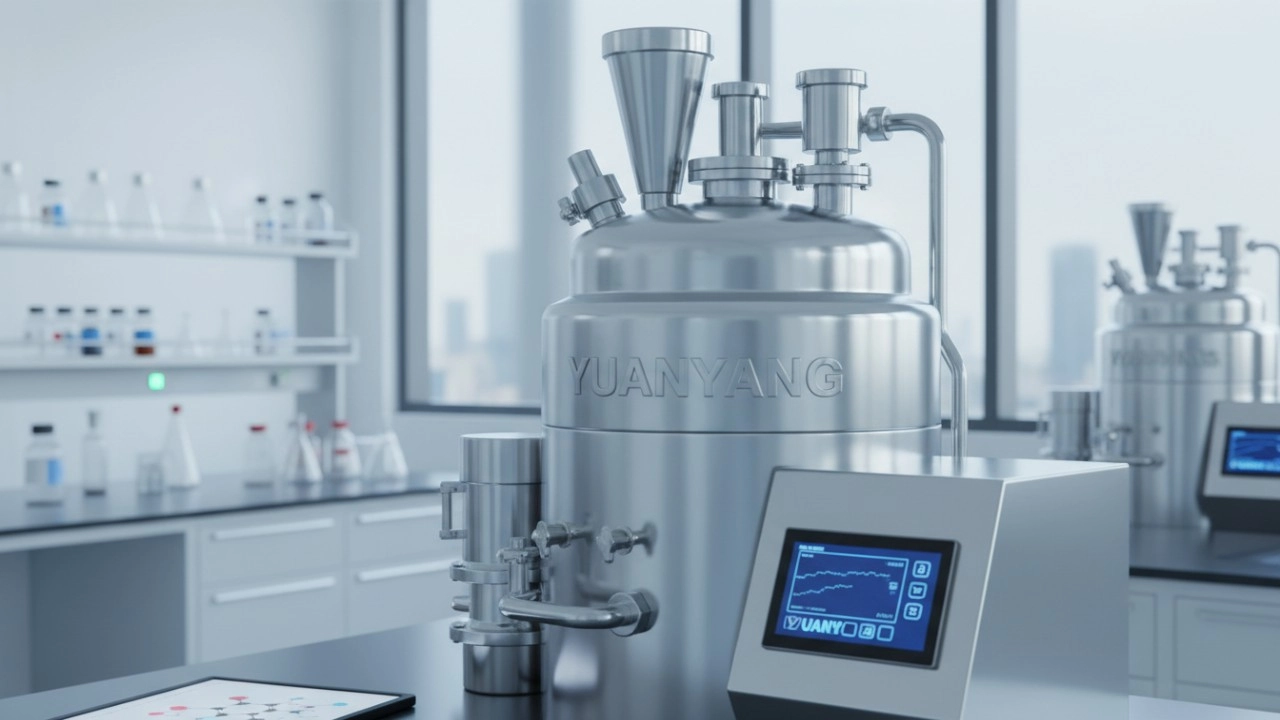
Understanding Vacuum Emulsifying Mixers as a System: From Process Logic to Production Outcomes
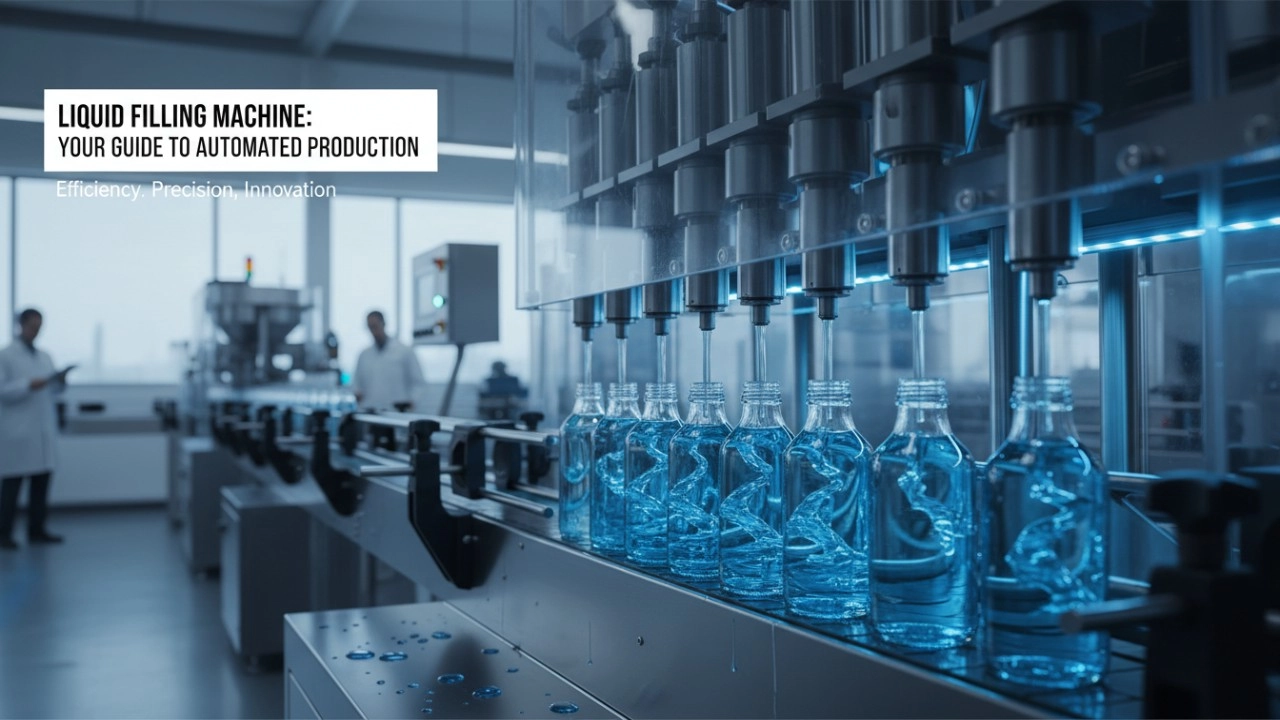
Beyond Automation: How Smart Liquid Filling Machines are Transforming Modern Packaging Lines
7 Dangerous Mistakes Most Companies Make with Underground Storage Tanks (USTs)
Hydraulic Lift Vacuum Mixer
What’s the feature of water tank and oil tank?
The water tank and oil tank are for pre-treatment for better mixing efficient when sucked into main emulsifying tank. The two tanks are often equipped with bottom dispersing plate or top mixing and double jackets for heating and insulation.
Single Layer Agitator Tank
Does the mixing tanks have cooling function?
The single layer mix tank has no cooling function. If you client need cooling function, will customize at least two layers with one jacket for cooling purpose.
One Stage Water Treatment
How do I know the water conductivity?
The reverse osmosis water filter machine can display both raw water conductivity and output water conductivity.
Medicine
What types of containers can Yuanyang’s filling machines handle?
Our filling machines are suitable for various containers such as glass bottles, plastic bottles, bags, and boxes, automatically adjusting to different sizes and types, offering flexible production options.
Sachet Packaging Machine
Can I use this liquid packing machine to pack if my product is like paste which is quite thick and viscous?
Yes, heating function and mixing function can be added based on materials.
Leave a message
Have any questions or concerns about our products? Please leave us a message here, and our team will get back to you promptly.
 Scan QR Code
Facebook
YouTube
LinkedIn
Whatsapp: +8613434139712
Guangzhou Yuanyang Machinery