





How the Detergent Powder Production Line Transforms Manufacturing Efficiency
Discover the essential machines in a detergent powder production line, including the powder mixer, sieving machine, powder feeder, powder filling machine, powder packing machine and more for efficient production.
- Introduction: The Detergent Powder Production Line Revolution
- What is a Detergent Powder Production Line?
- Key stages in the production line include:
- Key Machinery in a Detergent Powder Production Line
- Powder Mixer: The Heart of Consistent Production
- There are several types of powder mixers, including:
- Sieving Machine: Ensuring Purity and Consistency
- Powder Feeder: Automated and Precise Powder Movement
- Powder Filling Machine: Automated Precision for Packaging
- The key features of powder filling machines include:
- Powder Packing Machine: Efficient Sealing and Distribution
- Key features of powder packing machines include:
- Benefits of Automating the Detergent Powder Production Line
- Challenges in Detergent Powder Production
- Conclusion: Streamlining Detergent Powder Production
- FAQs
Introduction: The Detergent Powder Production Line Revolution
The detergent powder industry is a critical part of modern manufacturing, serving homes, businesses, and industrial operations across the globe. With growing demand for quality cleaning products, manufacturers must ensure efficiency and consistency in their production processes. One of the most effective ways to achieve this is through a highly optimized detergent powder production line.
In this article, we will explore the key machinery and processes involved in the detergent powder production line, including the powder mixer, sieving machine, powder feeder, powder filling machine, and powder packing machine. Understanding these systems is crucial for manufacturers seeking to improve production speeds, quality control, and operational efficiency.
What is a Detergent Powder Production Line?
A detergent powder production line is an automated system designed to manufacture detergent powders in large quantities. These lines are used by companies that produce household and industrial cleaning products. The production process involves multiple stages, from mixing raw ingredients to final packaging.
Key stages in the production line include:
Raw Material Sourcing: Essential chemicals and ingredients are sourced, including surfactants, builders, enzymes, and fillers.
Mixing: The ingredients are combined in specific ratios to form the detergent powder.
Sieving: Any impurities or large particles are removed to ensure the consistency of the product.
Feeding: The powder is moved along the production line with precision.
Filling and Packing: Finally, the powder is packaged into consumer-ready units.
Key Machinery in a Detergent Powder Production Line
The efficiency of a detergent powder production line hinges on the integration and performance of several machines. Below, we will dive deeper into the most critical pieces of equipment used in these production lines.
Powder Mixer: The Heart of Consistent Production
A powder mixer is essential for creating a uniform blend of raw materials in detergent production. The mixer combines ingredients such as surfactants, fragrances, fillers, and enzymes. Achieving a consistent and homogeneous mixture is crucial for maintaining product quality and performance.
There are several types of powder mixers, including:
Ribbon Mixers: These are often used for blending dry powders, offering a simple yet effective solution for detergent production. This is a commonly used power making machine.
V-Blenders: Ideal for mixing powders and granules in a more gentle and efficient manner.
Continuous Mixers: These are used when constant production is necessary, providing an uninterrupted flow of mixed powder.
The choice of mixer depends on the scale of production, the type of detergent being produced, and the desired product consistency.
Sieving Machine: Ensuring Purity and Consistency
A sieving machine plays a critical role in ensuring that only fine, pure detergent powder makes it through to the next stages of production. As the mixture passes through the sieve, any large particles, impurities, or unwanted materials are removed. This process ensures that the detergent powder is of the highest quality and ready for packaging.
Sieving machines vary in size and capacity, but all serve the same essential function: maintaining the purity and uniformity of the detergent powder. Sieving is particularly important when the powder needs to meet specific regulatory standards, which often require a fine, consistent texture.
Powder Feeder: Automated and Precise Powder Movement
A powder feeder is a device used to transport powdered materials from one stage of production to another. These machines ensure that the right amount of detergent powder moves efficiently along the production line, reducing the chances of contamination or spillage.
The feeder controls the flow rate, preventing overfeeding or underfeeding of powder into subsequent stages such as filling or packaging. The precise control over the powder flow guarantees a steady and consistent production process, which is vital for meeting output targets and maintaining product quality.
Powder Filling Machine: Automated Precision for Packaging
Once the detergent powder has been mixed, sieved, and moved along the production line, it's time for the powder filling machine to take over. These machines automatically fill pre-made containers or bags with a set amount of detergent powder, based on the specifications.
The key features of powder filling machines include:
Accuracy: Ensures precise measurement and consistent weight of each package.
Speed: Fast, automated filling that enhances the overall production efficiency.
Customization: Can handle different packaging formats, from sachets to large bags.
Automating the filling process not only saves time but also reduces human error, ensuring that every package is filled to the correct weight.
Powder Packing Machine: Efficient Sealing and Distribution
Once filled, detergent powder needs to be securely packed for transport and sale. The powder packing machine is responsible for sealing the filled containers and preparing them for distribution. These machines can package powder in various sizes, including single-use sachets, family-sized bags, and bulk containers.
Key features of powder packing machines include:
High-Speed Sealing: Packs a large volume of detergent powder quickly and securely.
Multi-layer Packaging: Some machines can use multiple layers of film or other materials for added durability and protection.
Customization: Capable of adjusting for different bag sizes and types of packaging.
With advanced packing technology, these machines improve the shelf life and marketability of the detergent, ensuring that the product reaches consumers in optimal condition.
Benefits of Automating the Detergent Powder Production Line
Automating the detergent powder production line brings numerous benefits to manufacturers. These include:
1. Improved Efficiency: Automated systems can operate 24/7, increasing production capacity and reducing downtime.
2. Consistent Product Quality: Machines ensure uniform mixing, filling, and packaging, which minimizes human error and maintains high-quality standards.
3. Reduced Labor Costs: Automation reduces the need for manual labor, lowering overall production costs.
4. Higher Output: Automated machines can produce more units per hour compared to manual processes.
5. Better Hygiene and Safety: Automated lines reduce the need for direct human contact with the product, improving safety and reducing contamination risks.
Challenges in Detergent Powder Production
While automation offers numerous advantages, there are also challenges that manufacturers may face. These include:
Maintenance and Downtime: Machines require regular maintenance to function efficiently. Any downtime can lead to production delays.
Initial Investment: The upfront cost of setting up an automated production line can be significant, which may be a barrier for smaller businesses. Therefore, there will be semi-automatic detergent powder filling and packing machine designed for a starter who has budget.
Space Requirements: A fully automated detergent production line requires substantial space, which may not be feasible for all production facilities.
Despite these challenges, the benefits of an automated detergent powder production line often outweigh the drawbacks, making it a valuable investment for long-term efficiency and profitability.
Conclusion: Streamlining Detergent Powder Production
The detergent powder production line is a complex but highly efficient system that streamlines the manufacturing process, improving output, consistency, and product quality. By integrating key machines such as the powder mixer, sieving machine, powder feeder, powder filling machine, and powder packing machine, manufacturers can achieve a seamless flow from raw material input to finished product packaging.
Investing in an automated detergent powder production line allows companies to meet growing consumer demand while maintaining competitive pricing and high-quality standards. As the industry continues to evolve, automation will remain a key driver of innovation and success in detergent manufacturing.
FAQs
1. What is the role of a powder mixer in detergent production?
A powder mixer ensures that all ingredients are uniformly blended, creating a consistent and high-quality detergent powder.
2. Why is sieving important in detergent powder production?
Sieving removes large particles and impurities, ensuring the detergent powder is smooth, fine, and of consistent quality.
3. How does a powder feeder contribute to production efficiency?
A powder feeder accurately controls the flow of detergent powder between stages, minimizing waste and ensuring a smooth production process.
4. What types of powder filling machines are used in detergent manufacturing?
Powder filling machines come in various types, such as volumetric, auger-based, and vibratory systems, depending on the packaging size and requirements.
5. Can the powder packing machine handle different packaging formats?
Yes, powder packing machines are versatile and can accommodate various packaging types, including sachets, pouches, and large bags, to meet consumer needs.
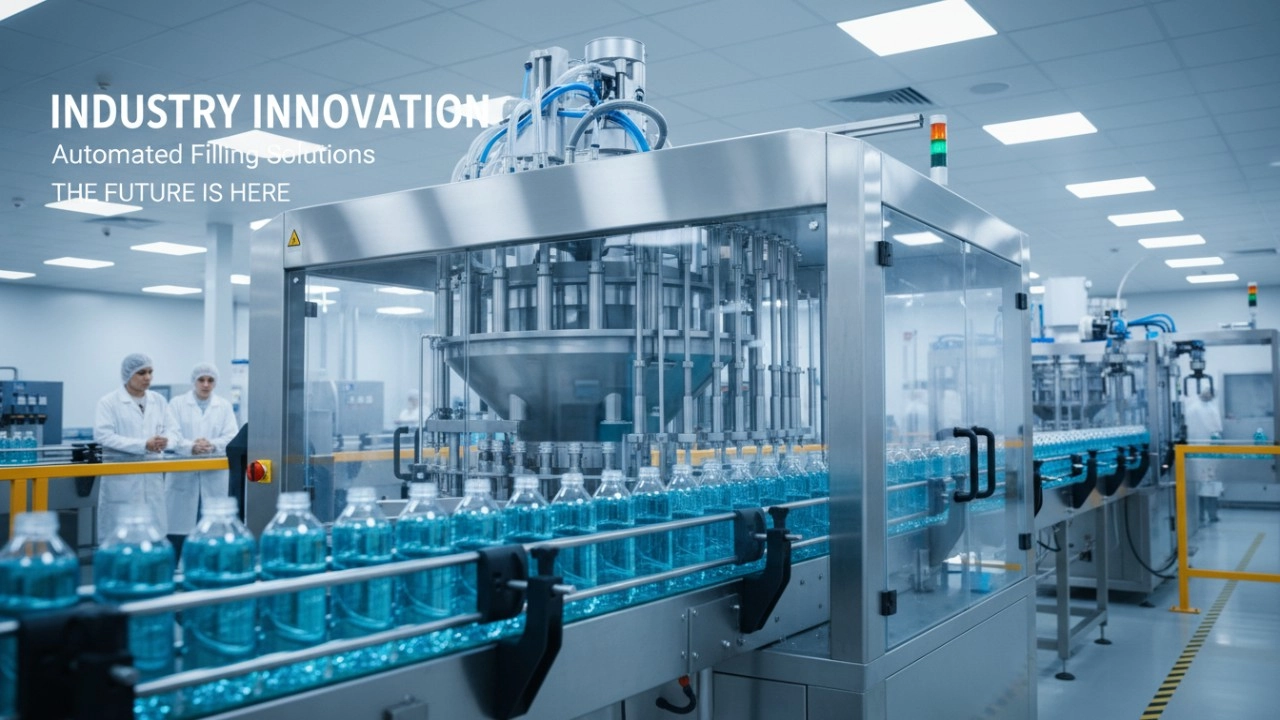
How to Future-Proof Your Production Line: The Latest Innovations in Precision Filling Machinery (2026 Guide)
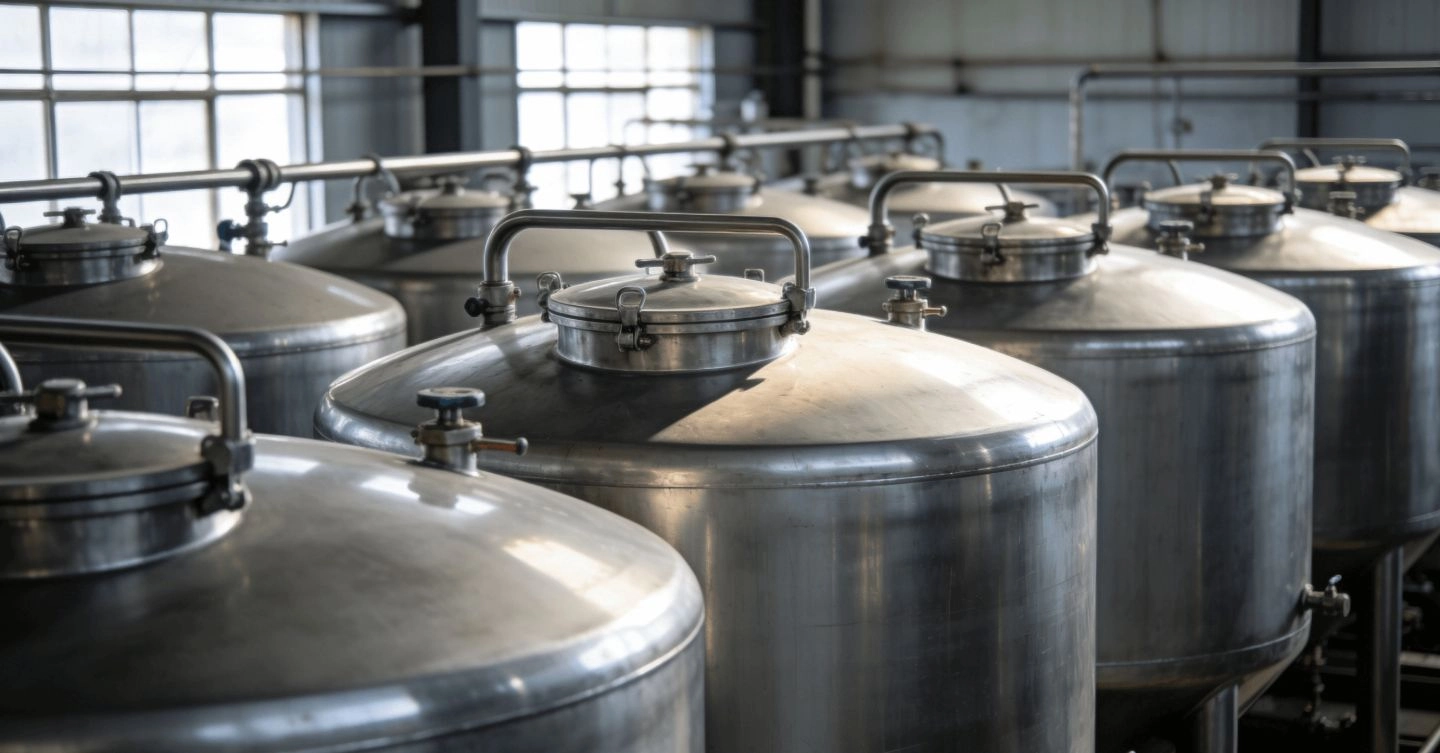
The Definitive Guide to Industrial Storage Tanks 2026: Why Food-Grade Stainless Steel is the Gold Standard
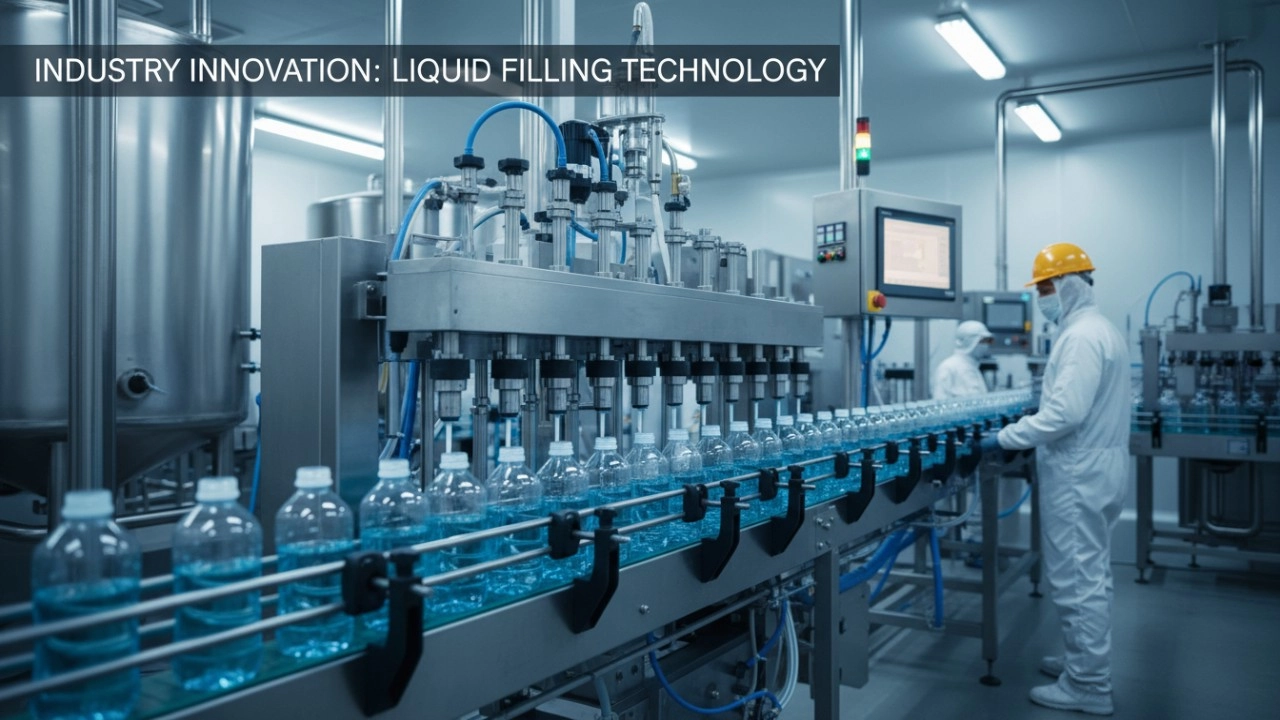
The Ultimate 2026 Guide to Liquid Filling Machines: Types, Technologies, and Strategic Selection
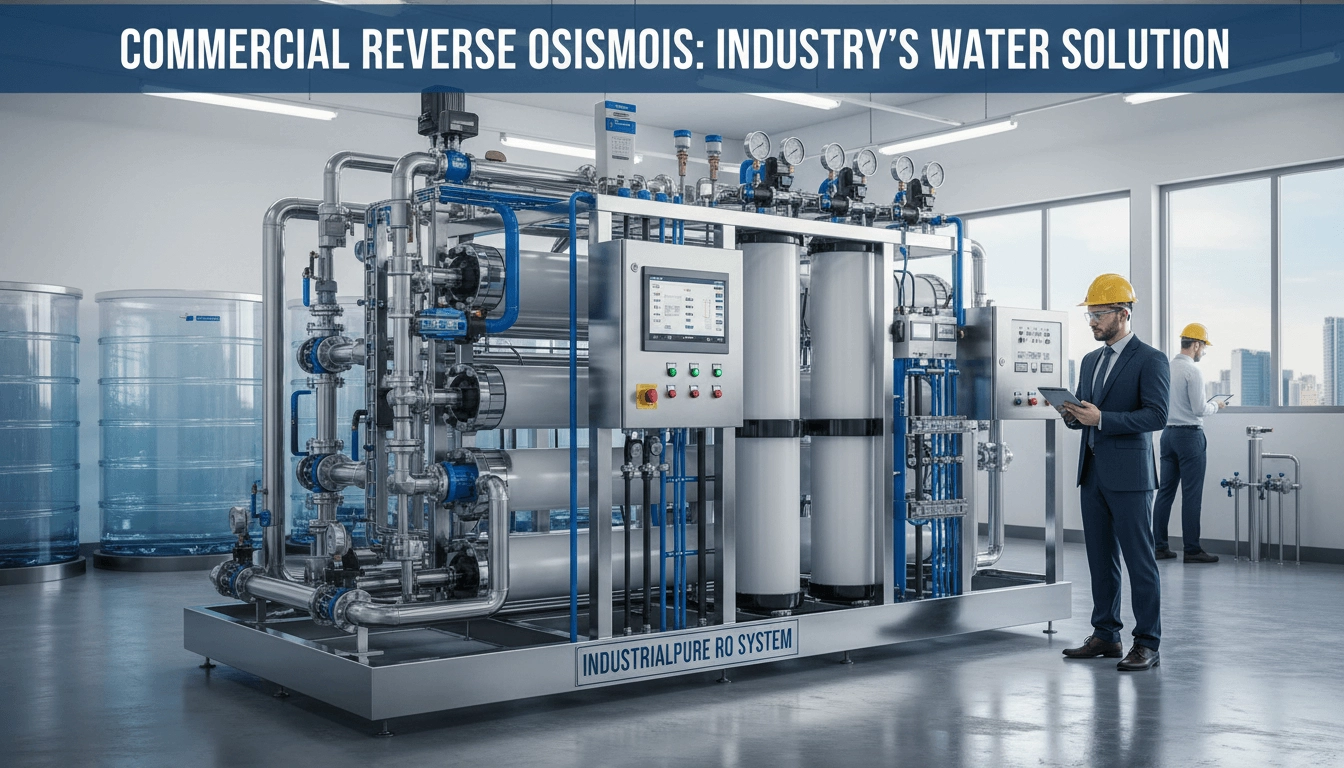
Ultimate Guide to Commercial Reverse Osmosis Systems 2026
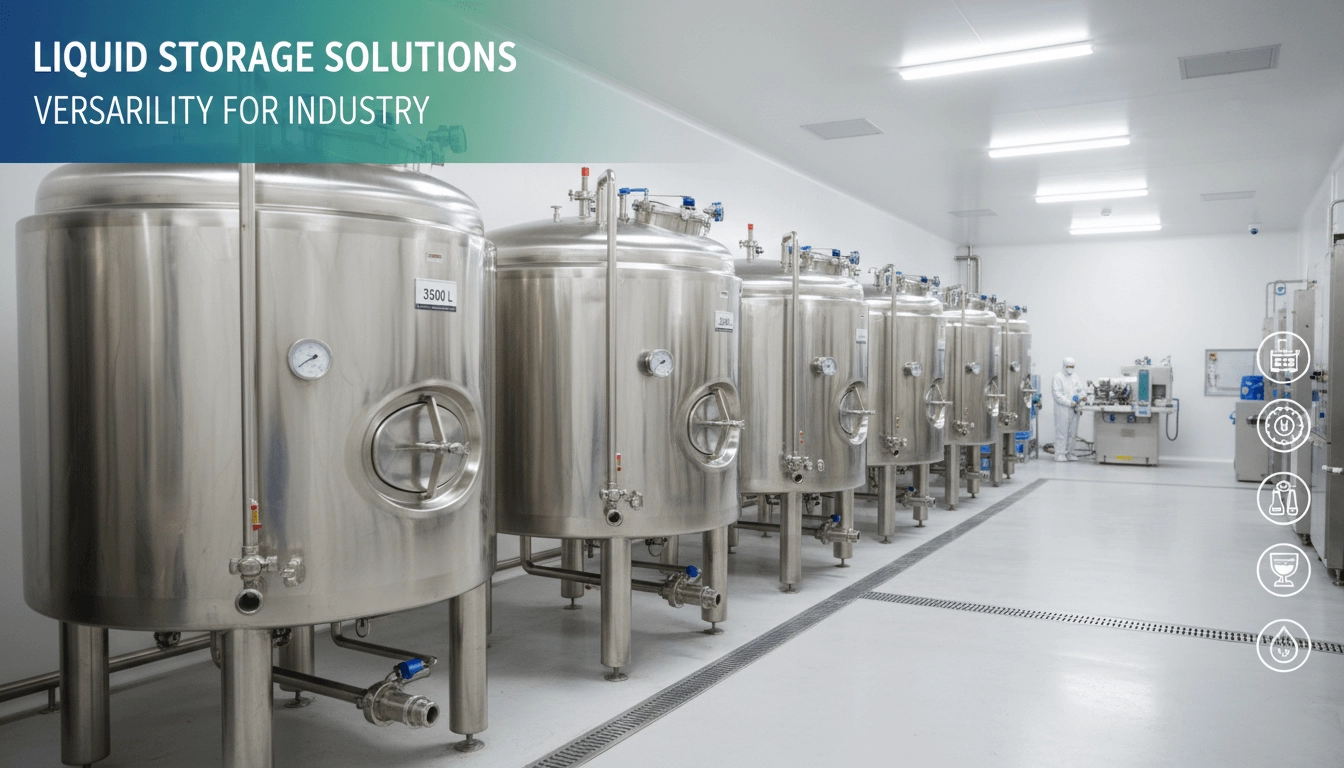
Ultimate Storage Tank Guide for 2026: Selection & Innovations
Aluminum Foil Sealing Machine
What’s the maximum and minimum height can the automatic sealing machine lift up and go down?
The maximum height for the sealing head to the floor is 75-120cm.
Vertical Filling Machine
How to adjust the filling weight?
There is weight regulator for client to refer. Just adjust several times until you get the accurate filling weight. Remember the reference number, next time directly use for the same materials and bottles.
The power supply is 220v 60hz, can I use this paste filling machine?
Sure, the machine is only pneumatic drive, you just use local air compress to connect to it. There is no need to worry about power supply.
Vibrating sieving machine
What’s the available mesh for the filter screen?
The mesh varies from 2-500 mesh. Customer service will recommend clients the most suitable mesh according to materials and requirements.
Water Cooling Induction Sealer
What type of film can the bottle sealer machine work for?
The sealing machine is mainly used for heating and sealing polyolefin (such as polyethylene, polypropylene, etc.) as the inner layer of composite film material sealing.
Leave a message
Have any questions or concerns about our products? Please leave us a message here, and our team will get back to you promptly.
 Scan QR Code
Facebook
YouTube
LinkedIn
Whatsapp: +8613434139712
Guangzhou Yuanyang Machinery