





how to use homogenizer machine | YUANYANG Guide
How to Use Homogenizer Machine: A Guide for Industrial Mixer Professionals
This article covers effective methods on how to use a homogenizer machine in various industrial mixing applications. Professionals often encounter challenges like poor product consistency, unstable emulsions, or inconsistent particle size in mixing operations. Efficient use of a homogenizer machine can resolve these pain points and improve product quality, throughput, and safety.
What is a Homogenizer Machine?
- Industrial equipment designed to blend, emulsify, or reduce particle size in liquids and suspensions.
- Frequently used in food & beverage, pharmaceutical, cosmetic, and chemical processing industries.
- Ensures consistent product texture and improved stability in emulsions and dispersions.
- Cited in industry standards such as ISO 9001:2015 and cGMP compliance ((https://www.iso.org/iso-9001-quality-management.html)).
Key Components of a Homogenizer
- High-pressure pump: Drives product through the system.
- Homogenizing valve: Causes intense mixing via shear forces.
- Cooling jacket: Maintains process temperature.
- Control panel: Enables process parameter adjustment.
- Feed hopper: Allows for seamless material input.
How to Operate a Homogenizer Machine
- Preparation:
- Ensure all maintenance and sanitation tasks are completed.
- Assemble machine components, refer to the OEM operation manual ((https://www.usp.org/)), and check seals.
- Verify feed material viscosity, particle size, and temperature requirements.
- Startup Procedure:
- Load pre-mixed material into the feed hopper.
- Set desired process parameters: pressure, flow rate, temperature.
- Start the pump gradually to prevent surging or cavitation.
- Process Control:
- Monitor temperature, pressure gauges, and flow meters in real-time.
- Adjust homogenizing pressure to achieve target droplet or particle size ().
- Ensure consistent flow for optimal dispersion and emulsion stability.
- Safety and Best Practices:
- Operate only within manufacturer-recommended pressure and capacity limits.
- Regularly inspect for leaks, vibrations, or unusual motor noises.
- Always use personal protective equipment (PPE) and follow local safety regulations ((https://www.osha.gov/)).
- Shutdown and Cleaning:
- Gradually reduce pressure and turn off the pump.
- Flush system with approved cleaning agents; follow CIP (Clean-In-Place) protocols for hygiene-sensitive industries.
- Disassemble parts as needed for manual inspection.
Troubleshooting Common Pain Points
- Inconsistent Emulsification:
- Check pressure settings; increase for finer dispersion.
- Ensure feed material is pre-mixed and without lumps.
- Throughput Drop:
- Inspect valves and pump for wear or obstructions.
- Clean or replace clogged or worn components as needed.
- Product Overheating:
- Monitor and adjust the cooling system.
- Avoid excessive pressure settings that raise process temperature.
Optimizing Homogenizer Performance
- Calibrate instruments regularly to ensure parameter accuracy.
- Record processing data for traceability and batch reproducibility.
- Schedule preventive maintenance to minimize unplanned downtime.
For more industrial mixer expertise, application support, or sourcing homogenizer machines, contact YUANYANG for tailored industrial solutions.
Authoritative Sources:
- ISO 9001:2015 Quality Management
- OSHA Machine Safety Guidelines
- USP <1072> Cleaning Validation
- Journal of Food Engineering, 58 (2003), 338-346
Keywords used: how to use homogenizer machine, industrial mixer, homogenizer machine
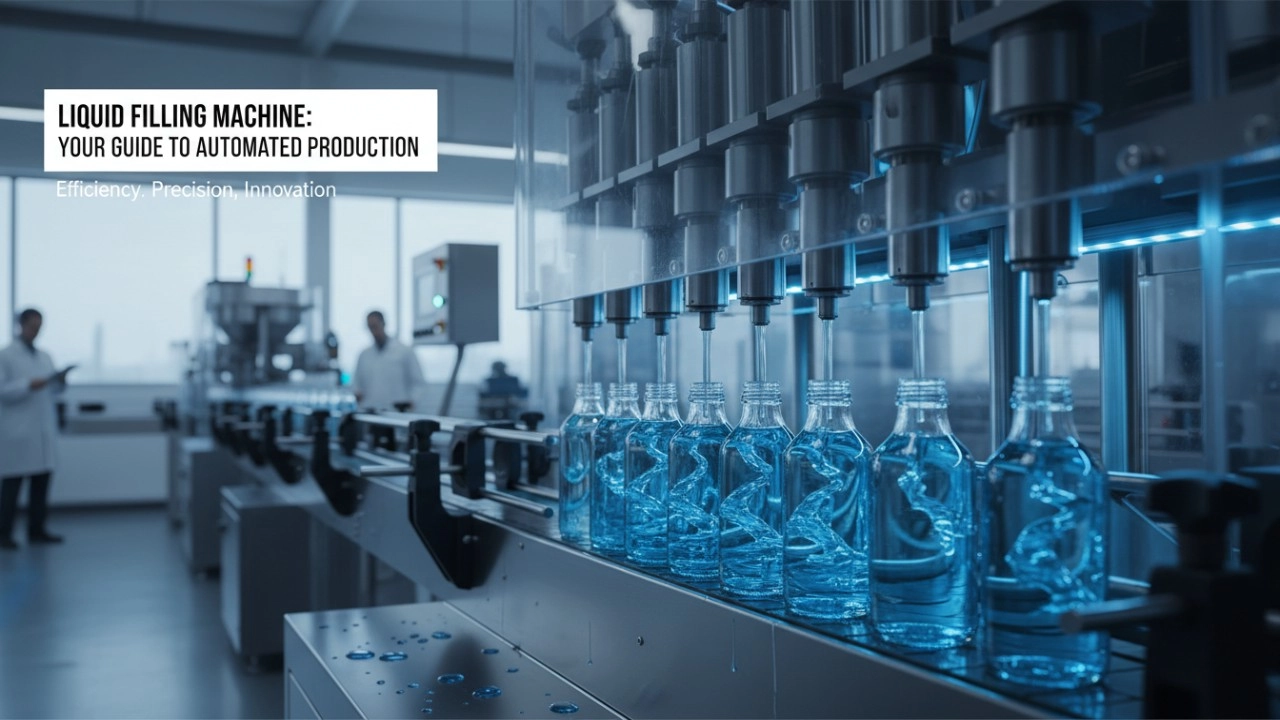
Beyond Automation: How Smart Liquid Filling Machines are Transforming Modern Packaging Lines
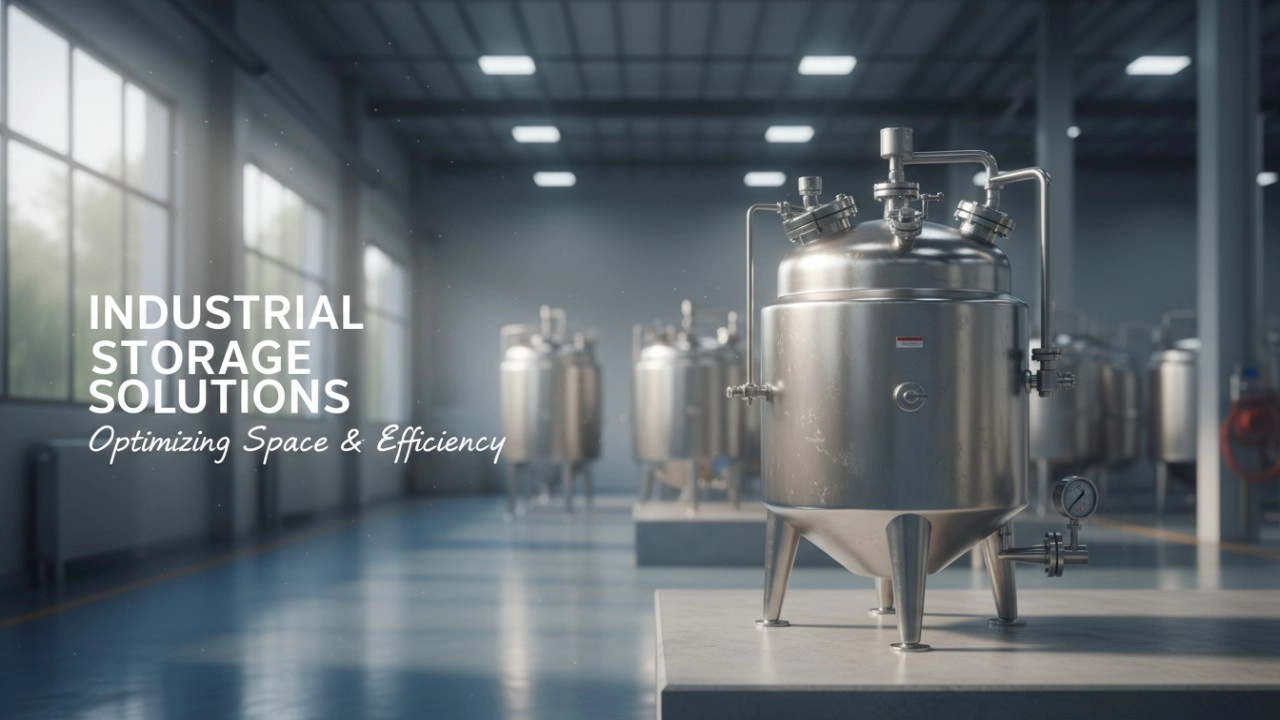
7 Dangerous Mistakes Most Companies Make with Underground Storage Tanks (USTs)
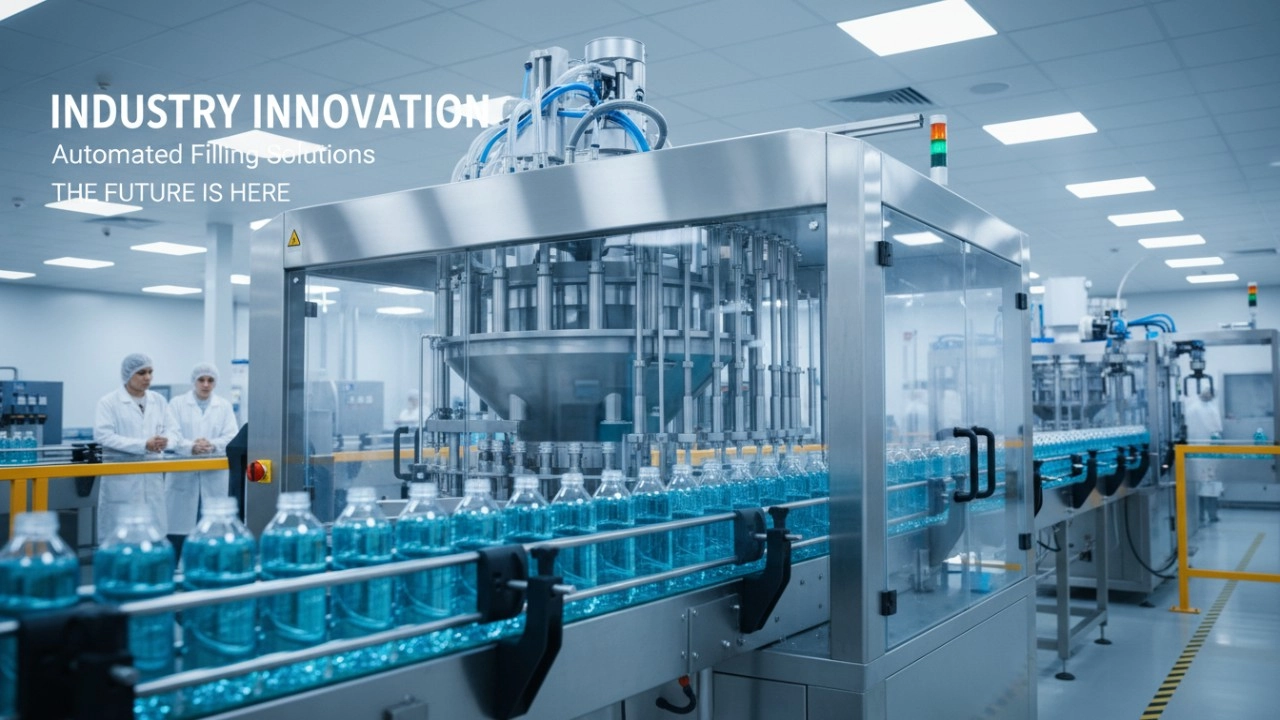
How to Future-Proof Your Production Line: The Latest Innovations in Precision Filling Machinery (2026 Guide)
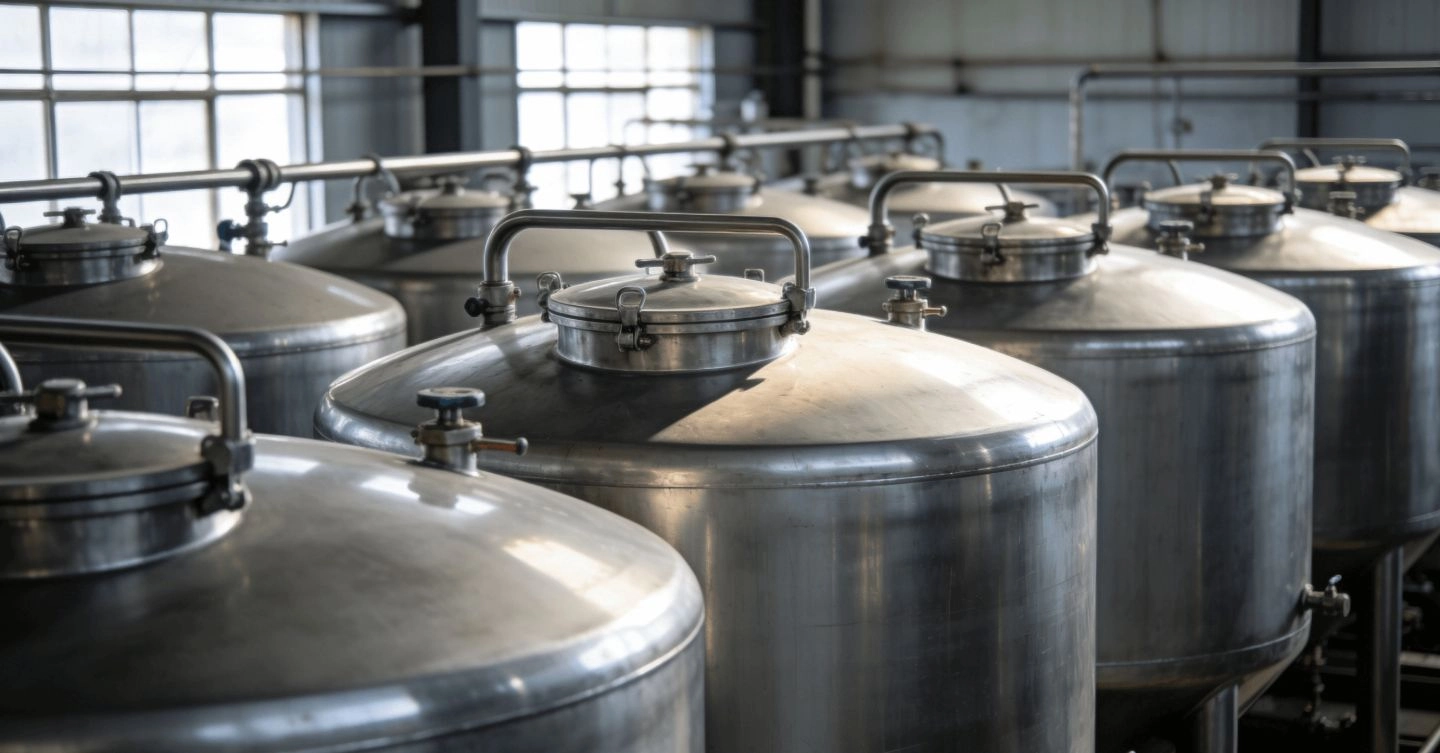
The Definitive Guide to Industrial Storage Tanks 2026: Why Food-Grade Stainless Steel is the Gold Standard
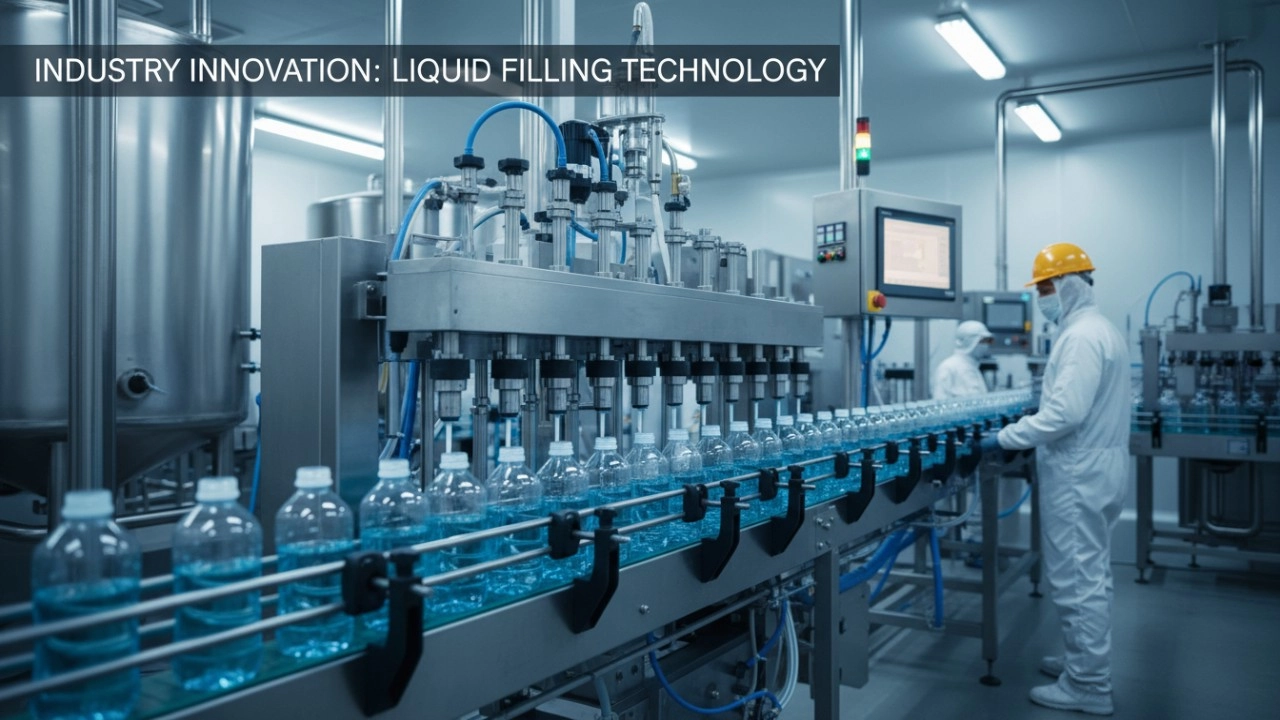
The Ultimate 2026 Guide to Liquid Filling Machines: Types, Technologies, and Strategic Selection
Liquid Soap Mixer
How many layers is the soap mixer tank?
The standard tanks has 1 layer for non-heating type,two layers for only cooling purpose,3 layers for cooling and heating purpose.
Washing Powder
How accurate is the filling process?
Our high-precision filling system ensures consistent and accurate filling every time.
Are the machines easy to clean and maintain?
Absolutely, our equipment is designed for easy disassembly and cleaning, ideal for frequent maintenance.
Desktop Bottle Sealing Machine
What type of container is the induction heat sealing machine suitable for?
The bottle cap closing machine is suitable for both plastic and glass bottles, but the cap should be plastic type.
Open Lid Storage Tank
What capacity do you have about liquid tanks?
The capacity is from 50L - 5000L, can be customized according to space.
Leave a message
Have any questions or concerns about our products? Please leave us a message here, and our team will get back to you promptly.
 Scan QR Code
Facebook
YouTube
LinkedIn
Whatsapp: +8613434139712
Guangzhou Yuanyang Machinery