





What is the difference between a ribbon mixer and a paddle mixer? | YUANYANG Guide
- What is the Difference Between a Ribbon Mixer and a Paddle Mixer?
- Understanding Ribbon Mixers and Paddle Mixers
- Ribbon Mixer: Key Features
- Paddle Mixer: Key Features
- Ribbon Mixer vs. Paddle Mixer: Comparison Table
- How to Choose Between a Ribbon Mixer and a Paddle Mixer
- Authoritative Sources
- Conclusion
- SEO Optimized
What is the Difference Between a Ribbon Mixer and a Paddle Mixer?
In the industrial mixer sector, selecting the right mixing equipment is critical for process efficiency and product quality. One common question is: What is the difference between a ribbon mixer and a paddle mixer? This article provides clear, authoritative insights for professionals seeking optimal mixing solutions, using the subject keyword for targeted knowledge.
Understanding Ribbon Mixers and Paddle Mixers
Ribbon Mixer: Key Features
- Design: Utilizes helical ribbons (inner/outer) mounted on a horizontal shaft
- Mixing Action: Ribbons move material simultaneously inward/outward, ensuring thorough blending
- Applications: Ideal for free-flowing, dry powders, or granular materials (e.g., baking mixes, chemicals, pharmaceuticals)
- Cycle Time: Typically faster mixing—efficient for large, homogenous batches
- Shear Level: Medium shear, suitable for fragile to moderately robust materials
- Cleanability: More challenging due to tight clearances between ribbons and trough
- Energy Consumption: Generally moderate; depends on batch size and material properties
- References: (https://www.ehedg.org/), (https://www.powderbulksolids.com/)
Paddle Mixer: Key Features
- Design: Equipped with flat, paddle-like blades mounted on a horizontal shaft
- Mixing Action: Paddles lif t and tumble materials in a gentle, randomized motion
- Applications: Effective for fragile materials, moist or viscous blends, and products prone to breakage (e.g., food products, animal feed)
- Cycle Time: Slightly longer cycles; ideal for delicate mixtures needing a gentle touch
- Shear Level: Low shear, minimizing damage to sensitive ingredients
- Cleanability: Easier to clean, with simpler blade geometry and wider spacing
- Energy Consumption: Typically lower for gentle, low-density material mixes
- References: (https://www.mixers.com/), (https://www.foodengineeringmag.com/)
Ribbon Mixer vs. Paddle Mixer: Comparison Table
| Feature | Ribbon Mixer | Paddle Mixer |
|---|---|---|
| Mixing Action | Helical, bi-directional flow | Lifting and gentle tumbling |
| Suitable For | Powders, granules | Fragile, moist, or fibrous materials |
| Shear Level | Medium | Low |
| Mixing Time | Fast | Moderate |
| Applications | Chemicals, food, pharmaceuticals | Food, feed, specialty blends |
| Cleanability | Moderate (complex geometry) | Easier (simple design) |
| Energy Use | Moderate | Lower for gentle mixes |
How to Choose Between a Ribbon Mixer and a Paddle Mixer
- Material Characteristics:
- Use a ribbon mixer for free-flowing, non-cohesive powders.
- Opt for a paddle mixer when handling fragile, moist, or fibrous products.
- Desired Mixing Intensity:
- Select ribbon for rapid, uniform mixing.
- Choose paddle for gentle, low-shear processing.
- Process Requirements:
- Consider ease of cleaning, energy efficiency, and batch size.
Authoritative Sources
- Powder & Bulk Solids: Mixer Selection Guide
- European Hygienic Engineering & Design Group (EHEDG)
- Food Engineering News: Mixing Experts Roundtable
Conclusion
Ribbon mixers and paddle mixers have distinct advantages depending on the specific application and material properties. Assessing these factors ensures efficient production, minimized downtime, and product integrity.
SEO Optimized
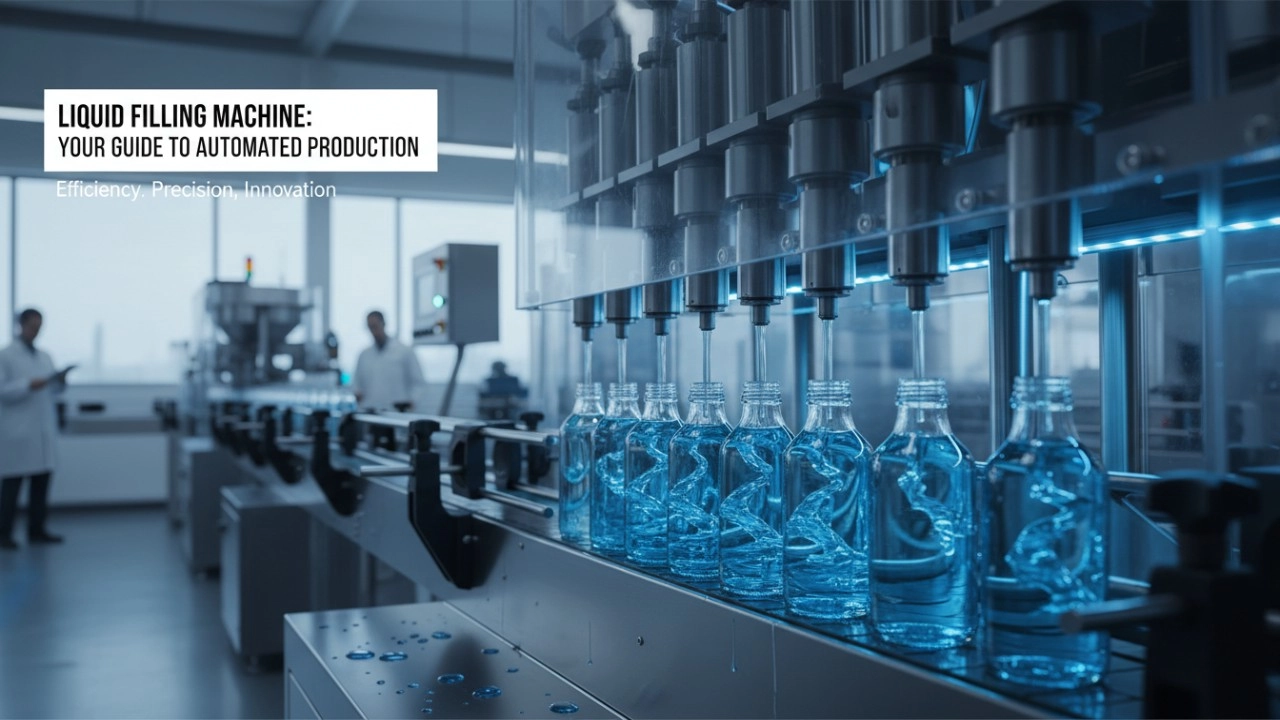
Beyond Automation: How Smart Liquid Filling Machines are Transforming Modern Packaging Lines
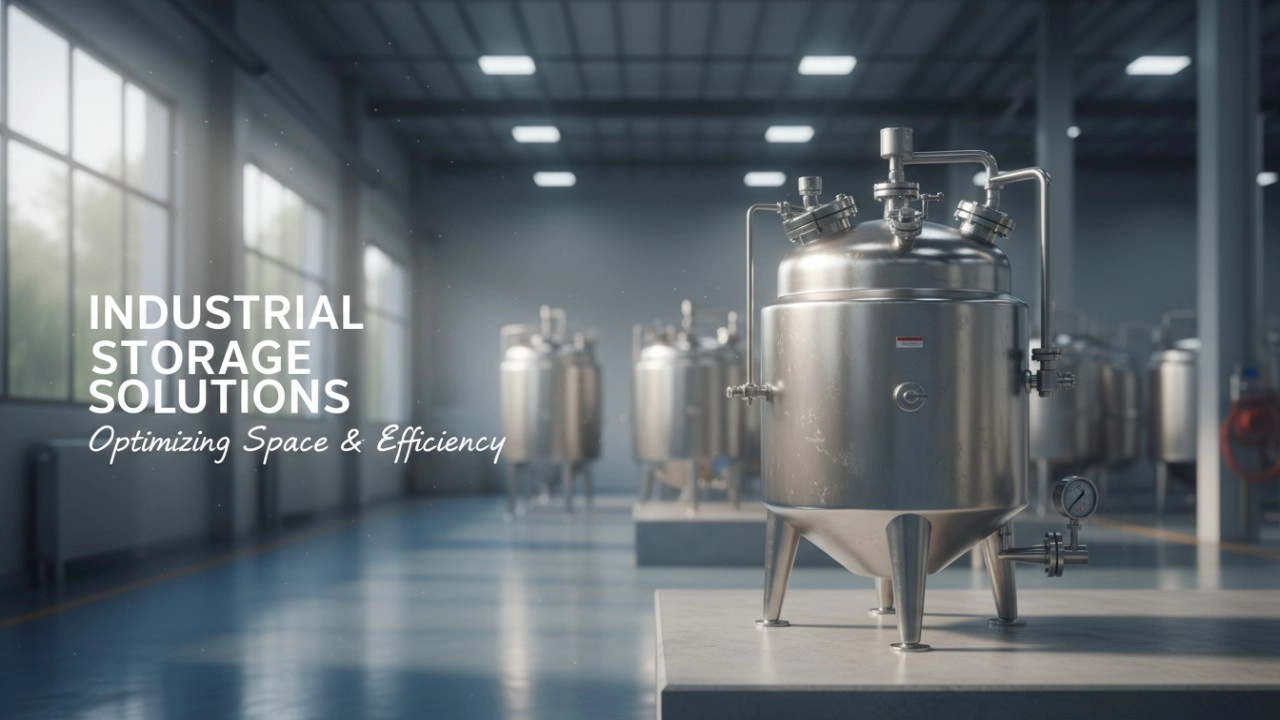
7 Dangerous Mistakes Most Companies Make with Underground Storage Tanks (USTs)
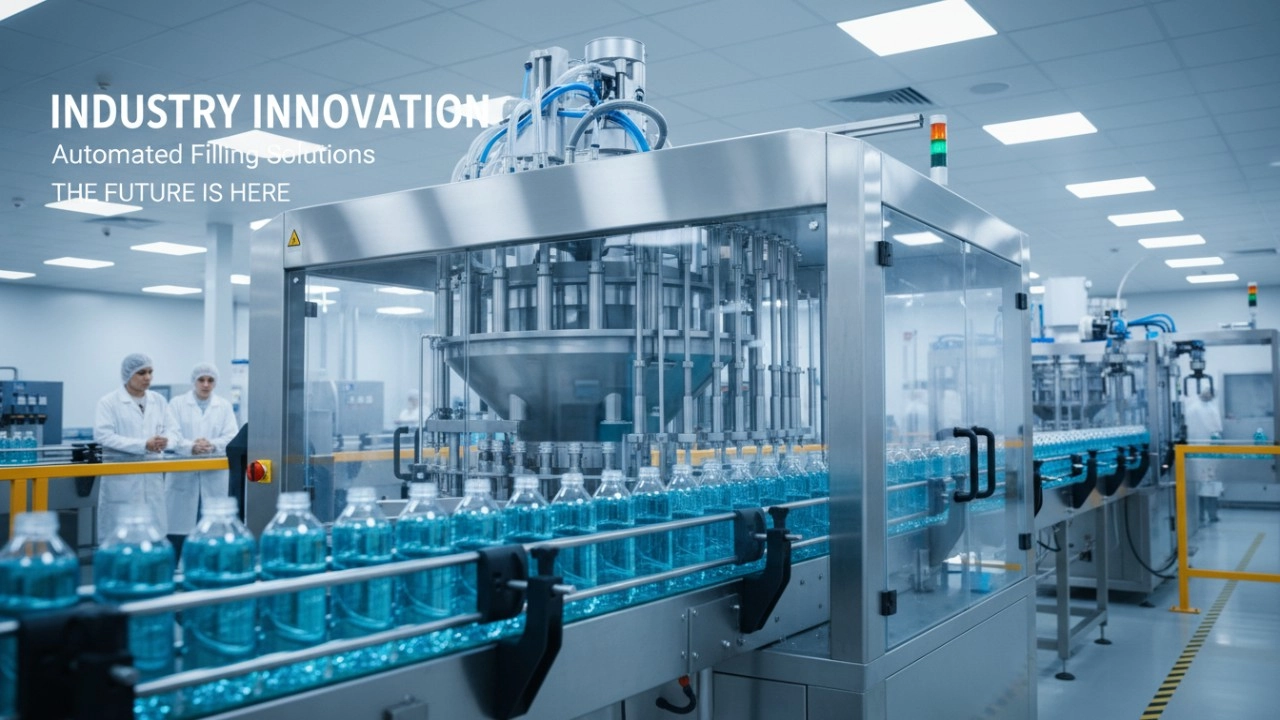
How to Future-Proof Your Production Line: The Latest Innovations in Precision Filling Machinery (2026 Guide)
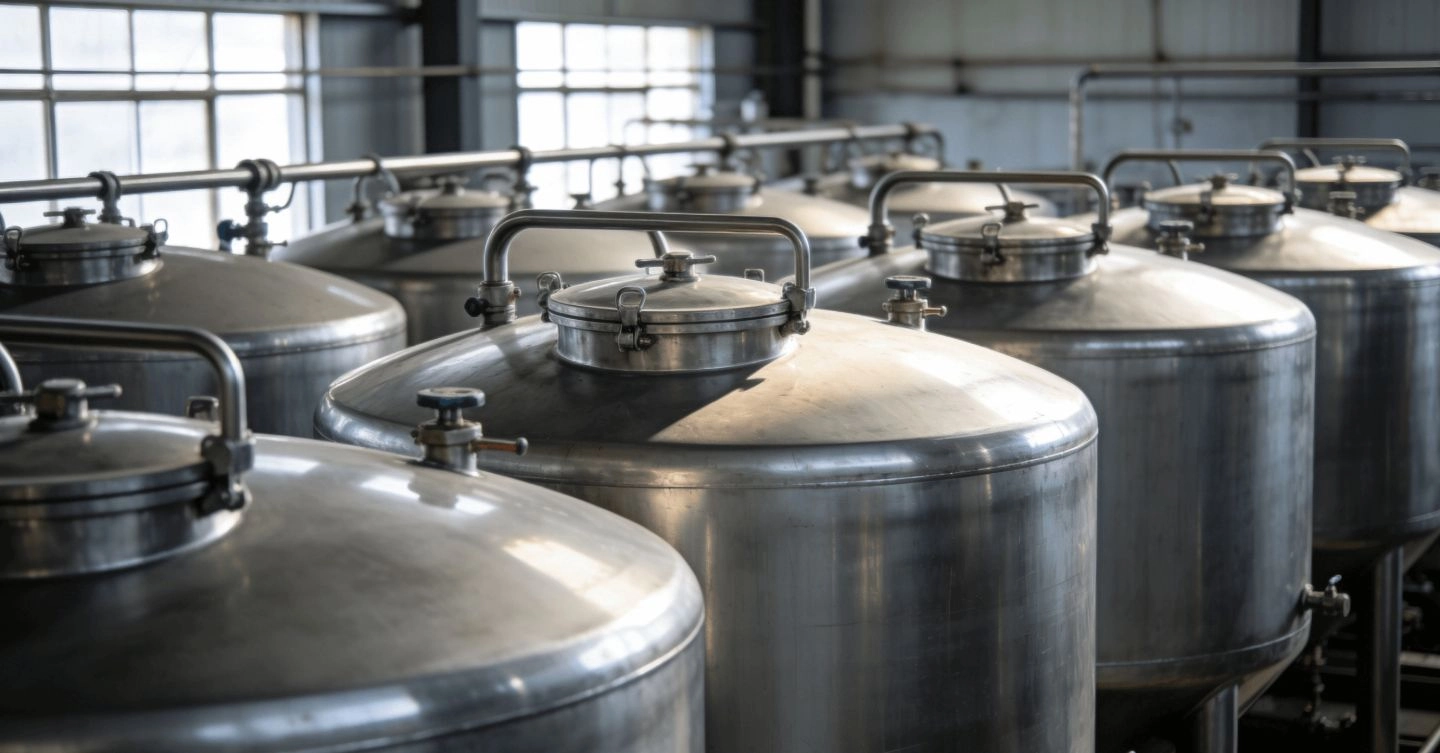
The Definitive Guide to Industrial Storage Tanks 2026: Why Food-Grade Stainless Steel is the Gold Standard
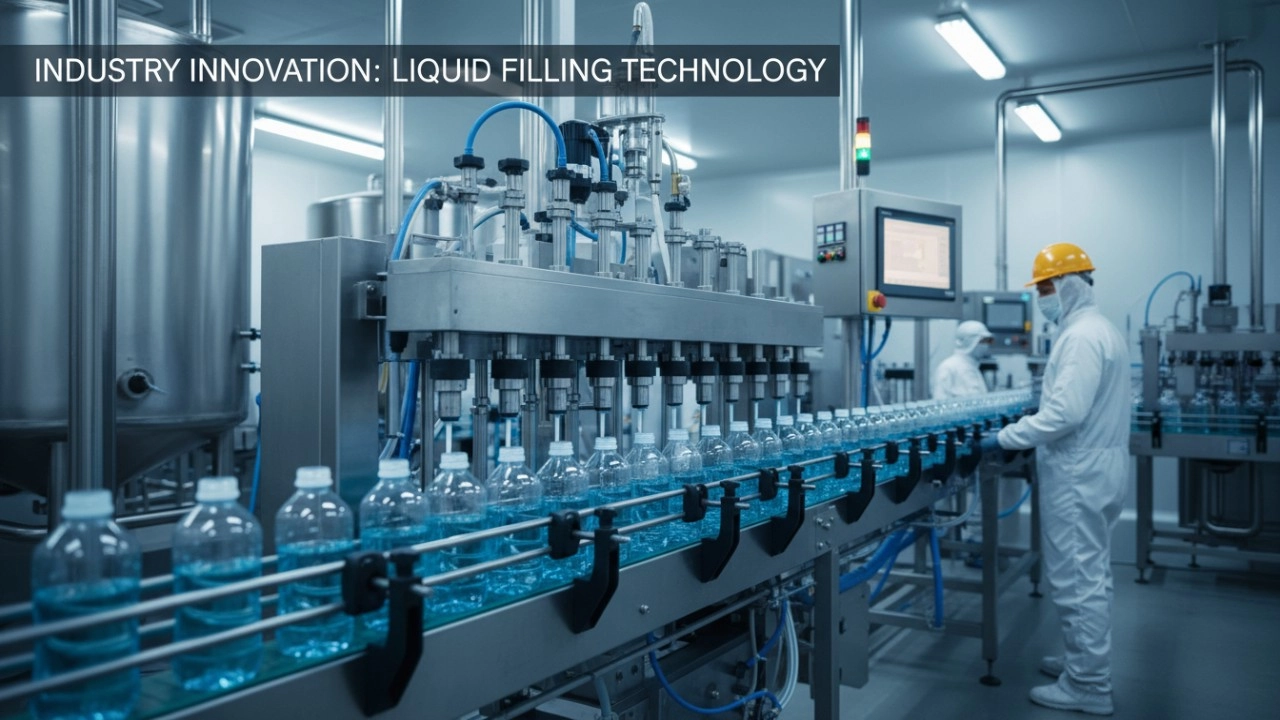
The Ultimate 2026 Guide to Liquid Filling Machines: Types, Technologies, and Strategic Selection
Automatic Servo Motor Capping Machine
Can the capping head lift up and down?
Yes, the servo capping machines have servo motors for adjustment of capping height, can achieve lift up and down directly by touch screen control.
Automatic auger feeder machine
Can the discharge height of the powder feeder be customized?
Yes, the discharge height will be customized higher or lower according to specific cases.
Homogneizer mixer tank
Can it be used to produce cosmetic cream, lotion?
There are professional cosmetic making machine, which is with vacuum system, and some are also required with water tank and oil tank. It is better to use vacuum type if you produce cosmetic cream and lotion.
Detergent powder mixer
What capacity do you supply for this dry powder mixer?
The standard capacity of powder mixing tank is from 200L 500L 1000L 1500L 2000L. If clients need other capacity, just tell us to design.
FAQs
I don’t come to the company, how can I learn the machines?
We provide video & manual instructions of the machines you purchase and online service,as well as face-to-face teaching. Any questions or concerns,please feel free to contact our customer service for free information. If you come to the company,our technical staff will teach you hand by hand.
Leave a message
Have any questions or concerns about our products? Please leave us a message here, and our team will get back to you promptly.
 Scan QR Code
Facebook
YouTube
LinkedIn
Whatsapp: +8613434139712
Guangzhou Yuanyang Machinery