





what is a ro water filter | YUANYANG Guide
What is a RO Water Filter?
Professionals in the industrial mixer sector often need highly purified water for reliable mixing outcomes. This article explains what an RO water filter is, its crucial role in industrial settings, and how it supports mixer efficiency. Discover essential facts, applications, and integration tips.
What is a RO Water Filter?
- Reverse Osmosis (RO) Definition:
- A RO water filter uses a semipermeable membrane to remove ions, molecules, and larger particles from water.
- Key for industries requiring consistent, contaminant-free water, including beverage, chemical, and pharmaceutical mixing.
- How RO Water Filtration Works:
- Applies pressure to water, forcing it through a membrane that traps contaminants (e.g., salts, bacteria, heavy metals).
- Produces two streams: purified (permeate) and rejected waste (concentrate).
- Key Components:
- Pre-filters (sediment, carbon) remove larger contaminants.
- RO membrane performs the main filtration.
- Post-filters polish the final product for quality.
- Authoritative Data:
- RO systems can remove up to 99.7% of dissolved solids (NSF International, Water Quality Association).
Why is a RO Water Filter Important in Industrial Mixer Operations?
Purity & Consistency
- Consistent water quality ensures repeatable, reliable mixing results.
- Prevents unwanted reactions in sensitive formulations (pharmaceuticals, food products).
Equipment Longevity
- Reduces scale, corrosion, and fouling in mixers and related systems.
- Protects precision mixing components by minimizing mineral buildup.
Compliance & Safety
- Meets stringent regulatory quality standards (e.g., FDA, ISO 22000).
- Enables traceable and certifiable production practices.
Integration Tips for Industrial Mixer Systems
- Assess Water Quality:
- Routinely test incoming water for contaminants that affect mixing outcomes.
- Sizing and Flow:
- Match RO system capacity to the total process water demand of the mixer line.
- Maintenance:
- Schedule regular membrane cleaning and filter replacements to ensure peak performance.
- Waste Management:
- Plan for concentrate (reject water) handling in compliance with local regulations.
Key Benefits at a Glance
- Guarantees optimal mixing quality.
- Increases product yield and reduces production downtime.
- Enhances process safety and consistency for critical applications.
References
- NSF International: (https://www.nsf.org/water/nsf-ro)
- Water Quality Association: (https://www.wqa.org/learn-about-water/water-filtration/reverse-osmosis)
*For robust mixing results, integrating a RO water filter can significantly elevate process reliability and end-product quality in industrial mixers.*
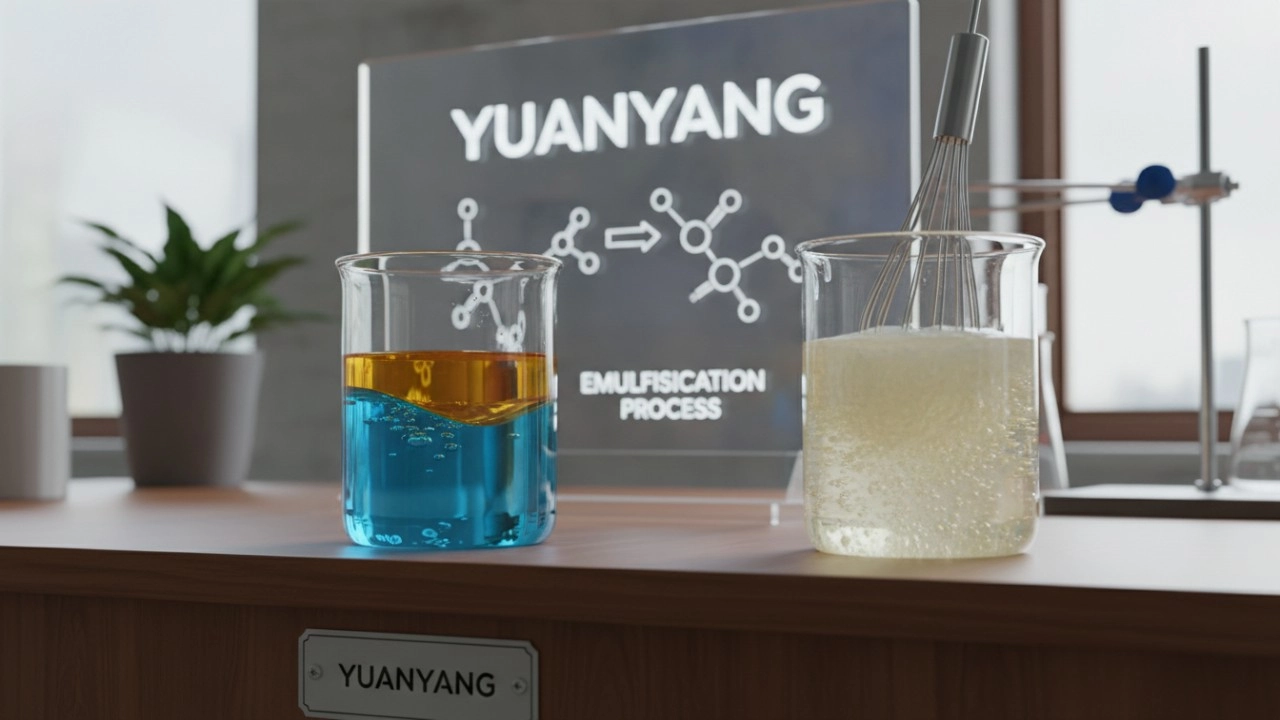
Why Don't Oil and Water Mix? The Ultimate Guide to Polarity and Emulsification Science (2026)
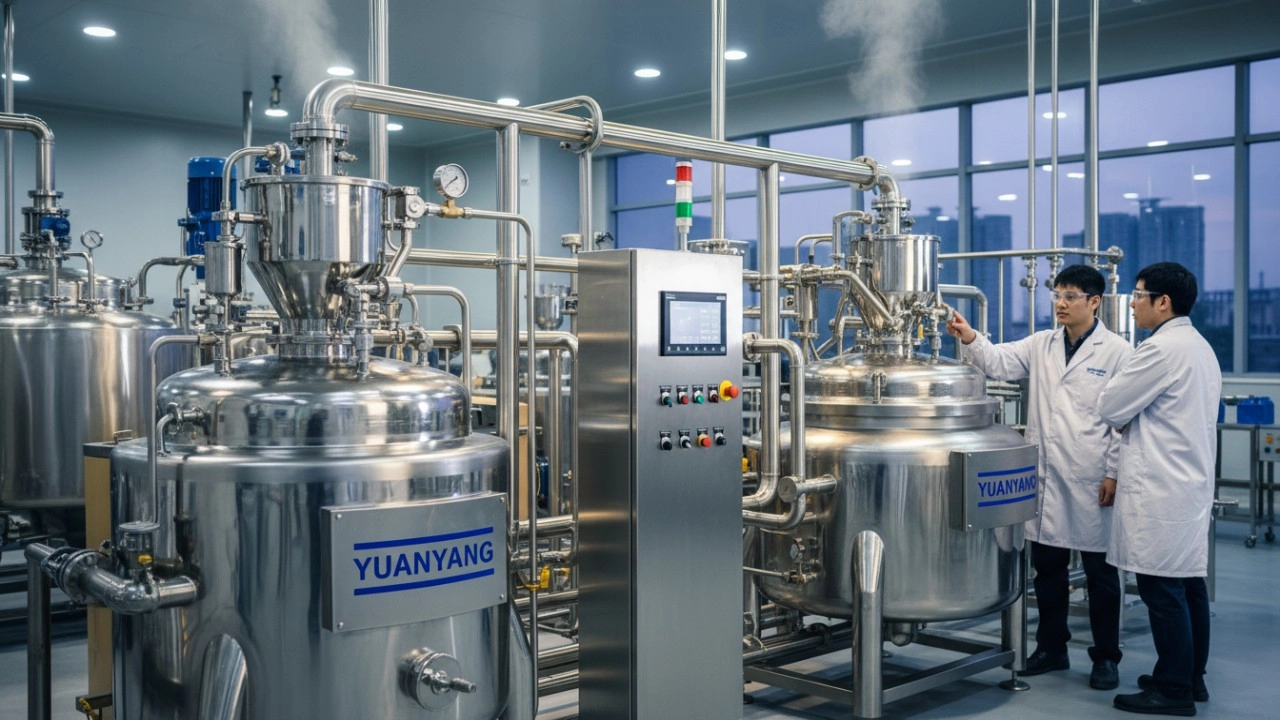
How Emulsification Actually Happens in Industrial Mixing Systems (2026 Guide)
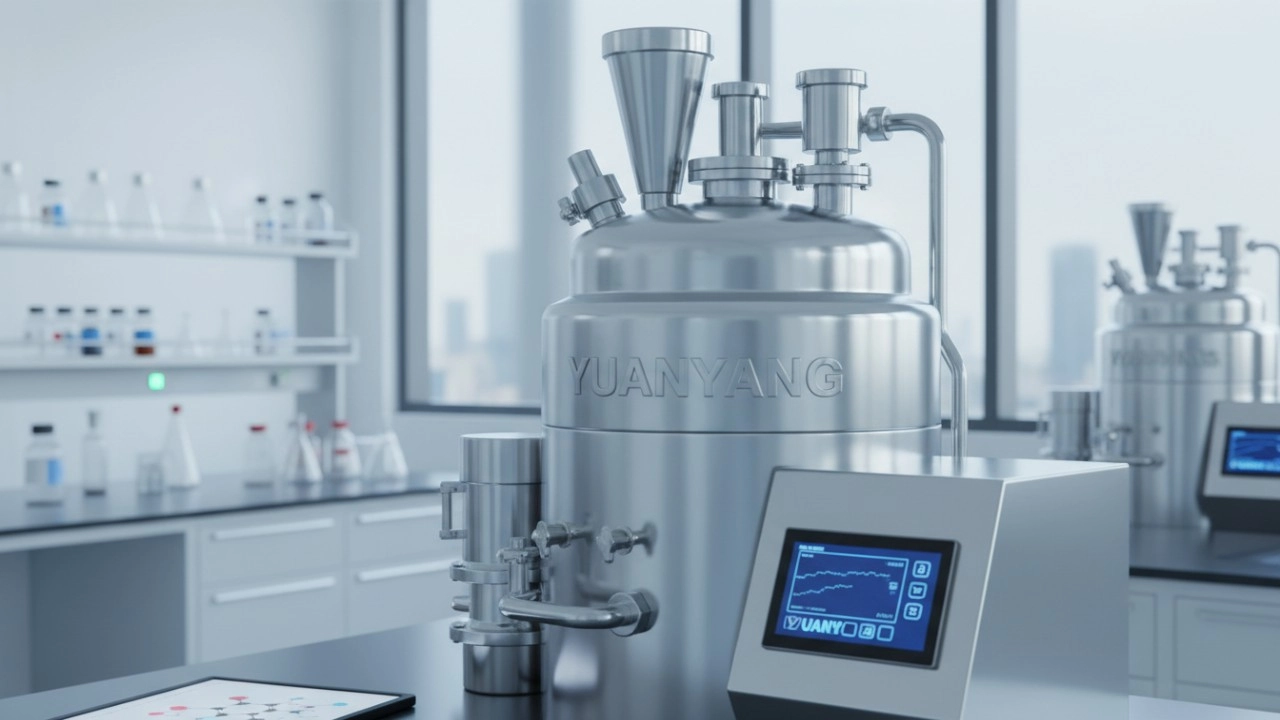
Understanding Vacuum Emulsifying Mixers as a System: From Process Logic to Production Outcomes
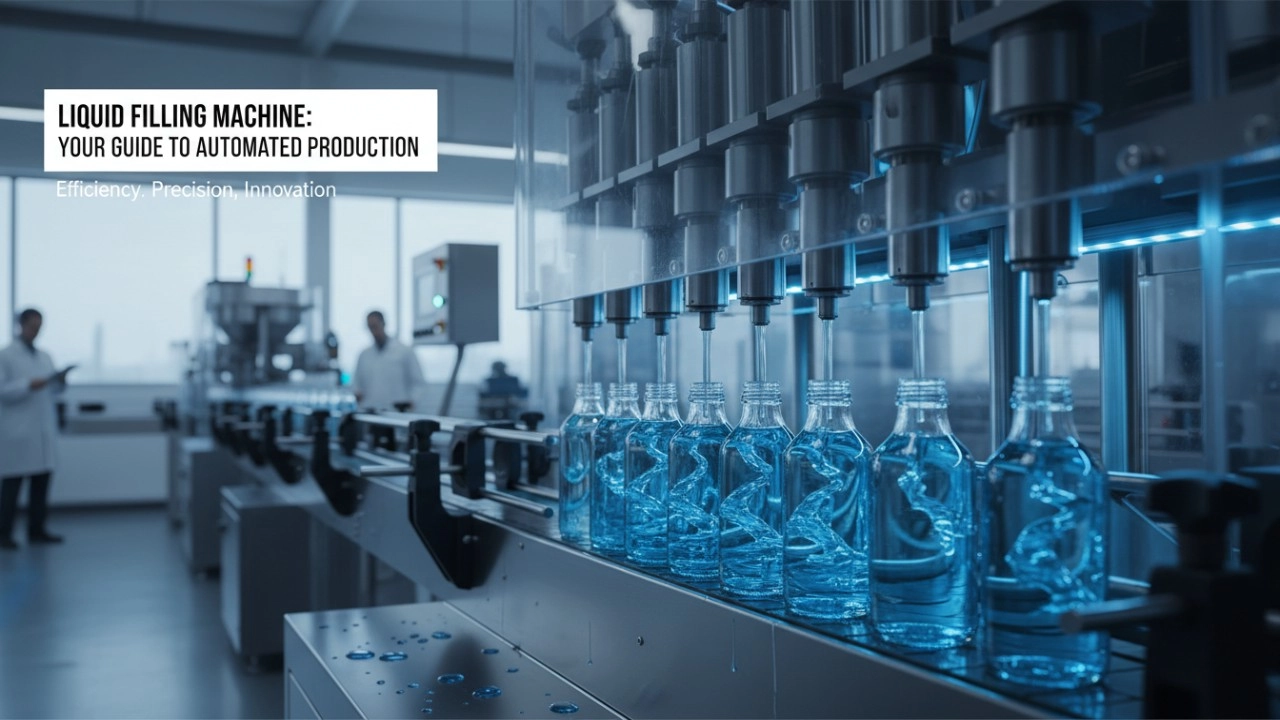
Beyond Automation: How Smart Liquid Filling Machines are Transforming Modern Packaging Lines
7 Dangerous Mistakes Most Companies Make with Underground Storage Tanks (USTs)
Homogenizer Mixing Tank with Circulation System
Can you add load cell system also for the liquid detergent making machine?
Yes, we add load cell upon requirements. Each mixer with 3 sets of load cell, and signal box, and display panel.
Aluminum Foil Sealing Machine
What’s the distance between the bottle neck and sealing head for the best sealing effect?
Generally, the distance between cap and sealing device is no more than 5 mm, and for large diameter bottle,make the distance 8 mm. The longer distance, the weaker power becomes, the larger bottle,requires larger working power.
Liquid Soap Making Machine
What’s the main function of the industrial liquid mixer machine?
The liquid soap mixer machine is a functional equipment. Its main function is blending, mixing, homogenizing, heating. Client’s choose function according to specific products.
FAQs
Do you provide installation service locally?
Yes,we can provide installation service.Generally we’ll send one or two technicians to install your machines ordered from us. You should take care of round-trip tickets, hotels, meals and other accommodations. Daily wage for each person is USD100.
But actually,most products are installed before shipment and some are packed as a complete set. When you receive them,normally you only need to install simply. No need to ask professional engineer for help.
Portable Storage Tank
What’s the thickness of the stainless steel tank for liquids?
The standard thickness for finished products is 3mm, the water tank thickness is 2mm. But the bigger capacity, the layer will be thicker.
Leave a message
Have any questions or concerns about our products? Please leave us a message here, and our team will get back to you promptly.
 Scan QR Code
Facebook
YouTube
LinkedIn
Whatsapp: +8613434139712
Guangzhou Yuanyang Machinery