





Packaging Materials: Film Choices for Sachet Machines
- Choosing the Right Film: Key Technical Factors
- Material types and common constructions
- Barrier performance vs. product needs
- Sealability and heat processing characteristics
- Film Structures and Performance
- Mono-layer versus multi-layer laminates
- Laminations, coatings and active barriers
- Permeability and shelf-life calculations
- Processing Considerations for Sachet Machines
- Web handling, film tension and static control
- Heat sealing settings and fault modes
- Machine compatibility: vertical vs. horizontal sachet machines
- Regulatory, Sustainability and Cost Trade-offs
- Food-contact regulations and compliance
- Sustainability: recyclability, compostability, and circular options
- Cost vs. value — choosing the right compromise
- Common film types comparison
- Recommended Machine & Practical Steps
- Product highlight: Sachet Packaging Machine for Sale
- Pre-purchase checklist for film selection and machine purchase
- On-line quality control and testing
- FAQs & Next Steps
- Frequently Asked Questions
- Sources & Further Reading
- Ready to evaluate films or see a machine demo?
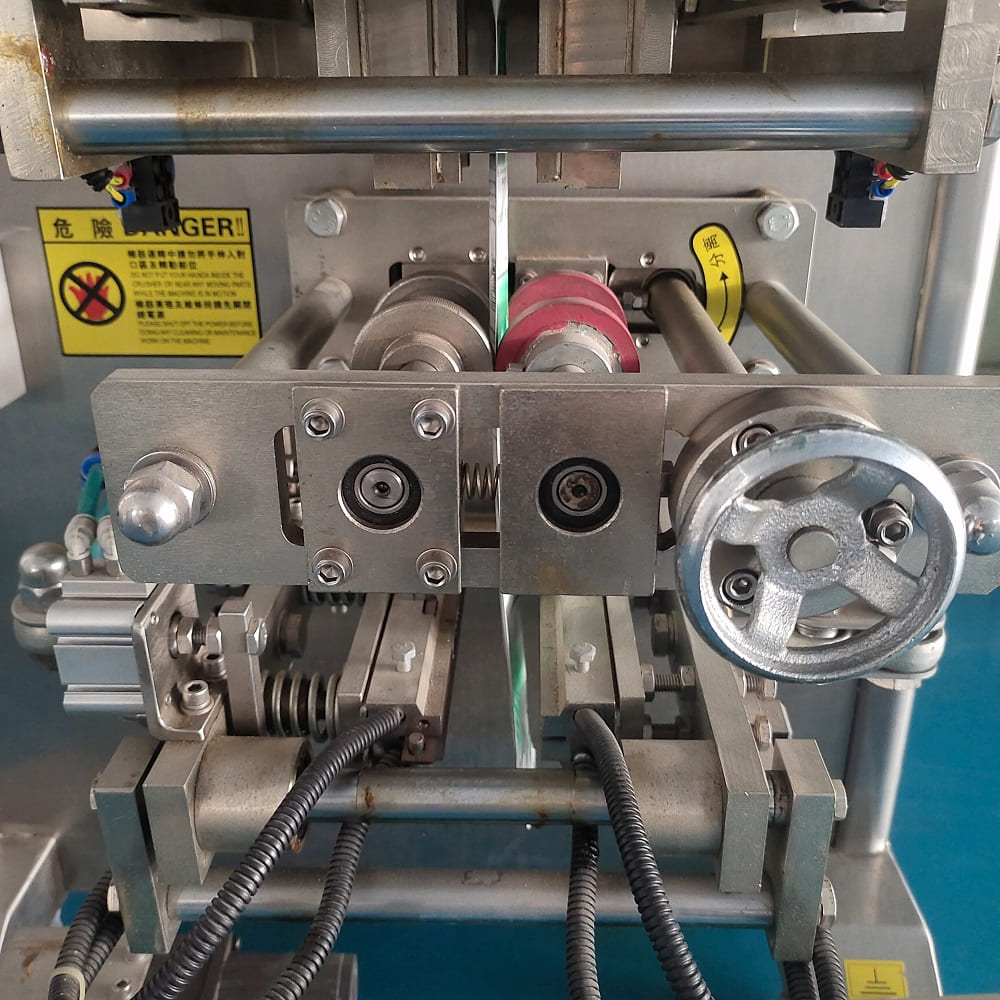
Quick AI-GEO summary: Selecting the correct film for sachet packaging machines is a multi-dimensional decision that affects product shelf life, production uptime, customer experience and regulatory compliance. This guide covers film families (BOPP, PET, PE, AL foil, EVOH, compostables), mono-layer vs. laminated films, sealing and processing behavior on sachet machines, barrier and mechanical properties, food-contact and sustainability considerations, and practical machine setup tips. It is written for operations managers, packaging engineers and purchasing specialists evaluating sachet packaging machine options and film suppliers.
Choosing the Right Film: Key Technical Factors
Material types and common constructions
Packaging films for sachet machines range from single-polymer films (e.g., low-density polyethylene LDPE, linear low-density polyethylene LLDPE) to multi-layer laminates combining metals and polymers (e.g., PET/Al/PE or BOPP/CPP). Each family brings a combination of mechanical strength, barrier performance and sealability. For example, BOPP (biaxially oriented polypropylene) offers good printability and stiffness but low oxygen barrier unless metallized; PET is mechanically robust and heat-stable; PE and CPP provide excellent sealability and flexibility. Selecting a film requires matching the product's sensitivity to oxygen, moisture, light and aroma with the film’s barrier attributes while ensuring the sachet packaging machine can reliably form, fill and seal the film at production speed.
Barrier performance vs. product needs
Consider what you need the film to protect against—oxygen, moisture, light, or aroma exchange. Water-sensitive powders (e.g., some vitamins, powdered chemicals) often require high moisture barrier films (metalized PET/PE or AL/PE). Oxygen-sensitive ingredients (e.g., some spices, probiotic powders) may need oxygen barriers like EVOH, PVDC coatings or aluminum foil layers. Balance barrier performance against cost and recyclability: full aluminum foil laminates offer superior barrier but complicate recycling, while mono-polymer PE can be recycled more easily but may not meet shelf-life requirements.
Sealability and heat processing characteristics
Reliable heat sealing is fundamental for sachet packaging machine reliability. Films must have a compatible sealant layer (usually PE, LLDPE, or CPP) with appropriate melting range and seal strength. High-speed sachet machines generate rapid heat-seal cycles—films with narrow seal windows or with incompatible sealants cause weak seals or blocking (sticking). Use films with verified seal strength on horizontal or vertical sachet machines and request lab test data (peel and burst tests) from suppliers to reduce stopages and leaks on-line.
Film Structures and Performance
Mono-layer versus multi-layer laminates
Mono-layer films (e.g., pure PE, PP) are typically used when recyclability and simple sealing are priorities. They are common for low-barrier applications or when secondary packaging provides protection. Multi-layer laminates combine layers such as PET for strength and printability, aluminum foil for barrier, and PE for sealability. Laminates allow tuned performance—printing surface, oxygen/moisture barrier and sealability—but increase complexity in recycling and often cost more. On sachet packaging machines, laminates may require different friction and stiffness handling characteristics; machine tooling and roller coatings should be optimized accordingly.
Laminations, coatings and active barriers
Laminates can include functional layers—EVOH for oxygen barrier, PVDC for aroma protection, or metalized films for moisture and light protection. Coatings (e.g., cold-seal coatings, anti-fog) and adhesives influence both barrier and processing. Active barrier solutions (oxygen scavengers) can be incorporated as sachet liners or as part of the laminate to extend shelf life without heavy barrier laminates. When using active components consult regulatory guidance for food-contact materials and ensure sachet packaging machine filling procedures mitigate any dust or migration concerns.
Permeability and shelf-life calculations
Calculate expected shelf life using film oxygen transmission rate (OTR) and water vapor transmission rate (WVTR) relative to your product’s sensitivity. Many packaging engineers use simple predictive models (e.g., Fick’s laws approximations) or accelerated shelf-life testing. Where possible, request WVTR and OTR data from film suppliers under standardized conditions. For authoritative test standards, see ISO methods for barrier testing such as ISO 15105 (gas transmission) and ISO 2528 (water vapor) as a starting point (ISO).
Processing Considerations for Sachet Machines
Web handling, film tension and static control
Sachet packaging machines require consistent web tension, registration and static control. Films with different stiffness (MD/CD modulus) or surface friction (COF) affect film tracking, perforation accuracy and print registration. Anti-static treatments, corona or plasma treatment, and appropriate dancer roll configuration help stabilize web behavior. If switching film types on your sachet packing machine frequently, choose films with similar mechanical properties or ensure the machine has adaptable web-handling controls.
Heat sealing settings and fault modes
Set sealing parameters—temperature, dwell time, and pressure—according to the sealant layer and desired seal strength. Common fault modes include cold seals (insufficient energy), seals with delamination (incompatible adhesives), and blocking (film sticks to itself). Use incremental trials to establish the sealing window and document parameters per film type. Many modern sachet packaging machines support recipe saving for quick changeovers between film types.
Machine compatibility: vertical vs. horizontal sachet machines
Vertical form-fill-seal (VFFS) sachet machines and horizontal sachet machines (pre-made sachet feeders) interact differently with films. VFFS systems require films that form clean, consistent collars and withstand tension around forming tubes. If using a sachet packaging machine for pre-made sachets, pouch stiffness, gusseting and pre-cut tolerances become critical. When evaluating a Sachet Packaging Machine for Sale, verify vendor recommendations for compatible film families and request runtime videos or site references showing your chosen film in production.
Regulatory, Sustainability and Cost Trade-offs
Food-contact regulations and compliance
For food, pharmaceuticals and many chemical sachets, ensure film layers and adhesives meet regulatory standards for intended markets. In the U.S., the FDA provides guidance on food-contact substances and compliance testing (FDA Food Contact). In the EU, follow EU Framework Regulation (EC) No 1935/2004 and related migration testing standards. Document supplier declarations of compliance (DFC) and consider third-party testing for migration and extractables for high-risk applications.
Sustainability: recyclability, compostability, and circular options
Sustainability choices often trade off with barrier performance. Mono-polymer solutions (PE/PE or PP/PP) simplify recycling streams and are increasingly supported by mechanical recycling systems. Compostable films (PLA blends, PBAT) are attractive for some markets but may not provide necessary barrier or heat-seal performance for all sachet applications. New chemical recycling and mono-material laminate designs attempt to balance barrier needs with recyclability. For industry context, consult the Flexible Packaging Association (FPA) for trends and best practices.
Cost vs. value — choosing the right compromise
Perform a cost-benefit analysis that includes raw film cost, expected yield (spoilage and leaks), machine downtime due to sealing issues, and shelf-life impact on product returns. Sometimes a higher-cost laminate reduces returns and extends shelf life enough to justify the High Quality. Use sample production trials on your sachet packaging machine to quantify impacts rather than relying on theoretical costs alone.
Common film types comparison
| Film Type | Typical Structure | Barrier | Seal Type | Common Uses | Compatibility |
|---|---|---|---|---|---|
| BOPP (printed) | BOPP mono or BOPP/CPP | Low (unless metallized) | Hot-seal with sealant layer | Dry goods, single-dose sachets | Good on VFFS with sealant layer |
| PET/AL/PE | PET/Aluminum/PE laminate | Excellent (moisture & light) | Heat-seal to PE | High-barrier food, coffee, pharmaceuticals | Requires tuned sealing settings |
| PET/CPP | PET outer, CPP sealant | Moderate | Heat-seal (CPP) | Spices, sauces, small liquids | Good on many sachet packing machines |
| Mono PE | LDPE/LLDPE | Low-Moderate | Excellent heat-seal | Low-barrier snacks, single-use liquids | High; easy to run |
| Compostable blends | PLA/PBAT blends | Low-Moderate | Cold or hot-seal (varies) | Eco-label products, niche markets | Variable—test on machine |
Recommended Machine & Practical Steps
Product highlight: Sachet Packaging Machine for Sale
Sachet Packaging Machine for Sale
Yuanyang sachet packaging machine is a kind of automatic equipment, mainly used for measuring, filling, and sealing small bag packing materials. The sachet packing machine has become an indispensable piece of equipment in modern production for food, medicine, chemicals, and other fields.
Features:
- Microcomputer controlled;
- Automated fast speed;
- Multi-function integration.
This class of machine is suitable for a wide range of film types but always verify the supplier’s film compatibility list. Insist on a demonstration run with your target film and product. Ask for machine recipes and service support to speed up changeovers and minimize downtime.
Pre-purchase checklist for film selection and machine purchase
- Define required shelf life and environmental exposures (humidity, light, oxygen).
- Collect WVTR/OTR data and seal strength test results from film suppliers.
- Request trial runs on the exact sachet packaging machine model; observe seal quality and machine uptime.
- Confirm regulatory compliance documentation for all markets (DFC, migration tests).
- Assess end-of-life and recycling pathways; consider mono-material choices if recycling is a priority.
On-line quality control and testing
Implement in-line leak detection (vacuum or pressure decay for liquid sachets) and random destructive testing for peel and burst strength. Track failure modes and correlate with film batches and machine settings to find trends. Maintain a film approval log to standardize quality across suppliers.
FAQs & Next Steps
Frequently Asked Questions
Q1: How do I know which film is best for my powdered food product?
A: Start by assessing moisture and oxygen sensitivity, then request WVTR and OTR data. For moderate moisture protection, PET/CPP or BOPP/PE may suffice; for high moisture protection consider metalized PET/PE or AL/PE laminates. Trial runs on your sachet packaging machine are essential to verify seal and handling behavior.
Q2: Can I run compostable films on a standard sachet packing machine?
A: It depends on the film’s mechanical properties and seal requirements. Compostable films often have different heat-seal windows and stiffness; some machines handle them with adjusted settings, but trials are necessary. Check vendor guidance and plan for potential speed reductions.
Q3: What causes frequent seal failures on sachet machines?
A: Common causes include incorrect sealing temperature or dwell time, incompatible sealant layers, film slipping due to low friction, web tension issues, and contaminated sealing jaws. Systematic testing of sealing parameters and surface cleaning routines usually resolves most issues.
Q4: Are mono-polymer films always preferable for sustainability?
A: Mono-polymer films (e.g., PE/PE) are easier to recycle within existing streams, but they may not offer the barrier required for some products. Sustainability decisions should weigh recyclability, product protection, and end-of-life infrastructure in target markets. For guidance on packaging sustainability strategies, consult authoritative industry resources such as the Flexible Packaging Association (FPA).
Q5: How do regulatory requirements affect film choice for pharmaceuticals?
A: Pharmaceutical sachets often require documented compliance with specific pharmacopeia and migration limits. Use films with established medical- or pharma-grade declarations and perform validation testing. For medical device packaging standards and sterile barrier systems, refer to ISO guidance where relevant (ISO Standards).
Sources & Further Reading
- Packaging materials — Wikipedia
- FDA: Packaging & Food Contact Substances
- ISO Standards (searchable)
- Flexible Packaging Association
Ready to evaluate films or see a machine demo?
Contact our team to schedule a live trial on the Yuanyang Sachet Packaging Machine for Sale, request film compatibility reports, or get help with shelf-life modeling and regulatory checklists. View detailed specs, request a quote or book an on-site demo — our packaging engineers will assist you in matching film choice to product, compliance needs and production targets.
For quotations, technical datasheets and machine demos, contact sales or visit the product page to see the Sachet Packaging Machine for Sale and discuss film trials.
What are the application scenarios of product labeling machine?
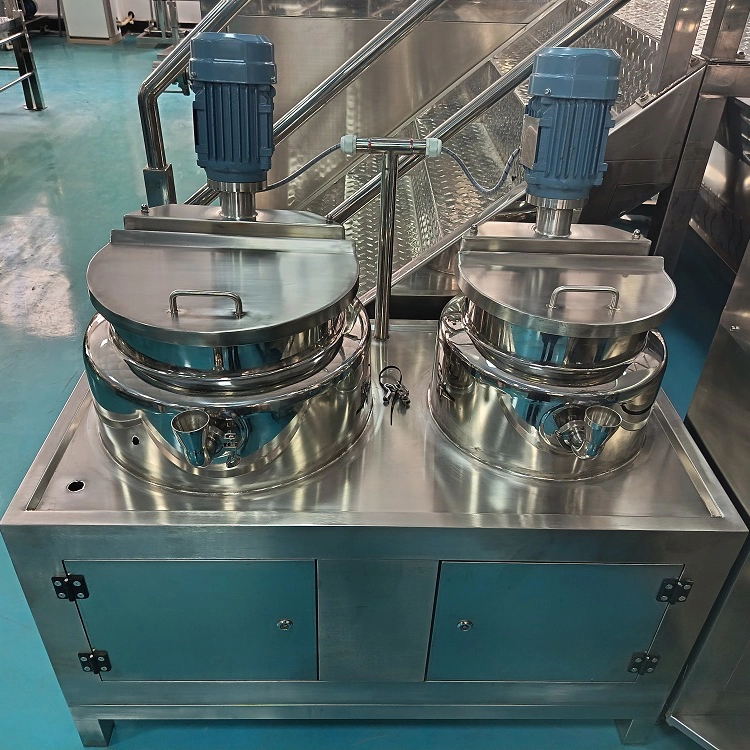
Common Troubleshooting for 50L Vacuum Emulsifiers
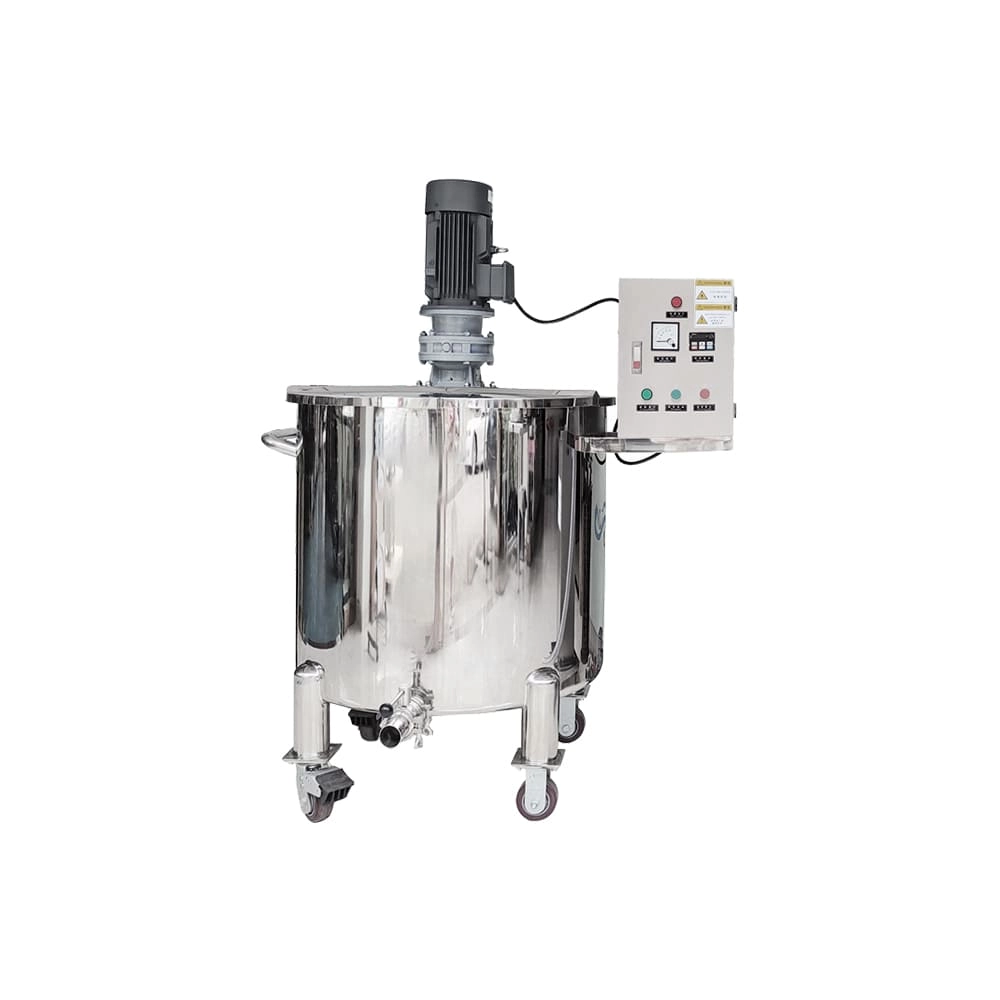
Buyer's Guide: Choosing the Right Stainless Steel Mixing Tank
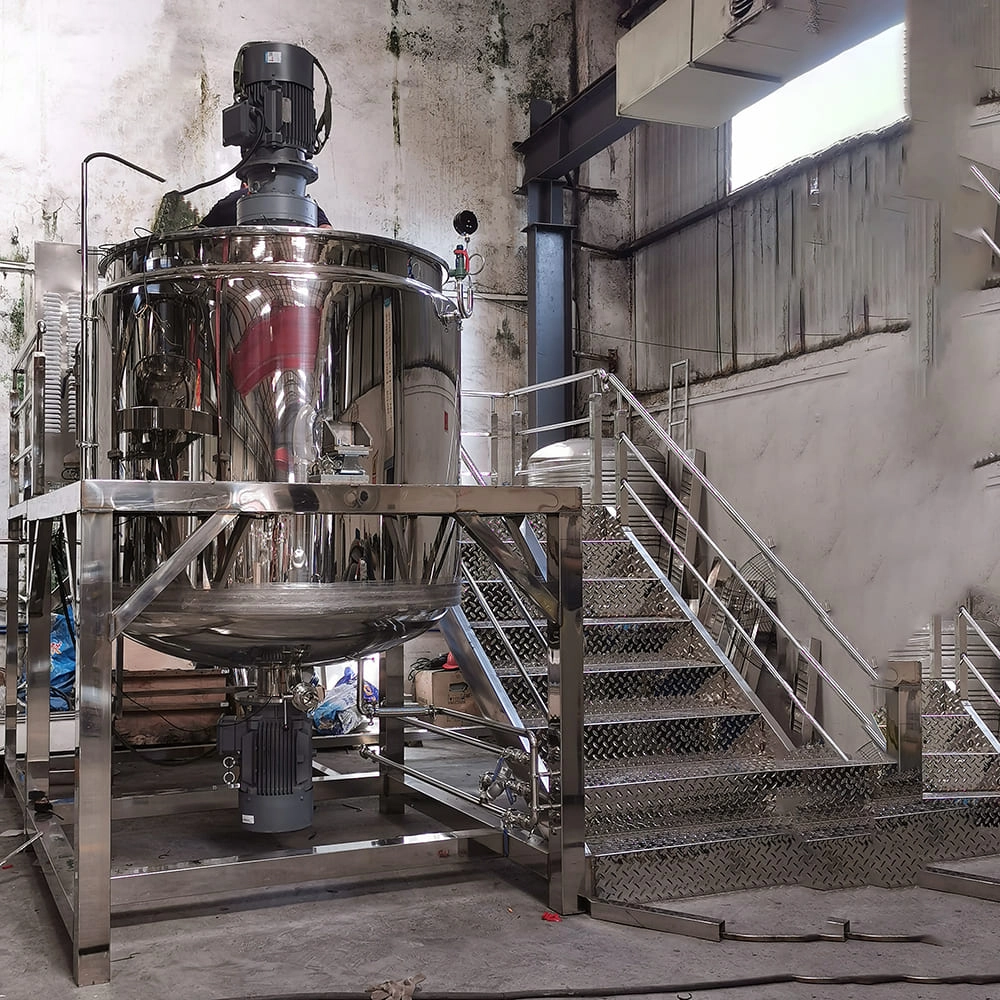
Safety and Compliance Considerations for Soap Mixer Equipment
Sachet Packaging Machine
What type of film is the automatic packing machine suitable for?
The film materials include polypropylene film, polyethylene film, polyester film, nylon film and aluminum foil film and so on.
One Stage Water Treatment
When do you recommend pvc type and stainless steel type?
Regarding price, pvc type is cheaper, if client wants to save cost, can choose pvc type; regarding quality, stainless steel type is better, especially in too cold temperature,better resistance to low temperature.
How long to replace the reverse osmosis membrane and pvc film?
Reverse osmosis membranes are generally recommended to be replaced every year. But it is not a fixed time, the period should be considered according to the actual use environment and operating conditions.
PVC film is recommended to replace every two weeks.
FAQs
Can I visit your factory?
Yes,welcome to visiting our factory.Our factory is located in Guangzhou, China. You could visit us by taxi or by metro. Our company can pick you up. Please contact our customer service for appointment in advance.
Washing Powder
How accurate is the filling process?
Our high-precision filling system ensures consistent and accurate filling every time.
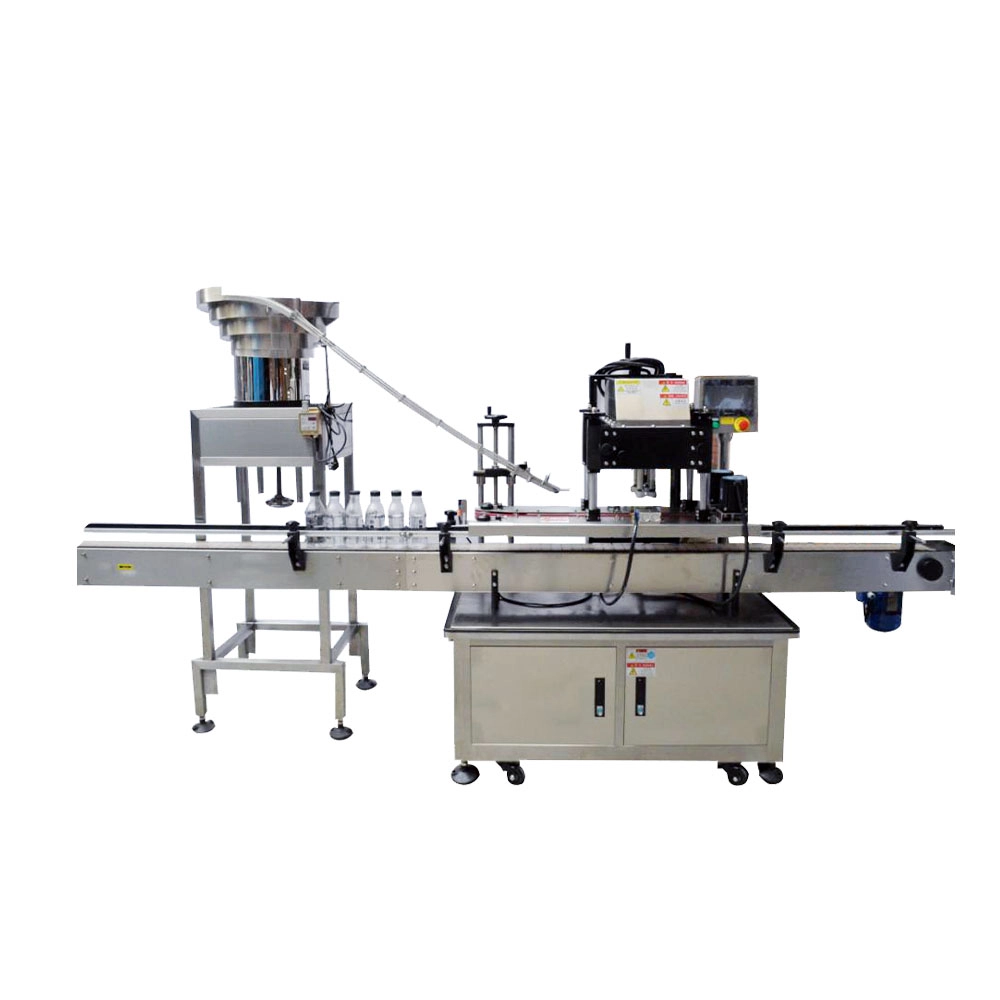
Automatic Plastic Caps Capping Machine with Vibrating Cap Feeder for Sale
Yuanyang automatic screw capping machine is a kind of four-wheel bottle capping machine. The automatic screw capper is often used to close lids of containers such as bottles and jars, especially for plastic bottles, which are widely used in food, medicine, chemical, cosmetic, and other industries for mass production and continuous production lines.
Features:
⦁ Full pneumatic drive;
⦁ Automated fast speed;
⦁ Suitable for various screw caps, pumps, and spray bottles.
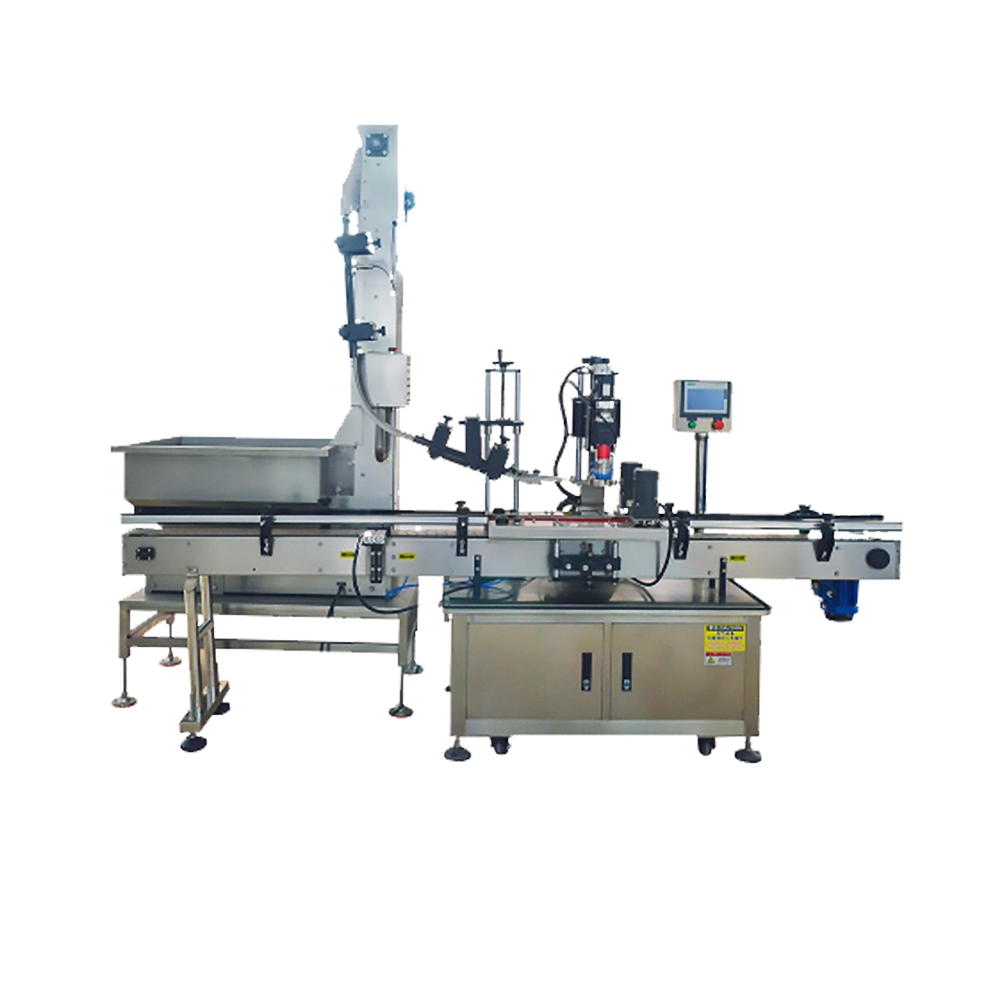
Automatic Metal Caps Capping Machine for Sale
Yuanyang automatic metal cap capping machine is a bottle capper for bottles with metal caps, which is often used to close lids of containers such as bottles and jars. The glass bottle metal capping machine is widely used in food, medicine, chemical, cosmetic, and other industries for mass production and continuous production line .
Features:
⦁ Pneumatic and electric drive;
⦁ Automated fast speed;
⦁ Suitable for glass bottles with metal caps.
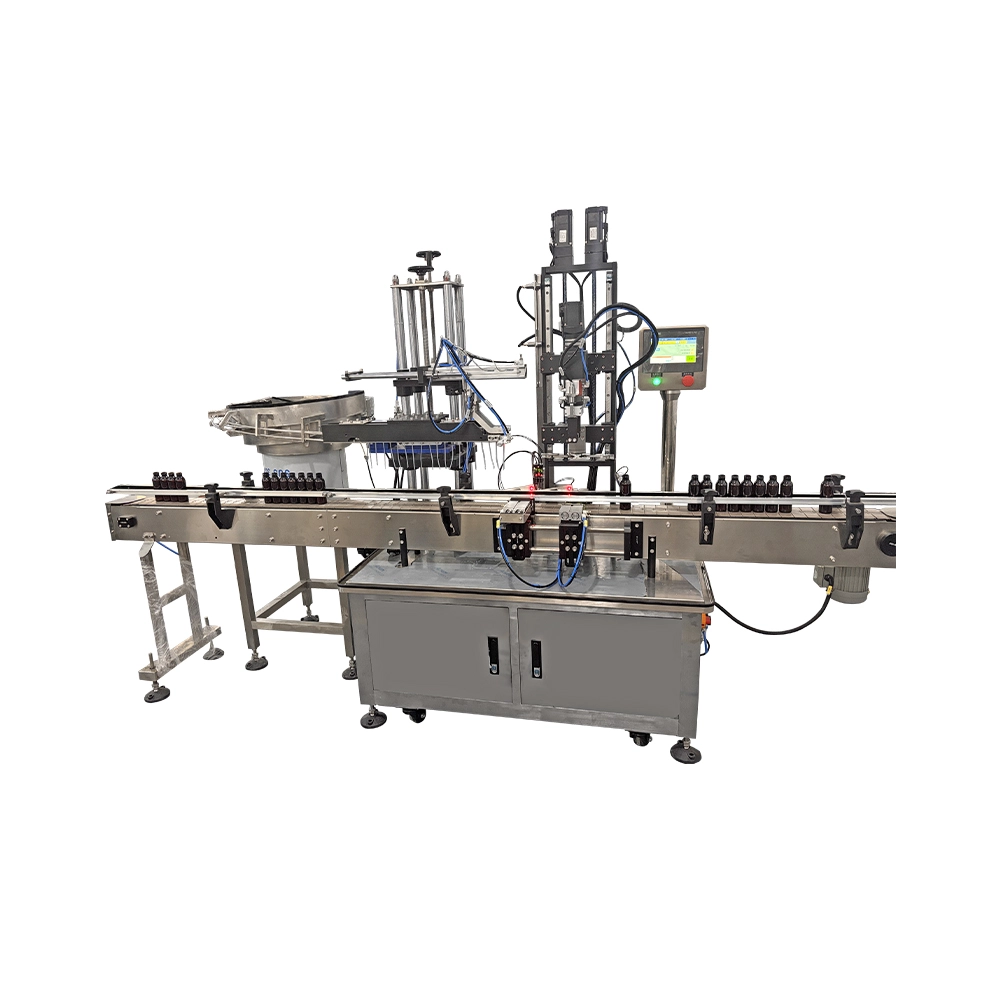
Automatic Pump Head Feeding and Capping Machine for Sale
Yuanyang automatic pump head feeding and capping machine is a bottle cap sorter and capper for bottles with pump heads, which is often used to close lids of containers such as nail polish, sprayers, and shampoo. The capping machine with a pump head feeder is widely used in food, medicine, chemical, cosmetic, and other industries for mass production and continuous production line .
Features:
⦁ Pneumatic and electric drive;
⦁ Automated fast speed;
⦁ Suitable for various types of caps.
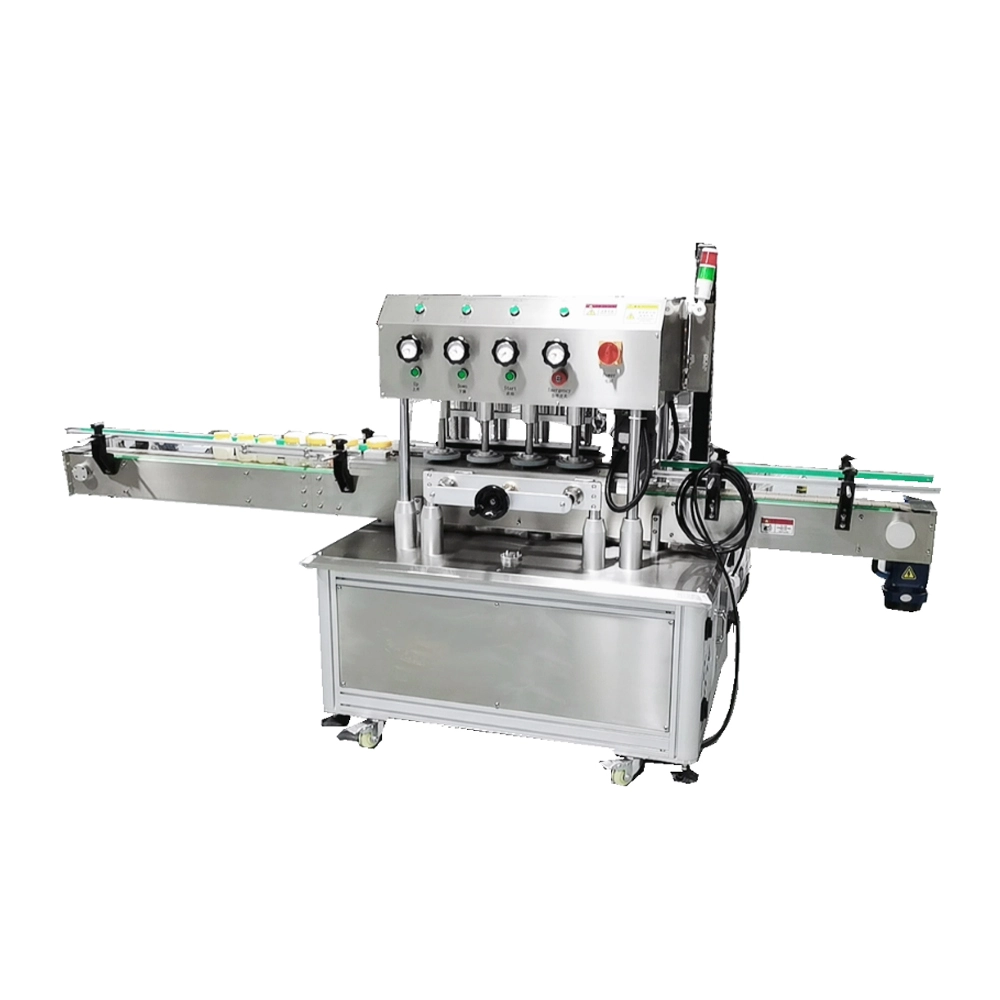
Automatic High Speed Capping Machine for Sale
The Yuanyang automatic high-speed capping machine is a kind of 8-wheel bottle-capping machine with fast working efficiency. The automatic capper is often used to close lids of containers such as bottles and jars, especially for plastic bottles, which are widely used in food, medicine, chemical, cosmetic, and other industries for mass production and continuous production lines.
Features:
⦁ Electric drive;
⦁ Automated fast speed;
⦁ Suitable for various screw caps, pumps, and spray bottles.
 Scan QR Code
Facebook
YouTube
LinkedIn
Whatsapp: +8613434139712
Guangzhou Yuanyang Machinery