





Sanitation and CIP Strategies for Stainless Steel Mixing Tanks
- Fundamental Principles of Sanitation for Stainless Steel Mixing Tanks
- Material selection and surface finish
- Tank geometry and hygienic design
- Regulatory and industry standards
- Cleaning-in-Place (CIP) Strategies for Mixing Tanks
- CIP cycle components and common steps
- Optimizing chemical selection, concentration and temperature
- Validating CIP effectiveness
- Practical Sanitation Practices for Single Layer Agitator Tank for Sale
- Product overview and fit-for-purpose sanitation
- Preparing the tank for CIP
- Agitator and scraper considerations
- Validation, Troubleshooting and Maintenance
- Microbial testing and routine monitoring
- Common sanitation failures and corrective actions
- Maintenance schedule and spare parts
- Comparing Cleaning Methods and When to Use Them
- Brand Strengths: Why Choose Yuanyang's Single Layer Agitator Tank
- Hygienic design tailored for low-viscosity production
- Serviceability, compliance and support
- Customization and lifecycle support
- Frequently Asked Questions (FAQ)
- Q: How often should I validate CIP cycles for stainless steel mixing tanks?
- Q: Can I run CIP in a Single Layer Agitator Tank with a half-open cover?
- Q: What are the signs that PTFE scrapers need replacement?
- Q: Are there standard acceptance criteria for final rinse water?
- Q: How do I choose between manual cleaning and CIP?
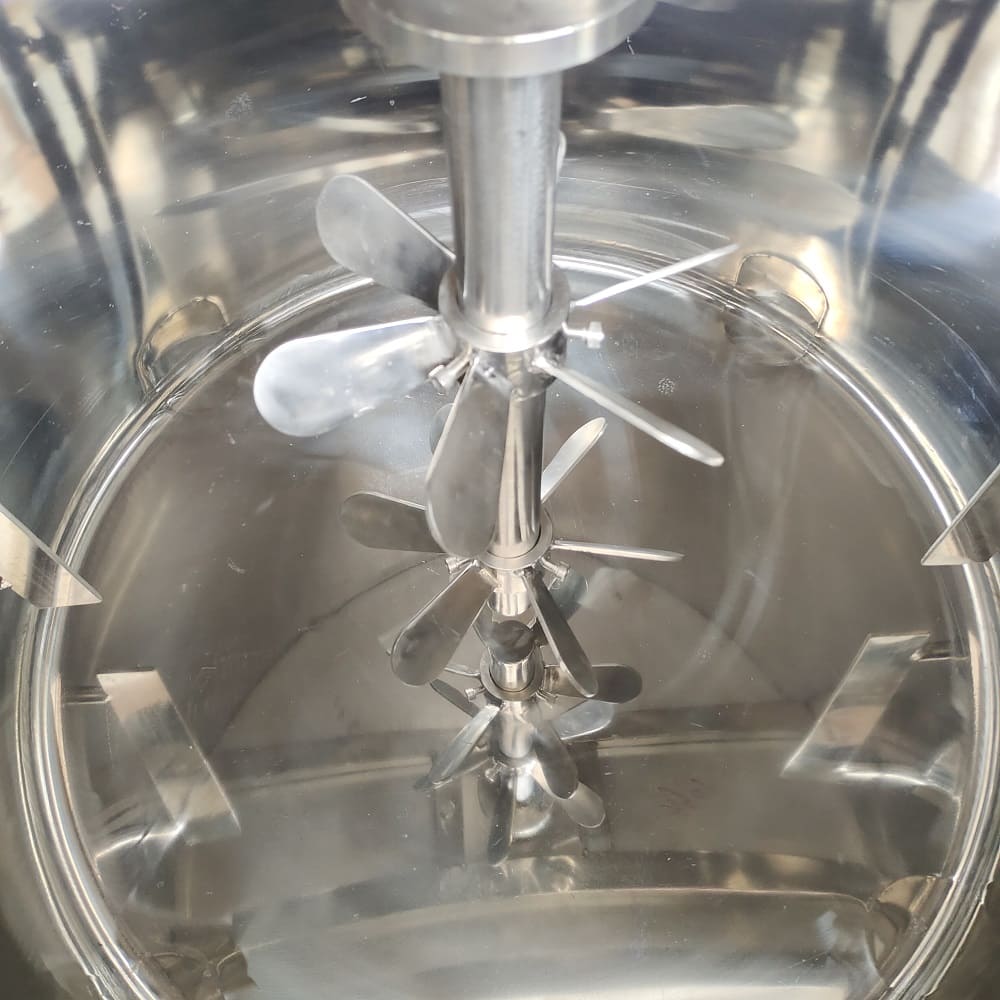
Stainless steel mixing tanks are cornerstones of hygienic processing across food, pharmaceutical, cosmetic and specialty chemical industries. Robust sanitation and reliable CIP (Cleaning-in-Place) programs are essential to prevent product contamination, reduce downtime and ensure regulatory compliance. This article distills industry best practices, standards and practical steps for designing, operating and validating sanitation regimes—especially for agitated vessels like the Single Layer Agitator Tank for Sale—so teams can implement effective, repeatable cleaning that protects product quality and production efficiency. Once sanitation requirements are defined, many facilities explore upgrades through customization options and accessories for agitator tanks to better match specific processes.
Fundamental Principles of Sanitation for Stainless Steel Mixing Tanks
Material selection and surface finish
Choosing the right stainless steel grade and surface finish is the first defense against microbial attachment and fouling. Austenitic stainless steels such as 304 and 316L are widely used because of corrosion resistance and cleanability. For hygienic applications, 316L is often preferred due to its molybdenum content and lower susceptibility to pitting.
Surface roughness (Ra) strongly influences cleanability: smoother, electropolished or mechanically polished surfaces reduce retention sites for residues and biofilms. Industry hygienic design guidance such as EHEDG and 3-A recommend surface finishes appropriate for the product and cleaning regime. For reference, EHEDG guidance is available at EHEDG and 3-A sanitary standards at 3-A.
Tank geometry and hygienic design
Sanitary design minimizes crevices, deadlegs, and stagnant zones where product or liquid can collect. Critical points include welds, manways, agitator penetrations, inlet/outlet nozzles and seals. Rounded interiors, sloped bottoms and properly located drain ports improve drainability. For agitator tanks, consider shaft seals and bearing housings that prevent ingress and allow for hygienic access for inspection.
Design guidance from recognized authorities—such as ASME BPE for bioprocess systems (ASME)—helps ensure designs meet cleanability and validation expectations.
Regulatory and industry standards
Sanitation programs must align with local regulations and industry practices. Food and beverage operations commonly follow FDA guidelines and the Food Code; pharmaceutical manufacturers follow GMPs and pharmacopoeial standards. Referencing internationally recognized standards (EHEDG, 3-A, ASME BPE) helps demonstrate E-E-A-T compliant practices and supports audits and product approvals.
Cleaning-in-Place (CIP) Strategies for Mixing Tanks
CIP cycle components and common steps
A typical CIP cycle includes pre-rinse, alkaline wash, intermediate rinse, acid wash (if needed), final rinse and sanitization. For mixing tanks with agitators, CIP effectiveness depends on ensuring turbulent flow and mechanical action to dislodge soils. Typical sequence:
- Pre-rinse: remove loose residues with warm water (reduces chemical demand).
- Alkaline wash: saponify and solubilize fats/proteins using caustic or alkaline detergents.
- Intermediate rinse: remove residues and detergent before acid step.
- Acid wash (if required): remove mineral scale and neutralize alkali.
- Final rinse: flush to acceptable conductivity or TOC level.
- Sanitization: thermal or chemical sanitizers depending on product criticality.
For low-viscosity liquid products processed in stainless steel mixing tanks, adjusting flow patterns via recirculation and using spray devices can improve reach to all internal surfaces.
Optimizing chemical selection, concentration and temperature
Choice of detergents depends on soil type: alkaline detergents for proteins and fats; acid detergents for mineral scale. Temperature accelerates cleaning chemistry—many caustic washes are more effective at 50–70°C—while contact time and turbulence are equally important. Monitor concentration and temperature using in-line sensors to ensure each CIP pass meets target parameters.
Validating CIP effectiveness
Validation demonstrates that CIP consistently achieves cleanliness criteria. Common validation methods include ATP bioluminescence swabs for rapid ATP detection, TOC (Total Organic Carbon) monitoring of rinse water, visual inspection protocols, microbial plating and conductivity checks during final rinse. Establish acceptance criteria (e.g., ATP threshold, TOC level, microbial limits) and document routine verification to satisfy auditors and regulators. For validation frameworks, see FDA guidance and relevant pharmacopeial standards; practical industry approaches are discussed by agencies such as the U.S. FDA.
Practical Sanitation Practices for Single Layer Agitator Tank for Sale
Product overview and fit-for-purpose sanitation
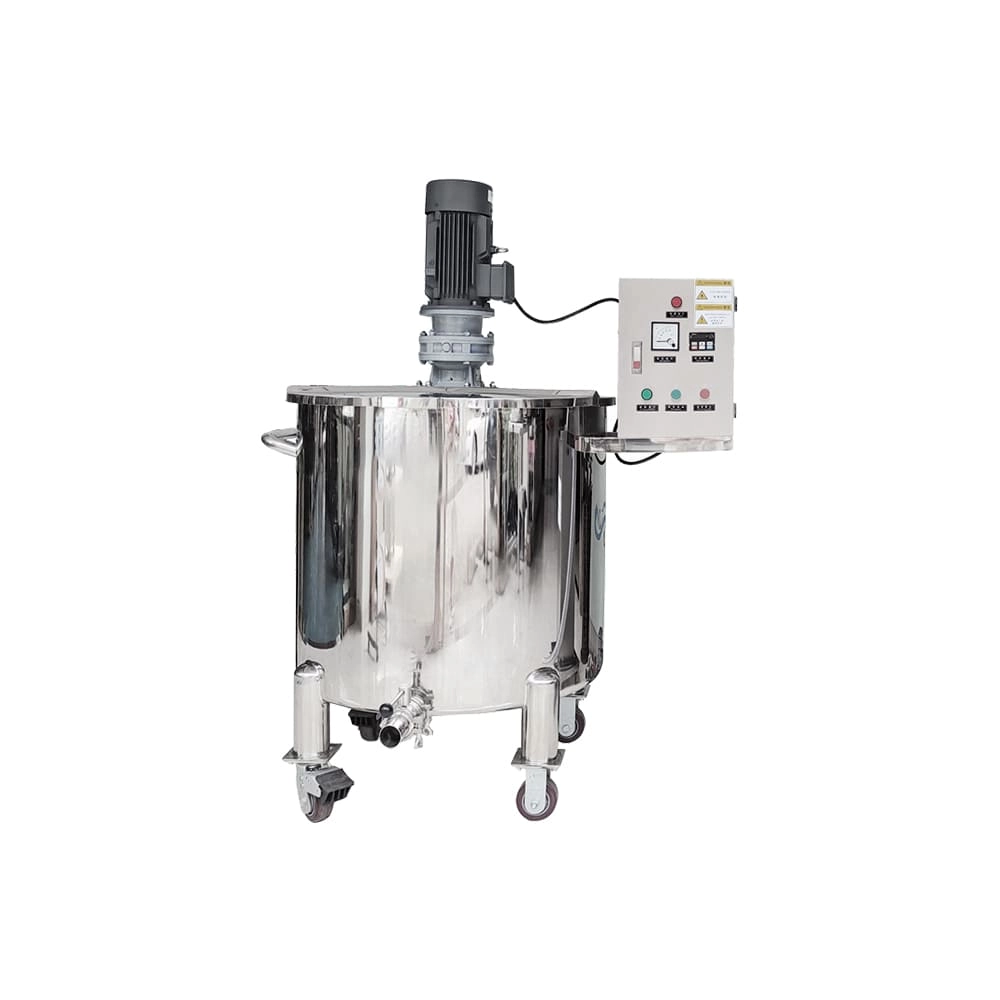
Yuanyang single-layer agitator tank is a mixing tank with agitator paddles, mainly applied for liquid materials mixing and blending, which is widely used to manufacture low-viscosity liquids and prepare for cosmetics, pharmaceuticals, chemicals, and food industries.
Features:
⦁ Half-open cover;
⦁ Frame mixing with PTFE scrapers
⦁ Suitable for products of low viscosity liquid products;
This single-layer agitator tank is optimized for low-viscosity products that typically present fewer cleaning challenges than high-fat or high-protein formulations. However, the presence of an agitator introduces contact points and potential dead zones that must be addressed by CIP design—PTFE scrapers and well-designed impeller geometries help reduce film formation and improve shear cleaning action.
Preparing the tank for CIP
Before initiating CIP, ensure the tank is properly drained and gross residues are removed. For half-open covers, secure covers to prevent external contamination. Verify all sight glasses, instrumentation and removable components (e.g., spray devices, manways) are properly closed or removed for separate cleaning if required. Check that PTFE scrapers are in good condition; worn scrapers reduce contact efficiency and can allow residue buildup at the shell-wall interface.
Agitator and scraper considerations
Agitator shafts, seals and scrapers must be hygienically designed to avoid entrapment points. Where possible, use sanitary shaft seals (e.g., flushless or balanced seals that are CIP-compatible) and designs that allow shaft removal without cutting or dismantling adjacent piping. For tanks with PTFE scrapers, schedule periodic inspection and replacement as part of preventive maintenance to maintain scraping contact and avoid accumulation of product film on the tank wall.
Validation, Troubleshooting and Maintenance
Microbial testing and routine monitoring
Adopt a layered monitoring approach:
- Daily/shift visual checks and end-of-run conductivity/TOC monitors on CIP return lines.
- Frequent ATP swabs at critical points (bottom drain, under scrapers, manway seals) for rapid detection.
- Periodic microbial plate counts and specific pathogen testing as required by product risk (e.g., 3rd party labs for challenge testing).
Set action levels and corrective actions—e.g., if ATP exceeds threshold, pause production, re-run CIP with adjusted parameters and re-test.
Common sanitation failures and corrective actions
Typical failure modes and fixes:
- Poor drainage or residual pools: rebalance tank slope or modify drain port; add internal baffles or change outlet location.
- Inadequate agitation during CIP: adjust recirculation pump rates or use auxiliary spray balls/rotary jet heads.
- Recurring biofilm: increase chemical concentration, temperature or contact time; perform mechanical cleaning and review surface finish.
Maintenance schedule and spare parts
Maintain a preventive schedule for seal replacements, scraper inspection, agitator bearings and CIP spray devices. Keep critical spares (PTFE scrapers, sanitary seals, gaskets, spray balls) on-site to minimize downtime. Document maintenance actions and correlate with CIP performance metrics to spot trends early.
Comparing Cleaning Methods and When to Use Them
Below is a concise comparison of common cleaning methods for stainless steel mixing tanks. Use this to select the right approach for your product risk profile, production cadence and regulatory needs.
| Method | Best for | Typical cycle time | Chemical use | Advantages | Disadvantages |
|---|---|---|---|---|---|
| Manual cleaning | Small batch tanks, heavy soils | 30 min–several hours | Detergents, brushes | Effective for localized heavy residue; low initial cost | Labor intensive; human error; safety concerns |
| CIP (automated) | High throughput, repeatable cleanliness | 10–60 min | Controlled detergents, caustic/acid | Repeatable, traceable, reduces labor | Upfront system cost; needs validation |
| SIP (Sterilize-in-Place) | Sterile pharmaceutical processes | 30–120 min | Steam or chemical sterilants | Achieves sterility assurance levels | Energy intensive; not always necessary for food/chemicals |
Brand Strengths: Why Choose Yuanyang's Single Layer Agitator Tank
Hygienic design tailored for low-viscosity production
Yuanyang's Single Layer Agitator Tank for Sale is engineered for blending and mixing low-viscosity liquids in cosmetics, pharmaceuticals, food and chemical production. The combination of PTFE scrapers and frame mixing reduces wall build-up and improves in-process homogeneity, simplifying CIP operations and lowering chemical demand.
Serviceability, compliance and support
Key advantages include accessible half-open covers for inspection, CIP-compatible components and options for sanitary seals and instrumentation. Yuanyang can support documentation for audits, including material certificates, surface finish reports and CIP validation guidance to help meet regulatory and customer requirements.
Customization and lifecycle support
Whether you need modifications to nozzle placement, spray ball arrangements, or upgraded surface finishes (electropolish), Yuanyang offers customization to match product and CIP requirements. Preventive maintenance packages, spare parts kits and technical support further reduce total cost of ownership.
Frequently Asked Questions (FAQ)
Q: How often should I validate CIP cycles for stainless steel mixing tanks?
A: Validation frequency depends on risk and regulatory requirements. For food operations, validate during installation, after major changes, and periodically (e.g., annually) or when performance metrics indicate drift. High-risk pharmaceutical processes usually require more frequent and documented re-validation.
Q: Can I run CIP in a Single Layer Agitator Tank with a half-open cover?
A: Yes. Ensure the cover is properly secured to prevent external contamination during CIP. Confirm that spray devices and recirculation lines provide sufficient coverage. For aerosols or steam sanitization, check that the half-open design meets operational safety and containment needs.
Q: What are the signs that PTFE scrapers need replacement?
A: Look for reduced scraping contact, visible gaps, wear marks, or persistent film on the tank wall after CIP. Replace scrapers proactively to maintain cleaning efficiency and prevent product trapping.
Q: Are there standard acceptance criteria for final rinse water?
A: Acceptance criteria vary by industry and product. Common measures include conductivity approaching source water baseline, TOC below defined ppm, and ATP values below established thresholds. Define target values during validation and apply continuous monitoring where necessary.
Q: How do I choose between manual cleaning and CIP?
A: Choose CIP for repeatable, high-throughput operations processing the same product families. Manual cleaning is suitable for irregularly shaped tanks, heavy localized residues, or when CIP cannot reach certain areas. Many plants use a hybrid approach: routine CIP with occasional manual maintenance cleaning.
If you have specific process details (product type, batch size, cleaning frequency), we can recommend tailored CIP parameters and equipment options for your stainless steel mixing tank.
Contact our sales team to request a datasheet, CIP validation checklist, or a quote for the Single Layer Agitator Tank for Sale. For product inquiries and technical support, click to contact us or view product details: Single Layer Agitator Tank for Sale — Product Page.
Energy Efficiency and Cost Savings with Agitator Tank Selection
Tips for buy batch coding machine for pouch
OEM/ODM induction foil sealing machine Manufacturers and Suppliers
Everything You Need to Know About stainless steel liquid mixing tank maker
Hydraulic Lift Vacuum Mixer
What’s the thickness of the vacuum mixer?
The thickness depends on the machine type, capacity of the tank, and the function. For example the standard 500L vacuum homogenizer tank electric heating with double jackets, there are three layers. The inner layer is 5mm, middle layer is 4mm, the outer layer is 2mm. If clients has special requirement, we can customize accordingly.
Automatic auger filling machine
Do you have semi automatic auger filling machine also? I have a limit budget.
Yes, both automatic type and semi automatic type are available, clients can choose the type according to budget and actual needs.
Vacuum Emulsifier
What type of homogenizer do you use for this vacuum homogenizer emulsifier?
There are two types of homogenizer, one is with regular standard mechanical sealing type, another is water cooling type. Clients can choose the preferred type according to needs.
Portable Storage Tank
What’s the material of the liquid tank?
The tank is made of stainless steel 304 or 316L. We customize upon requirements. Or we recommend according to clients’ products.
Powder Sachet Packaging Machine
Is the complete set with a conveyor for finished packages?
Yes, the standard auger packing machine is equipped with a conveyor to convey finished packages to other machines?
Automatic Plastic Caps Capping Machine with Vibrating Cap Feeder for Sale
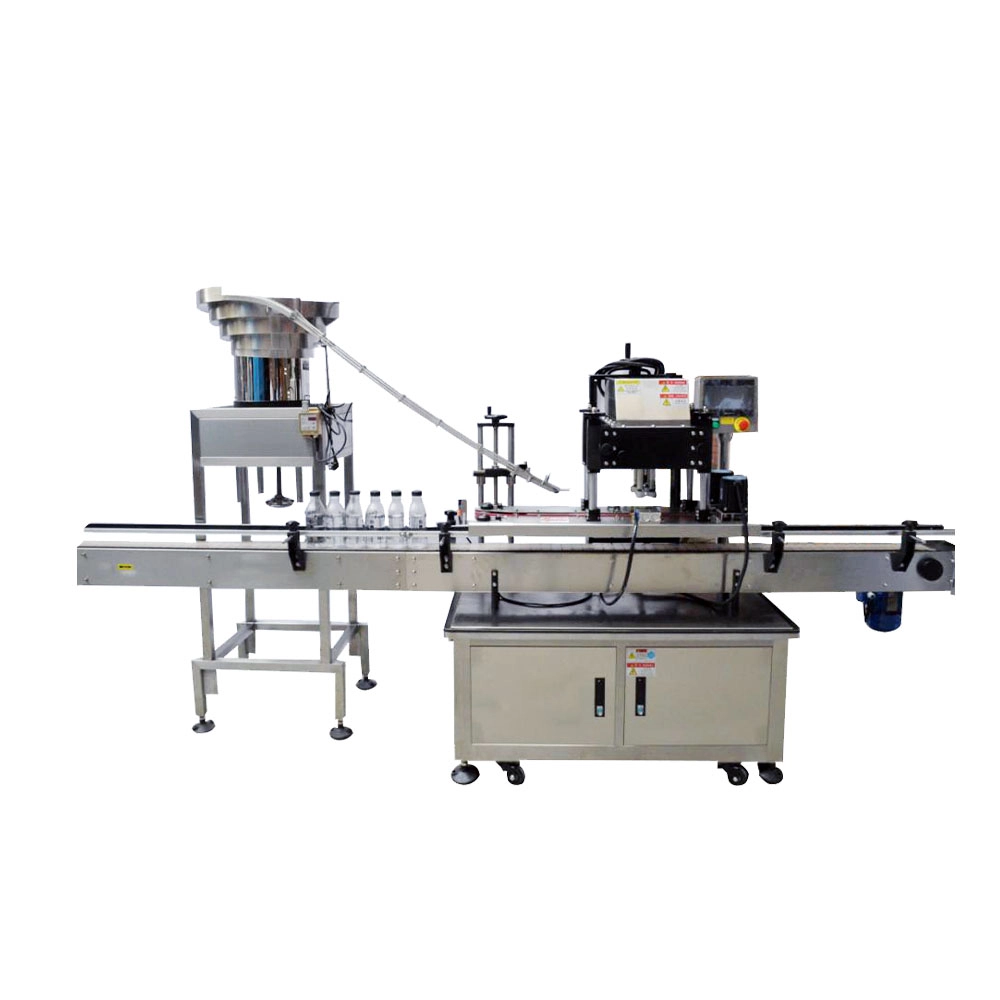
Yuanyang automatic screw capping machine is a kind of four-wheel bottle capping machine. The automatic screw capper is often used to close lids of containers such as bottles and jars, especially for plastic bottles, which are widely used in food, medicine, chemical, cosmetic, and other industries for mass production and continuous production lines.
Features:
⦁ Full pneumatic drive;
⦁ Automated fast speed;
⦁ Suitable for various screw caps, pumps, and spray bottles.
Automatic Metal Caps Capping Machine for Sale
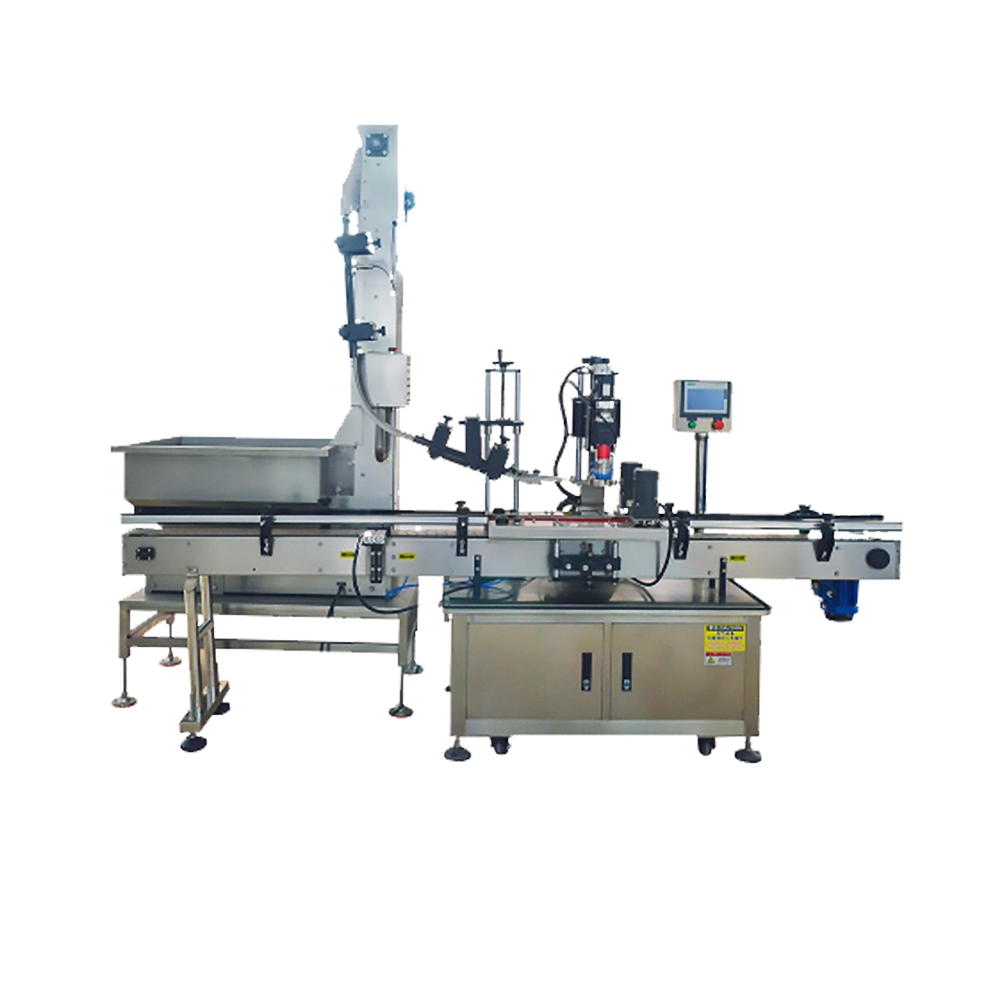
Yuanyang automatic metal cap capping machine is a bottle capper for bottles with metal caps, which is often used to close lids of containers such as bottles and jars. The glass bottle metal capping machine is widely used in food, medicine, chemical, cosmetic, and other industries for mass production and continuous production line .
Features:
⦁ Pneumatic and electric drive;
⦁ Automated fast speed;
⦁ Suitable for glass bottles with metal caps.
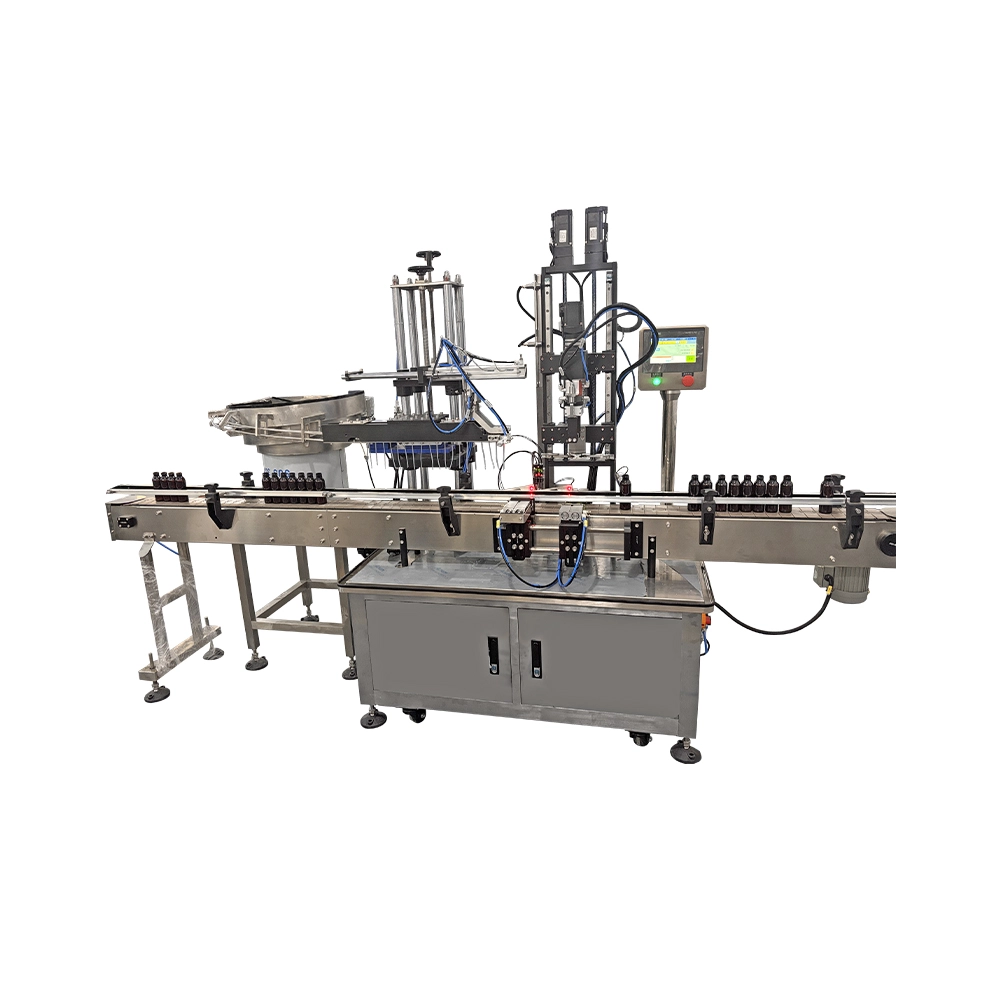
Automatic Pump Head Feeding and Capping Machine for Sale
Yuanyang automatic pump head feeding and capping machine is a bottle cap sorter and capper for bottles with pump heads, which is often used to close lids of containers such as nail polish, sprayers, and shampoo. The capping machine with a pump head feeder is widely used in food, medicine, chemical, cosmetic, and other industries for mass production and continuous production line .
Features:
⦁ Pneumatic and electric drive;
⦁ Automated fast speed;
⦁ Suitable for various types of caps.
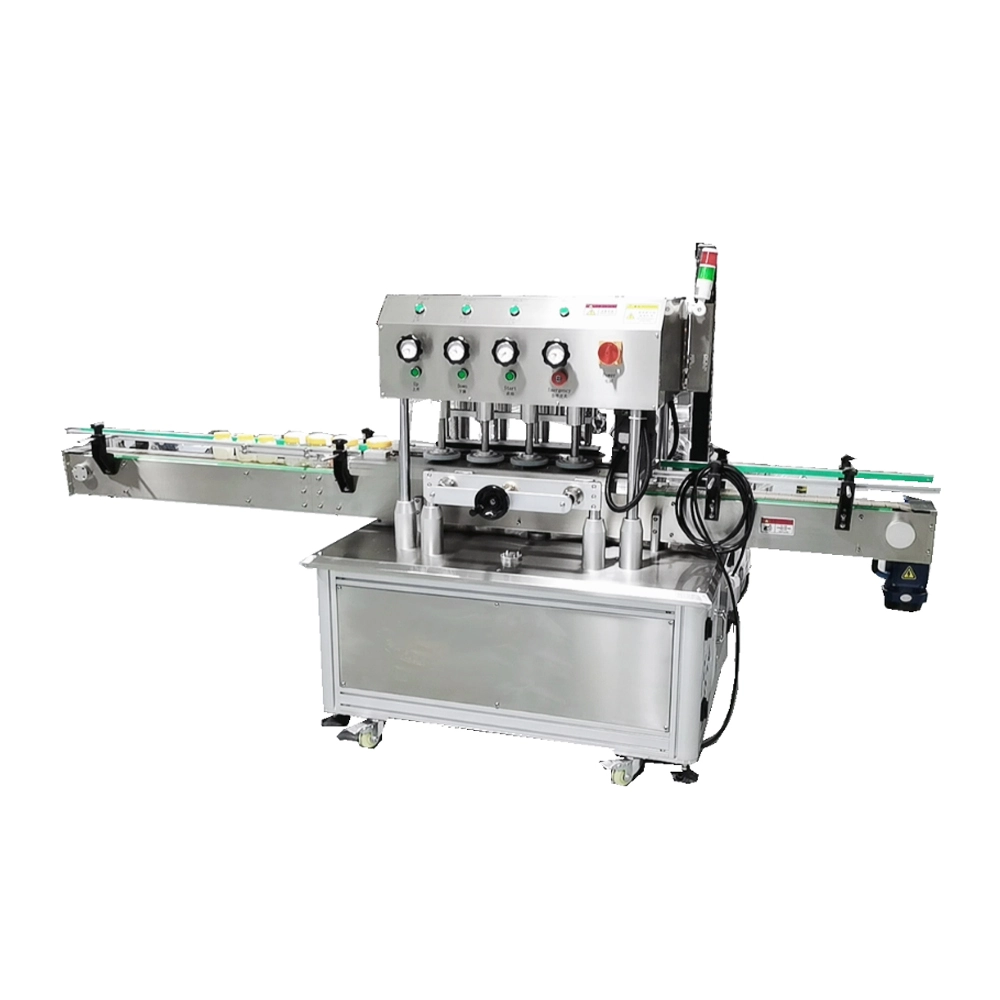
Automatic High Speed Capping Machine for Sale
The Yuanyang automatic high-speed capping machine is a kind of 8-wheel bottle-capping machine with fast working efficiency. The automatic capper is often used to close lids of containers such as bottles and jars, especially for plastic bottles, which are widely used in food, medicine, chemical, cosmetic, and other industries for mass production and continuous production lines.
Features:
⦁ Electric drive;
⦁ Automated fast speed;
⦁ Suitable for various screw caps, pumps, and spray bottles.
 Scan QR Code
Facebook
YouTube
LinkedIn
Whatsapp: +8613434139712
Guangzhou Yuanyang Machinery