





Minimizing Downtime: Maintenance Best Practices for Emulsifying Mixers
- Minimizing Downtime: Maintenance Best Practices for Emulsifying Mixers
- Introduction: Why maintenance of an emulsifying mixer matters for production continuity
- About the product: Vacuum Emulsifying Mixer for Sale — product snapshot
- Core components to focus on when maintaining an emulsifying mixer
- Daily maintenance checklist for emulsifying mixer operations
- Weekly and monthly preventive maintenance tasks to reduce downtime
- Annual and overhaul activities for life extension of an emulsifying mixer
- Troubleshooting common problems and how maintenance reduces recurrence (includes commercial focus on Vacuum Emulsifying Mixer for Sale)
- Inventory and spare parts strategy to minimize production interruption
- Structured SOPs and staff training: reducing human-error downtime
- Cleaning and validation practices for cosmetics — why maintenance helps compliance
- Predictive maintenance technologies: condition monitoring to prevent surprises
- Maintenance cost vs. downtime: a short comparative table
- How selecting the right Vacuum Emulsifying Mixer for Sale reduces maintenance burden
- Practical maintenance plan template for an emulsifying mixer
- Brand summary: Why Yuanyang's Vacuum Emulsifying Mixer supports lower downtime
- FAQ — Minimizing Downtime: Maintenance Best Practices for Emulsifying Mixers
- Contact us / View the product
- Authoritative references and further reading
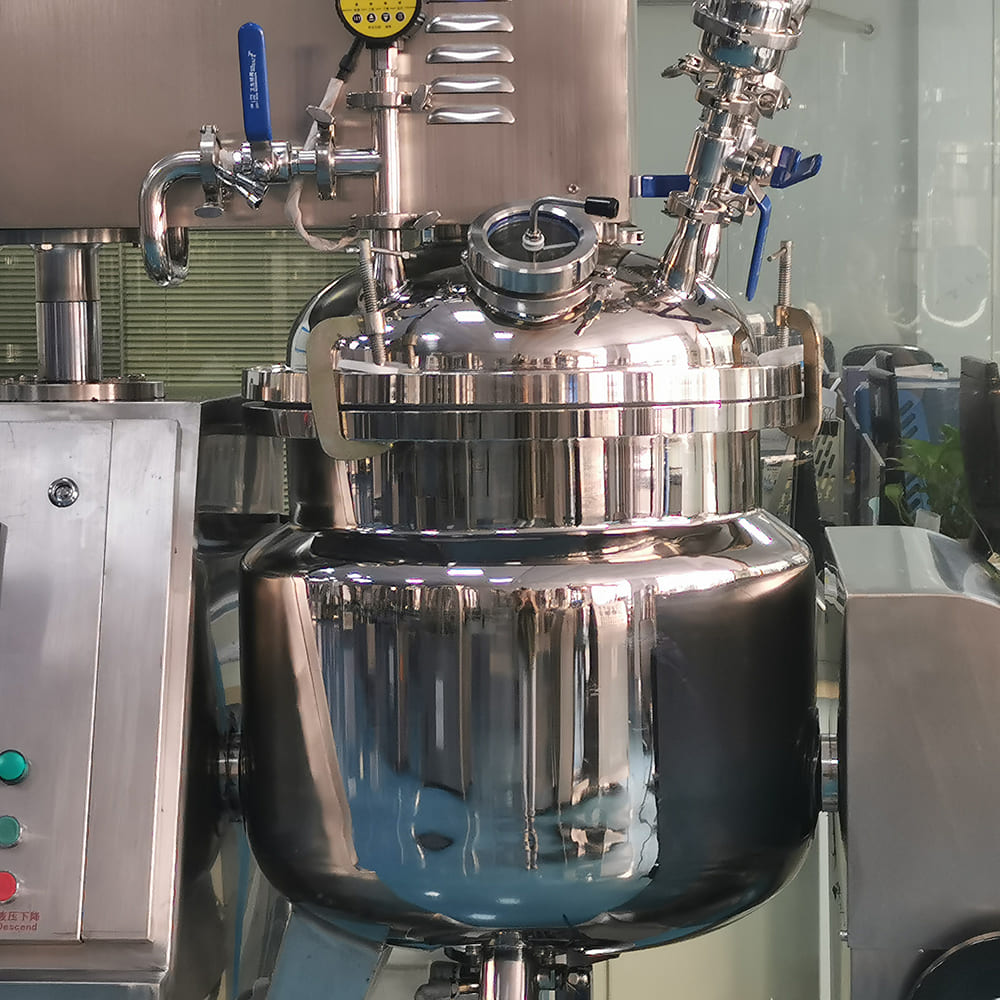
Minimizing Downtime: Maintenance Best Practices for Emulsifying Mixers
Introduction: Why maintenance of an emulsifying mixer matters for production continuity
Downtime on production lines that use an emulsifying mixer can be costly — lost output, wasted materials, delayed shipments, and reputational damage. For cosmetics, pharmaceutical, and specialty chemical manufacturers, consistent texture, particle size, and microbiological safety depend on reliable emulsification equipment. This article explains actionable, prioritized maintenance practices that minimize downtime and keep an emulsifying mixer operating at peak performance. To meet future production goals, sizing matters, making it essential to review sizing emulsifying mixers for scalable manufacturing.
About the product: Vacuum Emulsifying Mixer for Sale — product snapshot
Yuanyang vacuum emulsifying mixer is a kind of emulsifier machine, the most popular cosmetics production equipment for making cream, skin-care products, ointment, paste, and emulsions.
Features:
⦁ Composed of a main emulsifying pot, a water pot, and an oil pot.
⦁ With a hydraulic lifting system, vacuum system, and electric control system.
⦁ Suitable for products of 10,000~50,000 cps viscosity.
⦁ Perfect particle size of 2 microns and evenly distributed.
Core components to focus on when maintaining an emulsifying mixer
To minimize downtime, maintenance must target failure-prone and performance-critical components: the emulsifying head (rotor/stator or high-shear disc), homogenizer assembly, vacuum pump and lines, seals and gaskets, hydraulic lifting system, motor and gearbox, temperature-control jackets, piping and valves, and the electric control system. Prioritizing these components helps direct resources and reduce the risk of unexpected stops.
Daily maintenance checklist for emulsifying mixer operations
Daily tasks prevent small issues from becoming production-stopping problems. Operators should complete a simple checklist at shift start and end:
- Visual inspection for leaks in oil/water pots, jacket lines, and vacuum connections.
- Check oil level and temperature on gearboxes and hydraulic units.
- Verify vacuum gauge reaches required setpoint and holds during a short test run.
- Confirm control panel shows no error codes; record any alarms.
- Ensure emulsifying head spins smoothly without unusual noises or vibration.
- Confirm seals look intact and no product build-up is present around the mixing zone.
Completing and recording daily checks builds a history that helps catch performance trends early.
Weekly and monthly preventive maintenance tasks to reduce downtime
Higher-level tasks should follow a schedule based on production hours. Typical weekly and monthly items include:
- Clean and inspect rotor/stator surfaces and emulsifying discs for wear or pitting.
- Check vacuum pump oil and replace or top up as required by manufacturer intervals.
- Inspect hydraulic cylinders and seals for seepage; test lifting action for smoothness.
- Run a vibration and temperature check on motors and gearboxes to detect bearing wear early.
- Verify jacket heating/cooling circuits for flow and thermostat accuracy.
Documenting findings allows predictive decisions instead of reactive repairs, significantly cutting unplanned downtime.
Annual and overhaul activities for life extension of an emulsifying mixer
Once or twice a year (depending on usage intensity), schedule more thorough maintenance or a planned shutdown for inspections and part replacement:
- Disassemble homogenizer/emulsifying head for inspection and replace worn rotors, stators or seals.
- Flush and test hydraulic system; replace filters and hydraulic oil if degraded.
- Perform motor and gearbox service: bearing replacement, gear inspection, oil change.
- Pressure-test vacuum lines and replace any porous or damaged hoses.
- Validate electrical control system, PLC backups, and emergency stops.
Planned overhauls prevent sudden catastrophic failures and typically cost a fraction of emergency repair expenses.
Troubleshooting common problems and how maintenance reduces recurrence (includes commercial focus on Vacuum Emulsifying Mixer for Sale)
Common failures that trigger downtime include low vacuum, poor emulsification (large particle size/phase separation), overheating, and hydraulic failure. Each has clear preventive steps:
- Low vacuum: Regularly service the vacuum pump, ensure proper seals on the emulsifying pot lid, and use high-quality vacuum hoses rated for the service. A well-maintained Vacuum Emulsifying Mixer for Sale with appropriate vacuum accessories reduces vacuum-related stoppages.
- Poor emulsification: Replace worn rotor/stator parts and verify blade geometry and clearances. Ensure formulation and temperature control match validated process parameters.
- Overheating: Maintain jacket flow, check thermostats and sensors, and ensure gearbox and motor cooling are functioning.
- Hydraulic malfunction: Use scheduled inspections for hydraulic cylinders and relief valves; keep spare seals and a basic hydraulic repair kit onsite.
Resolving root causes through maintenance (rather than repeated quick fixes) reduces mean time to repair (MTTR) over the long term.
Inventory and spare parts strategy to minimize production interruption
Fast access to critical spares is one of the most effective ways to minimize downtime. Create a prioritized spare parts list based on failure frequency and lead times. Typical recommended spares include:
- Rotor/stator or homogenizer seals and interchangeable discs
- Vacuum pump service kits (seals, gaskets, oil)
- Hydraulic seals and filters
- Bearings, belts (if applicable), and electrical fuses
- Control system backup modules/PLC spare
Store spares in a controlled environment and track usage with simple inventory software to avoid overstocking while ensuring critical parts are available fast.
Structured SOPs and staff training: reducing human-error downtime
Human error is a frequent contributor to downtime. To lower this risk, craft clear Standard Operating Procedures (SOPs) for startup, shutdown, cleaning-in-place (CIP), and emergency procedures. Include checklist-based shift logs and require operator sign-off.
Regular hands-on training and competency testing for operators and maintenance technicians ensure proper handling of the Vacuum Emulsifying Mixer for Sale and reduce mistakes that lead to equipment stress or contamination. Cross-train multiple staff so coverage exists when primary personnel are absent.
Cleaning and validation practices for cosmetics — why maintenance helps compliance
For cosmetic production, cleaning and validation are both regulatory and quality imperatives. Implement a documented CIP schedule with validated procedures for detergents, contact times, and final rinse quality. Maintain records of cleaning cycles and CIP system maintenance. Well-maintained seals, polished pot surfaces, and proper vacuum operation help achieve cleanability and reduce contamination-related downtime.
Predictive maintenance technologies: condition monitoring to prevent surprises
Predictive maintenance reduces unplanned downtime by detecting deterioration before failure. Key techniques applicable to emulsifying mixers include:
- Vibration analysis on motors, gearboxes, and pumps to detect bearing wear.
- Infrared thermography to find hot spots in electrical panels or bearings.
- Motor current analysis to spot changes in load that indicate mechanical binding or blade wear.
- Vacuum trend-monitoring to detect leaks or pump degradation.
Installing simple sensors and integrating their data into a maintenance dashboard can provide early-warning alerts and guide planned downtime windows.
Maintenance cost vs. downtime: a short comparative table
Below is a simple comparison to help justify preventive maintenance investment versus reactive repair.
| Aspect | Preventive Maintenance | Reactive Repair |
|---|---|---|
| Average annual uptime | 95–99% | 80–90% |
| Average cost per event | Low to Moderate (parts & labor planned) | High (overtime labor, expedited parts, lost product) |
| Product quality risk | Low | High |
| Lead time to recovery | Planned downtime window (hours to days) | Unplanned (hours to weeks depending on parts) |
How selecting the right Vacuum Emulsifying Mixer for Sale reduces maintenance burden
When purchasing a new emulsifying mixer, choose models designed for serviceability: easily accessible emulsifying heads, standardized spare parts, robust seals, and reputable vacuum and hydraulic systems. The Yuanyang Vacuum Emulsifying Mixer for Sale, for example, includes a hydraulic lifting system, an integrated vacuum system, and an electric control system that centralizes diagnostics — features that simplify maintenance and reduce MTTR.
Practical maintenance plan template for an emulsifying mixer
Use this concise plan as a starting point and adjust intervals for your production intensity:
- Daily: Visual checks, vacuum quick test, control panel check, log review.
- Weekly: Clean emulsifying head exterior, check hydraulic oil level, inspect seals.
- Monthly: Vibration/temp scan, vacuum pump oil check, tighten electrical connections.
- Quarterly: Change hydraulic filters, check jacket flow meters, inspect rotor/stator clearance.
- Annual: Full disassembly and inspection of homogenizer, gearbox service, planned spare replacement.
Brand summary: Why Yuanyang's Vacuum Emulsifying Mixer supports lower downtime
Yuanyang's Vacuum Emulsifying Mixer for Sale combines practical design and production-oriented features: a modular emulsifying pot assembly for easy access, hydraulic lift for safe head removal, an integrated vacuum system that is factory-matched to the tank geometry, and control systems that centralize alerts and process logs. Built for product viscosities between 10,000 and 50,000 cps and achieving particle sizes down to 2 microns, this machine reduces rework and contamination risks — both critical contributors to downtime.
FAQ — Minimizing Downtime: Maintenance Best Practices for Emulsifying Mixers
Q1: How often should rotor and stator parts be replaced?
Replacement frequency depends on use and materials processed. High-use cosmetic plants may replace critical rotor/stator parts every 6–18 months. Inspect monthly for scoring or clearance changes and keep spares onsite.
Q2: Can vacuum pump failure be predicted?
Yes. Monitor vacuum level trends, pump vibration, and oil condition. Unexpected drops in achievable vacuum or increased pump temperature are early signs of wear.
Q3: What cleaning practices minimize seal failure?
Use validated CIP procedures, avoid harsh solvents unless approved for seals, and ensure seals are compatible with your formulations. Rinse thoroughly and dry when required.
Q4: Is it worth investing in predictive maintenance sensors for an emulsifying mixer?
For medium-to-high throughput operations, yes. Sensors reduce unplanned stops by providing early warnings and help schedule maintenance during low-production windows.
Q5: Where can I get spare parts for a Vacuum Emulsifying Mixer for Sale?
Obtain parts from the OEM or authorized distributors to ensure correct fit and material compatibility. Keep a prioritized spare parts list and reorder points to avoid long lead-time outages.
Contact us / View the product
If your goal is to minimize downtime and secure reliable production, consider evaluating the Yuanyang Vacuum Emulsifying Mixer for Sale. For detailed specifications, spare parts packages, or to schedule a maintenance audit, contact our sales and service team or visit: /vacuum-emulsifying-mixer-for-sale
Authoritative references and further reading
- Emulsification — Wikipedia: https://en.wikipedia.org/wiki/Emulsification
- FDA Cosmetics Overview: https://www.fda.gov/cosmetics
- ISO 22716 Cosmetics — Good Manufacturing Practices: https://www.iso.org/standard/36437.
- European Commission — Cosmetics: https://ec.europa.eu/growth/sectors/cosmetics_en
- CosmeticsInfo.org — Ingredient & Safety Resources: https://www.cosmeticsinfo.org
- Occupational Safety and Health Administration (OSHA): https://www.osha.gov
Implementing these maintenance best practices will reduce unplanned downtime, protect product quality, and extend the life of your emulsifying mixer. Regular documentation, a prioritized spare strategy, and investment in predictive monitoring deliver the best ROI for continuous production environments.
Why choose YUANYANG as your milk homogenizer supplier
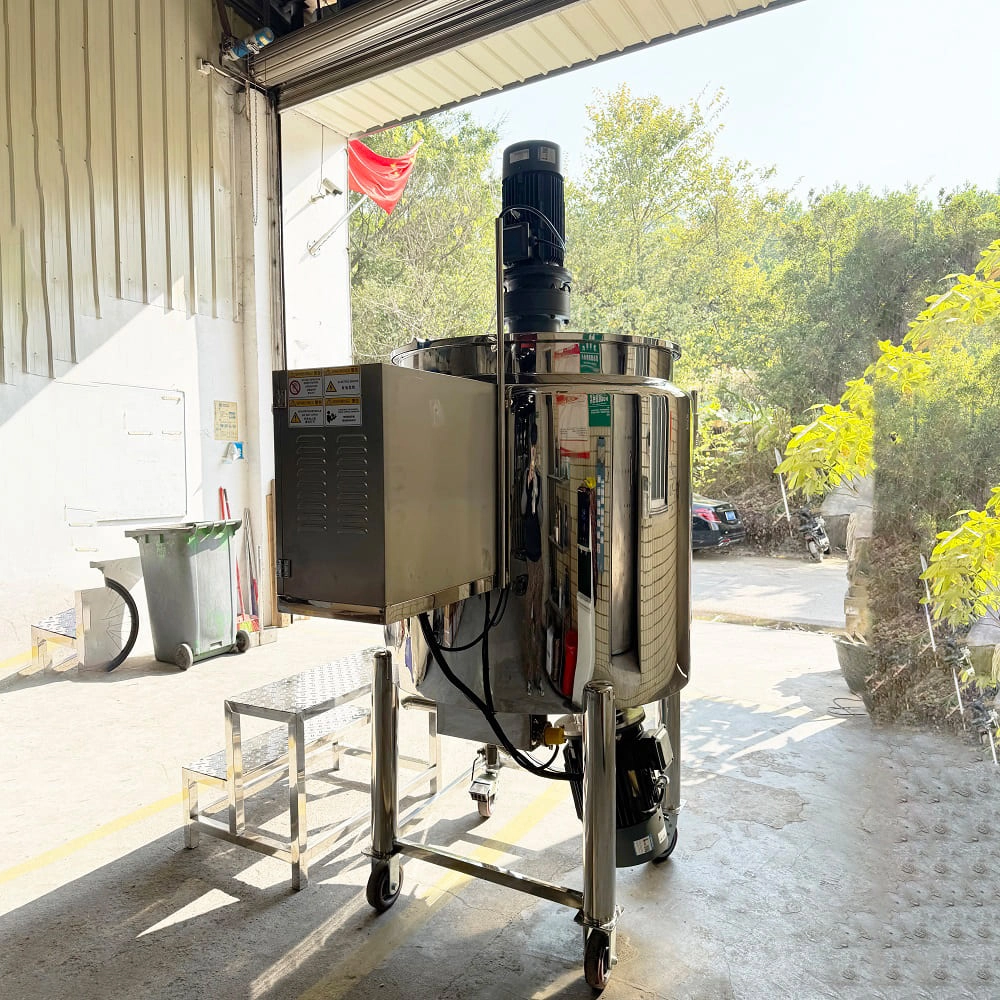
Regulatory Compliance and Validation for Mixing Tank Systems
Custom powder liquid mixer Manufacturers and Suppliers
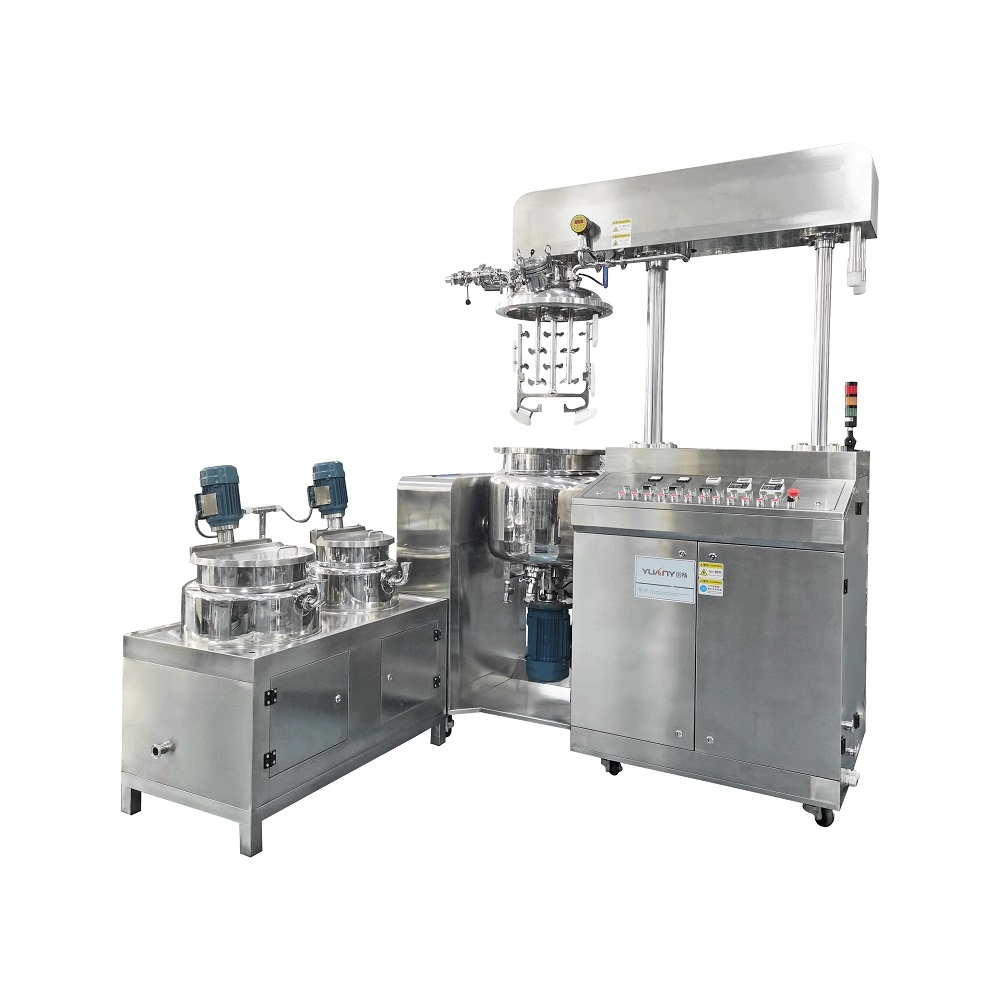
Hydraulic Lift Benefits for 50L Vacuum Emulsifiers
Single Layer Agitator Tank
Does the mixing tanks have cooling function?
The single layer mix tank has no cooling function. If you client need cooling function, will customize at least two layers with one jacket for cooling purpose.
Ribbon mixer
Do you have a platform for the ribbon mixing machine?
Yes, we the platform is an optional choice, we will confirm with client before offering a quote.
Liquid Soap Mixer
Can you also provide the related production machines?
Yes, we supply the complete set of liquid soap production machines, such as filling machine,capping machine,labeling machine,sealing machine, and coding machine.
Automatic Servo Motor Capping Machine
Is there a bottle gripper to keep thin bottles stable?
Yes, the auto servo capping machine is equipped with pneumatic clamping device for bottle stability.
Automatic auger filling machine
Is the material hopper of the powder dispenser machine openable?
Yes, the visual hopper can be easy open and disassembled for easy cleaning and parts replacement.
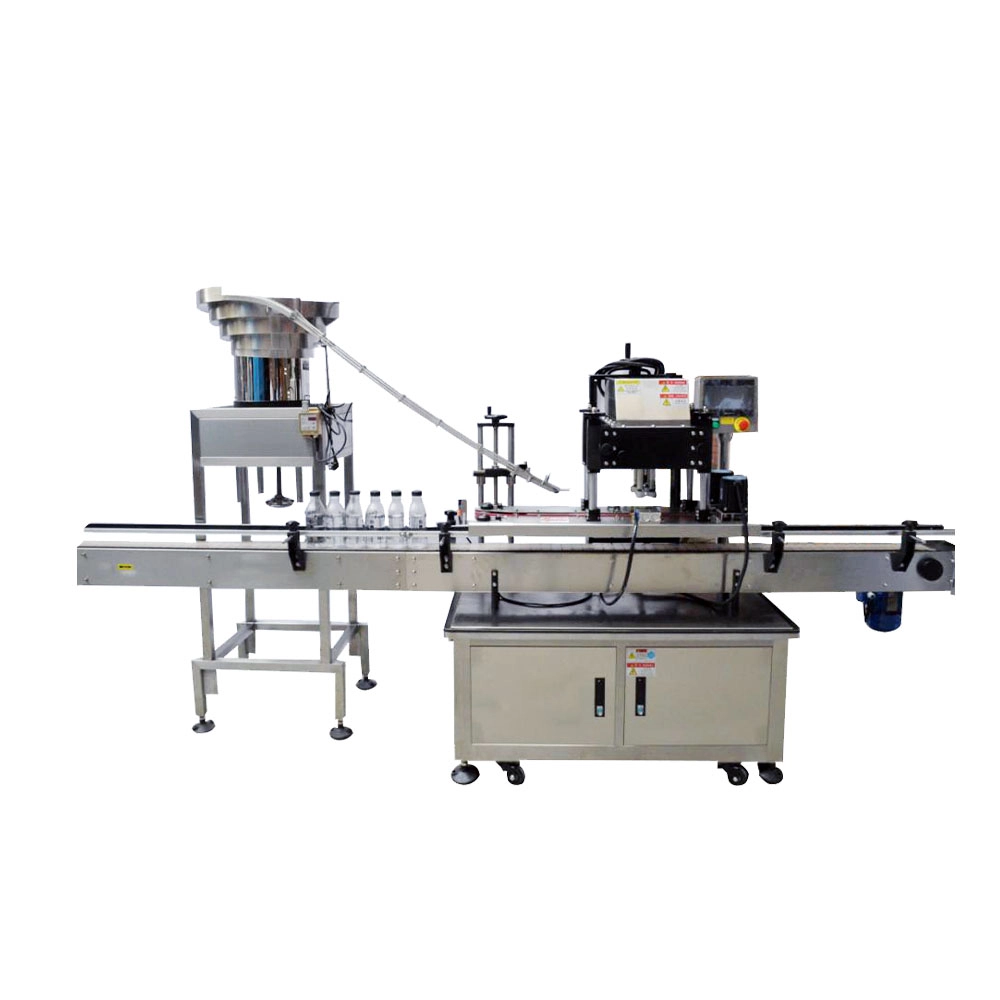
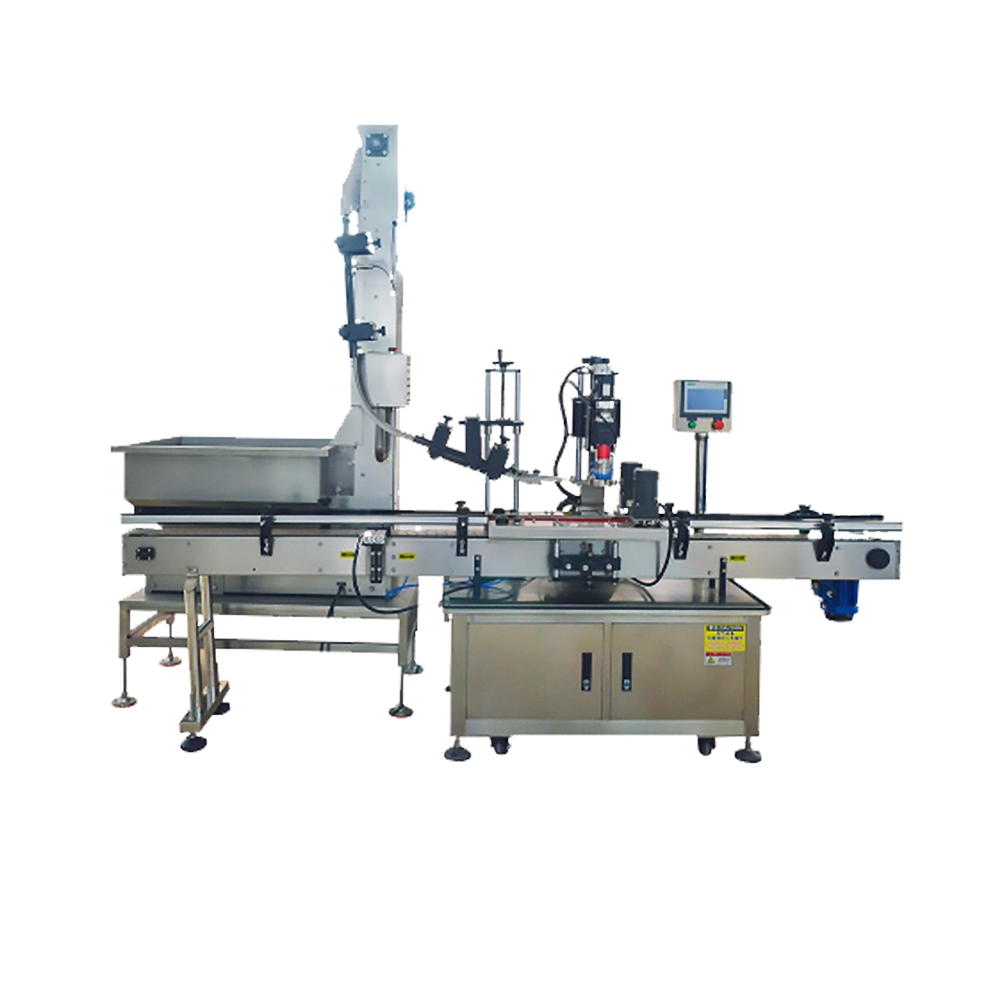
Automatic Plastic Caps Capping Machine with Vibrating Cap Feeder for Sale
Yuanyang automatic screw capping machine is a kind of four-wheel bottle capping machine. The automatic screw capper is often used to close lids of containers such as bottles and jars, especially for plastic bottles, which are widely used in food, medicine, chemical, cosmetic, and other industries for mass production and continuous production lines.
Features:
⦁ Full pneumatic drive;
⦁ Automated fast speed;
⦁ Suitable for various screw caps, pumps, and spray bottles.
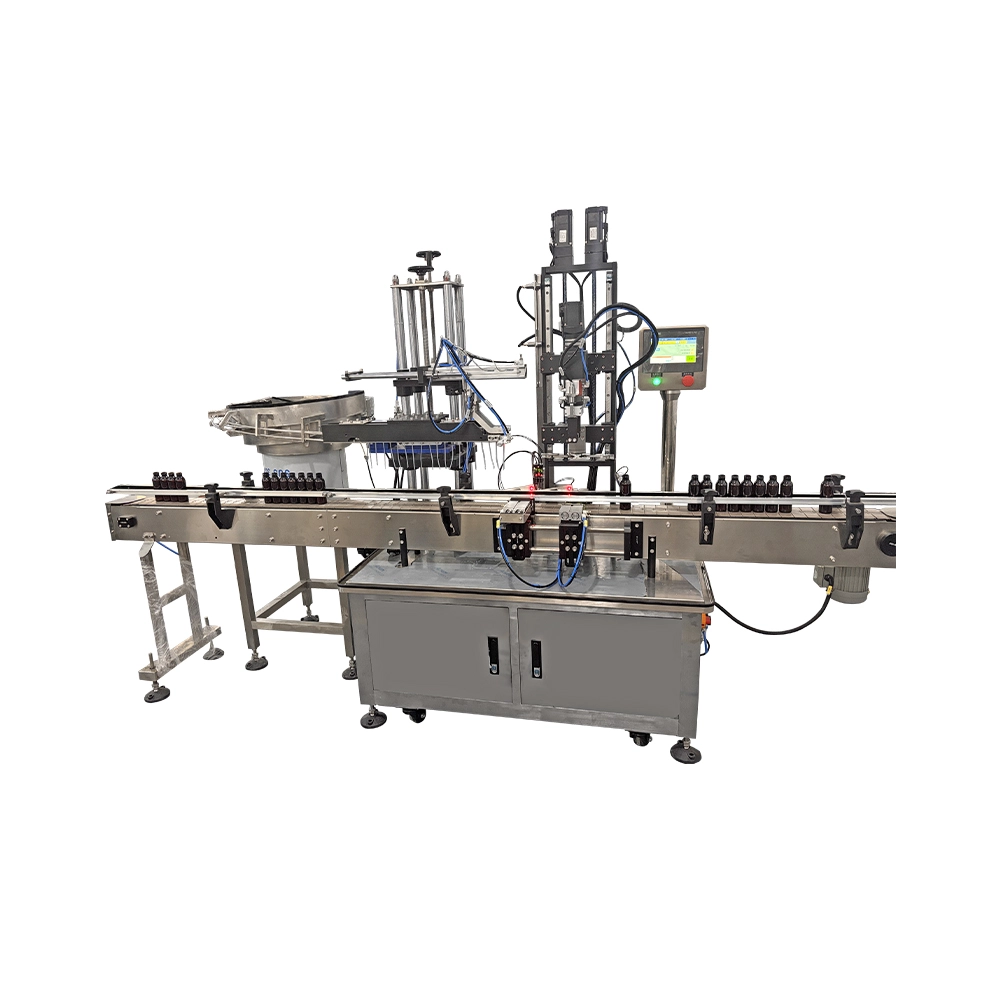
Automatic Metal Caps Capping Machine for Sale
Yuanyang automatic metal cap capping machine is a bottle capper for bottles with metal caps, which is often used to close lids of containers such as bottles and jars. The glass bottle metal capping machine is widely used in food, medicine, chemical, cosmetic, and other industries for mass production and continuous production line .
Features:
⦁ Pneumatic and electric drive;
⦁ Automated fast speed;
⦁ Suitable for glass bottles with metal caps.
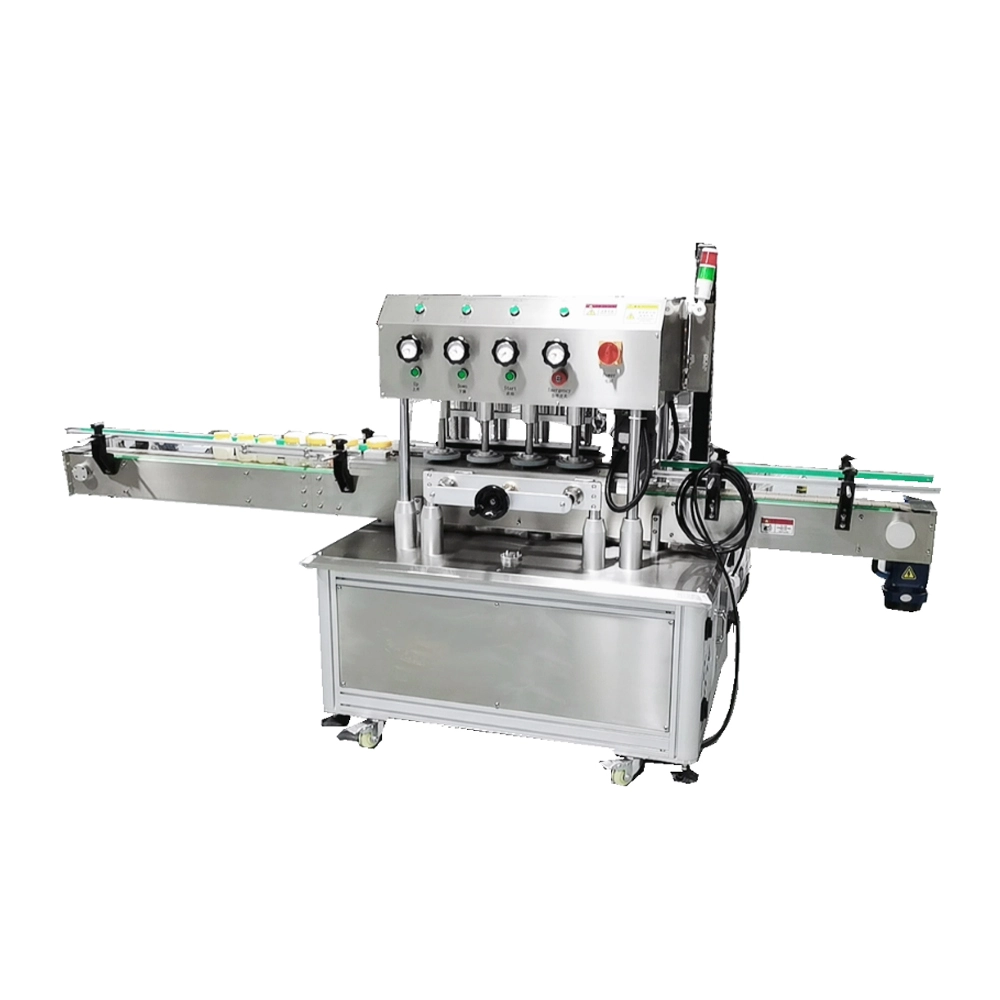
Automatic Pump Head Feeding and Capping Machine for Sale
Yuanyang automatic pump head feeding and capping machine is a bottle cap sorter and capper for bottles with pump heads, which is often used to close lids of containers such as nail polish, sprayers, and shampoo. The capping machine with a pump head feeder is widely used in food, medicine, chemical, cosmetic, and other industries for mass production and continuous production line .
Features:
⦁ Pneumatic and electric drive;
⦁ Automated fast speed;
⦁ Suitable for various types of caps.
Automatic High Speed Capping Machine for Sale
The Yuanyang automatic high-speed capping machine is a kind of 8-wheel bottle-capping machine with fast working efficiency. The automatic capper is often used to close lids of containers such as bottles and jars, especially for plastic bottles, which are widely used in food, medicine, chemical, cosmetic, and other industries for mass production and continuous production lines.
Features:
⦁ Electric drive;
⦁ Automated fast speed;
⦁ Suitable for various screw caps, pumps, and spray bottles.
 Scan QR Code
Facebook
YouTube
LinkedIn
Whatsapp: +8613434139712
Guangzhou Yuanyang Machinery