





7 Dangerous Mistakes Most Companies Make with Underground Storage Tanks (USTs)
This guide exposes the 7 most dangerous mistakes companies make with Underground Storage Tanks (USTs), from ignoring EPA regulations to neglecting cathodic protection. Learn how to avoid costly fines, prevent environmental leaks, and future-proof your storage strategy with AI monitoring.
- What defines a regulated Underground Storage Tank (UST)?
- Why the 10% Rule Matters
- Executive Summary: 3 Critical UST Risks
- Mistake 1: Ignoring the Latest EPA Regulations and 2026 Compliance Updates
- The Shift in Financial Responsibility
- The Fix
- Mistake 2: Neglecting Automatic Tank Gauging (ATG) Alarms
- The "Inconclusive" Trap
- Mistake 3: Failing to Maintain Cathodic Protection Systems
- The Science of Corrosion
- Solution Checklist
- Mistake #4: Incomplete Record-Keeping for Release Detection
- The Digital Necessity
- Mistake #5: Overlooking Spill Bucket and Containment Sump Maintenance
- The Hydrostatic Requirement
- Mistake #6: Using Uncertified Contractors for Installation or Repair
- The Cost of "Cheap" Labor
- Mistake 7: Reacting to Leaks Instead of Proactive Monitoring (The "Run-to-Failure" Trap)
- The YUANYANG Approach
- Future-Proofing: AI and IoT in Storage Tank Management (2026+)
- Smart Innovations
- Conclusion
- Frequently Asked Questions (FAQ)
- What is the average lifespan of an underground storage tank?
- How often should USTs be inspected?
- What are the EPA requirements for underground storage tanks?
- How do you detect a leak in an underground storage tank?
- What is the difference between UST and AST?
- Does business insurance cover underground storage tank leaks?
- How much does it cost to remove an underground storage tank?
- What is cathodic protection for storage tanks?
What defines a regulated Underground Storage Tank (UST)?
A regulated Underground Storage Tank (UST) is a tank and any connected underground piping that has at least 10 percent of its combined volume beneath the ground surface. This federal definition specifically targets systems containing petroleum or hazardous substances, distinguishing them from unregulated tanks like farm or residential motor fuel tanks under 1,100 gallons.
Why the 10% Rule Matters
Many facility managers mistakenly assume that because a storage tank is visible above grade, it is automatically exempt. However, extensive underground piping can tip the volume calculation over the 10% threshold, subjecting your facility to strict federal monitoring. Misclassifying a sewage storage tank or a chemical vessel can lead to years of unmonitored corrosion and sudden federal enforcement actions.
At Guangzhou Yuanyang Mechanical Device Co., Ltd. (YUANYANG), we have seen clients face unexpected audits because they failed to account for the volume of underground piping connecting their vertical water storage tank arrays. Understanding this definition is the first line of defense against regulatory surprises.

Executive Summary: 3 Critical UST Risks
The three primary risks of UST mismanagement are financial insolvency due to fines, catastrophic environmental remediation costs, and indefinite operational paralysis. These risks are not theoretical; they represent the most common causes of bankruptcy for small-to-mid-sized industrial operators.
· Regulatory Fines: Non-compliance penalties can escalate quickly, often exceeding $10,000 per day for willful violations.
· Environmental Cleanup: Remediation for soil and groundwater contamination often costs more than the facility's entire asset value.
· Operational Downtime: A red-tagged tank stops production lines, fleets, and fuel supply chains immediately.
Mistake 1: Ignoring the Latest EPA Regulations and 2026 Compliance Updates
The most common administrative error is relying on outdated codebooks while federal and state regulations tighten regarding inspection frequencies and equipment compatibility. Ignorance of the law is never a valid defense during an EPA inspection.
The Shift in Financial Responsibility
Since the 2015 revisions, the EPA has aggressively enforced requirements for "Financial Responsibility." This means owners must demonstrate they have the funds to clean up a leak before it happens. Failing to update these records creates massive legal exposure. According to the US Environmental Protection Agency (EPA), these regulations are designed to ensure that owners have the resources to pay for costs associated with cleaning up releases and compensating third parties.
The Fix
· Automate Compliance: Use a digital calendar synced with state databases.
· Verify Documentation: Ensure your insurance covers "pollution events," not just general liability.
· Regular Training: YUANYANG recommends annual refresher courses for all site operators.
Mistake 2: Neglecting Automatic Tank Gauging (ATG) Alarms
Treating Automatic Tank Gauging (ATG) alarms as "nuisance noise" is the leading behavioral cause of large-scale undetected fuel releases. Operators often silence alarms without investigating, assuming they are false positives caused by delivery turbulence.
The "Inconclusive" Trap
A common error involves misinterpreting leak test reports. An "Inconclusive" result is not a pass; it often signifies a sensor error or a slow leak that requires immediate attention. Ignoring these warnings allows minor drips to evolve into plume-level contamination events.
Expert Tip: Establish a "Zero-Ignore" policy. Every alarm from your 1000 gallon water storage tank or fuel vessel must be logged with a root-cause analysis. Whether you are managing a small 100 gallon water storage tank or a massive industrial system, the sensor data is your eyes and ears underground.
Mistake 3: Failing to Maintain Cathodic Protection Systems
Failing to test cathodic protection systems allows steel tanks to corrode silently from the outside in, often leading to structural failure within 15 years. Many operators incorrectly assume that factory-applied coatings provide permanent immunity to rust.
The Science of Corrosion
Steel tanks rely on sacrificial anodes or impressed current systems to divert corrosion away from the tank shell. Over time, sacrificial anodes deplete. Without them, the tank becomes the anode and begins to dissolve into the soil. As noted by NACE International standards, effective corrosion control is mandatory for all metal components in direct contact with the ground.
Solution Checklist
1. Triennial Testing: Schedule functionality tests every three years.
2. Voltage Standards: Ensure voltage potential meets NACE standards (-850 mV).
3. Inspect Rectifiers: For impressed current systems, check the rectifier every 60 days.
Mistake #4: Incomplete Record-Keeping for Release Detection
Gaps in 30-day monitoring records are the single easiest citation for inspectors to write because the violation is purely administrative and undeniable. If you cannot prove you monitored the tank, the law assumes you didn't.
The Digital Necessity
We frequently encounter companies that lose repair receipts or third-party testing certifications in physical filing cabinets. In the event of a leak, these documents are your only proof of due diligence.
Industry Leading Solution: YUANYANG advises moving all documentation for your 2500 gallon water storage tank and chemical USTs to cloud storage. Digital records prevent physical data loss and allow for instant retrieval during surprise inspections.
Mistake #5: Overlooking Spill Bucket and Containment Sump Maintenance
Ignoring the condition of spill buckets and containment sumps leads to surface water infiltration that degrades tank fuel quality and corrodes components. These containment zones are the most abused parts of a UST system, collecting debris, water, and spilled product.
The Hydrostatic Requirement
Regulators now require periodic hydrostatic testing of these sumps to ensure they are liquid-tight. A cracked spill bucket renders your spill prevention strategy useless.
Visual Check:
· Ensure lids seal tightly.
· Verify buckets are free of cracks.
· Remove accumulated liquid immediately.
For temporary or above-ground needs, understanding the Key Benefits of Using Portable Storage Tanks can help you decide when to switch strategies during sump repairs.
Mistake #6: Using Uncertified Contractors for Installation or Repair
Hiring general plumbers or uncertified laborers for specialized UST work voids warranties and is a direct violation of state licensing laws. UST systems are complex engineering feats, not simple plumbing fixtures.
The Cost of "Cheap" Labor
Attempting to cut costs by using general labor often results in improper piping slope, poor sealants, or damage to the tank coating during installation. YUANYANG has provided CE-certified equipment for years, and we emphasize that even a high-quality stainless steel water storage tank can fail if installed incorrectly.
Requirement: Always verify that your contractor holds state-specific UST certifications. Whether installing a 300 gallon water storage tank or a massive industrial complex, the installer's certification is as important as the tank itself.
Mistake 7: Reacting to Leaks Instead of Proactive Monitoring (The "Run-to-Failure" Trap)
Adopting a "run-to-failure" mindset, where maintenance occurs only after a problem is visible, guarantees higher long-term costs and catastrophic liability. By the time you see a leak on the surface, the environmental damage is already done.
The YUANYANG Approach
Most competitors sell tanks; at YUANYANG, we advocate for "peace of mind" through preventative lifecycle management. Moving from reactive repairs to proactive monitoring extends the life of your asset significantly.
Gap Analysis:
· Reactive: Fixing a leak after soil contamination ($150,000+).
· Proactive: Replacing a valve during scheduled maintenance ($500).
For a deeper dive into selecting the right materials for long-term durability, read The Definitive Guide to Industrial Storage Tanks.
Future-Proofing: AI and IoT in Storage Tank Management (2026+)
The future of UST management lies in the integration of Artificial Intelligence (AI) and Internet of Things (IoT) sensors to predict failures before they occur. The era of manual tank dipping is ending.
Smart Innovations
· Real-Time Fluid Analysis: IoT sensors can now analyze fuel quality and water levels in real-time, sending data directly to your smartphone.
· Predictive Corrosion Modeling: AI algorithms use historical data to forecast exactly when a storage tank wall will thin to critical levels.
· Remote Inspections: Smart sensors are reducing the need for manned site inspections, lowering labor costs and increasing safety.
Conclusion
Avoiding these 7 dangerous mistakes protects your company's bottom line, preserves the environment, and ensures operational continuity. Proactive maintenance, understanding strict EPA definitions, and embracing digital monitoring are the keys to surviving in a regulated industry. Whether you need a simple vertical water storage tank or a complex hazardous material vessel, safety must always come first. Contact us today to optimize your underground storage tank strategy and ensure full compliance.
Frequently Asked Questions (FAQ)
What is the average lifespan of an underground storage tank?
Typically, modern fiberglass or composite tanks last 30-40 years. However, steel tanks rely heavily on the quality of cathodic protection. Factors such as soil acidity and local groundwater levels can significantly impact longevity, making site surveys critical before installation.
How often should USTs be inspected?
Monthly walkthrough inspections are standard for most EPA-regulated tanks to check for alarms and spill bucket issues. Additionally, annual functionality tests for release detection equipment are mandatory, along with integrity testing for containment sumps and spill buckets every three years.
What are the EPA requirements for underground storage tanks?
The EPA mandates four core pillars: installation of spill and overfill prevention equipment, robust corrosion protection for metal components, monthly release detection monitoring, and proof of financial responsibility to cover potential cleanup costs.
How do you detect a leak in an underground storage tank?
Leak detection is primarily handled by Automatic Tank Gauging (ATG) systems that monitor fluid levels and inventory changes. Other methods include interstitial monitoring (checking the space between the two walls of a double-walled tank) and monitoring groundwater or vapor wells installed near the tank site.
What is the difference between UST and AST?
A UST (Underground Storage Tank) has at least 10% of its combined volume beneath the surface, including piping. An AST (Aboveground Storage Tank) is entirely visible above ground. USTs face much stricter federal regulations because visual detection of leaks is impossible.
Does business insurance cover underground storage tank leaks?
Standard General Liability policies often exclude pollution events entirely. You usually need separate "Tank Liability" or "Environmental Impairment" coverage. Crucially, coverage may be denied if your maintenance records (as discussed in Mistake #4) are found to be incomplete.
How much does it cost to remove an underground storage tank?
Costs vary widely based on tank size, location, and contamination levels. A simple removal with no leaks can range from $10,000 to $20,000. However, if soil remediation is required due to a leak, costs can easily escalate into the hundreds of thousands of dollars.
What is cathodic protection for storage tanks?
Cathodic protection is a technique used to control corrosion on metal surfaces. It works via Galvanic (Sacrificial) Anodes, which are pieces of metal attached to the tank that corrode instead of the tank, or Impressed Current systems, which use an external power source to protect the tank structure.

Beyond Automation: How Smart Liquid Filling Machines are Transforming Modern Packaging Lines

How to Future-Proof Your Production Line: The Latest Innovations in Precision Filling Machinery (2026 Guide)
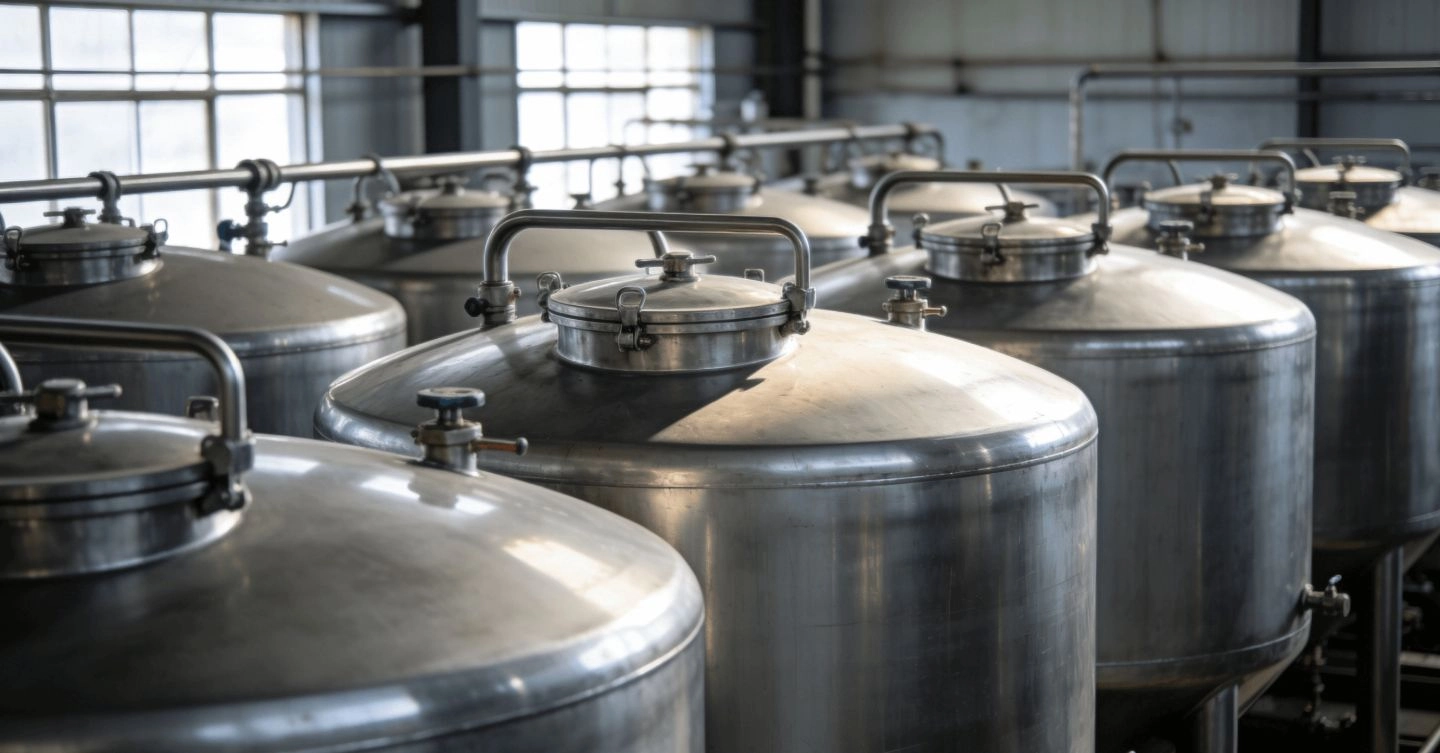
The Definitive Guide to Industrial Storage Tanks 2026: Why Food-Grade Stainless Steel is the Gold Standard

The Ultimate 2026 Guide to Liquid Filling Machines: Types, Technologies, and Strategic Selection
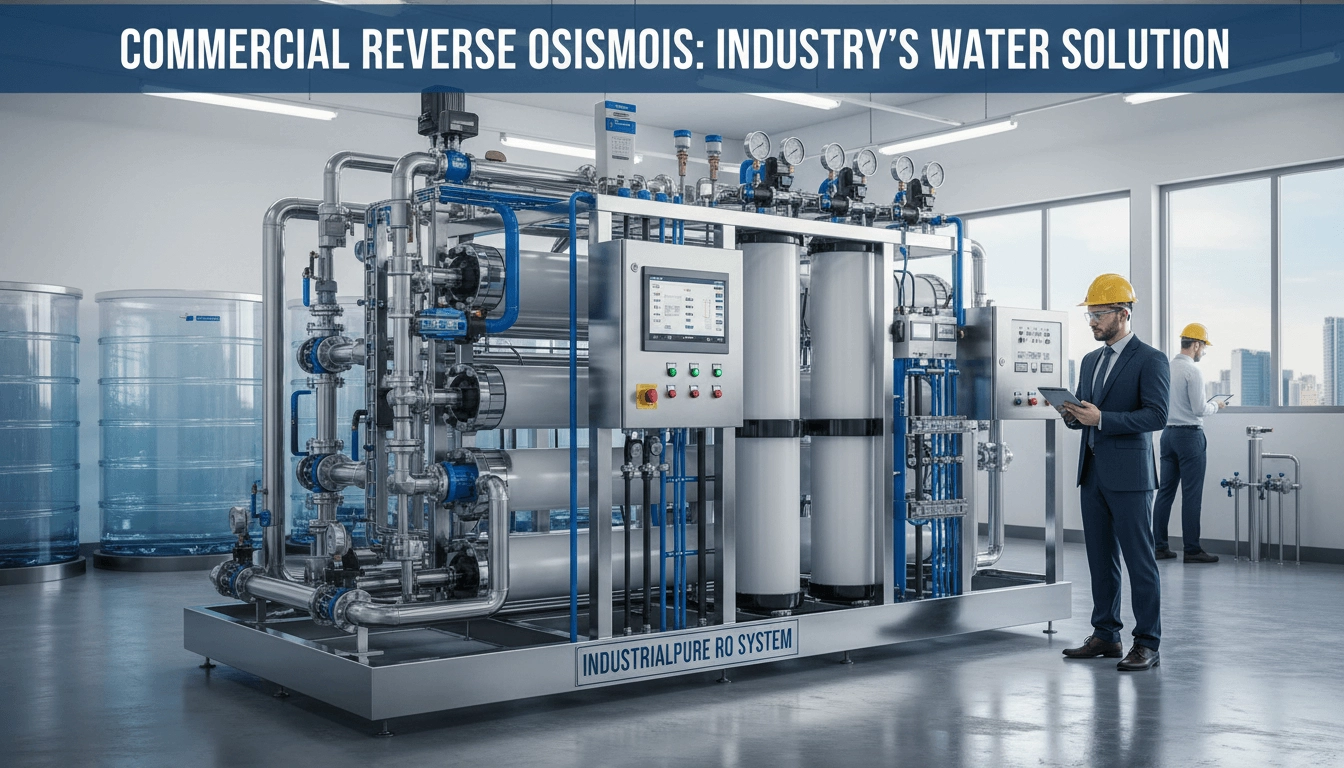
Ultimate Guide to Commercial Reverse Osmosis Systems 2026
Aluminum Foil Sealing Machine
What’s the maximum and minimum height can the automatic sealing machine lift up and go down?
The maximum height for the sealing head to the floor is 75-120cm.
Industries
Are the equipment compliant with industry regulations?
Yes, Yuanyang’s equipment meets GMP, FDA, and other relevant industry regulations, ensuring high-quality and safety standards.
Ribbon mixer
How to dry the mixed powder?
If the raw powder is not dry, and client wants to dry it during mixing, a jacket will be added with heater to achieve drying purpose.
Automatic Servo Motor Capping Machine
Can the capping head lift up and down?
Yes, the servo capping machines have servo motors for adjustment of capping height, can achieve lift up and down directly by touch screen control.
Cosmetic
Can the equipment handle organic or sensitive formulations?
Yes. Our equipment is designed to handle various special formulations, including organic, additive-free, and sensitive formulations, ensuring no contamination or degradation during processing.
Leave a message
Have any questions or concerns about our products? Please leave us a message here, and our team will get back to you promptly.
 Scan QR Code
Facebook
YouTube
LinkedIn
Whatsapp: +8613434139712
Guangzhou Yuanyang Machinery