





How to Future-Proof Your Production Line: The Latest Innovations in Precision Filling Machinery (2026 Guide)
- What Is a Precision Filling Machine?
- The Shift from Manual to Automated Precision
- Key Takeaways: The Future of Filling Technology
- Why 2026 Standards Are Different
- Technological Leaps:
- Core Innovations Driving 2026 Production Standards
- Smart Sensors and Monoblock Design
- Innovation Spotlight:
- Choosing the Right Technology: Volumetric vs. Net Weight vs. Level
- Matching Machine to Product
- Technology Comparison:
- Expert Tips: Preventing Downtime and Ensuring Longevity
- Leveraging Manufacturer Expertise
- Sustainability and ROI: The Hidden Cost Factors
- Calculating Real Returns
- Conclusion
- FAQ
- What is the difference between volumetric and gravimetric filling machines?
- How often does a filling machine need calibration?
- Can one machine fill both thin liquids and thick pastes?
- What is 'Clean-in-Place' (CIP) technology?
- How do I choose the right number of filling heads?
- What are the benefits of servo-driven filling machines?
- How long does a commercial filling machine last?
- Why is overflow filling used for cosmetic products?
What Is a Precision Filling Machine?
A precision filling machine is an advanced automated system designed to dispense exact quantities of product—whether liquid, powder, or granule—into containers with high repeatability and minimal waste. unlike manual methods, these units utilize servo-driven controls and flow meters to ensure accuracy within ±0.5%, which is critical for maintaining compliance in regulated sectors.
The Shift from Manual to Automated Precision
To compete in the 2026 landscape, manufacturers must move beyond simple mechanical fillers. A modern filling machine is not just a dispenser; it is a data point in a larger smart factory ecosystem. For companies like Guangzhou yuanyang mechanical device co., ltd. (YUANYANG), the focus has shifted since 2008 from standalone units to complete, turnkey production lines. This holistic approach ensures that every component, from the liquid filling machine to the capper, communicates seamlessly to optimize throughput.

Key Characteristics:
- High Accuracy: Minimizes product giveaway, saving substantial costs over time.
- Versatility: Handles various viscosities, from water-thin spirits to thick creams.
- Compliance: Meets strict hygiene standards (GMP, CE) required for pharmaceutical and food safety.
Key Takeaways: The Future of Filling Technology
The future of filling technology lies in the convergence of digital servo motors, IoT connectivity, and sustainable design to maximize Overall Equipment Effectiveness (OEE). These innovations allow manufacturers to switch products instantly and monitor machine health in real-time.
Why 2026 Standards Are Different
As reported by Packaging World, modern servo-electric drives are replacing energy-inefficient pneumatic systems, potentially cutting energy use by up to 40%. This shift is vital for businesses aiming to reduce their carbon footprint while increasing speed. Furthermore, automatic liquid filling machine models are now equipped with self-diagnostic tools that prevent downtime before it occurs.
Technological Leaps:
- Shift to Servo: Fully digital motors allow for instant changeovers without manual mechanical adjustments.
- Data Integration: Fillers act as IoT nodes, providing real-time data on fill rates and quality control.
- Hygiene First: Automated 'Clean-in-Place' (CIP) cycles ensure sterility without disassembly.
- Sustainability: Advanced nozzles eliminate drip, reducing product waste by up to 15%.
Core Innovations Driving 2026 Production Standards
The core innovations driving production standards include AI-driven viscosity correction, monoblock architectures for space-saving, and multi-viscosity pumps. These technologies allow a single bottle filling machine to adapt to environmental changes, such as temperature fluctuations affecting liquid density, without operator intervention.
Smart Sensors and Monoblock Design
Space and energy are premium resources. Modern monoblock systems combine rinsing, filling, and capping into a single unit. For example, a 2 ingredient liquid filling machine can now precisely mix and fill two different components simultaneously, a feature critical for epoxy or specialized cosmetic products.
Innovation Spotlight:
- Smart Sensors & AI: Auto-corrects fill volumes in real-time based on viscosity changes.
- Monoblock Architecture: Reduces footprint and energy consumption by integrating multiple processes.
- Multi-Viscosity Handling: Positive displacement pumps enable one machine to fill both thin liquids and pastes.
- Case Example: Implementing a YUANYANG automatic filling machine solution can reduce changeover time from 45 minutes to under 5 minutes due to tool-less adjustments.
Choosing the Right Technology: Volumetric vs. Net Weight vs. Level
Selecting the right technology depends strictly on your product's viscosity, value, and container type; volumetric is best for consistency, net weight for high-value goods, and level filling for visual shelf appeal. Making the wrong choice here can lead to compliance issues or significant product loss.
Matching Machine to Product
When sourcing the best capsule filling machine or a robust powder filler, understanding the mechanism is key. For instance, a powder filling machine often uses auger technology to manage dust and density, whereas a cosmetic filling machine might prioritize overflow filling to ensure every glass bottle looks identical on the shelf, regardless of slight internal volume variations.
Technology Comparison:
- Volumetric (Piston/Servo): Highest accuracy for consistent container sizes; excellent for thick pastes.
- Net Weight: Critical for expensive products sold by mass; ensures no "giveaway" of high-value liquid.
- Level Filling (Overflow): The standard for clear cosmetic bottles where visual uniformity is paramount.
- Specialized Units: Niche applications, such as a cone filling machine for food products (like ice cream) or pre-rolled cones, require specialized rotary indexing systems.
For a deeper dive into liquid specifics, read The Ultimate 2026 Guide to Liquid Filling Machines.
Expert Tips: Preventing Downtime and Ensuring Longevity
Preventing downtime requires a transition from reactive 'break-fix' models to predictive maintenance strategies utilizing sensor-based alerts and modular upgrades. This proactive approach ensures that minor seal wear does not escalate into a catastrophic line failure.
Leveraging Manufacturer Expertise
Experienced manufacturers like YUANYANG provide more than just hardware; they offer "one-stop installation support" and free technical training. This is crucial because operator error is a leading cause of downtime. Ensuring your team understands the HMI (Human Machine Interface) of an automatic capsule filling machine is just as important as the machine's speed.
Best Practices:
- Predictive Maintenance: Use sensors to detect vibration anomalies in motors before failure.
- Modular Upgrades: Buy machines with expandable heads (e.g., 4 to 16 nozzles) to grow with demand.
- Material Compatibility: Use 316L Stainless Steel for wetted parts to prevent corrosion from acidic products.
- Operator Training: invest in training to ensure staff can utilize the full capabilities of the HMI.
Sustainability and ROI: The Hidden Cost Factors
Sustainability and ROI are inextricably linked; modern servo fillers reduce kilowatt consumption and product waste, delivering a typical payback period of 12 to 18 months. The packaging automation market is set to double by 2035, driven largely by the need for these efficiency gains.
Calculating Real Returns
When you upgrade to a fully automatic liquid filling machine, you are not just buying speed; you are buying consistency. Precision nozzles prevent overfilling—a hidden cost that bleeds thousands of dollars annually. Furthermore, dealing with powder filling machine dust requires efficient containment systems to protect worker health and reduce material loss.
ROI Drivers:
- Energy Efficiency: Electric servo fillers consume significantly less power than compressed air pneumatic systems.
- Waste Reduction: Precision filling saves an estimated 1-3% of product per run compared to manual filling.
- Eco-Friendly Packaging: Modern machines are adapted to handle thinner, recycled plastic (rPET) bottles without crushing them.
If you are dealing with dry goods, learn How a Powder Filling Machine Can Boost Your Production Efficiency to see specific ROI examples.
Conclusion
Future-proofing your production line requires moving beyond basic filling to smart, data-driven, and flexible machinery that adapts to changing market demands. The technological leap to 2026 standards—characterized by servo precision, IoT integration, and modular design—ensures higher OEE (Overall Equipment Effectiveness), lower waste, and better compliance. Companies that invest in these innovations now will secure a competitive advantage in efficiency and sustainability.
Contact us today to optimize your filling machine strategy and future-proof your production line.
FAQ
What is the difference between volumetric and gravimetric filling machines?
Volumetric machines fill based on a pre-set volume (milliliters/gallons), making them ideal for consistent container sizes and viscous products. Gravimetric (Net Weight) machines fill based on the weight of the product, ensuring exact mass, which is critical for high-value goods or containers with irregular shapes.
How often does a filling machine need calibration?
It depends on the technology; modern servo-driven machines rarely need recalibration due to their digital feedback loops. However, standard practice suggests checking calibration at the start of every shift or immediately when changing product viscosity to ensure compliance.
Can one machine fill both thin liquids and thick pastes?
Yes, but it requires specific pump types. Piston fillers and servo-driven positive displacement pumps are best suited for handling a wide range of viscosities on a single machine, whereas gravity fillers are limited to thin, free-flowing liquids.
What is 'Clean-in-Place' (CIP) technology?
CIP is an automated cleaning method where the interior surfaces of the filler (pipes, vessels, nozzles) are cleaned without disassembly. It uses high-speed flow, cleaning chemicals, and heat to ensure hygiene, significantly reducing changeover time and labor costs.
How do I choose the right number of filling heads?
To choose the right number of heads, calculate your target Bottles Per Minute (BPM) requirement. A general rule is that each nozzle can handle a certain volume per minute; divide your target total output by the single-nozzle speed to determine the head count needed. Modular machines allow you to add heads later.
What are the benefits of servo-driven filling machines?
Servo-driven machines offer higher precision and repeatability compared to pneumatic systems. They provide the ability to program complex fill profiles (e.g., fast fill then slow down to prevent foam) and facilitate easier, faster changeovers via touchscreen settings.
How long does a commercial filling machine last?
With proper maintenance, a high-quality stainless steel filling machine can last 15-20 years. Modular systems allow for parts upgrades, such as replacing the control PLC or pumps, extending the lifecycle even further.
Why is overflow filling used for cosmetic products?
Overflow fillers (level fillers) ensure every bottle is filled to the exact same visual level, regardless of slight variations in the bottle's interior volume. This creates a uniform, aesthetically pleasing appearance on the retail shelf, which is crucial for cosmetic branding.
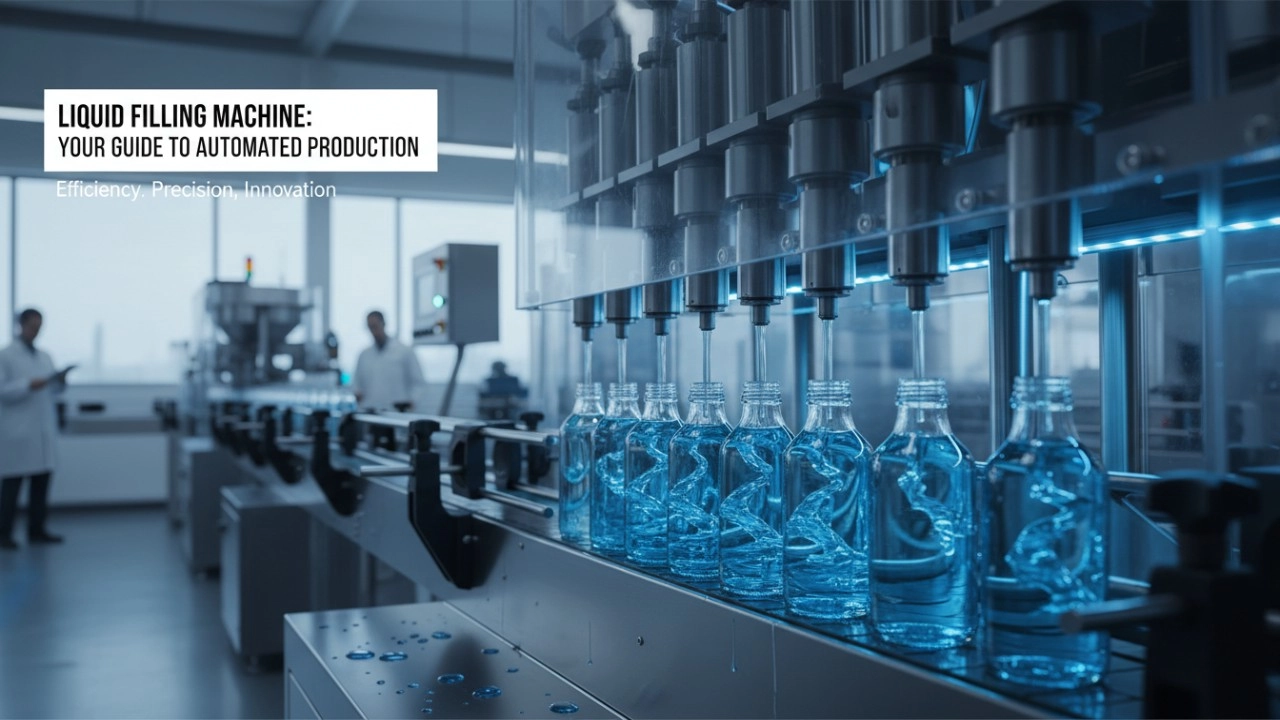
Beyond Automation: How Smart Liquid Filling Machines are Transforming Modern Packaging Lines
7 Dangerous Mistakes Most Companies Make with Underground Storage Tanks (USTs)
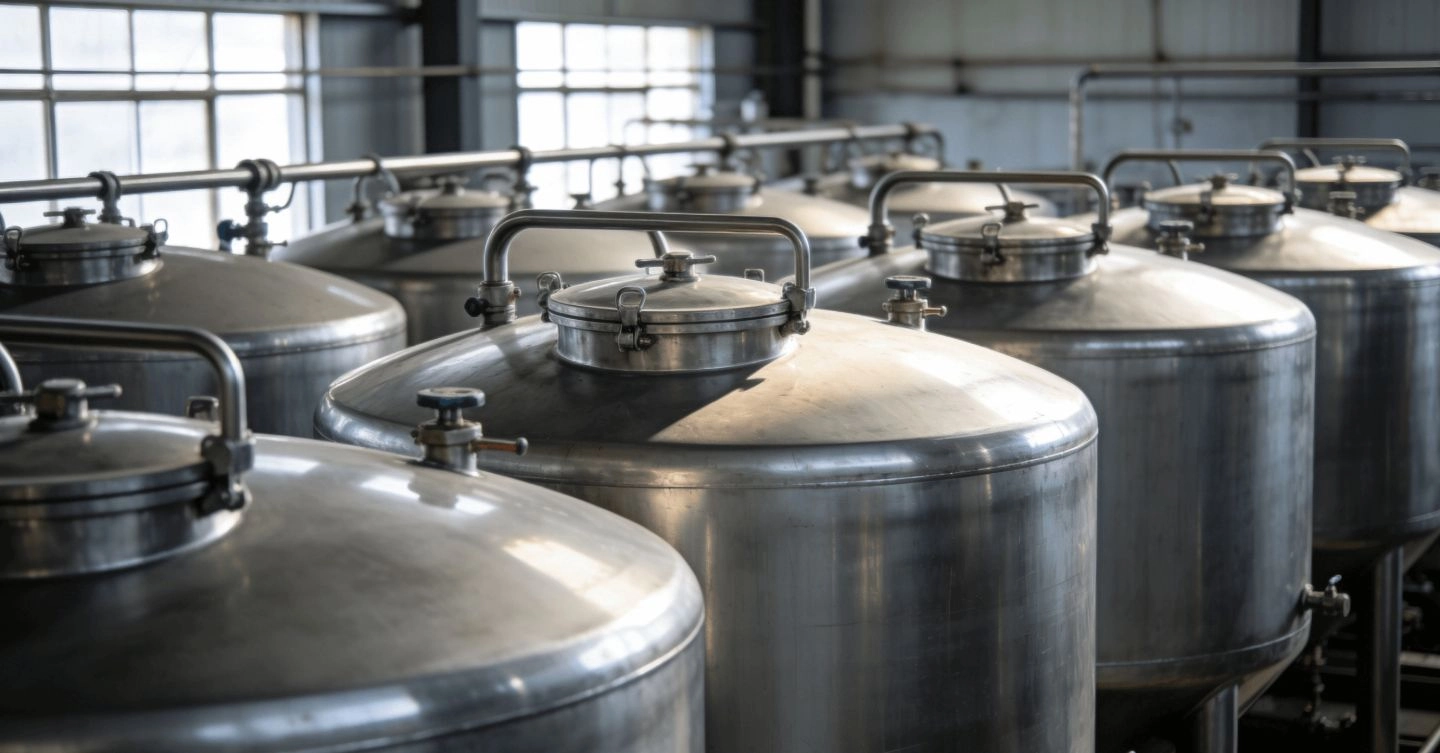
The Definitive Guide to Industrial Storage Tanks 2026: Why Food-Grade Stainless Steel is the Gold Standard
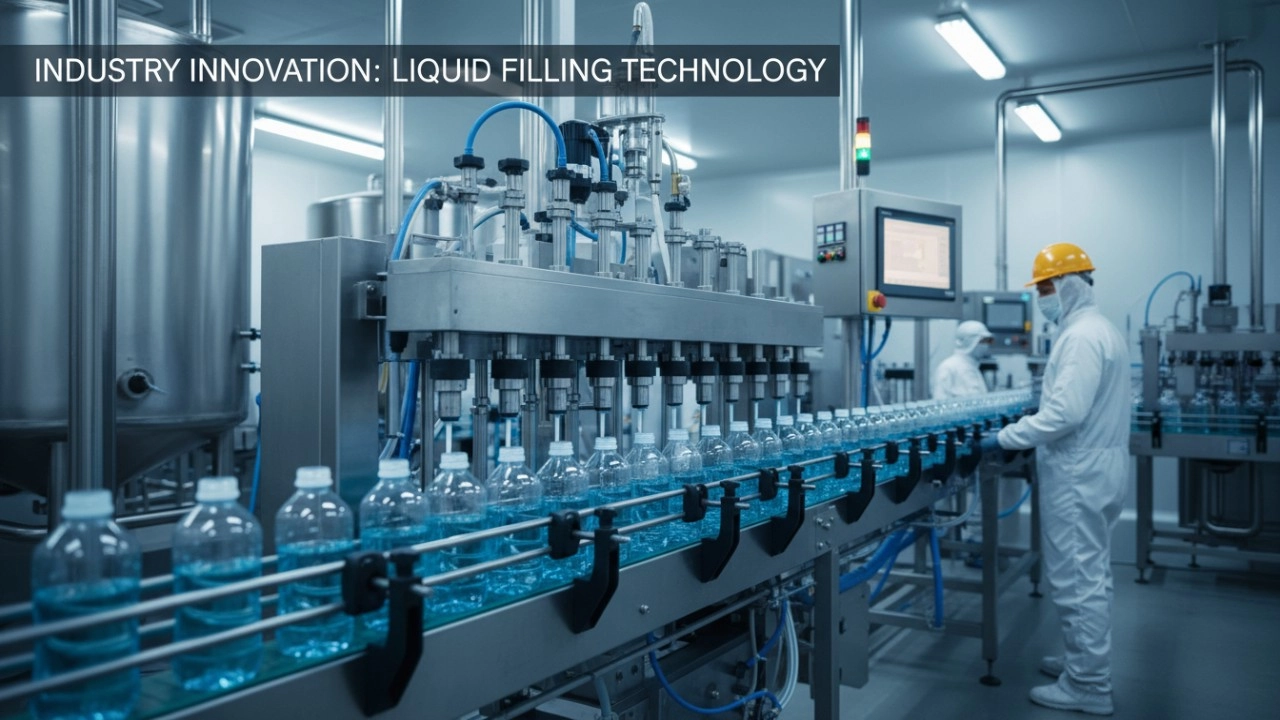
The Ultimate 2026 Guide to Liquid Filling Machines: Types, Technologies, and Strategic Selection
Ultimate Guide to Commercial Reverse Osmosis Systems 2026
FAQs
Do you provide installation service locally?
Yes,we can provide installation service.Generally we’ll send one or two technicians to install your machines ordered from us. You should take care of round-trip tickets, hotels, meals and other accommodations. Daily wage for each person is USD100.
But actually,most products are installed before shipment and some are packed as a complete set. When you receive them,normally you only need to install simply. No need to ask professional engineer for help.
Sachet Packaging Machine
Can I use this liquid packing machine to pack if my product is like paste which is quite thick and viscous?
Yes, heating function and mixing function can be added based on materials.
Cosmetic Making Machine
Why water pot and oil pot are needed?
The combination of water pot and oil pot plays a crucial role for cosmetic production equipment, which ensure the stability of the emulsification process and product quality through pretreatment and precise control each phase materials.
⦁ Pretreatment
The water pot and oil are equipped with heating and dispersing function. Each phase can be dissolved,dispersed,heated before entering into the main emulsifying equipment. The pretreatment improves emulsification efficiency, reduces unnecessary mixing problems, and ensures that the material is in the best condition during emulsification
⦁ Precise control
Each phase is with a separated pot. Through the precise control system of water pot and oil pot, the materials can be added to the emulsion pot according to the preset ratio and speed, to ensure the uniformity and stability of the mixing process. This precise control helps to produce a high quality, consistent product.
Liquid Soap Making Machine
What’s the main function of the industrial liquid mixer machine?
The liquid soap mixer machine is a functional equipment. Its main function is blending, mixing, homogenizing, heating. Client’s choose function according to specific products.
Do you have PLC control panel for the soap mixing tank?
Yes, the control panel can be button control or with PLC touch screen. The standard is with button control, clients choose based on budget. we will customize upon requirements.
Leave a message
Have any questions or concerns about our products? Please leave us a message here, and our team will get back to you promptly.
 Scan QR Code
Facebook
YouTube
LinkedIn
Whatsapp: +8613434139712
Guangzhou Yuanyang Machinery