





Ultimate Storage Tank Guide for 2026: Selection & Innovations
A comprehensive guide for 2026 covering storage tank types, materials, API/EPA regulations, maintenance lifecycles, and future IoT trends. detailed insights for selecting the right tank, from small RO units to large industrial vessels.
- What is a Storage Tank? An Essential Overview
- Functions of Storage Tanks: More Than Just Holding Liquids
- Comprehensive Guide to Storage Tank Types
- Materials for Storage Tanks: Selection & Performance
- Carbon Steel
- Stainless Steel (304, 316)
- Polyethylene (HDPE/LLDPE)
- Fiberglass Reinforced Plastic (FRP)
- Key Features and Components of Modern Storage Tanks
- Applications Across Industries: Where Storage Tanks Thrive
- Safety Considerations and Regulatory Compliance: Your Guide to Best Practices
- Major Regulatory Bodies
- Key Safety Practices
- Storage Tank Maintenance: A Comprehensive Lifecycle Approach
- Choosing the Right Storage Tank: A Step-by-Step Selection Guide
- Advanced Technologies & The Future of Storage Tanks in 2026
- Environmental Impact & Sustainability
- Conclusion: The Evolving Role of Storage Tanks in 2026 and Beyond
- Frequently Asked Questions
- What is the primary function of a storage tank?
- What are the main types of storage tanks?
- How often should a storage tank be inspected?
- What materials are commonly used for storage tanks and why?
- What are the key safety regulations for storage tanks?
- How does an aboveground storage tank differ from an underground storage tank?
- What is a 'smart' storage tank?
- What factors should be considered when choosing a storage tank?
- References
What is a Storage Tank? An Essential Overview
At its core, a storage tank is a container designed to hold liquids, compressed gases, or mediums used for the short- or long-term preservation of heat or cold. While they may seem like simple passive vessels, modern storage tanks are critical infrastructure components across the energy, chemical, food processing, and water management sectors. From a compact 100 gallon water storage tank used in residential dosing systems to massive floating-roof crude oil vessels, these engineered structures ensure operational continuity and safety.
Historically, storage solutions have evolved from clay pots and wooden barrels to sophisticated, multi-layered structures capable of withstanding extreme pressures and corrosive environments. In 2026, the definition of a storage tank expands beyond mere containment; it now encompasses "smart" vessels equipped with IoT sensors that monitor integrity in real-time, bridging the gap between physical infrastructure and digital asset management.

Functions of Storage Tanks: More Than Just Holding Liquids
While containment is the primary function, industrial tanks serve multiple critical roles in complex processing systems:
· Storage and Conservation: The fundamental role is maintaining the integrity of the stored substance. For example, a stainless steel water storage tank is designed to prevent algae growth and contamination, ensuring potable water remains safe for consumption.
· Mixing and Blending: Many process tanks are equipped with agitators to maintain homogeneity, preventing sedimentation in slurries or ensuring chemical uniformity.
· Transportation Facilitation: Tanks often act as the interface between production and logistics, temporarily holding product before it is pumped into tanker trucks or railcars.
· Buffer and Surge Protection: In water treatment plants, large water storage tanks act as buffers to manage flow variations, ensuring downstream processes aren't overwhelmed during peak demand.
· Emergency Reserve: Fire protection tanks provide a dedicated supply of water that is legally mandated to remain available solely for fire suppression systems.
Comprehensive Guide to Storage Tank Types
Selecting the correct tank configuration is pivotal for safety and efficiency. The table below categorizes common designs.
|
Category |
Type |
Key Features & Applications |
|
By Position |
Above Ground Water Storage Tanks (AST) |
Easier to inspect and maintain; lower installation costs. susceptible to weather extremes. |
|
|
Underground Water Storage Tanks (UST) |
Space-saving; temperature stability prevents freezing. Harder to detect leaks; stricter EPA regulations. |
|
By Design |
Fixed Roof Tanks |
Standard cone or dome roofs. Used for non-volatile liquids like water or diesel. |
|
|
Floating Roof Tanks |
Roof floats on the liquid surface, eliminating the vapor space to reduce evaporation losses and fire risk for volatile fuels. |
|
|
Pressure Vessels |
Spherical or cylindrical tanks designed to hold gases (LPG, CNG) at high pressures, adhering to ASME Section VIII codes. |
|
By Application |
Reverse Osmosis Storage Tank |
Hydropneumatic vessels with an internal air bladder. Essential for RO storage tank systems to deliver water at faucet pressure. |
|
|
Sewage Storage Tank |
Corrosion-resistant containment for wastewater/effluent, often requiring double-walled designs for environmental safety. |
Materials for Storage Tanks: Selection & Performance
Material selection dictates the tank's lifespan and chemical compatibility.
Carbon Steel
Carbon steel is the workhorse of the industrial storage world. It offers high strength and is cost-effective for storing non-corrosive fluids like oil and fuels. However, it requires rigorous painting and coating schedules to prevent external rust and internal corrosion.
Stainless Steel (304, 316)
A stainless steel water storage tank is the gold standard for hygiene. Grade 316 provides superior resistance to chlorides and acids compared to Grade 304. These tanks are ubiquitous in the pharmaceutical and food and beverage industries because they can be sanitized with harsh chemicals and high heat without degrading.
Polyethylene (HDPE/LLDPE)
For many commercial and residential applications, high-density polyethylene is ideal. Whether you need a 500 gallon water storage tank for rainwater harvesting or a 1000 gallon water storage tank for agricultural fertilizer, poly tanks offer excellent chemical resistance and are rust-proof. Advanced Cross-linked Polyethylene (XLPE) offers superior strength and heat resistance compared to standard linear resins.
Fiberglass Reinforced Plastic (FRP)
FRP tanks are lightweight and exceptionally resistant to specific corrosive chemicals that might eat through steel. They are often used for underground water storage tanks because they do not rust when in contact with damp soil.
Key Features and Components of Modern Storage Tanks
Modern tanks are complex systems integrating several safety and operational components, and portable storage tanks, using portable storage tanks have a lot of benefits in terms of flexibility, safety, and efficiency across industries:
· Pressure Relief Valves & Vents: Critical for preventing tank rupture during filling or vacuum collapse during emptying. As stated in API standards, proper venting is a mandatory safety feature.
· Level Gauges & Monitoring: From simple sight glasses to ultrasonic sensors, these prevent overfilling—a primary cause of environmental spills.
· Insulation & Heating: Viscous fluids like asphalt or heavy fuel oil require heated tanks to remain pumpable. Insulation jackets reduce energy costs.
· Pressurize Reverse Osmosis Storage Tank Components: These specific tanks contain a butyl diaphragm. The air side is pre-charged (typically 7-10 psi) to push the purified water out to the dedicated faucet.
Applications Across Industries: Where Storage Tanks Thrive
· Oil & Gas: The sector relies on API 650 tanks for crude oil and ASME pressure vessels for LPG.
· Water & Wastewater: From large water storage tanks for municipal supply to a sewage storage tank for holding effluent, this sector prioritizes corrosion resistance.
· Food & Beverage: Sanitary stainless steel tanks are non-negotiable for milk, beer, and juice storage.
· Residential & Small Commercial: Property owners frequently install a 1000 gallon water storage tank for irrigation or fire reserve, or a 500 gallon water storage tank for potable water backup.
Safety Considerations and Regulatory Compliance: Your Guide to Best Practices
Adhering to standards is not optional; it is a legal and safety imperative.
Major Regulatory Bodies
· API (American Petroleum Institute): API 650 is the global standard for designing new welded steel tanks. API 653 covers the inspection and repair of existing tanks.
· ASME (American Society of Mechanical Engineers): ASME Section VIII Boiler and Pressure Vessel Code governs the design of tanks operating above 15 psig.
· EPA (Environmental Protection Agency): The Spill Prevention, Control, and Countermeasure (SPCC) rule applies to facilities with over 1,320 gallons of aboveground oil storage. As noted in EPA regulations, this requires secondary containment (bunding) to prevent waterway contamination.
· NFPA (National Fire Protection Association): NFPA 30 provides the codes for the safe storage and handling of flammable and combustible liquids.
Key Safety Practices
Implementing a cathodic protection system is crucial for underground water storage tanks and steel pipelines to prevent galvanic corrosion. Furthermore, facilities must conduct regular risk assessments to identify potential spill vectors.
Storage Tank Maintenance: A Comprehensive Lifecycle Approach
Neglected maintenance is the leading cause of tank failure. A lifecycle approach involves:
1. Routine Visual Inspections: Monthly checks for leaks, shell distortions, and foundation settling.
2. API 653 Inspections: For industrial tanks, a certified inspector must perform a formal external inspection every five years and an internal inspection typically every 10–20 years based on corrosion rates.
3. Cleaning: Removal of sludge and sediment is vital. For water tank storage tanks, this prevents bacterial growth. For fuel tanks, it prevents microbial induced corrosion (MIC).
4. Coating Maintenance: Repairing exterior paint and interior linings extends the vessel's life by decades.
Choosing the Right Storage Tank: A Step-by-Step Selection Guide
1. Define Substance & Volume: Are you storing potable water or sulfuric acid? Do you need a 1000 gallon water storage tank for a whole-house backup or a 100 gallon water storage tank for a specific chemical mix? For regulated sectors, this is where best portable storage tank solutions designed for the food and cosmetic industries become especially important.
2. Analyze Space: Determine if you have the footprint for above ground water storage tanks or if an underground solution is required to save surface area.
3. Material Compatibility: Consult chemical resistance charts. Do not put corrosives in standard carbon steel.
4. Operational Needs: Does the tank need to be a pressurize reverse osmosis storage tank to work with your filtration system?
5. Total Cost of Ownership (TCO): A polyethylene tank is cheaper upfront than stainless steel but may have a shorter lifespan in direct sunlight. Factor in installation, maintenance, and eventual decommissioning costs.
Advanced Technologies & The Future of Storage Tanks in 2026
The storage tank industry is undergoing a digital transformation. By 2026, "Smart Tanks" will become the norm for critical applications.
· IoT & Smart Monitoring: Wireless sensors now transmit real-time data on fill levels, temperature, and even shell thickness to the cloud. This allows for predictive maintenance, fixing issues before leaks occur.
· Automated Inventory Management: Smart tanks integrate directly with ERP systems, automatically triggering re-orders when levels drop below a set threshold.
· Robotics: Drones and crawling robots are increasingly used for internal inspections of hazardous tanks, keeping human inspectors out of harm's way.
Environmental Impact & Sustainability
Modern storage strategies focus heavily on minimizing environmental footprints. Vapor recovery units on fuel tanks capture hazardous fumes that would otherwise vent to the atmosphere. For sewage storage tank systems, leak-proof double-walled designs ensure that groundwater remains uncontaminated. Additionally, the industry is moving towards fully recyclable materials, such as specific thermoplastics, to ensure responsible end-of-life decommissioning.
Conclusion: The Evolving Role of Storage Tanks in 2026 and Beyond
From a simple 500 gallon water storage tank in a backyard to complex industrial terminals, storage tanks remain the silent sentinels of modern infrastructure. As we move through 2026, the convergence of advanced materials, strict API/EPA regulatory frameworks, and IoT connectivity ensures these vessels are safer and more efficient than ever. Whether you are selecting a tank for a reverse osmosis system or a municipal water project, prioritizing quality and compliance is the only way to ensure long-term reliability.
Frequently Asked Questions
What is the primary function of a storage tank?
The primary function is to safely contain liquids or gases for a specified period, maintaining the substance's integrity while acting as a buffer between supply and demand.
What are the main types of storage tanks?
Tanks are categorized by position (aboveground vs. underground), design (fixed roof, floating roof, pressure vessel), and material (steel, polyethylene, fiberglass).
How often should a storage tank be inspected?
While monthly visual checks are recommended, industrial tanks typically require a formal API 653 external inspection every 5 years and an internal inspection every 10–20 years.
What materials are commonly used for storage tanks and why?
Carbon steel is used for fuel and oil due to strength; stainless steel is used for food and pharma for hygiene; polyethylene and FRP are used for water and chemicals due to corrosion resistance and cost-effectiveness.
What are the key safety regulations for storage tanks?
Key standards include API 650 for design, NFPA 30 for flammables, and EPA SPCC regulations for spill prevention and containment.
How does an aboveground storage tank differ from an underground storage tank?
Above ground water storage tanks are cheaper to install and easier to inspect but occupy surface space. Underground tanks save space and offer temperature stability but are harder to maintain and carry higher environmental risks if they leak.
What is a 'smart' storage tank?
A smart tank uses IoT sensors to monitor levels, pressure, and integrity in real-time, allowing for remote management and predictive maintenance.
What factors should be considered when choosing a storage tank?
Consider chemical compatibility, capacity (e.g., 1000 gallon water storage tank), site conditions, regulatory requirements, and the Total Cost of Ownership (TCO).
References
· API: API Standard 653 Tank Inspection, Repair, Alteration, and Reconstruction
· EPA: Spill Prevention, Control, and Countermeasure (SPCC) Regulation
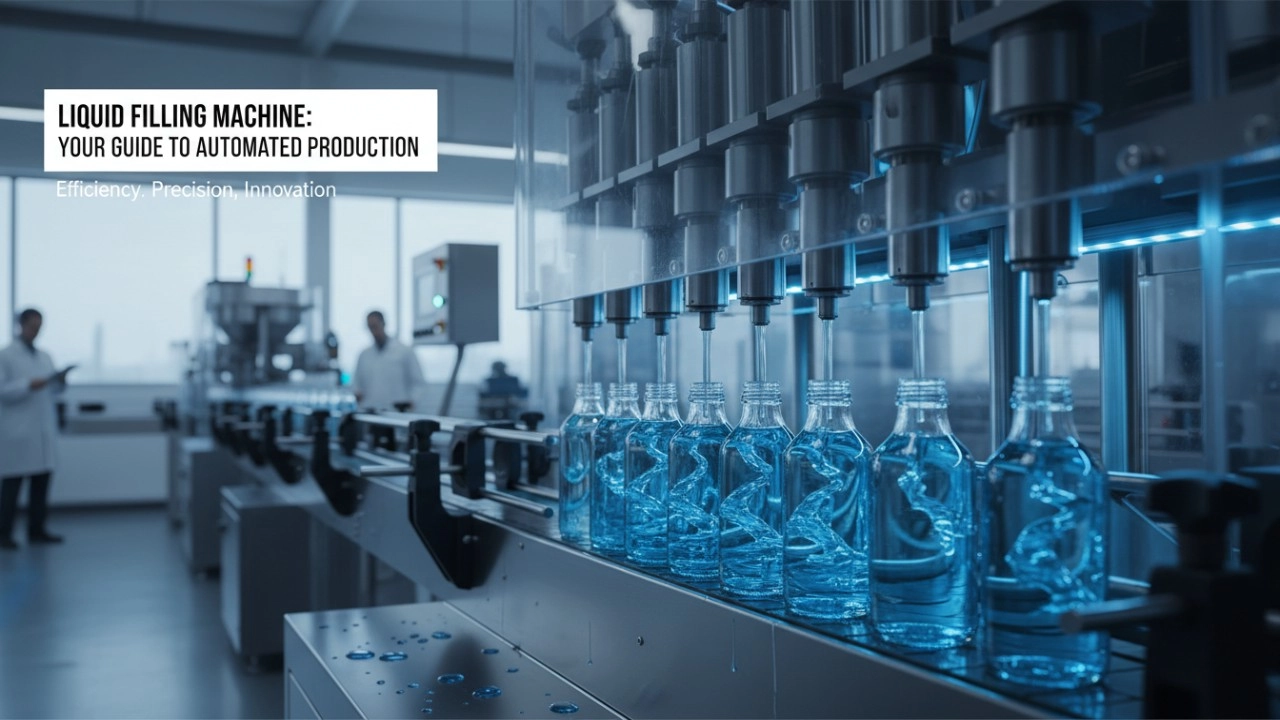
Beyond Automation: How Smart Liquid Filling Machines are Transforming Modern Packaging Lines
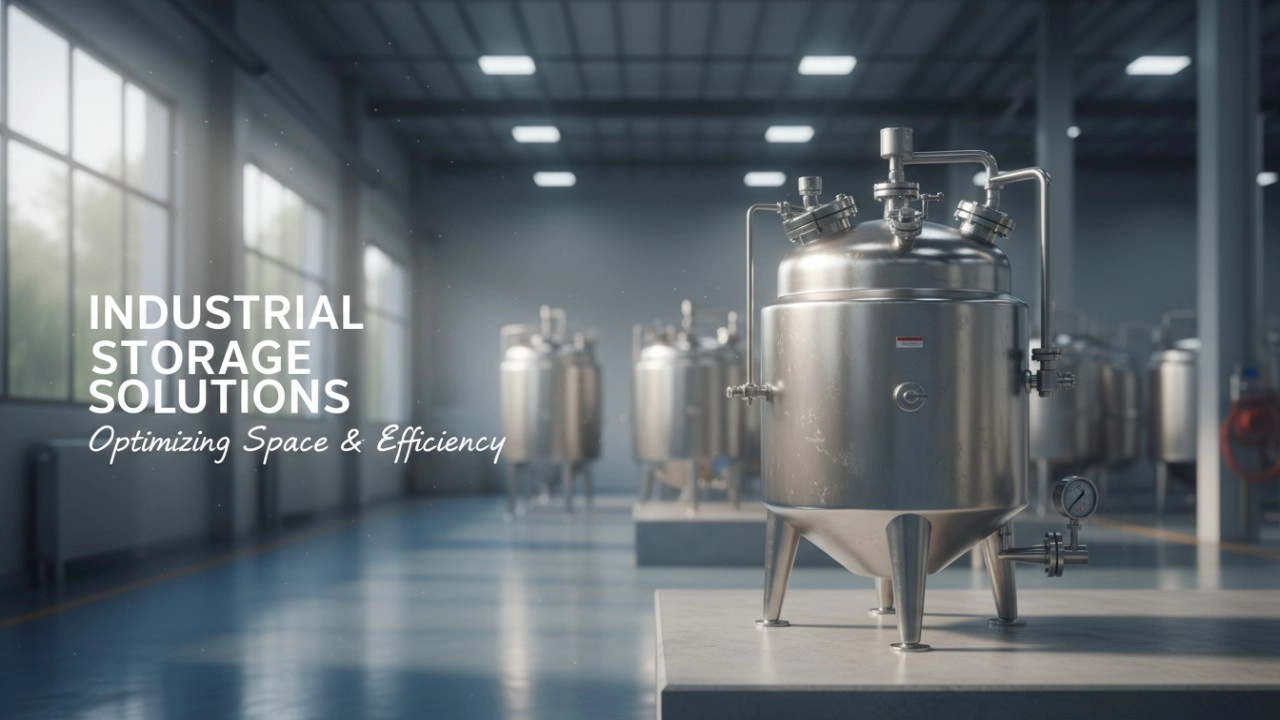
7 Dangerous Mistakes Most Companies Make with Underground Storage Tanks (USTs)
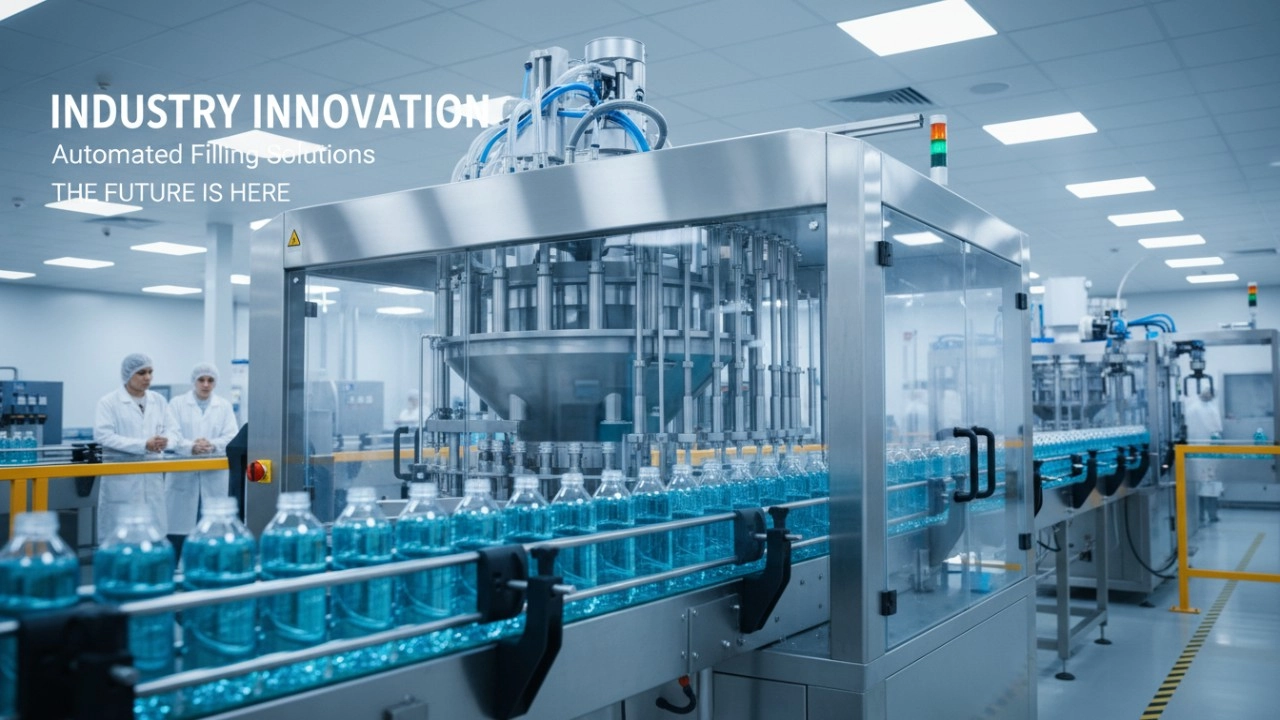
How to Future-Proof Your Production Line: The Latest Innovations in Precision Filling Machinery (2026 Guide)
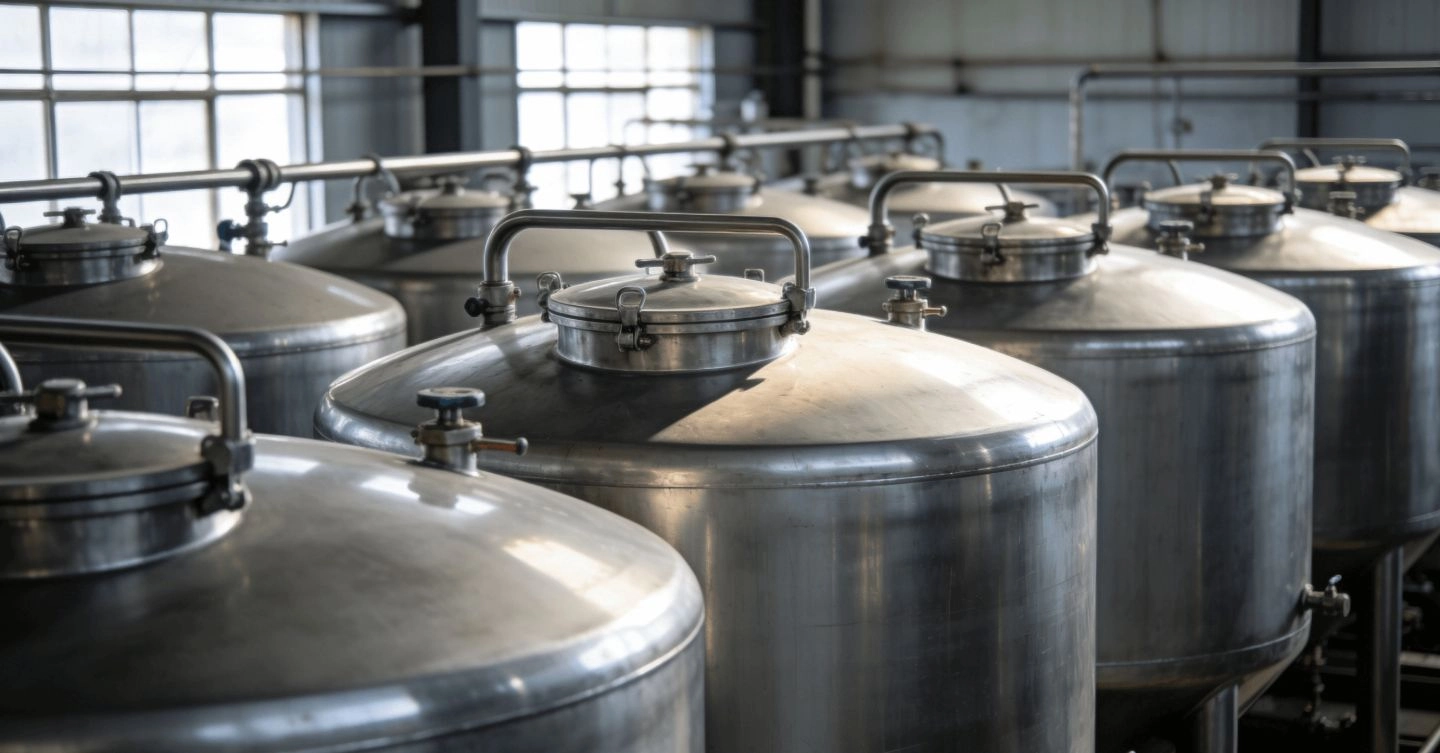
The Definitive Guide to Industrial Storage Tanks 2026: Why Food-Grade Stainless Steel is the Gold Standard
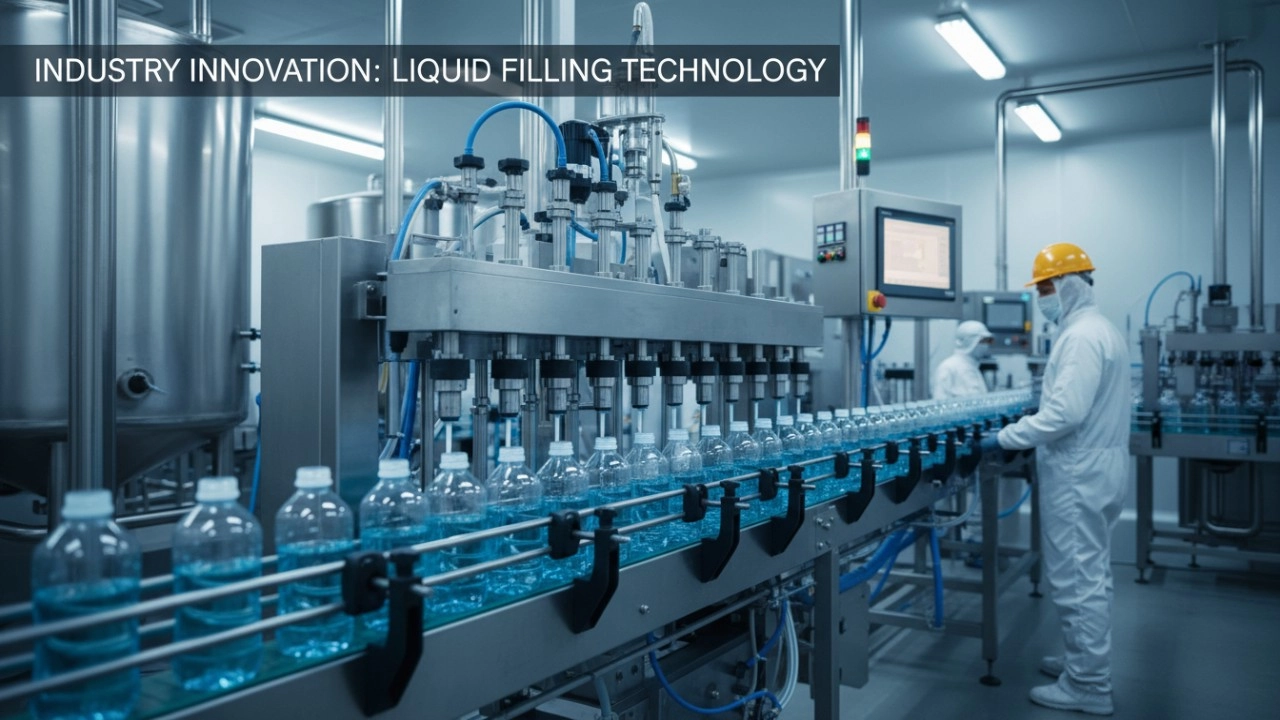
The Ultimate 2026 Guide to Liquid Filling Machines: Types, Technologies, and Strategic Selection
Water Cooling Induction Sealer
Do you also have conveyor for the bottle lid sealing machine?
Yes, we can add a conveyor for the bottle sealing machine. And customize the conveyor height according to requirement if need.
What type of container is the heat induction sealer suitable for?
The material of the container can be polyethylene (PE), polypropylene (PP), polystyrene (PS), polyester (PET), ABS, glass, ceramics, etc., but can not be used for metal bottles or metal caps.
Ink Jet Printer
What package materials are required for this date printing machine?
The dater printer is suitable for various coated cardboard, film, non-coated, coated paper, aluminum foil, plastic card, self-adhesive, PP, PET, PVC, PE, etc
Automatic Round Bottle Labeling Machine
Can this sticker labeling machine be suitable for glass bottles?
Yes, this round bottle sticker labeling machine is suitable for sticking labels on glass bottles.
Cosmetic Making Machine
Why vacuum system is necessary?
In the mixing process of cosmetic emulsifier, it is necessary to eliminate bubbles and prevent oxidation to ensure the quality of the mixture.
In a vacuum environment, there are following advantages:
⦁ Improve mixing efficiency
In a vacuum environment, the surface area of the mixture increases, and the interaction force between the substances will also increase, thus speeding up the mixing speed.
⦁ Prevent oxidation
In a vacuum environment, oxygen cannot enter the mixture, so it can effectively prevent the oxidation of the mixture.
⦁ Reduce bubbles
In a vacuum environment, the bubbles in the mixture will be drawn out, so that you can get a bubble-free mixture.
Leave a message
Have any questions or concerns about our products? Please leave us a message here, and our team will get back to you promptly.
 Scan QR Code
Facebook
YouTube
LinkedIn
Whatsapp: +8613434139712
Guangzhou Yuanyang Machinery