





The Definitive Guide to Industrial Storage Tanks 2026: Why Food-Grade Stainless Steel is the Gold Standard
Optimize your facility with food-grade stainless steel storage tanks. Learn about RO storage tank selection, the benefits of a vertical water storage tank, and industrial ROI tips.
- Introduction
- The Critical Role of Material Science: Beyond Standard Steel
- Why Food-Grade Stainless Steel?
- Integrating Filtration: The Reverse Osmosis Storage Tank
- The Dynamics of the RO Storage Tank
- High-Pressure Environments: Pressurized RO Systems
- Understanding Pressure Tanks
- Vertical vs. Horizontal: Optimizing the Industrial Footprint
- Steel Water Storage Tanks in Portable Configurations
- What Professional Buyers Look for Before Procurement
- Is the welding sanitary?
- What is the passivation protocol?
- How is the "Dead Leg" managed?
- The Long-Term ROI of Stainless Steel
- Conclusion
- Frequently Asked Questions (FAQs)
- 1. What is the difference between Grade 304 and 316L for a stainless steel water storage tank?
- 2. Why is a pressurize reverse osmosis storage tank needed instead of an atmospheric one?
- 3. How often should a food-grade storage tank be cleaned?
- 4. Can portable water storage tanks be used for high-purity RO water?
- 5. What are the benefits of a vertical water storage tank over a horizontal one?
- 6. Are all steel water storage tanks suitable for drinking water?
- 7. Why do pressure tanks sometimes lose their efficiency over time?
Introduction
In the landscape of modern industrial manufacturing, the integrity of your storage system is the foundation of your product quality. Whether you are managing a pharmaceutical high-purity water loop, a large-scale food and beverage production line, or a high-tech semiconductor facility, the choice of a storage tank is a decision that dictates operational longevity and regulatory compliance. As global standards for hygiene and durability tighten, the shift toward food-grade stainless steel has moved from a "premium option" to an "industry requirement." To help you navigate this evolving landscape, we explore the modern Selection & Innovations of Storage Tank systems. In this comprehensive guide, we analyze the critical factors of tank selection, from pressurized systems to the nuances of material grades, ensuring your facility remains at the cutting edge of efficiency and safety.
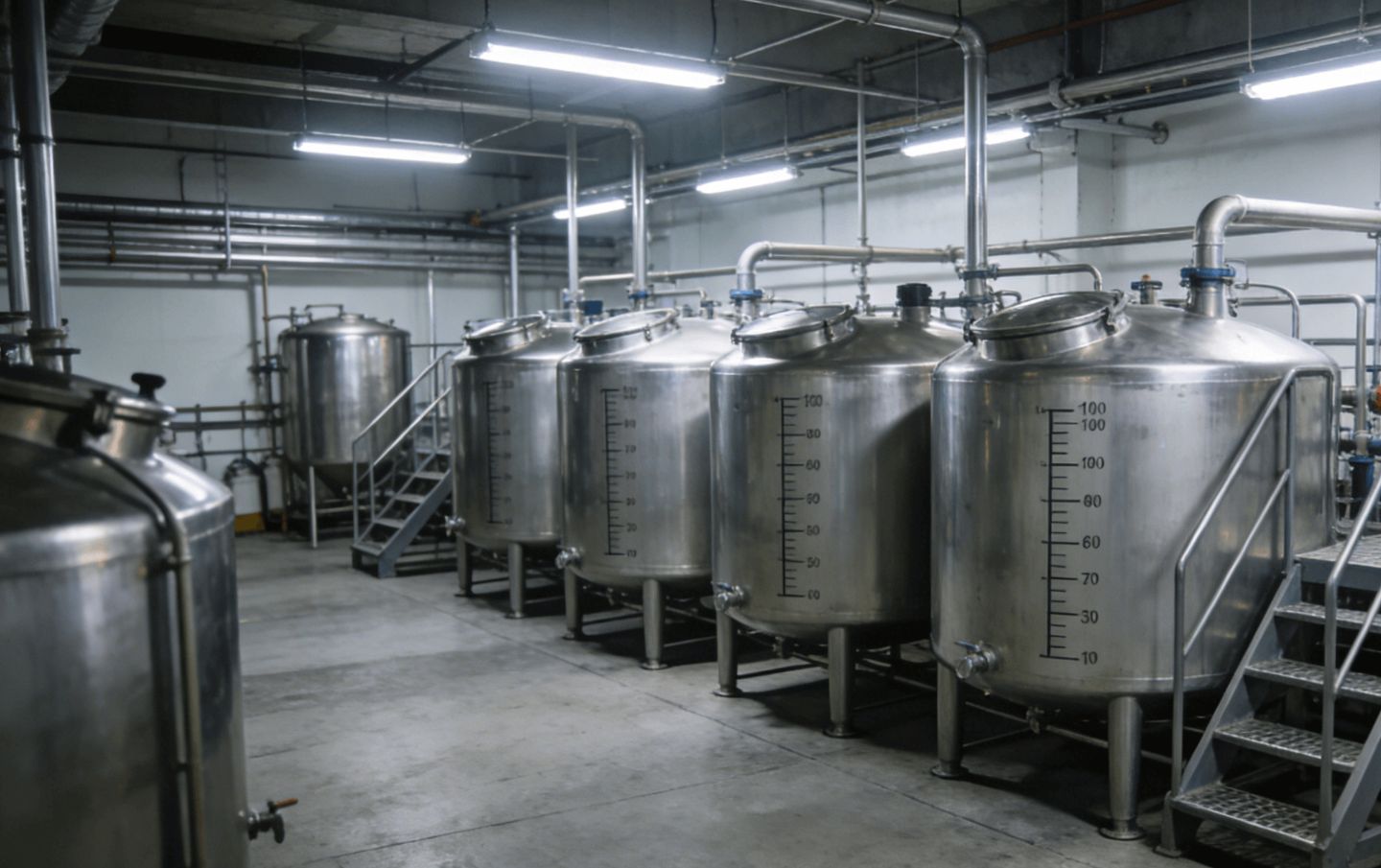
The Critical Role of Material Science: Beyond Standard Steel
When searching for steel water storage tanks, the distinction between "industrial-grade" and "food-grade" is paramount. For any application involving human consumption or ultra-pure processing, a standard carbon steel tank with a liner is often a liability. Modern facilities are increasingly moving toward modular setups, and understanding the Key Benefits of Using Portable Storage Tanks in food-grade stainless steel is essential for maintaining both purity and operational agility.
Why Food-Grade Stainless Steel?
Stainless steel (specifically Grades 304 and 316L) provides a passive chromium-oxide layer that prevents oxidation and metallic leaching. In the context of a stainless steel water storage tank, this ensures that the water chemistry remains unchanged from the moment it enters the tank until it reaches the point of use.
-
Corrosion Resistance: Unlike plastic or lined carbon steel, a stainless steel water storage tank withstands aggressive CIP (Clean-in-Place) chemicals.
-
Surface Smoothness: Food-grade tanks undergo electropolishing to reach a low Ra (Roughness Average), preventing biofilm attachment and bacterial colonies.
Integrating Filtration: The Reverse Osmosis Storage Tank
One of the most sensitive components in a water treatment train is the reverse osmosis storage tank. Since RO water is "hungry" (de-mineralized and aggressive), it can leach contaminants from lower-quality materials.
The Dynamics of the RO Storage Tank
A high-performance ro storage tank must maintain the atmospheric or pressurized purity of the permeate. In high-volume industrial setups, a vertical water storage tank configuration is often preferred to minimize the footprint while maximizing the hydraulic head pressure.
When selecting a reverse osmosis storage tank, engineering teams must consider:
-
Airborne Contamination: Utilizing high-efficiency hydrophobic vent filters.
-
Stagnation Prevention: Ensuring the tank design allows for "First-In, First-Out" (FIFO) water flow.
High-Pressure Environments: Pressurized RO Systems
For facilities that require consistent flow rates without the use of secondary booster pumps, the pressurize reverse osmosis storage tank is the engineering answer.
Understanding Pressure Tanks
Unlike atmospheric tanks, pressure tanks utilize a bladder or a compressed air cushion to displace the stored liquid. A pressurize reverse osmosis storage tank ensures that the pure water is delivered to the production line at a constant bar pressure, reducing the complexity of the downstream piping.
In industrial settings, pressure tanks must be ASME-certified (or equivalent) to handle the fatigue of constant cycling. A stainless steel water storage tank designed for pressure applications offers a much higher safety factor and fatigue life than composite or plastic alternatives.
Vertical vs. Horizontal: Optimizing the Industrial Footprint
The physical orientation of your storage system is a critical logistical consideration. Depending on your facility's ceiling height and floor load, the choice between vertical and horizontal configurations will impact your long-term maintenance accessibility.
| Feature | Vertical Water Storage Tank | Horizontal Water Storage Tank |
| Space Utilization | Small footprint; uses vertical height. | Large footprint; requires significant floor area. |
| Drainage Efficiency | Excellent (Gravity-assisted conical bottom). | Moderate (Requires specialized sumps to avoid pooling). |
| Pressure Distribution | Uniform stress on the base. | Stress concentrated along the support saddles. |
| Cleaning (CIP) | Highly effective; spray balls cover all surfaces easily. | More complex; prone to "shadow zones" in long tanks. |
| Capacity Range | Ideal for high-volume storage (5,000L - 100,000L+). | Generally used for smaller, low-profile needs. |
| Best Application | Industrial Water Treatment, RO Loops. | Transport, Underground storage, Low-ceiling rooms. |
Steel Water Storage Tanks in Portable Configurations
While permanence is common, many modular factories now require portable water storage tanks. These are not "temporary" in the sense of quality, but rather designed with integrated skids or lifting lugs. These portable water storage tanks allow for "plug-and-play" facility expansion, which is essential for modern, agile manufacturing environments where production lines are frequently reconfigured.
What Professional Buyers Look for Before Procurement
In ten years of marketing these systems, I have found that the most successful projects are those where the client asks these three "Pro" questions:
Is the welding sanitary?
A tank is only as good as its seams. For a food-grade stainless steel unit, welds must be orbital and ground smooth. Any "pitting" or "crevice" in a weld is a breeding ground for bacteria.
What is the passivation protocol?
After fabrication, a stainless steel water storage tank must be passivated with nitric or citric acid to restore its protective oxide layer. Ensure your manufacturer provides a passivation certificate.
How is the "Dead Leg" managed?
In pressure tanks and RO systems, any area where water does not circulate is a risk. Professional-grade steel water storage tanks are designed to eliminate stagnant zones.
The Long-Term ROI of Stainless Steel
While the initial capital expenditure (CAPEX) for a stainless steel water storage tank is higher than plastic or carbon steel, the Total Cost of Ownership (TCO) is significantly lower.
-
Zero Maintenance Liners: Unlike lined tanks, there is no coating to crack, peel, or re-apply.
-
Residual Value: Stainless steel is a highly recyclable commodity with significant scrap value.
-
Compliance Security: As FDA and EMA regulations evolve, food-grade stainless steel remains the only material with universal, long-term approval for high-purity contact.
Conclusion
Selecting the right storage tank is an exercise in risk mitigation. By choosing food-grade stainless steel, you are ensuring that your water treatment system—from the reverse osmosis storage tank to the final pressurize reverse osmosis storage tank—operates at peak hygiene and efficiency. Whether you need a massive vertical water storage tank for a municipal backup or a series of portable water storage tanks for a modular pharmaceutical lab, the focus should always remain on material integrity and precision engineering. Invest in the durability and safety of food-grade stainless steel to secure your process integrity.
Frequently Asked Questions (FAQs)
1. What is the difference between Grade 304 and 316L for a stainless steel water storage tank?
Grade 304 is the industry standard for most water applications. However, 316L contains molybdenum, which provides superior resistance to chlorides (salt) and is preferred for pharmaceutical or coastal environments.
2. Why is a pressurize reverse osmosis storage tank needed instead of an atmospheric one?
A pressurize reverse osmosis storage tank keeps the water under pressure, allowing it to flow to your machines without an additional pump. It also keeps the system "closed," reducing the risk of airborne bacteria entering the water.
3. How often should a food-grade storage tank be cleaned?
Even with high-purity water, we recommend a CIP (Clean-in-Place) cycle every 6 to 12 months. Food-grade stainless steel is specifically designed to withstand the heat and chemicals used in these sterilization processes.
4. Can portable water storage tanks be used for high-purity RO water?
Yes, provided they are made from food-grade stainless steel. These portable water storage tanks are often used in pilot plants or as buffer tanks in mobile water treatment units.
5. What are the benefits of a vertical water storage tank over a horizontal one?
A vertical water storage tank occupies less floor space and allows for a more efficient drainage, which ensures all sediments are flushed out during cleaning, unlike horizontal tanks where "puddling" can occur.
6. Are all steel water storage tanks suitable for drinking water?
No. Standard steel water storage tanks may have coatings that are not BPA-free. Only tanks certified as food-grade stainless steel or with specific NSF-61 liners should be used for potable water.
7. Why do pressure tanks sometimes lose their efficiency over time?
In most pressure tanks, the internal air bladder can lose pressure. Using a high-quality stainless steel pressure tank with a heavy-duty diaphragm ensures the longest possible service life.
Beyond Automation: How Smart Liquid Filling Machines are Transforming Modern Packaging Lines
7 Dangerous Mistakes Most Companies Make with Underground Storage Tanks (USTs)
How to Future-Proof Your Production Line: The Latest Innovations in Precision Filling Machinery (2026 Guide)
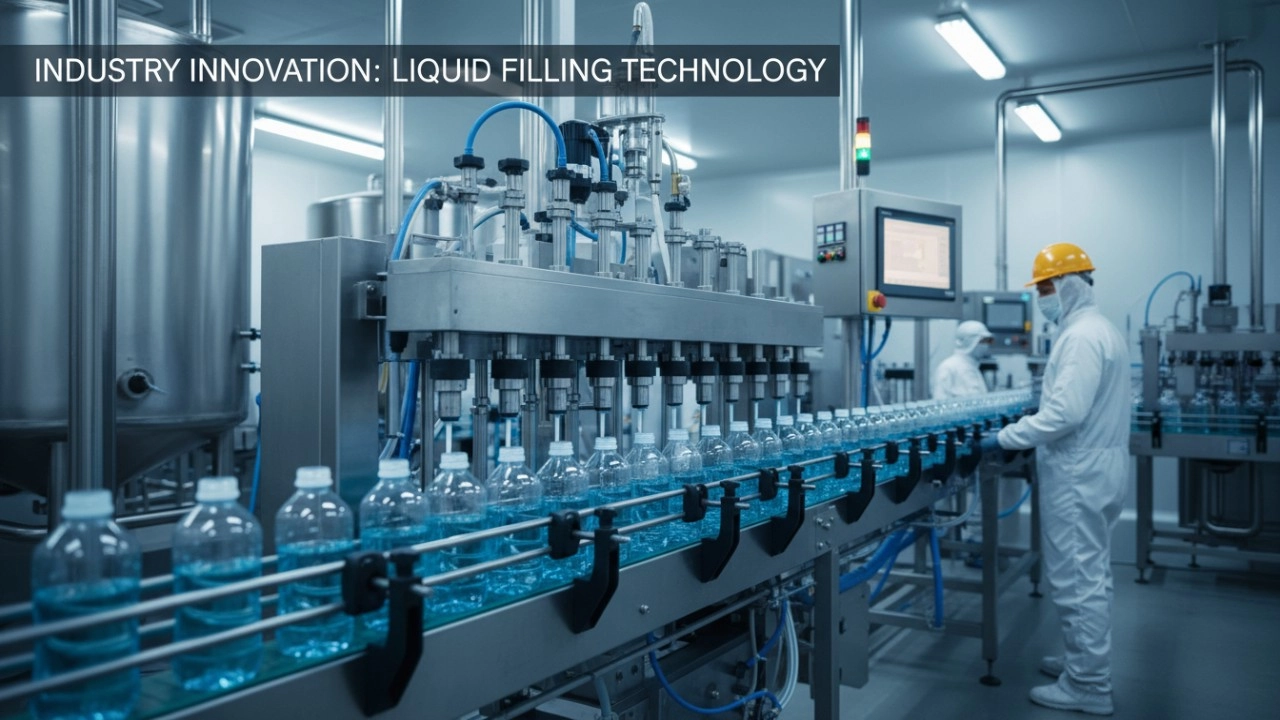
The Ultimate 2026 Guide to Liquid Filling Machines: Types, Technologies, and Strategic Selection
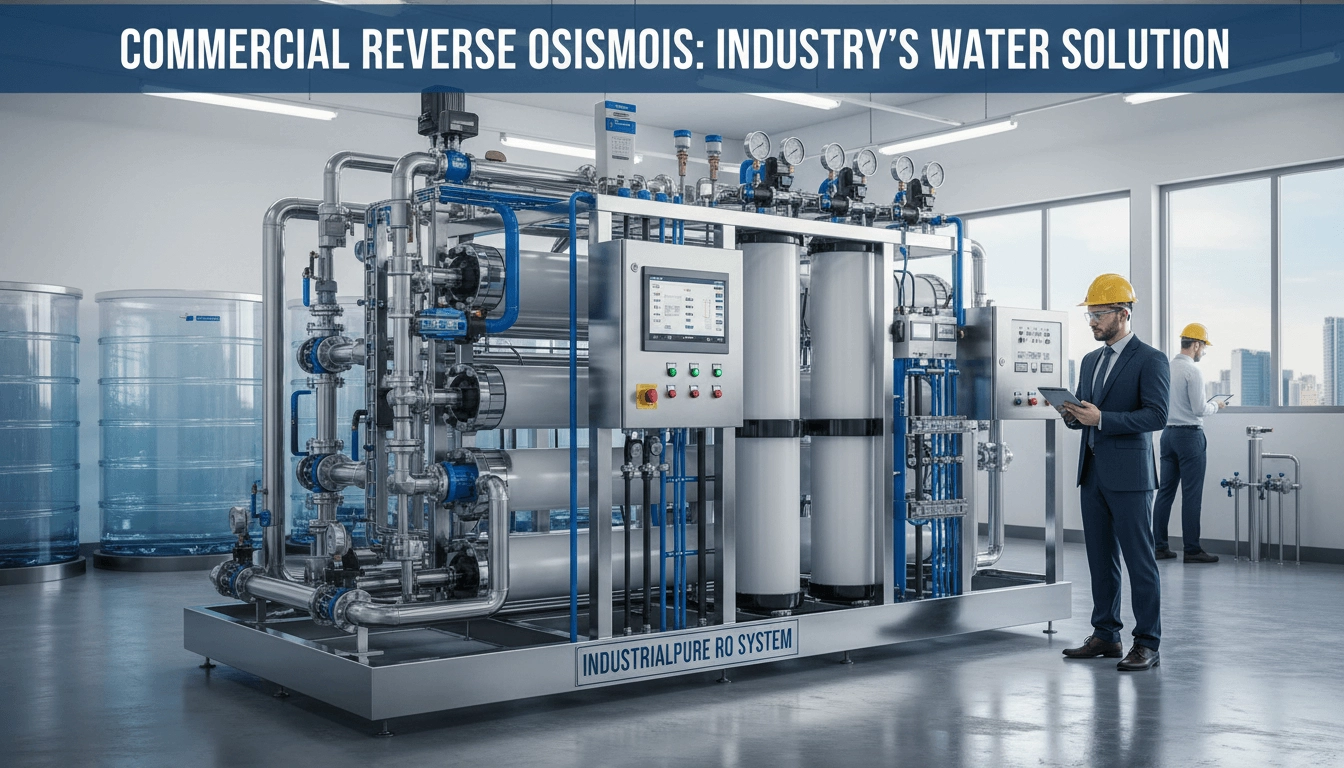
Ultimate Guide to Commercial Reverse Osmosis Systems 2026
Vertical Filling Machine
What’s the pressure it requires?
This semi automatic filling machine is full pneumatic drive, need an air compressor. The working pressure is 0.4-0.6Mpa.
Ribbon mixer
Do you have a platform for the ribbon mixing machine?
Yes, we the platform is an optional choice, we will confirm with client before offering a quote.
Industries
Do you provide operational training?
Yes, we provide detailed operational manuals and comprehensive training to ensure safe and efficient operation of the equipment.
Vacuum Homogneizer
How to clean the inside tank?
There will be installed with rotary ball and valves on the lid, client uses high pressure water to clean or a high pressure gun to wash. Load tap water into tank, add some cleaning liquids, operate heating function and mixing function for better cleaning.
Automatic powder feeder machine
Do you also supply powder or granules packing machine?
Yes,Yuany supplies different type of packing machines for powder, granules and liquids. Please contact customers services with details.
Leave a message
Have any questions or concerns about our products? Please leave us a message here, and our team will get back to you promptly.
 Scan QR Code
Facebook
YouTube
LinkedIn
Whatsapp: +8613434139712
Guangzhou Yuanyang Machinery