





The Ultimate 2026 Guide to Liquid Filling Machines: Types, Technologies, and Strategic Selection
A comprehensive 2026 guide to liquid filling machines, covering automation types, working principles, ROI statistics, and future Industry 4.0 trends.
- What is a Liquid Filling Machine?
- Key Takeaways: Quick Summary of Liquid Filling Machines
- How Do Liquid Filling Machines Work?
- The 5-Step Automated Process
- Comprehensive Types of Liquid Filling Machines
- 1. By Automation Level
- 2. By Filling Principle
- Key Factors for Selecting the Right Liquid Filling Machine
- Selection Criteria Checklist
- Advanced Features and Technologies (2026 & Beyond)
- Emerging Technologies
- Applications Across Diverse Industries
- Industry-Specific Uses
- Maintenance Best Practices and Troubleshooting
- Maintenance Schedule
- Cost Considerations and ROI of Liquid Filling Machines
- ROI Factors
- The Future of Liquid Filling Technology: Trends for 2026
- Expert Tips for Maximizing Your Filling Line Efficiency
- Conclusion
- Frequently Asked Questions (FAQ)
- How much does a liquid filling machine cost?
- What types of liquids can be filled by these machines?
- What is the difference between volumetric and overflow fillers?
- How often should a liquid filling machine be maintained?
- Can liquid filling machines handle different bottle sizes?
- What are the benefits of fully automatic liquid filling machines?
- References
What is a Liquid Filling Machine?
A liquid filling machine is an industrial system designed to dispense precise volumes of liquid products into containers like bottles, vials, or pouches. These machines automate the packaging process to ensure consistent fill levels, minimize waste, and maintain hygiene standards across industries such as pharmaceuticals, food and beverage, and cosmetics.
Modern liquid filling solutions are the backbone of efficient production lines. By replacing manual pouring with automated precision, manufacturers can achieve significantly higher throughput and accuracy. In 2024, the global market for these machines was valued at approximately $6.45 billion, reflecting their critical role in global manufacturing supply chains.
Key Takeaways: Quick Summary of Liquid Filling Machines
· Market Growth: The sector is projected to reach over $10.39 billion by 2032, growing at a CAGR of 6.2%, according to Fortune Business Insights.
· Efficiency: Automatic liquid filling machines can increase production throughput by up to 30% compared to manual processes.
· Technology: Integration of AI and IoT allows for predictive maintenance, reducing unplanned downtime which costs the industry billions annually.
· Versatility: Machines range from simple 2 ingredient liquid filling machines to complex viscous liquid filling machines for thick products like honey or creams.
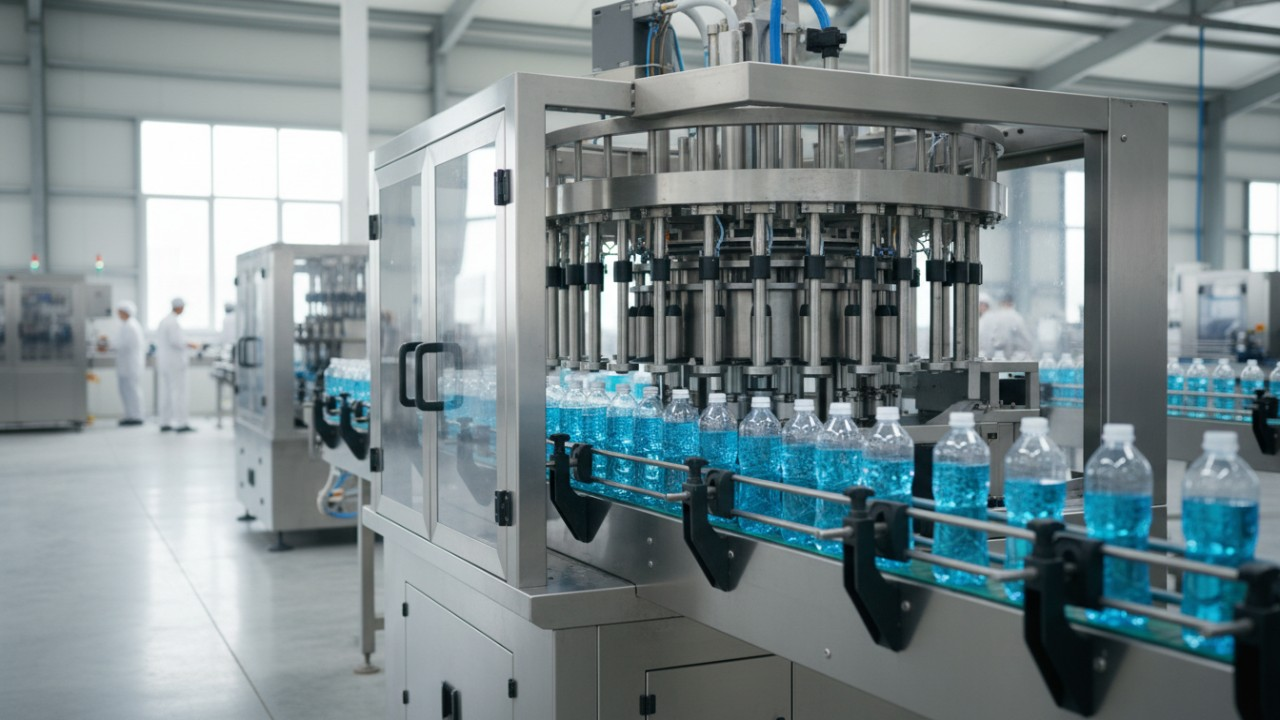
How Do Liquid Filling Machines Work?
Liquid filling machines operate by drawing product from a bulk source and dispensing it into containers using specific mechanisms like gravity, pistons, or pumps. The process is synchronized by a central control unit (PLC) to ensure every container receives the exact same amount of liquid.
The 5-Step Automated Process
1. Container Feeding: Bottles are indexed onto a conveyor belt using star wheels or timing screws.
2. Product Intake: The machine draws liquid from a tank or hopper. For accurate pressure monitoring, a liquid filled pressure gauge is often used on the supply lines to dampen vibration and ensure steady flow readings.
3. Dispensing: Nozzles descend into or above the bottles. The liquid filler mechanism (gravity, piston, etc.) releases the product.
4. Level/Volume Check: Sensors confirm the fill level is correct before releasing the bottle.
5. Ejection: Filled containers move downstream to capping and labeling stations.
Comprehensive Types of Liquid Filling Machines
There are three main categories of liquid filling machines: by automation level, by operation style, and by filling principle. Selecting the right type depends heavily on your product's viscosity and your production goals.
1. By Automation Level
· Manual Fillers: Operated by hand, suitable for small home-based businesses.
· Semi-Automatic: Requires an operator to place bottles, but the fill cycle is automated. Ideal for small-to-medium batches.
· Automatic Liquid Filling Machine: Fully automated systems that handle bottle feeding, filling, and discharge without human intervention. These machines held over 60% of the market share in 2024 due to their speed and efficiency.
2. By Filling Principle
· Gravity Fillers: Best for thin, free-flowing liquids like water or juice. Gravity does the work, making it cost-effective.
· Piston Fillers: The standard viscous liquid filling machine. A piston draws product into a cylinder and forces it out, providing high accuracy for thick pastes, creams, and sauces.
· Pump Fillers: Uses gear or peristaltic pumps. Great for versatility and can handle a wide range of viscosities.
· Overflow Fillers: Fills every bottle to the exact same cosmetic level, regardless of minor internal volume variations. Perfect for clear glass bottles where shelf appearance matters.
· Net Weight Fillers: Dispenses based on weight rather than volume. Essential for high-value products where every gram counts.
Key Factors for Selecting the Right Liquid Filling Machine
To choose the best liquid filler machine, you must evaluate product viscosity, container type, required speed, and regulatory compliance. Ignoring any of these factors can lead to costly inefficiencies or product spoilage.
Selection Criteria Checklist
· Product Viscosity: Is your product water-thin or like peanut butter? A viscous liquid filling machine (piston or pump) is necessary for thick products, whereas gravity works for thin ones.
· Container Attributes: Consider the shape, material (glass vs. plastic), and opening size. Small openings may require diving nozzles to prevent spillage.
· Production Volume: Calculate your required Bottles Per Minute (BPM). An automatic filling machine for liquid is the only viable option for rates exceeding 40-50 BPM.
· Versatility Needs: Do you need a 2 ingredient liquid filling machine? Some specialized units can fill two different components (e.g., epoxy resins) simultaneously.
· Budget & Space: Factor in not just the purchase price but the footprint. Compact liquid bottle filling machine models are available for facilities with limited space.
Advanced Features and Technologies (2026 & Beyond)
By 2026, liquid filling solutions will be defined by Industry 4.0 integration, specifically the use of AI for predictive maintenance and real-time quality control. Manufacturers are moving beyond simple automation to “smart” systems that self-optimize, with advanced equipment like the multi-head anti-corrosion filling machine enabling higher precision, improved durability, and consistent performance even in demanding, corrosive production environments.
Emerging Technologies
· AI-Driven Quality Control: Vision systems integrated into the liquid filler can detect improper fill levels or cap cross-threading in real-time, reducing error rates by up to 40%.
· IoT & Predictive Maintenance: Sensors monitor motor vibration and temperature. According to Mordor Intelligence, the market for predictive maintenance in packaging is growing at a CAGR of 13.65%, helping to prevent the billions lost annually to unplanned downtime.
· Servo-Driven Accuracy: Modern machines use servo motors for nozzle control, allowing for precise fill profiles that prevent foaming and splashing.
· Clean-in-Place (CIP): Automated cleaning cycles are becoming standard, reducing changeover time from hours to minutes.
Applications Across Diverse Industries
Liquid filling machines are ubiquitous, powering production lines in sectors ranging from food and beverage to industrial chemicals. Each industry has unique requirements for hygiene and precision.
Industry-Specific Uses
· Food & Beverage: Used for filling sauces, juices, dairy, and oils. Sanitary design (FDA compliance) is critical here.
· Pharmaceuticals: High-precision machines fill vials, syrups, and vaccines. Accuracy is paramount to ensure dosage safety.
· Cosmetics: Handles diverse textures from watery toners to thick body butters. Viscous liquid filling machine types are dominant here.
· Chemicals: specialized equipment for filling bleach, acids, or paints. These often feature corrosion-resistant materials and explosion-proof electrical systems.
Maintenance Best Practices and Troubleshooting
Proper maintenance of your liquid bottle filling machine is essential to maximize lifespan and ROI. Neglecting routine checks is the leading cause of accuracy drift and mechanical failure.
Maintenance Schedule
1. Daily: Flush the system to remove product residue. Check liquid filled pressure gauge readings for stability.
2. Weekly: Inspect O-rings and seals for wear. Lubricate moving parts on the conveyor and indexing systems.
3. Quarterly: Calibrate the fill volume. A drift of even 1% can cost thousands in product giveaway over a year.
4. Troubleshooting:
o Inconsistent Fills: Check for air in the product lines or worn piston seals.
o Dripping Nozzles: Inspect the shut-off valves and nozzle tips for damage.
o Foaming: Reduce the fill speed or switch to a bottom-up filling profile.
Cost Considerations and ROI of Liquid Filling Machines
While the initial investment for an automatic filling machine for liquid is higher than manual options, the Return on Investment (ROI) is typically realized within 12 to 24 months through labor savings and reduced waste—especially when manufacturers take the time to select the perfect filling machine based on production volume, liquid characteristics, and long-term operational efficiency.
ROI Factors
· Labor Reduction: One automatic machine can often replace the output of 3-5 manual laborers.
· Speed Increase: Case studies show that upgrading to automation can boost throughput by 30% in the first six months.
· Waste Minimization: Precision filling reduces "product giveaway" (overfilling). For a high-value product, saving 2ml per bottle can equate to substantial annual savings.
· Energy Efficiency: New servo-driven models can reduce energy consumption by up to 40%, lowering operational costs.
The Future of Liquid Filling Technology: Trends for 2026
Looking ahead to 2026, the liquid filling machine landscape will be shaped by sustainability and hyper-flexibility. The days of single-purpose machines are fading in favor of modular systems.
· Sustainable Packaging: Machines are being adapted to handle thinner, eco-friendly plastic bottles (lightweighting) without crushing them.
· Collaborative Robotics (Cobots): Cobots will work alongside humans to handle changeovers, making liquid filling solutions more flexible for small batches.
· Data-Driven Decisions: Real-time data regarding viscosity changes or nozzle performance will be fed into ERP systems for holistic plant management.
Expert Tips for Maximizing Your Filling Line Efficiency
1. Standardize Bottles: Using fewer bottle shapes reduces changeover downtime significantly.
2. Monitor Environmental Factors: Temperature changes affect liquid viscosity. Ensure your facility is climate-controlled or your machine has temperature compensation.
3. Invest in Training: An automatic liquid filling machine is only as good as its operator. specialized training prevents user errors that lead to downtime.
4. Spare Parts Inventory: Keep critical spares like seals and nozzles on-site to minimize repair windows.
Conclusion
Investing in the right liquid filling machine is a strategic decision that drives efficiency, quality, and profitability. Whether you need a simple liquid filler for a startup or a high-speed automatic filling machine for liquid for mass production, understanding the technologies and 2026 market trends is crucial. By prioritizing features like AI integration and versatility, you secure a competitive advantage in a rapidly evolving market.
Frequently Asked Questions (FAQ)
How much does a liquid filling machine cost?
Prices vary widely based on automation. A simple semi-automatic filler may cost between $2,000 and $10,000, while a high-speed automatic liquid filling machine can range from $25,000 to over $100,000 depending on complexity and capacity.
What types of liquids can be filled by these machines?
Liquid filling machines are versatile and can handle water-thin beverages, semi-viscous oils, and highly viscous liquid filling machine applications like peanut butter, glues, and creams. The machine type (piston, pump, gravity) must match the liquid's viscosity.
What is the difference between volumetric and overflow fillers?
Volumetric fillers (like piston fillers) dispense a specific volume of liquid, ensuring precise dosage. Overflow fillers fill to a specific visual level in the bottle, which is ideal for clear containers where a consistent shelf appearance is desired, even if bottle volumes vary slightly.
How often should a liquid filling machine be maintained?
Daily cleaning is mandatory for hygiene. detailed mechanical inspections should happen weekly, and major preventive maintenance (seal replacement, calibration) should be scheduled quarterly to prevent accuracy drift and breakdowns.
Can liquid filling machines handle different bottle sizes?
Yes, most modern liquid filling solutions are adjustable. However, significant size changes usually require "change parts" (like star wheels and guide rails) and nozzle adjustments, which can take anywhere from 15 minutes to an hour.
What are the benefits of fully automatic liquid filling machines?
Fully automatic machines offer superior speed (often exceeding 100+ bottles per minute), consistent accuracy that eliminates human error, and lower long-term labor costs, making them the standard for large-scale production.
References
· Liquid Filling Machines Market Size, Share | Growth [2032]
· Liquid Filling Machines Market Size & Share Analysis - Mordor Intelligence
How Emulsification Actually Happens in Industrial Mixing Systems (2026 Guide)
Understanding Vacuum Emulsifying Mixers as a System: From Process Logic to Production Outcomes
Beyond Automation: How Smart Liquid Filling Machines are Transforming Modern Packaging Lines
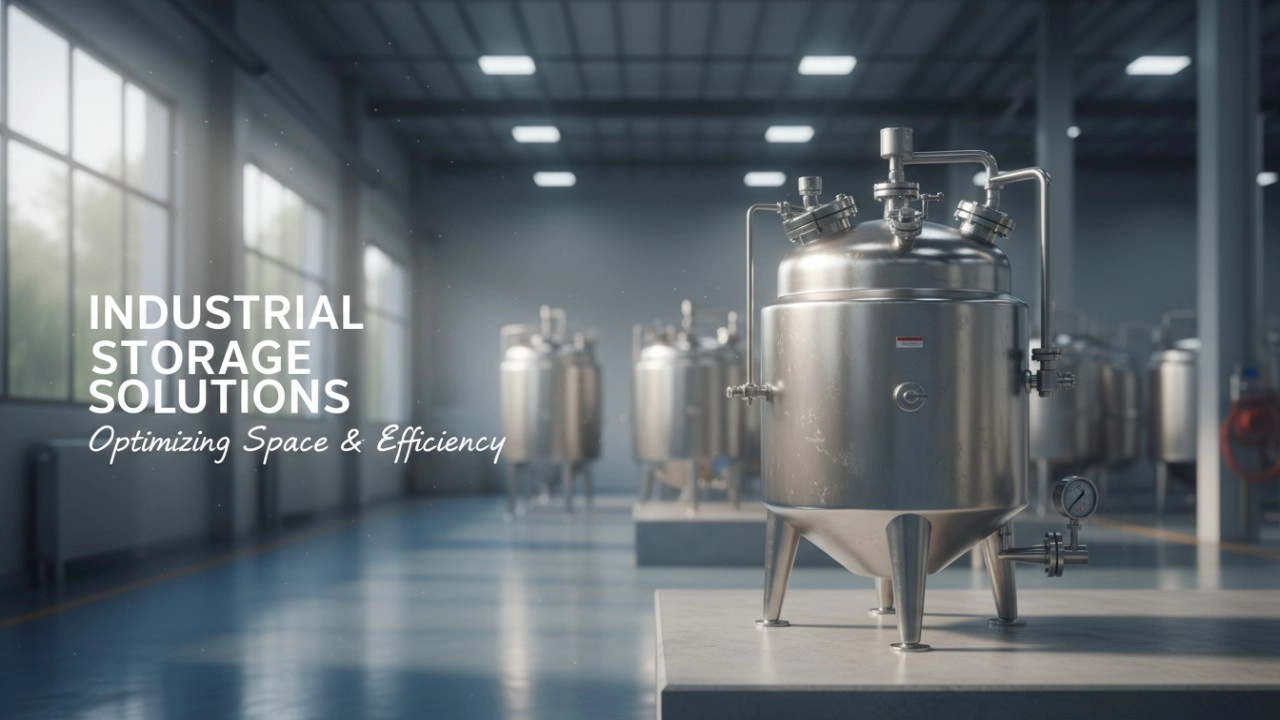
7 Dangerous Mistakes Most Companies Make with Underground Storage Tanks (USTs)
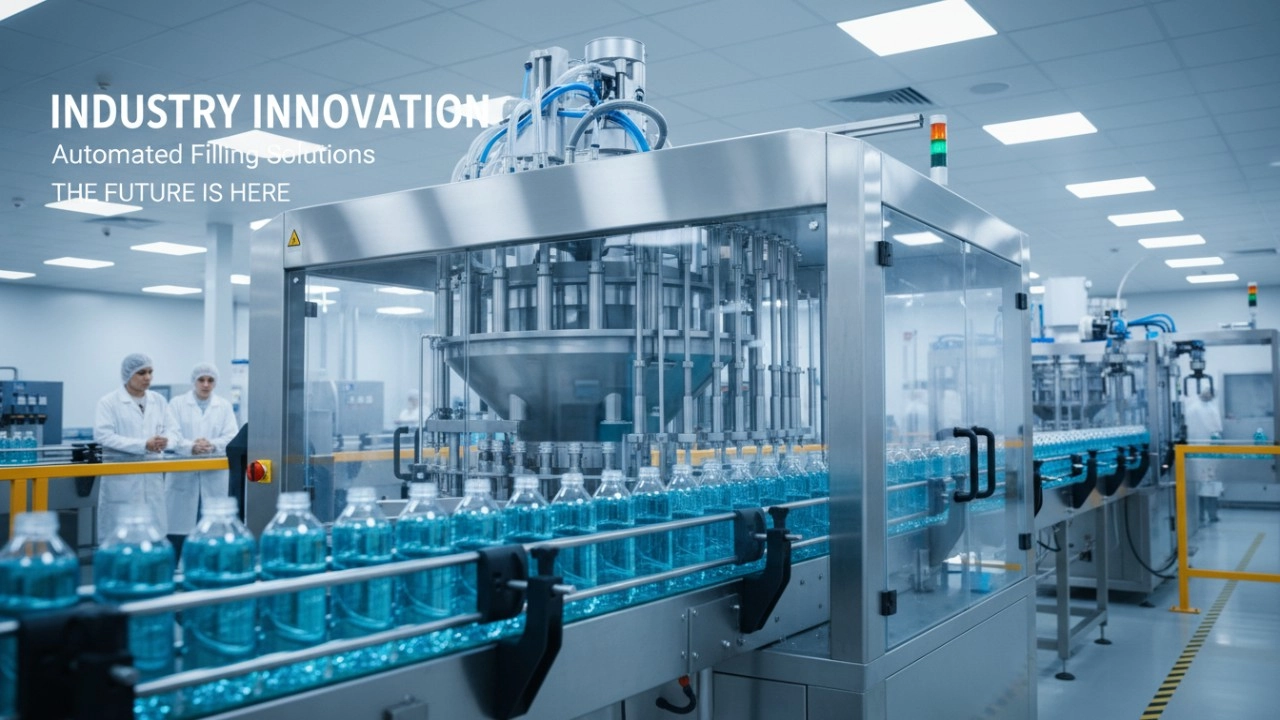
How to Future-Proof Your Production Line: The Latest Innovations in Precision Filling Machinery (2026 Guide)
FAQs
How is the quality?
We provide high-standard equipment. Quality is priority. People from Yuany always attach great importance to quality control from the beginning to the end. We support production inspection before shipment. And all machines will be tested and send you videos. You can also send your own packages/materials for rest-run after the machines are finished. Our factory has gained GMP,ISO,and CE Certificates.
Washing Powder
What is the production capacity?
Capacity depends on the specific model and production requirements. We recommend suitable equipment based on your needs.
High shear homogneizer
Can the working head parts be dismountable?
Yes, the homogenizer head is dismountable. If there is any problem of the working head, just disassemble it and check. Videos is provided.
Homogenizer Mixing Tank with Circulation System
Can I add a top disco plate mixing paddle? My products need it.
Yes, we can add top disperser/homogenizer/frame mixing/scrapers mixing paddle. Yuany provide flexible and practical solutions for clients.
One Stage Water Treatment
How long to replace the reverse osmosis membrane and pvc film?
Reverse osmosis membranes are generally recommended to be replaced every year. But it is not a fixed time, the period should be considered according to the actual use environment and operating conditions.
PVC film is recommended to replace every two weeks.
Leave a message
Have any questions or concerns about our products? Please leave us a message here, and our team will get back to you promptly.
 Scan QR Code
Facebook
YouTube
LinkedIn
Whatsapp: +8613434139712
Guangzhou Yuanyang Machinery