





does ro water filter out medicibes | YUANYANG Expert Guide
- Does RO Water Filter Out Medicines?
- What Types of Medicines Are Commonly Detected in Water?
- How Does RO Filtration Affect Industrial Water Quality for Mixers?
- What Should Industrial Mixer Buyers Consider Regarding Water Purity?
- Can RO Systems Handle Large Volumes Needed in Industrial Mixing?
- How to Maintain RO Systems in Industrial Settings to Ensure Consistent Performance?
Does RO Water Filter Out Medicines?
Reverse Osmosis (RO) water filtration is a widely used technology known for its effectiveness in removing many contaminants from water, including dissolved solids, heavy metals, and some organic compounds. When it comes to medications, however, the efficiency of RO systems varies depending on the chemical properties of the pharmaceuticals.
Studies have shown that RO membranes can remove a significant portion of certain pharmaceutical residues, especially those that are larger in molecular size or bound to particles. For example, according to research published in the Journal of Environmental Science and Health (2023), RO filtration can reduce contaminants like antibiotics, anti-inflammatory drugs, and hormones by more than 90% under optimal operational conditions.
However, RO does not guarantee 100% removal of all medicines, especially those with very low molecular weight or high water solubility. Some residual pharmaceuticals can pass through membranes, although their concentrations are typically reduced to below safe drinking water limits. Additional treatment methods such as activated carbon filtration or advanced oxidation processes may be needed for complete elimination.
What Types of Medicines Are Commonly Detected in Water?
Pharmaceuticals frequently detected in water include antibiotics, painkillers (like acetaminophen and ibuprofen), hormones (such as estrogen), and psychiatric drugs. Many of these compounds enter water sources through human excretion and improper disposal. RO systems can remove many of these, but effectiveness depends on system design and maintenance.
How Does RO Filtration Affect Industrial Water Quality for Mixers?
Industries rely on consistent water quality for processes involving industrial mixers, particularly in food, pharmaceuticals, and chemical manufacturing. RO filtration reduces total dissolved solids (TDS) significantly—often from 300-500 mg/L down to below 10 mg/L—ensuring minimal interference in mixing processes and preventing corrosion and scaling.
What Should Industrial Mixer Buyers Consider Regarding Water Purity?
When procuring industrial mixers, buyers must consider the source and purity of water. RO systems enhance water quality but may need to be paired with other treatments to meet specific industry standards such as USP (United States Pharmacopeia) for pharmaceuticals or FDA-regulated water quality for food production. Ensuring compatibility between the water treatment system and industrial mixer is crucial.
Can RO Systems Handle Large Volumes Needed in Industrial Mixing?
Modern industrial RO systems are designed to handle high volumes, from a few hundred liters per hour to several thousand, depending on the plant’s scale. Efficiency depends on membrane quality, feed water composition, and system maintenance. Manufacturers often provide customized RO modules tailored for integration with industrial mixers to maintain process consistency.
How to Maintain RO Systems in Industrial Settings to Ensure Consistent Performance?
Regular maintenance of RO systems includes membrane cleaning, periodic replacement, and monitoring feed water parameters. Fouling and scaling can reduce filtration efficiency, risking pharmaceutical contaminants passing through. Industrial operations typically implement automatic cleaning cycles and monitoring sensors to ensure water purity standards are continuously met.
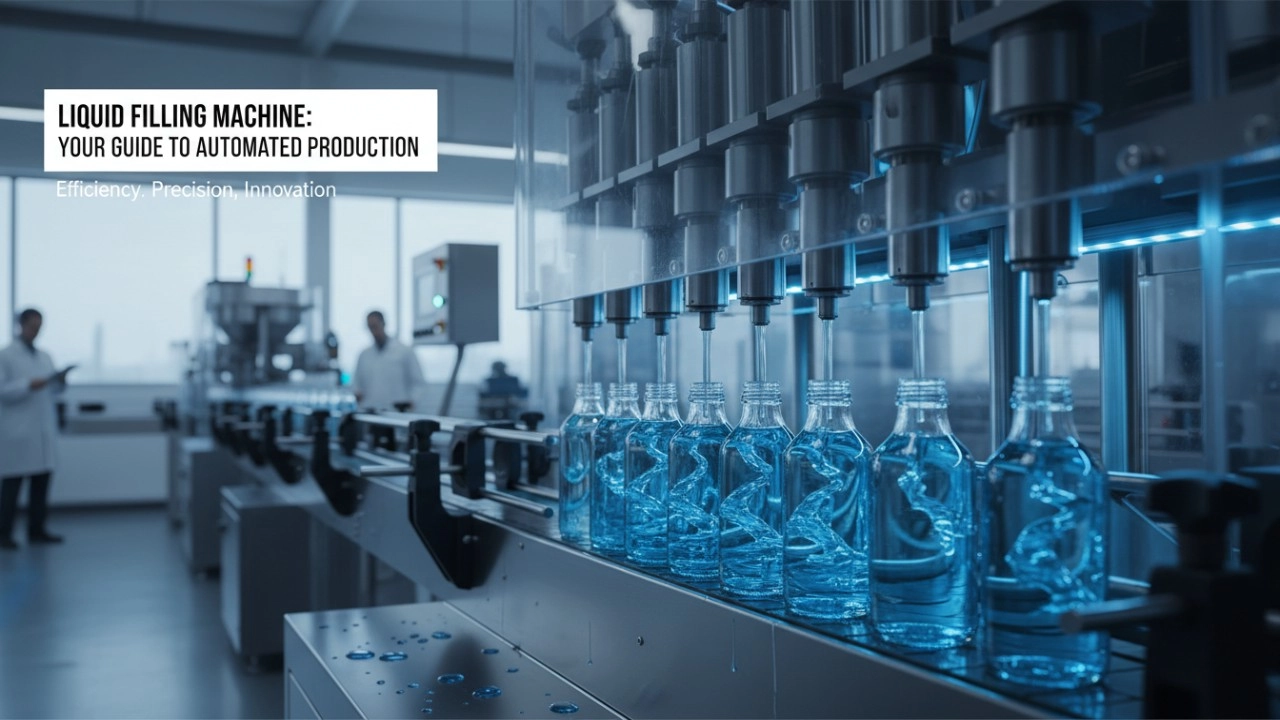
Beyond Automation: How Smart Liquid Filling Machines are Transforming Modern Packaging Lines
7 Dangerous Mistakes Most Companies Make with Underground Storage Tanks (USTs)
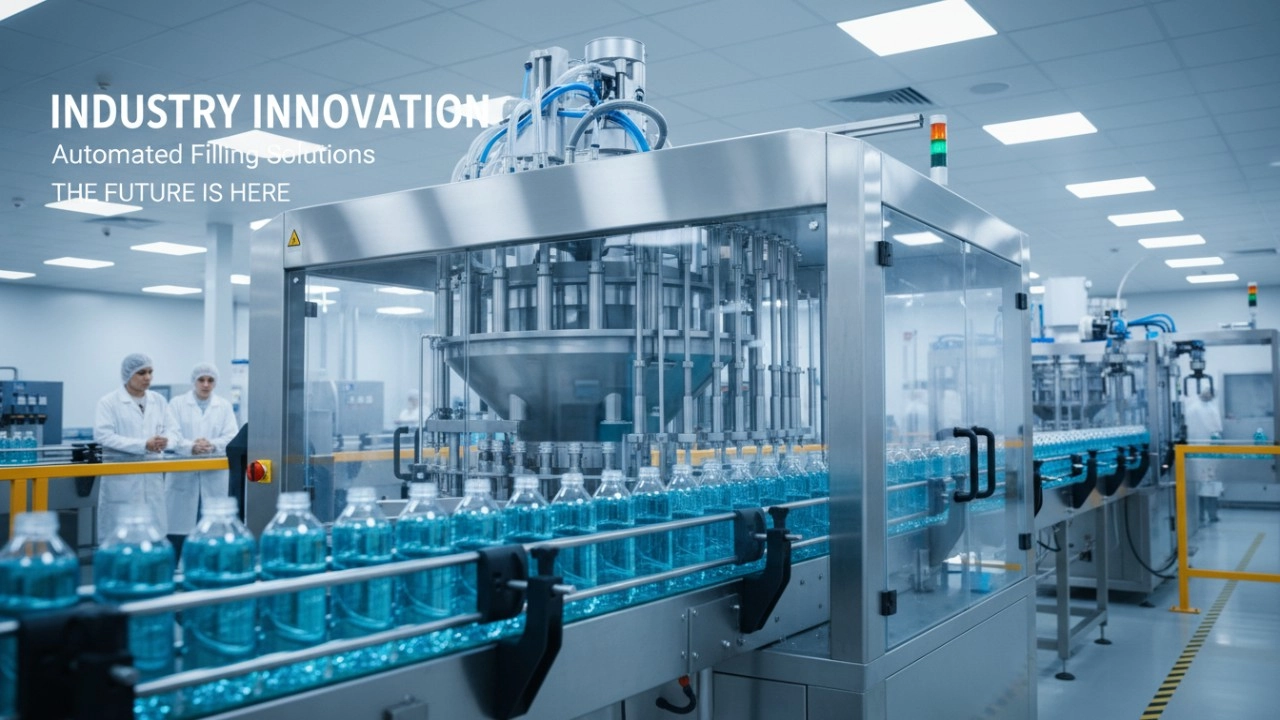
How to Future-Proof Your Production Line: The Latest Innovations in Precision Filling Machinery (2026 Guide)
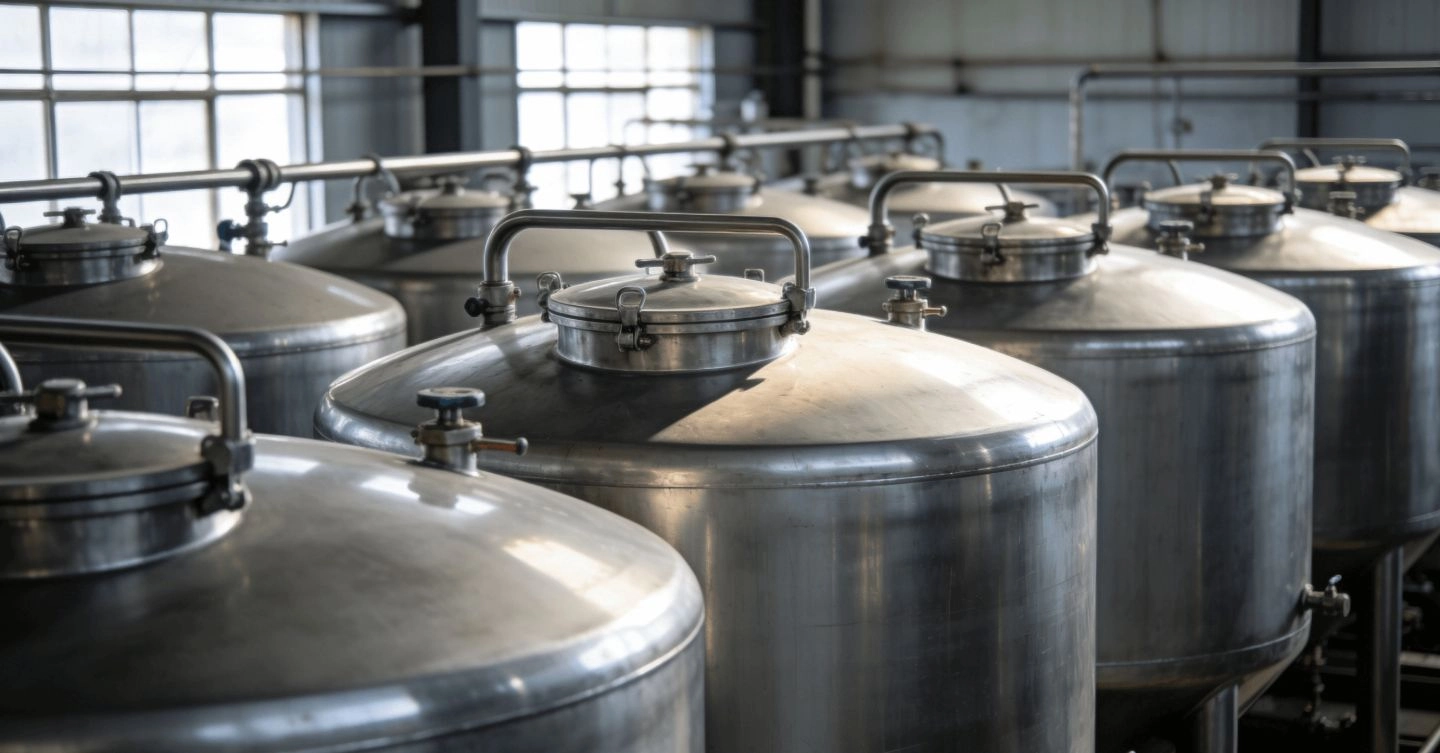
The Definitive Guide to Industrial Storage Tanks 2026: Why Food-Grade Stainless Steel is the Gold Standard
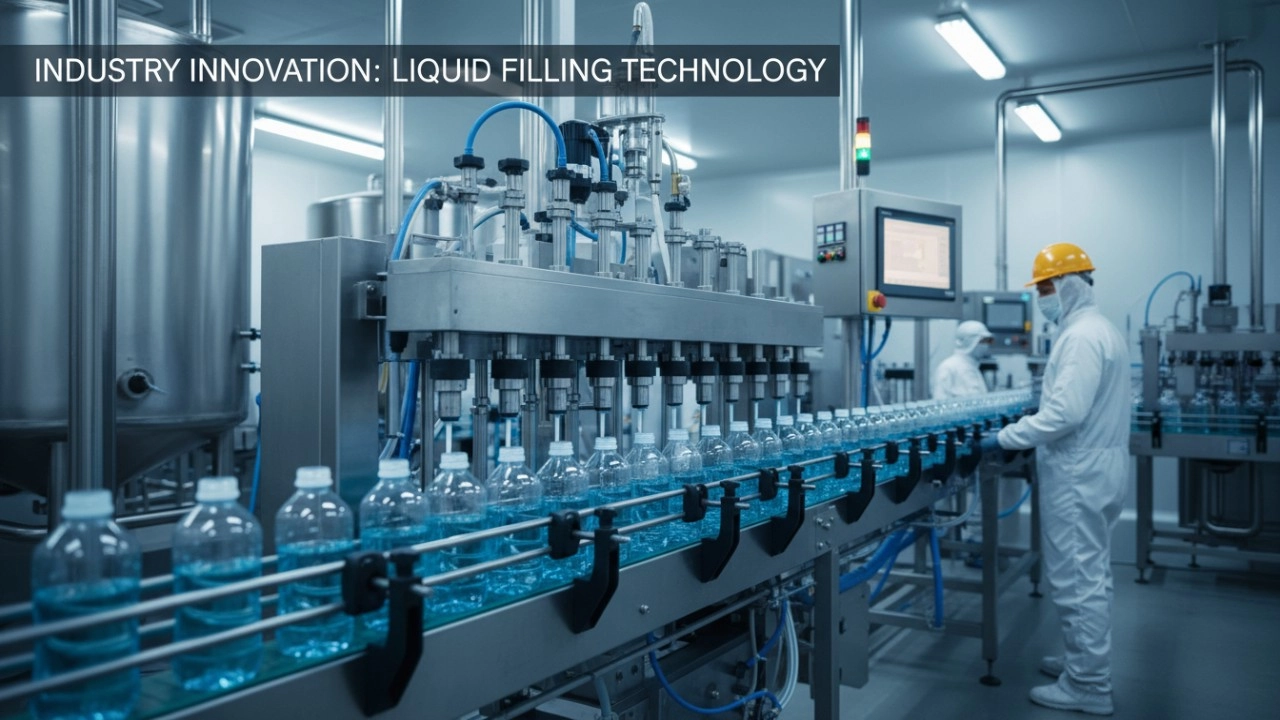
The Ultimate 2026 Guide to Liquid Filling Machines: Types, Technologies, and Strategic Selection
Hydraulic Lift Vacuum Mixer
What’s the designed capacity and working capacity for the 500L hydraulic vacuum mixer?
The designed capacity is 540 liters, the working capacity is 500 liters.
Ribbon mixer
How to dry the mixed powder?
If the raw powder is not dry, and client wants to dry it during mixing, a jacket will be added with heater to achieve drying purpose.
Liquid Soap Mixer Machine
Will do test for the machine I order before production?
Yes, every machine will be test and are assured without problems before packing. Therefore, clients will never worry about the quality. Only when clients are satisfied with the finished machine can we pack and ship.
Washing Powder
Do you provide installation and operation training?
Yes, we offer detailed training during installation and commissioning to ensure operators are proficient in using the equipment.
Detergent powder mixer
Do you also provide formula of detergent powder if I purchase the detergent powder mixer machine?
Yes, Yuany offers technical support to help optimize formulas and adjust production processes, ensuring product stability and performance.
Leave a message
Have any questions or concerns about our products? Please leave us a message here, and our team will get back to you promptly.
 Scan QR Code
Facebook
YouTube
LinkedIn
Whatsapp: +8613434139712
Guangzhou Yuanyang Machinery