





what's the best water filter system | YUANYANG Guide
- What’s the Best Water Filter System for Industrial Mixer Applications?
- Why Water Quality Matters in Industrial Mixing
- Key Types of Water Filter Systems for Mixing
- Criteria for Selecting the Best Water Filter System
- Recommended Practices for Integrating Water Filters in Mixing Systems
- Frequently Searched Quick Facts
- Authoritative Resources
What’s the Best Water Filter System for Industrial Mixer Applications?
Choosing the best water filter system for industrial mixers is essential to maintain product quality, prevent equipment wear, and achieve process consistency. This article evaluates filtration systems for mixing processes, matching professionals with optimal solutions to common water purity issues.
Why Water Quality Matters in Industrial Mixing
- Consistency in Mixture Output:
Poor water quality leads to inconsistent product batches and unexpected results.
- Equipment Protection:
Clean water prolongs mixer life by minimizing scale, corrosion, and residue.
- Compliance with Industry Standards:
Many industries (such as food, beverage, and pharmaceuticals) have strict water purity requirements. ((https://www.who.int/water_sanitation_health/publications/gdwq3/en/))
Key Types of Water Filter Systems for Mixing
1. Mechanical Filtration
- Removes suspended solids, grit, and particulates.
- Typically involves mesh or cartridge filters.
- Ideal for basic pre-filtration in most industrial mixing setups.
2. Activated Carbon Filtration
- Adsorbs chlorine, organic compounds, and unpleasant odors.
- Highly effective for taste and chemical-sensitive mixing applications.
3. Reverse Osmosis (RO)
- Removes 95-99% of dissolved salts, heavy metals, and microorganisms.
- Essential for ultrapure water requirements.
- (https://www.nsf.org/) certifies many RO systems for industrial use.
4. Ultraviolet (UV) Disinfection
- Neutralizes bacteria and viruses without chemicals.
- Recommended as a final stage for high-purity industries.
5. Multi-Stage Systems
- Combines several filtration methods for maximum efficiency.
- Modular designs allow for easy scaling in factory environments.
Criteria for Selecting the Best Water Filter System
Performance & Application Needs
- Water flow rate and filter capacity must match mixer input demand.
- Consider filtration levels based on end product (e.g., 5-micron filters for basic mixing, sub-micron for pharmaceutical-grade).
Reliability & Maintenance
- Seek low-maintenance systems with easy element replacements.
- Choose robust materials approved for industrial use (stainless steel, high-grade polymers).
Cost Efficiency
- Factor in total cost of ownership: initial investment, filter replacements, energy use.
- Multi-stage systems can reduce long-term costs through comprehensive protection.
Regulatory Compliance
- Verify certifications (e.g., NSF, ISO) to ensure food safety and product quality.
- Documented performance data is critical for audits and traceability.
Recommended Practices for Integrating Water Filters in Mixing Systems
- Pre-treat feed water according to local source analysis (silt, hardness, organic load).
- Install monitoring instruments (turbidity meters, TDS sensors) for real-time quality checks.
- Schedule periodic maintenance and replacement as per manufacturer guidelines.
- Train staff on system operation to minimize human error.
Frequently Searched Quick Facts
- Best system for high purity: Reverse osmosis with post-UV treatment.
- Longest lifespan: Stainless steel mechanical filters with routine backwashing.
- Lowest maintenance: Automated multi-stage systems with monitoring sensors.
- Industry standards: Check for NSF/ANSI or ISO 9001 certifications.
Authoritative Resources
- (https://www.who.int/water_sanitation_health/publications/gdwq3/en/)
- (https://www.nsf.org/)
In summary: For industrial mixer professionals, the best water filter system is one tailored to process requirements, consistent with industry standards, and cost-effective over the long term. Prioritize systems with proven reliability, regulatory certifications, and compatibility with your mixing operation.
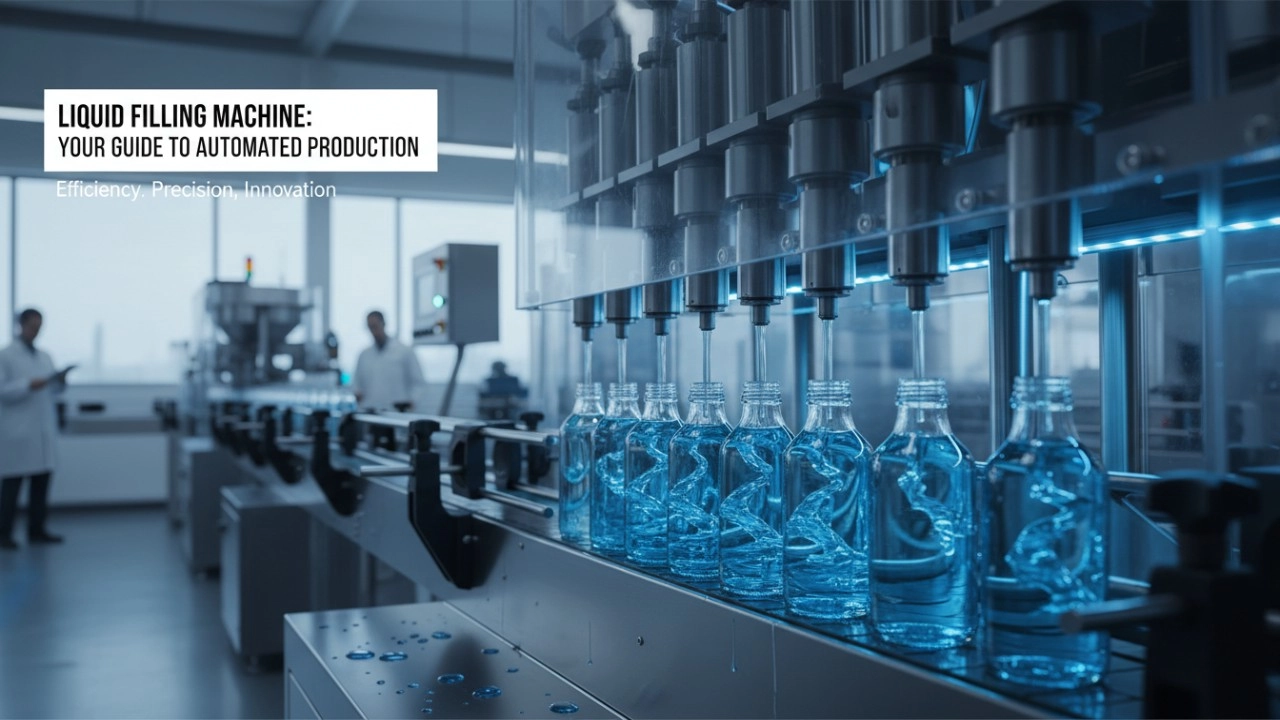
Beyond Automation: How Smart Liquid Filling Machines are Transforming Modern Packaging Lines
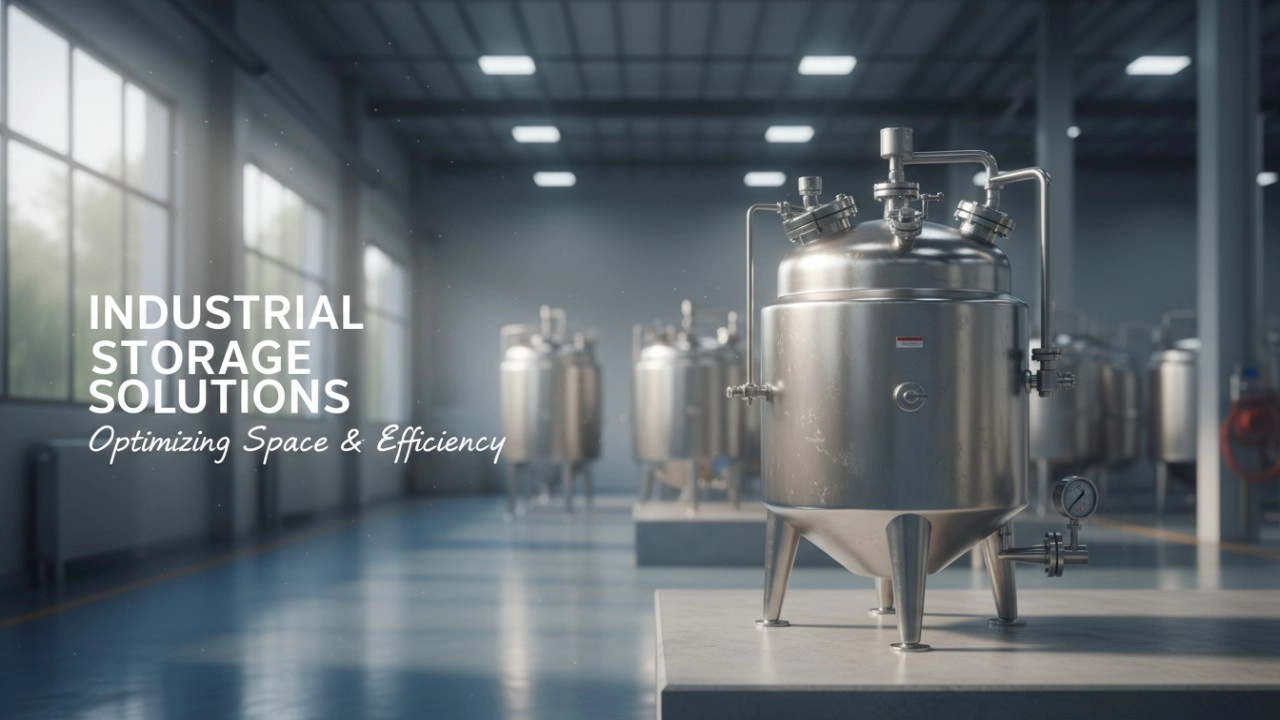
7 Dangerous Mistakes Most Companies Make with Underground Storage Tanks (USTs)
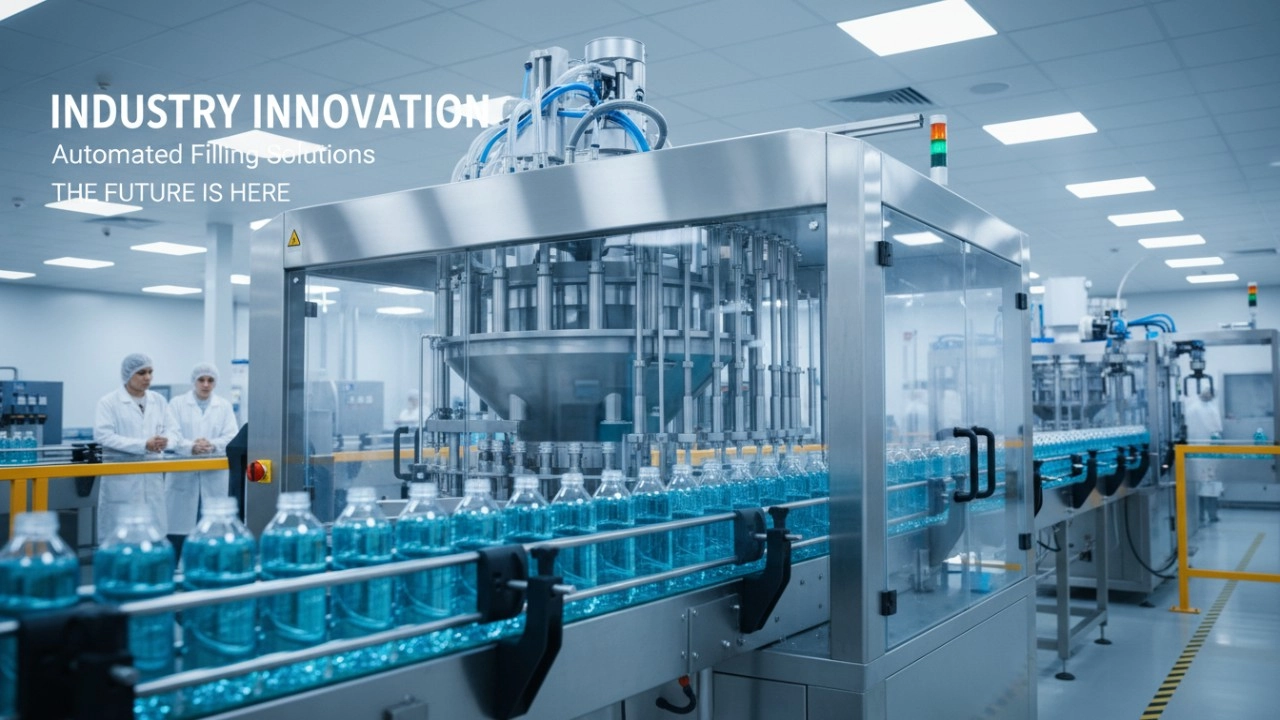
How to Future-Proof Your Production Line: The Latest Innovations in Precision Filling Machinery (2026 Guide)
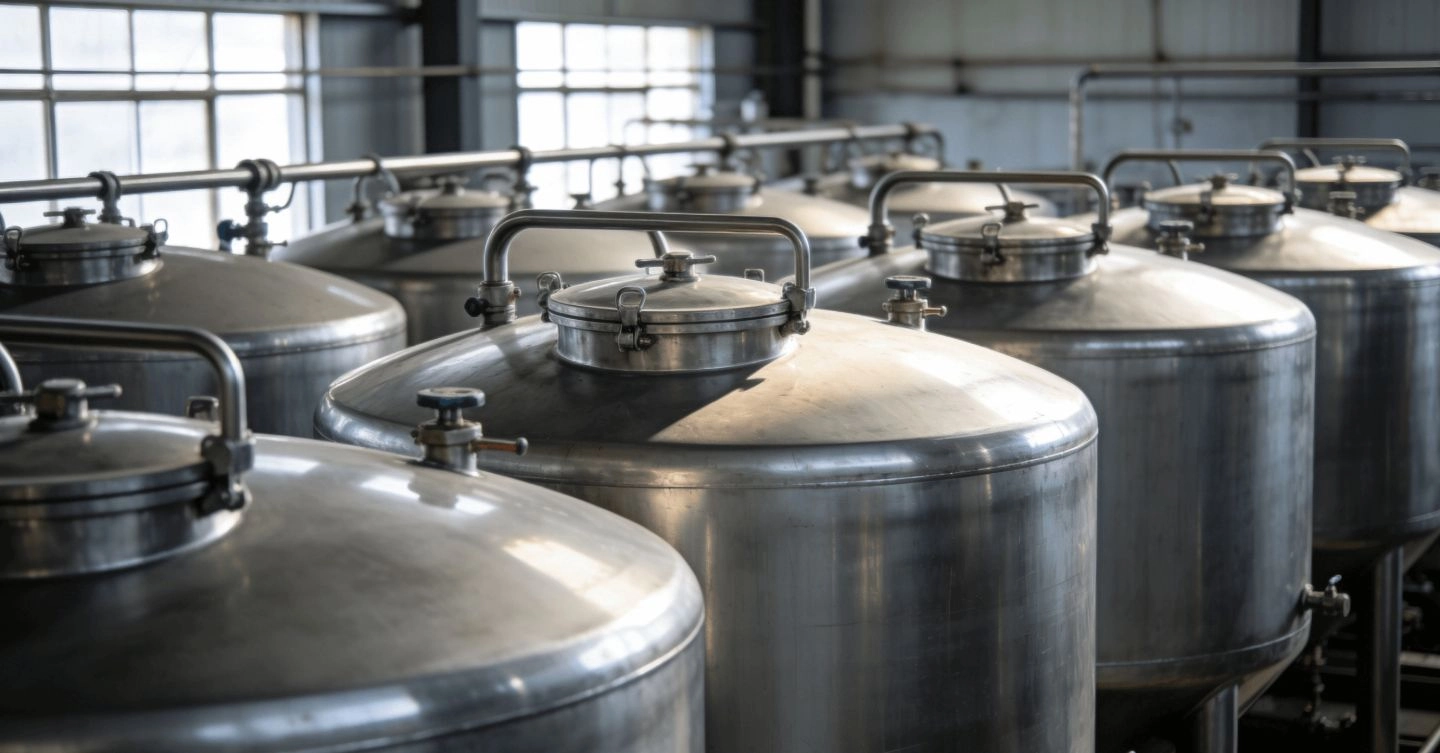
The Definitive Guide to Industrial Storage Tanks 2026: Why Food-Grade Stainless Steel is the Gold Standard
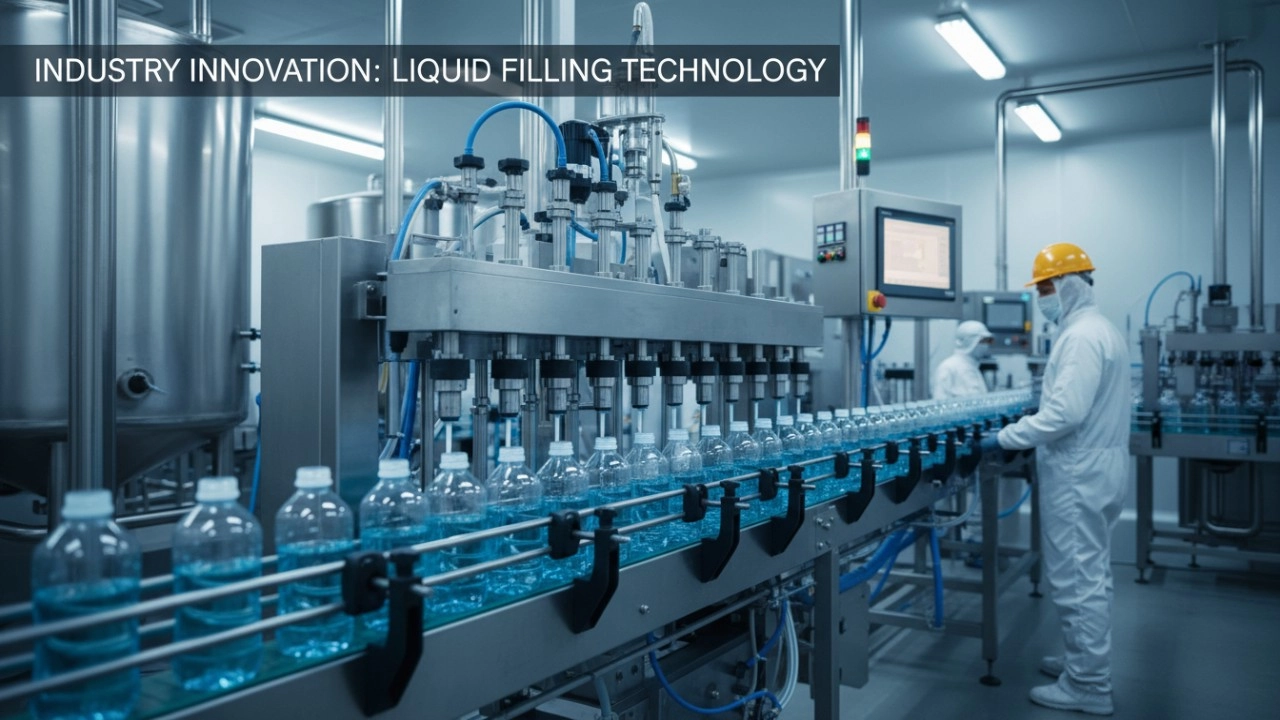
The Ultimate 2026 Guide to Liquid Filling Machines: Types, Technologies, and Strategic Selection
High Speed Dispersion Machine
What’s the production time?
Normally, the production time of the high speed dispersing mixer is 10-15 days. It depends on manufacture’s order tightness.
Liquid Soap Mixer
Can you provide liquid soap formula and train service?
Yes, we can provide different formulas, and teach client how to adjust the formula flexibly.
Powder Sachet Packaging Machine
Can the packaging machine for powder pack different weight in one machine?
Yes, the filling weight is adjustable with certain range. Client should tell the estimated filling weight to confirm. Different filling range may require different auger size.
Industries
What after-sales support services are available?
We offer 7×24-hour online support, regular maintenance, and rapid spare parts supply to ensure the equipment functions smoothly.
Ink Jet Printer
What else can the bottle coding machine print others except date?
Yes, the date coding machine can print batch number, logo, product name, production date, expiration date, number, bar code, QR code, pictures, etc.
Leave a message
Have any questions or concerns about our products? Please leave us a message here, and our team will get back to you promptly.
 Scan QR Code
Facebook
YouTube
LinkedIn
Whatsapp: +8613434139712
Guangzhou Yuanyang Machinery