





which is the best water filter | YUANYANG Guide
- Which Is the Best Water Filter for Industrial Mixers?
- Why Water Filtration Matters in Industrial Mixing
- Key Types of Water Filters for Industrial Applications
- How to Choose the Best Water Filter for Your Mixer
- Recommended Filter Brands and Systems
- Common Signs Your Water Filter Needs Upgrade
- References:
- Conclusion:
Which Is the Best Water Filter for Industrial Mixers?
Industrial mixing processes depend on high water quality, but unfiltered water often introduces contaminants that reduce equipment lifespan and product quality. This article explores which is the best water filter for industrial mixers, addressing professionals’ needs for efficiency, compliance, and reliability.
Why Water Filtration Matters in Industrial Mixing
- Equipment Longevity:
- Proper water filtration minimizes scale, corrosion, and buildup in mixer components (Source: NSF International).
- Product Quality:
- Removes impurities and particulates, ensuring consistent, contaminant-free batch outputs.
- Energy and Maintenance Savings:
- Clean water reduces unplanned downtime, lowers energy consumption, and extends maintenance intervals.
- Regulatory Compliance:
- Meets industry-specific water standards (e.g., FDA, ASTM) for food/bev, pharma, and chemical mixing lines.
Key Types of Water Filters for Industrial Applications
- Sediment Filters:
- Captures large particles (sand, silt, rust).
- Essential as a first-stage pre-filter.
- Carbon Filters:
- Absorbs chlorine, organics, and odors.
- Protects sensitive processes and prevents product contamination.
- Reverse Osmosis (RO) Systems:
- Removes up to 99% of dissolved salts, bacteria, and heavy metals.
- Ideal for ultrapure water needs.
- Ultraviolet (UV) Disinfection Units:
- Targets bacteria and viruses without chemicals.
- Common in pharmaceutical and food industry setups.
- Automatic Self-Cleaning Filters:
- Reduces manual filter maintenance.
- Suitable for continuous, high-volume mixing environments.
How to Choose the Best Water Filter for Your Mixer
- Assess Water Source Quality:
- Conduct water testing for TDS, pH, hardness, and microbial content (Reference: American Water Works Association).
- Define Process Requirements:
- Identify critical quality factors for your mixing process—product safety, taste, or chemical purity.
- Match Flow Rate and Volume:
- Select filters rated for your plant’s peak water demand to avoid pressure drops or bottlenecks.
- Consider Maintenance and Lifecycle Costs:
- Evaluate ease of filter change, automation features, and total cost of ownership.
- Compliance and Certification:
- Choose filters certified by recognized standards (NSF, ISO).
Recommended Filter Brands and Systems
- Parker Hannifin, Pentair, and 3M:
- Renowned for robust industrial filtration.
- YUANYANG Water Filtration Solutions:
- Custom-designed for industrial mixer applications; supports integration and aftersales service.
Common Signs Your Water Filter Needs Upgrade
- Increased mixer downtime due to scaling or blockages.
- Visible sediment in mixed batches.
- Monitor spikes in water pressure or unexplained taste/odor issues.
References:
1. NSF International – Water Quality Standards
2. American Water Works Association – Water Filtration Best Practices
3. U.S. EPA – Industrial Water Use and Treatment
Conclusion:
Selecting the best water filter is critical for mixer reliability, product quality, and operational efficiency. YUANYANG offers tailored filtration solutions and expert support for the industrial mixer industry. For a personalized assessment, contact YUANYANG’s water filtration experts.
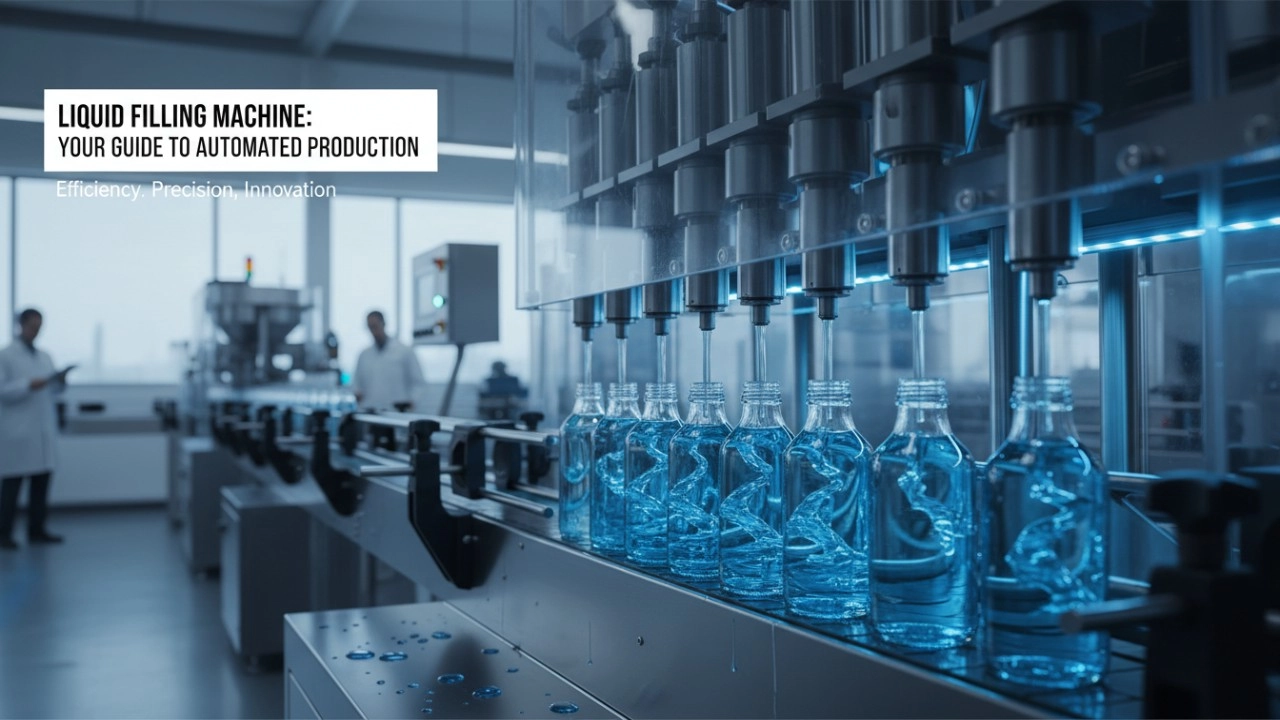
Beyond Automation: How Smart Liquid Filling Machines are Transforming Modern Packaging Lines
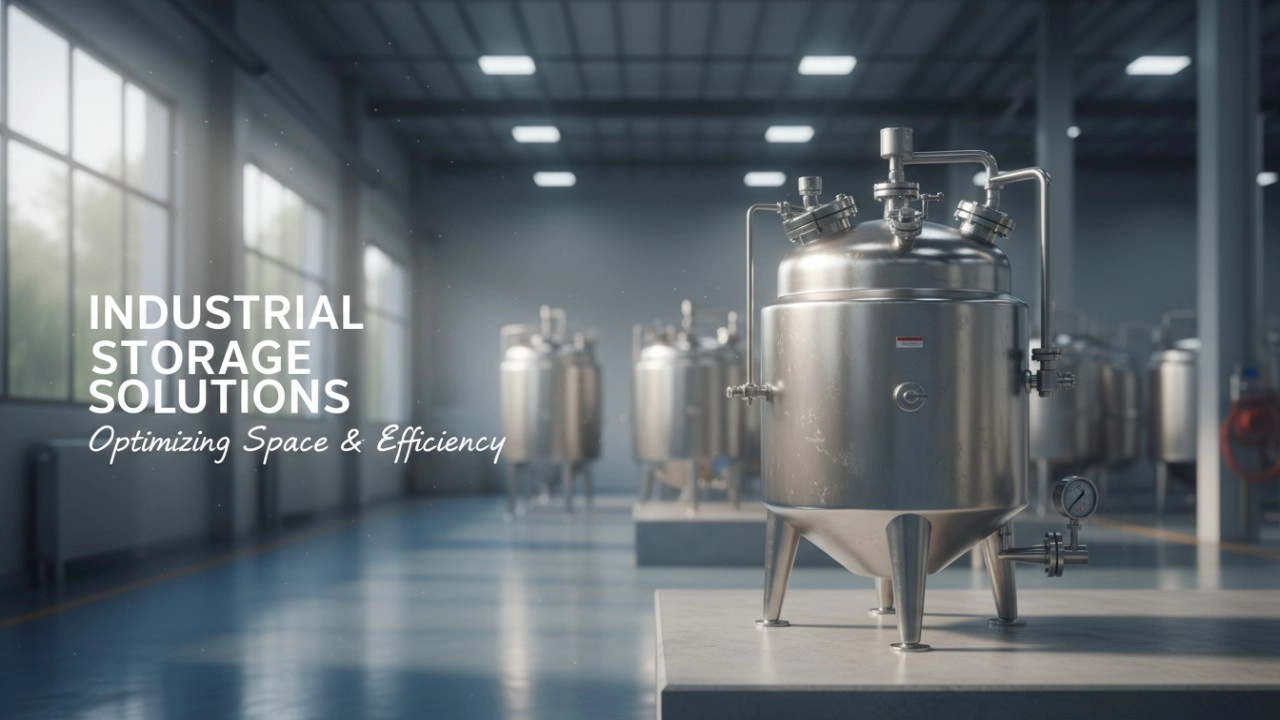
7 Dangerous Mistakes Most Companies Make with Underground Storage Tanks (USTs)
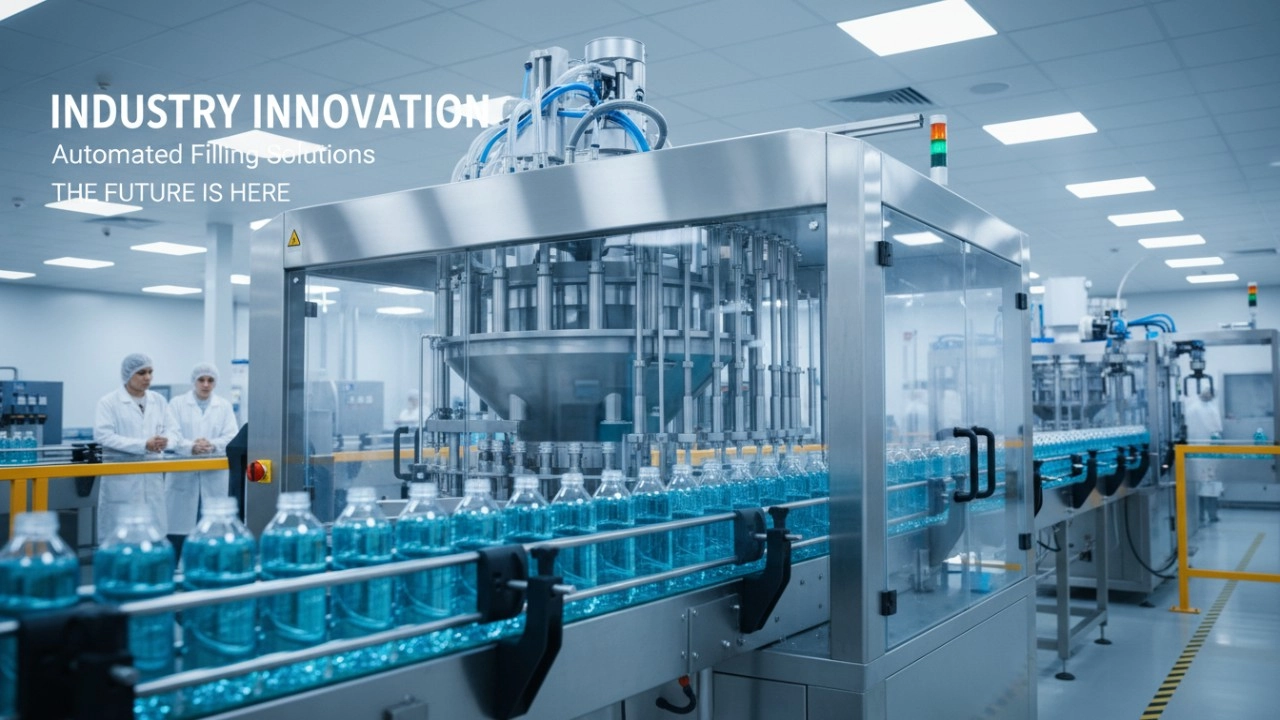
How to Future-Proof Your Production Line: The Latest Innovations in Precision Filling Machinery (2026 Guide)
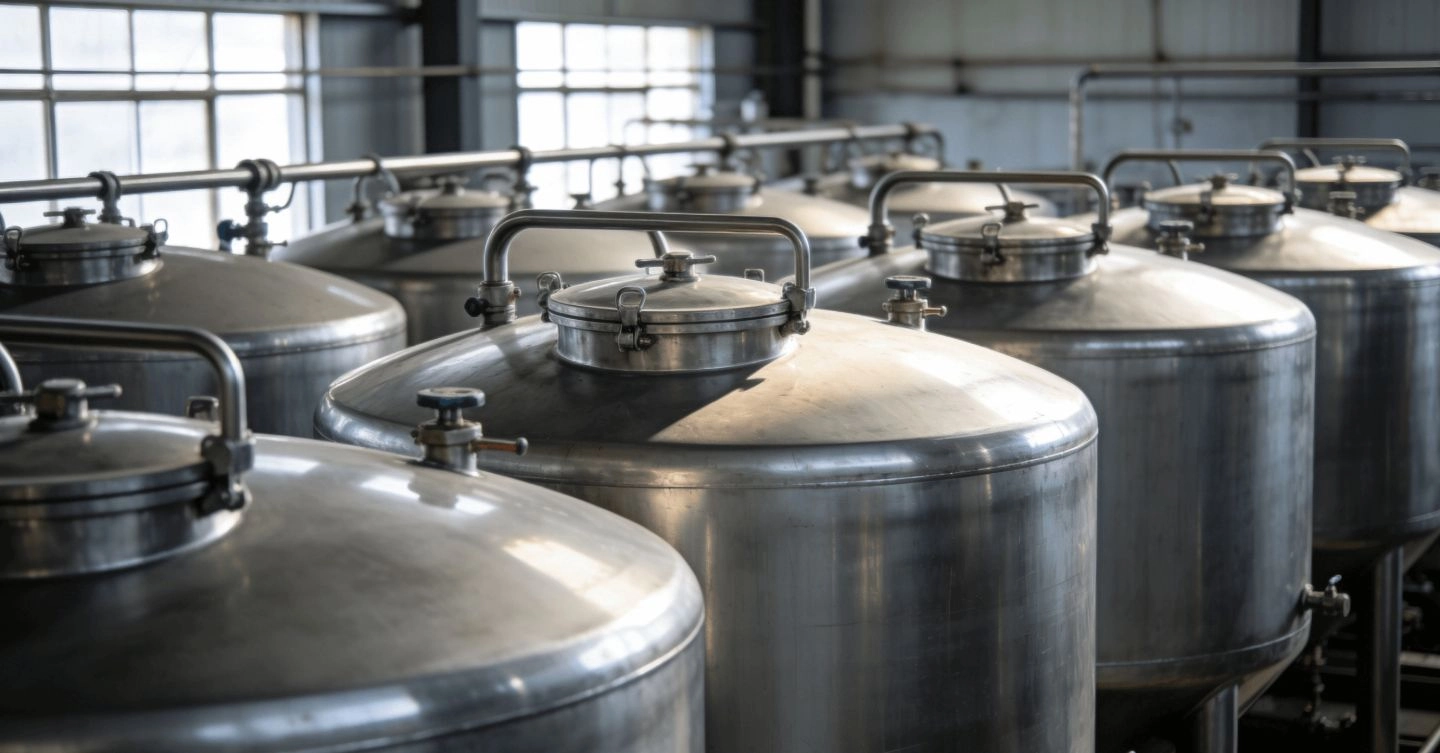
The Definitive Guide to Industrial Storage Tanks 2026: Why Food-Grade Stainless Steel is the Gold Standard
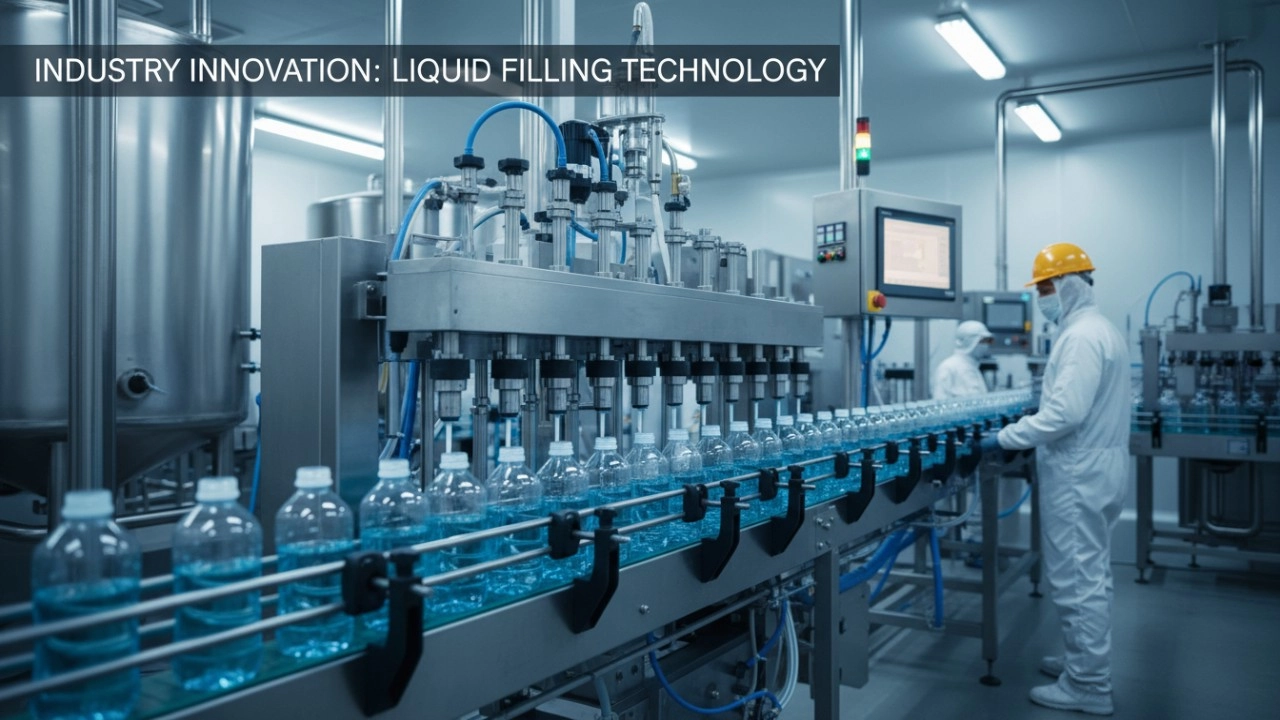
The Ultimate 2026 Guide to Liquid Filling Machines: Types, Technologies, and Strategic Selection
Sachet Packaging Machine for Granules
Is the sachet packing machine equipped with a feeder also?
The standard quote is not included with a feeder, but we can add a feeder especially for the bag packaging machine if client need.
Ink Jet Printer
Can the dater printer spray all directions?
Yes, the spraying nozzle of the expiry date printer can be adjusted to all directions.
Detergent powder mixer
What’s the spraying system of the powder machine used for?
The spraying system is an optional function for adding liquid materials during mixing, such as perfume, essence...
Chemicals
What quality control measures are in place?
The equipment features strict parameter control during the production process to ensure that the final product meets the desired quality.
Liquid Soap Mixer Machine
Do you also provide liquid soap formula and technical training for a new user?
Yes, Yuany is experienced in liquid soap production for many years. We can provide professional training and teach face to face for clients. Don’t hesitate to contact us.
Leave a message
Have any questions or concerns about our products? Please leave us a message here, and our team will get back to you promptly.
 Scan QR Code
Facebook
YouTube
LinkedIn
Whatsapp: +8613434139712
Guangzhou Yuanyang Machinery