





Emulsion Mixer Mastery: Industrial High-Performance Use
Explore YUANYANG's CE-certified emulsion mixers for industrial use. Get turnkey support today!
- Introduction: Unveiling the World of Emulsion Mixers
- What Is an Emulsion Mixer?
- The Science of Smooth: How Emulsification Works
- The Battle Against Separation
- The Role of High Shear
- Industrial Emulsion Mixers: Precision and Power for Professional Applications
- Key Applications
- Essential Features
- Choosing the Right Emulsion Mixer: A Guide for Every Industrial Need
- Maximizing Performance and Longevity: Care and Maintenance Tips
- Conclusion: The Indispensable Role of Emulsion Mixers
- FAQs
- What industries commonly use industrial emulsion mixers?
- How does a high shear mixer differ from a standard industrial mixer?
- What materials are recommended for industrial emulsifier equipment?
- Can an inline homogenizer mixer improve production efficiency?
- How do vacuum emulsifying mixers benefit industrial production?
- What factors should I consider when buying an industrial emulsion mixer?
Introduction: Unveiling the World of Emulsion Mixers
An emulsion is a mixture of two or more liquids that don't mix well, like oil and water. If you don't do anything, these liquids separate into different layers. Emulsions are important in a variety of industries, including cosmetics, pharmaceuticals, paints, and bio-based products. The secret to keeping these blends stable is the emulsion mixer.
These industrial devices are key to getting a mix of liquids to blend together, where one liquid is spread out as tiny drops in the other. A simple hand whisk can create a temporary suspension, but true stability requires mechanical intervention. That's where emulsifying equipment comes in.

What Is an Emulsion Mixer?
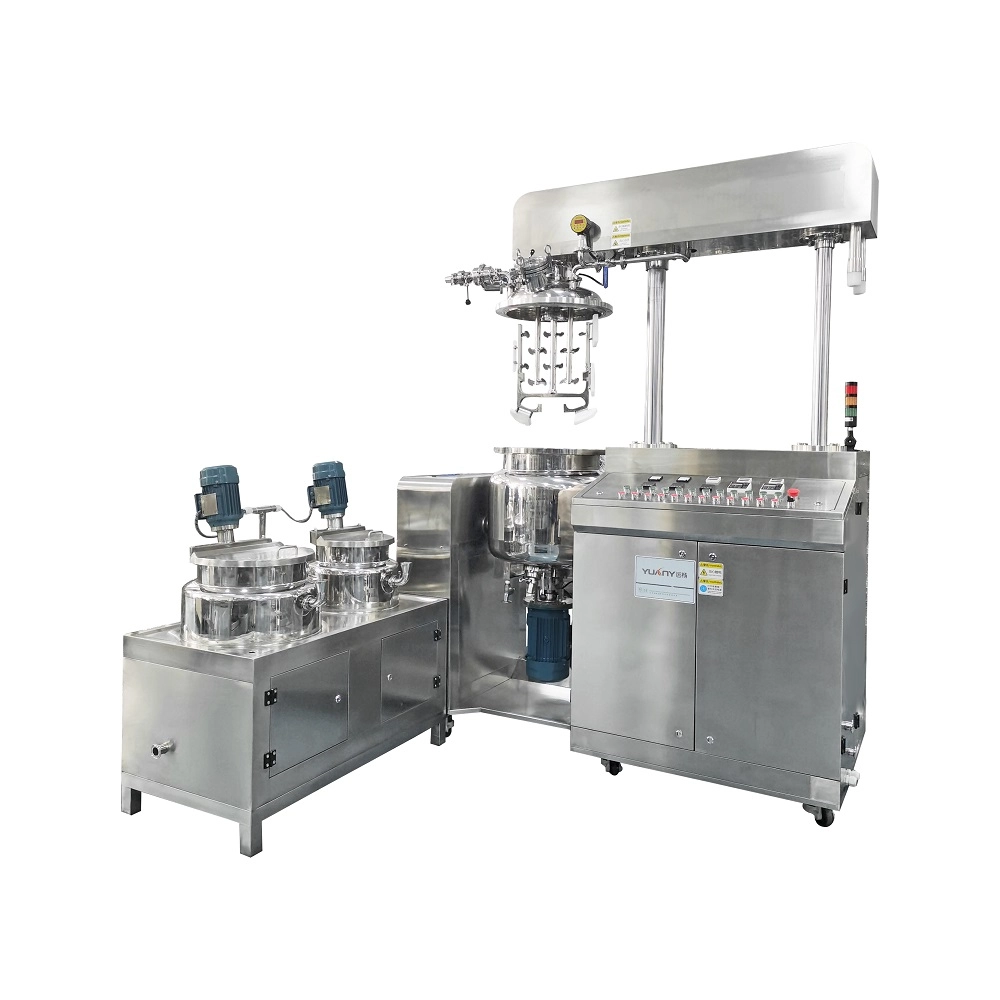
An emulsion mixer is a special kind of machine that's used to mix two liquids together that don't mix well, like oil and water. These mixers use high shear force, vacuum systems, or homogenizing technology to break liquids into microscopic droplets, ensuring consistent texture, stability, and quality. Emulsion mixers are a must in industries like cosmetics, pharmaceuticals, food processing, and chemicals. They make sure that things are blended just right, which prevents separation, improves product performance, and extends shelf life. With control over particle size and dispersion, industrial emulsion mixers help manufacturers efficiently and reliably produce creams, ointments, sauces, paints, and other emulsified products, supporting large-scale production with minimal waste.
The Science of Smooth: How Emulsification Works
To really get what a homogenizer mixer can do, you've got to understand what's going on at a microscopic level. Emulsions are basically a mix of two parts: a dispersed phase (the droplets) and a continuous phase (the liquid around the droplets).
The Battle Against Separation
When left to their own devices, the dispersed droplets will clump together (flocculation) and eventually merge into larger drops (coalescence), leading to total separation. To prevent this, two things are needed:
Emulsifiers: Chemical agents (surfactants) coat the droplets to stop them from merging.
Mechanical Energy (Shear Force): The mixer provides this feature.
The Role of High Shear
High shear is the best way to emulsify. A high shear mixer uses a rotating impeller or rotor that spins at high speeds within a stationary stator. When the liquid is pulled into the rotor and pushed out through the stator's holes, it goes through a lot of hydraulic shear. This force tears the liquid into tiny particles, often measured in microns.
The smaller the particle size, the more stable the emulsion. That's why a homogenizer machine is key for products that need to sit on a shelf for months without separating.
Industrial Emulsion Mixers: Precision and Power for Professional Applications
In manufacturing, consistency is essential. Industrial emulsion mixers are designed to deliver the same results every time, even when dealing with high viscosities and tricky ingredients that would mess up a regular mixer.
Key Applications
-
Type/Application Description Key Benefits/Features Industries Cosmetics Mixer Creates smooth lotions, creams, and gels. Often uses vacuum technology to remove air bubbles. Prevents oxidation and bacterial growth, ensures uniform texture and stability Cosmetics, Skincare Pharmaceutical Mixer Produces homogeneous ointments and medicinal suspensions. Precise dosage, consistent quality, stable emulsions Pharmaceuticals, Medical Food & Beverage Emulsifier Produces sauces, dressings, and beverages with high consistency. Maintains sanitation, stable emulsions, consistent texture Food Processing, Beverage Chemical Mixer Handles paints, polishes, fuels, and other chemical emulsions. Efficient mixing of high-viscosity liquids, uniform particle size Chemicals, Industrial Manufacturing Batch Mixer Large tanks where ingredients are processed all at once. Ideal for long processing times, flexible for varying recipes Cosmetics, Food, Chemicals Inline Homogenizer Product is pumped through the mixer for continuous production. High efficiency, consistent quality, suitable for large volumes Cosmetics, Food, Chemicals Vacuum Emulsifying Mixer Mixes under vacuum conditions to prevent air entrapment. Ensures glossy finish, dense emulsions, reduces defects Cosmetics, Food, Pharmaceuticals
Essential Features
When looking for emulsifier equipment for industry, there are specific specifications that define quality:
Material: High-grade stainless steel, usually 316L or 304, is a must for hygiene and corrosion resistance.
Variable Speed Controls: Different stages of the emulsion process may require different speeds.
Heating/Cooling Jackets: A lot of emulsions need heat to mix (like melting waxes for creams) and then cooling to set.

Choosing the Right Emulsion Mixer: A Guide for Every Industrial Need
So, whether you're setting up a factory floor or ramping up a production line, picking the right emulsion mixers means figuring out what you need.
-
Volume and Scale:
If you're working with smaller amounts, like 10 to 50 liters, a benchtop homogenizer mixer is a great choice.
When it comes to mass production, you'll need industrial inline or batch vacuum mixers.
Viscosity:
Thin liquids like milk and juice need less power.
Thick pastes (toothpastes, heavy creams) need high-torque motors and often scraper-agitators to move product away from the tank walls.
Particle Size Requirements:
If you need nano-emulsions (extremely clear and stable), a standard mixer just won't cut it; you'll need a high-pressure homogenizer machine.
Here are the budget and ROI details.
Industrial units are a big investment, ranging from a few thousand to hundreds of thousands of dollars. The return on investment comes from faster production, consistency, and less waste.
-
Maximizing Performance and Longevity: Care and Maintenance Tips
Proper maintenance is key to keeping your emulsifier equipment running smoothly.
Cleaning Protocols: Industrial mixers often use Clean-In-Place (CIP) systems, where cleaning solutions circulate through the system without needing to take it apart. You've gotta take it apart every so often to check the seals and O-rings.
Storage and Handling: Just make sure to keep motors dry and lubricated according to the manufacturer's schedule.
Conclusion: The Indispensable Role of Emulsion Mixers
From high-tech cosmetic mixers that keep your face cream silky smooth to large-scale emulsifiers that drive consistency in food production, industrial emulsion mixers are the unsung heroes of texture and stability. They bridge the gap between immiscible liquids, creating products that are greater than the sum of their parts.
By selecting the right equipment for your volume and viscosity needs, you ensure consistency, quality, and success in your mixing endeavors. Give Yuanyang a call today to find the perfect industrial emulsion mixer for your production needs.
FAQs
What industries commonly use industrial emulsion mixers?
Industrial emulsion mixers are widely used in cosmetics, pharmaceuticals, food processing, chemical manufacturing, and biotechnology. Any industry that requires stable emulsions, consistent particle sizes, or high-viscosity mixing can benefit from these machines.
How does a high shear mixer differ from a standard industrial mixer?
A high shear mixer provides intense mechanical energy that breaks liquids into microscopic droplets, ensuring stable emulsions. Unlike standard mixers, it achieves uniform texture, prevents separation, and handles complex formulations with higher precision.
What materials are recommended for industrial emulsifier equipment?
High-grade stainless steel, such as 304 or 316L, is preferred for industrial emulsifier machines. It ensures durability, corrosion resistance, and compliance with hygiene standards, making it suitable for cosmetics, pharmaceuticals, and food-grade applications.
Can an inline homogenizer mixer improve production efficiency?
Yes, inline homogenizer mixers allow continuous mixing of liquids, which speeds up production while maintaining consistent particle size and emulsion stability. This makes them ideal for high-volume industrial processes.
How do vacuum emulsifying mixers benefit industrial production?
Vacuum emulsifying mixers remove air bubbles from mixtures, which improves product stability, texture, and shelf life. They are particularly useful in cosmetics and high-viscosity food pastes, where air entrapment can cause defects.
What factors should I consider when buying an industrial emulsion mixer?
Key considerations include production volume, viscosity of the materials, particle size requirements, cleaning protocols, and available space. Choosing the right specifications ensures efficiency, durability, and a strong return on investment.
Beyond Automation: How Smart Liquid Filling Machines are Transforming Modern Packaging Lines
7 Dangerous Mistakes Most Companies Make with Underground Storage Tanks (USTs)
How to Future-Proof Your Production Line: The Latest Innovations in Precision Filling Machinery (2026 Guide)
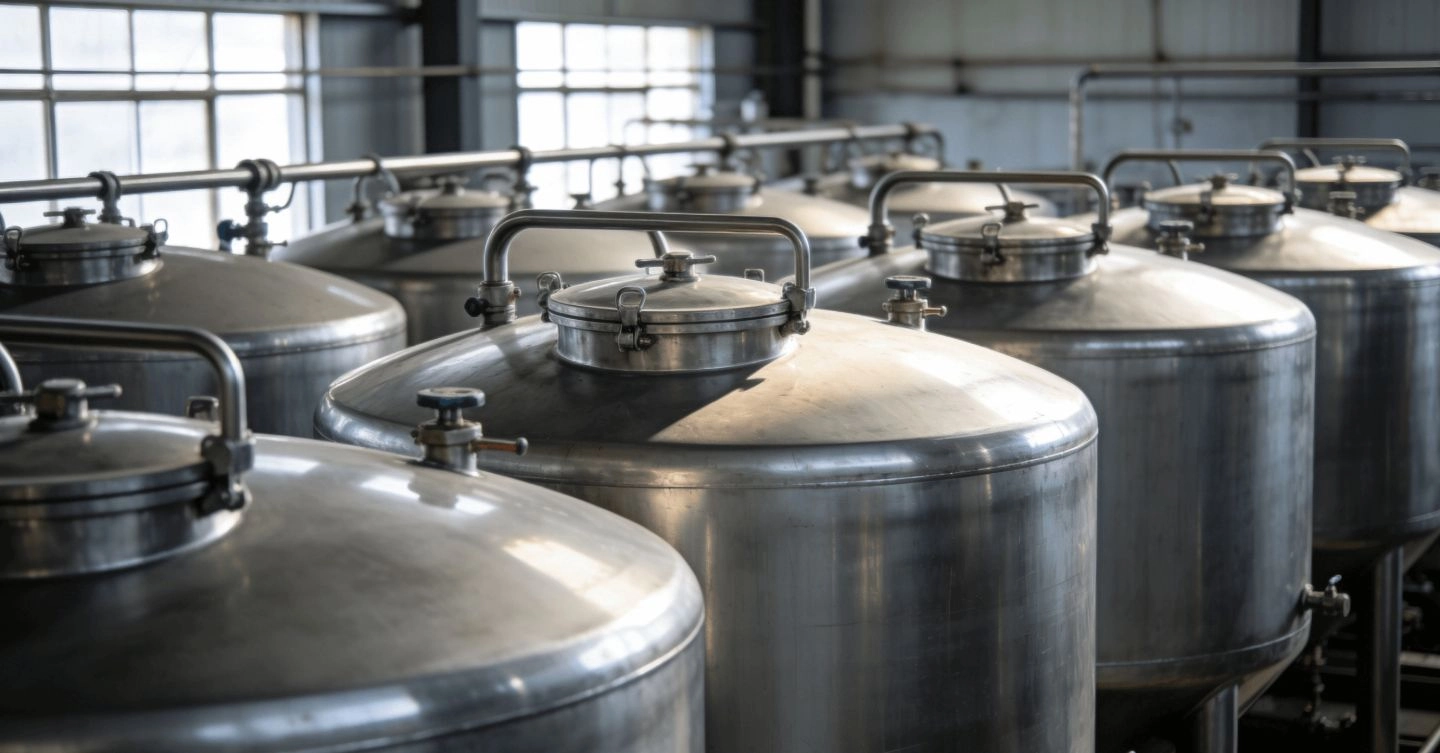
The Definitive Guide to Industrial Storage Tanks 2026: Why Food-Grade Stainless Steel is the Gold Standard
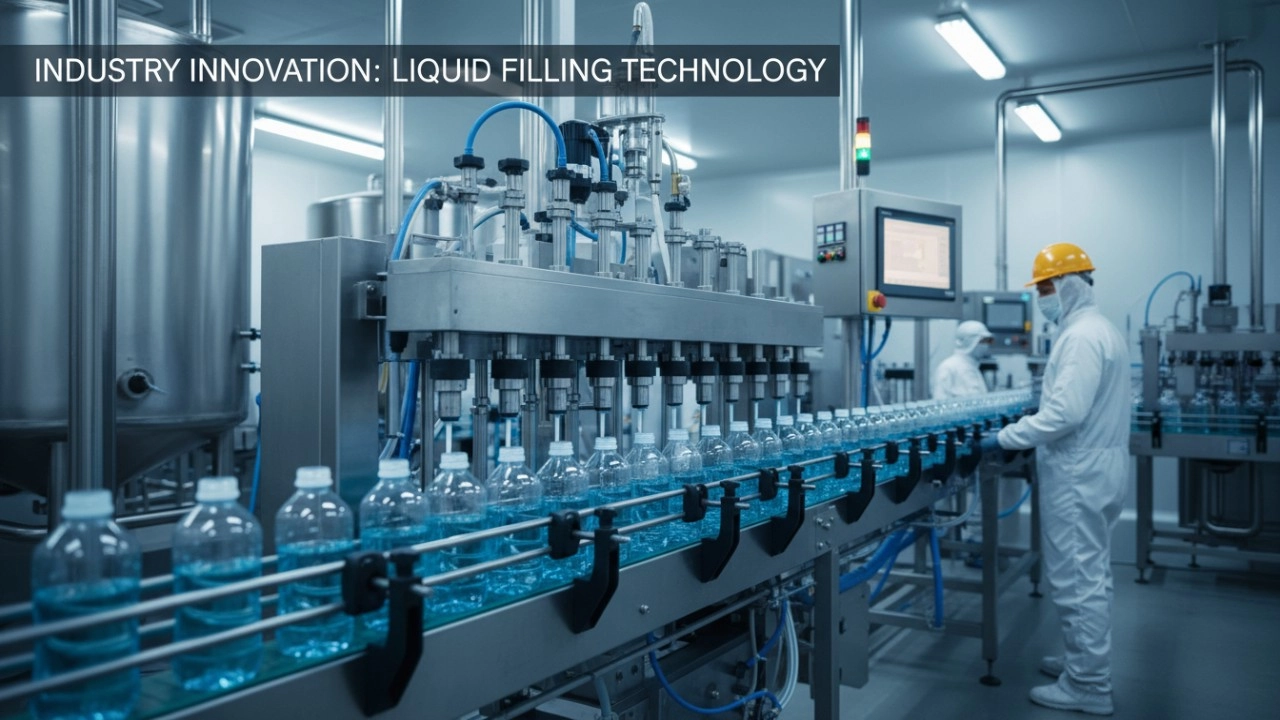
The Ultimate 2026 Guide to Liquid Filling Machines: Types, Technologies, and Strategic Selection
High shear homogneizer
Can I change the different paddle by myself?
Generally the paddle can not be replaceable, unless the new paddle to be changed are the same size with the old one.
Automatic auger filling machine
Is there a powder feeder for the powder dosing machine?
Yes, we have corresponding auger feeder for powder conveying. There is inlet port on the hopper to be connected with powder feeding machine.
The screw powder feeder is an option for client, which can achieve automatic adding materials and stop working with materials sensor installed in hopper.
Portable Storage Tank
What’s the material of the liquid tank?
The tank is made of stainless steel 304 or 316L. We customize upon requirements. Or we recommend according to clients’ products.
Desktop Bottle Sealing Machine
Do you have a standing portable bottle sealer to be put directly after my automatic capping machine?
Yes, we have a vertical movable type lid sealer which can be directly put after capping machine as long as there is space for conveyor. The movable type can be used with conveyor directly.
Medicine
How can I ensure my production process is free from contamination?
Our equipment uses materials that meet the strict standards of the pharmaceutical industry and is designed for easy cleaning and maintenance. All our equipment is carefully designed to minimize the risk of cross-contamination.
Leave a message
Have any questions or concerns about our products? Please leave us a message here, and our team will get back to you promptly.
 Scan QR Code
Facebook
YouTube
LinkedIn
Whatsapp: +8613434139712
Guangzhou Yuanyang Machinery