





Comparing Sachet Packaging Machine Types and Uses
- Types of Sachet Packaging Machines and Their Best Uses
- Vertical Form-Fill-Seal (VFFS) Sachet Machines
- Stick Pack Machines
- Rotary and Multi-Lane Sachet Machines
- Key Technical Features and Selection Criteria
- Filling Systems: Matching Product to Metering Technology
- Control and Automation: From Microcomputer Control to Industry 4.0
- Material Compatibility and Film Handling
- Operational Considerations, Maintenance, and Compliance
- Sanitation and GMP for Food and Pharmaceutical Use
- Maintenance, Spare Parts, and Training
- Validation, Traceability and Documentation
- Comparative Table: Choosing the Right Sachet Packaging Machine
- Integrating a Sachet Packaging Machine into Your Production Line
- Line Balancing and Throughput Planning
- Quality Control: Leak Detection and Weight Control
- Energy, Footprint and Lifecycle Costs
- Why Choose Yuanyang Sachet Packaging Machine for Sale
- Case Example: Powder Supplement Line
- Warranty, Support and After-Sales
- Recommended References and Standards
- Frequently Asked Questions (FAQ)
- Q: What is the difference between a VFFS sachet machine and a stick pack machine?
- Q: Can one machine handle both powders and liquids?
- Q: What is the typical lead time to buy and install a sachet machine?
- Q: How do I validate a sachet machine for pharmaceutical production?
- Q: What maintenance does a sachet packing machine require?
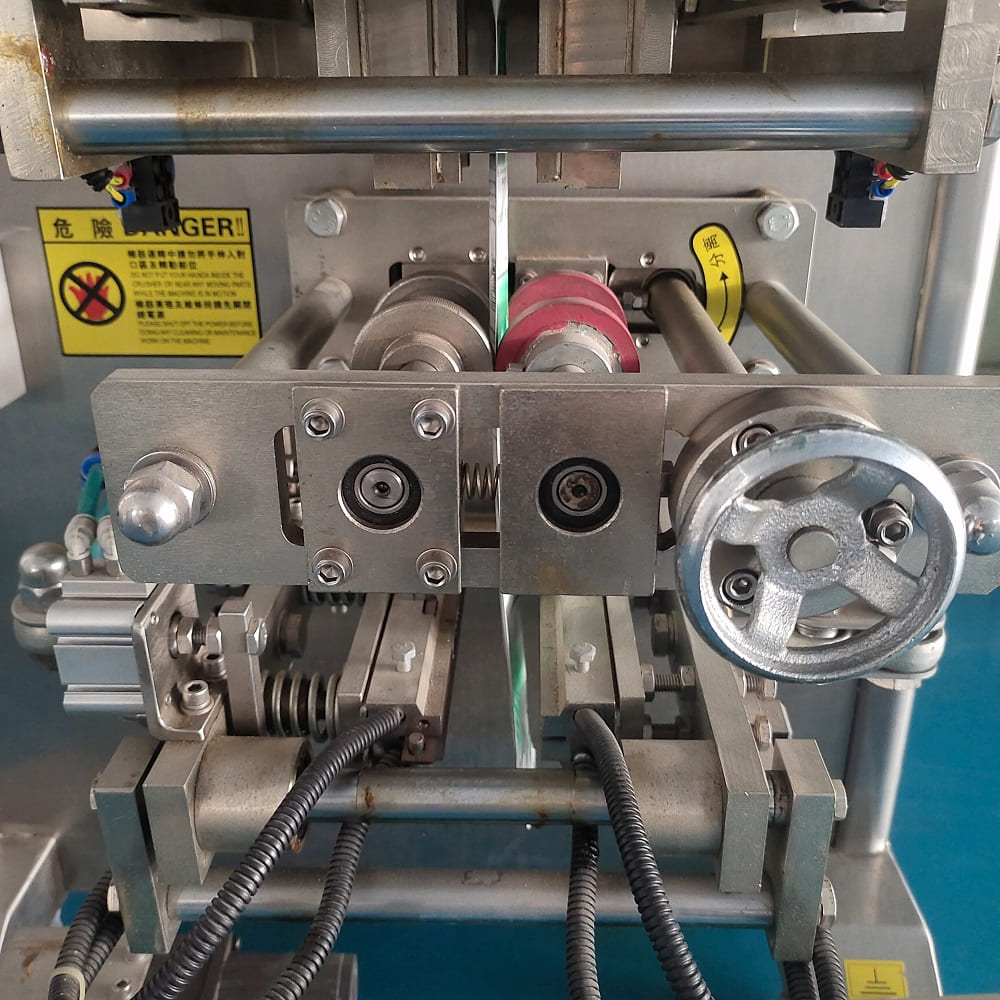
This comparative guide on sachet packaging machine helps procurement, production, and R&D teams quickly identify the right machine types for powders, liquids, granules, and pastes. It highlights the operational strengths and limits of vertical form-fill-seal sachet machines, stick pack machines, rotary multi-lane sachet equipment and four-side seal systems — with practical tips on speed, accuracy, product compatibility, footprint, and compliance to food and pharmaceutical standards. The goal is to enable faster vendor selection and reduce integration risk when buying a Sachet Packaging Machine for Sale.
Types of Sachet Packaging Machines and Their Best Uses
Vertical Form-Fill-Seal (VFFS) Sachet Machines
VFFS sachet machines are among the most common for single-dose and multi-dose sachets. They form sachets from rollstock film, measure/fill, and seal in one continuous vertical motion. This design is highly flexible for pillow sachets, 3-side seal sachets, and sometimes 4-side seals depending on the sealing head. VFFS machines can be paired with different dosing systems — volumetric cup for granules, auger fillers for powders, and positive displacement pumps for viscous liquids.
Typical use cases: instant beverages, sugar/salt packets, single-serve condiments, powdered medications, nutritional supplements. Advantages: compact footprint, relatively low cost per lane, and simple changeover. Limitations: less suited for ultra-thin stick packs or complex-shaped gusseted pouches.
Stick Pack Machines
Stick pack machines produce narrow, elongated sachets (stick packs) that are ideal for single-serve powders, effervescent tablets (dissolvable granular blends), and low-viscosity liquids. These machines are optimized for high-speed continuous operation and very low material usage per dose.
Typical use cases: sugar, drink mixes, oral powder supplements, sachet instant coffee, and single-dose liquid oral syrups. Stick packs are favored in beverage and nutraceutical markets where consumer convenience and controlled single doses are priorities.
Rotary and Multi-Lane Sachet Machines
Rotary sachet machines use a rotating turret to make, fill and seal sachets, often in multiple lanes. Their mechanical design supports very high throughput with excellent filling precision. They can be configured with multiple dosing heads (auger, piston, pump) to handle powders, granules, and liquids simultaneously.
Typical use cases: high-volume consumer goods, large-scale pharmaceutical sachet production, and businesses that need multiple lanes to increase capacity without proportionally increasing floor space. Advantages include high speed and consistent product handling; downside is higher capital cost and more complex maintenance.
Key Technical Features and Selection Criteria
Filling Systems: Matching Product to Metering Technology
Selecting the right dosing system is essential for product quality and yield. Common fill systems include:
- Auger fillers for fine powders (good for precise weight control and dusty products).
- Volumetric cup fillers for free-flowing granules and small solids.
- Piston fillers or peristaltic pumps for viscous pastes and creams.
- Servo-driven liquid pumps for accurate liquid dosing and multi-flush operations.
Choosing the correct metering reduces giveaway, improves consistency, and simplifies regulatory validation for food and pharmaceutical production.
Control and Automation: From Microcomputer Control to Industry 4.0
Modern sachet packaging machine models are microcomputer controlled with touch-screen HMI for recipe storage, diagnostics, and quick changeover. Higher-end machines support servo motors for precision timing, remote monitoring, and integration with MES/ERP systems. These capabilities enable better OEE (Overall Equipment Effectiveness) and faster root-cause analysis when line stops occur.
Material Compatibility and Film Handling
Consider the film type and barrier requirements: mono films, laminates, or heat-sealable coated papers. Barrier requirements for moisture, oxygen, or light exposure determine film choice and sealing temperature. Machines must support appropriate sealing bars, temperature control, and tensioning systems. If you plan to use pre-made pouches vs. rollstock, ensure the machine supports pre-made pouch feeding adapters or roll unwinding modules.
Operational Considerations, Maintenance, and Compliance
Sanitation and GMP for Food and Pharmaceutical Use
For food and pharmaceuticals, sanitary design is essential. Look for openable guards, CIP-compatible elements, minimal crevices, and stainless-steel contact parts. Regulatory frameworks like FDA food safety guidelines (see FDA resources: fda.gov/food) and WHO/GMP guides for pharmaceutical manufacturing (see WHO guidance: who.int/publications) outline expectations for hygienic equipment.
Maintenance, Spare Parts, and Training
Preventive maintenance plans preserve uptime. Key recommendations: maintain a stock of critical spares (sealing jaws, belts, knives, sensors), schedule periodic calibration for weighing/auger systems, and ensure operator training for changeovers. Many OEMs provide training and remote diagnostics; consider this when evaluating Sachet Packaging Machine for Sale offers.
Validation, Traceability and Documentation
Pharmaceutical and some food applications require validation (IQ/OQ/PQ) and lot traceability. Machines with data-logging, recipe recall, and secure user-access levels simplify compliance with ISO standards such as ISO 22000 for food safety management (see ISO: iso.org).
Comparative Table: Choosing the Right Sachet Packaging Machine
The table below summarizes typical characteristics across common sachet machine types. Use it as a quick procurement checklist.
| Machine Type | Best for | Typical Speed (packs/min) | Fill Types | Advantages | Limitations |
|---|---|---|---|---|---|
| VFFS Sachet Machine | Pillow, 3-side, 4-side sachets | 40–150 (per lane) | Powder, granules, liquids (with modules) | Low footprint, flexible, economical | Less ideal for very thin stick packs, limited multi-lane |
| Stick Pack Machine | Single-serve powder/liquid sticks | 150–1200 | Fine powders, low-viscosity liquids | Very high speed, low material use | Limited pouch format flexibility |
| Rotary Multi-Lane Machine | High-volume sachets, pharma | 200–800 (multi-lane aggregated) | Powders, granules, liquids, pastes | High throughput, precise dosing | Higher cost, complex maintenance |
| Four-Side Seal (Pre-Made Pouch) | High-barrier pouches, complex sealing | 30–200 | Liquids, pastes, pharmaceuticals | Excellent barrier, simple pouch handling | Cost of pre-made pouches, slower speeds |
Integrating a Sachet Packaging Machine into Your Production Line
Line Balancing and Throughput Planning
Ensure upstream dosing/supply and downstream inspection, labeling, and cartoning match the sachet machine capacity. A common mistake is over-investing in a high-speed sachet machine while conveyors, check weighers, or feeding systems create bottle-necks. Conduct a line audit and calculate takt time before purchase.
Quality Control: Leak Detection and Weight Control
Implement automated inspection systems: vision systems for print/lot code, leak detection for liquids (vacuum or pressure test), and checkweighers for fill accuracy. These in-line checks reduce recalls and customer complaints. PMMI provides useful industry resources on packaging automation and inspection technologies (see PMMI: pmmi.org).
Energy, Footprint and Lifecycle Costs
Evaluate lifecycle cost, not just capital price. Energy-efficient servo systems, modular expansions, and low-maintenance designs reduce TCO. Also consider film utilization rates — some pouch formats require more material, increasing material cost over time.
Why Choose Yuanyang Sachet Packaging Machine for Sale
Product Introduction
Yuanyang sachet packaging machine’s is a kind of automatic equipment, mainly used for measuring, filling, and sealing small bag packing materials. The sachet packing machine has become an indispensable piece of equipment in modern production for food, medicine, chemicals, and other fields.
Features:
⦁ Microcomputer controlled;
⦁ Automated fast speed;
⦁ Multi-function integration.
Yuanyang machines are designed for flexibility: multiple dosing modules (auger, cup, piston, and pump), quick-changeover tooling, and robust construction for continuous operation. Whether you need a small tabletop stick pack unit for sample production or a multi-lane rotary sachet machine for full-scale manufacturing, options are available in the product line.
Case Example: Powder Supplement Line
For a powdered supplement brand scaling from 5,000 to 50,000 units/day, a multi-lane rotary sachet machine with auger fillers reduced giveaway by 0.8% and increased output by 4x compared to single-lane VFFS. ROI was achieved within 14 months when accounting for labor savings and reduced material waste.
Warranty, Support and After-Sales
When buying a Sachet Packaging Machine for Sale, check warranty terms, spare-part lead times, and availability of local service technicians. Machines with modular electrical controls and standardized components are easier to troubleshoot and maintain.
Recommended References and Standards
To ensure best practices in equipment selection and compliance, consult authoritative sources:
- Packaging machine overview and terminology: Wikipedia: Packaging machine.
- Industry automation and packaging technologies: PMMI - The Association for Packaging and Processing Technologies.
- Food safety and regulatory guidance: FDA - Food.
- Pharmaceutical production and GMP guidance: WHO Publications and Guidance.
- International standards overview: ISO Standards.
Frequently Asked Questions (FAQ)
Q: What is the difference between a VFFS sachet machine and a stick pack machine?
A: VFFS machines form sachets from rollstock and are versatile for pillow and 4-side seal sachets; stick pack machines make narrow elongated packs optimized for very high-speed single-dose production. Choose VFFS for format flexibility and stick pack for maximum speed and minimal material use.
Q: Can one machine handle both powders and liquids?
A: Some modular sachet packaging machines can handle both by swapping dosing modules (e.g., auger for powder, peristaltic or piston pump for liquids). Ensure seals, cleaning access, and dosing calibration are compatible with both product types.
Q: What is the typical lead time to buy and install a sachet machine?
A: Lead time varies by configuration and custom features but ranges from 8 to 20 weeks for build and factory acceptance testing. Installation and validation add 1–4 weeks depending on integration complexity.
Q: How do I validate a sachet machine for pharmaceutical production?
A: Validation typically follows IQ/OQ/PQ protocols. Ensure detailed documentation of software versions, recipes, calibration certificates for weighing systems, and traceability records. Consult WHO/GMP guidance and work with the OEM for validation scripts and support.
Q: What maintenance does a sachet packing machine require?
A: Regular tasks include sealing jaw inspection and cleaning, blade sharpening or replacement, lubrication of mechanical parts, calibration of dosing systems, and software backups. Maintain spare sealing gaskets, belts, and sensors for quick swaps.
Ready to compare models or request a quote? Explore our Sachet Packaging Machine for Sale and contact our sales team for a personalized recommendation and ROI analysis. For immediate assistance, email [email protected] or visit our Contact page.
How to Choose the automatic liquid filling and capping machine manufacturer and supplier in Saudi Arabia?
Top 10 chemical dispersing machine factories Manufacturers and Supplier Brands in America
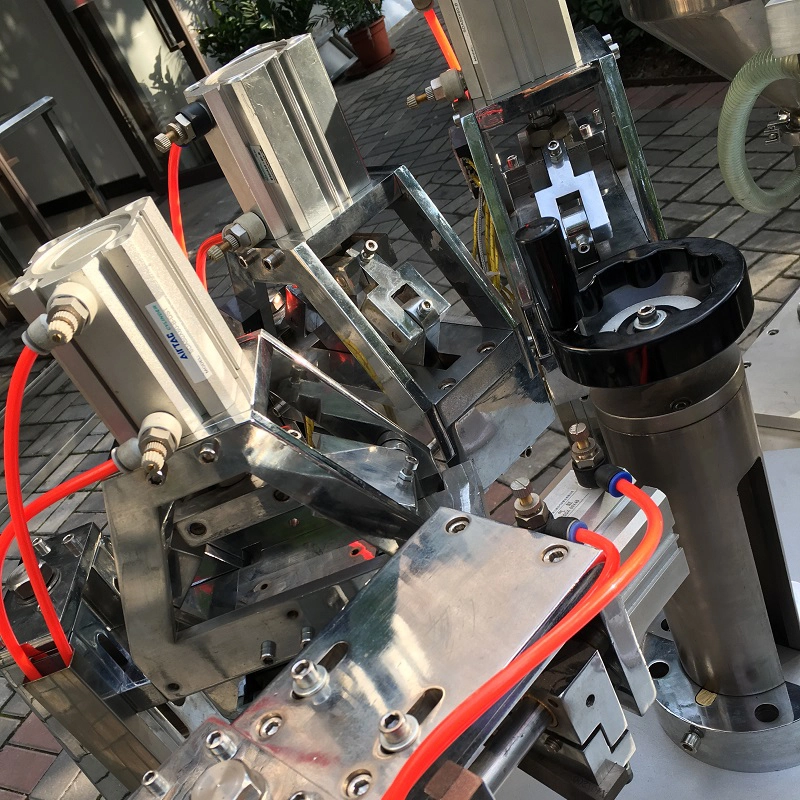
Integrating Automatic Tube Sealers into Automated Packaging Lines
Best professional packing machinery manufacturers and supplier brands in Asia
Liquid Mixing Tank
What’s the maximum temperature it can get?
Steam heating: 100~180℃; electric heating: use water 100℃, use thermal oil 260℃.
Vacuum Emulsifier
What type of homogenizer do you use for this vacuum homogenizer emulsifier?
There are two types of homogenizer, one is with regular standard mechanical sealing type, another is water cooling type. Clients can choose the preferred type according to needs.
Automatic auger feeder machine
How does the powder transfer auger feeding machine convey materials?
It transports materials continuously through screw rotation by electric motor drive.
Semi automatic powder filling machine
What’s the measuring method of this bottle filling machine for powder?
The bottle filler for powder adopts screw measurement, which has accurate measurement. That’s why it is also called screw powder filling machine, or auger filler.
Cosmetic
Do your equipment meet GMP and other industry standards?
Yes. Our equipment fully complies with GMP, ISO, and other international industry standards and can be customized to meet specific regulatory requirements based on different markets and customers.
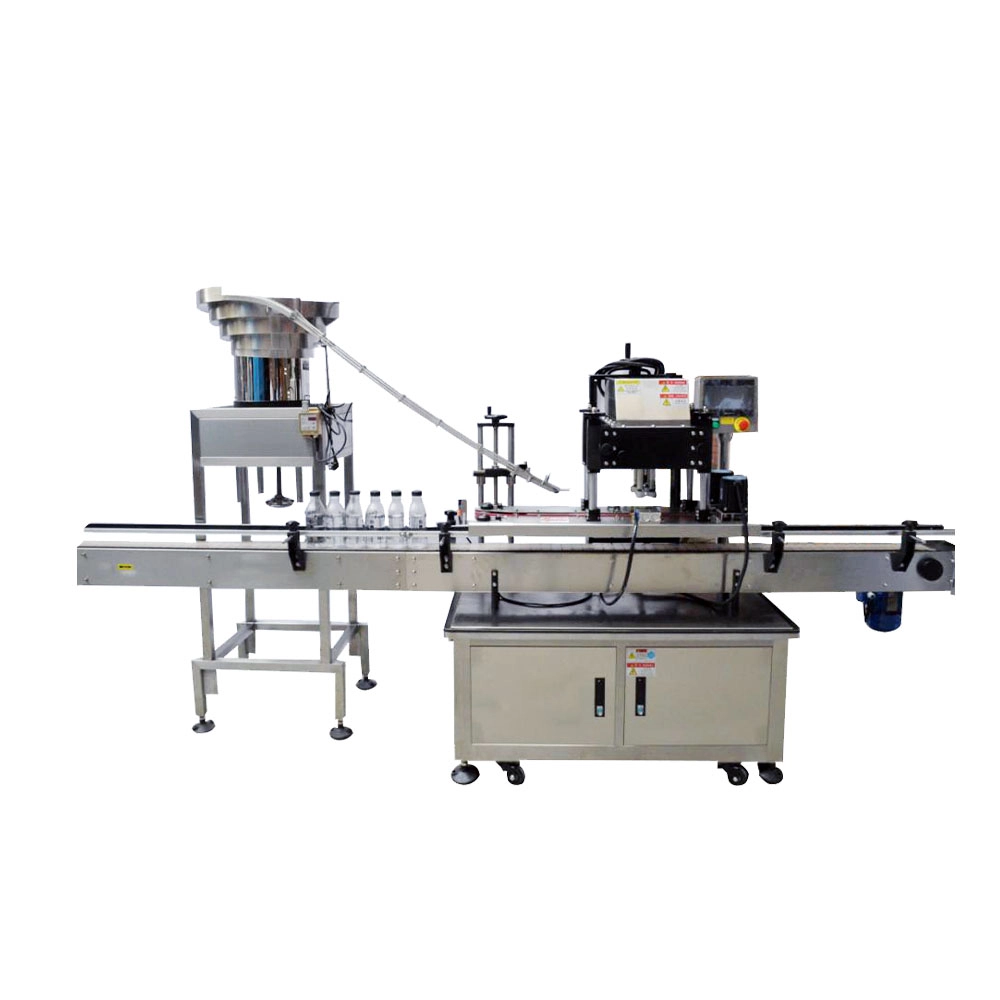
Automatic Plastic Caps Capping Machine with Vibrating Cap Feeder for Sale
Yuanyang automatic screw capping machine is a kind of four-wheel bottle capping machine. The automatic screw capper is often used to close lids of containers such as bottles and jars, especially for plastic bottles, which are widely used in food, medicine, chemical, cosmetic, and other industries for mass production and continuous production lines.
Features:
⦁ Full pneumatic drive;
⦁ Automated fast speed;
⦁ Suitable for various screw caps, pumps, and spray bottles.
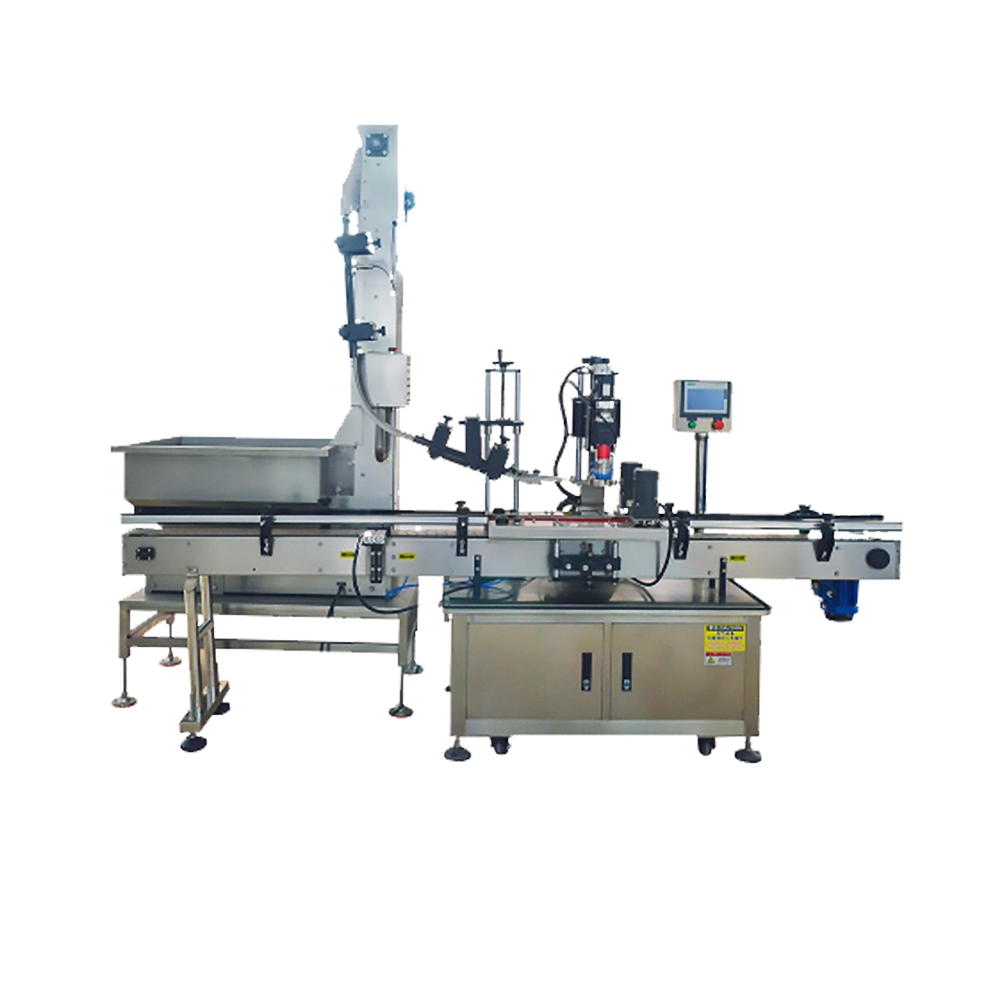
Automatic Metal Caps Capping Machine for Sale
Yuanyang automatic metal cap capping machine is a bottle capper for bottles with metal caps, which is often used to close lids of containers such as bottles and jars. The glass bottle metal capping machine is widely used in food, medicine, chemical, cosmetic, and other industries for mass production and continuous production line .
Features:
⦁ Pneumatic and electric drive;
⦁ Automated fast speed;
⦁ Suitable for glass bottles with metal caps.
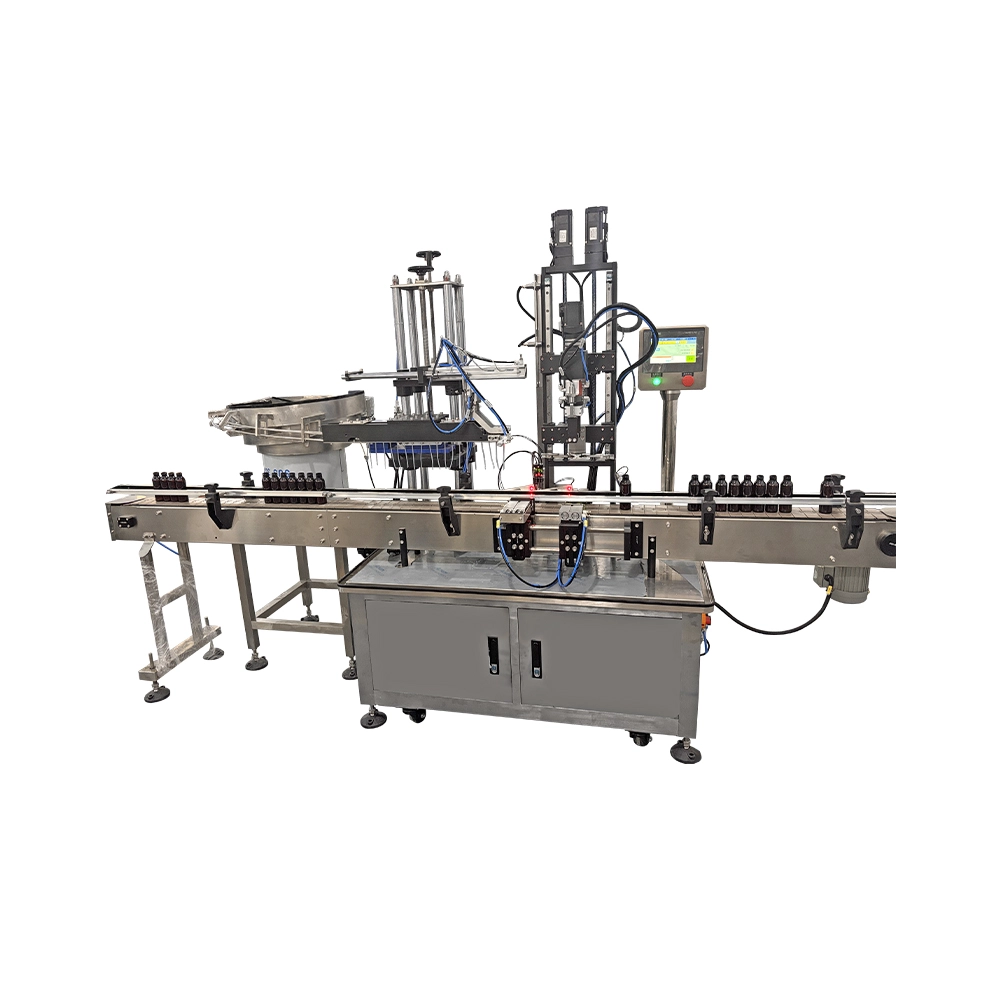
Automatic Pump Head Feeding and Capping Machine for Sale
Yuanyang automatic pump head feeding and capping machine is a bottle cap sorter and capper for bottles with pump heads, which is often used to close lids of containers such as nail polish, sprayers, and shampoo. The capping machine with a pump head feeder is widely used in food, medicine, chemical, cosmetic, and other industries for mass production and continuous production line .
Features:
⦁ Pneumatic and electric drive;
⦁ Automated fast speed;
⦁ Suitable for various types of caps.
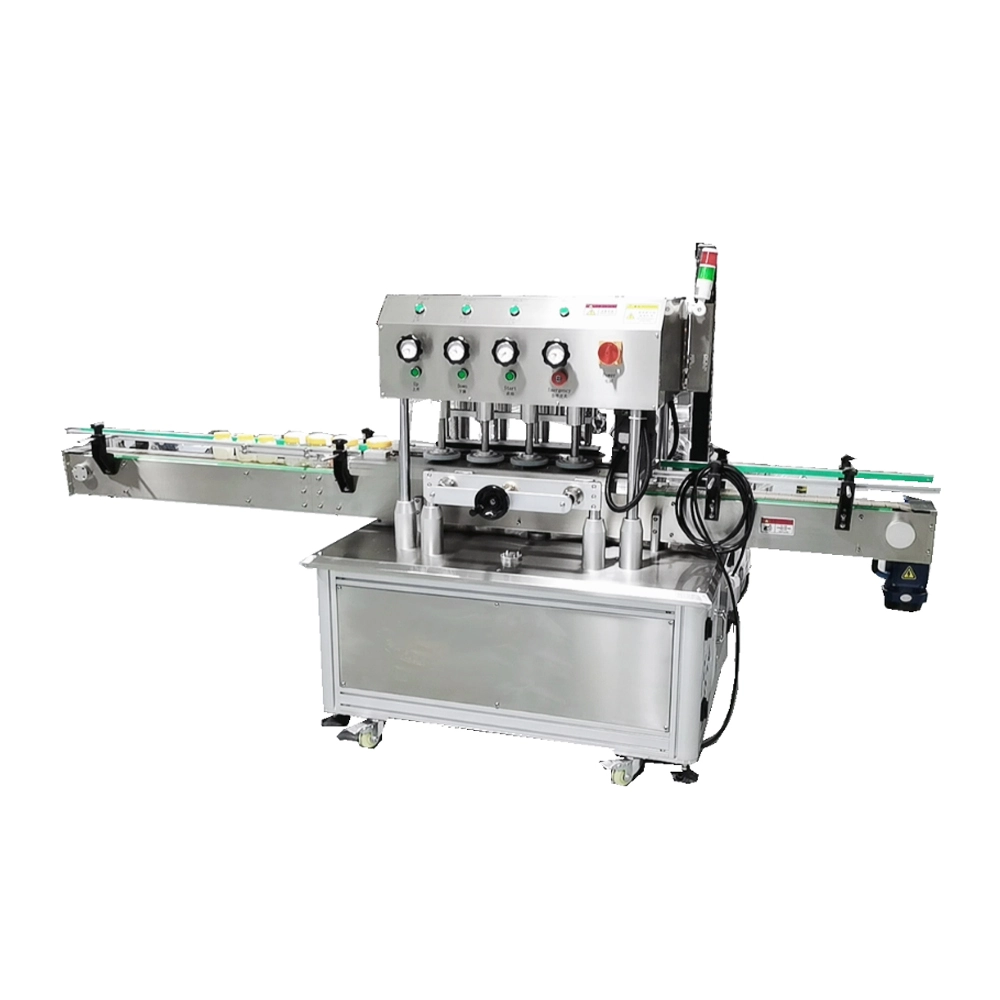
Automatic High Speed Capping Machine for Sale
The Yuanyang automatic high-speed capping machine is a kind of 8-wheel bottle-capping machine with fast working efficiency. The automatic capper is often used to close lids of containers such as bottles and jars, especially for plastic bottles, which are widely used in food, medicine, chemical, cosmetic, and other industries for mass production and continuous production lines.
Features:
⦁ Electric drive;
⦁ Automated fast speed;
⦁ Suitable for various screw caps, pumps, and spray bottles.
 Scan QR Code
Facebook
YouTube
LinkedIn
Whatsapp: +8613434139712
Guangzhou Yuanyang Machinery