





what is the best water filter for the faucet | YUANYANG Guide
- What Is the Best Water Filter for the Faucet?
- 1. What Types of Water Filters Are Available for Faucets?
- 2. How Do I Know Which Water Filter Is Best for My Tap Water Quality?
- 3. How Easy Is It to Install and Maintain Faucet Water Filters?
- 4. What Are the Key Features to Look for in Faucet Water Filters?
- 5. Can Faucet Water Filters Support Industrial Mixing or Production Processes?
What Is the Best Water Filter for the Faucet?
Choosing the best water filter for your faucet depends on several key factors, including water quality, filtering capability, installation ease, and maintenance. For industrial applications, especially where water mixing and quality control are critical, a reliable and efficient faucet water filter ensures clean, safe water directly from the tap.
1. What Types of Water Filters Are Available for Faucets?
Faucet water filters typically include activated carbon filters, reverse osmosis (RO) systems, ceramic filters, and UV purifiers. Activated carbon filters are most common for removing chlorine, bad taste, and odors. RO systems provide high-level purification removing heavy metals and contaminants but often require more space and maintenance.
2. How Do I Know Which Water Filter Is Best for My Tap Water Quality?
Testing your tap water is crucial before choosing a filter. Common contaminants include chlorine, lead, sediments, and biologicals. Certified filters with NSF/ANSI standards ensure removal efficiency. For example, NSF/ANSI Standard 42 targets taste and odor, while Standard 53 focuses on health-related contaminants like lead. Select filters labeled with relevant certifications based on your water report.
3. How Easy Is It to Install and Maintain Faucet Water Filters?
Most faucet filters are designed for DIY installation and come with adapters for standard faucets. Maintenance generally involves filter replacement every 3 to 6 months, depending on water usage and quality. Industrial settings may require more frequent changes. Choosing a filter with an easy-change cartridge system can minimize downtime and maintain water quality.
4. What Are the Key Features to Look for in Faucet Water Filters?
Prioritize features such as filtration capacity (gallons per filter life), flow rate compatibility with your faucet, certifications (NSF/ANSI), and material quality to withstand industrial usage. Some advanced filters combine activated carbon with ion exchange or UV purification for broader protection.
5. Can Faucet Water Filters Support Industrial Mixing or Production Processes?
Yes. In industrial mixing applications, water purity is essential for consistent product quality. Faucet water filters used in these settings should meet industrial standards for contaminant removal and flow rate stability. Selecting high-capacity filters with certified performance ensures reliable water supply for industrial mixers, reducing impurities that may affect mixing outcomes.
Overall, the best faucet water filter balances filtration effectiveness, ease of maintenance, certifications, and compatibility with your specific faucet and water quality needs.
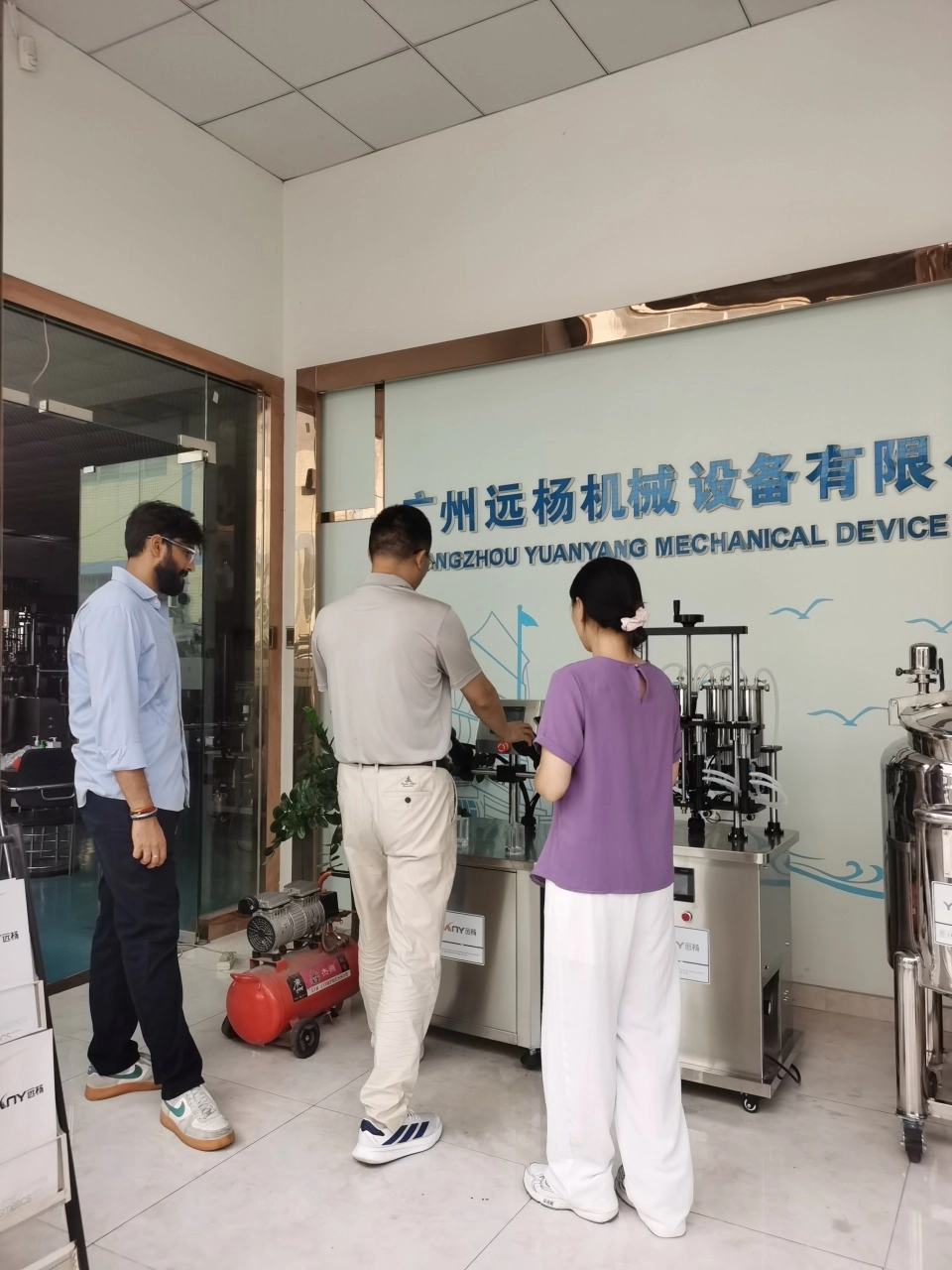
Customer Visits Guangzhou Yuanyang Machinery to Explore Semi Automatic Perfume Production Line Solution
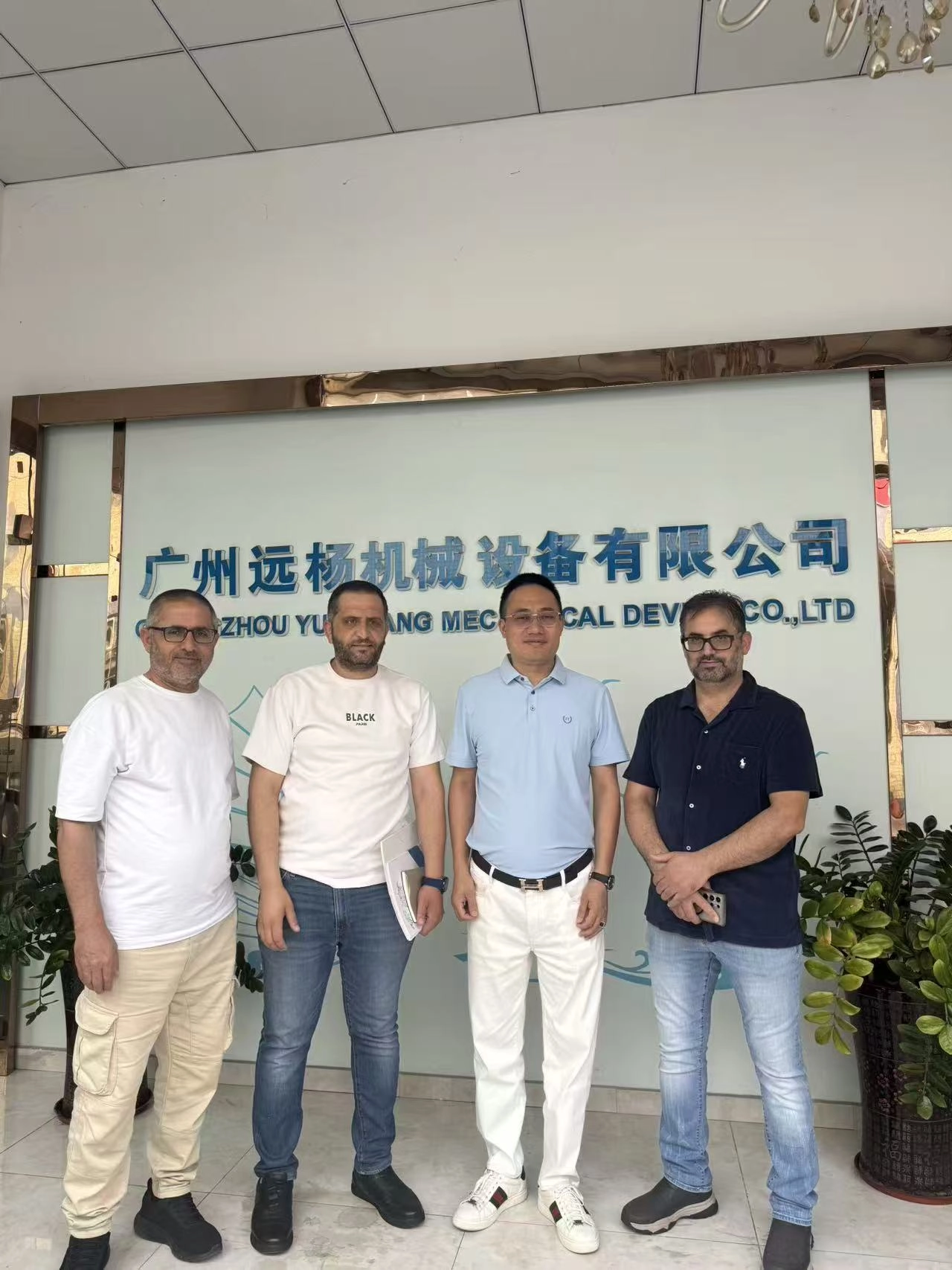
[Strategic Visit] Canadian Daily Chemical Leader Visits YUANNY for In-depth Inspection of Automated Liquid Detergent Production Line

Top 10 Machines Used in Food Processing Industry: Ultimate Guide to Boost Efficiency & Profits
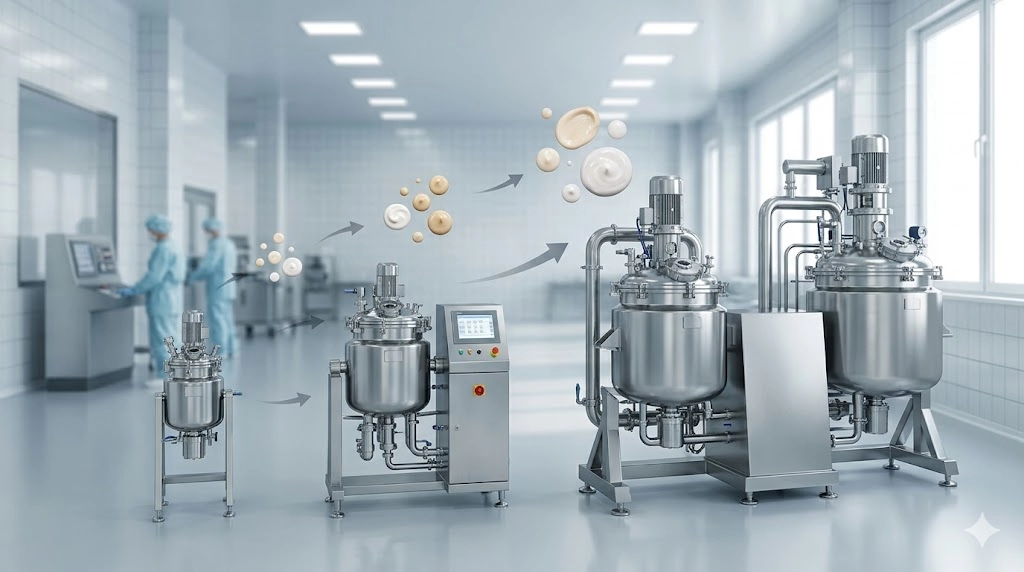
Vacuum Emulsifying Mixer Capacity Guide: How to Select Between 50L, 500L, and 1000L
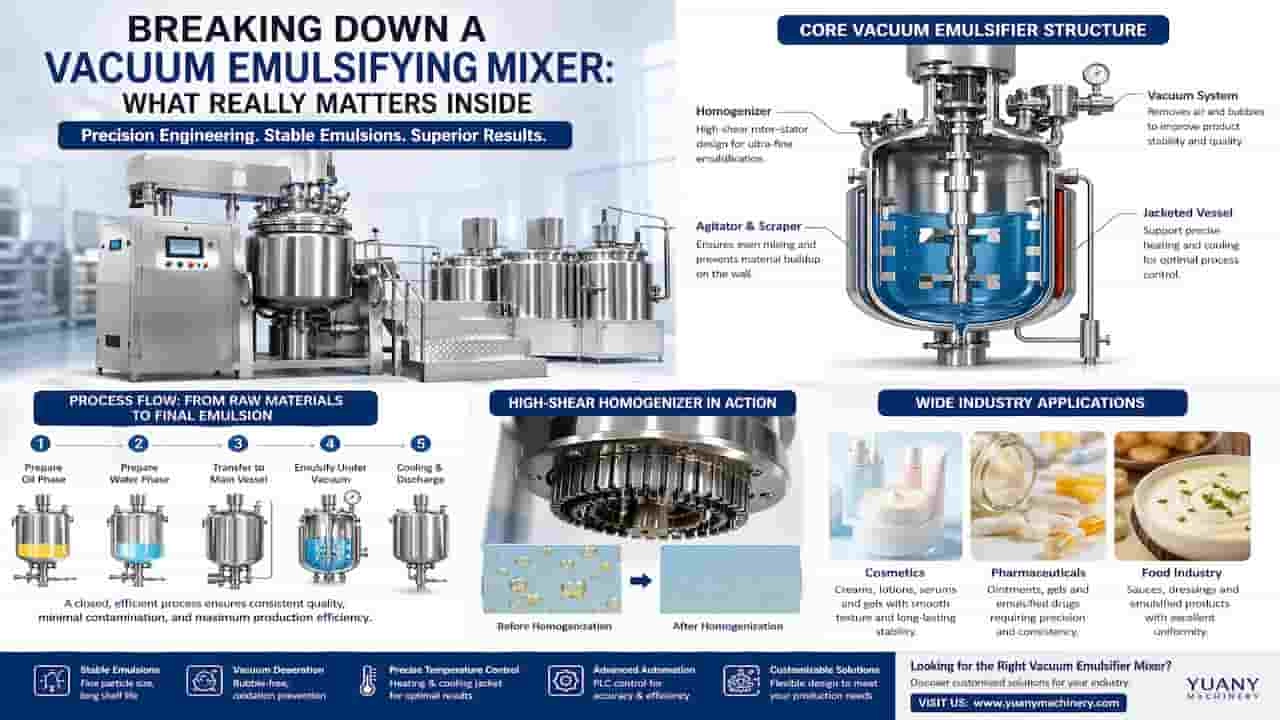
Breaking Down a Vacuum Emulsifying Mixer: What Really Matters Inside (Ultimate Industry Guide)
Can the working head parts be dismountable?
Yes, the homogenizer head is dismountable. If there is any problem of the working head, just disassemble it and check. Videos is provided.
What is the delivery lead time?
The production and delivery lead time depends on specific customization requirements, generally ranging from 4 to 8 weeks.
What type of water can we use for this pure water filter ?
The raw quality (conductivity) should be ≤300μs/cm), such as city tap water, lake water, underground water, river water...
Do you have temperature control system for the shampoo making machine?
Yes, there is temperature probe into tank at bottom. It detects temperature and display on the control panel. What’s more, the target temperature can be set.
How to cool down fast? When the products is finished,the temperature is high, it takes a long time to get back to room temperature!
⦁The fast way is by using an external chiller to convey the cooling medium (usually cold water) through the pipe into the inner jacket,through water-circulation system to cool;
⦁Another way is directly continuously taking cooling medium (usually tap water) into the inner jacket of the agitator tank from inlet, and drain it from outlet to take away the heat.
Leave a message
Have any questions or concerns about our products? Please leave us a message here, and our team will get back to you promptly.
 Scan QR Code
Facebook
YouTube
LinkedIn
Whatsapp: +8613434139712
Guangzhou Yuanyang Machinery