





How Emulsification Actually Happens in Industrial Mixing Systems (2026 Guide)
- What is the Industrial Emulsification Process?
- Quick Summary & Key Takeaways
- The Physics Behind the Process: Shear, Turbulence, and Cavitation
- Core Types of Industrial Emulsification Equipment
- Expert Tips: Preventing Emulsion Destabilization (Common Mistakes)
- Scaling Production with Turnkey Industrial Emulsifying Systems (A YUANYANG Solution)
- The Future of Emulsification: 2026 Industry Trends
- Conclusion
- FAQs About emulsification process in industry / industrial emulsification system
- What is the difference between homogenization and emulsification?
- Why is a vacuum necessary in industrial emulsifying mixers?
- How do high-shear rotor-stator mixers work?
- What causes phase separation in industrial emulsions?
- What industries rely on vacuum emulsifying mixers?
- How long does the industrial emulsification process take?
- Can one machine handle both mixing and liquid filling?
- How do I choose the right emulsifier machine for my production line?
What is the Industrial Emulsification Process?
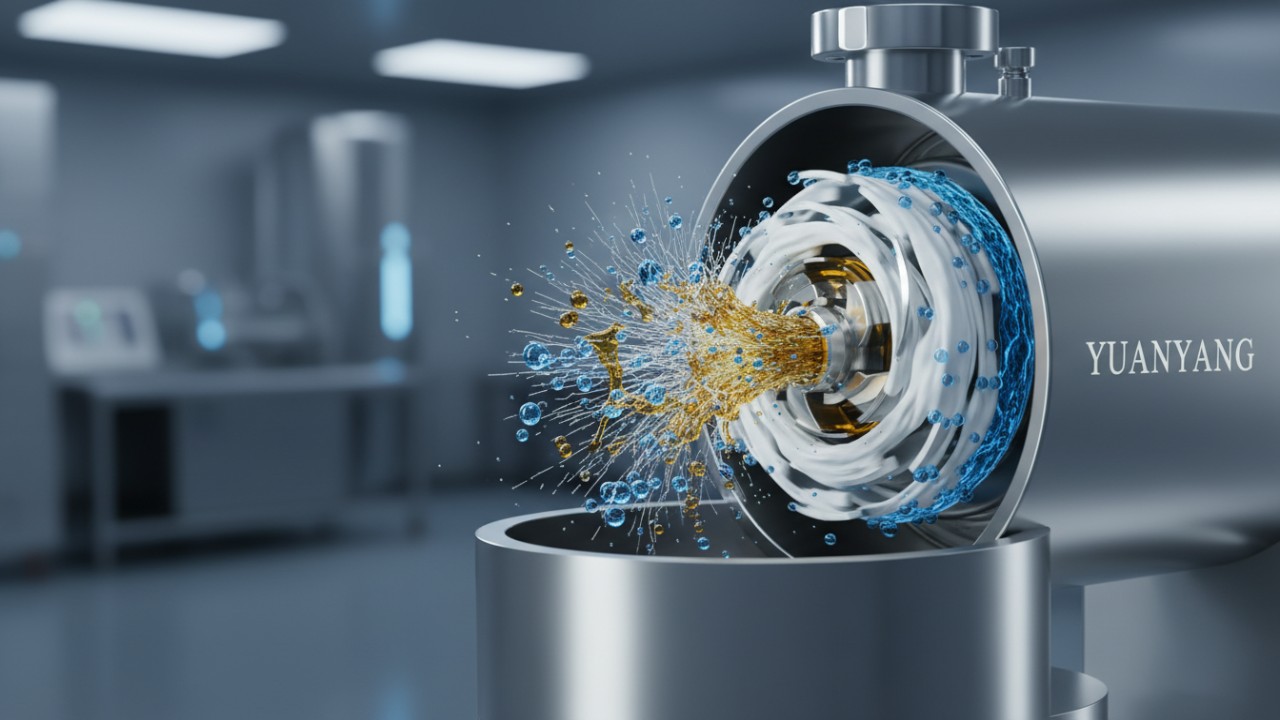
The emulsification process in industry involves the mechanical dispersion of two immiscible liquids, such as oil and water, into a single, stable, and homogeneous mixture using specialized high-shear equipment and chemical surfactants to prevent phase separation.
At its core, achieving a stable emulsion is not just about stirring two liquids together; it requires specialized machinery to apply intense mechanical force. Naturally, oil and water want to separate due to thermodynamic instability. By drastically reducing droplet sizes and integrating the right chemical surfactants, these systems effectively prevent phase separation and ensure long-term product stability. This foundational mechanism is critical across cosmetics, pharmaceuticals, and food production, where consistency, texture, and shelf life are paramount to consumer satisfaction and regulatory compliance. Without proper emulsification, active pharmaceutical ingredients may not distribute evenly, or cosmetic creams may separate into unappealing layers before reaching the end user.
Quick Summary & Key Takeaways
This guide breaks down how industrial emulsification relies on a combination of chemical surfactants and mechanical energy—typically generated by rotor-stator systems and vacuum mixers—to create stable, long-lasting emulsions while scaling from standalone machines to complete turnkey production lines.
- Chemical & Mechanical Synergy: Emulsification requires both chemical agents (surfactants) to lower surface tension and mechanical energy (industrial mixing) to physically break the dispersed phase.
- Industry Standard Tech: Rotor-stator systems are the industry standard for creating the necessary shear, turbulence, and cavitation required for micro-emulsions.
- Environmental Control: Vacuum emulsifying mixers are essential for removing air bubbles, preventing oxidation, and significantly extending the shelf life of the final product.
- Scalability: Scaling production effectively requires looking beyond standalone mixers to complete, turnkey filling and capping lines to avoid production bottlenecks.
The Physics Behind the Process: Shear, Turbulence, and Cavitation
The physical mechanics of emulsification rely on intense mechanical shear, fluid turbulence, and hydrodynamic cavitation to tear liquid droplets apart, drastically reducing their size so they can be evenly distributed and stabilized within a continuous phase.
Understanding how a high shear rotor-stator mechanism works is essential for grasping the physics of mixing. The process relies on four core forces working simultaneously:
- Mechanical Shear: This is how the rapid rotation of the rotor blades within a stationary stator physically tears droplets apart. The narrow gap between the rotor and stator creates extreme stress on the fluid, acting like microscopic scissors.
- Turbulence: The chaotic, high-velocity fluid motion distributes the newly sheared droplets evenly throughout the continuous phase, preventing localized pooling and ensuring a uniform mixture.
- Hydrodynamic Cavitation: As fluid accelerates through the mixing head, localized pressure drops create micro-bubbles that rapidly implode. This implosion releases intense energy, further breaking down particles at a microscopic level.
- Temperature Control: Heating and cooling jackets are crucial to manipulate viscosity during the physical blending process. Heat lowers viscosity, making it easier to shear droplets, while rapid cooling helps "lock" the emulsion in place before droplets can recombine.
According to research on emulsion stability, the greatest extent of droplet size reduction in a rotor-stator mixer typically occurs within the first few passes, after which the emulsion reaches an equilibrium size. Over-processing beyond this point can actually generate excess heat and degrade the emulsion.
Core Types of Industrial Emulsification Equipment
Industrial emulsification equipment primarily includes high-shear rotor-stator mixers, vacuum emulsifying machines, and high-pressure homogenizers, each engineered to apply specific types of mechanical force and environmental control to achieve the desired droplet size and product viscosity.
Different production goals require different machinery. Here is a breakdown of the core technologies utilized in modern manufacturing facilities:
| Equipment Type | Primary Mechanism | Best For | Typical Viscosity Range |
|---|---|---|---|
| High Shear Rotor-Stator Mixers | Intense mechanical shear and turbulence | Rapid, localized droplet reduction | Low to Medium |
| Vacuum Emulsifying Mixers | Vacuum pressure combined with rotor-stator shear | Bubble-free texture, preventing oxidation | Medium to Ultra-High |
| High-Pressure Homogenizers | Extreme pressure forcing liquid through narrow valves | Creating nano-emulsions | Low to Medium |
| In-Line Emulsifiers | Continuous flow through a mixing chamber | High-volume, continuous production | Low to High |
Understanding vacuum emulsifying mixer operation is particularly important for high-end cosmetics and pharmaceuticals. By pulling a vacuum during the mixing phase, these systems actively extract air bubbles introduced during high-speed shearing. As noted by industry experts, vacuum emulsifying mixers combine a high-shear homogenizer, mixing vessel, and vacuum system to eliminate air bubbles, prevent oxidation, and ensure a smooth, stable emulsion. For more insights on how these systems operate, check out our detailed guide: From Process Logic to Production Outcomes.
Expert Tips: Preventing Emulsion Destabilization (Common Mistakes)
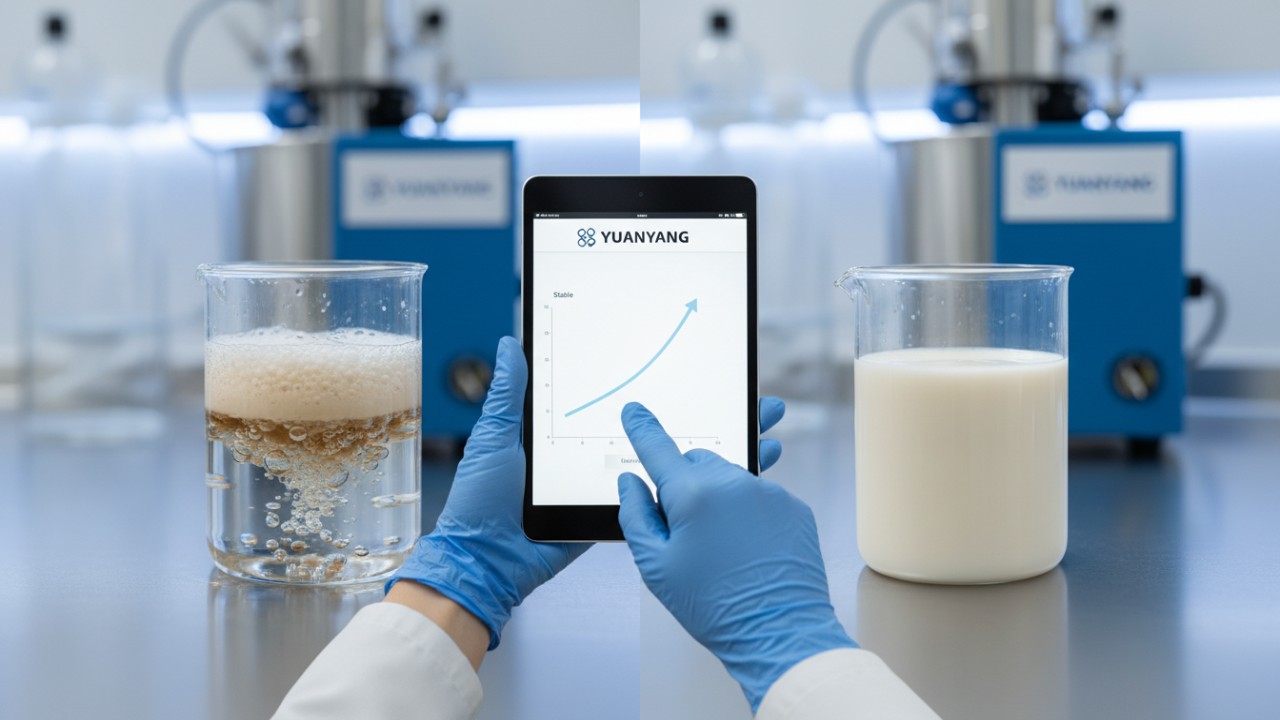
Preventing emulsion destabilization requires accurate calculation of surfactant hydrophilic-lipophilic balance (HLB) values, precise temperature control, and adequate processing time under high shear to avoid common failures like creaming, flocculation, and droplet coalescence.
Mastering homogenizer phase separation prevention is a daily challenge for formulation chemists. Several industrial emulsion stability factors dictate whether a product will remain stable on the shelf or separate into unsightly layers. Avoiding these common mistakes is critical:
- Mistake 1: Incorrect HLB Value Calculation: The Hydrophilic-Lipophilic Balance (HLB) system, developed by Griffin in 1949, is a scale from 0 to 20 used to predict surfactant behavior. As noted by Wikipedia's HLB guide, lower values (3-6) are suited for water-in-oil (W/O) emulsions, while higher values (8-16) are better for oil-in-water (O/W) emulsions. Using the wrong surfactant guarantees failure.
- Mistake 2: Inadequate Processing Time or RPM: Failing to run the mixer at sufficient RPMs or for enough time leads to rapid droplet coalescence, where small droplets merge back into large ones, eventually causing full phase separation.
- Troubleshooting Creaming and Sedimentation: If your emulsion is creaming (oil rising to the top) or sedimenting, you may need to adjust the viscosity of the continuous phase using thickeners, polymers, or gums to suspend the droplets more effectively against gravity.
- Pro Tip: Always add the dispersed phase to the continuous phase slowly under maximum shear. This ensures optimal droplet distribution and prevents overwhelming the surfactant system, which can cause the emulsion to invert unexpectedly.
Scaling Production with Turnkey Industrial Emulsifying Systems (A YUANYANG Solution)
Scaling from laboratory mixing to full-scale manufacturing demands integrated, turnkey liquid production lines that seamlessly connect vacuum emulsifying mixers with storage tanks, automatic filling machines, and capping systems to eliminate bottlenecks and ensure consistent output.
A standalone mixer is only one piece of the puzzle. The hidden bottlenecks in transferring liquids from mixing to packaging can ruin an otherwise perfect batch through contamination, aeration, or temperature fluctuations.
As a leading manufacturer since 2008, Guangzhou yuanyang mechanical device co., ltd. (YUANYANG) engineers integrated solutions combining vacuum homogenizers with liquid mixing tanks and storage tanks. We bridge the gap by seamlessly connecting the emulsifier to a complete turnkey liquid production line, including automatic liquid filling lines, capping machines, aluminum foil sealing machines, and automatic labeling machines for uninterrupted 2026 workflows.
The YUANYANG advantage lies in our comprehensive, end-to-end approach. All our equipment is CE-certified for safety (a mandatory health and safety mark for the EU market) and backed by free technical training and one-stop installation support. By sourcing your entire production line from a single visionary manufacturer, you eliminate integration headaches and guarantee full turnkey operational success.
The Future of Emulsification: 2026 Industry Trends
As we move through 2026, the future of emulsification is defined by smart automation, IoT-enabled real-time viscosity monitoring, energy-efficient rotor designs, and the rising demand for sustainable cold-process mixing technologies that reduce carbon footprints.
The landscape of industrial manufacturing is evolving rapidly. Current trends shaping the industry include:
- Automation and IoT Integration: Modern mixers now feature advanced sensors for real-time viscosity and droplet size monitoring, allowing for automated adjustments without stopping the batch. This minimizes human error and maximizes batch-to-batch consistency.
- Energy-Efficient Rotor Designs: New stator geometries deliver higher shear rates at significantly lower electrical consumption, aligning with global sustainability goals and reducing overhead costs for manufacturers.
- Cold-Process Emulsification: The cosmetic industry is seeing a massive rise in sustainable, cold-process emulsification, which eliminates the need for energy-intensive heating and cooling cycles by using advanced polymeric emulsifiers.
- Ultra-High Viscosity Handling: There is an increased demand for modular, multi-shaft mixers capable of handling ultra-high viscosities up to 100,000 cps, particularly in the pharmaceutical and advanced materials sectors where highly concentrated pastes are becoming the norm.
Conclusion
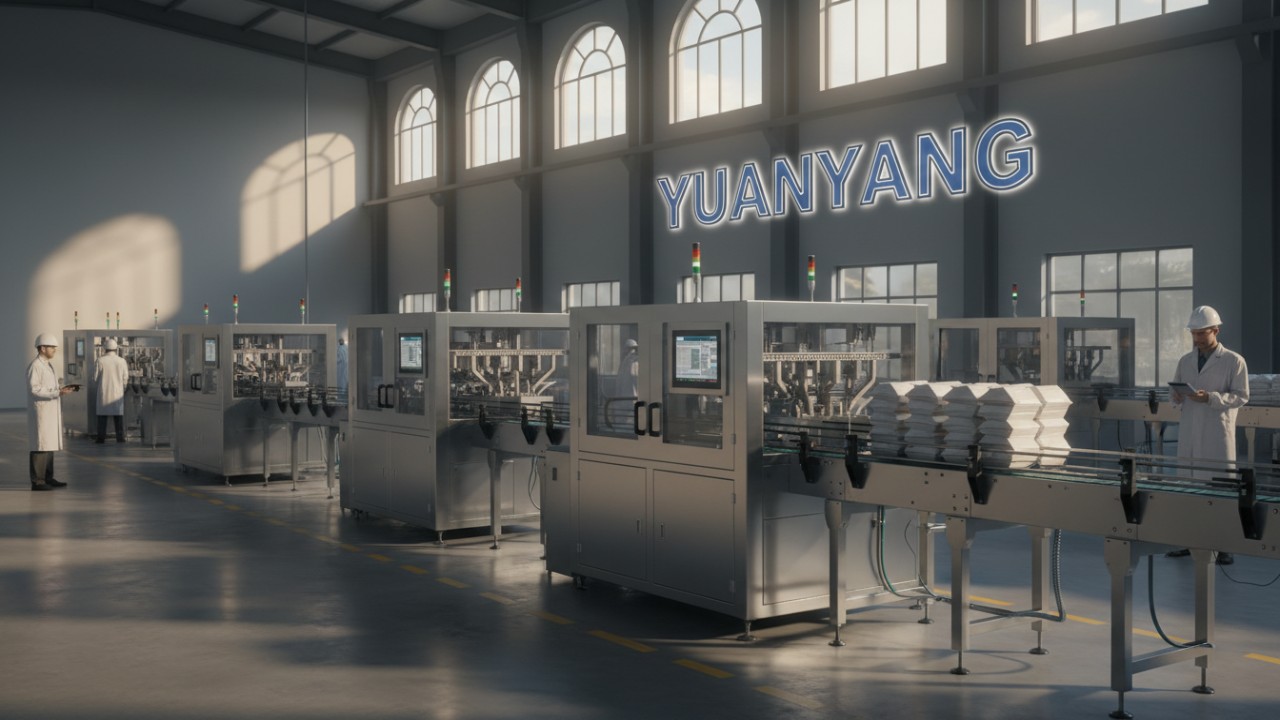
Mastering the industrial emulsification process requires understanding the intricate balance of mechanical shear, chemical stabilizers, and environmental controls like vacuum pressure. To achieve true scalability and competitive product quality, manufacturers must invest in comprehensive, CE-certified systems rather than isolated machinery. From vacuum emulsifying mixers to fully automated capping and filling lines, choosing an experienced partner like YUANYANG guarantees consistent, homogenous results tailored to your specific industry needs.
Contact us today to optimize your emulsification strategy.
FAQs About emulsification process in industry / industrial emulsification system
What is the difference between homogenization and emulsification?
Emulsification is the specific process of mixing two immiscible liquids (like oil and water) into a stable blend. Homogenization is a broader term for making any mixture uniform, but it often refers to the specific high-pressure machinery used to reduce droplet sizes after initial emulsification.
Why is a vacuum necessary in industrial emulsifying mixers?
A vacuum environment extracts air bubbles introduced during the high-speed shearing process. This prevents bacterial contamination, stops ingredient oxidation, and produces a visibly smoother, glossier final product.
How do high-shear rotor-stator mixers work?
A high-speed rotor spins rapidly inside a stationary ring with slots (the stator). Liquid is drawn in and expelled through the slots at massive velocities, tearing the liquid droplets apart through intense mechanical shear.
What causes phase separation in industrial emulsions?
Phase separation typically occurs due to insufficient mechanical mixing (droplets remain too large). It can also be caused by incorrect surfactant ratios, extreme temperature fluctuations, or long-term gravity effects.
What industries rely on vacuum emulsifying mixers?
The cosmetics industry relies heavily on them for creams and lotions. They are also critical in pharmaceuticals for ointments, and the food industry for mayonnaise and dressings.
How long does the industrial emulsification process take?
The timeline varies heavily based on batch size, viscosity, and machine power. A standard batch in a high-shear vacuum mixer can take anywhere from 30 minutes to a few hours to reach complete stability.
Can one machine handle both mixing and liquid filling?
While emulsifier machines strictly handle the mixing and homogenizing, they can be directly piped into an automated system. Companies like YUANYANG build complete production lines where the mixture flows directly from the storage tank to automatic filling and capping machines.
How do I choose the right emulsifier machine for my production line?
Evaluate your product's maximum viscosity and your required daily batch volume. Ensure the manufacturer offers CE-certified equipment, and look for turnkey providers who can supply the corresponding storage tanks and automatic liquid filling lines.
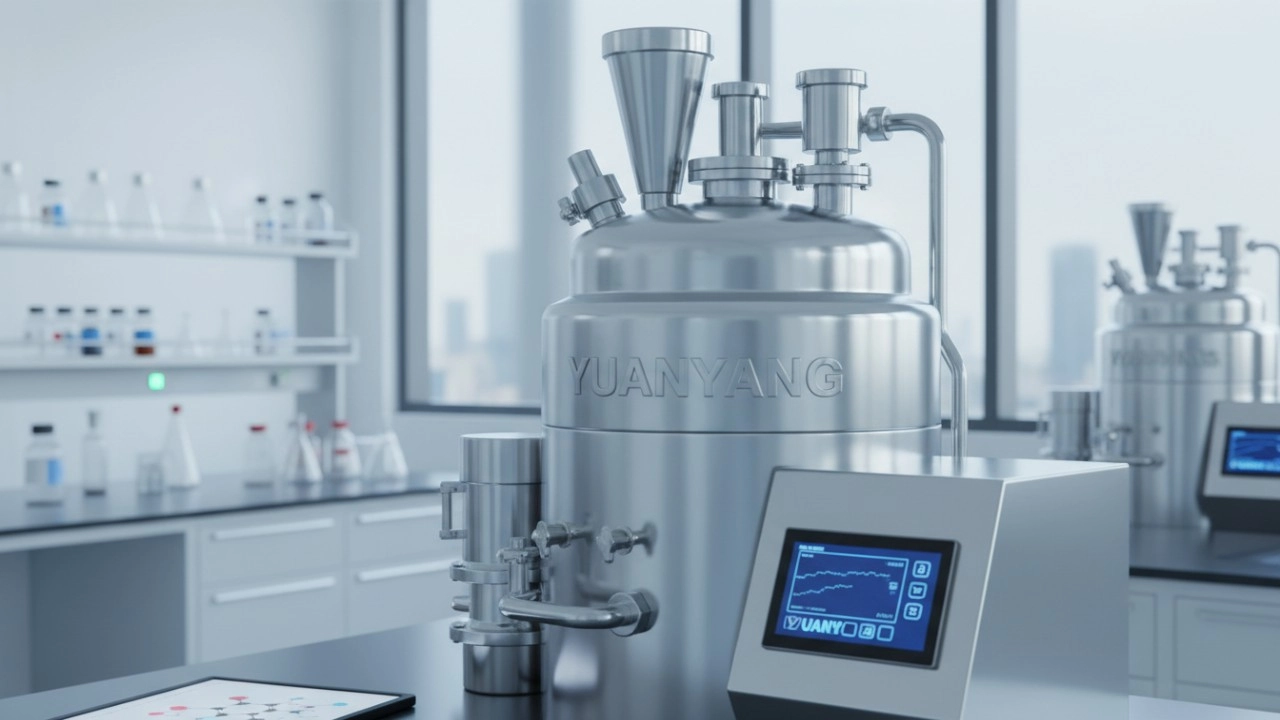
Understanding Vacuum Emulsifying Mixers as a System: From Process Logic to Production Outcomes
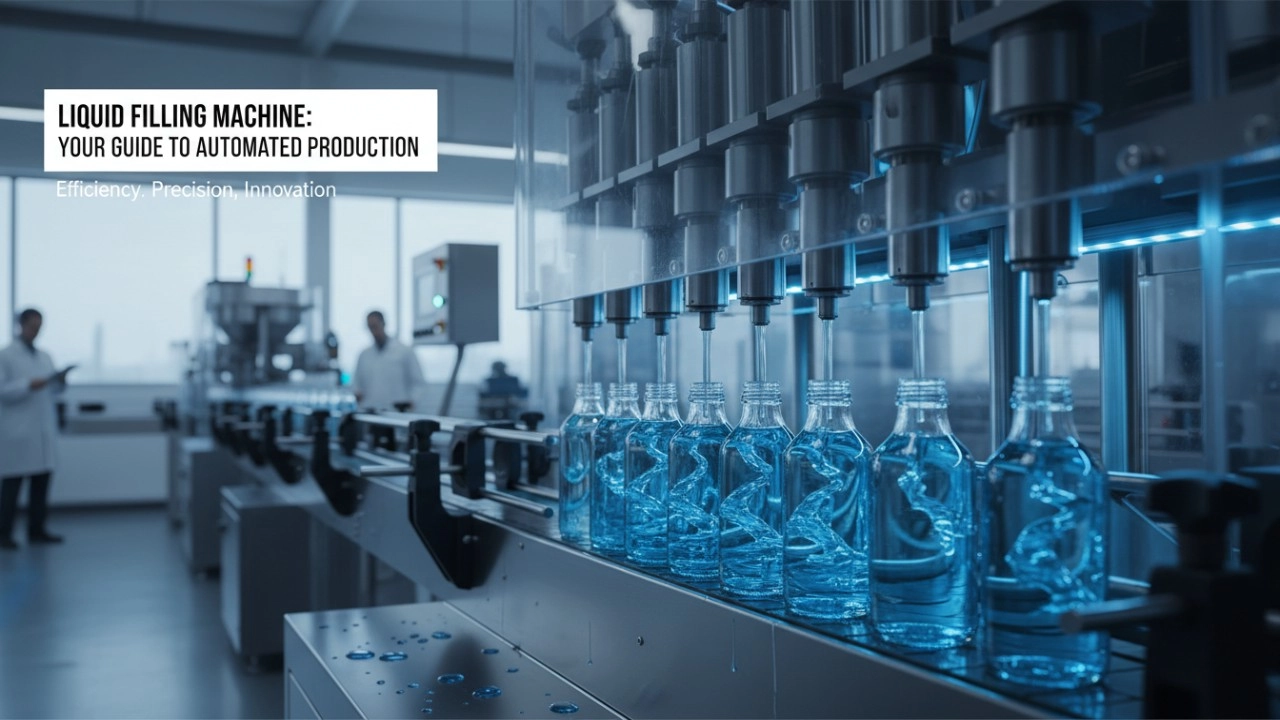
Beyond Automation: How Smart Liquid Filling Machines are Transforming Modern Packaging Lines
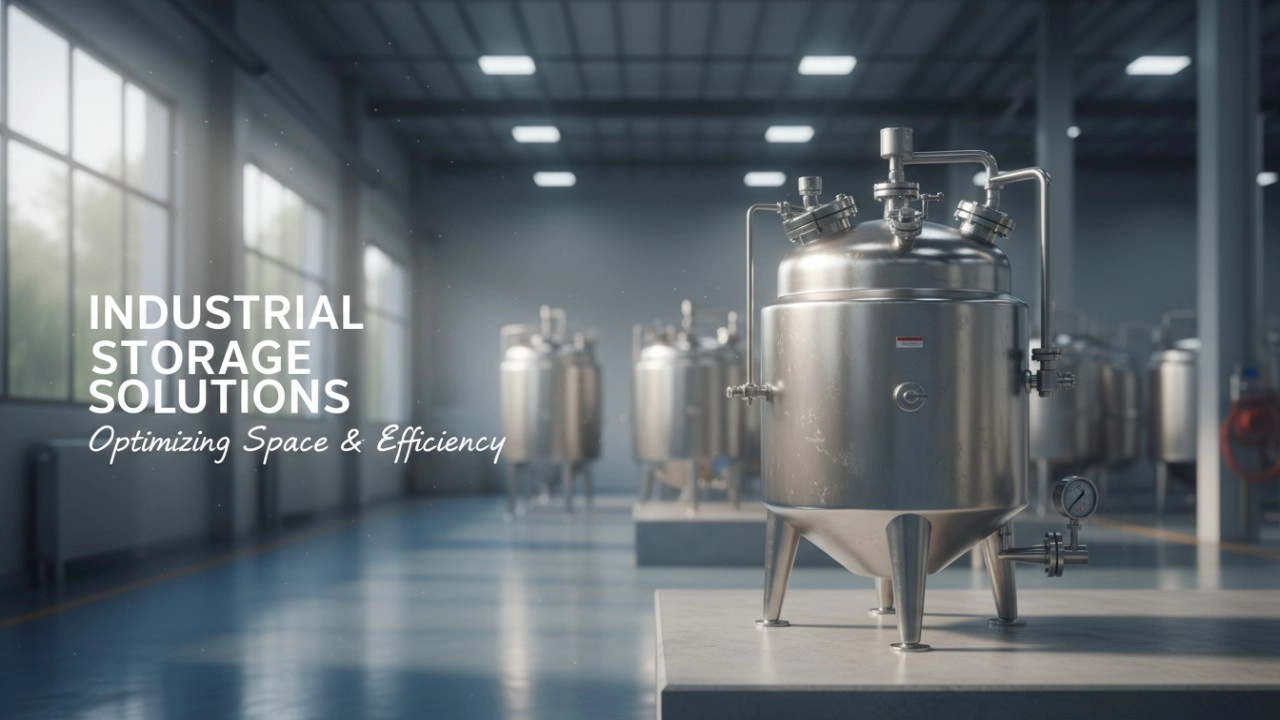
7 Dangerous Mistakes Most Companies Make with Underground Storage Tanks (USTs)
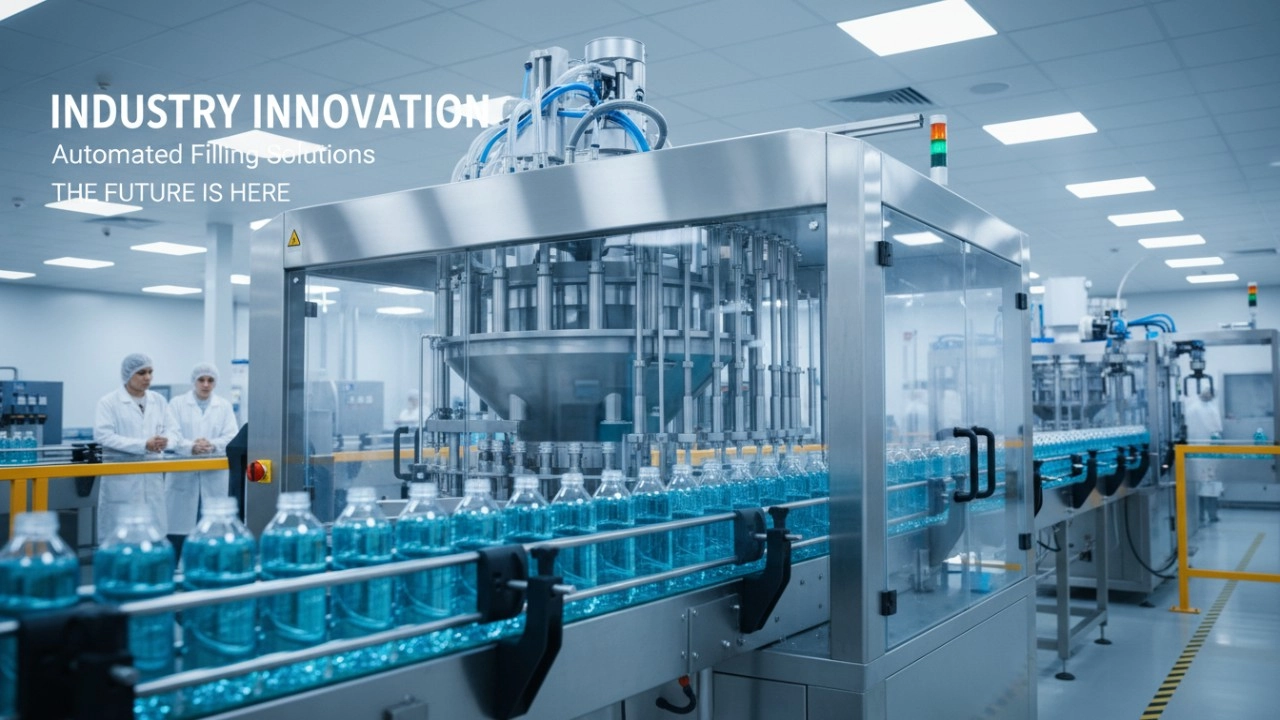
How to Future-Proof Your Production Line: The Latest Innovations in Precision Filling Machinery (2026 Guide)
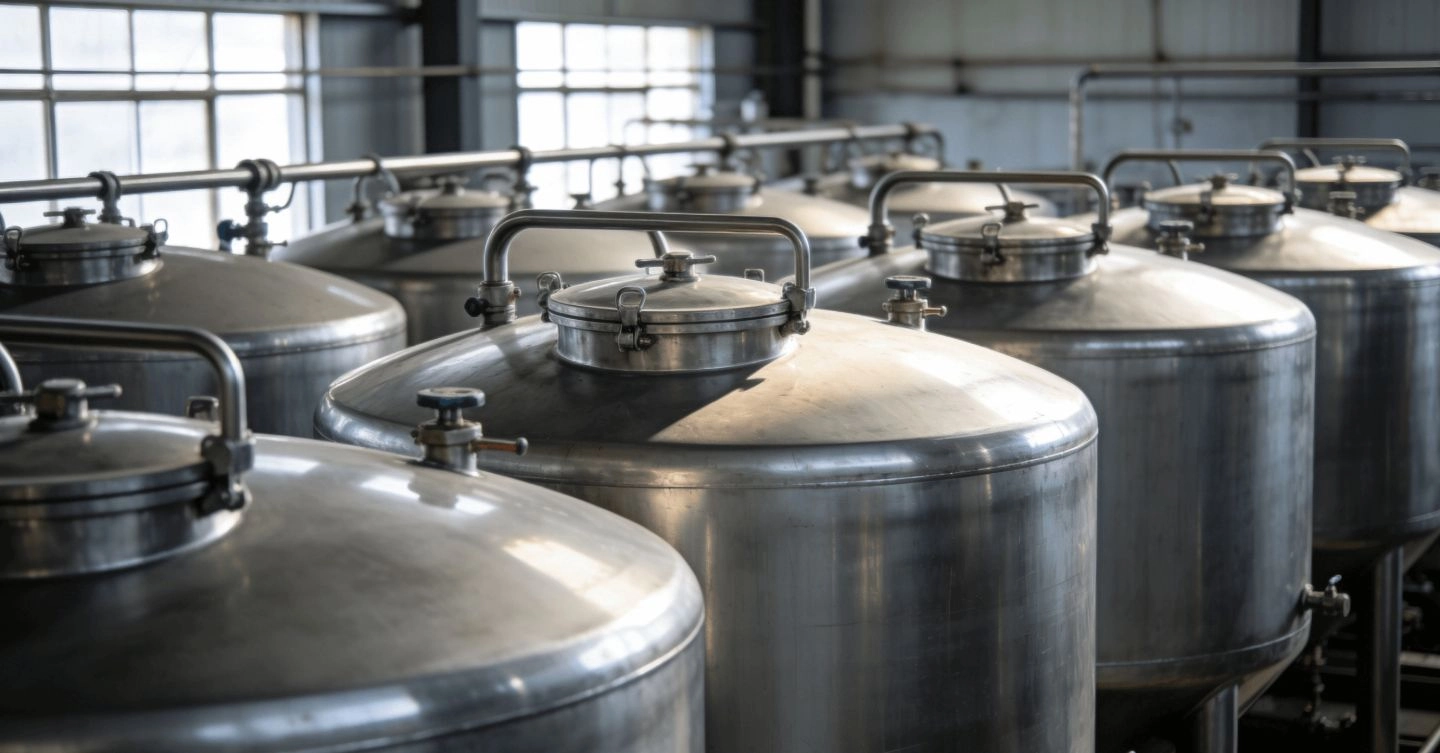
The Definitive Guide to Industrial Storage Tanks 2026: Why Food-Grade Stainless Steel is the Gold Standard
Industries
Are the equipment compliant with industry regulations?
Yes, Yuanyang’s equipment meets GMP, FDA, and other relevant industry regulations, ensuring high-quality and safety standards.
FAQs
What's the leading time and shipping way?
We usually deliver by sea or train, which is cost-effective,and other ways as you require. The leading time depends on order quantity and machine items! For small order quantity of standard machine, we will have stock. For large quantity of standard machine and other customized machines, it needs 15-45 days. We will confirm details with customers before you place orders!
Homogenizing Mixer
Do you supply steam generator and provide steam and cooling pipes together for the mixing tank with homogenizer machine?
If the mixing tank is with steam heating, we will help to supply steam generator and provide steam and cooling pipes. But this is an optional choice. Client can prepare by steam generator by himself. The steam pipe is usually quoted separately.
Hydraulic Lift Vacuum Mixer
What’s the feature of water tank and oil tank?
The water tank and oil tank are for pre-treatment for better mixing efficient when sucked into main emulsifying tank. The two tanks are often equipped with bottom dispersing plate or top mixing and double jackets for heating and insulation.
Vertical Filling Machine
The power supply is 220v 60hz, can I use this paste filling machine?
Sure, the machine is only pneumatic drive, you just use local air compress to connect to it. There is no need to worry about power supply.
Leave a message
Have any questions or concerns about our products? Please leave us a message here, and our team will get back to you promptly.
 Scan QR Code
Facebook
YouTube
LinkedIn
Whatsapp: +8613434139712
Guangzhou Yuanyang Machinery