





Understanding Vacuum Emulsifying Mixers as a System: From Process Logic to Production Outcomes
- What is a Vacuum Emulsifying Mixer?
- Key Takeaways: Quick Summary of Emulsification Systems
- The Core Process Logic: Vacuum Deaeration and High Shear Dynamics
- Expert Tips & Common Mistakes in Emulsion Production
- Future-Proofing for 2026: From Standalone Machine to Complete Production Line
- Data Comparison: Standalone vs. Integrated Systems
- Leading the Industry: YUANYANG's Turnkey Vacuum Mixer Solutions
- Conclusion
- FAQs About vacuum emulsifying mixer
- What is the main purpose of a vacuum in an emulsifying mixer?
- How does a high-shear homogenizer differ from a standard agitator?
- What industries rely on vacuum emulsifying mixers?
- What is the typical capacity range for an industrial emulsifying mixer?
- Why is a PTFE scraper important in high-viscosity mixing?
- How do I maintain and clean a vacuum homogenizer machine?
- What does CE certification mean for an emulsifying mixer?
- Can an emulsifying mixer be integrated with automatic filling lines?
What is a Vacuum Emulsifying Mixer?
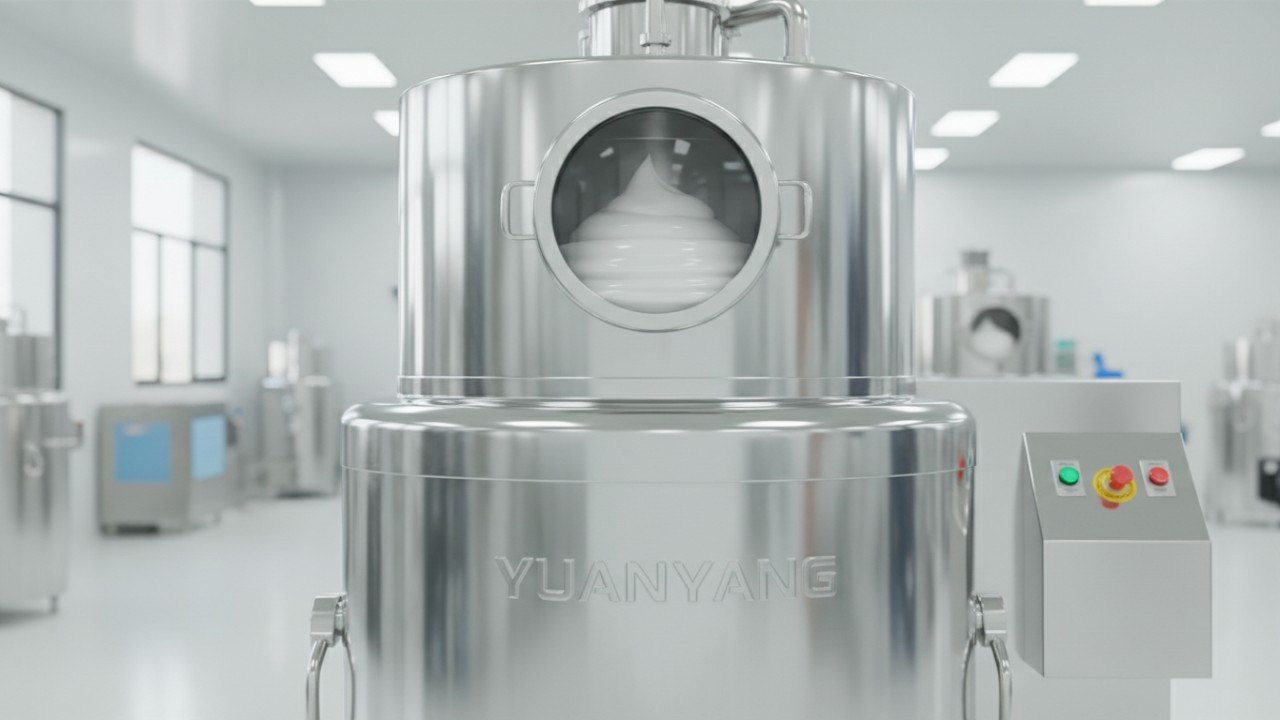
A vacuum emulsifying mixer is an advanced industrial system designed to blend, homogenize, and emulsify high-viscosity materials under negative pressure. By operating in a vacuum environment, it prevents air entrapment and oxidation, ensuring the final product is stable, glossy, and completely bubble-free.
These machines are the backbone of precise formulation manufacturing across the cosmetic, pharmaceutical, and food industries. When producing items like medical ointments, luxury skincare creams, or highly viscous sauces, achieving a perfectly uniform dispersion of active ingredients is non-negotiable. When atmospheric pressure is removed from the mixing chamber, trapped air bubbles forcefully expand and burst at the surface. This mechanical reality is what separates a standard mixing tank from a true vacuum homogenizer, guaranteeing a flawless texture that meets strict consumer and regulatory standards.
Key Takeaways: Quick Summary of Emulsification Systems
Emulsification systems are comprehensive setups that combine mechanical shear and atmospheric control to produce highly stable mixtures. By integrating vacuum technology with precise thermal regulation, these systems eliminate structural inconsistencies, drastically reduce particle sizes, and seamlessly connect to downstream packaging workflows.
- Vacuum Environments: Drastically improve emulsion stability by extracting dissolved gases and eliminating air bubbles before they even form in the batch.
- Nanoscale Reduction: High-shear stator and rotor interactions reliably reduce particle sizes to the 200nm–2μm range, ensuring long-term shelf stability.
- System Integration: Modern operations require seamless connectivity with heating, cooling, and automated downstream packaging to remain competitive.
The Core Process Logic: Vacuum Deaeration and High Shear Dynamics
The core process logic of modern emulsification relies on combining intense mechanical forces with a controlled, air-free environment. This dual-action approach systematically breaks down immiscible liquids into microscopic droplets while simultaneously extracting any dissolved gases that could compromise product integrity.The journey of a flawless batch begins in the water and oil phase pots. Here, raw materials undergo preliminary heating, dissolving, and dispersing reactions before being drawn into the main emulsifying vessel via vacuum suction. Once inside, the vacuum deaeration process takes over.
Simultaneously, the machine utilizes a coaxial triple-mixing system. This sophisticated setup features central agitators rotating in one direction while PTFE wall-scraping agitators rotate in the opposite direction. High-viscosity pastes naturally want to cling to the sides of a heated tank; this constant scraping prevents sticking, eliminates dead corners, and ensures that heat is distributed evenly throughout the entire batch.
At the very heart of the vessel lies the homogenizer. High shear homogenization generates immense hydraulic shear forces—whether mounted at the bottom or top of the tank—forcing the material through a tight gap between a rapidly spinning rotor and a stationary stator. Research on emulsion stability published on ResearchGate demonstrates that manipulating these rotor-stator speeds directly dictates the droplet size distribution, which is the primary factor in preventing phase separation over the product's shelf life. The precision engineering of this gap ensures that every droplet passing through is subjected to maximum shear, a vital requirement when working with complex polymers or active botanicals.
Expert Tips & Common Mistakes in Emulsion Production
Emulsion production requires precise control over temperature, shear rates, and vacuum integrity to avoid batch failures. Mastering these variables prevents thermal degradation of active ingredients, eliminates micro-bubble formation, and ensures that the final formulation maintains its intended texture and chemical stability.
Drawing from extensive field experience and data analysis, here are the critical pitfalls and best practices for operating a cosmetic emulsion agitator or pharmaceutical mixer:
- Mistake: Ignoring Temperature Control Jackets. Pushing materials through a high-shear zone generates significant kinetic heat. Failing to utilize the cooling jackets can lead to the thermal degradation of sensitive active pharmaceutical ingredients (APIs) or delicate cosmetic peptides, rendering the batch useless.
- Mistake: Insufficient Vacuum Sealing Maintenance. A compromised O-ring or seal allows ambient air to leak into the chamber during the vacuum stage. This results in micro-bubbles, accelerated oxidation, and ultimately, a rejected product that fails quality control.
- Expert Tip: Calibrate Agitator Speeds to Viscosity. Do not run the homogenizer at maximum RPM for the entire cycle. Calibrate the agitator speeds specifically to the evolving viscosity of the batch. This maximizes energy efficiency and prevents over-shearing, which can actually break a delicate emulsion apart.
Future-Proofing for 2026: From Standalone Machine to Complete Production Line
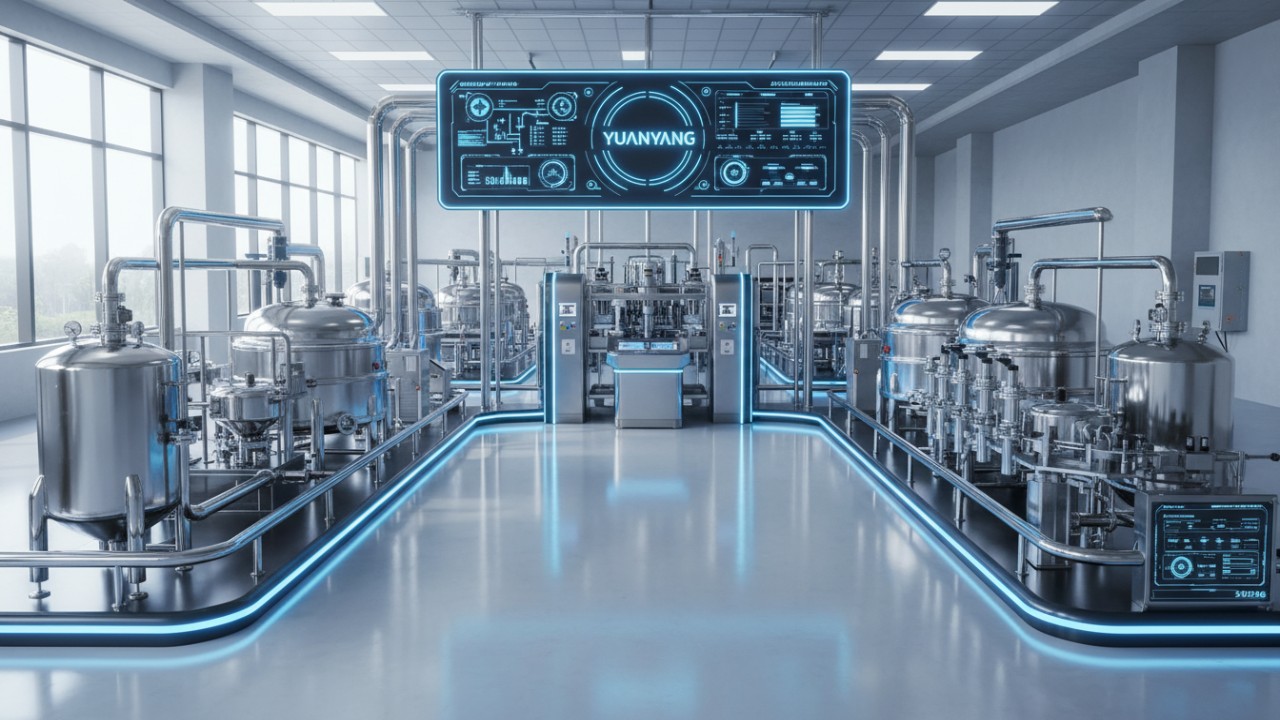
Future-proofing manufacturing means transitioning from isolated mixing tanks to fully integrated, automated processing ecosystems. In 2026, efficiency relies on connecting raw material preparation directly to the mixer, and subsequently transferring the finished emulsion into automated filling and capping systems without manual intervention.
The era of relying on a standalone machine is over. Modern automated manufacturing workflows demand holistic systems thinking. To eliminate contamination risks and reduce labor costs, facilities must integrate water treatment equipment and raw material storage tanks directly into the upstream flow of the mixer. Advanced PLC (Programmable Logic Controller) touchscreens now allow operators to save specific recipe parameters, ensuring the exact RPM, temperature curve, and vacuum pressure are replicated flawlessly across hundreds of batches.
Furthermore, post-mixing transfers must achieve zero-waste efficiency. By utilizing specialized discharge pumps, the highly viscous product can be moved directly from the mixer into turnkey production line equipment, such as automatic liquid filling lines, capping machines, and labeling machines.
Data Comparison: Standalone vs. Integrated Systems
| Production Capability | Standalone Mixer | Fully Integrated Turnkey Line |
|---|---|---|
| Material Transfer | Manual scooping or external pumping | Automated, zero-waste closed loop |
| Contamination Risk | High (exposure to ambient air during transfer) | Near Zero (sealed from tank to bottle) |
| Throughput Speed | Bottlenecked by manual labor and cleaning | Continuous, synchronized output |
| Labor Costs | Requires multiple operators per shift | Minimal oversight required |
| Batch Consistency | Subject to human error in timing | PLC-driven precision repeatability |
Leading the Industry: YUANYANG's Turnkey Vacuum Mixer Solutions
YUANYANG provides comprehensive, CE-certified mixing and packaging systems that transform raw materials into market-ready products. By engineering equipment that scales from laboratory testing to continuous industrial output, we deliver complete operational ecosystems tailored to the specific demands of modern manufacturers.
Since 2008, YUANYANG has pioneered the development of comprehensive industrial mixing and packaging lines in China and globally. We understand that a vacuum emulsifying mixer is an investment in your brand's reputation. That is why our machines—ranging from 5L lab-scale R&D units to massive 5000L continuous industrial batches—are rigorously CE-certified. This certification is a strict safety and health mark, ensuring our equipment meets the highest global standards for operator protection and hygienic processing.
Our true differentiator is the "One-Stop" Advantage. We do not just sell a machine; we provide a full suite of interconnected equipment. From the initial YUANYANG mixing tanks to the downstream automatic filling, capping, aluminum foil sealing, and labeling machines, we ensure seamless mechanical and software compatibility. Furthermore, we back our systems with free technical training and dedicated installation support, guaranteeing your facility is optimized for success from day one.
Conclusion
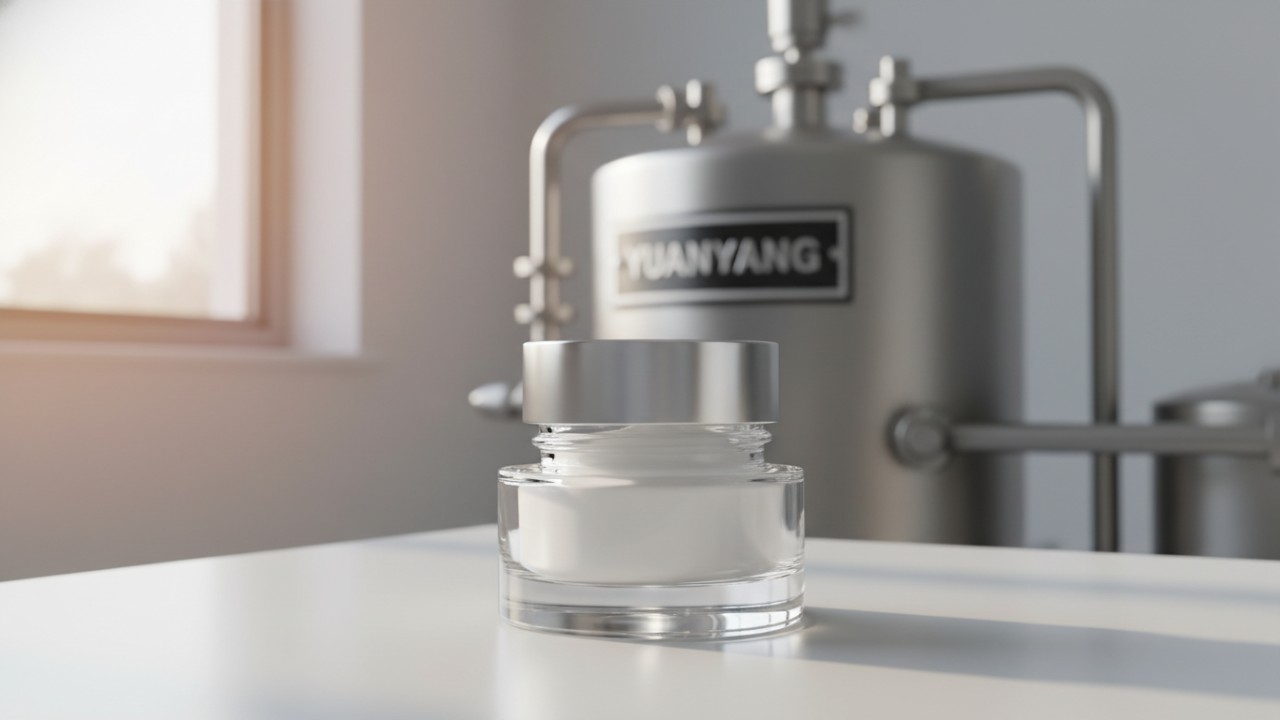
A successful manufacturing strategy recognizes the emulsifying mixer not just as a standalone tool, but as the beating heart of a fully integrated production line. Upgrading to automated, vacuum-sealed systems guarantees superior product stability, eliminates waste, and drives long-term operational efficiency.
By mastering the balance of high shear forces and vacuum environments, manufacturers can consistently produce premium, bubble-free formulations. Whether you are scaling up cosmetic creams, pharmaceutical gels, or food-grade emulsions, partnering with an experienced equipment provider ensures your production line is robust, compliant, and future-ready.
Contact us today to optimize your vacuum emulsifying mixer strategy.
FAQs About vacuum emulsifying mixer
What is the main purpose of a vacuum in an emulsifying mixer?
It removes air from the mixing vessel to prevent bubbles from forming in the final product. It prevents the oxidation of sensitive ingredients, extending the shelf life of cosmetics and pharmaceuticals.
How does a high-shear homogenizer differ from a standard agitator?
A standard agitator simply moves the mixture around for basic blending. A high-shear homogenizer forces the material through a tight gap between a rotor and stator, breaking particles down to microscopic sizes for true emulsification.
What industries rely on vacuum emulsifying mixers?
Cosmetics for creams, lotions, and toothpastes. Pharmaceuticals for medical ointments, gels, and syrups. Food manufacturing for mayonnaise, sauces, and dressings.
What is the typical capacity range for an industrial emulsifying mixer?
Lab-scale models typically start around 5L to 10L. Industrial production models range from 100L up to 5000L or more depending on manufacturing needs.
Why is a PTFE scraper important in high-viscosity mixing?
High-viscosity materials tend to stick to the inner walls of the mixing tank. PTFE scrapers continuously wipe the walls, pushing the material back into the center for even mixing and preventing localized overheating.
How do I maintain and clean a vacuum homogenizer machine?
Many modern machines are equipped with CIP (Clean-in-Place) systems for automated internal cleaning. Routine maintenance includes checking vacuum seals, lubricating the hydraulic lift systems, and inspecting the rotor/stator for wear.
What does CE certification mean for an emulsifying mixer?
It indicates that the equipment meets strict European health, safety, and environmental protection standards. It ensures the machinery is safe for operators and complies with international safety regulations.
Can an emulsifying mixer be integrated with automatic filling lines?
Yes, advanced systems are designed to pump the finished emulsion directly into storage tanks or automatic liquid filling lines. Companies like YUANYANG specialize in providing these complete turnkey setups, connecting mixers directly to filling, capping, and labeling machines.
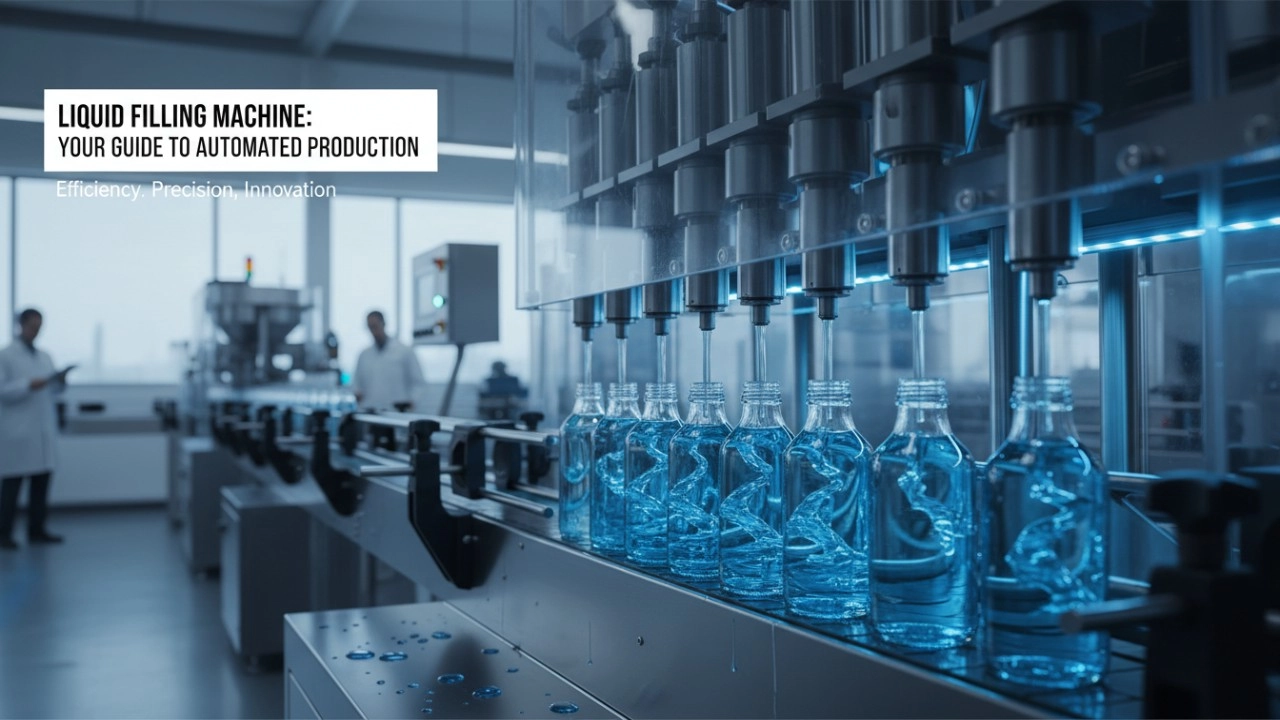
Beyond Automation: How Smart Liquid Filling Machines are Transforming Modern Packaging Lines
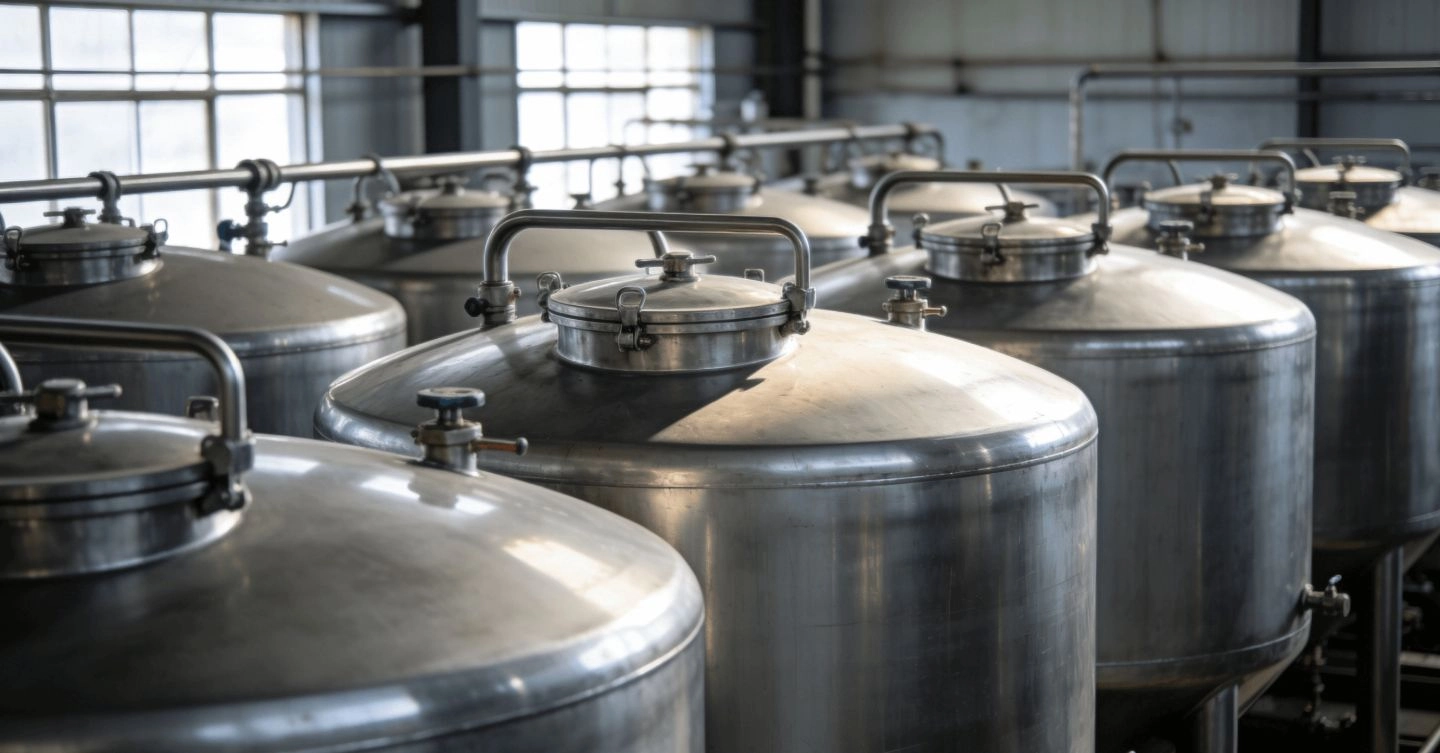
7 Dangerous Mistakes Most Companies Make with Underground Storage Tanks (USTs)
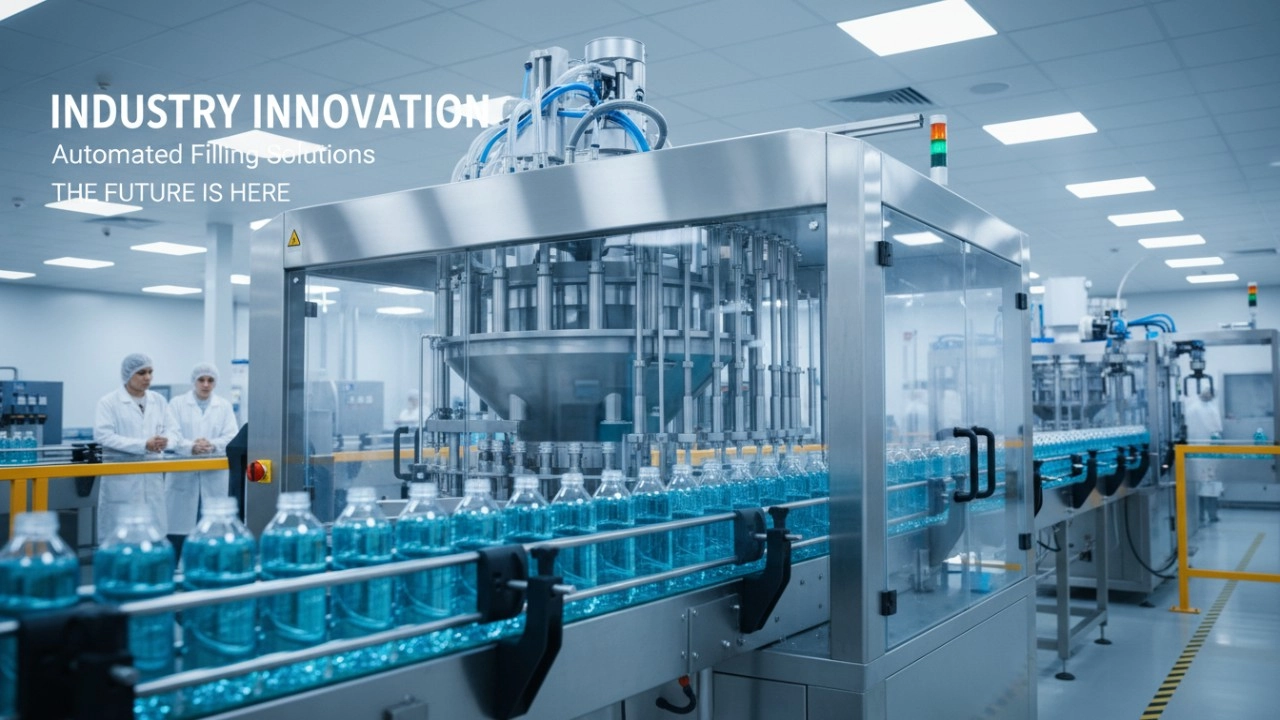
How to Future-Proof Your Production Line: The Latest Innovations in Precision Filling Machinery (2026 Guide)
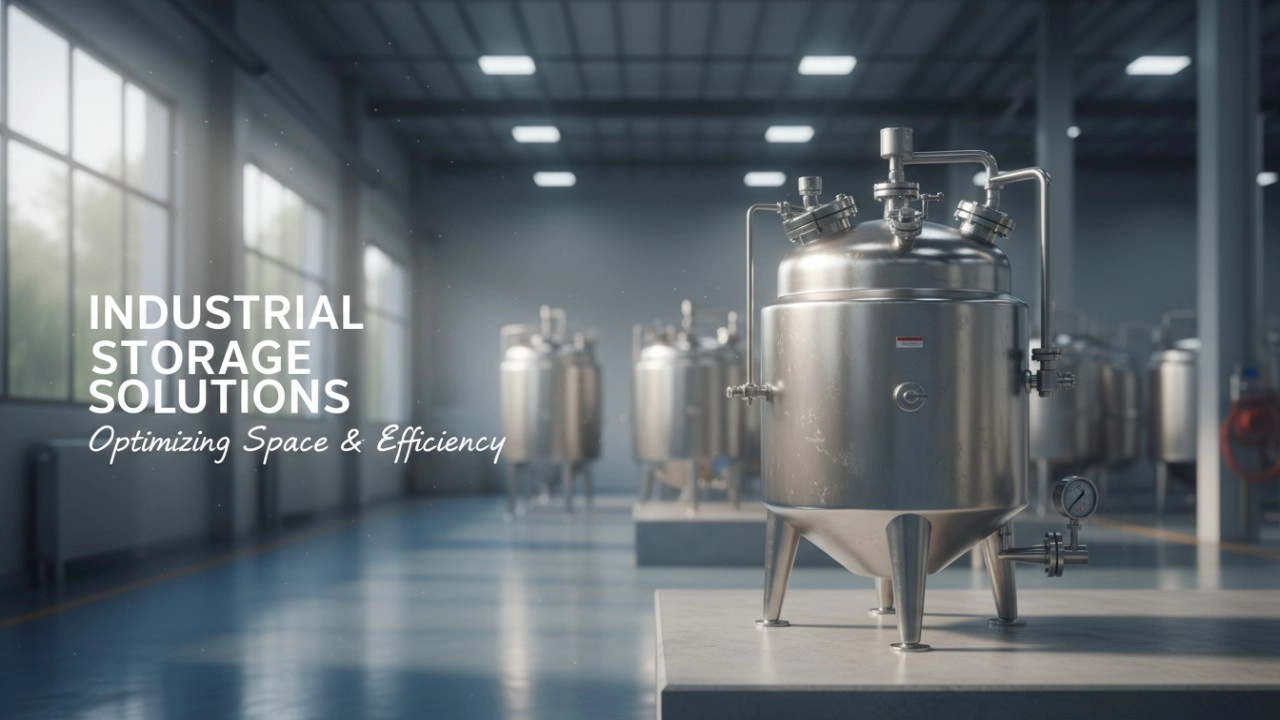
The Definitive Guide to Industrial Storage Tanks 2026: Why Food-Grade Stainless Steel is the Gold Standard
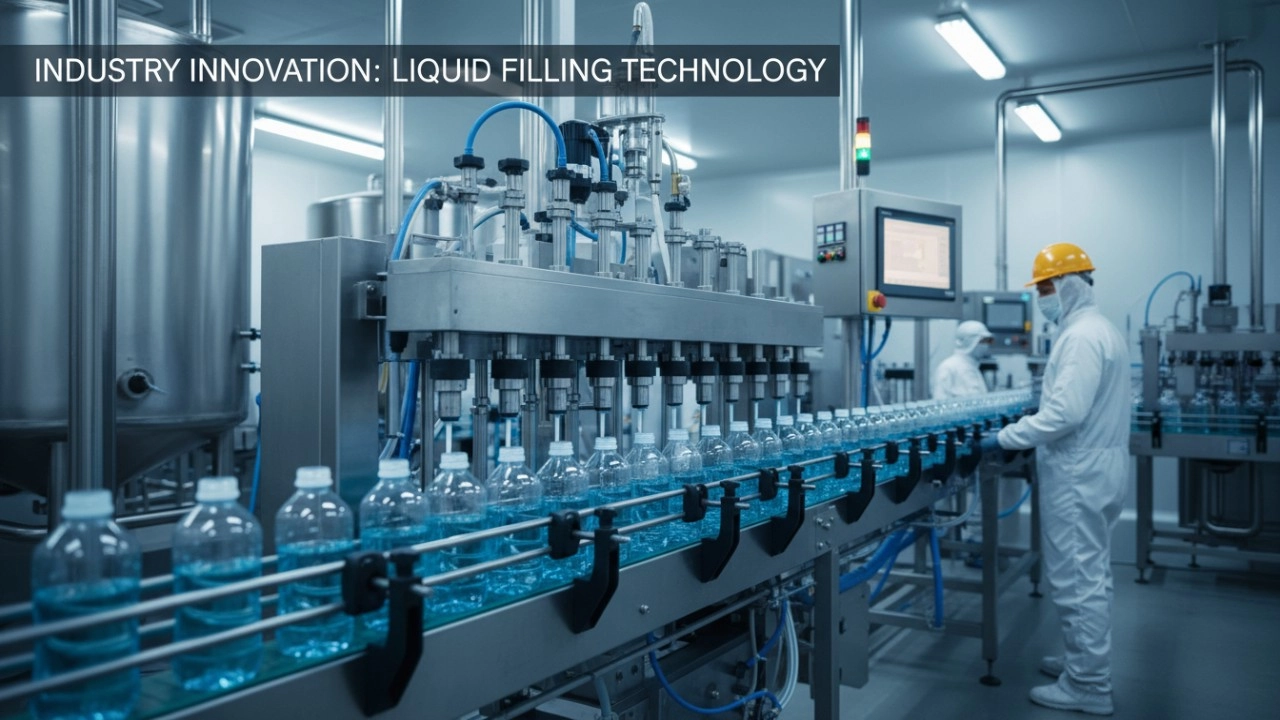
The Ultimate 2026 Guide to Liquid Filling Machines: Types, Technologies, and Strategic Selection
Automatic auger filling machine
Can you tell me the filling range of each specific screw model for this powder bottle filling machine?
Model 25mm can fill 5-50g; model 38mm can fill 50-500g; model 75mm can fill 500-1000g.
Desktop Labeling Machine
Do you have other types of labeling machine?
Yes, there are several types of labeling machine, including semi-automatic labeling machine, automatic labeling machine, round bottle labeling machine, flat labeling machine, double sides labeling machine, square bottle labeling machine.
Homogenizer Mixing Tank with Circulation System
I don’t need homogenizer, can you reduce it?
Yes, the homogenizer is an optional function, whether clients need it depends on your own products.
Automatic powder feeder machine
Do you have installation videos for the auger feeding machine?
Yes, we have installation videos for client to refer, which is quite easy to install.
Horizontal Filling Machine
How long is the suction hose?
This hose is about 1.3 meters long. Can be longer upon requirements.
Leave a message
Have any questions or concerns about our products? Please leave us a message here, and our team will get back to you promptly.
 Scan QR Code
Facebook
YouTube
LinkedIn
Whatsapp: +8613434139712
Guangzhou Yuanyang Machinery