





how a homogenizer works | YUANYANG Guide
- How a Homogenizer Works: Industrial Mixer FAQs
- What is a homogenizer and how does it function?
- What are the main types of homogenizers used in industry?
- What are common applications of homogenizers?
- What factors impact the efficiency of homogenization?
- How can users maintain and troubleshoot industrial homogenizers?
How a Homogenizer Works: Industrial Mixer FAQs
What is a homogenizer and how does it function?
A homogenizer is a mechanical device designed to break down and blend substances to produce a uniform and stable mixture. It works by applying intense mechanical forces—such as shear, impact, and cavitation—to materials, forcing them through a narrow gap under high pressure. This process reduces the size of particles or droplets and disperses them evenly, resulting in a homogeneous mixture optimal for various industrial applications.
What are the main types of homogenizers used in industry?
Industrial homogenizers primarily come in three types: high-pressure homogenizers, rotor-stator homogenizers, and ultrasonic homogenizers. High-pressure homogenizers use reciprocating pumps and valves to create intense shear forces. Rotor-stator models utilize rapid rotation to shear and mix solutions. Ultrasonic homogenizers employ high-frequency sound waves to achieve particle reduction. Each type is chosen based on application and desired outcome.
What are common applications of homogenizers?
Homogenizers are widely used in industries such as food and beverage, pharmaceuticals, cosmetics, chemicals, and biotechnology. Common applications include emulsifying dairy products (like milk), creating consistent pharmaceutical suspensions, blending cosmetic creams, and dispersing pigments or nanoparticles. Their versatility makes them essential in any process requiring uniform particle distribution.
What factors impact the efficiency of homogenization?
The efficiency of homogenization depends on several factors: material viscosity, pressure settings, number of passes, temperature, and the gap size through which materials are forced. Proper adjustment of these parameters ensures optimal particle size reduction and distribution. Choosing the right type and size of homogenizer for the intended material is also critical.
How can users maintain and troubleshoot industrial homogenizers?
Regular maintenance includes checking and cleaning valves, seals, and homogenizing assemblies, ensuring consistent lubrication, and inspecting for wear or damage. Common issues arise from blockages, component wear, or pressure irregularities. Troubleshooting involves identifying abnormal sounds, performance drops, or leaks, followed by timely replacement of worn parts to minimize downtime and ensure efficient operation.
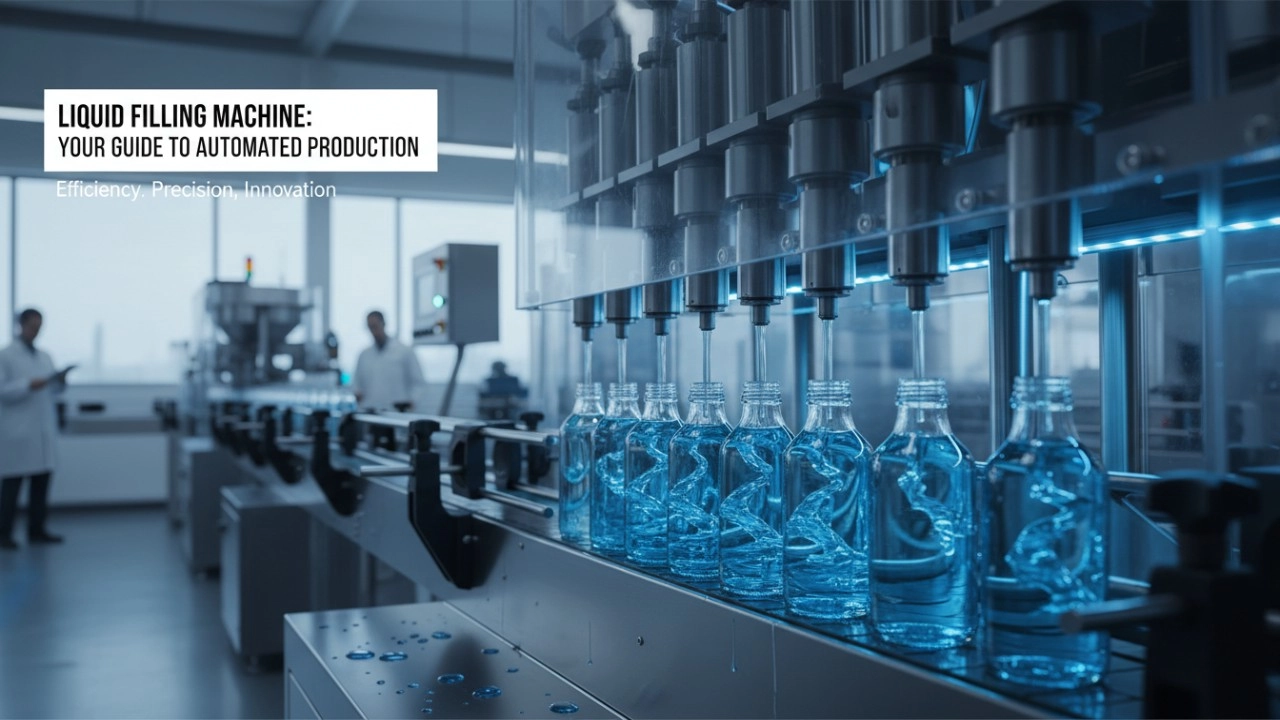
Beyond Automation: How Smart Liquid Filling Machines are Transforming Modern Packaging Lines
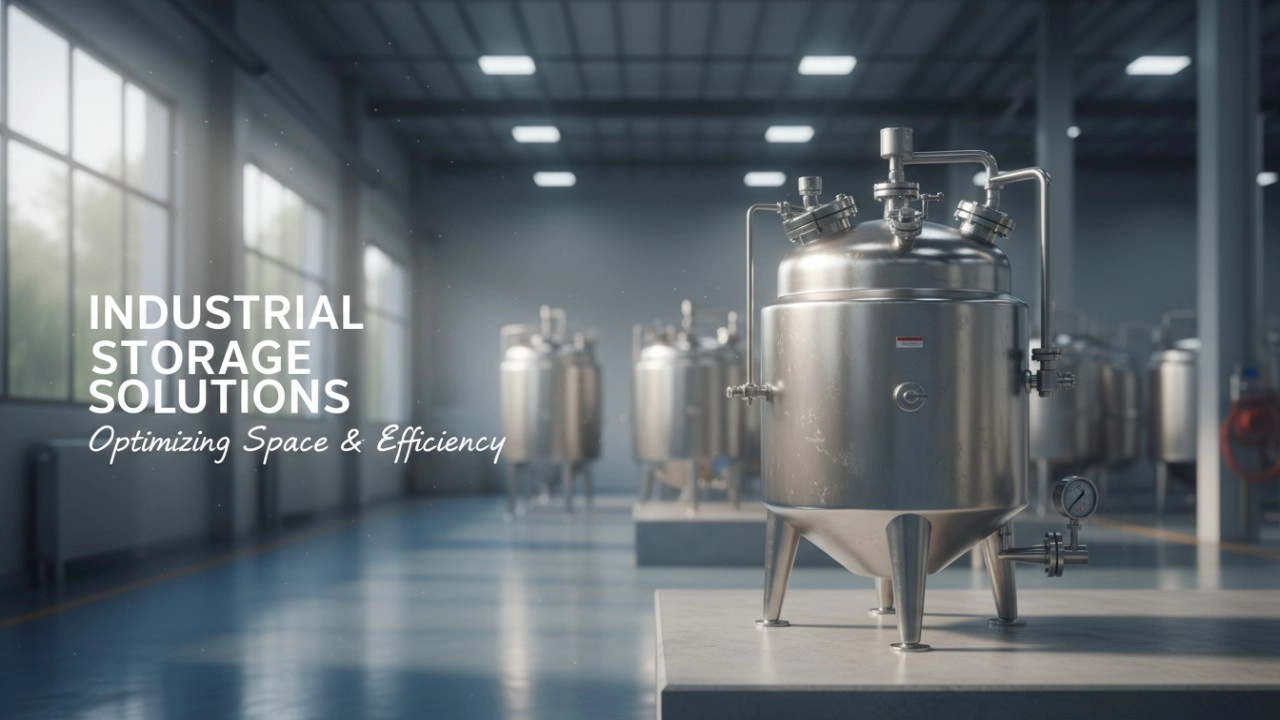
7 Dangerous Mistakes Most Companies Make with Underground Storage Tanks (USTs)
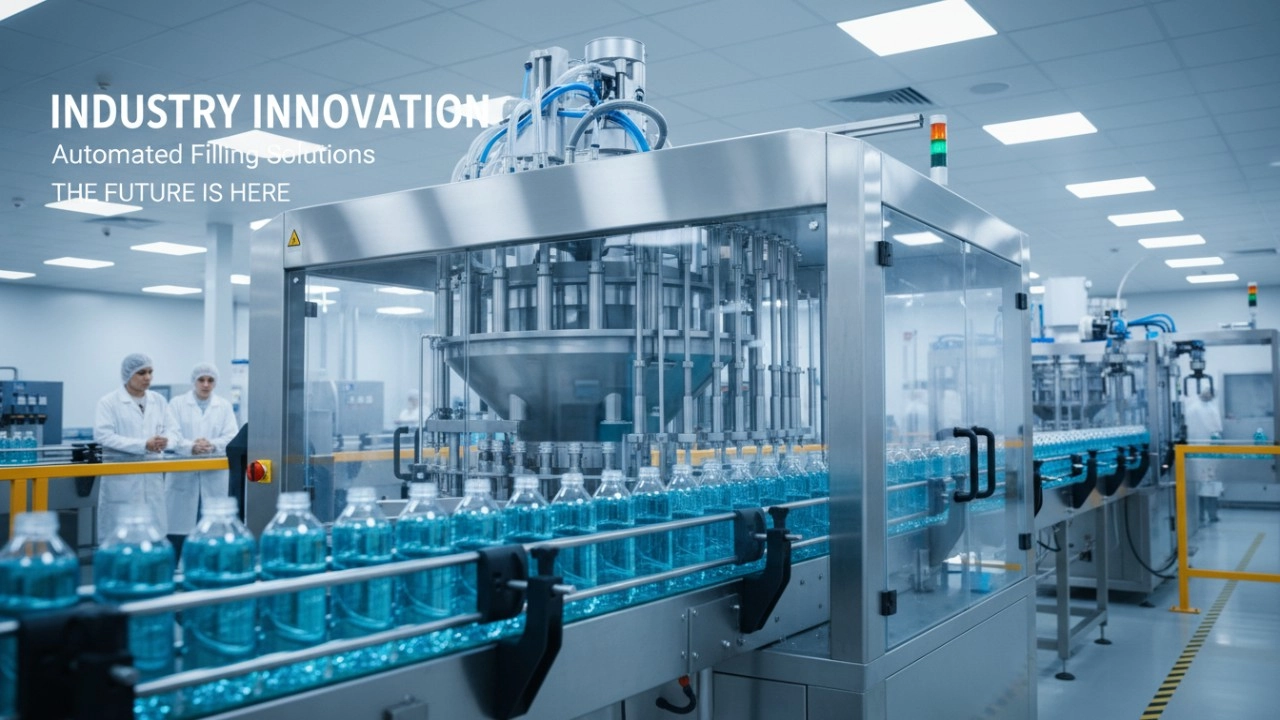
How to Future-Proof Your Production Line: The Latest Innovations in Precision Filling Machinery (2026 Guide)
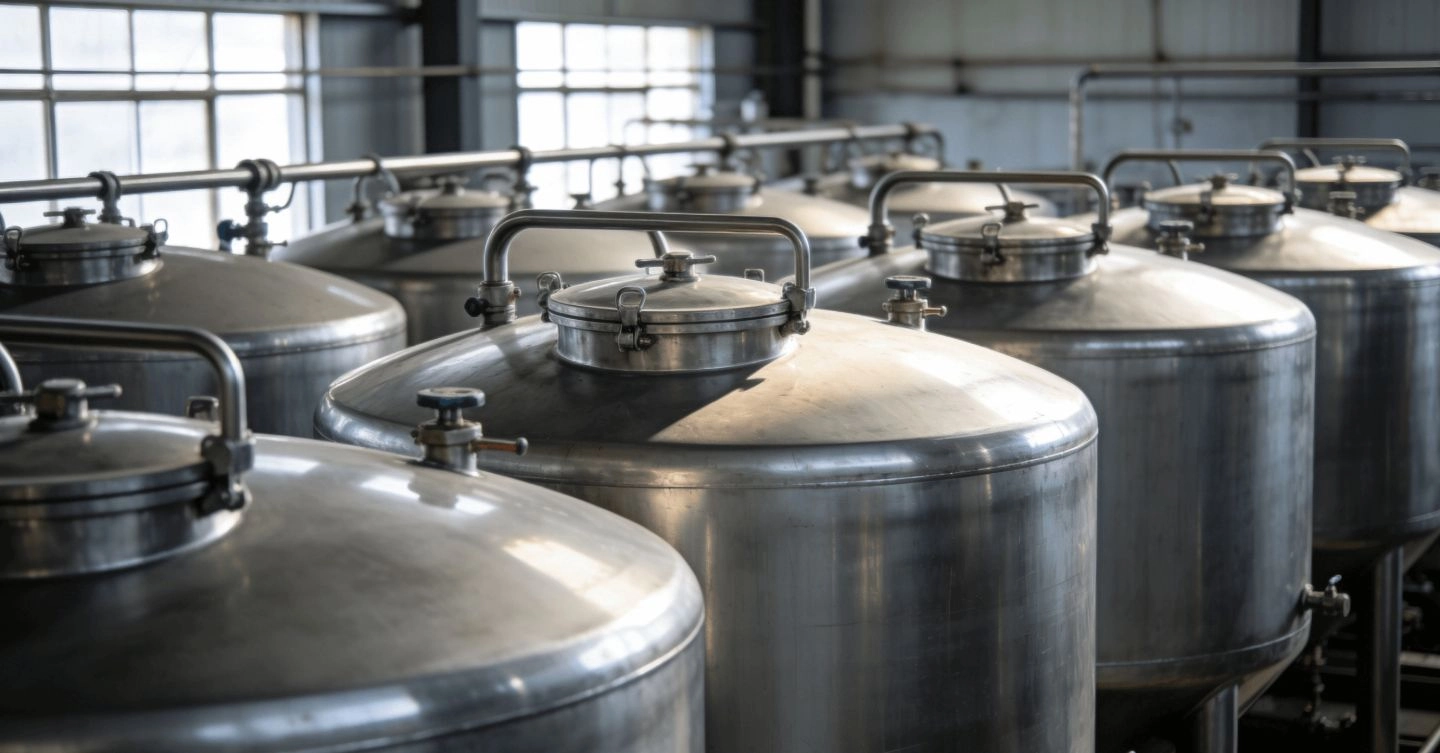
The Definitive Guide to Industrial Storage Tanks 2026: Why Food-Grade Stainless Steel is the Gold Standard
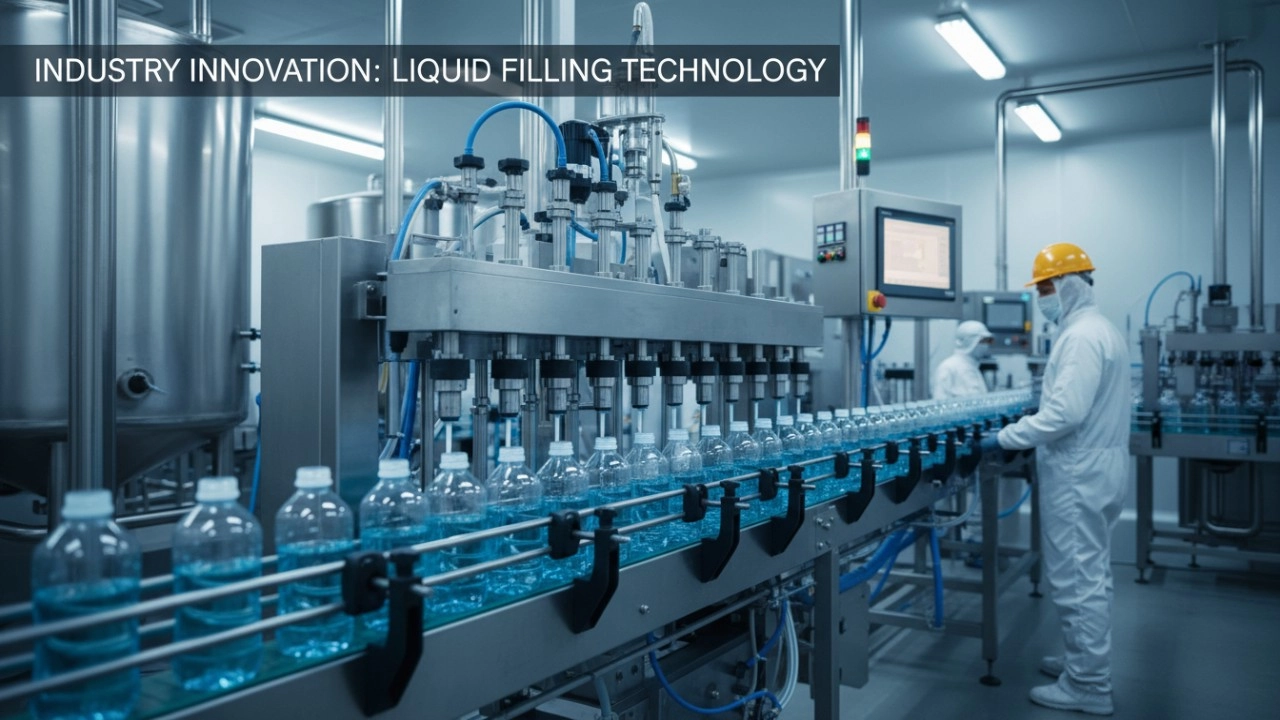
The Ultimate 2026 Guide to Liquid Filling Machines: Types, Technologies, and Strategic Selection
Vacuum Emulsifying Mixer
Can the lid of this cosmetic cream mixing tank be open and lift up?
Yes, the cover of the sterile cosmetic mixing tank can be open and lift up by hydraulic system. What’s more, the main mixing tank can also tilt down to discharge
Automatic powder feeder machine
Can the powder feeder work automatically with packing machine?
The feeder can automatically add materials and stop at the right time if the packing machine hopper is installed with material sensor.
Food
What is the production efficiency of the equipment?
Our equipment uses intelligent control systems and efficient processes to ensure high efficiency and stability, greatly enhancing production efficiency.
Water Filling Machine
Is it suitable for corrosion liquids?
Yes, the magnetic filling machine is suitable for alcohol. It is food grade stainless steel type, the the hose is anti-corrosive, all contact part is corrosion resistance.
Automatic Screw Capping Machine
Is the plastic bottle capping machine electric drive or pneumatic drive?
This bottle cap closing machine is with both electric drive and pneumatic drive. It requires an air compressor.
Leave a message
Have any questions or concerns about our products? Please leave us a message here, and our team will get back to you promptly.
 Scan QR Code
Facebook
YouTube
LinkedIn
Whatsapp: +8613434139712
Guangzhou Yuanyang Machinery