





how does a mixing tank work | YUANYANG Guide
# How Does a Mixing Tank Work?
Industrial mixing tanks are essential for blending, dissolving, or homogenizing materials in industries like chemicals, food, and pharmaceuticals. Understanding their operation ensures efficiency and product consistency.
Key Components of a Mixing Tank
- Tank Vessel: Holds the materials; made from stainless steel, plastic, or lined metals for corrosion resistance.
- Agitator/Mixer: Rotates to create fluid motion; types include propellers, turbines, and paddles.
- Motor & Drive System: Powers the agitator at controlled speeds for optimal mixing.
- Baffles: Prevent vortex formation and improve mixing efficiency.
- Inlets/Outlets: Allow controlled material input and discharge.
How Mixing Tanks Operate
- Loading: Raw materials are added via inlets, often with precise measurements.
- Mixing: The agitator rotates, creating shear, turbulence, or laminar flow depending on the material.
- Monitoring: Sensors track temperature, viscosity, and pH to ensure uniformity.
- Discharge: The mixed product exits through outlets for further processing.
Common Industrial Applications
- Chemical Processing: Blending raw materials for reactions.
- Food & Beverage: Homogenizing ingredients like sauces or dairy.
- Pharmaceuticals: Ensuring uniform drug formulations.
- Wastewater Treatment: Mixing chemicals for purification.
Factors Affecting Mixing Efficiency
- Viscosity: Thicker fluids require higher torque mixers.
- Batch Size: Larger volumes may need multiple agitators.
- Speed Control: Variable speeds adapt to different materials.
For expert-grade mixing solutions, explore YUANYANG’s industrial mixers—engineered for precision and durability.
This structured, snippet-friendly format ensures quick readability while maintaining authority. Keywords like *mixing tank* and *industrial mixer* are naturally integrated for SEO.
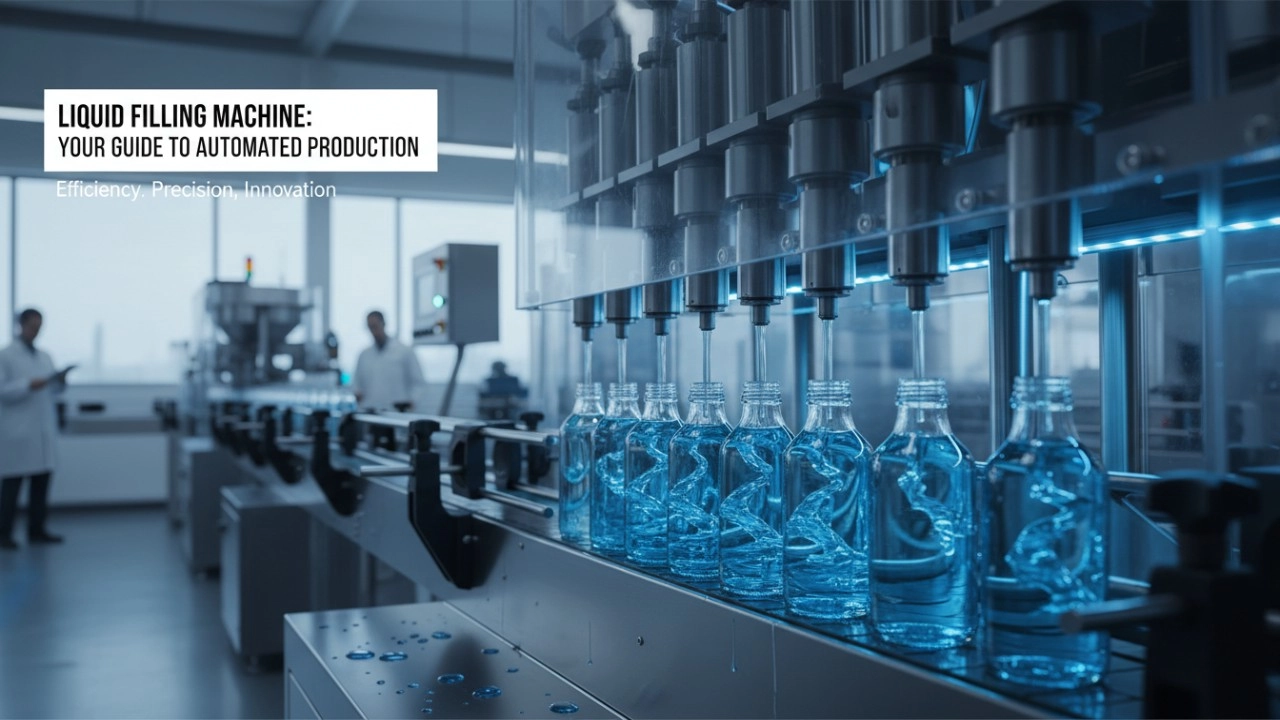
Beyond Automation: How Smart Liquid Filling Machines are Transforming Modern Packaging Lines
7 Dangerous Mistakes Most Companies Make with Underground Storage Tanks (USTs)
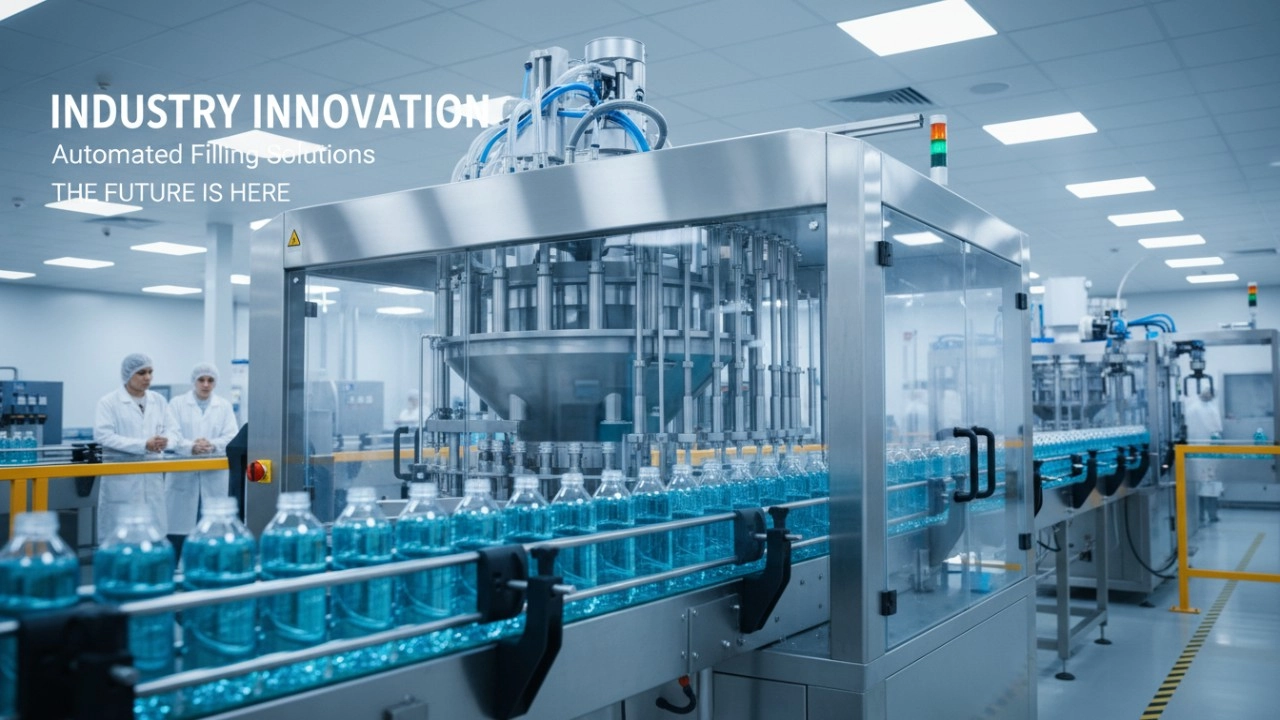
How to Future-Proof Your Production Line: The Latest Innovations in Precision Filling Machinery (2026 Guide)
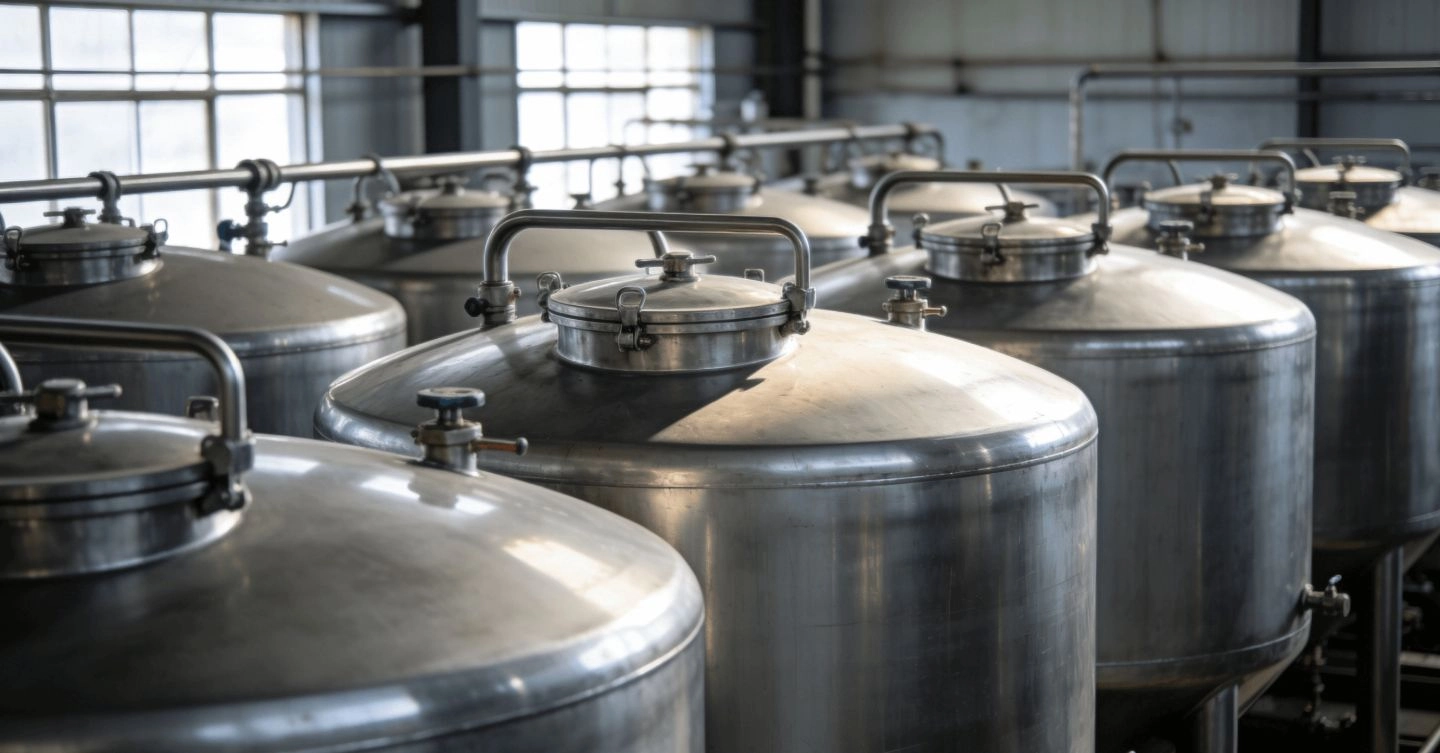
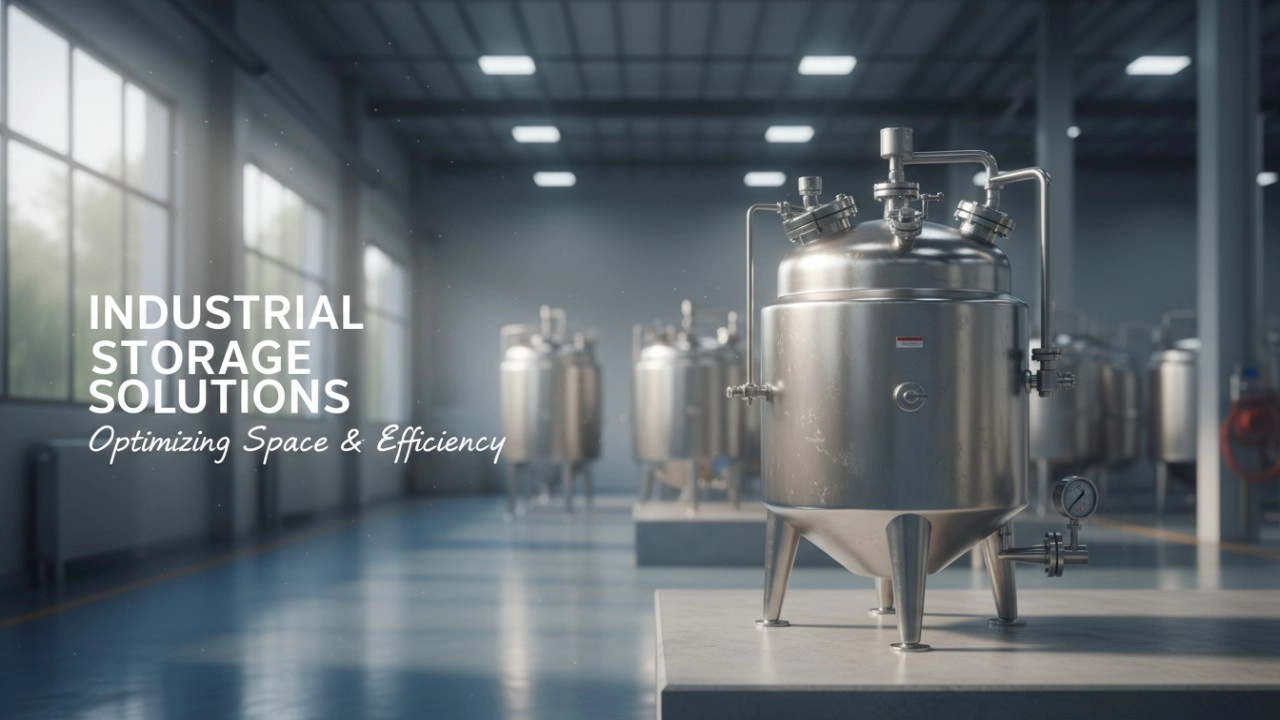
The Definitive Guide to Industrial Storage Tanks 2026: Why Food-Grade Stainless Steel is the Gold Standard
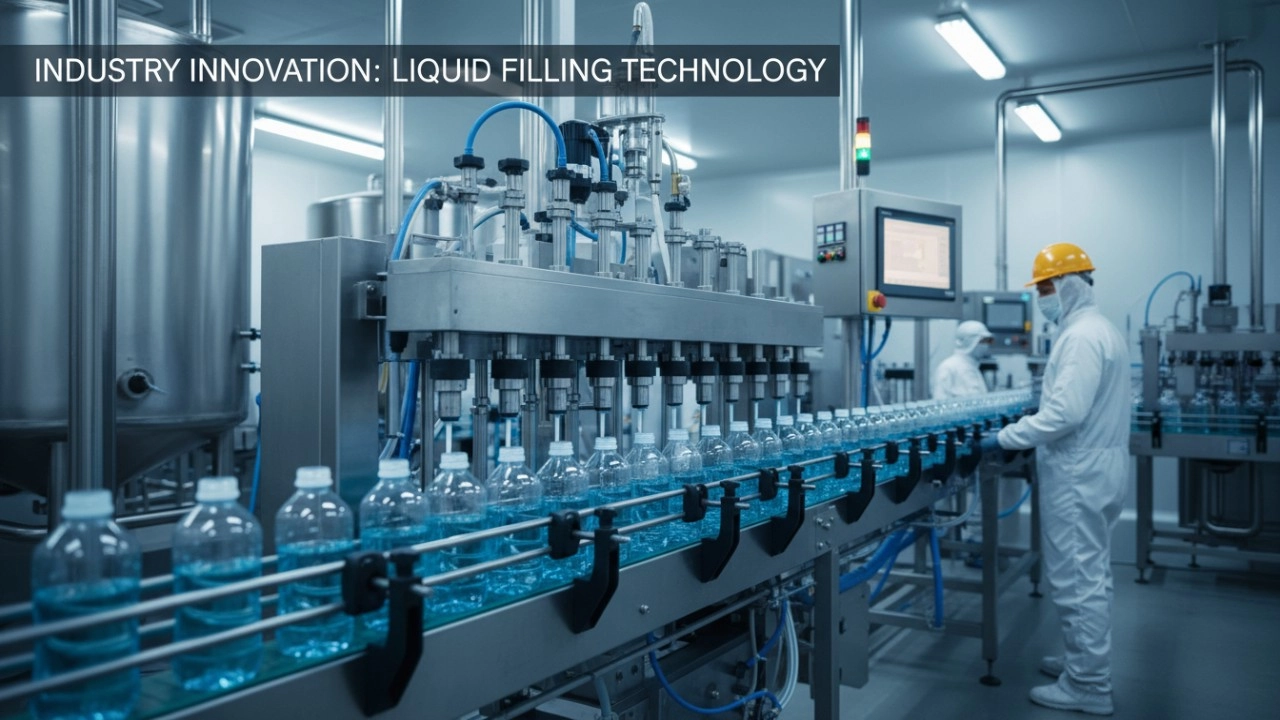
The Ultimate 2026 Guide to Liquid Filling Machines: Types, Technologies, and Strategic Selection
Portable Storage Tank
Can you make the leg longer, I need a higher discharge outlet?
Yes, the tank legs length is customized as well as the discharge outlet height.
Desktop Labeling Machine
Is the supporting table in the pictures be sold together with automatic bottle labeling machine?
Yes, the regular quote does not include the supporting table which is optional, but we will provide if clients need, the table on wheels.
Desktop Bottle Sealing Machine
What type of container is the induction heat sealing machine suitable for?
The bottle cap closing machine is suitable for both plastic and glass bottles, but the cap should be plastic type.
Homogneizer mixer tank
Do you supply a complete set of liquid soap production line?
Yes, we supply the complete set of liquid soap production line, such as water treatment, liquid soap making machine, transfer pumps, storage tanks, filling machine, capping machine, sealing machine and labeling machine, and coding machine.
Automatic powder feeder machine
Can the powder feeder work automatically with packing machine?
The feeder can automatically add materials and stop at the right time if the packing machine hopper is installed with material sensor.
Leave a message
Have any questions or concerns about our products? Please leave us a message here, and our team will get back to you promptly.
 Scan QR Code
Facebook
YouTube
LinkedIn
Whatsapp: +8613434139712
Guangzhou Yuanyang Machinery