





how to install ro water filter system | YUANYANG Guide
# How to Install an RO Water Filter System for Industrial Applications
Clean water is critical in industrial mixing processes to ensure product consistency and equipment longevity. Installing a reverse osmosis (RO) water filter system correctly enhances water purity, reducing contaminants that could affect mixing performance. Below is a step-by-step guide for professionals.
Pre-Installation Considerations
- Water Quality Testing: Analyze feed water for TDS (Total Dissolved Solids), pH, and contaminants to select the right RO system.
- System Capacity: Choose an RO system that meets your industrial mixer’s water demand (e.g., gallons per day).
- Space & Location: Ensure adequate space near the water supply and drainage points for easy maintenance.
Step-by-Step Installation Guide
1. Gather Necessary Tools & Components
- RO membrane, pre-filters, post-filters
- Pressure gauge, flow restrictor, tubing
- Wrenches, Teflon tape, mounting brackets
2. Install Pre-Filters
- Connect sediment and carbon filters to remove large particles and chlorine, protecting the RO membrane.
- Follow manufacturer’s flow direction markings.
3. Mount the RO Membrane Housing
- Secure the housing unit vertically to prevent damage.
- Insert the RO membrane, ensuring the O-ring is properly sealed.
4. Connect Tubing & Check Valves
- Use food-grade tubing to link pre-filters, RO membrane, and post-filters.
- Install check valves to prevent backflow.
5. Set Up Drain Line & Storage Tank
- Connect the drain line to an appropriate wastewater outlet.
- Attach the storage tank (if applicable) with a shut-off valve.
6. Flush the System
- Run water through the system for 10-15 minutes to remove carbon fines and air pockets.
Post-Installation Best Practices
- Regular Maintenance: Replace pre-filters every 6-12 months and RO membrane every 2-3 years.
- Monitor Performance: Check TDS levels and pressure gauges weekly.
- Sanitization: Clean the system annually to prevent bacterial growth.
For industrial mixer applications, a properly installed RO water filter system ensures contaminant-free water, optimizing mixing efficiency and product quality.
Sources:
- *Water Quality Association (WQA)*
- *EPA Guidelines for Industrial Water Treatment*
By following this guide, professionals can ensure a seamless RO water filter installation, supporting high-performance industrial mixing operations.
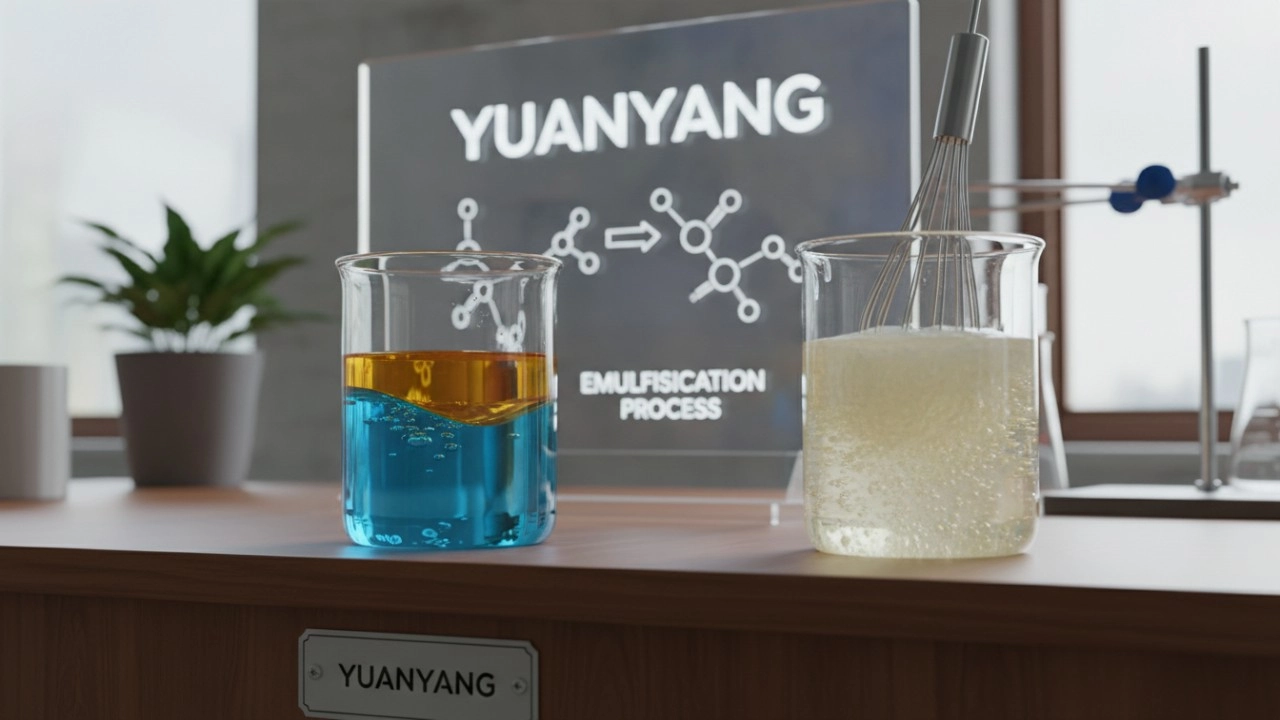
Why Don't Oil and Water Mix? The Ultimate Guide to Polarity and Emulsification Science (2026)
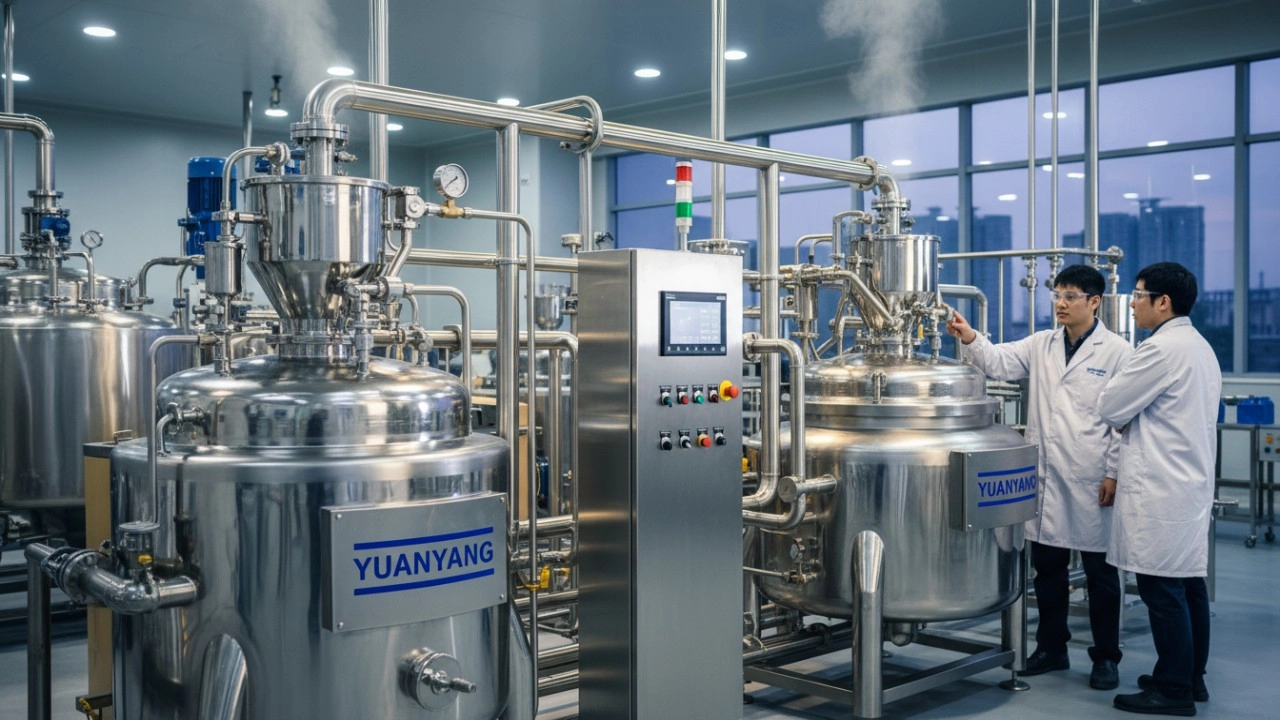
How Emulsification Actually Happens in Industrial Mixing Systems (2026 Guide)
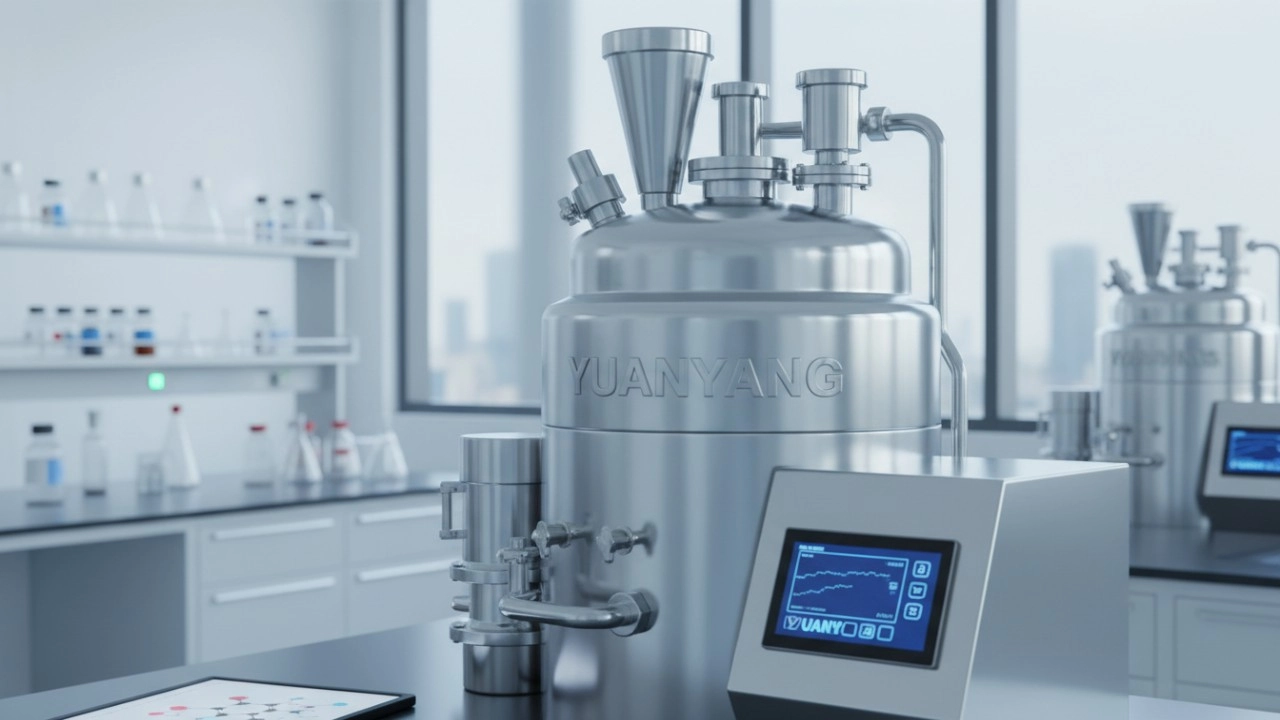
Understanding Vacuum Emulsifying Mixers as a System: From Process Logic to Production Outcomes
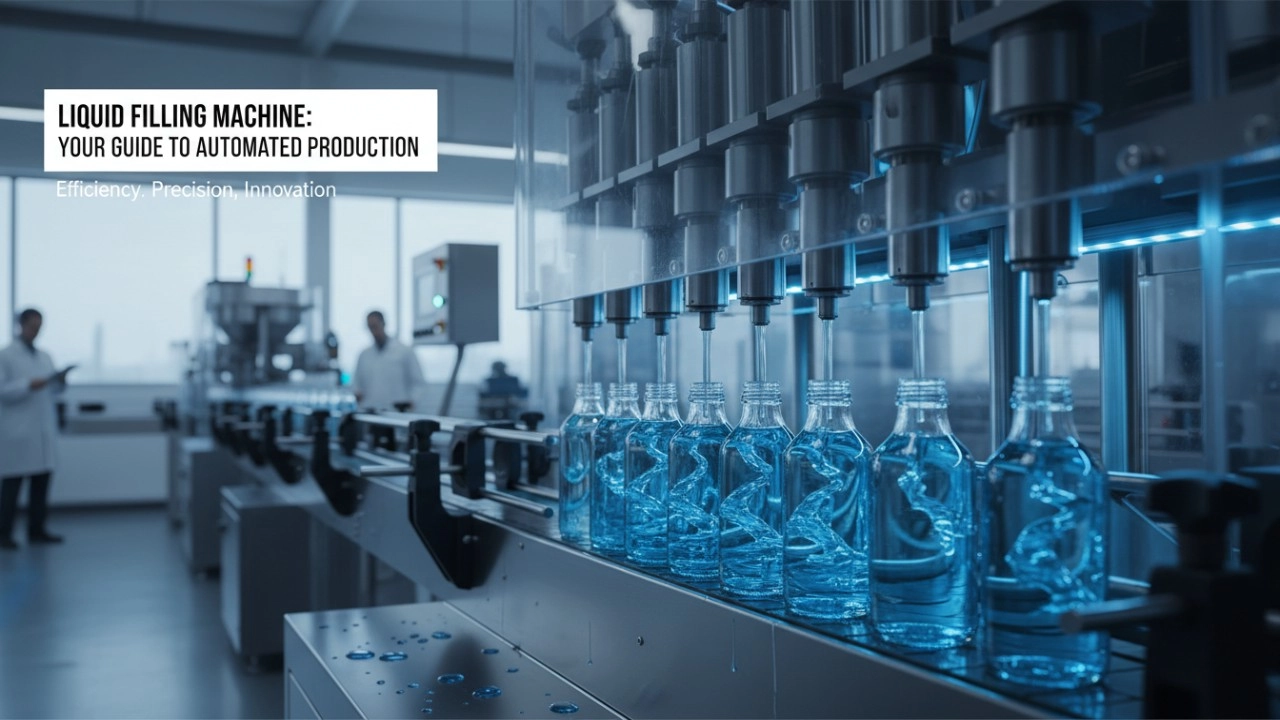
Beyond Automation: How Smart Liquid Filling Machines are Transforming Modern Packaging Lines
7 Dangerous Mistakes Most Companies Make with Underground Storage Tanks (USTs)
Portable Storage Tank
Can you add heating function for the storage tank for liquids?
Yes, the tank can be customized with jacket for heating upon requirements.
FAQs
What's the leading time and shipping way?
We usually deliver by sea or train, which is cost-effective,and other ways as you require. The leading time depends on order quantity and machine items! For small order quantity of standard machine, we will have stock. For large quantity of standard machine and other customized machines, it needs 15-45 days. We will confirm details with customers before you place orders!
Open Lid Storage Tank
What capacity do you have about liquid tanks?
The capacity is from 50L - 5000L, can be customized according to space.
High Speed Dispersion Machine
Can I customize stainless steel 316 materials for the dispersing machine?
Yes, we customize materials upon requirement.
One Stage Water Treatment
How long to replace the reverse osmosis membrane and pvc film?
Reverse osmosis membranes are generally recommended to be replaced every year. But it is not a fixed time, the period should be considered according to the actual use environment and operating conditions.
PVC film is recommended to replace every two weeks.
Leave a message
Have any questions or concerns about our products? Please leave us a message here, and our team will get back to you promptly.
 Scan QR Code
Facebook
YouTube
LinkedIn
Whatsapp: +8613434139712
Guangzhou Yuanyang Machinery