





how to install ro water filter | YUANYANG Guide
- How to Install RO Water Filter: Top 5 Common Questions Answered
- What Are the Tools and Materials Needed for Installing an RO Water Filter?
- How Do You Connect the RO Filter System to an Existing Water Supply Line?
- What Are the Steps to Installing the RO Faucet and Drain Line?
- How Long Does It Take to Install a Typical Household RO System?
- How Often Should Filters Be Replaced and How to Maintain the RO System?
How to Install RO Water Filter: Top 5 Common Questions Answered
What Are the Tools and Materials Needed for Installing an RO Water Filter?
To install a Reverse Osmosis (RO) water filter system, you will typically need the following tools and materials: adjustable wrench, drill, screwdriver, plumbing tape, tube cutter, and the RO system kit itself (including pre-filters, RO membrane, storage tank, and faucet). Ensure you have food-grade tubing compatible with your system to maintain water purity.
How Do You Connect the RO Filter System to an Existing Water Supply Line?
First, shut off the main water supply valve. Attach the feed water adapter to the cold water line under the sink. Connect the tubing from the adapter to the inlet on the RO system’s pre-filter assembly. Use compression fittings or quick-connect fittings provided with the system. Confirm all connections are secure to avoid leaks.
What Are the Steps to Installing the RO Faucet and Drain Line?
Drill a hole in the sink or countertop if not pre-drilled for the RO faucet, ensuring the hole diameter matches the faucet stem size (typically 1/2 inch). Mount the faucet securely and connect the RO product water line to its base. For the drain line, install the drain saddle onto the drain pipe about 6 inches above the P-trap, and connect the drain tubing from the RO system’s reject water outlet to the saddle valve to properly dispose of wastewater.
How Long Does It Take to Install a Typical Household RO System?
Installation usually takes between 1 to 2 hours for most household setups, depending on complexity and user experience. Industrial or commercial RO systems may take longer due to additional components and larger scale plumbing requirements.
How Often Should Filters Be Replaced and How to Maintain the RO System?
Pre-filters (sediment and carbon) generally require replacement every 6-12 months, the RO membrane every 2-3 years, and the post-filter every 12 months. Regular maintenance includes sanitizing the system annually and checking for leaks. Follow manufacturer instructions for precise maintenance schedules to ensure optimal performance and water quality.
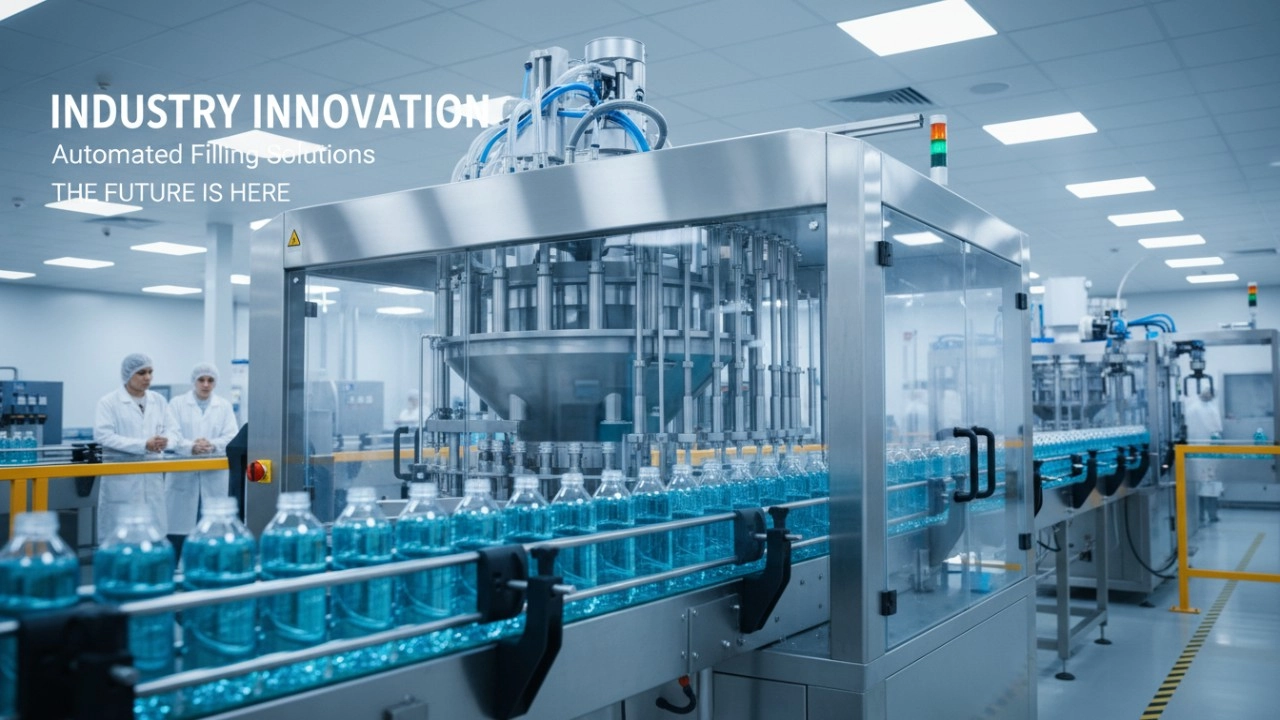
How to Future-Proof Your Production Line: The Latest Innovations in Precision Filling Machinery (2026 Guide)
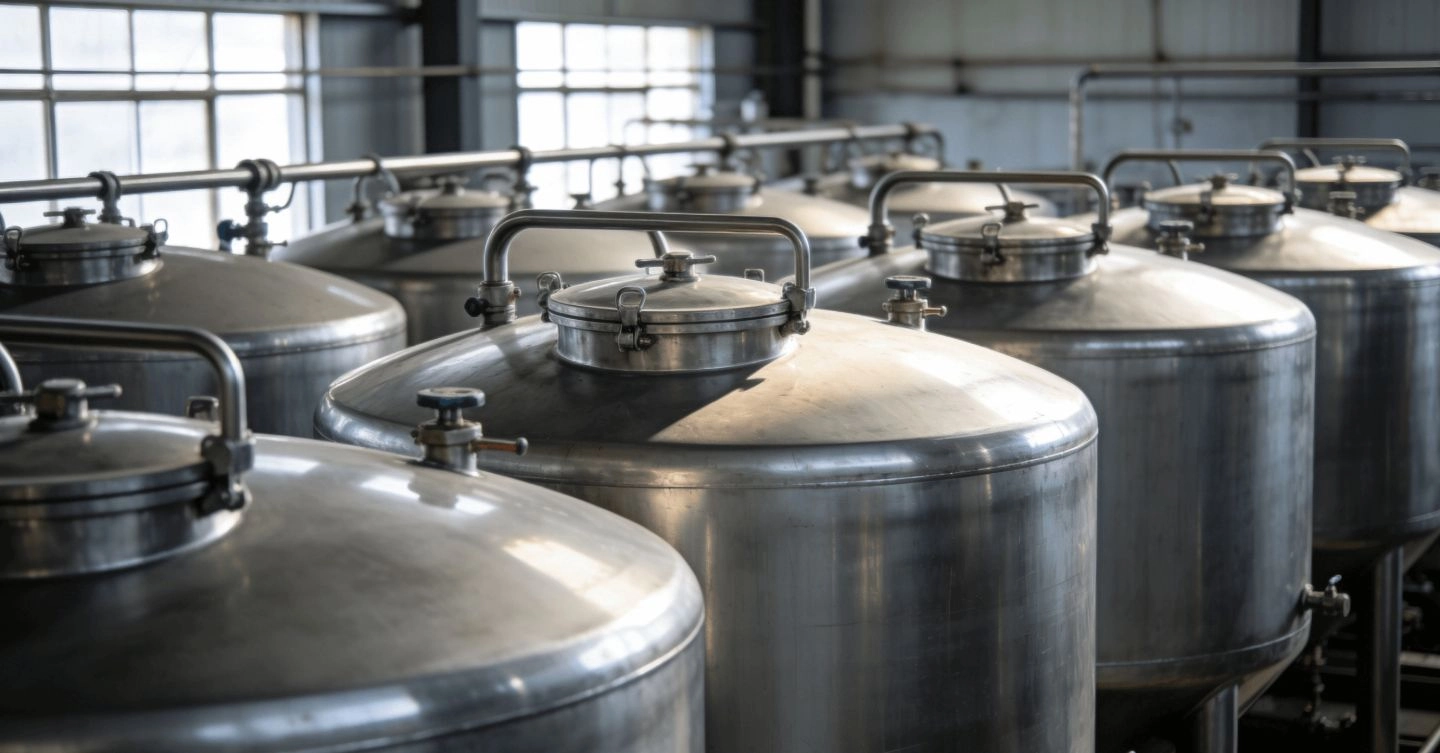
The Definitive Guide to Industrial Storage Tanks 2026: Why Food-Grade Stainless Steel is the Gold Standard
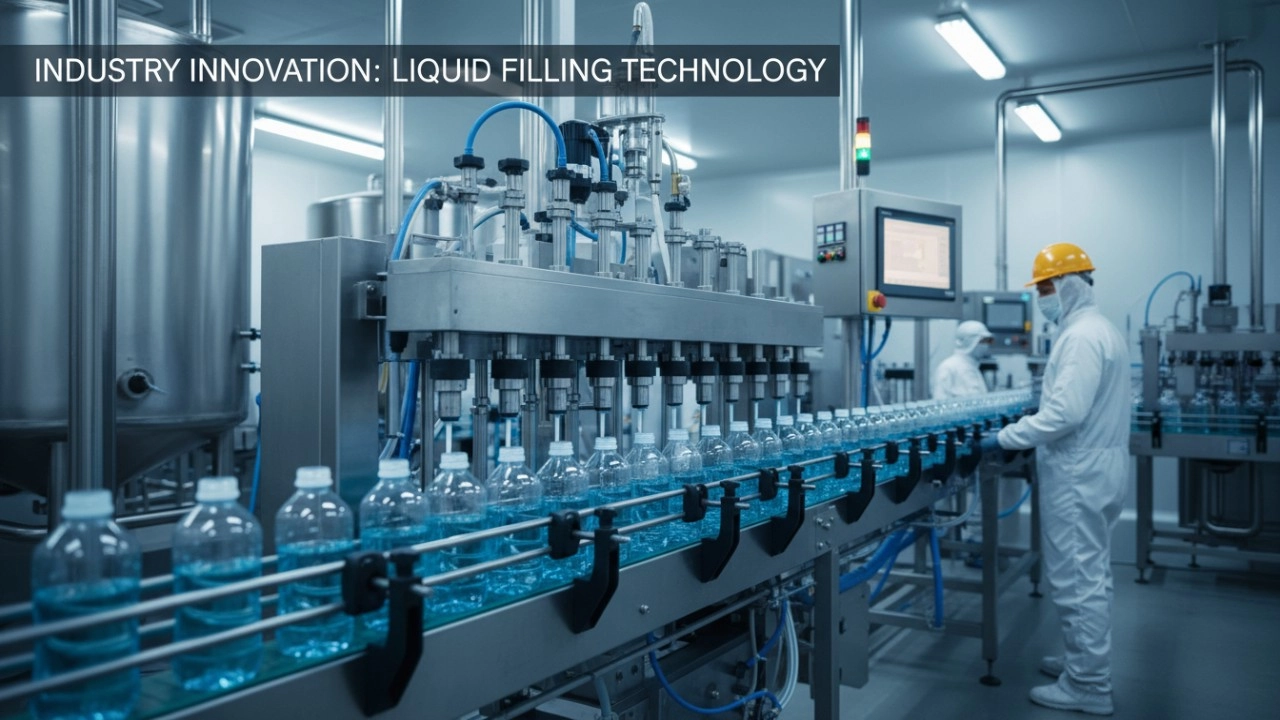
The Ultimate 2026 Guide to Liquid Filling Machines: Types, Technologies, and Strategic Selection
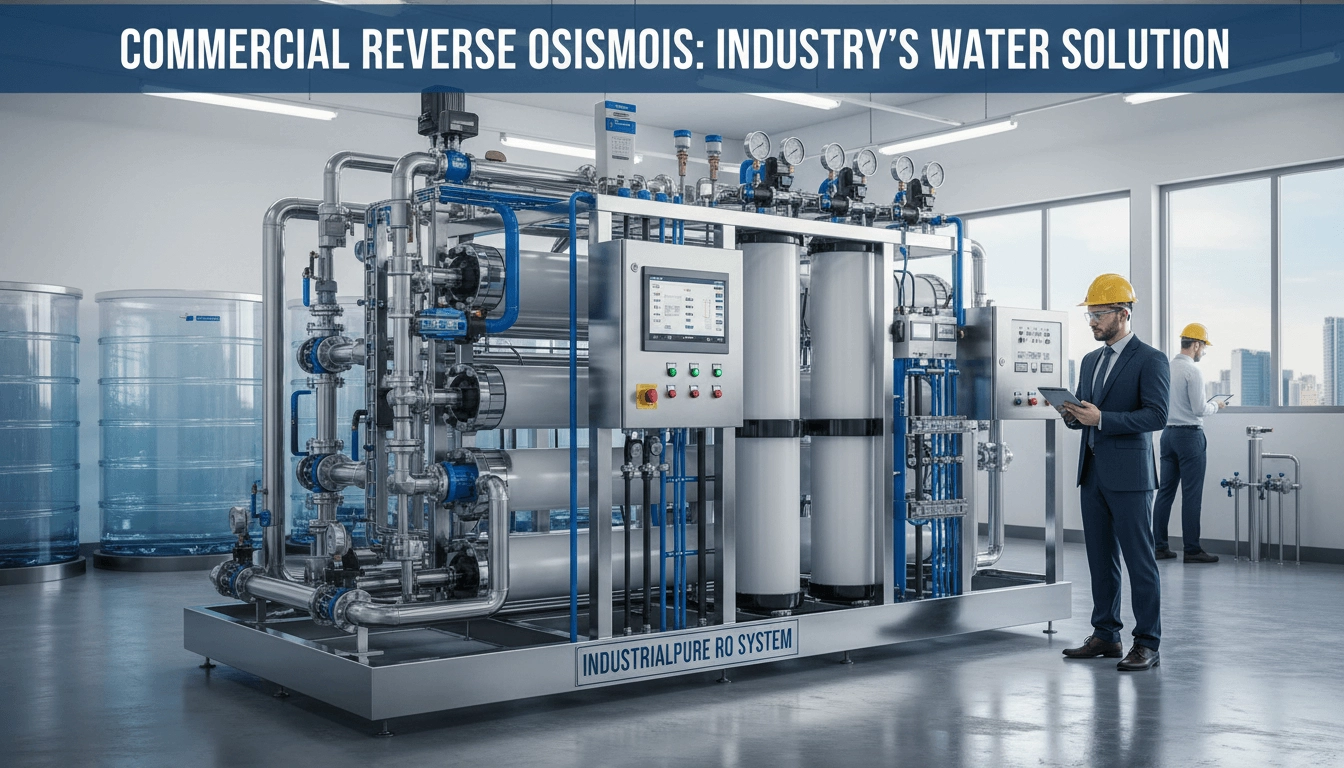
Ultimate Guide to Commercial Reverse Osmosis Systems 2026
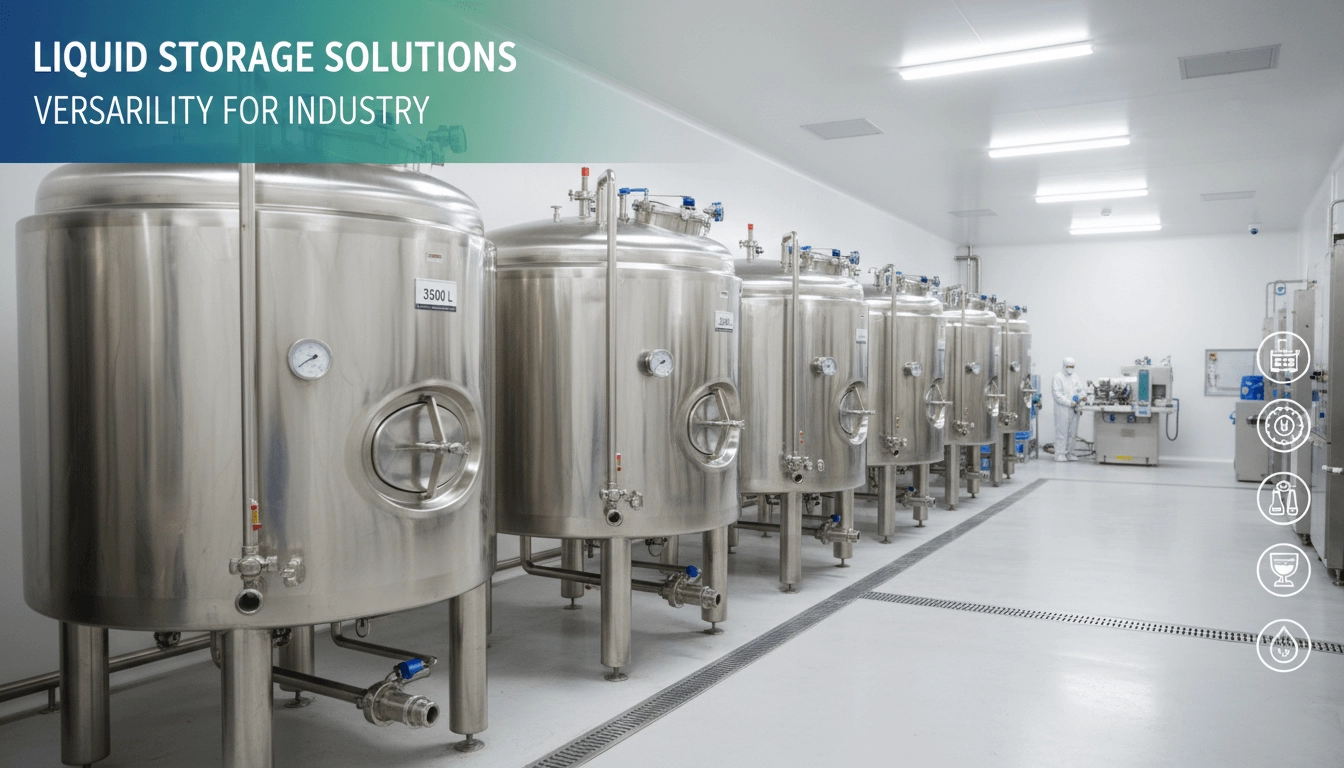
Ultimate Storage Tank Guide for 2026: Selection & Innovations
Cosmetic
Can the equipment handle organic or sensitive formulations?
Yes. Our equipment is designed to handle various special formulations, including organic, additive-free, and sensitive formulations, ensuring no contamination or degradation during processing.
Liquid Mixing Tank
Can you explain the heating principle? How does it achieve heating purpose?
The jacket tank transmits heat to the liquid through the principle of heat conduction, and the heat medium in circulation between the inner wall and the jacket is responsible for conducting heat and transferring the temperature of the jacket heat medium to the liquid product.
Aluminum Foil Sealing Machine
Can you explain the working principle of this air cooling sealing machine?
Working principle: the host sends the ultra-audio current to the sensor head, which is generated by electromagnetic induction in the head of the sensor The flow, to the instant high temperature, the aluminum foil composite film is melted and bonded to the bottle opening, to achieve the effective high quality sealing effect.
Cosmetic Making Machine
How to achieve vacuum environment?
The vacuum pump is a device used to generate vacuum, which can draw out the gas in the container to form a vacuum environment. Close wall pipe valves,only open the vacuum pipe pass-by valve,also open the water inlet of vacuum pump,then operate vacuum button. After the the tank get the standard pressure such -0.05Mpa (check the pressure gauge), stop the vacuum operation,close the pass-by valve.
Detergent powder mixer
Do you also supply the complete powder production line machines?
Yes, we provide a solution including: powder feeding machine, powder mixing machine, and powder packing machine which will be recommended according to how client plans to pack the powder.
Leave a message
Have any questions or concerns about our products? Please leave us a message here, and our team will get back to you promptly.
 Scan QR Code
Facebook
YouTube
LinkedIn
Whatsapp: +8613434139712
Guangzhou Yuanyang Machinery