





What is a powder blender? | YUANYANG Guide
What is a Powder Blender?
A powder blender is an industrial mixing machine designed to uniformly combine dry powders and granular materials. It is widely used in industries like pharmaceuticals, chemicals, food processing, and cosmetics, ensuring product consistency and quality by achieving homogeneous mixtures.
What are the main types of powder blenders?
The most common types of powder blenders include:
- Ribbon Blenders: Used for gentle mixing with a U-shaped trough and inner and outer helical ribbons.
- Tumble Blenders: Include V-blenders and double-cone blenders, ideal for delicate powders requiring minimal shear stress.
- Plow Blenders: Suitable for high-speed mixing of coarse or abrasive powders.
- Fluidized Bed Blenders: Used for drying and blending simultaneously by fluidizing powders with air.
How does a powder blender work?
Powder blenders operate by mechanically agitating materials inside a mixing vessel to break up agglomerates and achieve a uniform blend. Depending on the design, the blender applies shear, convective mixing, or diffusive mixing. For example, ribbon blenders provide convective motion via rotating ribbons, while tumble blenders rely on gravitational tumbling.
What industries commonly use powder blenders?
Powder blenders are essential in several industries:
- Pharmaceuticals: For uniform drug formulations and granules.
- Food Processing: For blending spices, flours, and additives.
- Chemicals: For mixing powders in detergents, pigments, and catalysts.
- Cosmetics: For powders, pigments, and base materials.
What are the key factors to consider when selecting a powder blender?
Selecting the right powder blender depends on:
- Material characteristics: Particle size, density, fragility, and abrasiveness.
- Batch size: Volume to be processed.
- Mixing time and uniformity required.
- Cleaning and maintenance needs.
- Safety and contamination control, especially for pharmaceutical applications.
How to maintain and clean a powder blender effectively?
Proper maintenance is crucial for optimal operation and longevity:
- Regular inspection: Check seals, bearings, and moving parts for wear.
- Cleaning protocols: Use validated cleaning processes especially for GMP environments.
- Lubrication: Follow manufacturer guidelines to reduce friction.
- Calibration: Regularly verify blender performance to maintain mixing quality.
By understanding these aspects, industrial users can optimize powder blending processes, ensuring product quality and efficiency.
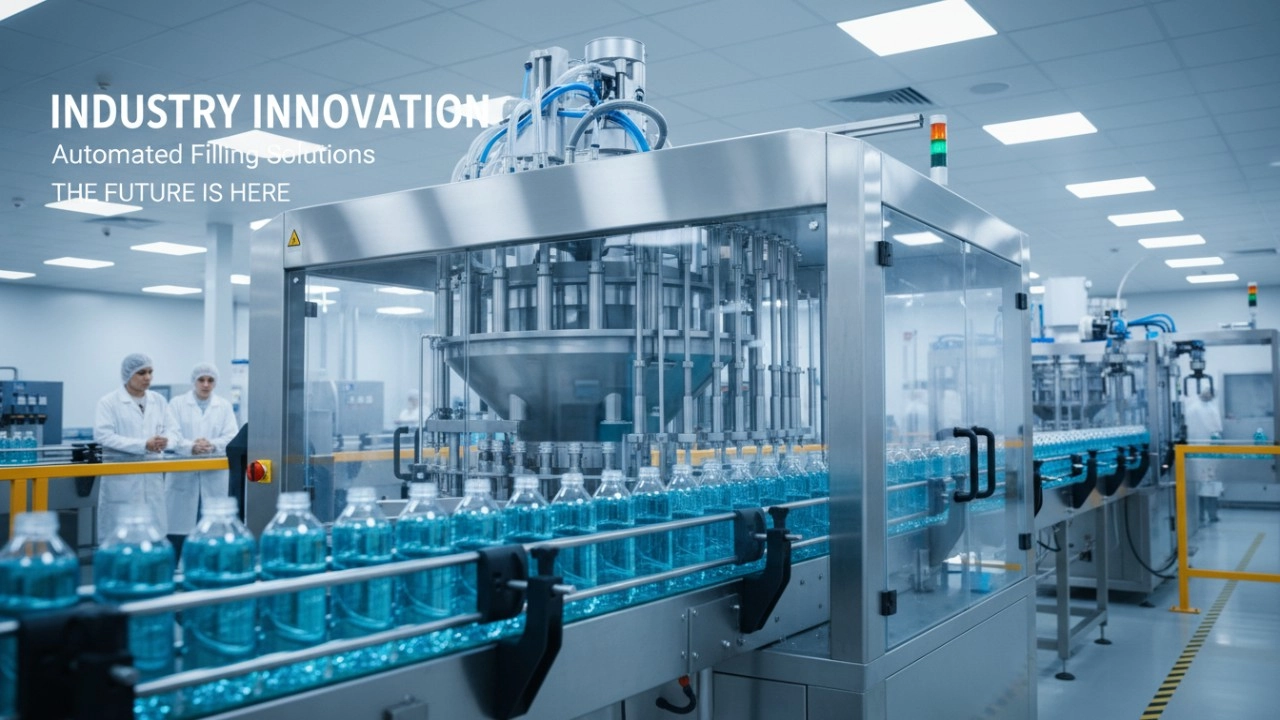
How to Future-Proof Your Production Line: The Latest Innovations in Precision Filling Machinery (2026 Guide)
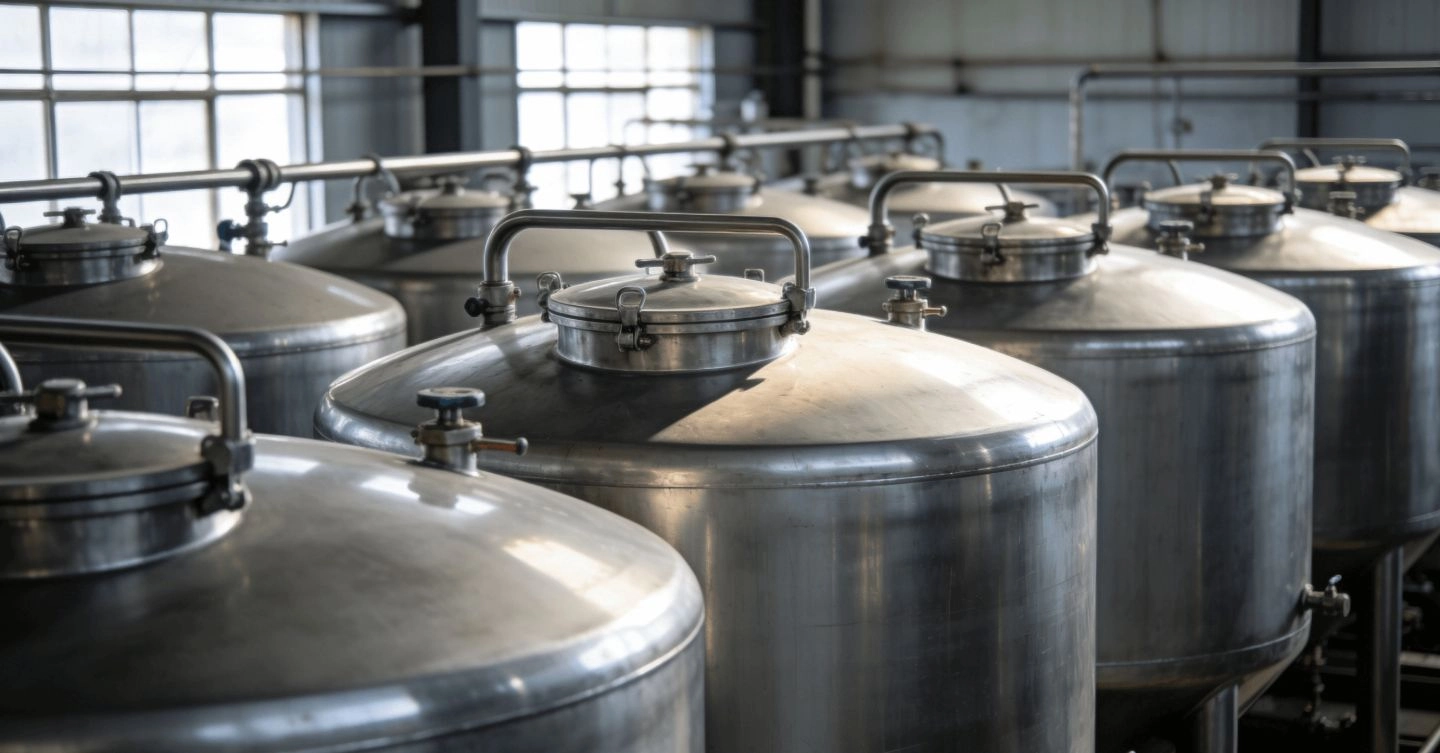
The Definitive Guide to Industrial Storage Tanks 2026: Why Food-Grade Stainless Steel is the Gold Standard
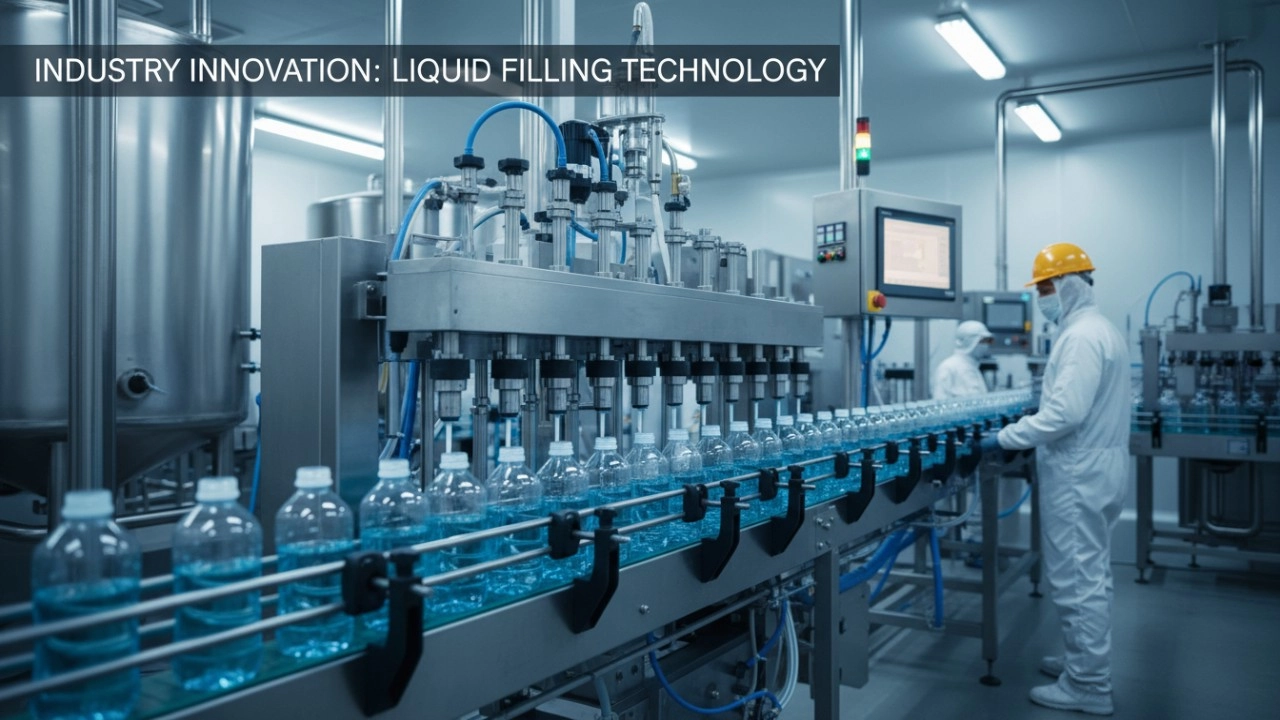
The Ultimate 2026 Guide to Liquid Filling Machines: Types, Technologies, and Strategic Selection
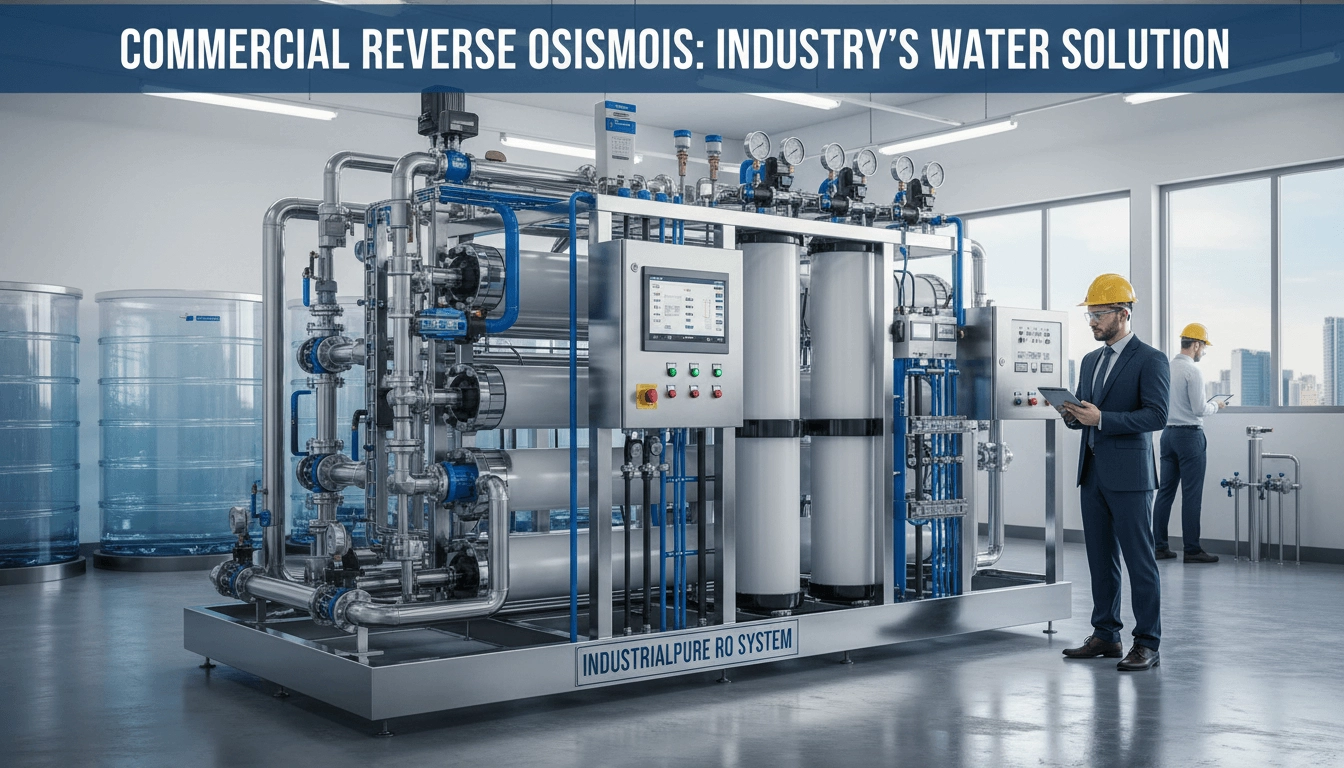
Ultimate Guide to Commercial Reverse Osmosis Systems 2026
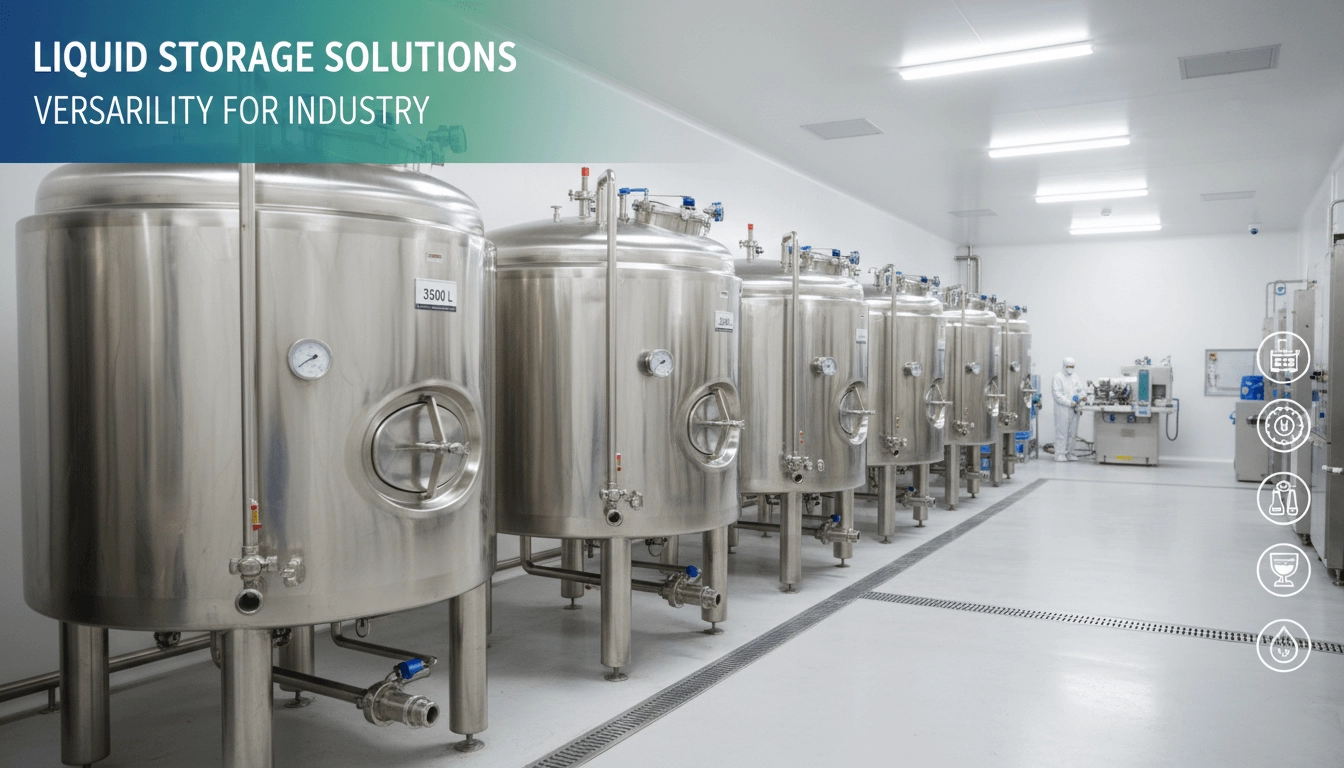
Ultimate Storage Tank Guide for 2026: Selection & Innovations
Homogenizer Mixing Tank with Circulation System
Do you have a water pump with flow meter installed for the shampoo mixer machine?
Yes, water pump with flow meter can be added upon requirements.
Semi Automatic Capping Machine
The capping wheel is a little high for the small bottles, do you have solutions?
Yes, we have designed cylinder type for mini bottles.
Melting Tank
Can you add a mixing function for the tank with heater?
Sure, the cooling tank or heating tank can be customized with top mixing such as paddle, or frame, or scrapers. And client can choose a fixed speed 60rpm, or standard 0-60 rpm with speed adjustment, or customize other speed.
Aluminum Foil Sealing Machine
What’s the distance between the bottle neck and sealing head for the best sealing effect?
Generally, the distance between cap and sealing device is no more than 5 mm, and for large diameter bottle,make the distance 8 mm. The longer distance, the weaker power becomes, the larger bottle,requires larger working power.
Automatic Screw Capping Machine
Is the plastic bottle capping machine electric drive or pneumatic drive?
This bottle cap closing machine is with both electric drive and pneumatic drive. It requires an air compressor.
Leave a message
Have any questions or concerns about our products? Please leave us a message here, and our team will get back to you promptly.
 Scan QR Code
Facebook
YouTube
LinkedIn
Whatsapp: +8613434139712
Guangzhou Yuanyang Machinery